Watch the Illustrated Version of “Alice’s Restaurant,” Arlo Guthrie’s Thanksgiving Counterculture Classic

Alice’s Restau­rant. It’s now a Thanks­giv­ing clas­sic, and some­thing of a tra­di­tion around here. Record­ed in 1967, the 18+ minute coun­ter­cul­ture song recounts Arlo Guthrie’s real encounter with the law, start­ing on Thanks­giv­ing Day 1965. As the long song unfolds, we hear all about how a hip­pie-bat­ing police offi­cer, by the name of William “Obie” Oban­hein, arrest­ed Arlo for lit­ter­ing. (Cul­tur­al foot­note: Obie pre­vi­ous­ly posed for sev­er­al Nor­man Rock­well paint­ings, includ­ing the well-known paint­ing, “The Run­away,” that graced a 1958 cov­er of The Sat­ur­day Evening Post.) In fair­ly short order, Arlo pleads guilty to a mis­de­meanor charge, pays a $25 fine, and cleans up the thrash. But the sto­ry isn’t over. Not by a long shot. Lat­er, when Arlo (son of Woody Guthrie) gets called up for the draft, the pet­ty crime iron­i­cal­ly becomes a basis for dis­qual­i­fy­ing him from mil­i­tary ser­vice in the Viet­nam War. Guthrie recounts this with some bit­ter­ness as the song builds into a satir­i­cal protest against the war: “I’m sit­tin’ here on the Group W bench ’cause you want to know if I’m moral enough to join the Army, burn women, kids, hous­es and vil­lages after bein’ a lit­ter­bug.” And then we’re back to the cheery cho­rus again: “You can get any­thing you want, at Alice’s Restau­rant.”

We have fea­tured Guthrie’s clas­sic dur­ing past years. But, for this Thanks­giv­ing, we give you the illus­trat­ed ver­sion. Hap­py Thanks­giv­ing to every­one who plans to cel­e­brate the hol­i­day today.

If you would like to sign up for Open Culture’s free email newslet­ter, please find it here. It’s a great way to see our new posts, all bun­dled in one email, each day.

If you would like to sup­port the mis­sion of Open Cul­ture, con­sid­er mak­ing a dona­tion to our site. It’s hard to rely 100% on ads, and your con­tri­bu­tions will help us con­tin­ue pro­vid­ing the best free cul­tur­al and edu­ca­tion­al mate­ri­als to learn­ers every­where. You can con­tribute through Pay­Pal, Patre­on, and Ven­mo (@openculture). Thanks!

Relat­ed Con­tent:

Bob Dylan’s Thanks­giv­ing Radio Show: A Playlist of 18 Delec­table Songs

William S. Bur­roughs Reads His Sar­cas­tic “Thanks­giv­ing Prayer” in a 1988 Film By Gus Van Sant

Mar­i­lyn Monroe’s Hand­writ­ten Turkey-and-Stuff­ing Recipe

William Shat­ner Raps About How to Not Kill Your­self Deep Fry­ing a Turkey

F. Scott Fitzgerald’s 13 Tips for What to Do with Your Left­over Thanks­giv­ing Turkey

by | Permalink | Make a Comment ( 1 ) |

Watch Classical Music Get Perfectly Visualized as an Emotional Roller Coaster Ride

When the Zurich Cham­ber Orches­tra aka the Zürcher Kam­merorch­ester want­ed to pro­mote its new sea­son in 2012 it com­mis­sioned stu­dio Vir­tu­al Repub­lic to think about lis­ten­ing to a sym­pho­ny as a ride, or more exact­ly an emo­tion­al roller­coast­er. And it returned with this brief inter­pre­ta­tion of the first vio­lin score for the fourth move­ment of Fer­di­nand Ries’ Sec­ond Sym­pho­ny.

It might not be as easy to fol­low as the Music Ani­ma­tion Machine we post­ed about last week, but the build­ing crescen­do of the violin’s line makes for a love­ly ascent, but once over the peak, the furi­ous drop is all ver­tig­i­nous runs until its sud­den stop.

Or as Vir­tu­al Repub­lic described their own work:

The notes and bars were exact­ly syn­chro­nized with the pro­gres­sion in the ani­ma­tion so that the typ­i­cal move­ments of a roller­coast­er ride match the dra­mat­ic com­po­si­tion of the music.

The pro­duc­tion company’s Vimeo page shows a lot of domes­tic prod­uct com­mer­cial CGI work, from dish­wash­ers to paint, so the chance to jump on some­thing a bit more artis­tic must have been a relief.

Watch a Mak­ing-of video below…

Relat­ed Con­tent:

Watch Clas­si­cal Music Come to Life in Art­ful­ly Ani­mat­ed Scores: Stravin­sky, Debussy, Bach, Beethoven, Mozart & More

Watch “Geom­e­try of Cir­cles,” the Abstract Sesame Street Ani­ma­tion Scored by Philip Glass (1979)

Philo­graph­ics Presents a Visu­al Dic­tio­nary of Phi­los­o­phy: 95 Philo­soph­i­cal Con­cepts as Graph­ic Designs

Net Neutrality Explained and Defended in a Doodle-Filled Video by Vi Hart: The Time to Save the Open Web is Now

By the end of Decem­ber, net neu­tral­i­ty may be a thing of the past. We’ll pay the price. You’ll pay the price. Com­cast, Ver­i­zon and AT&T will make out like ban­dits.

If you need a quick reminder of what net neu­tral­i­ty is, what ben­e­fits it brings and what you stand to lose, watch Vi Hart’s 11-minute explain­er above. It lays things out quite well. Then, once you have a han­dle on things, write or call Con­gress now and make a last stand for the open web.

If you would like to sign up for Open Culture’s free email newslet­ter, please find it here. It’s a great way to see our new posts, all bun­dled in one email, each day.

If you would like to sup­port the mis­sion of Open Cul­ture, con­sid­er mak­ing a dona­tion to our site. It’s hard to rely 100% on ads, and your con­tri­bu­tions will help us con­tin­ue pro­vid­ing the best free cul­tur­al and edu­ca­tion­al mate­ri­als to learn­ers every­where. You can con­tribute through Pay­Pal, Patre­on, and Ven­mo (@openculture). Thanks!

by | Permalink | Make a Comment ( 5 ) |

The 1991 Tokyo Museum Exhibition That Was Only Accessible by Telephone, Fax & Modem: Features Works by Laurie Anderson, John Cage, William S. Burroughs, J.G. Ballard & Merce Cunningham

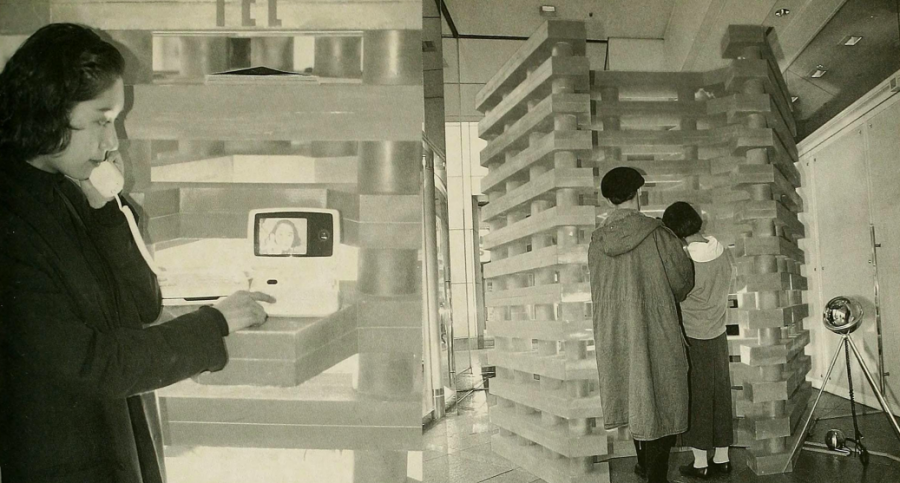
The deep­er we get into the 21st cen­tu­ry, the more ener­gy and resources muse­ums put into dig­i­tiz­ing their offer­ings and mak­ing them avail­able, free and world­wide, as vir­tu­al expe­ri­ences on the inter­net. But what form would a vir­tu­al muse­um have tak­en before the inter­net as we know it today? Japan­ese telecom­mu­ni­ca­tions giant NTT (best known today in the form of the cell­phone ser­vice provider NTT DoCo­Mo) devel­oped one answer to that ques­tion in 1991: The Muse­um Inside the Tele­phone Net­work, an elab­o­rate art exhib­it acces­si­ble nowhere in the phys­i­cal world but every­where in Japan by tele­phone, fax, and even — in a high­ly lim­it­ed, pre-World-Wide-Web fash­ion — com­put­er modem.

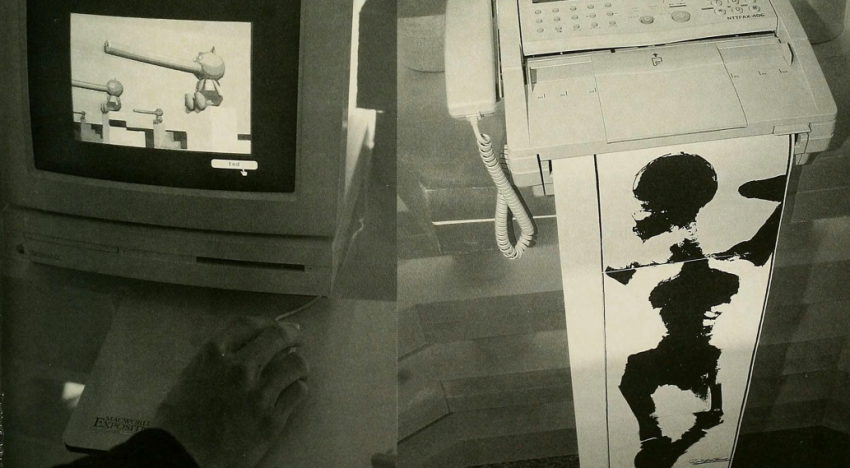
“The works and mes­sages from almost 100 artists, writ­ers, and cul­tur­al fig­ures were avail­able through five chan­nels,” says Mono­skop, where you can down­load The Muse­um Inside the Tele­phone Net­work’s cat­a­log (also avail­able in high res­o­lu­tion). “The works in ‘Voice & sound chan­nel’ such as talks and read­ings on the theme of com­mu­ni­ca­tion could be lis­tened to by tele­phone. The ‘Inter­ac­tive chan­nel’ offered par­tic­i­pants to cre­ate musi­cal tunes by push­ing but­tons on a tele­phone. Works of art, nov­els, comics and essays could be received at home through ‘Fax chan­nel.’ The ‘Live chan­nel’ offered artists’ live per­for­mances and tele­phone dia­logues between invit­ed intel­lec­tu­als to be heard by tele­phone. Addi­tion­al­ly, com­put­er graph­ics works could be accessed by modem and down­loaded to one’s per­son­al com­put­er screen for view­ing.”

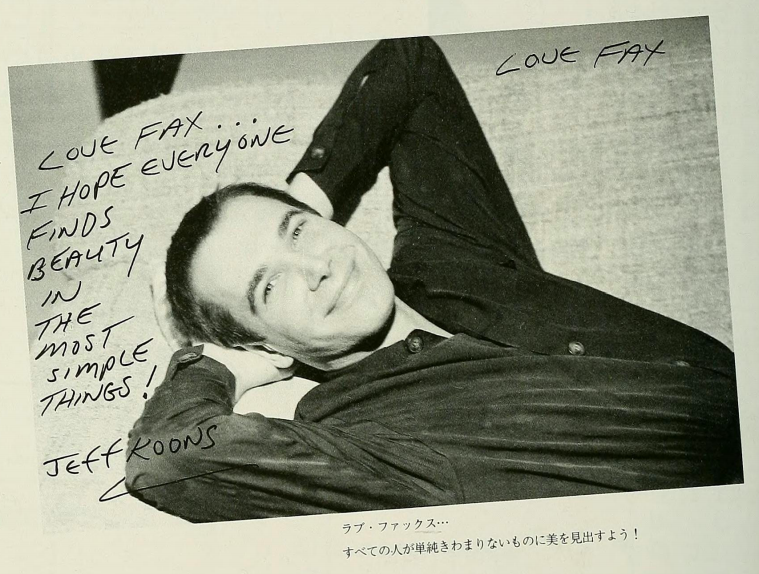
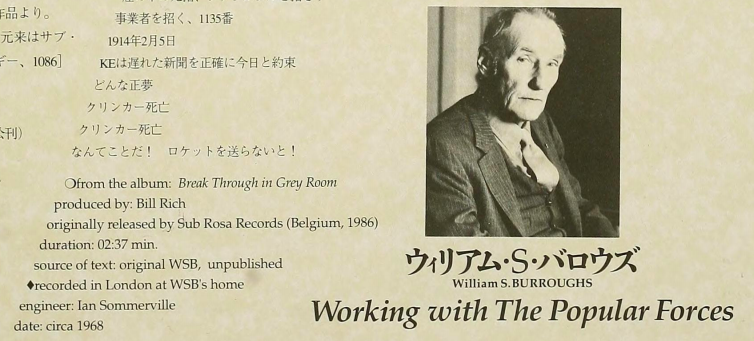
“We need to rec­og­nize hon­est­ly that there were numer­ous prob­lems with The Muse­um Inside the Tele­phone Net­work,” writes cura­tor and crit­ic Asa­da Aki­ra in the cat­a­log’s intro­duc­tion. “Nei­ther the prepa­ra­tion time nor the means for car­ry­ing it out was suf­fi­cient. Thus there were not a few cre­ative artists whose par­tic­i­pa­tion would have been a great asset to the project, but whom we were forced to do with­out.” Yet its list of con­trib­u­tors, which still reads like a Who’s-Who of the avant-garde and oth­er­wise adven­tur­ous cre­ators of the day, includes archi­tects like Isoza­ki Ara­ta and Ren­zo Piano, musi­cians like Lau­rie Ander­son and Sakamo­to Ryuichi, direc­tors like Kuro­sawa Kiyoshi and Derek Jar­man, writ­ers like William S. Bur­roughs and J.G. Bal­lard, com­posers like John Cage and Philip Glass, chore­o­g­ra­phers like William Forsythe, Mer­ce Cun­ning­ham, and visu­al artists like Yokoo Tadanori and Jeff Koons.

The Muse­um Inside the Tele­phone Net­work launched as the first ven­ture of NTT’s Inter­Com­mu­ni­ca­tion Cen­ter (ICC), a “21st-cen­tu­ry muse­um that will pro­vide inter­face between sci­ence and tech­nol­o­gy and art and cul­ture in the com­ing elec­tron­ic age,” as Asa­da described it in 1991. Hav­ing recent­ly cel­e­brat­ed its 20th year open in Toky­o’s Opera City Tow­er, the ICC con­tin­ues to put on a vari­ety of non-vir­tu­al exhi­bi­tions very much in the spir­it of the orig­i­nal, and involv­ing some of the very same artists as well (as of this writ­ing, they’re ready­ing a music instal­la­tion co-cre­at­ed by Sakamo­to). But offline or on, any union of art and tech­nol­o­gy is only as inter­est­ing as the spir­it moti­vat­ing it, and the cre­ators of such projects would do well to keep in mind the words of The Muse­um Inside the Tele­phone Net­work con­trib­u­tor Kon­dou Kou­ji: “I hope that peo­ple will think of this as the expe­ri­ence of acci­den­tal­ly drift­ing into a tele­phone net­work, where­in awaits a vast world of plea­sure and fun.”

via @monoskop

Relat­ed Con­tent:

Take a Vir­tu­al Tour of the 1913 Exhi­bi­tion That Intro­duced Avant-Garde Art to Amer­i­ca

Take a Vir­tu­al Real­i­ty Tour of the World’s Stolen Art

Japan­ese Com­put­er Artist Makes “Dig­i­tal Mon­dri­ans” in 1964: When Giant Main­frame Com­put­ers Were First Used to Cre­ate Art

Good Morn­ing, Mr. Orwell: Nam June Paik’s Avant-Garde New Year’s Cel­e­bra­tion with Lau­rie Ander­son, John Cage, Peter Gabriel & More

Based in Seoul, Col­in Mar­shall writes and broad­casts on cities and cul­ture. His projects include the book The State­less City: a Walk through 21st-Cen­tu­ry Los Ange­les and the video series The City in Cin­e­ma. Fol­low him on Twit­ter at @colinmarshall or on Face­book.

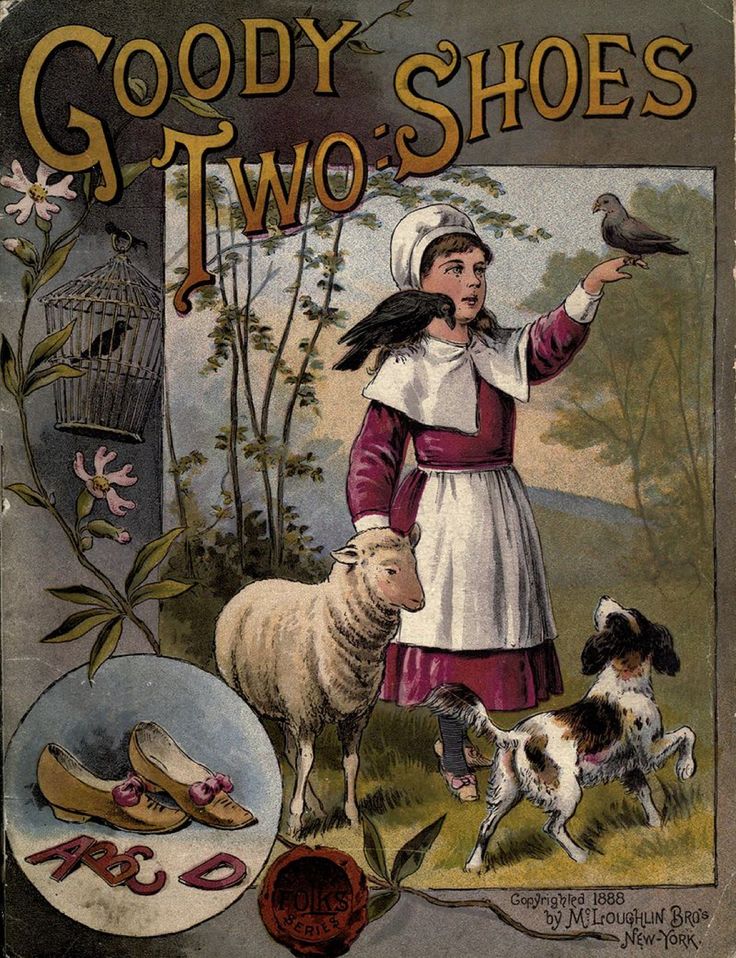
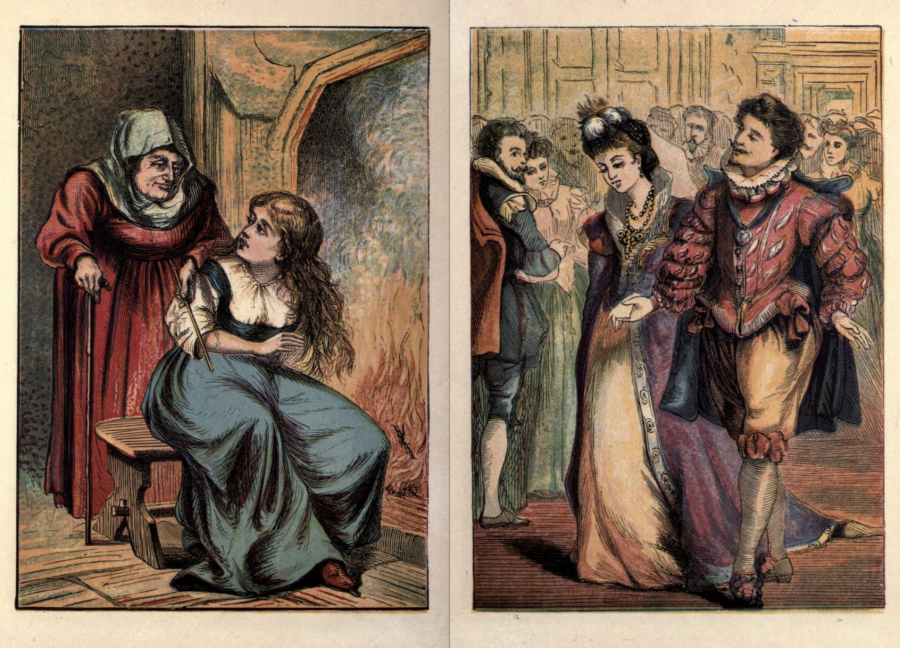
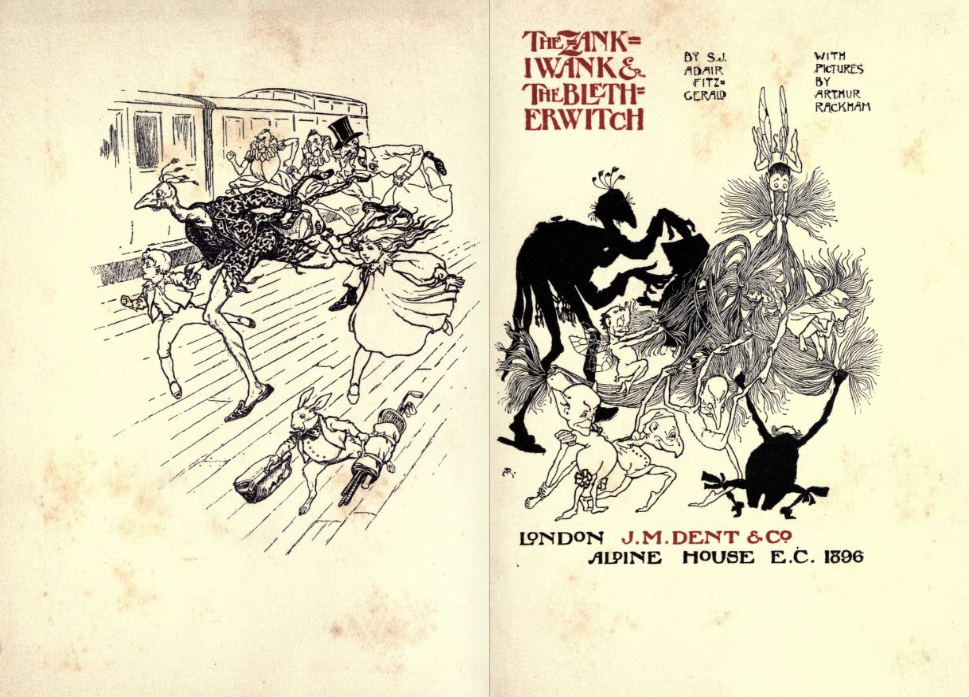
A Digital Archive of 1,800+ Children’s Books from UCLA

In the ear­ly 18th cen­tu­ry, the nov­el was seen as a friv­o­lous and triv­ial form at best, a moral­ly cor­rupt­ing one at worst. Giv­en that the pri­ma­ry read­ers of nov­els were women, the belief smacks of patri­ar­chal con­de­scen­sion and a kind of thought con­trol. Fic­tion is a place where read­ers can imag­i­na­tive­ly live out fan­tasies and tragedies through the eyes of an imag­ined oth­er. Respectable mid­dle-class women were expect­ed instead to read con­duct man­u­als and devo­tion­als.

Eng­lish nov­el­ist Samuel Richard­son sought to bring respectabil­i­ty to his art in the form of Pamela in 1740, a nov­el which began as a con­duct man­u­al and whose sub­ti­tle rather blunt­ly states the moral of the sto­ry: “Virtue Reward­ed.”

This mor­al­iz­ing expressed itself in anoth­er lit­er­ary form as well. Children’s books, such as there were, also tend­ed toward the moral­is­tic and didac­tic, in attempts to steer their read­ers away from the dan­gers of what was then called “enthu­si­asm.”

“Pri­or to the mid-eigh­teenth cen­tu­ry,” notes the UCLA Children’s Book Col­lec­tion—a dig­i­tal repos­i­to­ry of over 1800 children’s books dat­ing from 1728 to 1999—“books were rarely cre­at­ed specif­i­cal­ly for chil­dren, and children’s read­ing was gen­er­al­ly con­fined to lit­er­a­ture intend­ed for their edu­ca­tion and moral edi­fi­ca­tion rather than for their amuse­ment. Reli­gious works, gram­mar books, and ‘cour­tesy books’ (which offered instruc­tion on prop­er behav­ior) were vir­tu­al­ly the only ear­ly books direct­ed at chil­dren.” But a change was in the mak­ing in the mid­dle of the cen­tu­ry.

Pamela attract­ed a rib­ald, even porno­graph­ic, response—most notably in Hen­ry Fielding’s satire An Apol­o­gy for the Life of Mrs. Shamela Andrews and the Mar­quis de Sade’s Jus­tine Mean­while, the world of children’s lit­er­a­ture also under­went a rad­i­cal shift. “The notion of plea­sure in learn­ing was becom­ing more wide­ly accept­ed.” Illus­tra­tions, pre­vi­ous­ly “con­sist­ing of small wood­cut vignettes,” slow­ly began to move to the fore, and “inno­va­tions in typog­ra­phy and print­ing allowed greater free­dom in repro­duc­ing art.”

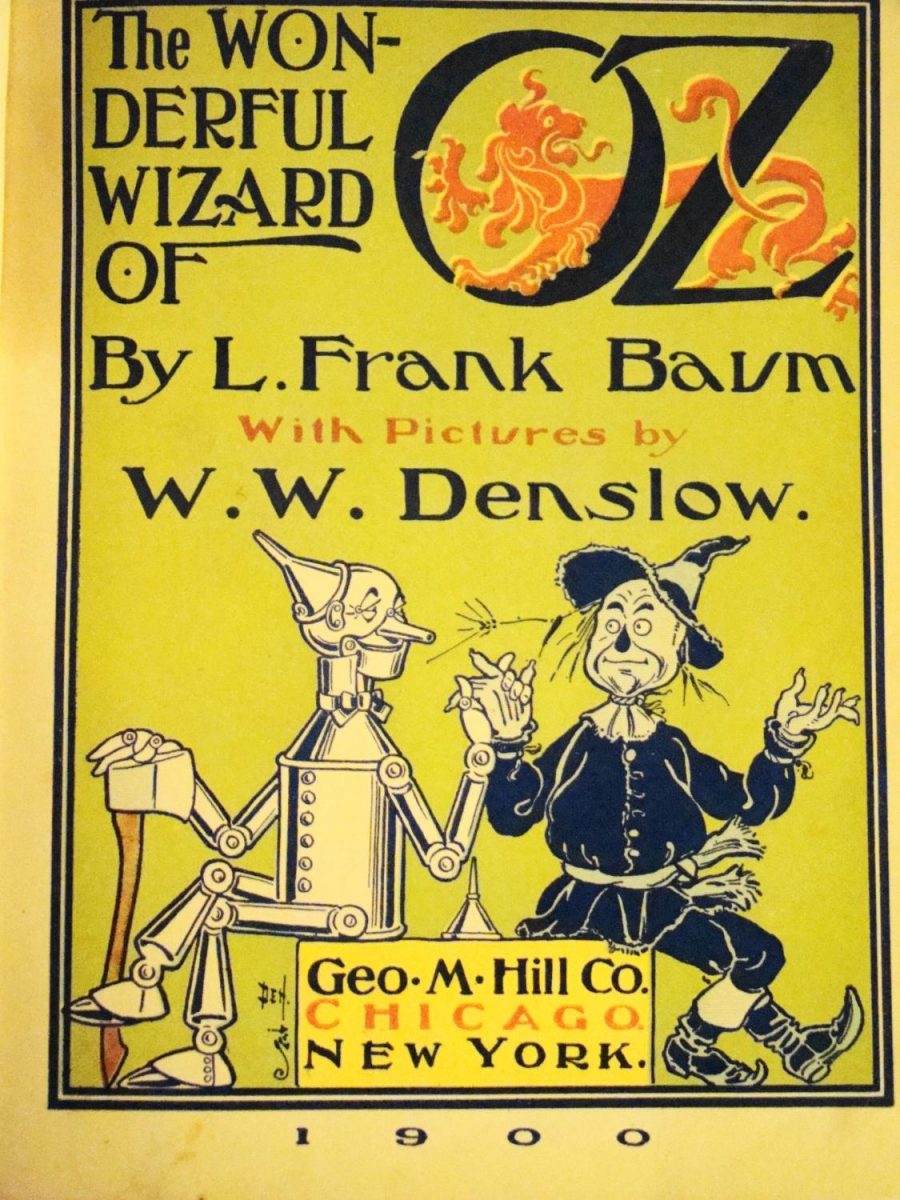
That’s not to say that the didac­tic atti­tude was dispelled—we see codes of con­duct and overt reli­gious themes embed­ded in children’s lit­er­a­ture through­out the 19th cen­tu­ry. But as we point­ed out in a post on anoth­er children’s book archive from the Uni­ver­si­ty of Flori­da, the more staid and tra­di­tion­al books increas­ing­ly com­pet­ed with adven­ture sto­ries, works of fan­ta­sy, and what we call today Young Adult lit­er­a­ture like that of Mark Twain and Louisa May Alcott. You can see this ten­sion in the UCLA col­lec­tion, between plea­sure and duty, leisure and work, and edu­ca­tion as moral and social train­ing and as a means of achiev­ing per­son­al free­dom.

Of the adult lit­er­ary imag­i­na­tion of the time, Leo Bersani writes in A Future for Astyanax that “the con­fronta­tion in nine­teenth-cen­tu­ry works between a struc­tured, social­ly viable and ver­bal­ly ana­lyz­able self and the wish to shat­ter psy­chic and social struc­tures pro­duces con­sid­er­able stress and con­flict.” I think we can see a sim­i­lar con­flict, expressed much more play­ful­ly, in books for chil­dren of the past two hun­dred years or so. Enter the UCLA col­lec­tion, which includes not only his­toric chil­dren’s books but present-day exhib­it cat­a­logs and more, here.

Relat­ed Con­tent:

Enter an Archive of 6,000 His­tor­i­cal Children’s Books, All Dig­i­tized and Free to Read Online

The First Children’s Pic­ture Book, 1658’s Orbis Sen­su­al­i­um Pic­tus

The Anti-Slav­ery Alpha­bet: 1846 Book Teach­es Kids the ABCs of Slavery’s Evils

Josh Jones is a writer and musi­cian based in Durham, NC. Fol­low him at @jdmagness

1934 Map Resizes the World to Show Which Country Drinks the Most Tea

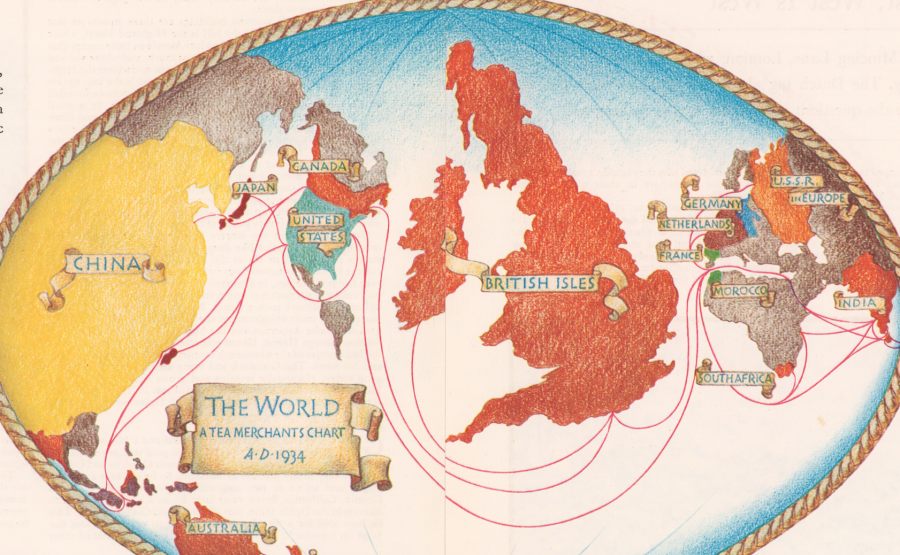
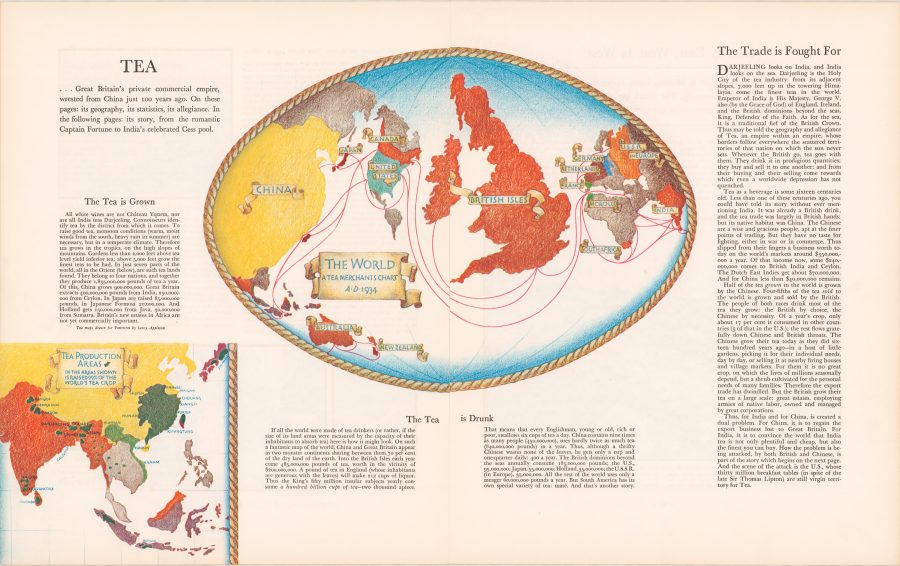
Not a day goes by that I don’t use Google Maps for some­thing or oth­er, whether it’s basic nav­i­ga­tion, research­ing an address, or find­ing a dry clean­er. Though some of us might resent the dom­i­nance such map­ping tech­nol­o­gy has over our dai­ly inter­ac­tions, there’s no deny­ing its end­less util­i­ty. But maps can be so much more than use­ful tools for get­ting around—they are works of art, thought exper­i­ments, imag­i­na­tive flights of fan­cy, and data visu­al­iza­tion tools, to name but a few of their over­lap­ping func­tions. For the impe­ri­al­ists of pre­vi­ous ages, maps dis­played a mas­tery of the world, whether cat­a­logu­ing trav­el times from Lon­don to every­where else on the globe, or—as in the exam­ple we have here—resizing coun­tries accord­ing to how much tea their peo­ple drank.

But this is not a map we should look to for accu­ra­cy. Like many such car­to­graph­ic data charts, it pro­motes a par­tic­u­lar agen­da. “George Orwell once wrote that tea was one of the main­stays of civ­i­liza­tion,” notes Jack Good­man at Atlas Obscu­ra. “Tea, assert­ed Orwell, has the pow­er to make one feel braver, wis­er, and more opti­mistic. The man spoke for a nation.” (And he spoke to a nation in a 1946 Evening Stan­dard essay, “A Nice Cup of Tea.”) From the map above, titled “The Tea is Drunk” and pub­lished by For­tune Mag­a­zine in 1934, we learn, writes Good­man, that “Britain con­sumed 485,000 pounds of tea per year. That’s one hun­dred bil­lion cups of tea, or around six cups a day for each per­son.” We might note how­ev­er, that “the pop­u­la­tion of Chi­na was then nine times big­ger than that of the U.K., and they drank rough­ly twice as much tea as the Brits did.” Why isn’t Chi­na at the cen­ter of the map? “The author made a ten­u­ous point about the cul­tur­al dif­fer­ences between the two: the Chi­nese drank tea as a neces­si­ty, the British by choice.”

Cor­nell Uni­ver­si­ty library’s descrip­tion of the map is more forth­right: “While Chi­na actu­al­ly con­sumed twice as much tea as Britain, its posi­tion at the edge of the map assured that the focus will be on the British Isles.” That focus is com­mer­cial in nature, meant to encour­age and inform British tea mer­chants for whom tea was more than a bev­er­age; it was one of the nation’s pre-emi­nent com­modi­ties, though most of what was sold as a nation­al prod­uct was Indi­an tea grown in India. Yet the map brims with pride in the British tea trade. “Thus may be told the geog­ra­phy and alle­giance of Tea,” its author pro­claims, “an empire with­in an empire, whose bor­ders fol­low every­where the scat­tered ter­ri­to­ries of that nation on which the sun nev­er sets.” A lit­tle over a decade lat­er, India won its inde­pen­dence, and the empire began to fall apart. But the British nev­er lost their taste for or their nation­al pride in tea. View and down­load a high-res­o­lu­tion scan of the “Tea is Drunk” map at the Cor­nell Library site.

via Atlas Obscu­ra

Relat­ed Con­tent:

George Orwell Explains How to Make a Prop­er Cup of Tea

10 Gold­en Rules for Mak­ing the Per­fect Cup of Tea (1941)

Col­or­ful Maps from 1914 and 2016 Show How Planes & Trains Have Made the World Small­er and Trav­el Times Quick­er

Josh Jones is a writer and musi­cian based in Durham, NC. Fol­low him at @jdmagness

Expensive Wine Is for Dupes: Scientific Study Finds No Strong Correlation Between Quality & Price

If wine is on your Thanks­giv­ing menu tomor­row, then keep this sci­en­tif­ic find­ing in mind: Accord­ing to a 2008 study pub­lished in the Jour­nal of Wine Eco­nom­ics, the qual­i­ty of wine does­n’t gen­er­al­ly cor­re­late with its price. At least not for most peo­ple. Writ­ten by researchers from Yale, UC Davis and the Stock­holm School of Eco­nom­ics, the abstract for the study states:

Indi­vid­u­als who are unaware of the price do not derive more enjoy­ment from more expen­sive wine. In a sam­ple of more than 6,000 blind tast­ings, we find that the cor­re­la­tion between price and over­all rat­ing is small and neg­a­tive, sug­gest­ing that indi­vid­u­als on aver­age enjoy more expen­sive wines slight­ly less. For indi­vid­u­als with wine train­ing, how­ev­er, we find indi­ca­tions of a non-neg­a­tive rela­tion­ship between price and enjoy­ment. Our results are robust to the inclu­sion of indi­vid­ual fixed effects, and are not dri­ven by out­liers: when omit­ting the top and bot­tom deciles of the price dis­tri­b­u­tion, our qual­i­ta­tive results are strength­ened, and the sta­tis­ti­cal sig­nif­i­cance is improved fur­ther. These find­ings sug­gest that non-expert wine con­sumers should not antic­i­pate greater enjoy­ment of the intrin­sic qual­i­ties of a wine sim­ply because it is expen­sive or is appre­ci­at­ed by experts.

You can read online the com­plete study, “Do More Expen­sive Wines Taste Bet­ter? Evi­dence from a Large Sam­ple of Blind Tast­ings.” But if you’re look­ing for some­thing that puts the sci­ence into more quo­ti­di­en Eng­lish and makes the larg­er case for keep­ing your hard-earned cash, watch the video from Vox above.

Relat­ed Con­tent:

The Old­est Unopened Bot­tle of Wine in the World (Cir­ca 350 AD)

Vin­tage Wine in our Col­lec­tion of 1100 Free Online Cours­es

Sal­vador Dali’s 1978 Wine Guide, The Wines of Gala, Gets Reis­sued: Sen­su­al Viti­cul­ture Meets Sur­re­al Art

The Corkscrew: The 700-Pound Mechan­i­cal Sculp­ture That Opens a Wine Bot­tle & Pours the Wine

by | Permalink | Make a Comment ( 4 ) |

Watch “Alike,” a Poignant Short Animated Film About the Enduring Conflict Between Creativity and Conformity

From Barcelona comes “Alike,” a short ani­mat­ed film by Daniel Martínez Lara and Rafa Cano Mén­dez. Made with Blender, an open-source 3D ren­der­ing pro­gram, “Alike” has won a heap of awards and clocked an impres­sive 10 mil­lion views on Youtube and Vimeo. A labor of love made over four years, the film revolves around this ques­tion: “In a busy life, Copi is a father who tries to teach the right way to his son, Paste. But … What is the cor­rect path?” To find the answer, they have to let a dra­ma play out. Which will pre­vail? Cre­ativ­i­ty? Or con­for­mi­ty? It’s an inter­nal con­flict we’re all famil­iar with. 

Watch the film when you’re not in a rush, when you have sev­en unbur­dened min­utes to take it in. “Alike” will be added to our list of Free Ani­ma­tions, a sub­set of our col­lec­tion, 4,000+ Free Movies Online: Great Clas­sics, Indies, Noir, West­erns, Doc­u­men­taries & More.

If you would like to sign up for Open Culture’s free email newslet­ter, please find it here. It’s a great way to see our new posts, all bun­dled in one email, each day.

If you would like to sup­port the mis­sion of Open Cul­ture, con­sid­er mak­ing a dona­tion to our site. It’s hard to rely 100% on ads, and your con­tri­bu­tions will help us con­tin­ue pro­vid­ing the best free cul­tur­al and edu­ca­tion­al mate­ri­als to learn­ers every­where. You can con­tribute through Pay­Pal, Patre­on, and Ven­mo (@openculture). Thanks!

via Design Taxi

Relat­ed Con­tent:

The Employ­ment: A Prize-Win­ning Ani­ma­tion About Why We’re So Dis­en­chant­ed with Work Today

Bertrand Rus­sell & Buck­min­ster Fuller on Why We Should Work Less, and Live & Learn More

Charles Bukows­ki Rails Against 9‑to‑5 Jobs in a Bru­tal­ly Hon­est Let­ter (1986)

William Faulkn­er Resigns From His Post Office Job With a Spec­tac­u­lar Let­ter (1924)

« Go BackMore in this category... »
Quantcast