How Seinfeld, the Sitcom Famously “About Nothing,” Is Like Gustave Flaubert’s Novels About Nothing

“A show about noth­ing”: peo­ple have described Sein­feld that way for decades, but cre­ators Jer­ry Sein­feld and Lar­ry David did­n’t set out to cre­ate any­thing of the kind. In fact, with Sein­feld him­self already estab­lished as a stand-up come­di­an, they orig­i­nal­ly pitched to NBC a show about how a com­ic finds mate­r­i­al in his day-to-day life. But in its 43rd episode, when the series had become a major cul­tur­al phe­nom­e­non, Sein­feld’s char­ac­ter and Jason Alexan­der’s George Costan­za (whom David based on him­self) pitch a show to tele­vi­sion exec­u­tives where “noth­ing hap­pens,” and fans seized upon the truth about Sein­feld they saw reflect­ed in that joke.

In the video essay above, Evan Puschak, known as the Nerd­writer, fig­ures out why. It’s a cul­tur­al and intel­lec­tu­al jour­ney that takes him back to the 19th-cen­tu­ry nov­els of Gus­tave Flaubert. “Flaubert was a pio­neer of lit­er­ary real­ism, in large part respon­si­ble for rais­ing the sta­tus of the nov­el to that of a high art,” says Puschak.

In 1852, Flaubert wrote a let­ter describ­ing his ambi­tion to write “a book about noth­ing, a book depen­dent on noth­ing exter­nal, which would be held togeth­er by the inter­nal strength of its style.” Instead of want­i­ng to “string you along with mul­ti­ple sus­pense-height­en­ing nar­ra­tive devel­op­ments,” in Puschak’s view, “he wants to bring you into the text itself, to look there for the care­ful­ly con­struct­ed mean­ings that he’s built for you.”

And so, in their own way, do Sein­feld and David in the sit­com that became and remains so beloved in large part with its numer­ous depar­tures from the tra­di­tions the form had estab­lished over the past forty years. “It was­n’t until Sein­feld that the con­ven­tions of the sit­com were decon­struct­ed ful­ly, when all forms of uni­ty, famil­ial and espe­cial­ly roman­tic, were whole­heart­ed­ly aban­doned. For Sein­feld, these addi­tion­al ele­ments were just so much fluff,” dis­trac­tions from telling a sto­ry “held togeth­er by the inter­nal strength of its com­e­dy.” The crit­ic James Wood, quot­ed in this video, once wrote that “nov­el­ists should thank Flaubert the way poets thank spring: it real­ly all begins with him.” By the same token, two epochs exist for the writ­ers of sit­coms: before Sein­feld and after. Not bad for a show about noth­ing — or not about noth­ing.

Relat­ed Con­tent:

Jacques Der­ri­da on Sein­feld: “Decon­struc­tion Doesn’t Pro­duce Any Sit­com”

What’s the Deal with Pop Tarts? Jer­ry Sein­feld Explains How to Write a Joke

Watch a New, “Orig­i­nal” Episode of Sein­feld Per­formed Live on Stage

Sein­feld & Noth­ing­ness: A Super­cut of the Show’s Emp­ti­est Moments

Sein­feld, Louis C.K., Chris Rock, and Ricky Ger­vais Dis­sect the Craft of Com­e­dy (NSFW)

Based in Seoul, Col­in Mar­shall writes and broad­casts on cities and cul­ture. His projects include the book The State­less City: a Walk through 21st-Cen­tu­ry Los Ange­les and the video series The City in Cin­e­ma. Fol­low him on Twit­ter at @colinmarshall or on Face­book.

Hear a Complete Chronological Discography of Patti Smith’s Fiercely Poetic Rock and Roll: 13 Hours and 142 Tracks

Pat­ti Smith has always aligned her­self with artists who were out­siders and exper­i­men­tal­ists in their time, but who have since moved to the cen­ter of the cul­ture, where they are often reduced to a few bio­graph­i­cal notes. Arthur Rim­baud, Vir­ginia Woolf, William Blake…. As much moti­vat­ed by art and poet­ry as by the aggres­sion of rock and roll, Smith’s 1975 debut album reached out to peo­ple on the mar­gins of pop­u­lar cul­ture. “I was speak­ing to the dis­en­fran­chised, to peo­ple out­side soci­ety, peo­ple like myself,” she says, “I didn’t know these peo­ple, but I knew they were out there. I think Hors­es did what I hoped it would do. It spoke to the peo­ple who need­ed to hear it.”

It’s hard to imag­ine who those peo­ple were. In the process of its can­on­iza­tion, unfor­tu­nate­ly, punk has come to be seen as a rejec­tion of cul­ture, a form of anti-art. But Smith’s amal­gam of loose, rangy garage rock brims with arti­ness, mak­ing it “the nat­ur­al link between the Vel­vet Under­ground and the Ramones,” writes Jil­lian Mapes at Pitch­fork, “in the con­tin­u­um of down­town New York rock.” Pitch­fork sit­u­ates Smith’s first record at the top of their “Sto­ry of Fem­i­nist Punk in 33 Songs,” more “influ­en­tial in its atti­tude” per­haps than in its par­tic­u­lar style. “Her pres­ence at the fore­front of the scene was a state­ment in itself,” but a state­ment of what, exact­ly?

One of the fas­ci­nat­ing things about Smith was her sub­ver­sion of gen­dered expec­ta­tions and iden­ti­ties. In the epic med­ley “Land: Horses/Land of a Thou­sand Dances/La Mar (De),” her pro­tag­o­nist is an abused boy named John­ny. She slides into a sin­u­ous androg­y­nous vamp, por­tray­ing a “sweet young thing. Hump­ing on a park­ing meter” with the dan­ger­ous sex­u­al ener­gy she appro­pri­at­ed from idols like Mick Jag­ger. Yet in her twist on the per­for­mance of a clas­si­cal­ly mas­cu­line sex­u­al­i­ty, vul­ner­a­bil­i­ty becomes dan­ger­ous, sur­vival a fierce act of defi­ance: “Life is filled with holes,” she sings, “Johnny’s lay­ing there, his sperm cof­fin, angel looks down at him and says, ‘Oh, pret­ty boy, can’t you show me noth­ing but sur­ren­der?”

John­ny shows the angel, in a grit­ty West Side Sto­ry-like scene that illus­trates the razor edges at the heart of Smith’s musi­cal poet­ry. He gets up, “takes off his leather jack­et, taped to his chest there’s the answer, you got pen knives and jack knives and switch­blades pre­ferred, switch­blades pre­ferred.” Hors­es is so foundational—to punk rock, fem­i­nist punk, and a whole host of oth­er coun­ter­cul­tur­al terms that didn’t exist in 1975—that it’s unfair to expect Smith’s sub­se­quent albums to reach the same heights and depths with the same raw, unbri­dled ener­gy. Her 1976 fol­low-up, Radio Ethiopia, dis­ap­point­ed many crit­ics and fans, though it has since become a clas­sic.

As William Ruhlmann writes at All­mu­sic, “her band encoun­tered the same devel­op­ment prob­lem the punks would—as they learned their craft and com­pe­tence set in, they lost some of the unself-con­scious­ness that had made their music so appeal­ing.” The music may have become man­nered, but Smith was a pro­found­ly self-con­scious artist from the start, and would remain so, explor­ing in album after album her sense of her­self as the prod­uct of her influ­ences, whom she always speaks of as though they are close per­son­al friends or even aspects of her own mind. Who is Pat­ti Smith speak­ing to? Her heroes, her friends, her fam­i­ly, her var­i­ous selves, the men and women who form a com­mu­ni­ty of voic­es in her work.

We get to lis­ten in on those con­ver­sa­tions, and we find our­selves torn out of the famil­iar through Smith’s detourn­ment of clas­sic rock swag­ger and beat­nik pos­es. You can hear her many voic­es devel­op, refine, and some­times stum­ble into cre­ative mis­steps that are far more inter­est­ing than so many artists’ suc­cess­es in the playlist above, a com­plete 13-hour chrono­log­i­cal discog­ra­phy (save some rar­i­ties and live albums that aren’t on Spo­ti­fy) of Smith’s work—a life­time of what her father called a “devel­op­ment of the coun­try of the mind” as she remarked in a 1976 inter­view. “He believed that the mind was a coun­try, and you had to devel­op it, you had to build and build and build the mind.”

These are not the kinds of sen­ti­ments we might expect to hear from the so-called “God­moth­er of Punk.” Which might speak to how lit­tle we under­stand about what Smith and her mot­ley com­pa­tri­ots were up to amid the grime and squalor of mid-sev­en­ties down­town New York.

Relat­ed Con­tent:

33 Songs That Doc­u­ment the His­to­ry of Fem­i­nist Punk (1975–2015): A Playlist Curat­ed by Pitch­fork

Hear Pat­ti Smith Read the Poet­ry that Would Become Hors­es: A Read­ing of 14 Poems at Colum­bia Uni­ver­si­ty, 1975

Pat­ti Smith’s New Haunt­ing Trib­ute to Nico: Hear Three Tracks

Josh Jones is a writer and musi­cian based in Durham, NC. Fol­low him at @jdmagness

A Touching Animated Documentary About the Rise, Fall & Second Coming of the 60s Psych-Folk Musician Richard Atkins

One won­ders what might have become of Richard Atkins’ musi­cal career had he come of age in this mil­len­ni­um, when young­sters suf­fer­ing from acute stage fright reg­u­lar­ly attract sta­di­um-sized fol­low­ings on Youtube.

This was most def­i­nite­ly not the case in 1968, when Atkins, aged 19, took the stage in a small Hol­ly­wood club filled with music indus­try brass, there specif­i­cal­ly to see him.

Unfor­tu­nate­ly, tal­ent could only take him so far. Hav­ing learned to play gui­tar only a cou­ple of years ear­li­er in the wake of a dis­fig­ur­ing motor­cy­cle acci­dent, he and part­ner Richard Man­ning had record­ed an album, Richard Twice, for Mer­cury Records. The pres­ence on that record of sev­er­al mem­bers of the Wreck­ing Crew, an infor­mal, but leg­endary group of LA ses­sion musi­cians, con­ferred extra pop pedi­gree. The Acid Archives lat­er called it “a vir­tu­al­ly per­fect pop album, the kind of thing that would have ruled the charts if the wind had been blow­ing the right way that month.”

Alas, one tiny tech­ni­cal dif­fi­cul­ty at the start of the gig caused Man­ning to flee, leav­ing the freaked out and fright­en­ing­ly ill equipped Atkins to deal with the yawn­ing chasm that had opened between him and the audi­ence. The only fix that occurred to him was a Bugs Bun­ny-inspired soft shoe, a move that appar­ent­ly went over big with his Mom, pri­or to the acci­dent, when he had two legs and could bal­ance with­out a crutch.

As recount­ed in Matthew Salton’s ani­mat­ed doc­u­men­tary, above, this soul crush­ing moment is not with­out humor. Atkins, affa­bly nar­rat­ing his own sto­ry, has had 50 years to mull that night over, and real­izes that blown oppor­tu­ni­ties are prob­a­bly more uni­ver­sal than suc­cess­ful­ly snagged brass rings (Amer­i­can Idol, any­one?)

Over the ensu­ing years, Atkins found ful­fill­ment as a wood­work­er and fam­i­ly man, but music remained a painful what-if, addressed large­ly through avoid­ance.

Salton’s exu­ber­ant­ly scratchy ani­ma­tion comes as Atkins is tak­ing steps to con­quer his stage fright, per­form­ing out at small cafes, fes­ti­vals, and potluck sup­pers near his Pacif­ic North­west home.

He’s been post­ing old songs, gen­tly remind­ing lis­ten­ers, “before I’m judged too harsh­ly, remem­ber that I was 18 and liv­ing in North Hol­ly­wood, prob­a­bly rag­ing hor­mones and in the music busi­ness to boot!”

He’s also writ­ing and shar­ing new songs, includ­ing the touch­ing “Life Is A Roller­coast­er,” above.

Per­form­ing on Face­book Live in con­junc­tion with Salton’s New York Times Op-Doc essay, he tears up when the inter­view­er informs him that his daugh­ter has just post­ed an encour­ag­ing com­ment, and eager­ly con­firms his avail­abil­i­ty when anoth­er com­menter asks if he’d be up for a gig.

It’s only too late when you’re in the grave.

Trav­el back in time with a cou­ple more psych-folk cuts from Richard Twice, above, or buy the album in dig­i­tal form on Ama­zon.

Relat­ed Con­tent:

Eve­lyn Glen­nie (a Musi­cian Who Hap­pens to Be Deaf) Shows How We Can Lis­ten to Music with Our Entire Bod­ies

Syd Barrett’s “Effer­vesc­ing Ele­phant” Comes to Life in a New Retro-Style Ani­ma­tion

A His­to­ry of Alter­na­tive Music Bril­liant­ly Mapped Out on a Tran­sis­tor Radio Cir­cuit Dia­gram: 300 Punk, Alt & Indie Artists

Ayun Hal­l­i­day is an author, illus­tra­tor, the­ater mak­er and Chief Pri­ma­tol­o­gist of the East Vil­lage Inky zine.  Fol­low her @AyunHalliday.

Watch Classical Music Come to Life in Artfully Animated Scores: Stravinsky, Debussy, Bach, Beethoven, Mozart & More

Stephen Mali­nows­ki has cul­ti­vat­ed his own patch of YouTube ground over the years with the Music Ani­ma­tion Machine, slow­ly scrolling visu­al rep­re­sen­ta­tions of clas­si­cal music. The videos, like the one above, use shape and col­or to inter­pret pitch, dura­tion, and more recent­ly dynam­ics and inter­vals in a hyp­not­ic style that ref­er­ences both Oskar Fischinger and Gui­tar Hero.

Per­son­al­ly, I’ve been a fan for years and watched his style evolve from the basics of a “piano roll” scroll to these much more com­plex ani­ma­tions, just as sma­lin (his YouTube name) has gone from work­ing with solo piano works to the den­si­ty of Beethoven’s sym­pho­ny scores or the chaos of Stravinsky’s Rite of Spring.

Many music lovers who are not musi­cians but under­stand enough about com­po­si­tion will often fol­low a print­ed score when lis­ten­ing to clas­si­cal music; I would sug­gest that this is one bet­ter than the tra­di­tion­al nota­tion, as smalin’s method makes indi­vid­ual instru­ments in a quar­tet easy to fol­low; or show the inter­play between left and right hands in a Debussy piece; or lay out in visu­al terms the vari­a­tions on a theme or pat­tern (espe­cial­ly in Bach). For those who love but “don’t get” clas­si­cal music, these videos are a step towards clar­i­ty.

The Music Ani­ma­tion Machine start­ed long before the Inter­net. Mali­nows­ki (a grad­u­ate of my alma maters SBCC and UCSB!) dates the begin­ning to 1982, and the inspi­ra­tion came from a “hal­lu­ci­na­tion” he had while lis­ten­ing to Bach’s Sonatas and Par­ti­tas for Unac­com­pa­nied Vio­lin.

“As I lis­tened to the music, the notes on the page were danc­ing to the music — but at the same time, they were the music. It was so charm­ing and grace­ful — the flag of an eighth note extend­ing like a bal­let dancer’s arm; pairs of notes, mov­ing in par­al­lel thirds and sixths, like dancers step­ping hand-in-hand … I was delight­ed!”

The idea to ani­mate was sug­gest­ed by a friend and dove­tailed into the tech­nol­o­gy of the time, espe­cial­ly the birth of MIDI. Too self-crit­i­cal to be a per­former and too for­get­ful to be a com­pos­er, Mali­nows­ki turned to com­put­er pro­gram­ming and visu­al­iz­ing scores as the lis­ten­er, not the per­former, under­stands them. It’s been his life’s work. Explore his big col­lec­tion of ani­ma­tions and also his ani­ma­tion tech­niques.

Be wary, though. Watch­ing one isn’t enough–writing this arti­cle was a con­tin­u­al strug­gle between the dead­line and ani­mat­ed bliss. You just may find your­self sim­i­lar­ly and pleas­ant­ly lost.

Note: Here’s a list of Mali­nows­ki favorite and most pop­u­lar videos:

Grainger, Chil­dren’s March
Mozart, Sonata for Two Pianos, K 448, first move­ment
Bach, “Lit­tle” Fugue in G minor, Organ
Debussy, First Arabesque
Rim­sky-Kor­sakov, Flight of the Bum­ble­bee
Debussy, Pre­lude to ‘The After­noon of a Faun’
Beethoven, Sym­pho­ny 7, Alle­gret­to, mvt. 2
Stravin­sky, The Rite of Spring
Bach, Toc­ca­ta and Fugue in D minor
Sousa, Sem­per Fidelis
Debussy, Syrinx
Ligeti, 6 Bagatelles, III. Alle­gro grazioso
Bach, Bran­den­burg Con­cer­to 4, 3rd mvt.

Relat­ed Posts:

Opti­cal Poems by Oskar Fischinger, the Avant-Garde Ani­ma­tor Hat­ed by Hitler, Dissed by Dis­ney

Dis­cov­er the 1950s & 1960s Com­put­er & Cut-Up Ani­ma­tion of Pio­neer­ing Film­mak­er Stan Van­Der­Beek

The Genius of J.S. Bach’s “Crab Canon” Visu­al­ized on a Möbius Strip

Ted Mills is a free­lance writer on the arts who cur­rent­ly hosts the artist inter­view-based FunkZone Pod­cast and is the pro­duc­er of KCR­W’s Curi­ous Coast. You can also fol­low him on Twit­ter at @tedmills, read his oth­er arts writ­ing at tedmills.com and/or watch his films here.

Herbie Hancock Is Now Teaching His First Online Course on Jazz

FYI: If you sign up for a Mas­ter­Class course by click­ing on the affil­i­ate links in this post, Open Cul­ture will receive a small fee that helps sup­port our oper­a­tion.

A quick update to some­thing we first men­tioned last June. On Mas­ter­class, jazz leg­end Her­bie Han­cock is now teach­ing his first online course on jazz. In 25 video lessons, the 14-time Gram­my win­ner shares his approach to impro­vi­sa­tion, com­po­si­tion, and har­mo­ny, and gives stu­dents access to 10+ orig­i­nal piano tran­scrip­tions, includ­ing 5 exclu­sive solo per­for­mances. Plus there’s a down­load­able work­book.

You can take this class by sign­ing up for a Mas­ter­Class’ All Access Pass. The All Access Pass will give you instant access to this course and 85 oth­ers for a 12-month peri­od.

If you would like to sign up for Open Culture’s free email newslet­ter, please find it here. It’s a great way to see our new posts, all bun­dled in one email, each day.

If you would like to sup­port the mis­sion of Open Cul­ture, con­sid­er mak­ing a dona­tion to our site. It’s hard to rely 100% on ads, and your con­tri­bu­tions will help us con­tin­ue pro­vid­ing the best free cul­tur­al and edu­ca­tion­al mate­ri­als to learn­ers every­where. You can con­tribute through Pay­Pal, Patre­on, and Ven­mo (@openculture). Thanks!

Relat­ed Con­tent: 

Watch Her­bie Han­cock Rock Out on an Ear­ly Syn­the­siz­er on Sesame Street (1983)

What Miles Davis Taught Her­bie Han­cock: In Music, as in Life, There Are No Mis­takes, Just Chances to Impro­vise 

Her­bie Han­cock Presents the Pres­ti­gious Nor­ton Lec­tures at Har­vard Uni­ver­si­ty: Watch Online

by | Permalink | Make a Comment ( 1 ) |

An Interactive Map of Every Record Shop in the World

Arriv­ing in a new city usu­al­ly means find­ing the near­est decent gro­cery, phar­ma­cy, cof­fee shop, book­store, laun­dry, etc. And before near­ly every musi­cal whim could be sat­is­fied with a few clicks, it also meant for many peo­ple find­ing the near­est record store. Even the local strip mall chain might hold a sur­prise or two. But the true finds appeared among the small pro­pri­etors, mer­chan­dis­ers of dusty LPs in wood­en bins and keep­ers of local music scene lore. Enter­ing a well-curat­ed music shop can feel like walk­ing into a medieval apothe­cary. What­ev­er ails you, you’re sure to find a rem­e­dy here. If it doesn’t work, there remains a cer­tain mag­ic in the trans­ac­tion. We con­tin­ue to believe in music even when it lets us down.

But have we lost faith in the record shop? I hope not. Online stream­ing and buy­ing has the regret­table effect of flat­ten­ing every­thing into the same two dimen­sions with­out the aura of phys­i­cal media and the musi­cal para­pher­na­lia we find in real life stores. Should you be among the unlucky who lack a local music store, fear not.

You can recov­er the romance by trav­el­ing to any one of the thou­sands of shops world­wide that are cat­a­logued and mapped on Vinyl­Hub, a crowd-sourced “endeav­or,” Ron Kretsch writes at Dan­ger­ous Minds, “to cre­ate an inter­ac­tive map of every brick-and-mor­tar record store on Earth, a per­fect resource for the world-trav­el­ing vinyl obses­sive.”

Brought to us by mas­ter­minds behind Discogs and their sim­i­lar spin-off online cat­a­logs for books, movies, etc., this project might get us out of our chairs—maybe even out of the country—and into new places to dig through the crates. But even if we’re not inclined to leave the house, Vinyl­Hub offers a wealth of fas­ci­nat­ing infor­ma­tion. “The sin­gle city with the largest den­si­ty of shops,” we learn, “is Tokyo,” though “had you asked me,” Kretsch writes, “I’d have prob­a­bly said Lon­don.” I’d have guessed New York, which comes in at a sur­pris­ing 7th place.

The most remote record store on Earth is a clus­ter of CD stalls above a pro­duce mar­ket in the tiny Pacif­ic Island King­dom of Ton­ga, but Vinyl Run, locat­ed on the tiny Indi­an Ocean island of Réu­nion, sure looks like a con­tender. The north­ern­most is in Alta, Nor­way; the south­ern­most is in Inver­cargill, New Zealand.

The UK is cur­rent­ly sec­ond in num­ber of shops by coun­try: 537, with .8443 shops per 100,000 inhab­i­tants. The Unit­ed States at num­ber one has almost triple that num­ber, but also over five times the pop­u­la­tion. These fig­ures are pro­vi­sion­al. Much of the world remains uncharted—at least as far as record shops are concerned—and Discogs mem­bers con­tin­ue to sub­mit new entries. Should you find a blank spot on the map that needs a lit­tle record icon, you can join for free and con­tribute to the Vinyl­Hub com­mu­ni­ty. While there’s noth­ing like a trip to a new music store, even if you’re only in it for the data, you’ll find much here to inspire.

Over at the Discogs blog, we learn sev­er­al more facts, such as the two shops that are far­thest apart (Madrid’s Citadel Records and Star Sec­ond-Hand Book-Music in Palmer­ston North, New Zealand: 19,978 km) and the loca­tion of that most remote shop (the mar­ket in Nuku’alofa in Ton­ga, address: “Upstairs of wet mar­ket”). VinylHub’s “Explor­er” map uti­lizes Google Maps fea­tures to give you unlim­it­ed access to every region in the world. Zoom in to see the num­bers by city and the indi­vid­ual loca­tions of each and every shop in the data­base. You can even find record stores list­ed in Pyongyang—or rather record sec­tions of sev­er­al hotel book­shops. I would­n’t nec­es­sar­i­ly rec­om­mend mak­ing the trip, but it’s inter­est­ing to imag­ine what odd trea­sures we might find there—or at any of the oth­er sev­er­al thou­sand shops from around the world.

via Dan­ger­ous Minds

Relat­ed Con­tent:

25,000+ 78RPM Records Now Pro­fes­sion­al­ly Dig­i­tized & Stream­ing Online: A Trea­sure Trove of Ear­ly 20th Cen­tu­ry Music

You Can Have Your Ash­es Turned Into a Playable Vinyl Record, When Your Day Comes

How Vinyl Records Are Made: A Primer from 1956

Josh Jones is a writer and musi­cian based in Durham, NC. Fol­low him at @jdmagness

Beautiful & Outlandish Color Illustrations Let Europeans See Exotic Fish for the First Time (1754)

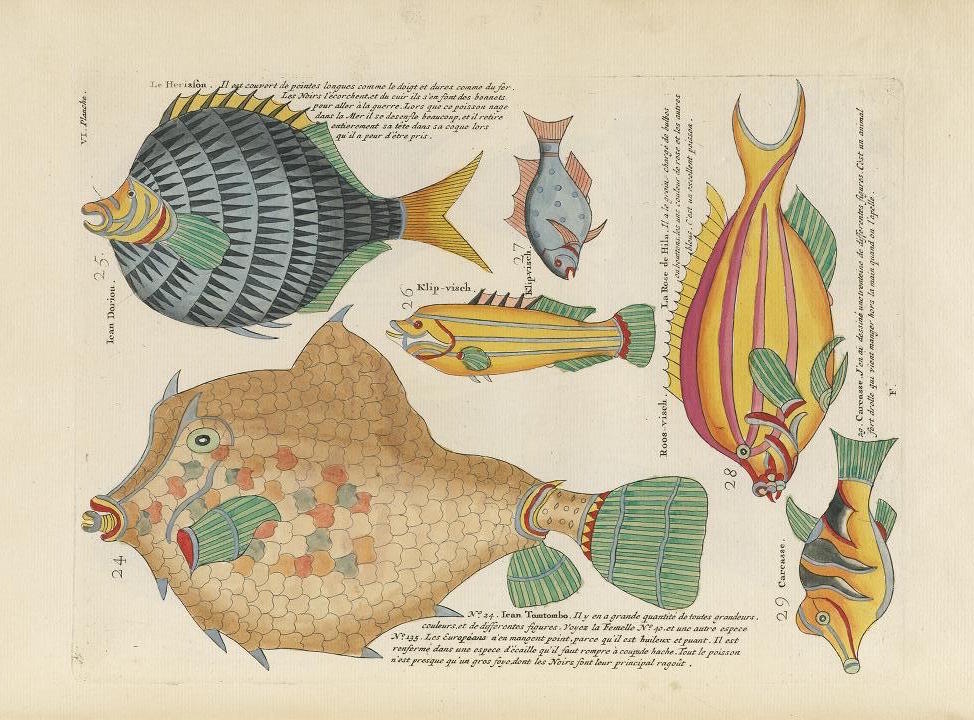
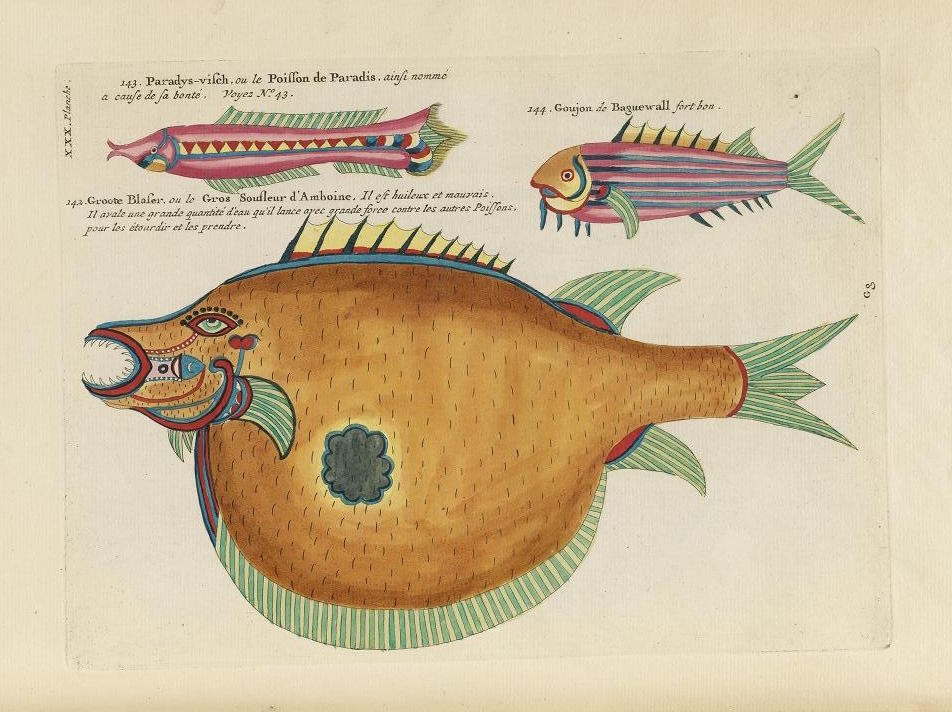
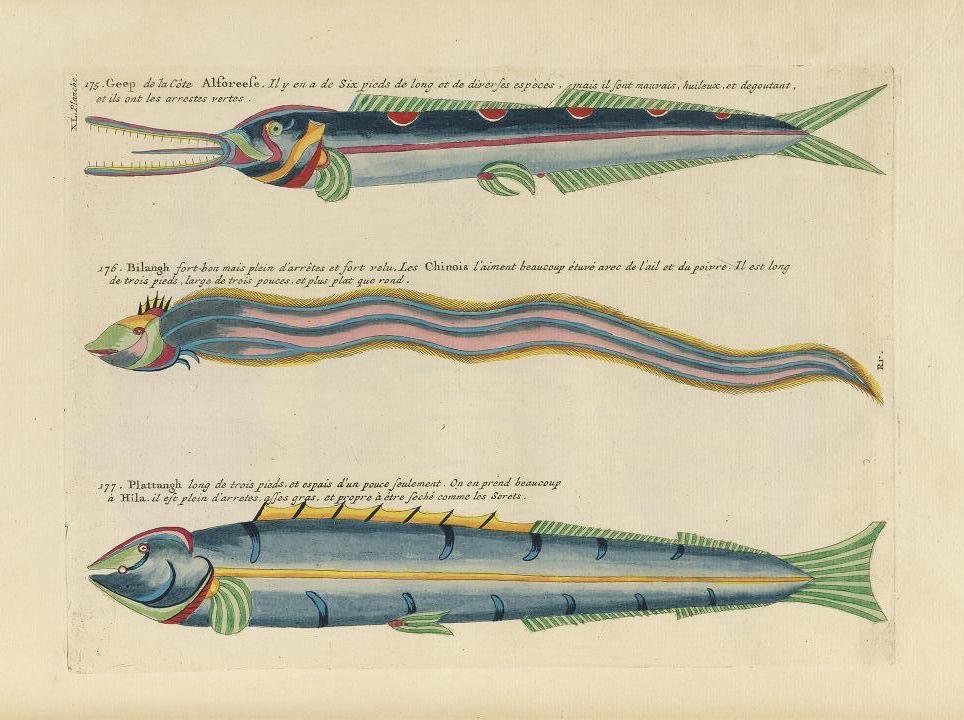
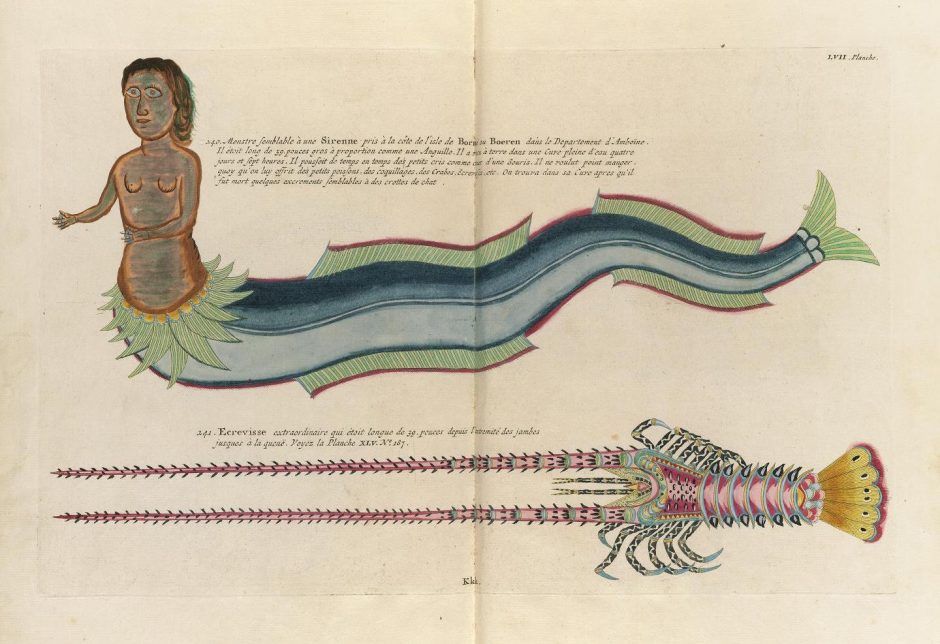
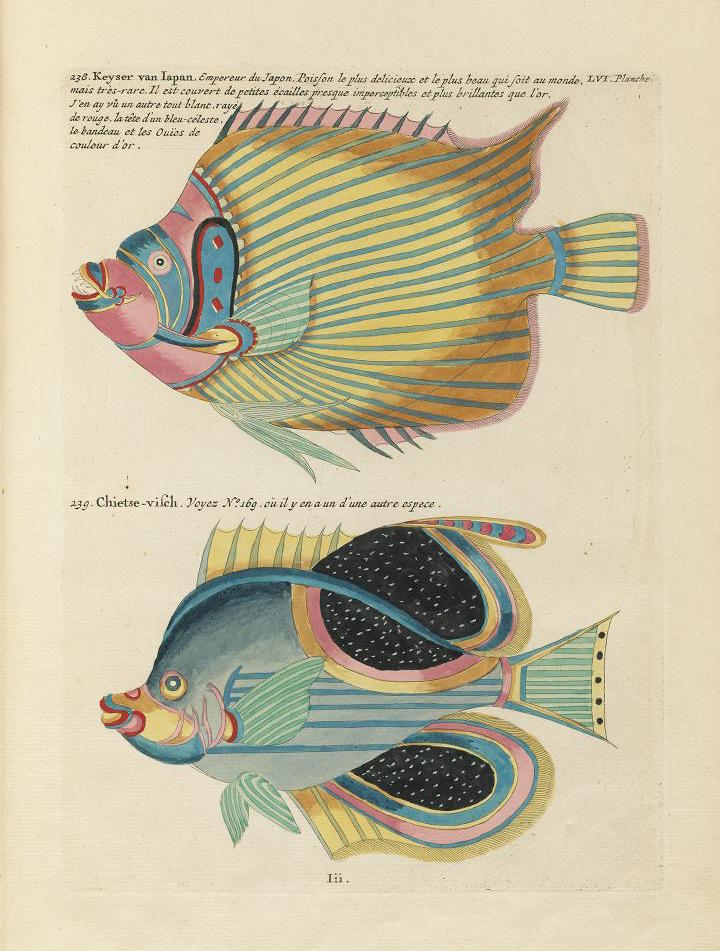
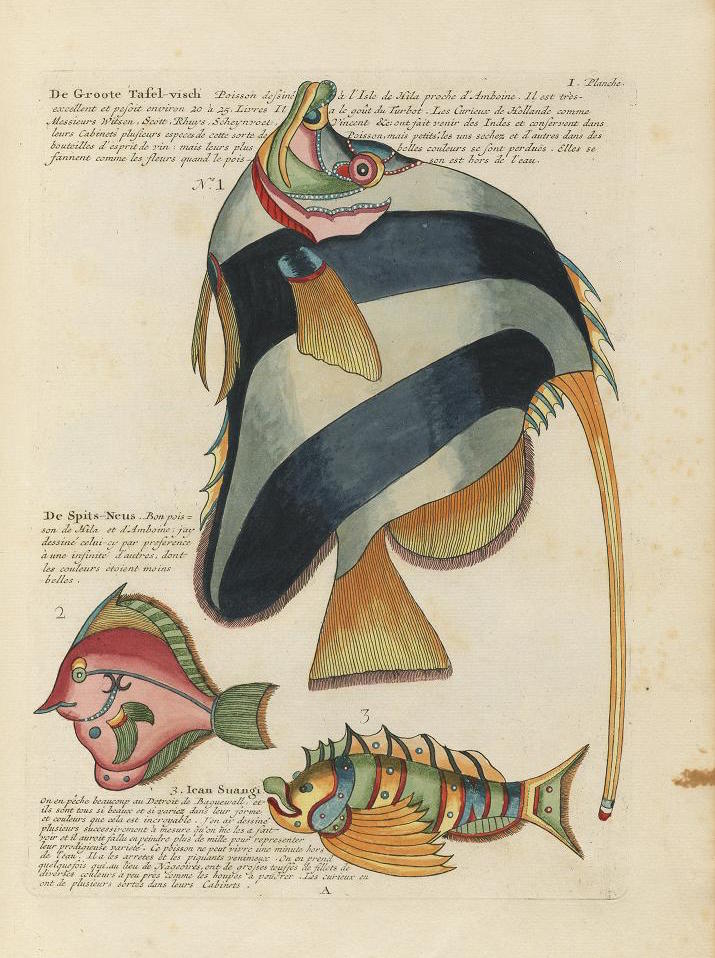
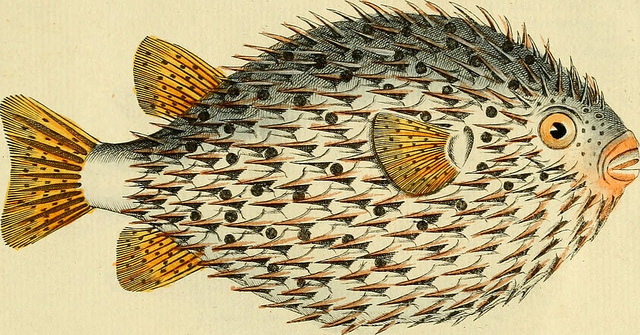
Whether in the tanks into which we gaze at the aquar­i­um or the CGI-inten­sive wildlife-based gagfests at which we gaze in the the­ater, most of us in the 21st cen­tu­ry have seen more than a few fun­ny fish. Eigh­teenth-cen­tu­ry Euro­peans could­n’t have said the same. The great major­i­ty passed their entire lives with­out so much as a glance at the form of even one live exot­ic crea­ture of the deep, and most of those who have a sense of what such a sight looked like prob­a­bly got it from an illus­tra­tion. But even so, some of the illus­trat­ed fish of the day must have proven unfor­get­table, espe­cial­ly the ones in Louis Renard’s Pois­sons, Ecreviss­es et Crabes.

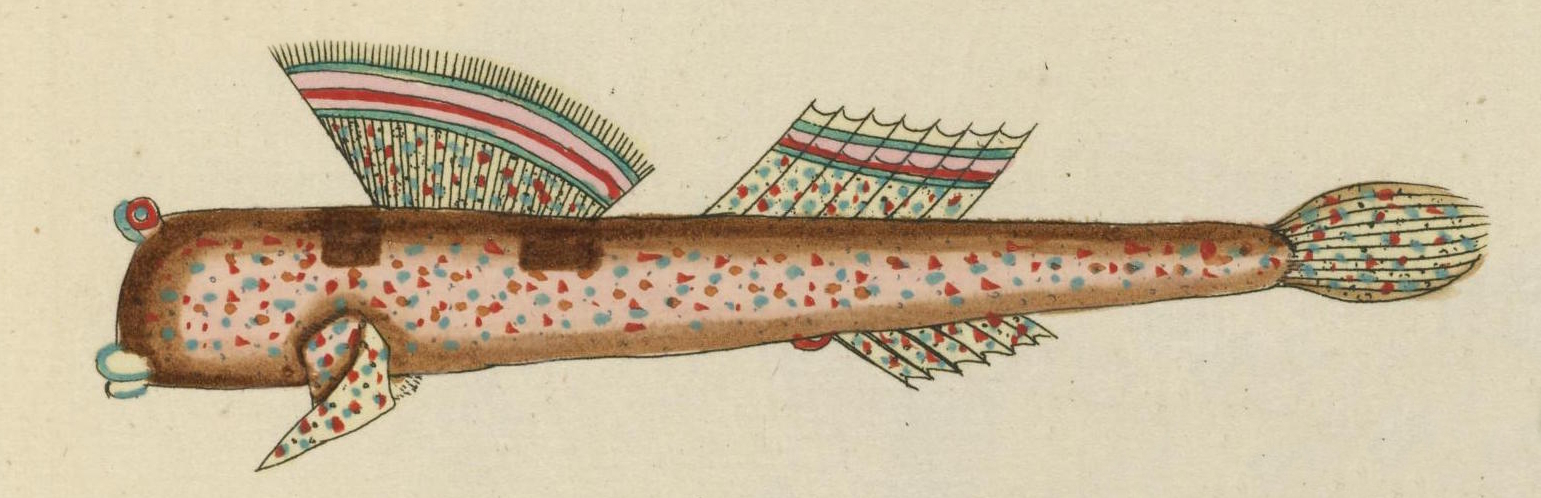
First pub­lished in 1719 with a sec­ond edi­tion, seen here, in 1754, Renard’s book, whose full title trans­lates to Fish­es, Cray­fish­es, and Crabs, of Diverse Col­ors and Extra­or­di­nary Form, that Are Found Around the Islands of the Moluc­cas and on the Coasts of the South­ern Lands, showed its read­ers, in full col­or for the very first time, crea­tures the likes of which they’d nev­er have had occa­sion even to imag­ine. The book’s 460 hand-col­ored cop­per engrav­ings depict, accord­ing to the Glas­gow Uni­ver­si­ty Library, “415 fish­es, 41 crus­taceans, two stick insects, a dugong and a mer­maid.”

The spec­i­mens in the first part of the book tend toward the real­is­tic, while those of the sec­ond “verge on the sur­re­al,” many of which “bear no sim­i­lar­i­ty to any liv­ing crea­tures,” some of which bear “small human faces, suns, moons and stars” on their flanks and cara­paces, most pos­sessed of col­ors “applied in a rather arbi­trary fash­ion,” though bril­liant­ly so. In the short accom­pa­ny­ing texts, “sev­er­al of the fish” — pre­sum­ably not the mer­maid — “are assessed in terms of their edi­bil­i­ty and are accom­pa­nied by brief recipes.”

Renard him­self, who lived from 1678 to 1746, seems to have had a career as col­or­ful as the fish in his book. “As well as spend­ing some sev­en­teen years as a pub­lish­er and bookdeal­er,” he also “sold med­i­cines, bro­kered Eng­lish bonds and, more intrigu­ing­ly, act­ed as a spy for the British Crown, being employed by Queen Anne, George I and George II.” Far from keep­ing that part of his life a secret, “Renard used his sta­tus as an ‘agent’ to help adver­tise his books. This par­tic­u­lar work is actu­al­ly ded­i­cat­ed to George I while the title-page describes the pub­lish­er as  ‘Louis Renard, Agent de Sa Majesté Bri­tan­nique.’ ”

You can behold more of Pois­sons, Ecreviss­es et Crabes at the Pub­lic Domain Review. “If the illus­tra­tions are breath­tak­ing to us now, with all the hours of David Atten­bor­ough doc­u­men­taries under our belts,” they write, “one can only imag­ine the impact this would have had on a Euro­pean audi­ence of the eigh­teenth cen­tu­ry, to which the exot­ic ocean life of the East would have been vir­tu­al­ly unknown.”

Though received as a respectable sci­en­tif­ic work in its day — and even, as the Glas­gow Uni­ver­si­ty Library puts it, “a prod­uct of the Enlight­en­ment” — the book now stands as an enchant­i­ng trib­ute to the com­bi­na­tion of a lit­tle knowl­edge and a lot of human imag­i­na­tion.

Relat­ed Con­tent:

The Aberdeen Bes­tiary, One of the Great Medieval Illu­mi­nat­ed Man­u­scripts, Now Dig­i­tized in High Res­o­lu­tion & Made Avail­able Online

1,000-Year-Old Illus­trat­ed Guide to the Med­i­c­i­nal Use of Plants Now Dig­i­tized & Put Online

Behold the Mys­te­ri­ous Voyn­ich Man­u­script: The 15th-Cen­tu­ry Text That Lin­guists & Code-Break­ers Can’t Under­stand

Won­der­ful­ly Weird & Inge­nious Medieval Books

Based in Seoul, Col­in Mar­shall writes and broad­casts on cities and cul­ture. His projects include the book The State­less City: a Walk through 21st-Cen­tu­ry Los Ange­les and the video series The City in Cin­e­ma. Fol­low him on Twit­ter at @colinmarshall or on Face­book.

Two Million Wondrous Nature Illustrations Put Online by The Biodiversity Heritage Library

Are we tru­ly in the midst of a human-caused sixth mass extinc­tion, an era of “bio­log­i­cal anni­hi­la­tion”? Many sci­en­tists and pop­u­lar sci­ence writ­ers say yes, using terms like “Holocene” or “Anthro­pocene” to describe what fol­lows the Ordovi­cian, Devon­ian, Per­mi­an, Tri­as­sic, and Cre­ta­ceous peri­ods. Peter Bran­nen, author of extinc­tion his­to­ry The Ends of the Earth has found at least one sci­en­tist who thinks the con­cept is “junk.” But Bran­nen quotes some alarm­ing sta­tis­tics. Chill­ing, even. “Until very recent­ly,” he writes, “all ver­te­brate life on the plan­et was wildlife. But astound­ing­ly, today wildlife accounts for only 3 per­cent of earth’s land ani­mals; human beings, our live­stock, and our pets take up the remain­ing 97 per­cent of the bio­mass… almost half of the earth’s land has been con­vert­ed into farm­land.”

This state of affairs does not bode well for the mil­lions of remain­ing species get­ting edged out of their envi­ron­ments by agribusi­ness and cli­mate change. We learn from extinc­tions past that the plan­et rebounds after unimag­in­able cat­a­stro­phe. Life real­ly does go on, though it may take mil­lions of years to recov­er. But the cur­rent forms of life may dis­ap­pear before their time. If we want to under­stand what is at stake besides our own frag­ile fos­sil-fuel based civ­i­liza­tions, we need to con­nect to life emo­tion­al­ly as well as intel­lec­tu­al­ly. Short of globe-hop­ping phys­i­cal immer­sion in the earth’s bio­di­ver­si­ty, we could hard­ly do bet­ter than immers­ing our­selves in the tra­di­tion of nat­u­ral­ist writ­ing, art, and pho­tog­ra­phy that brings the world to us.

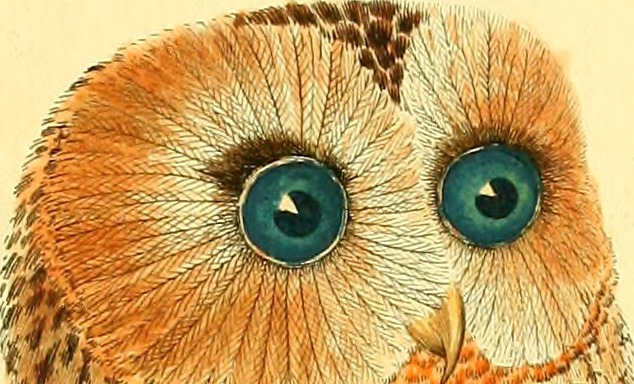
The Bio­di­ver­si­ty Her­itage Library (BHL), an “open access dig­i­tal library for bio­di­ver­si­ty lit­er­a­ture and archives,” has for many years been mak­ing it easy for peo­ple to con­nect to nature through nature writ­ing and illus­tra­tion. In 2012, they announced the “suc­cess sto­ry” of their Flickr streams, both con­tain­ing thou­sands of illus­tra­tions and pho­tographs uploaded by the BHL staff and read­ers from their huge col­lec­tions of books.

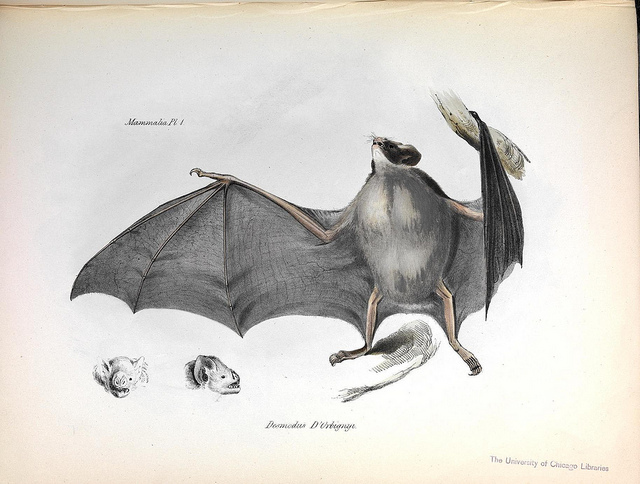
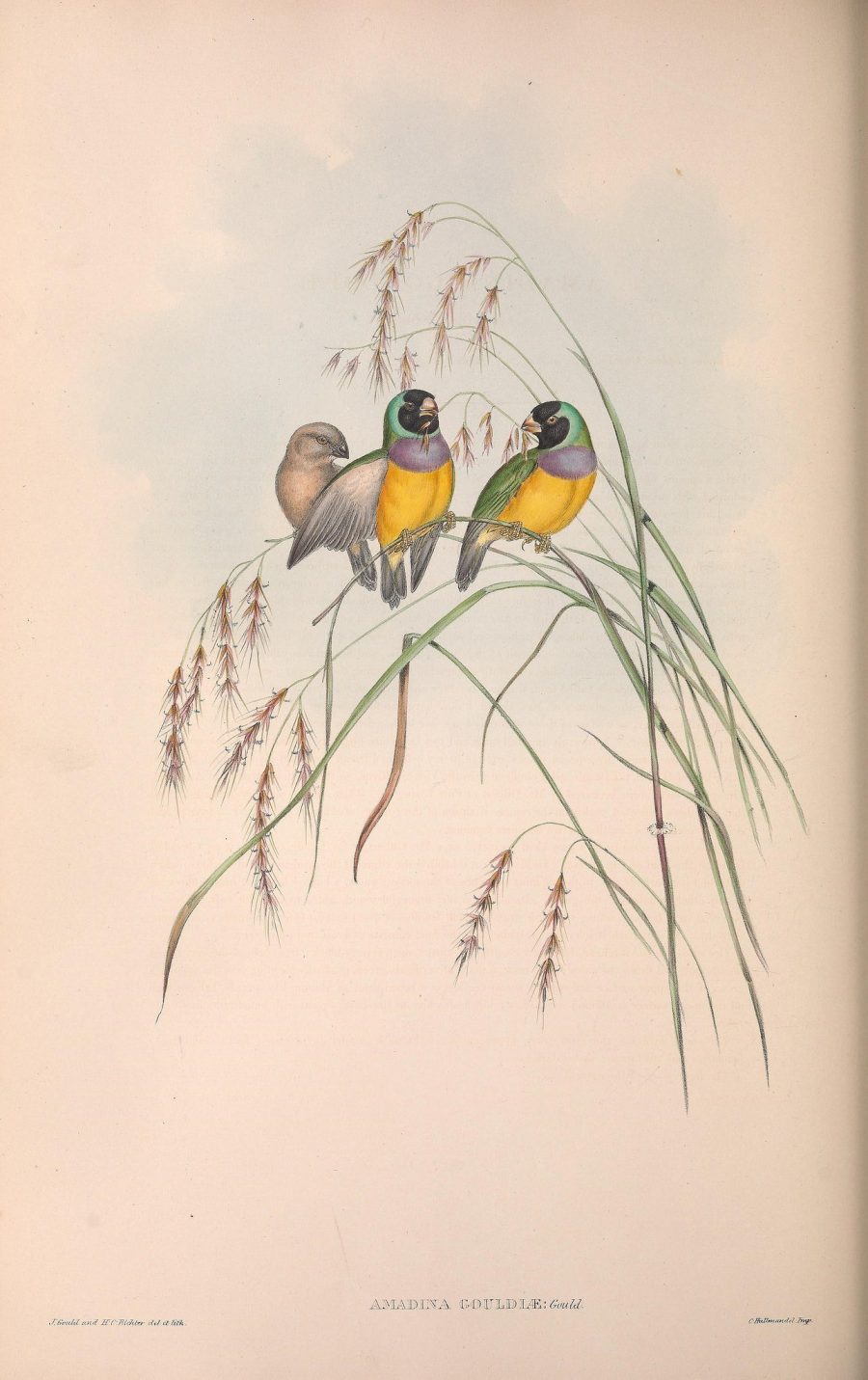
The first stream, cur­rent­ly at 122,281 images, has been care­ful­ly curat­ed, and includes search­able gal­leries and albums divid­ed by book title or sub­ject, such as “Exot­ic botany illus­trat­ed,” “The Birds of Aus­tralia v.1,” and “Bats!” The sec­ond stream, con­sist­ing of over 2 mil­lion images, is a mas­sive grab-bag of pho­tos, ill­lus­tra­tions from nature, adver­tise­ments, and imag­i­na­tive ren­der­ings.

Though far less use­ful for the scholar—or the very pur­pose­ful user—this sec­ond pho­to­stream offers more poten­tial for chance dis­cov­ery, through the aim­less wan­der­ing that often leads to serendip­i­tous­ly sub­lime expe­ri­ences. The for­mal BHL stream does not dis­ap­point, though it may offer few­er sur­pris­es. Both of these image archives offer expan­sive views of human­i­ty’s encounter with the nat­ur­al world, not only through sta­tis­tics and aca­d­e­m­ic jar­gon, but through the artis­tic record­ing of won­der, sci­en­tif­ic curios­i­ty, and deep appre­ci­a­tion.

Relat­ed Con­tent:

Watch 50 Hours of Nature Sound­scapes from the BBC: Sci­en­tif­i­cal­ly Proven to Ease Stress and Pro­mote Hap­pi­ness & Awe

The British Library Puts 1,000,000 Images into the Pub­lic Domain, Mak­ing Them Free to Reuse & Remix

Down­load for Free 2.6 Mil­lion Images from Books Pub­lished Over Last 500 Years on Flickr

Josh Jones is a writer and musi­cian based in Durham, NC. Fol­low him at @jdmagness

« Go BackMore in this category... »
Quantcast