How Henry David Thoreau Revolutionized the Pencil

Last Thurs­day was Nation­al Pen­cil Day, which com­mem­o­rates, accord­ing to The New York Pub­lic Library (NYPL), “the day in 1858 when Philadel­phia immi­grant Hymen Lip­man patent­ed his inven­tion for a pen­cil with an eras­er on top, cre­at­ing the con­ve­nient­ly-designed pen­cil we know and love.”

Of course, Lip­man’s inven­tion did­n’t take place in a vac­u­um. Through­out the 18th and 19th cen­turies, Amer­i­can inven­tors were hard at work, try­ing to find ways to make improve­ments to the pen­cil, whose his­to­ry traces back to 1564. Dur­ing those ear­ly days of our repub­lic, “Amer­i­can pen­cil-mak­ing was in sor­ry shape,” writes NYPL. “Poor mate­ri­als made domes­tic pen­cils smudgy and frail, in com­par­i­son to their supe­ri­or British coun­ter­parts, which were made of pur­er graphite.” So the press­ing ques­tion became: how to improve the qual­i­ty of the graphite? Enter Hen­ry David Thore­au, Amer­i­ca’s great essay­ist, poet, philoso­pher, abo­li­tion­ist, nat­u­ral­ist and tax resister. And appar­ent­ly inno­va­tor too:

Seek­ing employ­ment after study­ing at Har­vard, [Thore­au] worked at his father’s pen­cil fac­to­ry, which Edward Emer­son — son of Ralph Wal­do Emer­son — recalled as being some­what bet­ter than the typ­i­cal Amer­i­can pen­cil fac­to­ry at the time. Still, Hen­ry David Thore­au aspired to improve the fam­i­ly busi­ness, so he hit the books at the Har­vard Col­lege library to find out more.

…Hav­ing no knowl­edge of chem­istry, Hen­ry David nev­er­the­less came up with a for­mu­la to make a pen­cil rival­ing that made in Europe. It was the first of its kind in Amer­i­ca.

Soon, Thore­au pen­cils were tak­ing over the mar­ket, and the fam­i­ly’s busi­ness grew and grew. Thore­au pen­cils were award­ed twice by Mechan­ic Asso­ci­a­tions and gained a local rep­u­ta­tion in Boston for their qual­i­ty. Ralph Wal­do Emer­son him­self praised them. News of Thore­au’s pen­cils spread quick­ly, and soon, Pet­ros­ki writes, they were “with­out peer in this coun­try.”

Add an eras­er to Thore­au’s pen­cil, and you’ve got Hymen Lip­man’s patent for the pen­cil you’re pret­ty much using today. You can see pic­tures of Thore­au’s pen­cil over at The New York Pub­lic Library.

If you would like to sign up for Open Culture’s free email newslet­ter, please find it here. It’s a great way to see our new posts, all bun­dled in one email, each day.

If you would like to sup­port the mis­sion of Open Cul­ture, con­sid­er mak­ing a dona­tion to our site. It’s hard to rely 100% on ads, and your con­tri­bu­tions will help us con­tin­ue pro­vid­ing the best free cul­tur­al and edu­ca­tion­al mate­ri­als to learn­ers every­where. You can con­tribute through Pay­Pal, Patre­on, and Ven­mo (@openculture). Thanks!

via NYPL

Relat­ed Con­tent:

Hen­ry David Thore­au on When Civ­il Dis­obe­di­ence and Resis­tance Are Jus­ti­fied (1849)

David Rees Presents a Primer on the Arti­sanal Craft of Pen­cil Sharp­en­ing

Pat­ti Smith on Vir­ginia Woolf’s Cane, Charles Dick­ens’ Pen & Oth­er Cher­ished Lit­er­ary Tal­is­mans

David Rees and His One-Man Arti­sanal Pen­cil Sharp­en­ing Ser­vice

Hen­ry David Thore­au on When Civ­il Dis­obe­di­ence Against Bad Gov­ern­ments Is Jus­ti­fied: An Ani­mat­ed Intro­duc­tion

10-Week Online Seminar Will Teach You to Be a Great Los Pollos Hermanos Employee: A Teaser for the New Season of Better Call Saul

To get you ready for the new sea­son of Bet­ter Call Saul, the show’s cre­ators have put out a faux employ­ee train­ing video from the pro­pri­etor of Los Pol­los Her­manos, Gus­ta­vo Fring. You know Gus from Break­ing Bad, and some­thing tells me you’ll be meet­ing him again in Sea­son 3 of the pre­quel. It airs next Mon­day (4/10) at 10pm on AMC. Enjoy.

If you would like to sign up for Open Culture’s free email newslet­ter, please find it here. It’s a great way to see our new posts, all bun­dled in one email, each day.

If you would like to sup­port the mis­sion of Open Cul­ture, con­sid­er mak­ing a dona­tion to our site. It’s hard to rely 100% on ads, and your con­tri­bu­tions will help us con­tin­ue pro­vid­ing the best free cul­tur­al and edu­ca­tion­al mate­ri­als to learn­ers every­where. You can con­tribute through Pay­Pal, Patre­on, and Ven­mo (@openculture). Thanks!

Watch Derek Jarman’s Daring 12-Minute Promo Film for Marianne Faithfull’s 1979 Comeback Album Broken English (NSFW)

Note: There are a few not-safe-for-work scenes in the film.

The world of music video was in its infan­cy in the late 1970s. MTV had yet to exist, and pro­mo­tion­al films for sin­gles were seen as use­ful for the times when a show could­n’t book a band to play live, or the band just didn’t play live any more. Into this world fell many a com­mer­cial direc­tor, used to the pro­mo­tion side of the pro­mo film busi­ness. But there were also direc­tors like Derek Jar­man, the punk­est of UK direc­tors at that time. This new for­mat paid the bills in between fea­tures, and let him exper­i­ment.

Though he would go on to work with the Pet Shop Boys and The Smiths, Jarman’s first pro­mo video is above, for three songs from Mar­i­anne Faithfull’s mas­ter­piece of a new wave album, Bro­ken Eng­lish (1979).

Faith­full had been out of the pub­lic eye for years, hav­ing spent a lot of the ’70 try­ing to kick her drug habit. The anger and cyn­i­cism of this album, her cracked but com­mand­ing voice, and the elec­tron­ic sounds were such that many for­get she released two oth­er “come­back albums” before this one. On Bro­ken Eng­lish she force­ful­ly rewrites her own his­to­ry as an artist, not con­tent to be seen as a drug casu­al­ty or Mick Jagger’s ex-girl­friend.

Jar­man was known at the time as the con­tro­ver­sial film­mak­er of both the homo­erot­ic Sebas­tiane and the anti-Roy­al Jubilee, which more than any film at the time encap­su­lat­ed the UK punk scene. It’s both bru­tal and roman­tic and charm­ing­ly D.I.Y.

The Bro­ken Eng­lish pro­mo film fea­tures three songs, brack­et­ed by black and white footage of Faith­full wan­der­ing around Lon­don and play­ing Space Invaders in a local arcade. The first, “Witch’s Song,” is the clos­est to Jarman’s short films dur­ing that peri­od: lan­guid, ambigu­ous­ly gen­dered young peo­ple, apoc­a­lyp­tic dock­side ruins, reflect­ed mir­rors, occultism and debauch­ery. The sec­ond, “The Bal­lad of Lucy Jor­dan,” fea­tures scenes of domes­tic­i­ty dou­ble exposed and/or pro­ject­ed over footage of Faith­full. The final one, for the title track, is a short col­lage of 20th cen­tu­ry fas­cism and car­nage, fea­tur­ing Hitler, Mus­soli­ni, Oswald Mosley, British strikes, and self-immo­lat­ed monks.

The two artists got along so well that she record­ed the theme song for his film The Last of Eng­land, fea­tur­ing a very young Til­da Swin­ton.

Both Jar­man and Faith­full went on to suc­cess­ful­ly rein­vent them­selves, but for the 21st cen­tu­ry view­er, they are also both worth redis­cov­er­ing.

Relat­ed Con­tent:

A Very Young Mar­i­anne Faith­full Sings Her First Hit, ‘As Tears Go By’ (1965)

Watch David Bowie & Mar­i­anne Faith­full Rehearse and Sing Son­ny & Cher’s “I Got You Babe” (1973)

Jean-Luc Godard Shoots Mar­i­anne Faith­full Singing “As Tears Go By” (1966)

Ted Mills is a free­lance writer on the arts who cur­rent­ly hosts the artist inter­view-based FunkZone Pod­cast and is the pro­duc­er of KCR­W’s Curi­ous Coast. You can also fol­low him on Twit­ter at @tedmills, read his oth­er arts writ­ing at tedmills.com and/or watch his films here.
Edgar Allan Poe Published a “CliffsNotes” Version of a Science Textbook & It Became His Only Bestseller (1839)

A fas­ci­nat­ing 20th cen­tu­ry lit­er­ary strain, “doc­u­men­tary poet­ics,” melds jour­nal­is­tic accounts, pho­tog­ra­phy, offi­cial texts and mem­os, pol­i­tics, and sci­en­tif­ic and tech­ni­cal writ­ing with lyri­cal and lit­er­ary lan­guage. Per­haps best exem­pli­fied by Muriel Rukeyser, the cat­e­go­ry also includes, at cer­tain times, James Agee, Langston Hugh­es, Richard Wright, Zora Neale Hurston, and—currently—Claudia Rank­ine and “pow­er­house” new poet Sol­maz Sharif. It does not include Edgar Allan Poe, famous­ly alco­holic 19th cen­tu­ry mas­ter of the macabre and “father of the detec­tive sto­ry.”

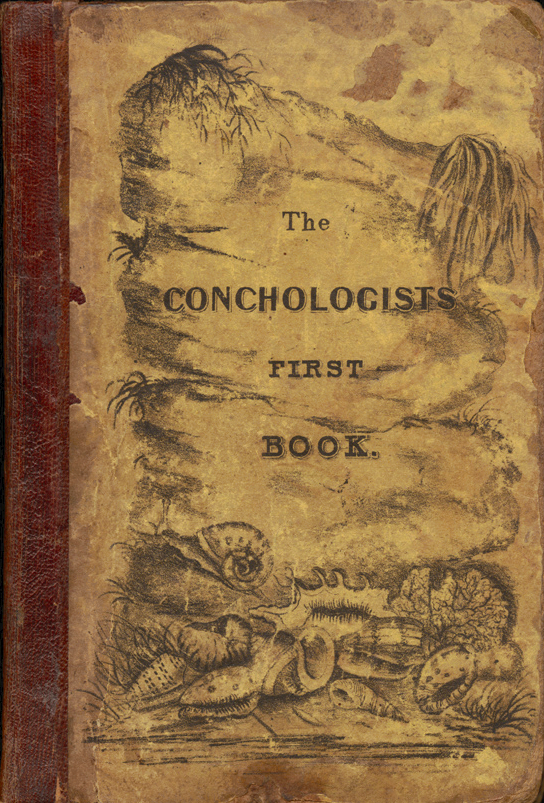
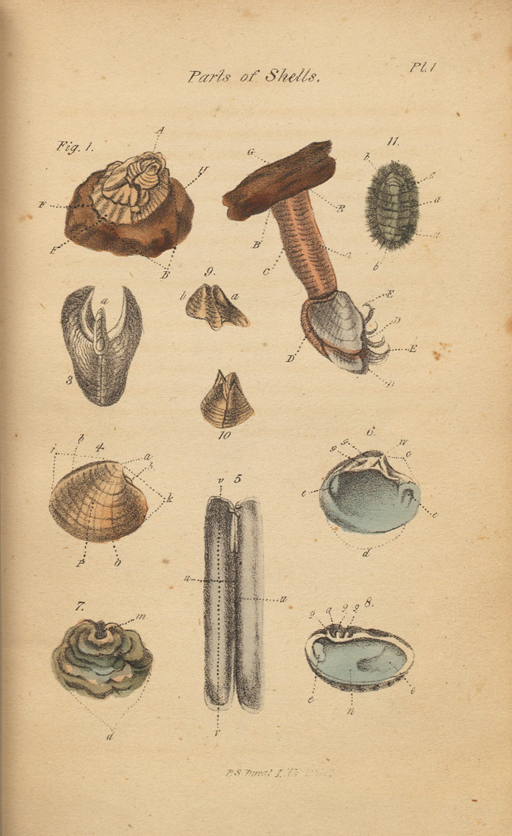
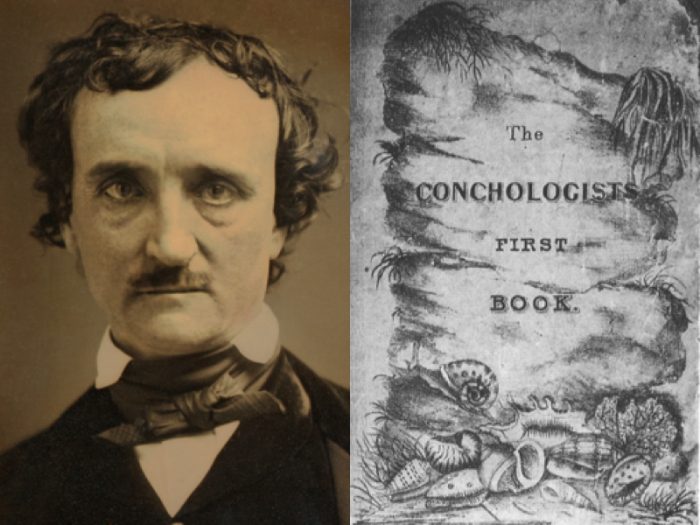
But you’ll for­give me for think­ing, excit­ed­ly, that it just might, when I learned Poe had pub­lished a text called The Conchologist’s First Book (1839), a con­den­sa­tion, rearrange­ment, and “remix­ing,” as Rebec­ca Onion writes at Slate, of “an exist­ing… beau­ti­ful and expen­sive” sci­ence text­book, Thomas Wyatt’s Man­u­al of Con­chol­o­gy, includ­ing the orig­i­nal plates and a “new pref­ace and intro­duc­tion.”

My mind reeled: what won­drous hor­rors might the morose, roman­tic Poe have con­tributed to such an enter­prise, his best-sell­ing work, it turns out, in his life­time. (For which Poe was paid $50 and, typ­i­cal­ly, received no roy­al­ties). What kind of exper­i­men­tal mad­ness might these cov­ers con­tain?

As I might have assumed from the book’s total obscu­ri­ty, Poe’s writer­ly con­tri­bu­tions to the project were mea­ger. For all his genius as a sto­ry­teller, he could be a long-wind­ed bore as an essay­ist. It seems he thought this aspect of his voice was best suit­ed to the orig­i­nal writ­ing he did for Conchologist’s First. His biog­ra­phers, notes Uni­ver­si­ty of Hous­ton pro­fes­sor emer­i­tus John H. Lien­hard, all “mut­ter an embar­rassed apol­o­gy for Poe’s shady side-track—then hur­ry back to talk about The Raven.” Onion quotes one biog­ra­ph­er Jef­frey Mey­ers, who writes, “Poe’s bor­ing pedan­tic and hair-split­ting Pref­ace was absolute­ly guar­an­teed to tor­ment and dis­cour­age even the most pas­sion­ate­ly inter­est­ed school­boy.”

As for its “shadi­ness,” the book also elic­its embar­rass­ment from Poe devo­tees because, as esteemed biol­o­gist and his­to­ri­an of sci­ence Stephen J. Gould wrote in his excul­pa­to­ry essay “Poe’s Great­est Hit,” it was “basi­cal­ly a scam,” though “not so bad­ly done” as most allege. The nat­u­ral­ist Wyatt, a friend of Poe’s, had begged his pub­lish­er to release an abridged stu­dent edi­tion of his orig­i­nal lav­ish and pricey $8 text­book, which had not sold well. When the pub­lish­er balked, Wyatt con­tract­ed Poe to lend his name and con­sid­er­able edi­to­r­i­al skill to a more-or-less boot­leg “Cliff­s­Notes” ver­sion to be sold for $1.50. To make mat­ters worse, Poe and Wyatt were both accused of pla­gia­rism, hav­ing “lift­ed chunks of their book from an Eng­lish nat­u­ral­ist, Thomas Brown,” Lien­hard points out.

Gould defend­ed Poe as a rewriter of oth­ers’ work. “Yes, Poe pla­gia­rized,” as Lien­hard sum­ma­rizes the argu­ment. He pre­sent­ed Brown’s, and Wyat­t’s, work as his own, but, “flu­ent in French, [he] went back to read Georges Cuvi­er, the great French nat­u­ral­ist” and made his own trans­la­tions. He wrote his own intro­duc­to­ry mate­r­i­al, and he reor­ga­nized Wyatt’s book in such a way as to pro­vide “gen­uine­ly use­ful insight into bio­log­i­cal tax­on­o­my.” Poe’s edition—with its “for­mi­da­ble sub­ti­tle,” A Sys­tem of Tes­ta­ceous Mala­col­o­gy, arranged Express­ly for the Use of Schools—actu­al­ly proved a hit with stu­dents, and like­ly not only because it sold cheap. It was the only pub­li­ca­tion in Poe’s life­time to make it to a sec­ond edi­tion.

Maybe human­ist read­ers approach the work with bias­es firm­ly in place, expect­ing a genre that’s dry by its very nature to con­tain all the lit­er­ary bril­liance and enter­tain­ing intrigue of “The Tell-Tale Heart.” Lien­hard sug­gests as much, describ­ing irri­ta­tion at how his “lit­er­ary friends” ignore the sci­en­tif­ic work of writ­ers like Thore­au, Thomas Paine, Goethe, and poet Oliv­er Gold­smith. “Poe’s excur­sion into nat­ur­al phi­los­o­phy,” he writes, “was an embar­rass­ment to peo­ple who are embar­rassed by sci­ence in the first place.” Maybe.

Both Gould and Lien­hard shrug off the less-than-scrupu­lous cir­cum­stances of the book’s cre­ation, the lat­ter cit­ing a “cyn­i­cal remark” by play­wright Wil­son Mizn­er: “If you steal from one author, it’s pla­gia­rism. If you steal from many, it’s research.” At least he doesn’t go as far as Mark Twain, who once wrote in defense of Helen Keller, after she was charged with lit­er­ary bor­row­ing, “the ker­nel, the soul—let us go fur­ther and say the sub­stance, the bulk, the actu­al and valu­able mate­r­i­al of all human utterance—is pla­gia­rism.”

Read the first, 1839 edi­tion of The Conchologist’s First Book, pub­lished under Edgar A. Poe, at the Inter­net Archive, and the revised sec­ond, 1840 edi­tion at Google Books.

via Slate

Relat­ed Con­tent:

Down­load The Com­plete Works of Edgar Allan Poe: Macabre Sto­ries as Free eBooks & Audio Books

Mark Twain’s Patent­ed Inven­tions for Bra Straps and Oth­er Every­day Items

Walt Whitman’s Unearthed Health Man­u­al, “Man­ly Health & Train­ing,” Urges Read­ers to Stand (Don’t Sit!) and Eat Plen­ty of Meat (1858)

Josh Jones is a writer and musi­cian based in Durham, NC. Fol­low him at @jdmagness

Steve Martin Teaches His First Online Course on Comedy

FYI: If you sign up for a Mas­ter­Class course by click­ing on the affil­i­ate links in this post, Open Cul­ture will receive a small fee that helps sup­port our oper­a­tion.

Can com­e­dy be taught? The ques­tion has no clear answer, but if it can, Steve Mar­tin would sure­ly occu­py the high­est rank of com­e­dy teach­ers. He could prob­a­bly teach a fair few oth­er crafts as well: besides his achieve­ments as an inno­va­tor in stand-up as well as in oth­er forms of com­e­dy — famous­ly appear­ing on Sat­ur­day Night Live so many times that even some of his fans mis­take him for a reg­u­lar cast mem­ber — he’s also estab­lished him­self as an actor, as an essay­ist and nov­el­ist, and even as a respect­ed blue­grass ban­jo play­er. Still, despite his impres­sive artis­tic Renais­sance-man cre­den­tials many of us, at the mere men­tion of Steve Mar­t­in’s name, laugh almost reflex­ive­ly.

Hence his place at the front and cen­ter of “Steve Mar­tin Teach­es Com­e­dy,” a new online course from Mas­ter­class, the edu­ca­tion start­up whose fac­ul­ty ros­ter, as we’ve pre­vi­ous­ly fea­tured, also includes the likes of Wern­er Her­zog and Aaron Sorkin. “We’re going to talk about a lot of things,” says Mar­tin in the course’s trail­er above. “We’re going to talk about my spe­cif­ic process, per­form­ing com­e­dy, we’re going to talk about writ­ing.” For a cost of $90, Mas­ter­class pro­vides more than 25 video lessons, a down­load­able work­book with sup­ple­men­tal les­son mate­ri­als, and an oppor­tu­ni­ty to upload your own mate­r­i­al for cri­tiques by the rest of the class as well as maybe — just maybe — by Mar­tin him­self.

Whether or not a mas­ter come­di­an can pass along his knowl­edge as a math or a lan­guage teacher can, any­one who’s paid atten­tion to Mar­t­in’s com­e­dy so far, as well as his reflec­tions on com­e­dy, can sense how much intel­lec­tu­al ener­gy he’s put into fig­ur­ing it all out, even at its extremes of absur­di­ty, for him­self. Stu­dents unwill­ing to fol­low suit need not apply, nor those wor­ried about land­ing agents and get­ting head­shots, for the esteemed instruc­tor makes it clear up front that he grap­ples only with the most impor­tant ques­tion in com­e­dy, as in life: “How do I be good?” You can sign up here. Or you can pur­chase an All-Access Annu­al Pass for every course in the Mas­ter­Class cat­a­log.

Relat­ed Con­tent:

Watch Steve Mar­tin Make His First TV Appear­ance: The Smoth­ers Broth­ers Com­e­dy Hour (1968)

Steve Mar­tin & Robin Williams Riff on Math, Physics, Ein­stein & Picas­so in a Heady Com­e­dy Rou­tine (2002)

Steve Mar­tin on the Leg­endary Blue­grass Musi­cian Earl Scrug­gs

Steve Mar­tin Writes a Hymn for Hymn-Less Athe­ists

Steve Mar­tin, “Home Crafts Expert,” Explains the Art of Paper Wadding, Endors­es Bob Ker­rey

Steve Mar­tin Releas­es Blue­grass Album/Animated Video

Based in Seoul, Col­in Mar­shall writes and broad­casts on cities and cul­ture. He’s at work on a book about Los Ange­les, A Los Ange­les Primer, the video series The City in Cin­e­ma, the crowd­fund­ed jour­nal­ism project Where Is the City of the Future?, and the Los Ange­les Review of Books’ Korea Blog. Fol­low him on Twit­ter at @colinmarshall or on Face­book.

Hear How Clare Torry’s Vocals on Pink Floyd’s “The Great Gig in the Sky” Made the Song Go from Pretty Good to Downright Great

Smack in the mid­dle of Pink Floy­d’s clas­sic Dark Side of the Moon sits a song many lis­ten­ers may hear as an extend­ed bridge between the two true cen­ter­pieces, “Time” and “Mon­ey.” But I’ve always thought of “The Great Gig in the Sky” as the album’s true cen­ter, a swirling, swing­ing, soul­ful prog-rock mas­ter­piece, car­ried to stratos­pher­ic heights by British singer Clare Tor­ry. The song’s word­less gospel vocal makes it an ecsta­t­ic, even hope­ful, tent pole sup­port­ing Dark Side’s bril­liant­ly cyn­i­cal songs about the banal­i­ty and injus­tice of mod­ern life.

“The Great Gig in the Sky,” that is to say, pro­vides much-need­ed emo­tion­al release in an album that can sound, writes Alex­is Petridis, “like one long sigh.” Yet if you know the sto­ry of Dark Side of the Moon and of Clare Torry’s defin­ing con­tri­bu­tion, you’ll know that her incred­i­ble soar­ing vocal was sheer hap­pen­stance, an impro­vi­sa­tion by a young unknown singer brought in at the last minute by pro­duc­er Alan Parsons—and one who wasn’t a par­tic­u­lar fan of the band. (“If it had been The Kinks,” she remem­bered, “I’d have been over the moon.”)

Tor­ry reluc­tant­ly stepped into the stu­dio and asked the band, “’Well, what do you want?’” Basi­cal­ly, she says, “they had no idea.” An ear­ly instru­men­tal mix of the song from 1972 (top), fore­grounds Nick Mason’s propul­sive drums, Richard Wright’s Ham­mond organ, and sam­ples from Apol­lo 17 trans­mis­sions. (These were replaced in the final ver­sion with a snip­pet from con­ser­v­a­tive writer Mal­colm Mug­geridge.)

When Tor­ry went into the vocal booth and put on the head­phones, she would have heard an even more stripped-down mix. Giv­en no oth­er instruc­tion than “we don’t want any words,” she decid­ed, “I have to pre­tend to be an instru­ment.”

Torry’s vocal is so dis­tinc­tive that she even­tu­al­ly won a set­tle­ment in 2004 for a co-song­writ­ing cred­it with Wright—an out­come some song­writ­ing experts agree was ful­ly jus­ti­fied since she essen­tial­ly cre­at­ed a new melody for the song. In the inter­view above, hear Tor­ry describe how she “had a lit­tle go” and, after some guid­ance from David Gilmour and a can of Heineken, casu­al­ly knocked out one of the most thrilling vocal per­for­mances in rock his­to­ry.

Relat­ed Con­tent:

Watch Doc­u­men­taries on the Mak­ing of Pink Floyd’s Dark Side of the Moon and Wish You Were Here

Dark Side of the Rain­bow: Pink Floyd Meets The Wiz­ard of Oz in One of the Ear­li­est Mash-Ups

Pink Floyd’s “Echoes” Pro­vides a Sound­track for the Final Scene of Kubrick’s 2001: A Space Odyssey

Josh Jones is a writer and musi­cian based in Durham, NC. Fol­low him at @jdmagnessd

Take a 360 Degree Tour of Miniature Models of Famous Landmarks: From the Taj Mahal to The Great Wall of China

Pret­ty cool item. A new exhi­bi­tion in New York, called “Gul­liv­er’s Gate,” shrinks the world’s most famous sites–everything from the Taj Mahal to The Great Wall of China–into minia­ture ver­sions of them­selves, rough­ly 87 times small­er than the orig­i­nal. In the video above, you can take a 360 degree tour of parts of the exhi­bi­tion. Click on the clip, swirl around, and check out the tiny cre­ations. It’s par­tic­u­lar­ly neat if you try it on your phone.

Below, find an intro­duc­tion to the project and don’t miss their behind-the-scenes footage.

If you would like to sign up for Open Culture’s free email newslet­ter, please find it here. It’s a great way to see our new posts, all bun­dled in one email, each day.

If you would like to sup­port the mis­sion of Open Cul­ture, con­sid­er mak­ing a dona­tion to our site. It’s hard to rely 100% on ads, and your con­tri­bu­tions will help us con­tin­ue pro­vid­ing the best free cul­tur­al and edu­ca­tion­al mate­ri­als to learn­ers every­where. You can con­tribute through Pay­Pal, Patre­on, and Ven­mo (@openculture). Thanks!

Graphic Designer Redesigns a Movie Poster Every Day, for One Year: Scarface, Mulholland Dr., The Graduate, Vertigo, The Life Aquatic and 360 More

No scene in a movie counts for as much as its open­ing, but even before its first frame pass­es through the pro­jec­tor, its poster has already made the real first impres­sion. This remains basi­cal­ly as true in the era of dig­i­tal cin­e­ma as it was when film actu­al­ly passed through pro­jec­tors. But while film­mak­ers only occa­sion­al­ly go back and retool their past works — not that the expe­ri­ence of, say, George Lucas and the orig­i­nal Star Wars tril­o­gy vouch­es for the prac­tice — film posters can eas­i­ly under­go any num­ber of revi­sions through the decades. What cinephile graph­ic design­er would­n’t want to take a shot at cre­at­ing a new face for a favorite movie?

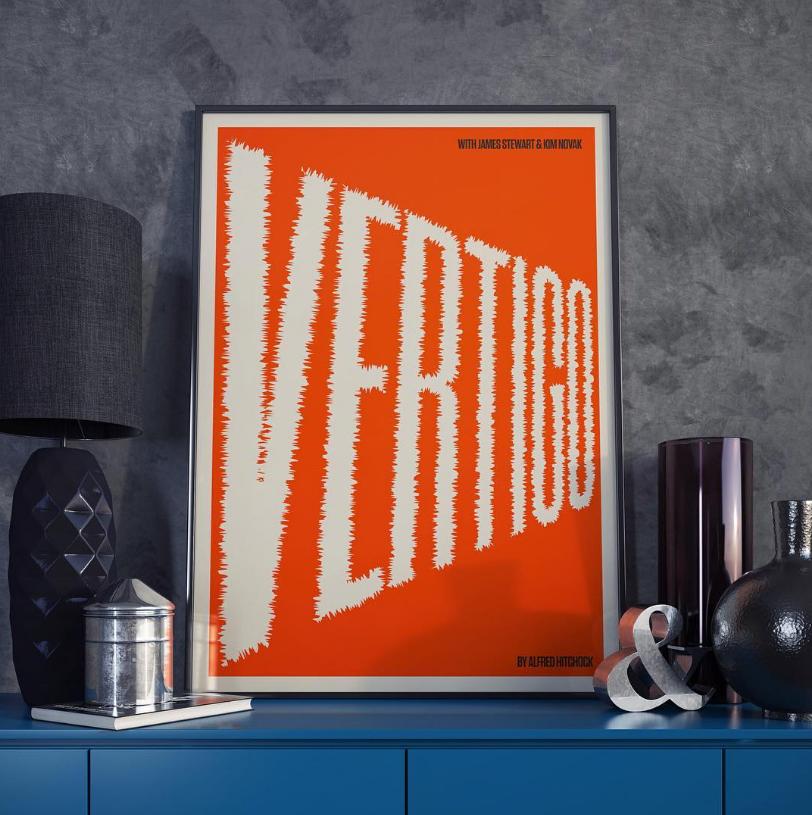
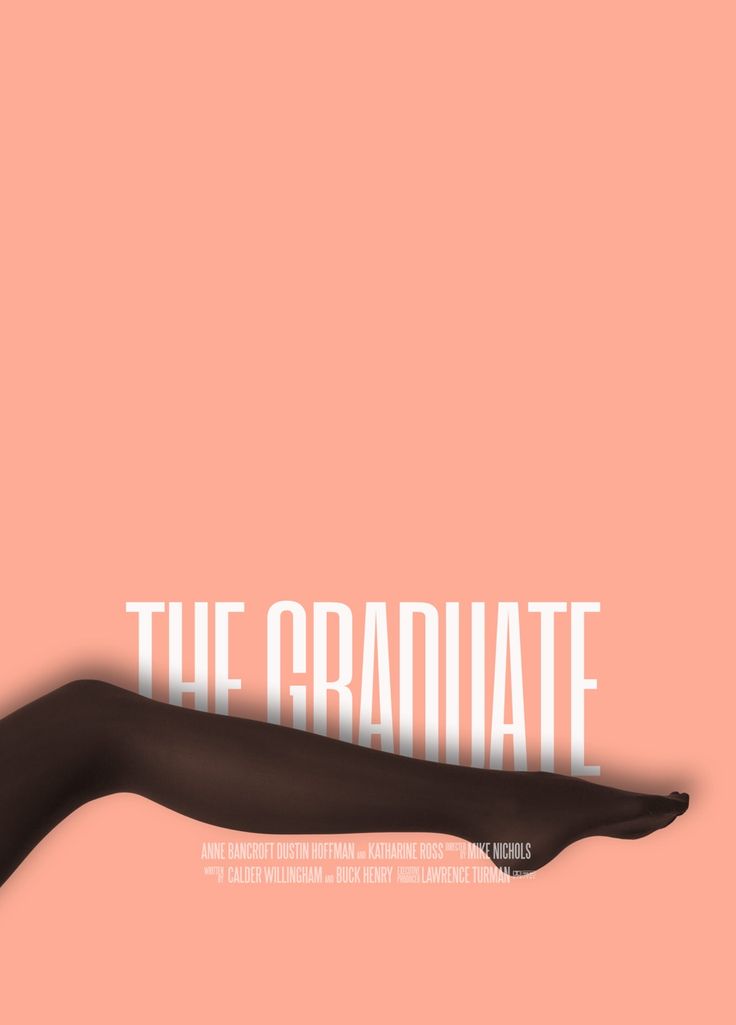
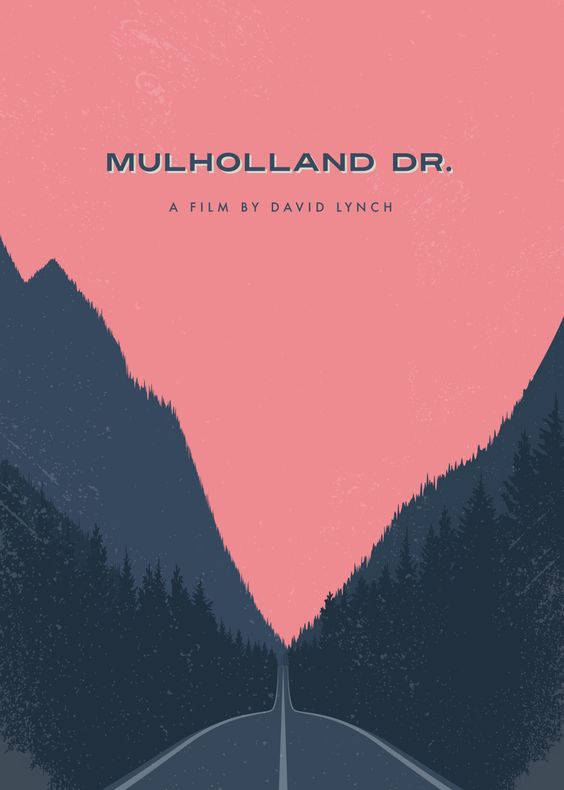
Last year, the Syd­ney-based design­er Peter Majarich took shots at 365 of them, cre­at­ing one new poster for an exist­ing movie each and every day. “The feat is a huge under­tak­ing,” writes the Cre­ators Pro­jec­t’s Diana Shi, “but Majarich’s final prod­ucts nev­er give the impres­sion of last-minute cre­ations; instead, they show off an acute atten­tion to detail and a bold, dig­i­tal-influ­enced style. The inven­tive­ness of each poster reveals how much of a cinephile Majarich real­ly is.” His selec­tions include “a pool of zeit­geist direc­tors, Oscar win­ners, and art-house films with cult fol­low­ings.

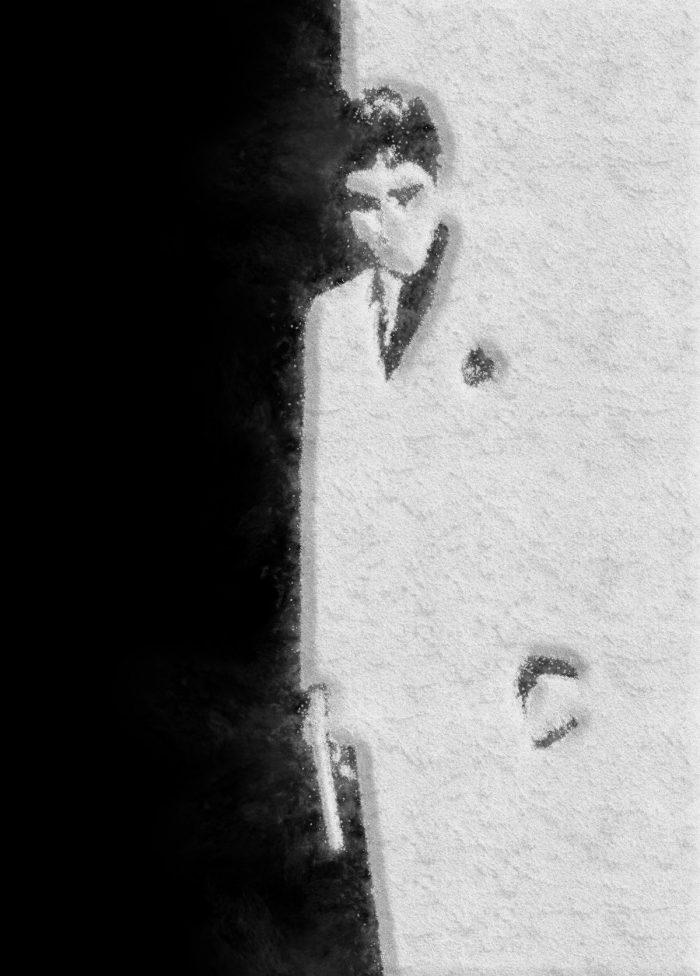
A ren­der­ing of De Palma’s Scar­face is a sub­tle assem­bly of white pow­der to stark­ly draw out Al Pacino’s pro­file. While what looks like a body of com­plex cod­ing lan­guage forms the blank-star­ing face of Ali­cia Vikander’s lead in Ex Machi­na.” You can browse all these at A Movie Poster a Day, see them dis­played in sequence in the video above, and buy them on his design com­pa­ny’s site.

Their simul­ta­ne­ous aes­thet­ic and cin­e­mat­ic ref­er­ences will please design- and film-lovers alike (groups hard­ly sep­a­rate on the Venn dia­gram any­way), and while many con­sti­tute good visu­al gags, the best pro­vide new per­spec­tives on even much-watched favorite movies.

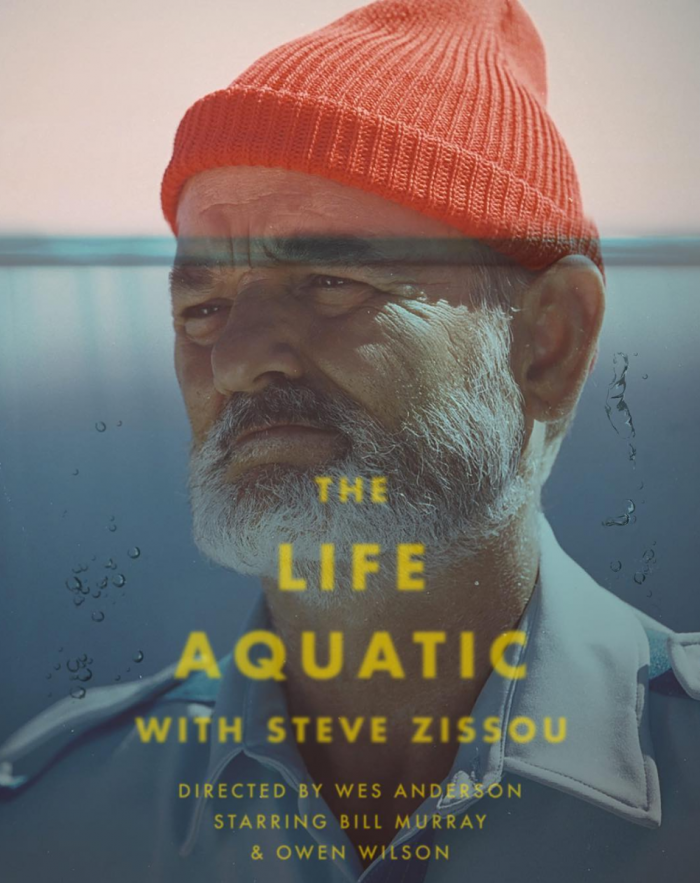
For Wes Ander­son­’s The Life Aquat­ic with Steve Zis­souMajarich depicts the emo­tion­al sub­mer­sion of its sea­far­ing pro­tag­o­nist; for Alfred Hitch­cock­’s Ver­ti­go he works only with the title itself imbu­ing the type with the com­bi­na­tion of shock and dread on dis­play in the film; for David Lynch’s Mul­hol­land Dri­ve he uses a pink-skied land­scape of the tit­u­lar Los Ange­les road lead­ing off, as Lynch’s work often does, to who knows where. After you’ve seen the first 286, you’ll come upon a selec­tion that will hard­ly sur­prise you: Gary Hus­twit’s Hel­veti­ca.

via Cre­ators Project

Relat­ed Con­tent:

Design­er Reimag­ines Icon­ic Movie Posters With Min­i­mal­ist Designs: Reser­voir Dogs, The Matrix & More

40,000 Film Posters in a Won­der­ful­ly Eclec­tic Archive: Ital­ian Tarkovsky Posters, Japan­ese Orson Welles, Czech Woody Allen & Much More

Down­load Vin­tage Film Posters in High-Res: From The Philadel­phia Sto­ry to Attack of the Crab Mon­sters

A Look Inside Mar­tin Scorsese’s Vin­tage Movie Poster Col­lec­tion

The Strange and Won­der­ful Movie Posters from Ghana: The Matrix, Alien & More

Based in Seoul, Col­in Mar­shall writes and broad­casts on cities and cul­ture. He’s at work on a book about Los Ange­les, A Los Ange­les Primer, the video series The City in Cin­e­ma, the crowd­fund­ed jour­nal­ism project Where Is the City of the Future?, and the Los Ange­les Review of Books’ Korea Blog. Fol­low him on Twit­ter at @colinmarshall or on Face­book.

« Go BackMore in this category... »
Quantcast