Artificial Neural Network Reveals What It Would Look Like to Watch Bob Ross’ The Joy of Painting on LSD

Any­one who watched Bob Ross’ The Joy of Paint­ing from 1983 to 1994 knows the show had a bit of a sur­re­al qual­i­ty to it. With that soft voice, reduced often to a whis­per, Ross slapped some paint onto the can­vas, smeared it around, and even­tu­al­ly some­thing mag­i­cal appeared–a moun­tain, a stream, a for­est, what­ev­er.  Nowa­days, the show has expe­ri­enced some­thing of a renais­sance and achieved cult sta­tus. 30 sea­sons of The Joy of Paint­ing live on YouTube (legit­i­mate­ly, it seems), and they’ve become fod­der for cre­ative projects that take Bob Ross to new sur­re­al heights. Exhib­it 1, “Deeply Arti­fi­cial Trees,” appears above.

This art­work rep­re­sents what it would be like for an AI to watch Bob Ross on LSD (once some­one invents dig­i­tal drugs). It shows some of the unrea­son­able effec­tive­ness and strange inner work­ings of deep learn­ing sys­tems. The unique char­ac­ter­is­tics of the human voice are learned and gen­er­at­ed as well as hal­lu­ci­na­tions of a sys­tem try­ing to find images which are not there.

For a lit­tle on the sci­ence of arti­fi­cial neur­al net­works, see this relat­ed item in our archive: What Hap­pens When Blade Run­ner & A Scan­ner Dark­ly Get Remade with an Arti­fi­cial Neur­al Net­work.

If you would like to sign up for Open Culture’s free email newslet­ter, please find it here. It’s a great way to see our new posts, all bun­dled in one email, each day.

If you would like to sup­port the mis­sion of Open Cul­ture, con­sid­er mak­ing a dona­tion to our site. It’s hard to rely 100% on ads, and your con­tri­bu­tions will help us con­tin­ue pro­vid­ing the best free cul­tur­al and edu­ca­tion­al mate­ri­als to learn­ers every­where. You can con­tribute through Pay­Pal, Patre­on, and Ven­mo (@openculture). Thanks!

Relat­ed Con­tent:

Watch Bob Ross’ The Joy of Paint­ing Free Online: The First 27 Sea­sons

Kubrick’s 2001: A Space Odyssey Ren­dered in the Style of Picas­so; Blade Run­ner in the Style of Van Gogh

Neur­al Net­works for Machine Learn­ing: A Free Online Course

by | Permalink | Make a Comment ( 2 ) |

Are We Living in a Computer Simulation?: A 2‑Hour Debate with Neil Degrasse Tyson, David Chalmers, Lisa Randall, Max Tegmark & More

What do we live in: the only uni­verse that exists, or an elab­o­rate com­put­er sim­u­la­tion of a uni­verse? The ques­tion would have fas­ci­nat­ed Isaac Asi­mov, and that pre­sum­ably counts as one of the rea­sons the Isaac Asi­mov Memo­r­i­al Debate took it as its sub­ject last year. Though the so-called “sim­u­la­tion hypoth­e­sis” has, in var­i­ous forms, crossed the minds of thinkers for mil­len­nia, it’s enjoyed a par­tic­u­lar moment in the zeit­geist in recent years, not least because Elon Musk has pub­licly stat­ed his view that, in all prob­a­bil­i­ty, we do indeed live in a sim­u­la­tion. And, if you can’t trust the guy who hit it big with Tes­la and Pay­Pal on the nature of real­i­ty, who can you?

Well, you might also con­sid­er lis­ten­ing to the per­spec­tives of New York Uni­ver­si­ty philoso­pher David Chalmers, MIT cos­mol­o­gist Max Tegmark, and three the­o­ret­i­cal physi­cists, James Gates of the Uni­ver­si­ty of Mary­land, Lisa Ran­dall of Har­vard, and Zohreh Davou­di of MIT.

They, with mod­er­a­tion by Neil DeGrasse Tyson, dig into the sim­u­la­tion hypoth­e­sis for two hours, approach­ing from all dif­fer­ent angles its ori­gin, its plau­si­bil­i­ty, and its impli­ca­tions. Davou­di, who has done seri­ous research on the ques­tion, brings her work to bear; Ran­dall, who finds lit­tle rea­son to cred­it the notion that we live in a sim­u­la­tion in the first place, has more of an inter­est in why oth­ers find it so com­pelling all of a sud­den.

Whether you believe it, reject it, or sim­ply enjoy enter­tain­ing the idea, you can’t help but feel a strong reac­tion of one kind or anoth­er to the sim­u­la­tion hypoth­e­sis, and Tyson con­tributes his usu­al humor to knock the dis­cus­sion back down to Earth when­ev­er it threat­ens to become too abstract. But how should we respond to the pos­si­bil­i­ty of liv­ing in com­put­ed real­i­ty in the here and now (or “here” and now,” if you pre­fer)? The Matrix pro­posed a kind of sim­u­la­tion-hypoth­e­sis world whose heroes break out, but we may ulti­mate­ly have no more abil­i­ty to see the hard­ware run­ning our world than Mario can see the hard­ware run­ning his. “If you’re not sure whether you’re actu­al­ly sim­u­lat­ed or not,” says Tegmark, “my advice to you is to go out there and live real­ly inter­est­ing lives and do unex­pect­ed things so the sim­u­la­tors don’t get bored and shut you down.” In these unre­al times, you could cer­tain­ly do worse.

Relat­ed Con­tent:

Are We Liv­ing Inside a Com­put­er Sim­u­la­tion?: An Intro­duc­tion to the Mind-Bog­gling “Sim­u­la­tion Argu­ment”

Richard Dawkins and Jon Stew­art Debate Whether Sci­ence or Reli­gion Will Destroy Civ­i­liza­tion

David Byrne & Neil deGrasse Tyson Explain the Impor­tance of an Arts Edu­ca­tion (and How It Strength­ens Sci­ence & Civ­i­liza­tion)

The Phi­los­o­phy of The Matrix: From Pla­to and Descartes, to East­ern Phi­los­o­phy

Based in Seoul, Col­in Mar­shall writes and broad­casts on cities and cul­ture. He’s at work on a book about Los Ange­les, A Los Ange­les Primer, the video series The City in Cin­e­ma, the crowd­fund­ed jour­nal­ism project Where Is the City of the Future?, and the Los Ange­les Review of Books’ Korea Blog. Fol­low him on Twit­ter at @colinmarshall or on Face­book.

Watch Animated Introductions to 13 Classic Authors: Kafka, Austen, Dostoevsky, Dickens & Many More

Pop­u­lar inde­pen­dent philoso­pher Alain de Bot­ton has been pro­vid­ing mini-intro­duc­tions to aca­d­e­m­ic sub­jects for sev­er­al years now through his School of Life. These take the form of ani­mat­ed pré­cis of the life and work of a hand­ful of promi­nent authors who might be con­sid­ered rep­re­sen­ta­tive, if not essen­tial, to the dis­ci­pline. In phi­los­o­phy, we have such indis­pens­able fig­ures as Pla­to, Rene Descartes, and Immanuel Kant. In polit­i­cal the­o­ry, we have Adam Smith, John Rawls, Karl Marx. Wher­ev­er we land—conservative, lib­er­al, or radical—we end up inter­act­ing with such thinkers. When it comes to the gen­er­al cat­e­go­ry of “Lit­er­a­ture,” how­ev­er, it seems to me it should be a bit more dif­fi­cult to choose only a few fig­ure­heads.

For a good part of Euro­pean his­to­ry, most peo­ple couldn’t read the lan­guages they spoke, but even those who could were hard­ly con­sid­ered lit­er­ate. This dis­tinc­tion was reserved for elites with clas­si­cal edu­ca­tions who read Latin and usu­al­ly Greek. Lit­er­a­ture meant Vir­gil, Ovid, Horace, Homer…. Even after the Ref­or­ma­tion and the spread of lit­er­a­cy in “vul­gar” tongues, the dis­dain for com­mon tongues remained. The rad­i­cal­ism of Dante and lat­er Cer­vantes was to write great lit­er­a­ture in their nation­al lan­guages. Dur­ing the 18th cen­tu­ry, the nov­el was often con­sid­ered pri­mar­i­ly mid­dle class women’s enter­tain­ment, and in much of the 19th, a pop­u­lar diver­sion rarely wor­thy of the high­est crit­i­cal appraisal.

The 20th cen­tu­ry brought not only mod­ernist rev­o­lu­tions but social rev­o­lu­tions that opened doors for women voic­es and writ­ers pre­vi­ous­ly rel­e­gat­ed to the mar­gins. In our cur­rent age, a diver­si­ty of writ­ers now firm­ly occu­py the cen­ter of cul­ture. The oughts were dom­i­nat­ed by Junot Diaz’s Pulitzer Prize-win­ning The Brief Won­drous Life of Oscar Wao, for exam­ple. This year’s Pulitzer win­ners include Col­son White­head and poet Tye­him­ba Jess. Nobel and Pulitzer win­ner Toni Mor­ri­son just swept up anoth­er award from the Amer­i­can Acad­e­my of Arts & Sci­ences. This is not to men­tion mul­ti­ple-award-win­ning inter­na­tion­al writ­ers like Derek Wal­cott, Gabriel Gar­cia Mar­quez, Chi­ma­man­da Ngozi Adichie.… Ven­er­a­ble west­ern lit­er­ary tra­di­tions have become glob­al in com­po­si­tion.

But in every peri­od of lit­er­ary his­to­ry, inter­na­tion­al writ­ers inter­act­ed, cor­re­spond­ed, influ­enced, and pla­gia­rized each oth­er. There is no sin­gle line of descent through the his­to­ry of lit­er­a­ture, no sin­gu­lar impe­r­i­al sto­ry that dom­i­nates its pro­duc­tion and recep­tion. Its loca­tion varies from age to age, its fam­i­lies are mas­sive and sprawl­ing, loose­ly con­nect­ed at the edges, but some­times only very loose­ly. Per­haps it is a tes­ta­ment to the patri­cian con­ser­vatism of phi­los­o­phy that it remains a field dom­i­nat­ed by respons­es to dead great men. Lit­er­a­ture has proven much more dynam­ic. De Botton’s choic­es in his intro­duc­to­ry video series on lit­er­a­ture do not quite reflect this dynamism. Why Voltaire and not, well, Cer­vantes, gen­er­al­ly con­sid­ered for cen­turies the father of the mod­ern nov­el form? Why no Faulkn­er, Gertrude Stein, Haru­ki Muraka­mi, or Toni Mor­ri­son? No Allen Gins­berg, Mar­garet Atwood, James Bald­win?

These authors and many oth­ers may sure­ly be to come. And we should bear in mind the source: not only is de Bot­ton a pop philoso­pher first and crit­ic sec­on­dar­i­ly, but he is also pro­mot­ing a schol­ar­ly approach to self-help. The authors he choos­es, there­fore, all have life lessons to impart of the kind de Bot­ton believes can help us be hap­pi­er, nicer peo­ple who have bet­ter rela­tion­ships. Charles Dick­ens, at the top, for exam­ple, teach­es us to sym­pa­thize with oth­ers and to care about “seri­ous things.” Jane Austen want­ed us to be “bet­ter and wis­er,” and her nov­els offer read­ers a course in per­son­al devel­op­ment. From the exis­ten­tial bleak­ness of Fyo­dor Dos­toyevsky, we can draw life lessons about hope and redemp­tion in the midst of human fail­ure. Even the claus­tro­pho­bic night­mares of Franz Kaf­ka have their util­i­ty as “redemp­tive, con­sol­ing art.” De Bot­ton large­ly relies on bio­graph­i­cal crit­i­cism and strays quite a ways from received inter­pre­ta­tions.

His casu­al approach to lit­er­a­ture as a didac­tic tool of per­son­al bet­ter­ment has the hall­marks of a very Vic­to­ri­an out­look, with both the draw­backs and the ben­e­fits such a view entails. While the School of Life series may have a nar­row view of who pro­duces art, cul­ture, and phi­los­o­phy, it also has a com­pelling argu­ment to make that such things mat­ter and mat­ter great­ly. The human­i­ties need all the help they can get, and de Bot­ton seems to argue that we need them more than ever as well. Most read­ers of Open Cul­ture, I imag­ine, would sure­ly agree. See de Botton’s full series, includ­ing such prac­ti­cal writ­ers as James Joyce, Mar­cel Proust, George Orwell, and Leo Tol­stoy, at the School of Life YouTube playlist.

Relat­ed Con­tent:

Watch Ani­mat­ed Intro­duc­tions to 25 Philoso­phers by The School of Life: From Pla­to to Kant and Fou­cault

6 Polit­i­cal The­o­rists Intro­duced in Ani­mat­ed “School of Life” Videos: Marx, Smith, Rawls & More

Alain de Bot­ton Shows How Art Can Answer Life’s Big Ques­tions in Art as Ther­a­py

Josh Jones is a writer and musi­cian based in Durham, NC. Fol­low him at @jdmagness

Richard Dawkins on Why We Should Believe in Science: “It Works … Bitches”

Appear­ing at Oxford’s Shel­don­ian The­ater in 2013, evo­lu­tion­ary biol­o­gist Richard Dawkins field­ed a ques­tion that’s now being asked unnerv­ing­ly often in our anti-Enlight­en­ment age.

Audi­ence mem­ber: “The ques­tion is about the nature of sci­en­tif­ic evi­dence. You both said, and I think most peo­ple here would agree with you, that we’re jus­ti­fied in hold­ing a belief if there is evi­dence for it, or there are log­i­cal argu­ments we can find that sup­port it. But it seems like this in itself is a belief, which would require some form of evi­dence. If so, I’m won­dering what you think would count as evi­dence in favour of that and, if not, how do we jus­ti­fy choos­ing that heuris­tic with­out appeal­ing to the same stan­dard that we are try­ing to jus­ti­fy?”

Dawkins: “How do we jus­ti­fy, as it were, that sci­ence would give us the truth? It works. Planes fly, cars dri­ve, com­put­ers com­pute. If you base med­i­cine on sci­ence, you cure peo­ple; if you base the design of planes on sci­ence, they fly; if you base the design of rock­ets on sci­ence, they reach the moon. It works … bitch­es.”

Now, some­one please send that memo to the folks who call the shots.


Relat­ed Con­tent:

Richard Dawkins’ Famous “What If You’re Wrong” Speech Ani­mat­ed in the Style of South Park

Grow­ing Up in the Uni­verse: Richard Dawkins Presents Cap­ti­vat­ing Sci­ence Lec­tures for Kids (1991)

Richard Dawkins Explains Why There Was Nev­er a First Human Being

Free Online Biol­o­gy Cours­es

by | Permalink | Make a Comment ( 1 ) |

138 Short Animated Introductions to the World’s Greatest Ideas: Plato, Michel Foucault, Simone de Beauvoir & More

The Open Cul­ture audi­ence, by my esti­ma­tion, divides into two basic groups: those who’ve read the col­lect­ed works of the likes of Simone de Beau­voir, Michel Fou­cault, and Pla­to, and those who’d like to. Whichev­er body of oft-ref­er­enced ideas you’ve been want­i­ng to dig deep into your­self, get­ting a brief, con­cept-dis­till­ing primer before­hand can make the task eas­i­er, improv­ing your under­stand­ing and abil­i­ty to con­tex­tu­al­ize the orig­i­nal texts when you get around to them. Online edu­ca­tion com­pa­ny Macat has pro­duced 138 such primers in the form of ani­mat­ed videos freely avail­able on YouTube which can put you in the right frame of mind to study a vari­ety of ideas in lit­er­a­ture, eco­nom­ics, soci­ol­o­gy, pol­i­tics, his­to­ry, and phi­los­o­phy.

De Beau­voir, in Macat’s analy­sis, argued in The Sec­ond Sex that “the views of indi­vid­u­als are social­ly and cul­tur­al­ly pro­duced. Fem­i­nin­i­ty is not inher­ent,” but a soci­etal mech­a­nism long used “to keep men dom­i­nant.”

Accord­ing to their video on Fou­cault’s Dis­ci­pline and Pun­ish, that famous book â€śexplores the evo­lu­tion of pow­er since the Mid­dle Ages,” cul­mi­nat­ing in the argu­ment that “mod­ern states have moved away from explor­ing their author­i­ty phys­i­cal­ly to enforc­ing it psy­cho­log­i­cal­ly,” a phe­nom­e­non exem­pli­fied as much by late 18th- and ear­ly 19th-cen­tu­ry philoso­pher Jere­my Ben­tham’s Panop­ti­con as by mod­ern closed-cir­cuit tele­vi­sion urban omni-sur­veil­lance (a tech­nol­o­gy now spread far beyond the infa­mous­ly CCTV-zeal­ous Lon­don all the way to Seoul, where I live). In The Repub­lic, Pla­to asks more basic ques­tions about soci­ety: “What would an ide­al state look like, and how would it work?”

For that ancient Greek, says the video’s nar­ra­tor, “the ide­al soci­ety offered the guar­an­tee of jus­tice and would be ruled over not by a tyrant, but by an all-pow­er­ful philoso­pher-king.” Whether or not that strikes you as an appeal­ing prospect, or indeed whether you agree with de Beau­voir and Fou­cault’s bold propo­si­tions, you stand to sharp­en your mind by engag­ing with these and oth­er influ­en­tial ideas, includ­ing (as cov­ered in Macat’s oth­er three- to four-minute analy­ses) those of Machi­avel­li, David HumeEdward Said, and Thomas Piket­ty. “Crit­i­cal think­ing is about to become one of the most in-demand set of skills in the glob­al jobs mar­ket,” insists Macat’s mar­ket­ing. “Are you ready?” Whether or not you’ll ever ref­er­ence these thinkers on the job, prepar­ing your­self to read them with an active mind will put you on the fast track to the exam­ined life.

You can find the com­plete list of ani­ma­tions here.

Relat­ed Con­tent:

Free Online Phi­los­o­phy Cours­es

47 Ani­mat­ed Videos Explain the His­to­ry of Ideas: From Aris­to­tle to Sartre

Plato’s Cave Alle­go­ry Ani­mat­ed Mon­ty Python-Style

An Ani­mat­ed Intro­duc­tion to the Fem­i­nist Phi­los­o­phy of Simone de Beau­voir

Watch Ani­mat­ed Intro­duc­tions to 25 Philoso­phers by The School of Life: From Pla­to to Kant and Fou­cault

Edward Said Recalls His Depress­ing Meet­ing With Sartre, de Beau­voir & Fou­cault (1979)

Based in Seoul, Col­in Mar­shall writes and broad­casts on cities and cul­ture. He’s at work on a book about Los Ange­les, A Los Ange­les Primer, the video series The City in Cin­e­ma, the crowd­fund­ed jour­nal­ism project Where Is the City of the Future?, and the Los Ange­les Review of Books’ Korea Blog. Fol­low him on Twit­ter at @colinmarshall or on Face­book.

Photos of 19th-Century Black Women Activists Digitized and Put Online by The Library of Congress

A cou­ple days ago, a visu­al­ly com­pelling thread on Twit­ter explod­ed with thou­sands of shares and likes and dozens of users sub­mit­ting their own con­tri­bu­tions. The thread (a series of con­nect­ed tweets for the Twit­ter unini­ti­at­ed) has become an evolv­ing pho­to essay of women activists stand­ing up to walls of mil­i­ta­rized riot police and mobs of angry big­ots. The pho­tos fea­ture sub­jects like Tess Asplund, Leshia Evans, and Saf­fiyah Khan, and his­tor­i­cal inspi­ra­tions like Glo­ria Richard­son and Bernadette Devlin. Many of the sub­jects are unknown or unnamed, but no less icon­ic. These images, from all over the world, of women stand­ing defi­ant­ly and often alone, against heav­i­ly armed and armored, most­ly male pow­er struc­tures inspire and, in the case of chil­dren like Ruby Bridges, can break your heart.

Pho­tos like these serve as pow­er­ful and nec­es­sary tes­ta­ments to the fact that in social move­ments through­out his­to­ry, women have held the front lines. And pho­tog­ra­phers have cap­tured their activist spir­it since the ear­ly days of the medi­um. In the 19th cen­tu­ry, long expo­sures and frag­ile, finicky equip­ment made action shots dif­fi­cult-to-impos­si­ble, and for a vari­ety of cul­tur­al rea­sons, many women were far less like­ly to con­front armed men on the streets. There­fore, the por­traits of women activists from the time tend toward tra­di­tion­al seat­ed pos­es. But as famous pho­tographs of Har­ri­et Tub­man and Sojourn­er Truth demon­strate, these images do not show us pas­sive observers of his­to­ry.

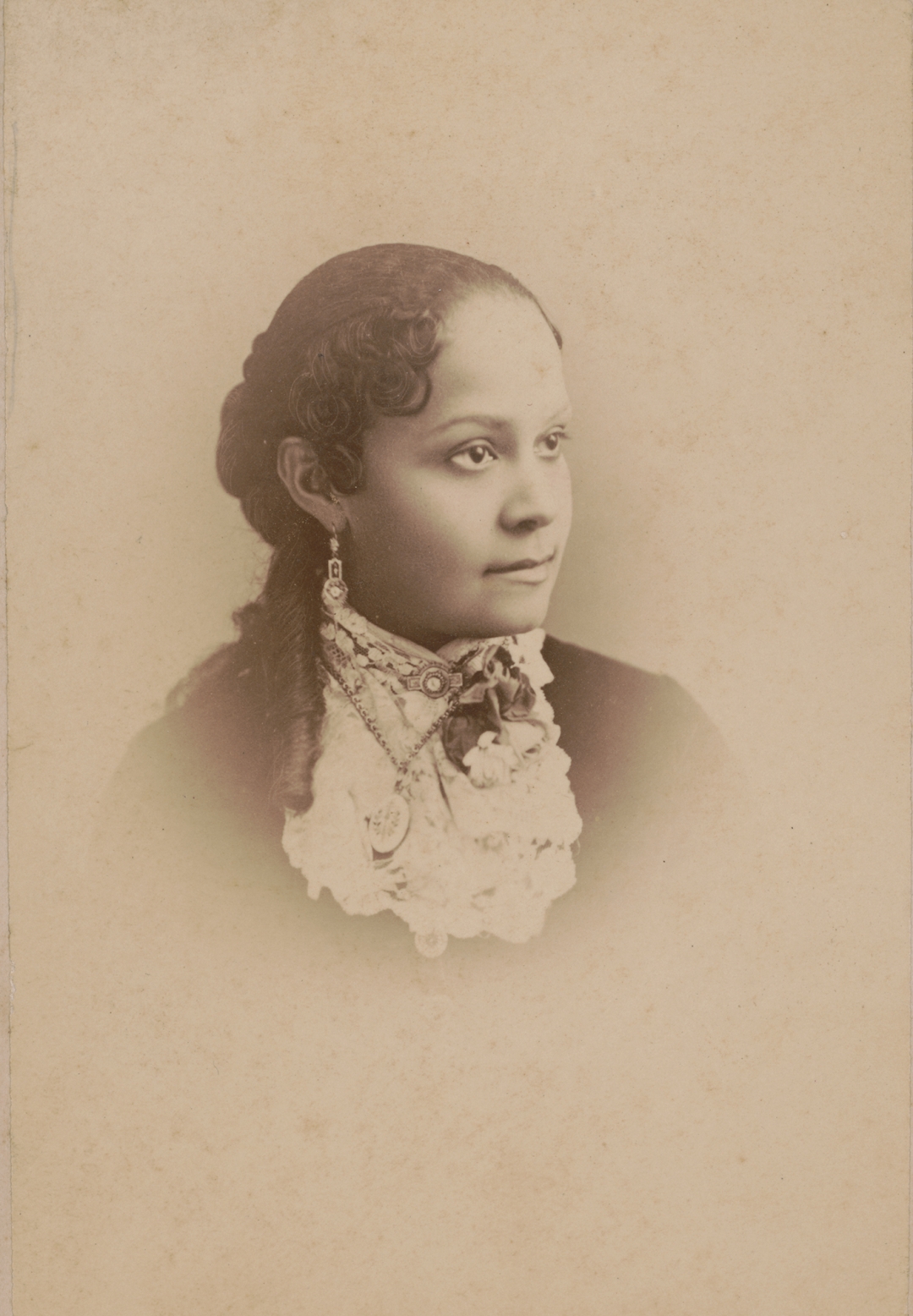
Pic­tures of Tub­man and Truth have made their way into every ele­men­tary school his­to­ry text­book. Far less well-known are the many oth­er African-Amer­i­can women activists of the late-nine­teenth and ear­ly twen­ti­eth cen­turies who fought for the rights of black Amer­i­cans in edu­ca­tion, at the vot­ing booth, and every­where else. Dur­ing Recon­struc­tion espe­cial­ly, many such activists rose to promi­nence in acad­e­mia, jour­nal­ism, and civic lead­er­ship. Women like Fan­nie Bar­ri­er Williams, at the top, whose wise, direct gaze illus­trates her fear­less­ness as an edu­ca­tion­al reformer and suf­frag­ist, who, despite her maid­en name, broke sev­er­al bar­ri­ers for black women in high­er edu­ca­tion and promi­nent pub­lic events like the 1893 Columbian Expo­si­tion. Against pater­nal­is­tic claims that for­mer slaves weren’t ready for cit­i­zen­ship, writes the Rochester Region­al Library Coun­cil, Williams “called on all women to unite and claim their inalien­able rights.”

Above, we see Lau­ra A. Moore West­brook. Of the first gen­er­a­tion to grow up after slav­ery, West­brook received a master’s degree in 1880, the only woman in a class of four. She went on to teach and fight fierce­ly for for­mer­ly enslaved stu­dents in Texas, earn­ing admi­ra­tion, as Mon­roe Alphus Majors wrote in 1893, “in con­spic­u­ous instances and under very flat­ter­ing cir­cum­stances” from con­tem­po­raries like Fred­er­ick Dou­glass. Majors’ char­ac­ter­i­za­tion will sound patron­iz­ing to our ears, but in the rigid terms of the time, it offers near­ly as vivid a por­trait as her pho­to­graph: “Her motive to do good far sur­pass­es her van­i­ty, except when her race is attacked, then, man­like, she with the pen strikes back, and even goes beyond her loy­al­ty to serve, but makes last­ing impres­sions upon those who are so unfor­tu­nate to get with­in her range.”

These images come from a Library of Con­gress archive of nine­teenth-cen­tu­ry African Amer­i­can activists from the col­lec­tion of William Hen­ry Richards, a pro­fes­sor at Howard Uni­ver­si­ty Law School from 1890 to 1928 and a staunch cam­paign­er for civ­il rights and lib­er­ties. Most of the por­traits are of the for­mal, staged vari­ety, but we also have the more relaxed, even play­ful series of pos­es from activists Eliz­a­beth Brooks and Emma Hack­ley, above. Richards’ col­lec­tion, writes cura­tor Bev­er­ly Bran­non at the LoC site, includes many “peo­ple who joined him and oth­ers work­ing in the suf­frage and tem­per­ance move­ments and in edu­ca­tion, jour­nal­ism and the arts.” The pho­tographs “show the women at ear­li­er ages than most por­traits pre­vi­ous­ly avail­able of them online.”

These por­traits date from a time, notes Alli­son Meier at Hyper­al­ler­gic, when “rights and oppor­tu­ni­ties for African Amer­i­cans, espe­cial­ly women, remained severe­ly lim­it­ed.” Many “obscure black women writ­ers,” jour­nal­ists, and teach­ers “await their biog­ra­phers,”  argues Jonathan Daniel Wells, and per­haps the redis­cov­ery of these pho­tographs will prompt his­to­ri­ans to recon­sid­er their promi­nence. While they did not phys­i­cal­ly stand up to armed mobs or police bat­tal­ions, these activists, writes Meier, “spoke out bold­ly against gen­der inequal­i­ty, while at the same time remain­ing cog­nizant that espe­cial­ly in the so-called New South, racism, vio­lence and mur­der were ever-present dan­gers for African Amer­i­can women and men.”

Hyper­al­ler­gic/Library of Con­gress

Relat­ed Con­tent:

1.5 Mil­lion Slav­ery Era Doc­u­ments Will Be Dig­i­tized, Help­ing African Amer­i­cans to Learn About Their Lost Ances­tors

W.E.B. Du Bois Cre­ates Rev­o­lu­tion­ary, Artis­tic Data Visu­al­iza­tions Show­ing the Eco­nom­ic Plight of African-Amer­i­cans (1900)

Watch the Pio­neer­ing Films of Oscar Micheaux, America’s First Great African-Amer­i­can Film­mak­er

Josh Jones is a writer and musi­cian based in Durham, NC. Fol­low him at @jdmagness

Alejandro Jodorowsky’s Very First Film, La Cravate, Based on a Novella by Thomas Mann (1957)

Ale­jan­dro Jodor­owsky may have rede­fined the film-view­ing expe­ri­ence for a cou­ple gen­er­a­tions of art-house thrillseek­ers, but he did­n’t start his cre­ative jour­ney in cin­e­ma. Decades before he sent his audi­ences on the mind-alter­ing fea­ture-length trips (whether or not they came pre­pared for them with their own mind-alter­ing sub­stances) like El Topo and The Holy Moun­tain, he wrote poet­ry, worked as a clown, found­ed and direct­ed a the­ater troupe, and after relo­cat­ing from his native Chile to France, stud­ied mime and per­formed with Mar­cel Marceau. Only then had life pre­pared him to make his first film, 1957’s La Cra­vate.

Telling its sto­ry in vivid col­or but with­out words, the short (which also goes under such titles as Les tĂŞtes inter­ver­tiesThe Trans­posed Heads, and most sen­sa­tion­al­is­ti­cal­ly The Sev­ered Heads) draws on Jodor­owsky and his col­lab­o­ra­tors’ skills devel­oped in the per­form­ing arts to con­vert into cin­e­mat­ic mime Thomas Man­n’s 1950 novel­la The Trans­posed Heads: A Leg­end of India. Nov­el­ist Rayo Casablan­ca quotes Jodor­owsky describ­ing the tale as one of “a woman who has an intel­lec­tu­al hus­band, who is very weak phys­i­cal­ly. She also has a mus­cu­lar but idi­ot­ic lover. She cuts the heads off of the two men and inter­changes them. She remains with the mus­cu­lar body and the head of the intel­lec­tu­al. How­ev­er, after a cer­tain time, the body of the ath­lete is soft­ened and the body of the intel­lec­tu­al becomes vig­or­ous and mus­cu­lar.”

Mann, in Jodor­owsky’s read­ing, “want­ed to thus say that it is the intel­lect which makes the body,” but for near­ly fifty years, his own visu­al inter­pre­ta­tion went unseen. Not long after its pre­miere at Rome’s Cin­e­ma Auteur Fes­ti­val in 1957 it went miss­ing, pre­sumed lost, until the sole print­’s redis­cov­ery in a Ger­man attic in 2006. Final­ly, Jodor­owsky’s fans could see not just his direc­to­r­i­al debut but his first star­ring role onscreen, with a sup­port­ing cast that includ­ed the Bel­gian sur­re­al humorist Ray­mond Devos. The film’s moral, writes Dan­ger­ous Minds’ Paul Gal­lagher, “is nev­er to lose your head over unre­quit­ed love, but find some­one who loves you as you are,” but as with all of Jodor­owsky’s works, feel free to take from it what­ev­er mes­sage finds its way into your head.

Relat­ed Con­tent:

Ale­jan­dro Jodorowsky’s 82 Com­mand­ments for Liv­ing

Ale­jan­dro Jodor­owsky Explains How Tarot Cards Can Give You Cre­ative Inspi­ra­tion

The 14-Hour Epic Film, Dune, That Ale­jan­dro Jodor­owsky, Pink Floyd, Sal­vador Dalí, Moe­bius, Orson Welles & Mick Jag­ger Nev­er Made

Watch Mar­cel Marceau Mime The Mask Mak­er, a Sto­ry Cre­at­ed for Him by Ale­jan­dro Jodor­owsky (1959)

Based in Seoul, Col­in Mar­shall writes and broad­casts on cities and cul­ture. He’s at work on a book about Los Ange­les, A Los Ange­les Primer, the video series The City in Cin­e­ma, the crowd­fund­ed jour­nal­ism project Where Is the City of the Future?, and the Los Ange­les Review of Books’ Korea Blog. Fol­low him on Twit­ter at @colinmarshall or on Face­book.

How Ingenious Sign Language Interpreters Are Bringing Music to Life for the Deaf: Visualizing the Sound of Rhythm, Harmony & Melody

They are greet­ed like celebri­ties, with huge cheers and applause from the audi­ence on Jim­my Kim­mel Live!, for exam­ple, and it is well-deserved—they’re stars in their own right—but you prob­a­bly won’t rec­og­nize their names. They’re Amer­i­can Sign Lan­guage inter­preters of pop music, and their craft involves not only a mas­tery of ASL, but also empa­thy, cre­ativ­i­ty, spon­tane­ity, dance, and some of the vivid inter­pre­tive moves of an air gui­tar cham­pi­on (a rare art form indeed).

In the video explain­er from Vox above, we meet one of the most tal­ent­ed of such inter­preters, the poised yet high­ly ani­mat­ed Amber Gal­loway Gal­lego. She has inter­pret­ed over 400 artists—“literally every artist you could think of”—including sta­di­um fillers like Adele, Kendrick Lamar, Drake, and, as you can see below in video from last year’s Lol­la­palooza, the Red Hot Chili Pep­pers, whose melan­choly “Under the Bridge” takes on an entire­ly new ener­gy through Gallego’s expres­sive hands, face, and body (she first appears at 1:22).

As she explains to Vox, ASL inter­preters have for years com­mu­ni­cat­ed music to their audi­ences by dri­ly mak­ing the sign in Eng­lish for “Music” and leav­ing it at that. For Gal­lego, this was total­ly insuf­fi­cient. The deaf com­mu­ni­ty includes “a diverse group of peo­ple,” the Vox nar­ra­tor says, “who have a wide range of resid­ual hear­ing” across the audi­ble spec­trum. And every­one can feel music at cer­tain vol­umes, espe­cial­ly in a live con­cert set­ting. But an inter­preter, Gal­lego sug­gests, should be pre­pared not only to trans­late the lyrics of a song, but also the rhythm and, to a cer­tain degree, the melody and har­mo­ny, as well as the gen­er­al vibe, allow­ing deaf con­cert goers to be part of the total expe­ri­ence, as she puts it. (She can even inter­pret beat­box­ing.)

Since ASL already incor­po­rates emo­tive ges­tures and facial expres­sions, Gal­lego sim­ply adapt­ed and expand­ed these into a reper­toire of dance and musi­cal sign. She inter­prets fre­quen­cy, bring­ing her arms and hands clos­er to her waist for low­er sounds and at her shoul­ders and above for high notes. She com­mu­ni­cates pitch and rhythm with her face and hands in ways that both mim­ic the move­ment of sound waves and com­mu­ni­cate how much she her­self is groov­ing to a tune. “If we mere­ly show the sign for music,” Gal­lego insists, “then we are doing an injus­tice as an inter­preter.” Be warned, ASL inter­preters, she sets the bar high.

To con­vey the mean­ing of a song’s lyri­cal con­tent, a music inter­preter must trans­late a tremen­dous amount of word­play, rhyme, and metaphor into a visu­al form of com­mu­ni­ca­tion. In the Vox video, Gal­lego shows how she does this effec­tive­ly at the speed of Eminem’s motor mouth in a song like “The Mon­ster,” and, though I can’t speak to the expe­ri­ence of some­one from the deaf com­mu­ni­ty, it’s impres­sive.

Gal­le­go’s enthu­si­as­tic inno­va­tion and embrace of music sign­ing has gen­er­at­ed dozens of video inter­pre­ta­tions on her YouTube chan­nel (includ­ing clas­sics of both Christ­mas and kids’ music and the irre­sistible glee of Chew­bac­ca mom). And she has also pro­mot­ed her rock-star-wor­thy work to mil­lions on TV shows like Total­ly Biased with W. Kamau Bell and, as I men­tioned, Jim­my Kim­mel Live!, where, as you can see above, she tag teams (for the win) with two fel­low music inter­preters in a bat­tle against rap­per Wiz Khal­i­fa.

via Vox

Relat­ed Con­tent:

Hip Hop Hits Sung Won­der­ful­ly in Sign Lan­guage: Eminem’s “Lose Your­self,” Wiz Khalifa’s “Black and Yel­low” & More

“Alexan­der Hamil­ton” Per­formed with Amer­i­can Sign Lan­guage

Learn 48 Lan­guages for Free Online: A Big Update to Our Mas­ter List

Josh Jones is a writer and musi­cian based in Durham, NC. Fol­low him at @jdmagness

« Go BackMore in this category... »
Quantcast