Pop Art Posters Celebrate Pioneering Women Scientists: Download Free Posters of Marie Curie, Ada Lovelace & More

We all know the name Marie Curie—or at least I hope we do. But for far too many peo­ple, that’s where their knowl­edge of women in sci­ence ends. Which means that thou­sands of young boys and girls who read about Isaac New­ton and Louis Pas­teur nev­er also learn the sto­ry of Car­o­line Her­schel (1750–1848), the first woman to dis­cov­er a comet, pub­lish with the Roy­al Soci­ety, and receive a salary for sci­en­tif­ic work—as the assis­tant to the king’s astronomer, her broth­er, in 19th cen­tu­ry Eng­land. Her­schel dis­cov­ered and cat­a­logued new neb­u­lae and star clus­ters; received a gold medal from the Roy­al Astro­nom­i­cal Soci­ety; and she and her broth­er William “increased the num­ber of known star clus­ters,” writes the Smith­son­ian, “from 100 to 2,500.” And yet, she remains almost total­ly obscure.

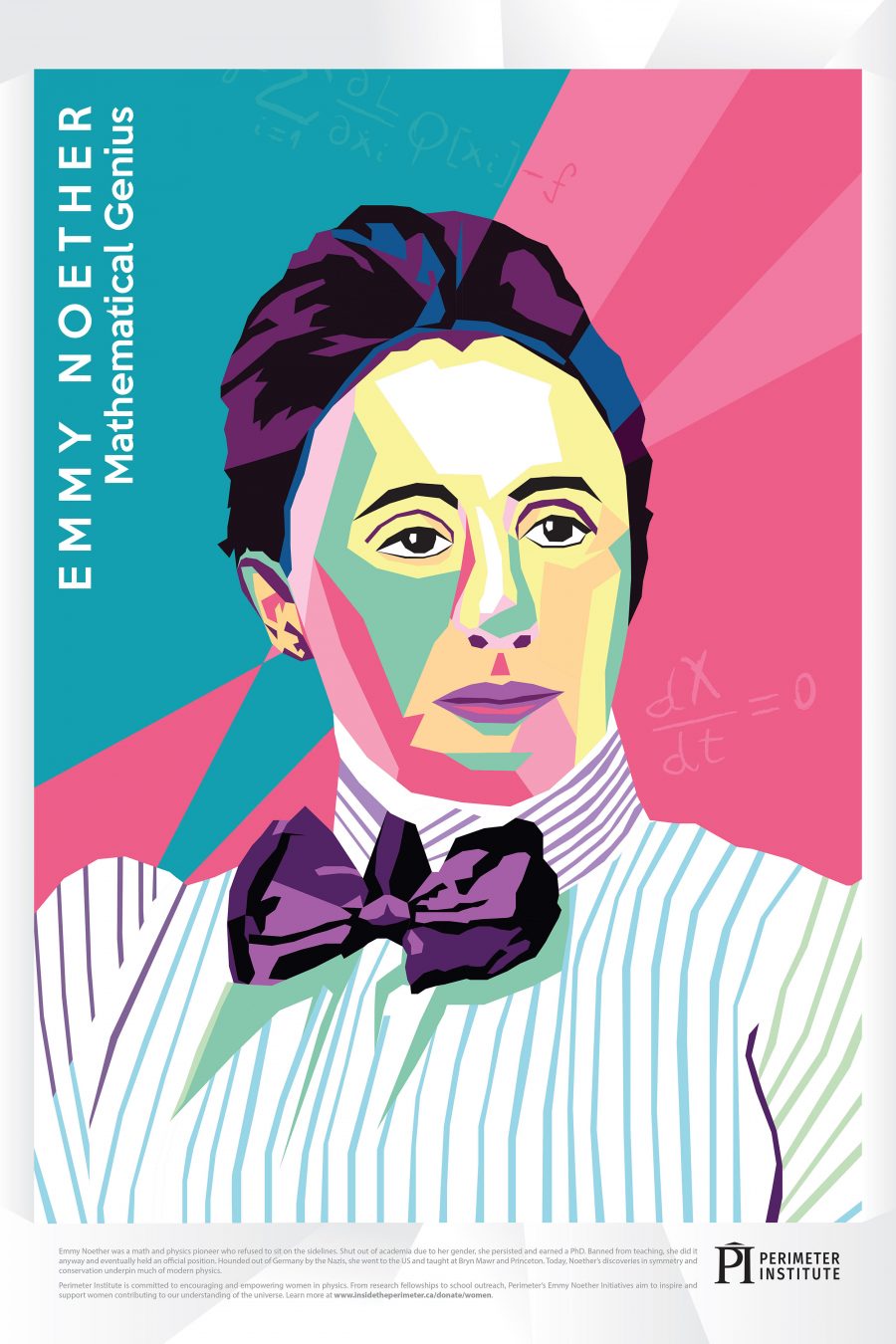
Open a math or physics text­book and you may not come across the name Emmy Noe­ther (1882–1935), either, despite the fact that she “proved two the­o­rems,” the San Diego Super­com­put­er Cen­ter (SDSC) notes, “that were basic for both gen­er­al rel­a­tiv­i­ty and ele­men­tary par­ti­cle physics. One is still known as ‘Noether’s The­o­rem.’”

Noe­ther fought hard for recog­ni­tion in life. She received her Ph.D. in math­e­mat­ics from the Uni­ver­si­ty of Göt­tin­gen in 1907, and she even­tu­al­ly sur­passed her sci­en­tist father and broth­ers. But at first, she could only secure work at the Math­e­mat­i­cal Insti­tute of Erlan­gen in a posi­tion with­out title or pay. And despite her bril­liance, she was only allowed to teach at Göt­tin­gen Uni­ver­si­ty as the assis­tant to David Hilbert, also with­out a salary.

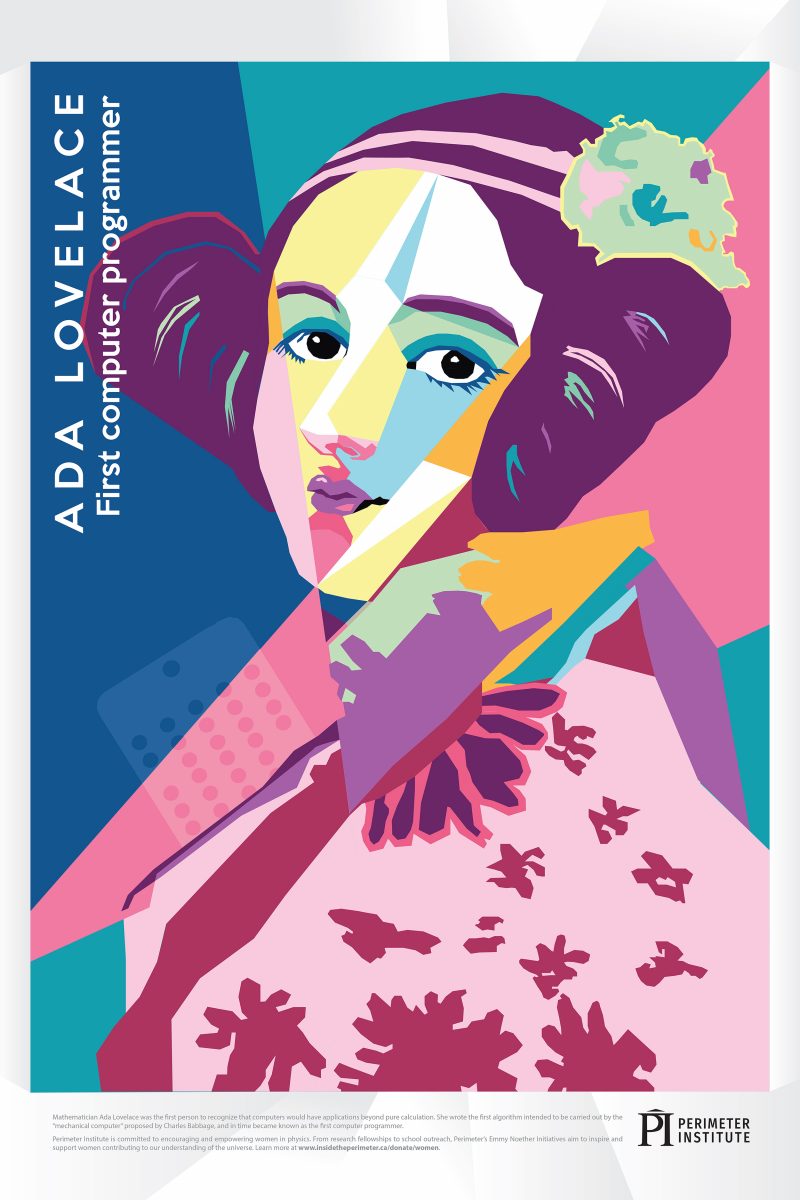
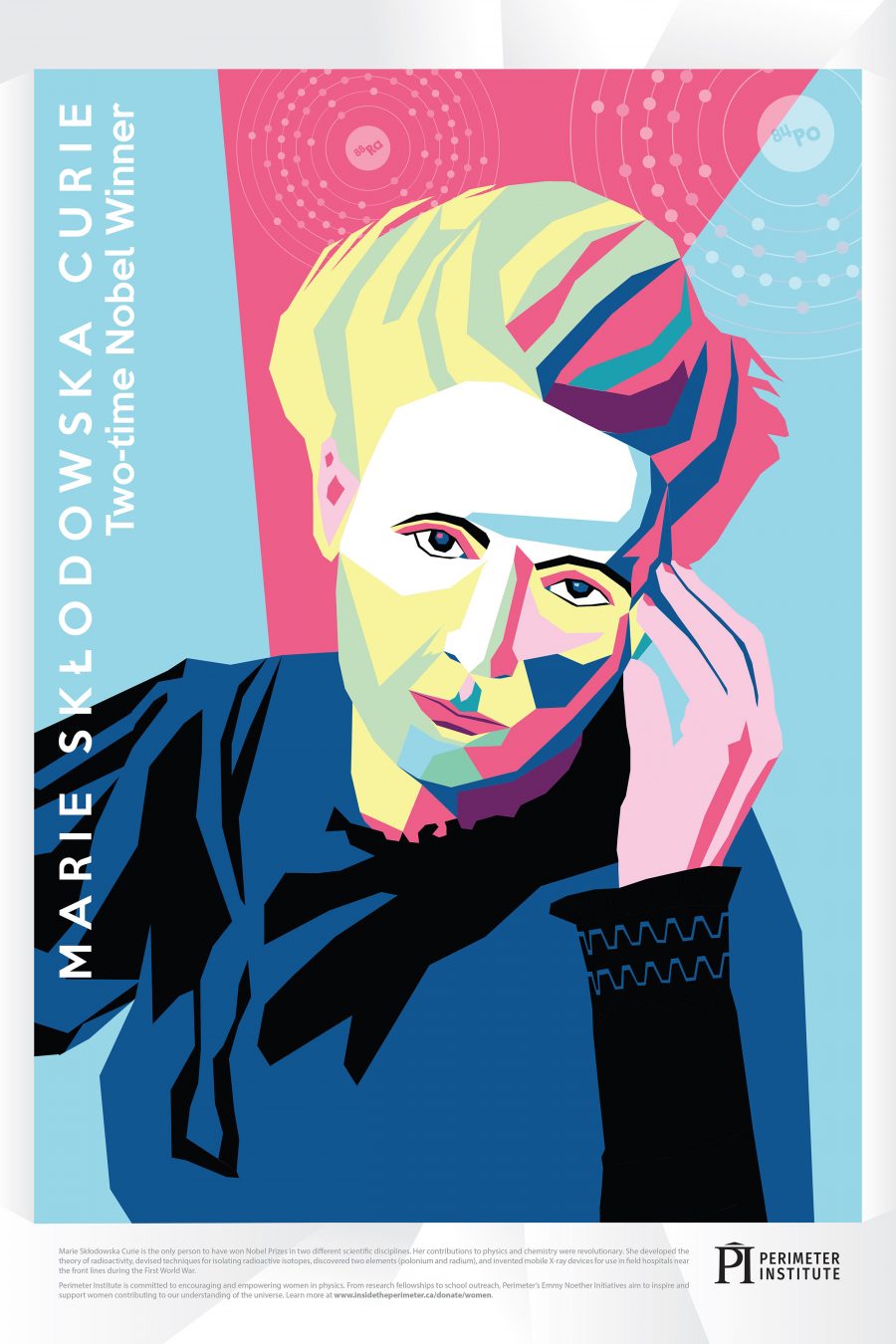
Noe­ther suf­fered dis­crim­i­na­tion in Ger­many “owing not only to prej­u­dices against women, but also because she was a Jew, a Social Demo­c­rat, and a paci­fist.” Oth­er promi­nent women in sci­en­tif­ic his­to­ry have encoun­tered sim­i­lar­ly inter­sect­ing forms of dis­crim­i­na­tion, and con­tin­ue to do so. Much has changed since the times of Her­schel and of Noe­ther, but “there is much work to be done,” writes Eamon O’Flynn of the Perime­ter Insti­tute for The­o­ret­i­cal Physics. “Part of mak­ing pos­i­tive change includes cel­e­brat­ing the con­tri­bu­tions women have made to sci­ence, espe­cial­ly those women over­looked in their time.” For this rea­son, the Perime­ter Insti­tute has cre­at­ed a poster series, called “Forces of Nature,” for “class­rooms, dorm rooms, liv­ing rooms, offices, and physics depart­ments.”

The posters fea­ture Curie, Noe­ther, com­put­ing pio­neer Ada Lovelace, stel­lar astronomer Annie Jump Can­non, and “first lady of physics” Chien-Shi­ung Wu. Should you want one or all of these as high-res­o­lu­tion images print­able up to 24”x36”, vis­it the Perime­ter Institute’s site and fol­low the links to fill out a short form. Whether you’re a par­ent, teacher, or mentor—these strik­ing pop art posters seem like an excel­lent way to get a con­ver­sa­tion about women in sci­ence start­ed. Fol­low up with the Smithsonian’s “Ten His­toric Female Sci­en­tists You Should Know,” SDSC’s Women in Sci­ence project, Rachel Ignotofsky’s Women in Sci­ence: 50 Fear­less Pio­neers Who Changed the World, and—for a con­tem­po­rary view of women work­ing in every pos­si­ble STEM field—the Asso­ci­a­tion for Women in Sci­ence.

Relat­ed Con­tent:

Marie Curie Attend­ed a Secret, Under­ground “Fly­ing Uni­ver­si­ty” When Women Were Banned from Pol­ish Uni­ver­si­ties

How Ada Lovelace, Daugh­ter of Lord Byron, Wrote the First Com­put­er Pro­gram in 1842–a Cen­tu­ry Before the First Com­put­er

Josh Jones is a writer and musi­cian based in Durham, NC. Fol­low him at @jdmagness

The Art of the Japanese Teapot: Watch a Master Craftsman at Work, from the Beginning Until the Startling End

Peo­ple all over the world enjoy Japan­ese tea, but few of them have wit­nessed a prop­er Japan­ese tea cer­e­mo­ny — and see­ing as a prop­er Japan­ese tea cer­e­mo­ny can last up to four hours, many prob­a­bly imag­ine they don’t have the endurance. But Japan­ese tea cul­ture holds up metic­u­lous­ness as a high virtue for the pre­par­er, the drinker, and even more so the crafts­man who makes the tea ware both of them use. In the video above, you can see one such mas­ter named Shimizu Gen­ji at work in his stu­dio in Tokon­ame, a city known as a ceram­ics cen­ter for hun­dreds and hun­dreds of years.

Shimizu, writes the pro­pri­etor of pot­tery site Artisticnippon.com about a vis­it to his work­shop, “throws a block of clay onto the wheel, cre­at­ing the teapot’s body, han­dle, spout and lid one after anoth­er, all from the same block. It real­ly is quite mes­meris­ing and awe-inspir­ing to watch.”

Once he assem­bles these for­mi­da­bly sol­id-look­ing but decep­tive­ly light pieces, he dries them out over three days, a process that offers “just one exam­ple of the time and care invest­ed in the craft­ing of exquis­ite Tokon­ame teapots.” Final­ly comes the sea­weed, of which cer­tain pieces get a lay­er applied before fir­ing. After­ward, the traces left by the sea­weed cre­ate a “charred” pat­tern­ing called mogake.

We would sure­ly wel­come any of Shimizu’s prod­ucts, or those by the oth­er respect­ed prac­ti­tion­ers of his tra­di­tion, into our home. But as with all Japan­ese crafts honed over count­less gen­er­a­tions, the process counts for just as much as the prod­uct, or even more so. Take, for instance, Shimizu’s process as cap­tured by this video: we appre­ci­ate the con­cen­tra­tion, delib­er­a­tion, and sen­si­tiv­i­ty shown at each and every stage, and the pieces of the teapot as they come into exis­tence don’t look half bad either. But if we become too attached to the final result we’ve been antic­i­pat­ing over these four­teen min­utes — well, suf­fice it to say that the mas­ter crafts­man has a les­son in imper­ma­nence in store for us.

Relat­ed Con­tent:

Japan­ese Crafts­man Spends His Life Try­ing to Recre­ate a Thou­sand-Year-Old Sword

The Mak­ing of Japan­ese Hand­made Paper: A Short Film Doc­u­ments an 800-Year-Old Tra­di­tion

Watch a Japan­ese Crafts­man Lov­ing­ly Bring a Tat­tered Old Book Back to Near Mint Con­di­tion

The Art of Col­lo­type: See a Near Extinct Print­ing Tech­nique, as Lov­ing­ly Prac­ticed by a Japan­ese Mas­ter Crafts­man

Based in Seoul, Col­in Mar­shall writes and broad­casts on cities and cul­ture. His projects include the book The State­less City: a Walk through 21st-Cen­tu­ry Los Ange­les and the video series The City in Cin­e­ma. Fol­low him on Twit­ter at @colinmarshall or on Face­book.

25 Million Images From 14 Art Institutions to Be Digitized & Put Online In One Huge Scholarly Archive

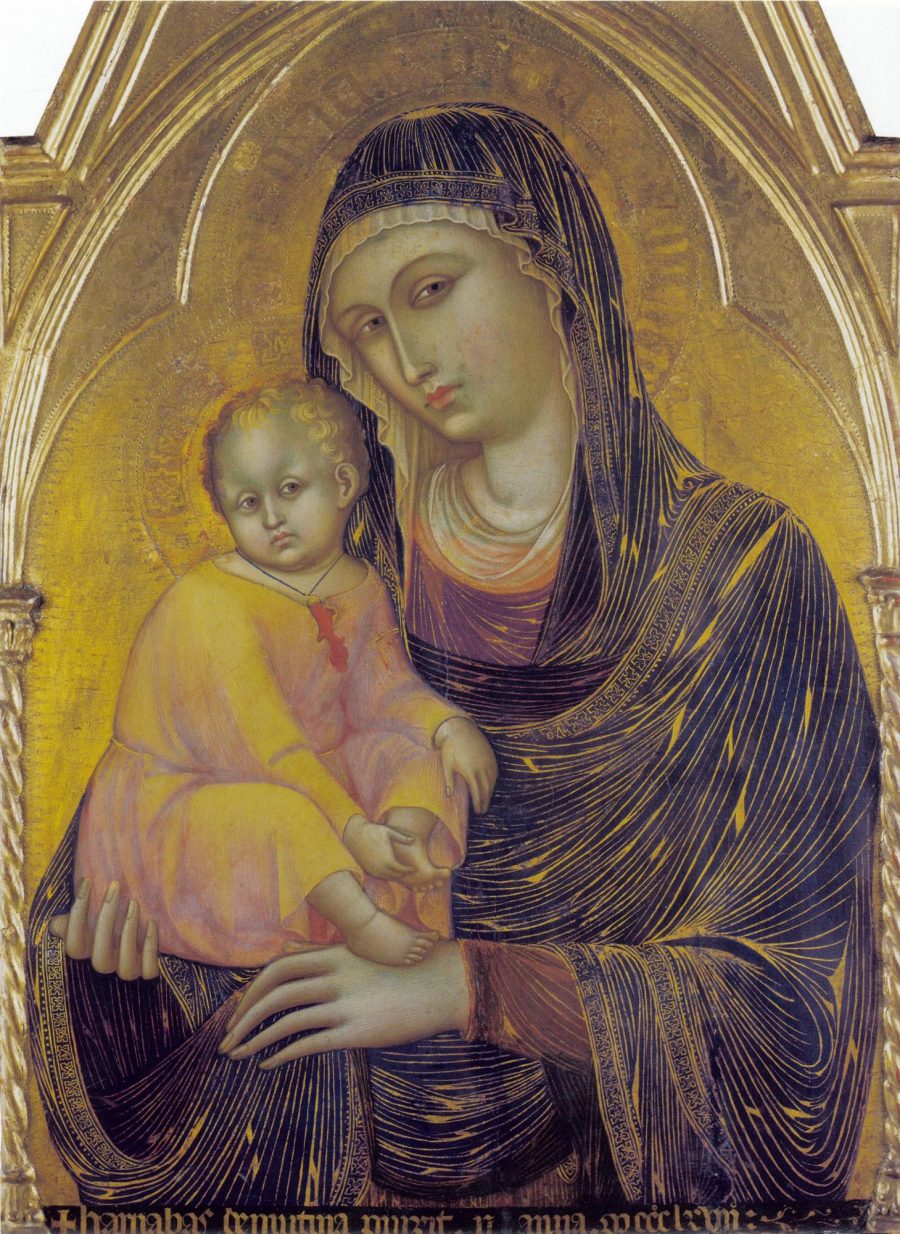
Dig­i­tal art archives, says Thomas Gae­ht­gens, direc­tor of the Get­ty Research Insti­tute, are “Sleep­ing Beau­ties, and they are wait­ing to be dis­cov­ered and kissed.” It’s an odd metaphor, espe­cial­ly since the archive to which Gae­ht­gens refers cur­rent­ly con­tains pho­to­graph­ic trea­sures like that of Medieval Chris­t­ian art from the Nether­lands Insti­tute for Art His­to­ry. But soon, Pharos, the “Inter­na­tion­al Con­sor­tium of Pho­to Archives,” will host 25 mil­lion images, Ted Loos reports at The New York Times, “17 mil­lion of them art­works and the rest sup­ple­men­tal mate­r­i­al.” The archive aims to have 7 mil­lion online by 2020.

Pharos is the joint effort of 14 dif­fer­ent insti­tu­tions, includ­ing the Get­ty and the Frick, the Nation­al Gallery of Art, the Yale Cen­ter for British Art, Rome’s Bib­lio­the­ca Hertziana, the Cour­tauld Insti­tute, and more. Even­tu­al­ly “users will be able to search the restora­tion his­to­ry of the works, includ­ing dif­fer­ent states of the same piece over time… past own­er­ship; and even back­ground on relat­ed works that have been lost or destroyed.” As Art­net puts it, “art his­to­ry just got a lot more acces­si­ble.”

Once the pri­ma­ry domain of well-appoint­ed pro­fes­sors with insti­tu­tion­al con­nec­tions and the bud­get to fly around the world, the dis­ci­pline can soon be pur­sued by any­one with an inter­net con­nec­tion, though there is, of course, no vir­tu­al sub­sti­tute yet for engag­ing with art in three-dimen­sions. Claire Voon explains at Hyper­al­ler­gic, “Pharos’s data­base is pri­mar­i­ly aimed at scholars—although it is freely avail­able for all to use—and is ded­i­cat­ed to upload­ing a work’s attri­bu­tion and prove­nance as well as con­ser­va­tion, exhi­bi­tion, and bib­li­o­graph­ic his­to­ries.” All of the infor­ma­tion, in oth­er words, required for seri­ous research.

Cur­rent­ly fea­tur­ing almost 100,000 images and over 60,000 sep­a­rate art­works, Pharos con­tains clas­si­cal and Byzan­tine art and mosaics from the Frick; ear­ly Chris­t­ian art from the Nation­al Gallery; many pho­tographs of Roman pot­tery, sculp­ture, and stat­u­ary from the Bib­lio­the­ca Hertziana, and much more. The Frick com­pris­es the bulk of the col­lec­tion, and the muse­um is Pharos’s pri­ma­ry part­ner and “home to the very first pho­toarchive in the Unit­ed States, thanks to the ini­tia­tive of its founder’s daugh­ter.” (Most of the images cur­rent­ly in the Frick archive are in black and white.)

While the cur­rent insti­tu­tions are all based in North Amer­i­ca and Europe, the “data­base will even­tu­al­ly expand,” writes Voon, “to include records from more pho­toarchives around the world.” Schol­ars and art lovers world­wide may not nec­es­sar­i­ly think of these trea­sures as kiss­able “sleep­ing beau­ties,” but their plen­ti­ful appear­ance in such rich detail and easy acces­si­bil­i­ty may indeed seem like a fairy tale come true.

Enter the Pharos data­base here.

via Hyper­al­ler­gic

Relat­ed Con­tent:

The British Muse­um Cre­ates 3D Mod­els of the Roset­ta Stone & 200+ Oth­er His­toric Arti­facts: Down­load or View in Vir­tu­al Real­i­ty

The Smith­son­ian Design Muse­um Dig­i­tizes 200,000 Objects, Giv­ing You Access to 3,000 Years of Design Inno­va­tion & His­to­ry

1,000+ His­toric Japan­ese Illus­trat­ed Books Dig­i­tized & Put Online by the Smith­son­ian: From the Edo & Meji Eras (1600–1912)

Josh Jones is a writer and musi­cian based in Durham, NC. Fol­low him at @jdmagness

« Go Back
Quantcast