The “Weird Objects” in the New York Public Library’s Collections: Virginia Woolf’s Cane, Charles Dickens’ Letter Opener, Walt Whitman’s Hair & More

On March 28, 1941, Vir­ginia Woolf took her final walk, into the Riv­er Ouse near her home in Sus­sex. She did it with her trusty cane in hand, the very cane you can see laid out along­side oth­er Woolf-relat­ed arti­facts in the New York­er video above. Its five min­utes pro­vide a short intro­duc­tion to the “weird objects” of the New York Pub­lic Library’s Berg Col­lec­tion, an archive con­tain­ing, in the words of the New York­er’s Gareth Smit, “rough­ly two thou­sand lin­ear feet of man­u­scripts and archival mate­ri­als” donat­ed in 1940 by the broth­ers Hen­ry W. and Albert A. Berg, doc­tors who were also “avid col­lec­tors of Eng­lish and Amer­i­can lit­er­a­ture — and of lit­er­ary para­pher­na­lia.”

The NYPL labels as “realia” such non-paper items as  Woolf’s cane as well as “Char­lotte Brontë’s writ­ing desk, with a lock of her hair inside; trin­kets belong­ing to Jack Ker­ouac, includ­ing his har­mon­i­cas, and a card upon which he wrote ‘blood’ in his own blood; type­writ­ers belong­ing to S. J. Perel­man and Paul Met­calf; Mark Twain’s pen and wire-rimmed glass­es; Vladimir Nabokov’s but­ter­fly draw­ings; and the death masks of the poets James Mer­rill and E. E. Cum­mings.” We’ve pre­vi­ous­ly fea­tured Nabokov-drawn but­ter­flies here on Open Cul­ture, as well the let­ter open­er seen in the video that Charles Dick­ens had made from the foot of his beloved cat Bob.

All this may sound on the grim side, but these objects bring their behold­ers that much clos­er to the long-passed lit­er­ary fig­ures who once pos­sessed them. “If you are look­ing at, say, Jack Ker­ouac’s lighter or his boots, you’re see­ing the man, in a sense,” the NYPL’s direc­tor of exhi­bi­tions Declan Kiely says in the video. “What you’re try­ing to get clos­est to is the cre­ative spir­it at work, and I think that’s why these objects are so evoca­tive.” Though vis­i­tors to the Berg Col­lec­tion can only do so by appoint­ment, the library, as Kiely told Smit, “does intend to have an exhi­bi­tion to present these and oth­er trea­sures in the Gottes­man Hall by 2020.” Some­thing to look for­ward to for any­one who yearns to approach the cre­ative spir­it — and who among us does­n’t?

Relat­ed Con­tent:

The New York Pub­lic Library Lets You Down­load 180,000 Images in High Res­o­lu­tion: His­toric Pho­tographs, Maps, Let­ters & More

The Smith­son­ian Design Muse­um Dig­i­tizes 200,000 Objects, Giv­ing You Access to 3,000 Years of Design Inno­va­tion & His­to­ry

Vladimir Nabokov’s Delight­ful But­ter­fly Draw­ings

Charles Dick­ens Gave His Cat “Bob” a Sec­ond Life as a Let­ter Open­er

Based in Seoul, Col­in Mar­shall writes and broad­casts on cities and cul­ture. His projects include the book The State­less City: a Walk through 21st-Cen­tu­ry Los Ange­les and the video series The City in Cin­e­ma. Fol­low him on Twit­ter at @colinmarshall or on Face­book.

Frank Zappa’s 1980s Appearances on The David Letterman Show

I’ve nev­er been a huge fan of Frank Zappa’s music and grav­i­tat­ed more toward the bizarre yet bluesy son­ic world of his some­time col­lab­o­ra­tor and life­long fren­e­my Cap­tain Beef­heart. But I get the appeal of Zappa’s wild­ly vir­tu­oso cat­a­log and his sar­don­ic, even caus­tic, per­son­al­i­ty. The phrase may have devolved into cliché, but it’s still worth say­ing of Zap­pa: he was a real orig­i­nal, a tru­ly inde­pen­dent musi­cian who insist­ed on doing things his way. Most admirably, he had the tal­ent, vision, and strength of will to do so for decades in a busi­ness that leg­en­dar­i­ly chews up and spits out artists with even the tough­est of con­sti­tu­tions.

Zap­pa, notes the Rock and Roll Hall of Fame in its pro­file, “was rock and roll’s sharpest musi­cal mind and most astute social crit­ic… the most pro­lif­ic com­pos­er of his age,” who “bridged genres—rock, jazz, clas­si­cal, avant-garde and even nov­el­ty music—with mas­ter­ful ease.” Record­ing “over six­ty albums’ worth of mate­r­i­al in his fifty-two years,” he famous­ly dis­cov­ered, nur­tured, and col­lab­o­rat­ed with some of the most tech­ni­cal­ly pro­fi­cient and accom­plished of play­ers. He was indie before indie, and “con­front­ed the cor­rupt pol­i­tics of the rul­ing class” with fero­cious wit and unspar­ing satire, hold­ing “the banal and deca­dent lifestyles of his coun­try­men to unfor­giv­ing scruti­ny.”

Need­less to say, Zap­pa him­self was not prone to banal­i­ty or deca­dence. He stood apart from his con­tem­po­raries with both his utter hatred of trends and his com­mit­ment to sobri­ety, which meant that he was nev­er less than total­ly lucid, if nev­er total­ly clear, in inter­views and TV appear­ances. Unsur­pris­ing­ly, David Let­ter­man, cham­pi­on of oth­er fierce­ly tal­ent­ed musi­cal odd­balls like War­ren Zevon, was a Zap­pa fan. Between 1982 and 83, Zap­pa came on Let­ter­man three times, the first, in August of 82, with his daugh­ter Moon (or “Moon Unit,” who almost end­ed up with the name “Motor­head,” he says).

The younger Zap­pa inher­it­ed her father’s dead­pan. “When I was lit­tle,” she says, “I want­ed to change my name to Beau­ty Heart. Or Mary.” But Zap­pa, the “musi­cal and a soci­o­log­i­cal phe­nom­e­non,” as Let­ter­man calls him, gets to talk about more than his kids’ weird names. In his June, 83 appear­ance, fur­ther up, he pro­motes his Lon­don Sym­pho­ny Orches­tra album. As he explains, the expe­ri­ence of work­ing with cranky clas­si­cal musi­cians on a very tight sched­ule test­ed his per­fec­tion­is­tic (some might say con­trol­ling) tem­pera­ment. The album gave rise, writes Eduar­do Riva­davia at All­mu­sic, “to his well-doc­u­ment­ed love/hate (most­ly hate) rela­tion­ship with sym­pho­ny orches­tras there­after.”

But no mat­ter how well or bad­ly a project went, Zap­pa always moved right along to the next thing. He was nev­er with­out an ambi­tious new album to pro­mote. (In his final Let­ter­man appear­ance, on Hal­loween, above, he had a musi­cal, which turned into album, the triple-LP Thing-Fish.) Since he nev­er stopped work­ing for a moment, one set of ideas gen­er­at­ing the next—he told Rolling Stone in answer to a ques­tion about how he looked back on his many records—“It’s all one album.” See a super­cut below of all of Zappa’s 80s vis­its to the Let­ter­man set, with slight­ly bet­ter video qual­i­ty than the indi­vid­ual clips above.

Relat­ed Con­tent:

Frank Zap­pa Explains the Decline of the Music Busi­ness (1987)

Hear the Musi­cal Evo­lu­tion of Frank Zap­pa in 401 Songs

Hunter S. Thompson’s Many Strange, Unpre­dictable Appear­ances on The David Let­ter­man Show

Josh Jones is a writer and musi­cian based in Durham, NC. Fol­low him at @jdmagness

A Modern Drummer Plays a Rock Gong, a Percussion Instrument from Prehistoric Times

Rock Gong. It sounds like a B‑52s song. But a rock gong is not a New Wave surf-rock par­ty groove. It’s not a neo-syn­th­pop act, hip hop group, or indie band (not yet). It’s a pre­his­toric instrument—as far away in time as one can get from syn­the­siz­ers and elec­tric gui­tars. Rock gongs are ancient, maybe as old as humankind. But they’re still groovy, in their way. As they say, the groove is in the play­er, not the instru­ment.

Rock gongs, or “litho­phones,” if you want to get tech­ni­cal, have been found all over the African con­ti­nent, in South Amer­i­ca, Aus­tralia, Azer­bai­jan, Eng­land, Hawaii, Ice­land, India, and every­where else pre­his­toric peo­ple lived. Not the cul­tur­al prop­er­ty of any one group, the rock gong came, rather, from a uni­ver­sal human insight into the nat­ur­al son­ic prop­er­ties of stone. (One the­o­ry even spec­u­lates that Stone­henge might have been a mas­sive col­lec­tion of rock gongs.)

Though some schol­ars have sug­gest­ed that the term “rock gong” should be reserved for sta­tion­ary, rather than portable, rocks that were used as instru­ments, the British Muse­um seems untrou­bled by the dis­tinc­tion. In the video above, archae­ol­o­gist Cor­nelia Kleinitz explains the prin­ci­ples of rock gongs found in Sudan to mod­ern rock drum­mer Liam Williamson of the band Cats on the Beach.

You can hear one of those Nubian rock gongs in its nat­ur­al habi­tat, before it was moved to the British Muse­um, in the clip just above. The rock, the nar­ra­tor tells us, has been “worn smooth by the action of peo­ple play­ing it more than 7,000 years ago. Long before the Romans, long before the Pharaohs.” Ear­ly humans would have searched long and hard for rocks that res­onat­ed at par­tic­u­lar fre­quen­cies, for ring­ing rocks that could be com­bined into scales for ear­ly xylo­phones or pro­duce a vari­ety of tones like a steel drum.

Despite their antiq­ui­ty, the study of rock gongs is a rather recent phe­nom­e­non, part of the emerg­ing field of archaeoa­coustics. “Method­olog­i­cal­ly,” write the authors of a 2016 paper on the sub­ject, “this field of research is still  in its infan­cy,” and there is much researchers do not know about the uses and vari­eties of rock gongs around the world. As Kleinitz explains to Williamson in the video at the top, archae­ol­o­gists are try­ing to under­stand the con­text in which the Nubian gongs at the British Muse­um would have been played, whether as instru­ments for rit­u­als, sig­nal­ing, fun, or all of the above.

As for the tech­niques involved in rock gong play­ing, we can only guess, but Williamson does his best to adapt his drum chops to the ancient stone kit. One crit­i­cal dif­fer­ence between our mod­ern human musi­cal instru­ments and this ancient kind, Kleinitz notes, is that the lat­ter were inte­grat­ed into the land­scape; their dis­tinc­tive sound depend­ed not only on the rock itself, but on its inter­ac­tion with the wild and unpre­dictable envi­ron­ment around it.

Relat­ed Con­tent:

Hear a 9,000 Year Old Flute—the World’s Old­est Playable Instrument—Get Played Again

What Did Ancient Greek Music Sound Like?: Lis­ten to a Recon­struc­tion That’s ‘100% Accu­rate’

Vis­it an Online Col­lec­tion of 61,761 Musi­cal Instru­ments from Across the World

Josh Jones is a writer and musi­cian based in Durham, NC. Fol­low him at @jdmagness

A Visionary 115-Year-Old Color Theory Manual Returns to Print: Emily Noyes Vanderpoel’s Color Problems

Nobody can doubt that we can live in an age of screen-read­ing, nor that it has brought a few prob­lems along with its con­sid­er­able con­ve­niences. To name just one of those prob­lems, each of us reads on our own screen, and each screen repro­duces the infor­ma­tion fed into it to dis­play dif­fer­ent­ly. A col­or, for instance, might well not look quite the same to any giv­en read­er of an e‑book as it did to the design­er who orig­i­nal­ly chose it. This imbues with a new rel­e­vance the old dorm-room philo­soph­i­cal ques­tion of whether what I call “blue” real­ly looks the same as what you call “blue,” and at least the more con­trol­lable nature of old-fash­ioned print books takes the issue of screen vari­a­tion out of the equa­tion.

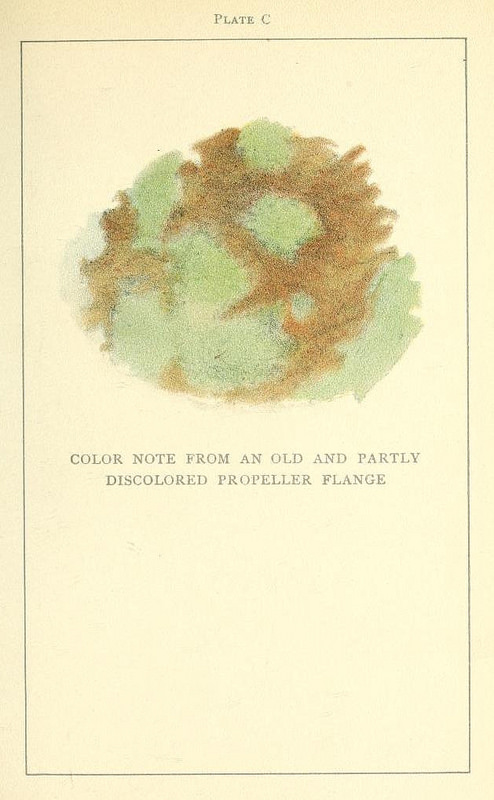
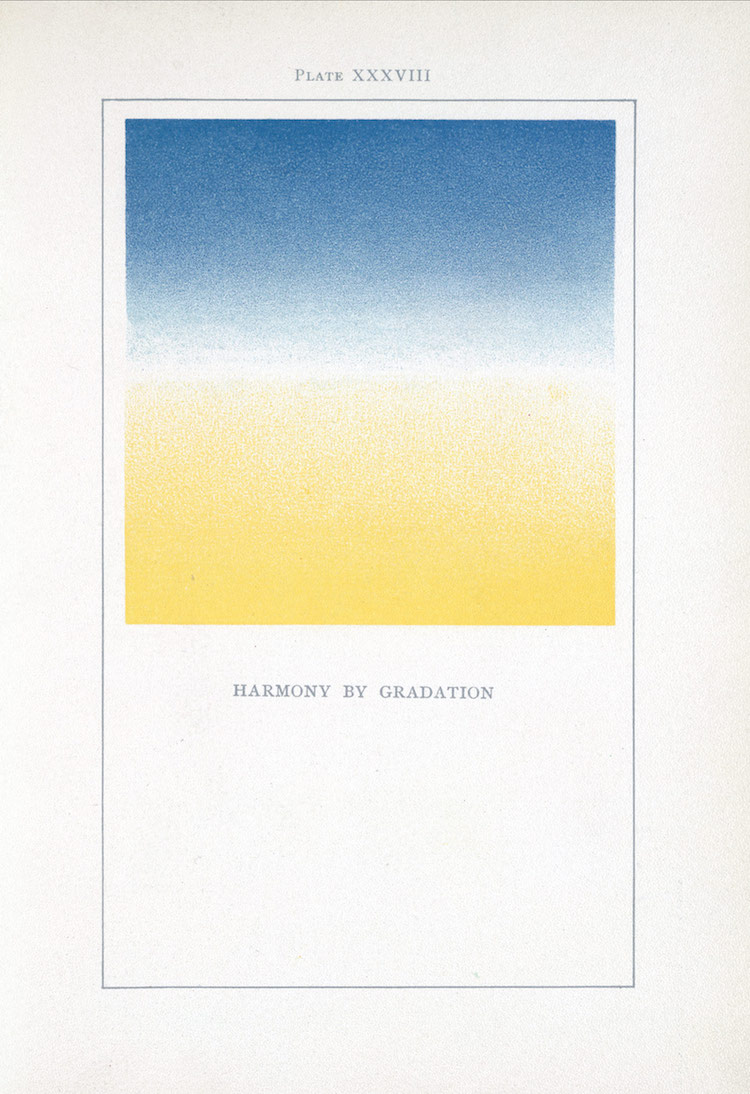
Hence the val­ue in bring­ing back to print cer­tain visu­al­ly-ori­ent­ed books, even when we can already read them on our screens. This goes espe­cial­ly for vol­umes like Emi­ly Noyes Van­der­poel’s Col­or Prob­lems: a Prac­ti­cal Man­u­al for the Lay Stu­dent of Col­or, which deals direct­ly with issues of col­or in the phys­i­cal world and its rep­re­sen­ta­tion. Van­der­poel, an artist and his­to­ri­an, first pub­lished the book “under the guise of flower paint­ing and dec­o­ra­tive arts, sub­jects that were appro­pri­ate for a woman of her time,” writes Colos­sal’s Kate Sierzputows­ki. But “the study pro­vid­ed an exten­sive look at col­or the­o­ry ideas of the ear­ly 20th cen­tu­ry,” and one whose tech­niques proved silent­ly influ­en­tial over time. “Many of the includ­ed stud­ies pre­dict design and art trends that wouldn’t occur for sev­er­al decades, such as a con­cen­tric square for­mat that pre­dates Joseph Albers’s Homage to the Square by fifty years.”

You can read a dig­i­tized ver­sion of Col­or Prob­lems at the Inter­net Archive (or embed­ded right above), but know that pub­lish­er The Cir­ca­di­an Press and Sacred Bones Records recent­ly raised well over $200,000 on Kick­starter to repub­lish the book in its full paper glo­ry. “With this new edi­tion we have tak­en metic­u­lous mea­sures to repro­duce the orig­i­nal arti­fact at an afford­able price,” says the pro­jec­t’s about page. “Work­ing with the His­tor­i­cal Soci­ety that Emi­ly Noyes Van­der­poel helped estab­lish, we are the first to invest the time, mon­ey, and love it takes to repli­cate this bril­liant col­lec­tion of col­or stud­ies accu­rate­ly. Using the most cur­rent dig­i­tal meth­ods and archival print­ing pro­duc­tion, we aim to final­ly do jus­tice to Vanderpoel’s for­got­ten lega­cy as vision­ary and pio­neer.”

This new edi­tion will also fea­ture an intro­duc­tion by design schol­ar Alan P. Bru­ton meant to “reflect on her incred­i­ble body of work from the van­tage point of 21st cen­tu­ry art his­to­ry and wom­en’s move­ments, help­ing to illus­trate that Van­der­poel remains one of the most impor­tant, under­rat­ed, and con­tem­porar­i­ly rel­e­vant artists of her time and of the last cen­tu­ry.” Had Van­der­poel pub­lished Col­or Prob­lems thir­ty years lat­er, writes John F. Ptak in his exam­i­na­tion of the book, “we’d call it some sort of constructivist/constructionist art form. But since the art­work in the book comes a decade before the first non-rep­re­sen­ta­tion­al art­work in human his­to­ry (or so), I don’t know exact­ly what to call it.” Its repub­li­ca­tion will allow gen­er­a­tions of new read­ers, see­ing it in the way Van­der­poel intend­ed it to be seen, to come to con­clu­sions like Ptak’s: “I still do not know what this book is try­ing to tell me, but I do know that it is remark­able.”

via Colos­sal

Relat­ed Con­tent:

Werner’s Nomen­cla­ture of Colour, the 19th-Cen­tu­ry “Col­or Dic­tio­nary” Used by Charles Dar­win (1814)

A Pre-Pan­tone Guide to Col­ors: Dutch Book From 1692 Doc­u­ments Every Col­or Under the Sun

Goethe’s The­o­ry of Col­ors: The 1810 Trea­tise That Inspired Kandin­sky & Ear­ly Abstract Paint­ing

The Vibrant Col­or Wheels Designed by Goethe, New­ton & Oth­er The­o­rists of Col­or (1665–1810)

The Female Pio­neers of the Bauhaus Art Move­ment: Dis­cov­er Gertrud Arndt, Mar­i­anne Brandt, Anni Albers & Oth­er For­got­ten Inno­va­tors

Based in Seoul, Col­in Mar­shall writes and broad­casts on cities and cul­ture. His projects include the book The State­less City: a Walk through 21st-Cen­tu­ry Los Ange­les and the video series The City in Cin­e­ma. Fol­low him on Twit­ter at @colinmarshall or on Face­book.

Italian Street Musician Plays Amazing Covers of Pink Floyd Songs, Right in Front of the Pantheon in Rome

Before Pink Floyd, rock and roll was all about atti­tude. After Pink Floyd, it could be all atmos­phere. Though per­fect­ly suit­ed for head­phones and hi-fis, their sound is archi­tec­tur­al, and almost requires the grand­est of set­tings for its full real­iza­tion. The bom­bast of the band’s sta­di­um shows, with all their the­atri­cal excess­es, seems entire­ly jus­ti­fied by the music, unlike the Spinal Tap-like pre­ten­sions of many oth­er are­na rock bands. In 1989, Pink Floyd (sans Roger Waters) played for 20,000 Ital­ian fans from a mas­sive stage float­ing in the canals of Venice, a fas­ci­nat­ing con­trast to a 1972 per­for­mance, when the band played for no one but a film crew, in an amphithe­ater in the ruined city of Pom­peii.

Invok­ing these mag­i­cal moments, a street musi­cian named Serin plays the music of Pink Floyd in the streets of Rome, park­ing him­self right in front of the Pan­theon. With pre-record­ed back­ing tracks and a black Stra­to­cast­er rem­i­nis­cent of David Gilmour’s sig­na­ture instru­ment, Serin not only nails the songs, he gets the atmos­phere just right, an achieve­ment no doubt aid­ed by his choice of set­ting. At the top, see him play “Shine on You Crazy Dia­mond,” just above, “Com­fort­ably Numb” and, below, an excel­lent ren­di­tion of “Time” (on a white Strat this time). For comparison’s sake, watch Pink Floyd them­selves play “Echoes” at Pom­peii, fur­ther down. (Stream more clips of their Pom­peii con­cert film here).

For anoth­er ver­sion of the one-man-Pink Floyd-cov­er band con­cept, see 19-year-old Ewan Cun­ning­ham cov­er “Echoes,” “Com­fort­ably Numb” and oth­er songs, mul­ti­track­ing him­self on every instru­ment.

via Laugh­ing Squid

Relat­ed Con­tent:

A One-Man Pink Floyd Band Cre­ates Note-Per­fect Cov­ers of “Echoes,” “Com­fort­ably Numb,” “Moth­er” & Oth­er Clas­sics: Watch 19-Year-Old Wun­derkind Ewan Cun­ning­ham in Action

Pink Floyd Plays in Venice on a Mas­sive Float­ing Stage in 1989; Forces the May­or & City Coun­cil to Resign

The “Lost” Pink Floyd Sound­track for Michelan­ge­lo Antonioni’s Only Amer­i­can Film, Zabriskie Point (1970)

Josh Jones is a writer and musi­cian based in Durham, NC. Fol­low him at @jdmagness

Hunter S. Thompson Sends a Letter to the Indianapolis Colts, Urging Them to Pick Ryan Leaf Over That “Peyton Manning Kid” (1998)

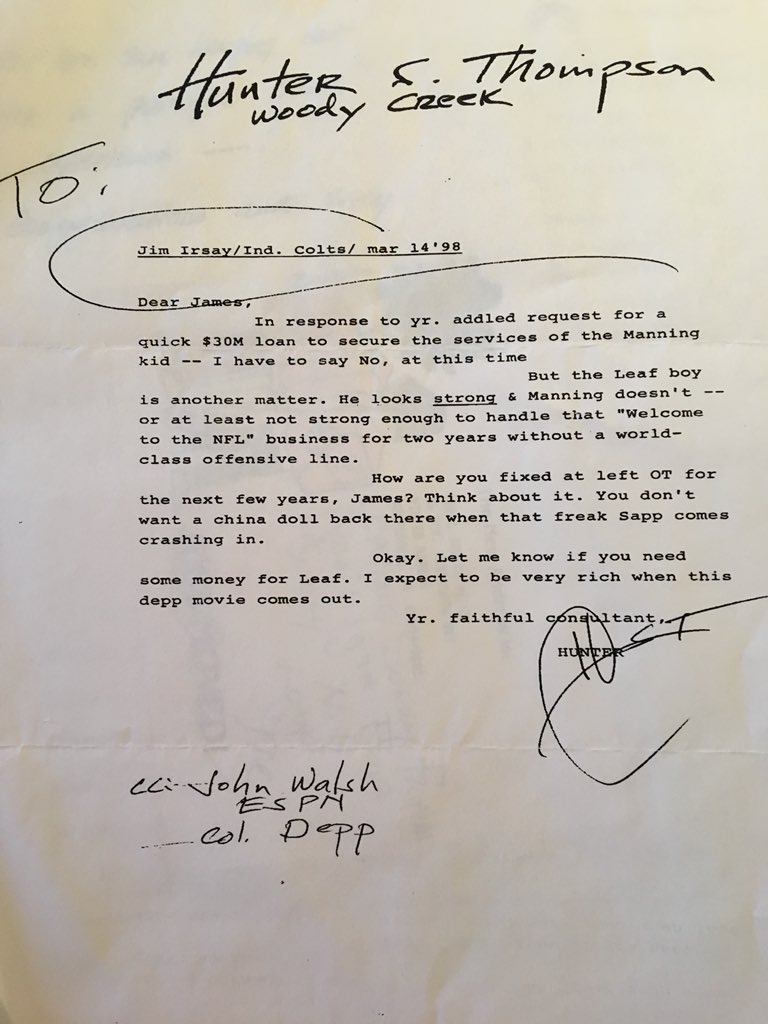
The 1998 NFL draft was a mem­o­rable one. A debate raged around whether the Indi­anapo­lis Colts should use their first round pick to select Ryan Leaf or Pey­ton Man­ning. Every­one had an opin­ion about these two quar­ter­backs, includ­ing Hunter S. Thomp­son. The author of Fear and Loathing in Las Vegas and Hel­l’s Angels sent a let­ter to Colts own­er Jim Irsay, urg­ing him to select the high­ly-tout­ed Leaf.

Dear James,

In response to yr addled request for a quick $30M loan to secure the ser­vices of the Man­ning kid — I have to say No, (sic) at this time

But the Leaf boy is anoth­er mat­ter. He looks strong & Man­ning doesn’t — or at least not strong enough to han­dle that “Wel­come to the NFL” busi­ness for two years with­out a world-class offen­sive line.

How are you fixed at left OT for the next few years, James? Think about it. You don’t want a chi­na (sic) doll back there when that freak [War­ren] Sapp comes crash­ing in.

Okay. Let me know if you need some mon­ey for Leaf. I expect to be very rich when this [John­ny] depp (sic) movie comes out.

Yr. faith­ful con­sul­tant,

HUNTER

Twen­ty years lat­er, we know how things played out. The Colts ulti­mate­ly picked Man­ning, who became one of the most pro­duc­tive and cel­e­brat­ed quar­ter­backs ever. As for Leaf, he played four sea­sons and exit­ed the sport, con­sid­ered by some the No. 1 “draft bust” in NFL his­to­ry. But he’s cer­tain­ly a good sport. Leaf post­ed Thomp­son’s let­ter (above) on his Twit­ter stream last month

If you would like to sign up for Open Culture’s free email newslet­ter, please find it here. It’s a great way to see our new posts, all bun­dled in one email, each day.

If you would like to sup­port the mis­sion of Open Cul­ture, con­sid­er mak­ing a dona­tion to our site. It’s hard to rely 100% on ads, and your con­tri­bu­tions will help us con­tin­ue pro­vid­ing the best free cul­tur­al and edu­ca­tion­al mate­ri­als to learn­ers every­where. You can con­tribute through Pay­Pal, Patre­on, and Ven­mo (@openculture). Thanks!

Relat­ed Con­tent:

Hunter S. Thompson’s Deca­dent Dai­ly Break­fast: The “Psy­chic Anchor” of His Fre­net­ic Cre­ative Life

How Hunter S. Thomp­son Gave Birth to Gonzo Jour­nal­ism: Short Film Revis­its Thompson’s Sem­i­nal 1970 Piece on the Ken­tucky Der­by

Hear the 10 Best Albums of the 1960s as Select­ed by Hunter S. Thomp­son

Read 11 Free Arti­cles by Hunter S. Thomp­son That Span His Gonzo Jour­nal­ist Career (1965–2005)

How Zildjian Cymbals Were Created by an Alchemist in the Ottoman Empire, Circa 1618

When it comes to musi­cal instru­ments, there are brands and then there are legacies—names so unques­tion­ably indica­tive of qual­i­ty and crafts­man­ship that play­ers swear by them for life. Mar­tin Gui­tars, for exam­ple, have inspired this kind of loy­al­ty among musi­cians like Willie Nel­son and John­ny Cash. Mar­t­in’s sto­ry—dat­ing back to 1833—inspires book-length his­to­ries and doc­u­men­taries. In the drum world, the longest-lived and most-sto­ried brand would have to be Zild­jian, the famed cym­bal mak­er known the world over, beloved by the best drum­mers in the busi­ness.

But Zild­jian is far old­er than Mar­tin Gui­tars, or any oth­er con­tem­po­rary instru­ment man­u­fac­tur­er. Indeed, the com­pa­ny may be the world’s old­est exist­ing man­u­fac­tur­er of almost any prod­uct. Though incor­po­rat­ed in the U.S. in 1929, Zild­jian was actu­al­ly found­ed 400 years ago in Con­stan­tino­ple by Armen­ian met­al­work­er Avedis, who in 1622 “melt­ed a top-secret com­bi­na­tion of met­als,” writes Smith­son­ian, “to cre­ate the per­fect cym­bal.” The short film above recre­ates in dra­mat­ic fash­ion the alche­my of Avedis’ dis­cov­ery and the glob­al his­to­ry of Zild­jian.

The brief Smith­son­ian his­to­ry can seem a lit­tle sen­sa­tion­al and may not be entire­ly accu­rate at points. Lara Pel­le­grinel­li, writ­ing at The New York Times, dates Avedis’ “secret cast­ing process” to four years ear­li­er, 1618. (The com­pa­ny itself dates its found­ing to 1623.) Pel­le­grinel­li notes that Avedis’ “new bronze alloy” pleased the Sul­tan, Osman II, who “grant­ed the young arti­san per­mis­sion to make instru­ments for the court and gave him the Armen­ian sur­name Zild­jian (mean­ing ‘son of cym­bal mak­er’). The fam­i­ly set up shop in the sea­side neigh­bor­hood of Samatya in Con­stan­tino­ple, where met­al arrived on camel car­a­vans and don­keys pow­ered prim­i­tive machines.”

Zild­jian cym­bals were admired by Mozart and his con­tem­po­raries, and “what came to be known sim­ply as ‘Turk­ish cym­bals’ were assim­i­lat­ed by Euro­pean orches­tras and, in the first half of the 19th cen­tu­ry, into new mil­i­tary and wind band styles” of the East and West. In 1851, Zild­jian cym­bals set sail on a 25-foot schooner bear­ing the fam­i­ly name, bound for London’s Great Exhi­bi­tion. Kerope Zild­jian intro­duced the K Zild­jian line of cym­bals in 1865, still in pro­duc­tion and wide­ly in use today. (The old K’s can still be heard in sev­er­al major sym­pho­ny orches­tras.)

As the jazz scene took off in the 1920’s, many music shops exclu­sive­ly car­ried Zild­jians, and drum­mers like Gene Kru­pa helped refine and devel­op the famous instru­ments even fur­ther, mak­ing them thin­ner, more respon­sive, and able to cut through the big band sound. The sto­ry of Zild­jian is the sto­ry of West­ern music and its unmis­tak­able East­ern influ­ence, an incred­i­ble his­to­ry four cen­turies in the mak­ing, full of intrigue and bril­liant inno­va­tion, and con­tain­ing at its heart an alchem­i­cal mys­tery, a secret recipe still close­ly guard­ed by the Zild­jian fam­i­ly.

Relat­ed Con­tent:

Vis­it an Online Col­lec­tion of 61,761 Musi­cal Instru­ments from Across the World

Watch a Musi­cian Impro­vise on a 500-Year-Old Music Instru­ment, The Car­il­lon

What Makes the Stradi­var­ius Spe­cial? It Was Designed to Sound Like a Female Sopra­no Voice, With Notes Sound­ing Like Vow­els, Says Researcher

Josh Jones is a writer and musi­cian based in Durham, NC. Fol­low him at @jdmagness

Filmmaker Wim Wenders Explains How Mobile Phones Have Killed Photography

Smart­phones have made us all pho­tog­ra­phers — or maybe they’ve made it so that none of us is a pho­tog­ra­ph­er. A cen­tu­ry ago, mere­ly pos­sess­ing and know­ing how to use a cam­era count­ed as a fair­ly notable accom­plish­ment; today, near­ly all of us car­ry one at all times whether we want to or not, and its oper­a­tion demands no skill what­so­ev­er. “I do believe that every­body’s a pho­tog­ra­ph­er,” says cel­e­brat­ed film­mak­er Wim Wen­ders, direc­tor of movies like The Amer­i­can FriendParis, Texas and Wings of Desire, in the BBC clip above. “We’re all tak­ing bil­lions of pic­tures, so pho­tog­ra­phy is more alive than ever, and at the same time, it’s more dead than ever.”

Wen­ders made this claim at an exhi­bi­tion of his Polaroid pho­tographs, which we’ve pre­vi­ous­ly fea­tured here on Open Cul­ture. In a sense, the Polaroid cam­era — easy to use, near-instant results, and high­ly portable by the stan­dards of its era — was the smart­phone cam­era of the 20th cen­tu­ry, but Wen­ders does­n’t draw the same kind of inspi­ra­tion from phone shots as he did from Polaroids. “The trou­ble with iPhone pic­tures is that nobody sees them,” he says, and one glance at the speed with which Insta­gram users scroll will con­firm it. “Even the peo­ple who take them don’t look at them any­more, and they cer­tain­ly don’t make prints.”

Hav­ing worked in cin­e­ma for around half a cen­tu­ry now (and for a time with the late cin­e­matog­ra­ph­er Rob­by Müller, one of the most respect­ed and idio­syn­crat­ic in the indus­try), Wen­ders has seen first­hand how our rela­tion­ship to the image has changed in that time. “I know from expe­ri­ence that the less you have, the more cre­ative you have to become,” he says, asked about the pre­pon­der­ance of pho­to­graph­ic fil­ters and apps. “Maybe it’s not nec­es­sar­i­ly a sign of cre­ativ­i­ty that you can turn every pic­ture into its oppo­site.” Still, he has no objec­tion to cam­era-phone cul­ture itself, and even admits to tak­ing self­ies him­self — with the caveat that “look­ing into the mir­ror is not an act of pho­tog­ra­phy.”

If self­ie-tak­ing and every­thing else we do with the cam­eras in our smart­phones (to say noth­ing of the image manip­u­la­tions we per­form) isn’t pho­tog­ra­phy, what is it? “I’m in search of a new word for this new activ­i­ty that looks so much like pho­tog­ra­phy, but isn’t pho­tog­ra­phy any­more,” Wen­ders says. “Please, let me know if you have a word for it.” Some com­menters have put forth “faux­tog­ra­phy,” an amus­ing enough sug­ges­tion but not one like­ly to sat­is­fy a cre­ator like Wen­ders who, in work as in life, sel­dom makes the obvi­ous choice.

Relat­ed Con­tent:

Wim Wen­ders Explains How Polaroid Pho­tos Ignite His Cre­ative Process and Help Him Cap­ture a Deep­er Kind of Truth

Wim Wen­ders Reveals His Rules of Cin­e­ma Per­fec­tion

See The First “Self­ie” In His­to­ry Tak­en by Robert Cor­nelius, a Philadel­phia Chemist, in 1839

Lyn­da Bar­ry on How the Smart­phone Is Endan­ger­ing Three Ingre­di­ents of Cre­ativ­i­ty: Lone­li­ness, Uncer­tain­ty & Bore­dom

Based in Seoul, Col­in Mar­shall writes and broad­casts on cities and cul­ture. His projects include the book The State­less City: a Walk through 21st-Cen­tu­ry Los Ange­les and the video series The City in Cin­e­ma. Fol­low him on Twit­ter at @colinmarshall or on Face­book.

« Go BackMore in this category... »
Quantcast