Barack Obama Shares a List of Enlightening Books Worth Reading

Pho­to by Pete Souza via obamawhitehouse.archive.gov

What­ev­er his­to­ri­ans have to say about his polit­i­cal lega­cy, Barack Oba­ma will be remem­bered as charm­ing, diplo­mat­ic, thought­ful, and very well-read. He honed these per­son­al qual­i­ties not only as a politi­cian but as a schol­ar, writer, and teacher, roles that require intel­lec­tu­al curios­i­ty and open­ness to oth­er points of view. The for­mer pres­i­dent was some­thing of a dream come true for teach­ers and librar­i­ans, who could point to him as a shin­ing exam­ple of a world leader who loves to read, talk about books, and share books with oth­ers. All kinds of books: from nov­els and poet­ry to biog­ra­phy, phi­los­o­phy, soci­ol­o­gy, and polit­i­cal and sci­en­tif­ic non­fic­tion; books for chil­dren and books for young adults.

It is refresh­ing to look back at his tenure as a reli­able rec­om­mender of qual­i­ty books dur­ing his eight years in office. (See every book he rec­om­mend­ed dur­ing his two terms here.) Read­ing gave him the abil­i­ty to “slow down and get per­spec­tive,” he told Michiko Kaku­tani last year. He hoped to use his office, he said, “to widen the audi­ence for good books. At a time when so much of our pol­i­tics is try­ing to man­age this clash of cul­tures brought about by glob­al­iza­tion and tech­nol­o­gy and migra­tion, the role of sto­ries to unify—as opposed to divide, to engage rather than to marginalize—is more impor­tant than ever.”

While many peo­ple have been hop­ing he would weigh in on deeply dis­turb­ing cur­rent events, he “has been rel­a­tive­ly qui­et on social media of late,” notes Thu-Huong Ha at Quartz. But he has con­tin­ued to use his plat­form to rec­om­mend good books, sug­gest­ing that the per­spec­tives we gain from read­ing are as crit­i­cal as ever. “In a Face­book post pub­lished on Sat­ur­day, Oba­ma rec­om­mend­ed some of the non­fic­tion he’s read recent­ly, focused on gov­ern­ment, inequal­i­ty, and his­to­ry, with one book that address­es immi­gra­tion. Togeth­er the rec­om­men­da­tions are an intel­lec­tu­al anti­dote to the cur­rent US pres­i­dent, who eschews read­ing,” says Ha.

The list below includes Obama’s brief com­men­tary on each book and arti­cle.

Futureface: A Fam­i­ly Mys­tery, an Epic Quest, and the Secret to Belong­ing, by Alex Wag­n­er (2018)

Jour­nal­ist Alex Wag­n­er inves­ti­gates a poten­tial new twist in her family’s his­to­ry. “What she came up with,” Oba­ma writes, “is a thought­ful, beau­ti­ful med­i­ta­tion on what makes us who we are—the search for har­mo­ny between our own indi­vid­ual iden­ti­ties and the val­ues and ideals that bind us togeth­er as Amer­i­cans.”

The New Geog­ra­phy of Jobs, by Enri­co Moret­ti (2012)

Econ­o­mist Enri­co Moret­ti argues that there are three Amer­i­c­as: brain-hub cities like Austin and Boston; cities once dom­i­nat­ed by tra­di­tion­al man­u­fac­tur­ing; and the cities in between. “Still a time­ly and smart dis­cus­sion of how dif­fer­ent cities and regions have made a chang­ing econ­o­my work for them,” writes Oba­ma, “and how pol­i­cy­mak­ers can learn from that to lift the cir­cum­stances of work­ing Amer­i­cans every­where.”

Why Lib­er­al­ism Failed, by Patrick J. Deneen (2018)

Polit­i­cal sci­en­tist Patrick J. Deneen argues that lib­er­al­ism is not the result of the nat­ur­al state of pol­i­tics and lays out the ideology’s inher­ent con­tra­dic­tions. “In a time of grow­ing inequal­i­ty, accel­er­at­ing change, and increas­ing dis­il­lu­sion­ment with the lib­er­al demo­c­ra­t­ic order we’ve known for the past few cen­turies,” says the for­mer pres­i­dent, “I found this book thought-pro­vok­ing.”

“The 9.9 Per­cent Is the New Amer­i­can Aris­toc­ra­cy,” by Matthew Stew­art (June 2018)

In The Atlantic, Matthew Stew­art, author of The Man­age­ment Myth, defines a “cog­ni­tive elite,” a “9.9%” of Amer­i­cans who val­ue mer­i­toc­ra­cy and, he argues, are com­plic­it in the ero­sion of democ­ra­cy. “Anoth­er thought-pro­vok­ing analy­sis, this one about how eco­nom­ic inequal­i­ty in Amer­i­ca isn’t just grow­ing, but self-rein­forc­ing,” says Oba­ma.

In the Shad­ow of Stat­ues: A White South­ern­er Con­fronts His­to­ry, by Mitch Lan­drieu (2018)

Mitch Lan­drieu, the for­mer may­or of New Orleans, Louisiana, writes in his mem­oir of the per­son­al his­to­ry and reck­on­ing with race that led him to take down four Con­fed­er­ate stat­ues in 2017. “It’s an ulti­mate­ly opti­mistic take from some­one who believes the South will rise again not by reassert­ing the past, but by tran­scend­ing it,” writes Oba­ma.

“Truth Decay: An Ini­tial Explo­ration of the Dimin­ish­ing Role of Facts and Analy­sis in Amer­i­can Pub­lic Life,” by Jen­nifer Kavanagh and Michael D. Rich, RAND Cor­po­ra­tion (2018)

This report for the non­prof­it RAND Cor­po­ra­tion, avail­able as a free ebook, attempts to study the ero­sion of fact-based pol­i­cy mak­ing and dis­course in the US. “A look at how a selec­tive sort­ing of facts and evi­dence isn’t just dis­hon­est, but self-defeat­ing,” says Oba­ma.

While the for­mer pres­i­dent no longer has the pow­er to sway pol­i­cy, he can still inspire mil­lions of peo­ple to read—essential for stay­ing bal­anced, informed, and reflec­tive in our per­ilous times.

Relat­ed Con­tent:

Pres. Oba­ma Releas­es a Free Playlist of 40 Songs for a Sum­mer Day (Plus 6 Books on His Sum­mer Read­ing List)

The 5 Books on Pres­i­dent Obama’s 2016 Sum­mer Read­ing List

The Oba­ma “Hope” Poster & The New Copy­right Con­tro­ver­sy

Josh Jones is a writer and musi­cian based in Durham, NC. Fol­low him at @jdmagness

Chris Cornell’s Daughter Pays Tribute to Her Father, Singing an Achingly Pretty Cover of Prince’s “Nothing Compares 2 U”

Just a lit­tle more than a year after Soundgar­den front­man Chris Cor­nell took his own life, his daugh­ter Toni, only 13 years old, released an aching­ly beau­ti­ful trib­ute to her father. Record­ed for Father’s Day, she sings a poignant ver­sion of Prince’s “Noth­ing Com­pares 2 U,” a song her father also per­formed live on many occa­sions. Indeed you can hear his voice on this track too. It’s a duet of sorts.

Released on YouTube, the song came accom­pa­nied by this short let­ter:

Dad­dy, I love you and miss you so much. You were the best father any­one could ask for. Our rela­tion­ship was so spe­cial, and you were always there for me. You gave me courage when I didn’t have any. You believed in me when I didn’t. I miss your love every­day. Record­ing this song with you was a spe­cial and amaz­ing expe­ri­ence I wish I could repeat 100 times over and I know you would too. Hap­py Father’s Day dad­dy, noth­ing com­pares to you. — Toni

Relat­ed Con­tent:

Large Choir Sings “Black Hole Sun”: A Mov­ing Trib­ute to Chris Cor­nell

Soundgarden’s Chris Cor­nell Sings Haunt­ing Acoustic Cov­ers of Prince’s “Noth­ing Com­pares 2 U,” Michael Jackson’s “Bil­lie Jean” & Bob Marley’s “Redemp­tion Song”

Hear Chris Cornell’s Mas­ter­ful Vocals in the Iso­lat­ed Track for Soundgarden’s “Black Hole Sun”

by | Permalink | Make a Comment ( 1 ) |

A Meditative Look at a Japanese Artisan’s Quest to Save the Brilliant, Forgotten Colors of Japan’s Past

We might assume that 21st-cen­tu­ry tech­nol­o­gy enables us to pro­duce fab­ric in all imag­in­able col­ors, most of them total­ly unknown to our ances­tors. Yet none of it has ever quite repli­cat­ed the strik­ing hues achieved by dyers of cen­turies and cen­turies ago. That premise under­lies the slow and painstak­ing work of Sachio Yosh­io­ka, whose fam­i­ly’s fab­ric-dye­ing her­itage goes back to Japan’s Edo peri­od of the 17th to the mid-19th cen­tu­ry. Hav­ing tak­en over his father’s work­shop Tex­tiles Yosh­io­ka in 1988, he has spent the past thir­ty years work­ing only with tra­di­tion­al plant dyes, the kind that once, in a time long before his fam­i­ly even got into the dye­ing busi­ness, made his home­land so col­or­ful.

The Japan­ese dye­ing tra­di­tion, in this read­ing of its his­to­ry, reached its long apex of bril­liance in the Nara and Heian peri­ods, which togeth­er last­ed from the years 710 to 1185. Most of the world admires Japan­ese aes­thet­ic sen­si­bil­i­ties, but often with ref­er­ence to inter­na­tion­al­ly well-known con­cepts like wabi-sabi that ide­al­ize the rus­tic, the imper­fect, and the sub­dued. Unlike in the Edo peri­od, when the strict Tokyu­gawa Shogu­nate man­dat­ed that com­mon peo­ple stick to grays and browns, Nara and Heian cities would have been rich with vivid reds, blues, yel­lows, oranges, and even pur­ples, all in vari­eties one sel­dom sees even today, in Japan or any­where else.

Hence Yosh­ioka’s mis­sion to prac­tice and even refine the same labor-inten­sive dye­ing meth­ods used back then. For­mer­ly a stu­dent of phi­los­o­phy as well as a pub­lish­er of books on the his­to­ry of col­or and fab­ric arts, he now seems devot­ed to what goes on in his Kyoto work­shop. You can watch what he and his assis­tants do there in the video from the Vic­to­ria and Albert Muse­um above. Com­posed of four short films, it includes a seg­ment on Yosh­ioka’s pro­duc­tion of paper flow­ers for the Omizu­tori fes­ti­val at the Tōdai-ji Bud­dhist tem­ple in Nara, the his­tor­i­cal cap­i­tal out­side Kyoto, that cul­mi­nates in an evening fire cer­e­mo­ny.

That fire cer­e­mo­ny, called Otaimat­su, remains as com­pelling a spec­ta­cle today as it must have been more than a mil­len­ni­um ago, just as sure­ly as the col­ors Yosh­io­ka has redis­cov­ered have lost none of their allure since then. His ded­i­ca­tion to the work of tra­di­tion­al dye­ing — work his daugh­ter Sarasa will take into its sixth gen­er­a­tion — comes not out of a desire to pay trib­ute to Japan­ese his­to­ry, nor even out of fil­ial piety, but some­thing much sim­pler: “The col­ors you can obtain from plants are so beau­ti­ful,” he says. “This is the one and only rea­son I do what I do.” 

via Kot­tke/Metafil­ter

Relat­ed Con­tent:

How Japan­ese Things Are Made in 309 Videos: Bam­boo Tea Whisks, Hina Dolls, Steel Balls & More

The Art of the Japan­ese Teapot: Watch a Mas­ter Crafts­man at Work, from the Begin­ning Until the Star­tling End

The Mak­ing of Japan­ese Hand­made Paper: A Short Film Doc­u­ments an 800-Year-Old Tra­di­tion

Watch a Japan­ese Crafts­man Lov­ing­ly Bring a Tat­tered Old Book Back to Near Mint Con­di­tion

The Art of Col­lo­type: See a Near Extinct Print­ing Tech­nique, as Lov­ing­ly Prac­ticed by a Japan­ese Mas­ter Crafts­man

Japan­ese Crafts­man Spends His Life Try­ing to Recre­ate a Thou­sand-Year-Old Sword

Based in Seoul, Col­in Mar­shall writes and broad­casts on cities and cul­ture. His projects include the book The State­less City: a Walk through 21st-Cen­tu­ry Los Ange­les and the video series The City in Cin­e­ma. Fol­low him on Twit­ter at @colinmarshall or on Face­book.

How Does Language Shape the Way We Think? Cognitive Scientist Lera Boroditsky Explains

Imag­ine a jel­ly­fish waltz­ing in a library while think­ing about quan­tum mechan­ics. “If every­thing has gone rel­a­tive­ly well in your life so far,” cog­ni­tive sci­en­tist Lera Borodit­sky says in the TED Talk above, “you prob­a­bly haven’t had that thought before.” But now you have, all thanks to lan­guage, the remark­able abil­i­ty by which “we humans are able to trans­mit our ideas across vast reach­es of space and time” and “knowl­edge across minds.”

Though we occa­sion­al­ly hear about star­tling rates of lan­guage extinc­tion — Borodit­sky quotes some esti­mates as pre­dict­ing half the world’s lan­guages gone in the next cen­tu­ry — a great vari­ety still thrive. Does that mean we have an equal vari­ety of essen­tial­ly dif­fer­ent ways of think­ing? In both this talk and an essay for Edge.org, Borodit­sky presents intrigu­ing pieces of evi­dence that what lan­guage we speak does affect the way we con­ceive of the world and our ideas about it. These include an Abo­rig­i­nal tribe in Aus­tralia who always and every­where use car­di­nal direc­tions to describe space (“Oh, there’s an ant on your south­west leg”) and the dif­fer­ences in how lan­guages label the col­or spec­trum.

“Russ­ian speak­ers have to dif­fer­en­ti­ate between light blue, gol­uboy, and dark blue, siniy,” says the Belarus-born, Amer­i­can-raised Borodit­sky. “When we test peo­ple’s abil­i­ty to per­cep­tu­al­ly dis­crim­i­nate these col­ors, what we find is that Russ­ian speak­ers are faster across this lin­guis­tic bound­ary. They’re faster to be able to tell the dif­fer­ence between a light and dark blue.” Hard­ly a yawn­ing cog­ni­tive gap, you might think, but just imag­ine how many such dif­fer­ences exist between lan­guages, and how the habits of mind they shape poten­tial­ly add up.

“You don’t even need to go into the lab to see these effects of lan­guage; you can see them with your own eyes in an art gallery,” writes Borodit­sky in her Edge essay. “How does an artist decide whether death, say, or time should be paint­ed as a man or a woman? It turns out that in 85 per­cent of such per­son­i­fi­ca­tions, whether a male or female fig­ure is cho­sen is pre­dict­ed by the gram­mat­i­cal gen­der of the word in the artist’s native lan­guage.” More Ger­mans paint death as a man, and more Rus­sians paint it as a woman. Per­son­al­ly, I’d like to see all the var­i­ous ways artists speak­ing all the world’s lan­guages paint that waltz­ing jel­ly­fish think­ing about quan­tum mechan­ics in the library. We’d bet­ter hur­ry com­mis­sion­ing them, though, before too many more of those lan­guages van­ish.

Relat­ed Con­tent:

Learn 40+ Lan­guages for Free: Span­ish, Eng­lish, Chi­nese & More

A Col­or­ful Map Visu­al­izes the Lex­i­cal Dis­tances Between Europe’s Lan­guages: 54 Lan­guages Spo­ken by 670 Mil­lion Peo­ple

How Lan­guages Evolve: Explained in a Win­ning TED-Ed Ani­ma­tion

Speak­ing in Whis­tles: The Whis­tled Lan­guage of Oax­a­ca, Mex­i­co

Steven Pinker Explains the Neu­ro­science of Swear­ing (NSFW)

Based in Seoul, Col­in Mar­shall writes and broad­casts on cities and cul­ture. His projects include the book The State­less City: a Walk through 21st-Cen­tu­ry Los Ange­les and the video series The City in Cin­e­ma. Fol­low him on Twit­ter at @colinmarshall or on Face­book.

The French Village Designed to Promote the Well-Being of Alzheimer’s Patients: A Visual Introduction to the Pioneering Experiment

Hav­ing seen first­hand in my own fam­i­ly how dev­as­tat­ing Alzheimer’s dis­ease can be to the suf­fer­er and those who care for them, I acute­ly feel the need for bet­ter social reme­dies than those we cur­rent­ly have. Insti­tu­tion­al­iz­ing rel­a­tives places them at risk of abuse, neglect, or extreme lone­li­ness and anx­i­ety, over and above what they already expe­ri­ence. Rely­ing on fam­i­ly mem­bers can result in high­ly over­stressed care­tak­ers who lack resources, time, and train­ing. In either case, patients and care­tak­ers can end up iso­lat­ed, emo­tion­al­ly over­whelmed, and heav­i­ly reliant on med­ica­tions.

While there is yet no cure for Alzheimer’s and age-relat­ed demen­tia, the good news is that there may soon be a treat­ment that pro­vides suf­fer­ers with care, atten­tion, dig­ni­ty, and gen­er­ous social inter­ac­tion, while also giv­ing researchers humane and eth­i­cal oppor­tu­ni­ties to study the pro­gres­sion of the dis­ease. The not-so-good news is that it might require build­ing an entire vil­lage, com­plete with a super­mar­ket, hair­dress­er, library, gym and oth­er facil­i­ties. But if an exper­i­ment in Dax, in south­west­ern France, proves viable, many oth­er munic­i­pal­i­ties might will­ing­ly shoul­der the expense.

Designed by Cham­pag­nat & Grè­goire Archi­tects and NORD Archi­tects, the 12-acre Vil­lage Landais Alzheimer will cost a hefty $28 mil­lion, reports Newsweek. Curbed quotes the even high­er fig­ure of $34 mil­lion, “pri­mar­i­ly fund­ed by the gov­ern­ment.” Expect­ed to open at the end of 2019, the vil­lage will “house 120 patients, 100 live-in care­tak­ers, 12 vol­un­teers, and a team of researchers who will approach the treat­ment cen­ter as a test­bed for alter­na­tive Alzheimer’s care.” Designed to repli­cate a tra­di­tion­al medieval town com­mon to the area, the exper­i­ment was inspired by a sim­i­lar under­tak­ing in the Nether­lands, in which res­i­dents showed increased well-being and lived longer than expect­ed.

Neu­rol­o­gist and epi­demi­ol­o­gist Jean-François Dar­tigues explains the pur­pose of the vil­lage as main­tain­ing “the par­tic­i­pa­tion of res­i­dents in social life,” a proven fac­tor in slow­ing mem­o­ry loss and improv­ing men­tal health, as stud­ies have shown. The vil­lage will also give res­i­dents a sense of free­dom and con­trol over their envi­ron­ment, while mak­ing sure atten­tive care is on hand at all times, and it will “host trained dogs,” reports the BBC, “to help res­i­dents escape their psy­cho­log­i­cal iso­la­tion.” More­over, “drug treat­ments will be set aside,” along with the side effects of med­ica­tion that can neg­a­tive­ly affect qual­i­ty of life.

The pre­vi­ous exper­i­ment and cur­rent state of the research pre­dict that Vil­lage Landais Alzheimer will be suc­cess­ful in improv­ing the lives of its res­i­dents. While one can imag­ine this idea tak­ing hold among pri­vate investors will­ing to build exclu­sive vil­lages for wealthy patients, the ques­tion is whether coun­tries far less inclined to fund health­care would invest pub­lic resources. Local offi­cials in Dax at least “have promised,” Curbed reports, “to match nurs­ing home fees and make some form of gov­ern­ment assis­tance avail­able so as not to pre­vent poor­er patients from resid­ing in the facil­i­ty.”

Relat­ed Con­tent:

What’s a Sci­en­tif­i­cal­ly-Proven Way to Improve Your Abil­i­ty to Learn? Get Out and Exer­cise

Dis­cov­er the Retire­ment Home for Elder­ly Musi­cians Cre­at­ed by Giuseppe Ver­di: Cre­at­ed in 1899, It Still Lives On Today

How the Japan­ese Prac­tice of “For­est Bathing”—Or Just Hang­ing Out in the Woods—Can Low­er Stress Lev­els and Fight Dis­ease

The Health Ben­e­fits of Drum­ming: Less Stress, Low­er Blood Pres­sure, Pain Relief, and Altered States of Con­scious­ness

Josh Jones is a writer and musi­cian based in Durham, NC. Fol­low him at @jdmagness

An Introduction to Ivan Ilyin, the Philosopher Behind the Authoritarianism of Putin’s Russia & Western Far Right Movements

Fas­cism had been creep­ing back into Euro­pean and North Amer­i­can pol­i­tics for many years before the word regained its cur­ren­cy in main­stream dis­course as an alarm­ing descrip­tion of present trends. In 2004, his­to­ri­an Enzo Tra­ver­so wrote of the “unset­tling phe­nom­e­non” of “the rise of fas­cist-inspired polit­i­cal move­ments in the Euro­pean are­na (from France to Italy, from Bel­gium to Aus­tria).” Many of those far-right move­ments have come very close to win­ning pow­er, as in Aus­tria and France’s recent elec­tions, or have done so, as in Italy’s.

And while the sud­den rise of the far right came as a shock to many in the US, polit­i­cal com­men­ta­tors fre­quent­ly point out that the ero­sion of demo­c­ra­t­ic civ­il rights and lib­er­ties has been a decades-long project, coin­cid­ing with the finan­cial­iza­tion of the econ­o­my, the pri­va­ti­za­tion of pub­lic goods and ser­vices, the rise of the mass sur­veil­lance state, and the extra­or­di­nary war pow­ers assumed, and nev­er relin­quished, by the exec­u­tive after 9/11, cre­at­ing a per­ma­nent state of excep­tion and weak­en­ing checks on pres­i­den­tial pow­er.

This is not even to men­tion the auto­crat­ic regimes of Turkey’s Recep Tayyip Erdoğan and Russia’s Vladimir Putin, which are tied to oth­er anti-demo­c­ra­t­ic move­ments across the West not only geopo­lit­i­cal­ly but also philo­soph­i­cal­ly, a sub­ject that gets far less press than it deserves. When analy­sis of the philo­soph­i­cal under­pin­nings of neo-fas­cism comes up, it often focus­es on Russ­ian aca­d­e­m­ic Alexan­der Dug­in, “who has been called,” notes Salon’s Conor Lynch, “every­thing from ‘Putin’s brain’ to ‘Putin’s Rasputin.’” (Bloomberg calls Dug­in “the one Russ­ian link­ing Putin, Erdo­gon and Trump.”)

Dugin’s fusion of Hei­deg­ger­ian post­mod­ernism and apoc­a­lyp­tic mys­ti­cism plays a sig­nif­i­cant role in the ide­ol­o­gy of the glob­al­ized far right. But Yale his­to­ri­an Tim­o­thy Sny­der—who has writ­ten exten­sive­ly on both Sovi­et Rus­sia and Nazi Germany—points to an ear­li­er Russ­ian thinker whom he says exer­cis­es con­sid­er­able influ­ence on the ide­ol­o­gy of Vladimir Putin, the fas­cist philoso­pher Ivan Ilyin.

Anton Bar­bashin and Han­nah Thoburn called Ilyin “Putin’s philoso­pher” in a For­eign Affairs pro­file. Ilyin was “a pub­li­cist, a con­spir­a­cy the­o­rist, and a Russ­ian nation­al­ist with a core of fascis­tic lean­ings.” David Brooks iden­ti­fied Ilyin as one of a trio of nation­al­ist philoso­phers Putin quotes and rec­om­mends. Sny­der defines Ilyin’s phi­los­o­phy as explic­it­ly “Russ­ian Chris­t­ian fas­cism,” describ­ing at the New York Review of Books the Russ­ian thinker’s pro­lif­ic writ­ing before and after the Russ­ian Rev­o­lu­tion, a hodge­podge of Ger­man ide­al­ism, psy­cho­analy­sis, Ital­ian fas­cism, and Chris­tian­i­ty.

In brief, Ilyin’s the­o­ret­i­cal works argued that “the world was cor­rupt; it need­ed redemp­tion from a nation capa­ble of total pol­i­tics; that nation was unsoiled Rus­sia.” Ilyin’s, and Putin’s, Russ­ian nation­al­ism has had a para­dox­i­cal­ly glob­al appeal among a wide swath of far right polit­i­cal par­ties and move­ments across the West, as Sny­der writes in his lat­est book The Road to Unfree­dom: Rus­sia, Europe, Amer­i­ca. “What these ways of think­ing have in com­mon,” write The Econ­o­mist in their review of Sny­der’s book, “is a qua­si-mys­ti­cal belief in the des­tiny of nations and rulers, which sets aside the need to observe laws or pro­ce­dures, or grap­ple with phys­i­cal real­i­ties.”

Sny­der sum­ma­rizes Ilyin’s ideas in the Big Think video above in ways that make clear how his thought appeals to far right move­ments across nation­al bor­ders. Ilyin, he says, is “prob­a­bly the most impor­tant exam­ple of how old ideas”—the fas­cism of the 20s, 30s, and 40s—“can be brought back in the 21st cen­tu­ry for a post­mod­ern con­text.” Those ideas can be sum­ma­rized in three the­ses, says Sny­der, the first hav­ing to do with the con­ser­v­a­tive reifi­ca­tion of social hier­ar­chies. “Social advance­ment was impos­si­ble because the polit­i­cal sys­tem, the social sys­tem, is like a body… you have a place in this body. Free­dom means know­ing your place.”

“A sec­ond idea,” says Sny­der, relates to vot­ing as a rat­i­fi­ca­tion, rather than elec­tion, of the leader. “Democ­ra­cy is a rit­u­al…. We only vote in order to affirm our col­lec­tive sup­port for our leader. The leader’s not legit­i­mat­ed by our votes or cho­sen by our votes.” The leader, instead, emerges “from some oth­er place.… In fas­cism the leader is some kind of hero, who emerges from myth.” The third idea might imme­di­ate­ly remind US read­ers of Karl Rove’s dis­missal of the “real­i­ty-based com­mu­ni­ty,” a chill­ing augur of the fact-free real­i­ty of today’s pol­i­tics.

Ilyin thought that “the fac­tu­al world doesn’t count. It’s not real.” In a restate­ment of gnos­tic the­ol­o­gy, he believed that “God cre­at­ed the world but that was a mis­take. The world was a kind of abort­ed process,” because it lacks coher­ence and uni­ty. The world of observ­able facts was, to him, “hor­ri­fy­ing…. Those facts are dis­gust­ing and of no val­ue what­so­ev­er.” These three ideas, Sny­der argues, under­pin Putin’s rule. They also define Amer­i­can polit­i­cal life under Trump, he con­cludes in his New York Review of Books essay.

Ilyin “made of law­less­ness a virtue so pure as to be invis­i­ble,” Sny­der writes, “and so absolute as to demand the destruc­tion of the West. He shows us how frag­ile mas­culin­i­ty gen­er­ates ene­mies, how per­vert­ed Chris­tian­i­ty rejects Jesus, how eco­nom­ic inequal­i­ty imi­tates inno­cence, and how fas­cist ideas flow into the post­mod­ern. This is no longer just Russ­ian phi­los­o­phy. It is now Amer­i­can life.” There are more than enough home­grown sources for Amer­i­can author­i­tar­i­an­ism and inequal­i­ty, one can argue. But Sny­der makes a com­pelling case for the obscure Russ­ian thinker as an indi­rect, and insid­i­ous, influ­ence.

Relat­ed Con­tent:

Umber­to Eco Makes a List of the 14 Com­mon Fea­tures of Fas­cism

20 Lessons from the 20th Cen­tu­ry About How to Defend Democ­ra­cy from Author­i­tar­i­an­ism, Accord­ing to Yale His­to­ri­an Tim­o­thy Sny­der

George Orwell’s Final Warn­ing: Don’t Let This Night­mare Sit­u­a­tion Hap­pen. It Depends on You!

Josh Jones is a writer and musi­cian based in Durham, NC. Fol­low him at @jdmagness

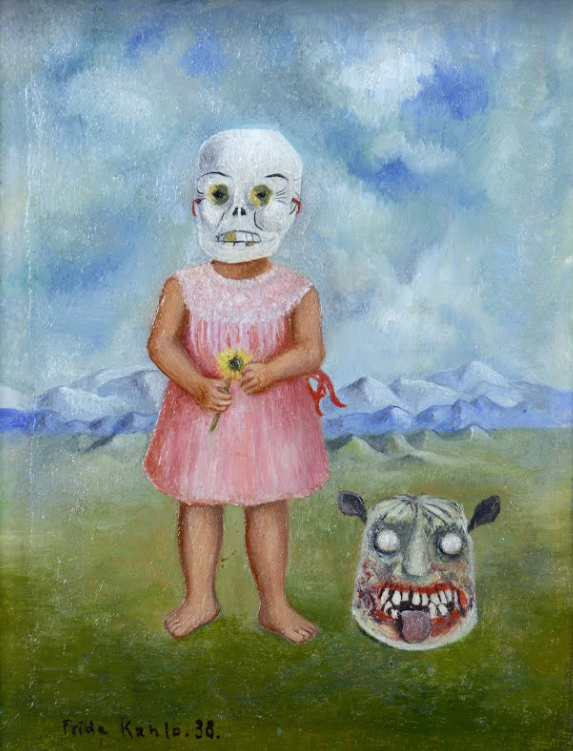
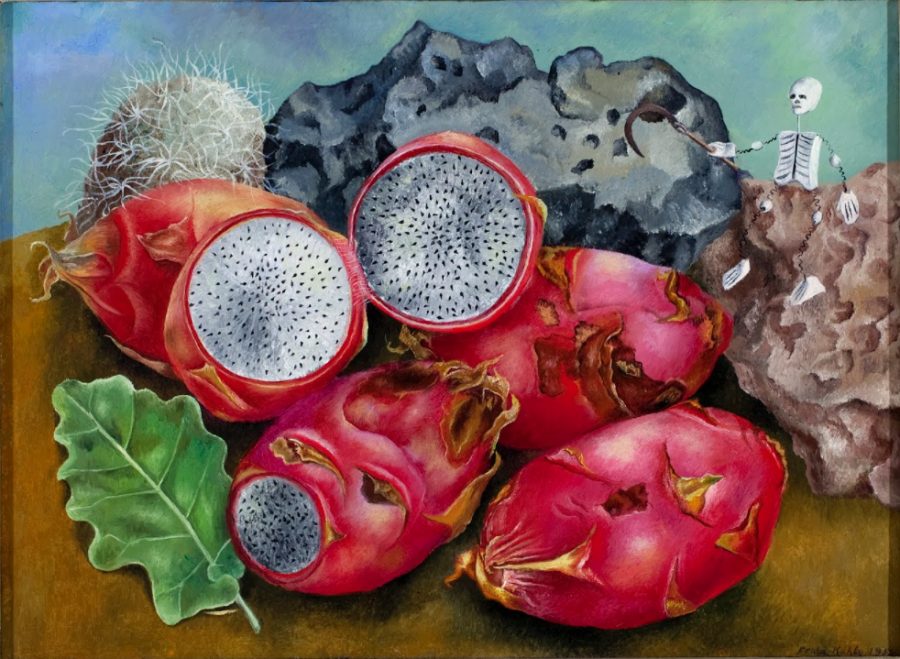
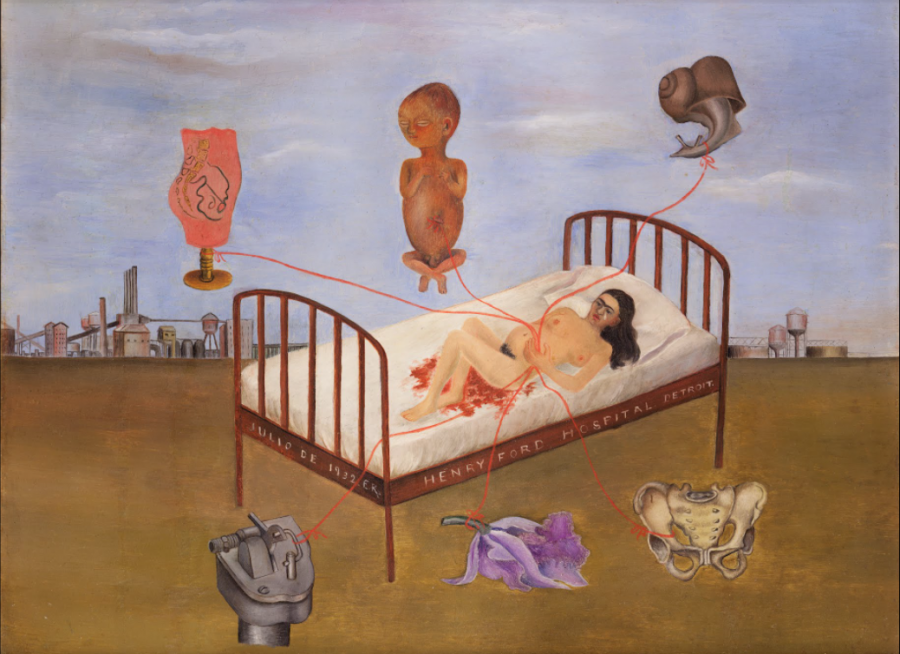
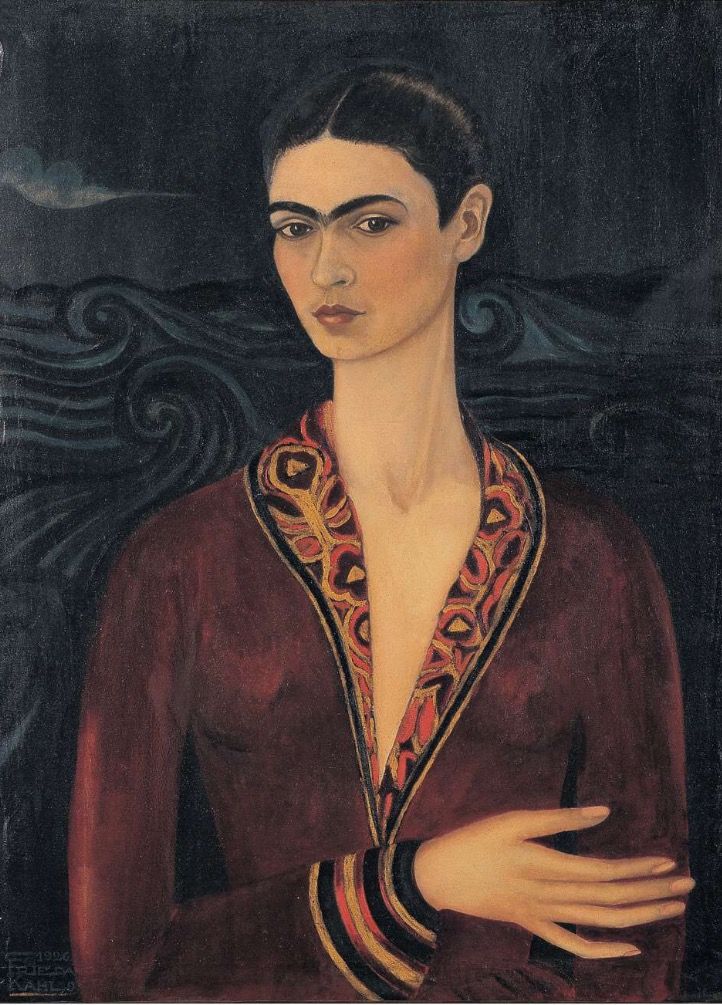
Visit the Largest Collection of Frida Kahlo’s Work Ever Assembled: 800 Artifacts from 33 Museums, All Free Online

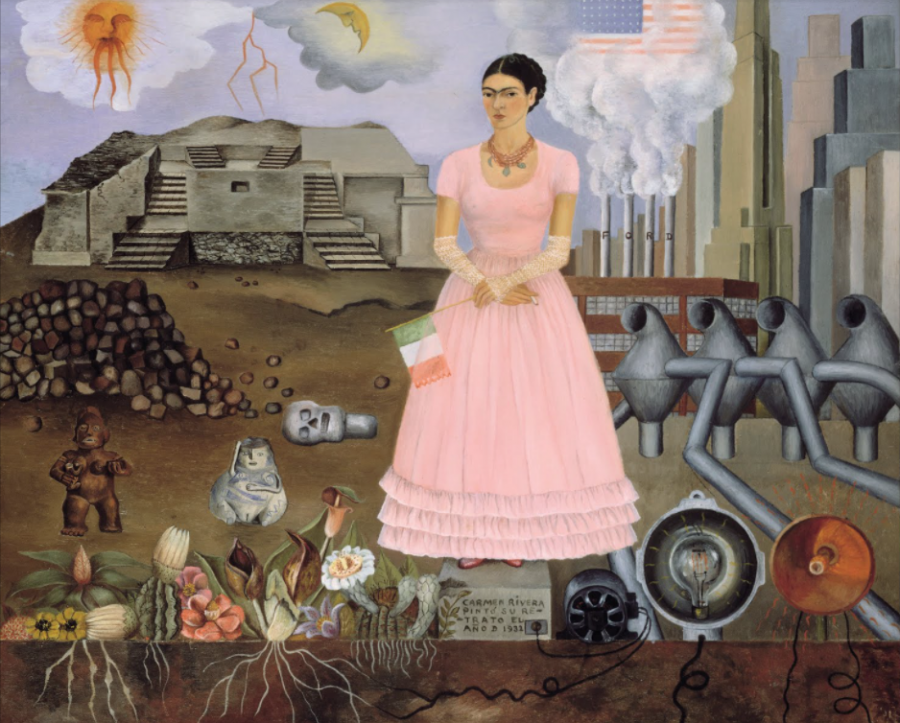
Some films achieve the rare feat of being both col­or­ful escapist fan­ta­sy and art­ful means of recon­nect­ing us with our imper­iled human­i­ty. Pixar’s won­der­ful, ani­mat­ed Coco is such a film, “an explo­ration of val­ues,” writes Jia Tolenti­no at The New York­er, “a sto­ry of a multi­gen­er­a­tional matri­archy, root­ed in the past—whereas real life, these days, feels like an atem­po­ral, struc­ture­less night­mare ruled by men.” Cen­tral to its fic­tion­al­ized cel­e­bra­tion of Mex­i­can cul­ture and his­to­ry is a his­tor­i­cal fig­ure every grown-up view­er knows—that fore­moth­er of Mex­i­can mod­ernism, Fri­da Kahlo, an artist who seems as nec­es­sary to remem­ber now as ever.

Not that Fri­da Kahlo is in dan­ger of being for­got­ten. She is adored around the world, an icon for mil­lions of peo­ple who see them­selves in the var­i­ous inter­sec­tions of her iden­ti­ty: Mex­i­can, mes­ti­za, queer, dis­abled, fem­i­nist, uncom­pro­mis­ing­ly rad­i­cal, etc….

Kahlo’s iden­ti­ties mat­ter, and she made them mat­ter. She would not be erased or let her edges be planed away and sand­ed down. Like oth­er con­fes­sion­al artists to whom she is often com­pared, Kahlo turned her trag­i­cal­ly painful, joy­ous­ly vibrant life into endur­ing art. To crib Audre Lorde’s descrip­tion of poet­ry, her work is a “rev­e­la­to­ry dis­til­la­tion of expe­ri­ence.”

But the con­fes­sion­al under­stand­ing of Kahlo can present a crit­i­cal prob­lem, name­ly the emer­gence of what Stephanie Mencimer calls “the Kahlo Cult.”

…her fans are large­ly drawn by the sto­ry of her life, for which her paint­ings are often pre­sent­ed as sim­ple illus­tra­tion…. But, like a game of tele­phone, the more Kahlo’s sto­ry has been told, the more it has been dis­tort­ed, omit­ting uncom­fort­able details that show her to be a far more com­plex and flawed fig­ure than the movies and cook­books sug­gest.

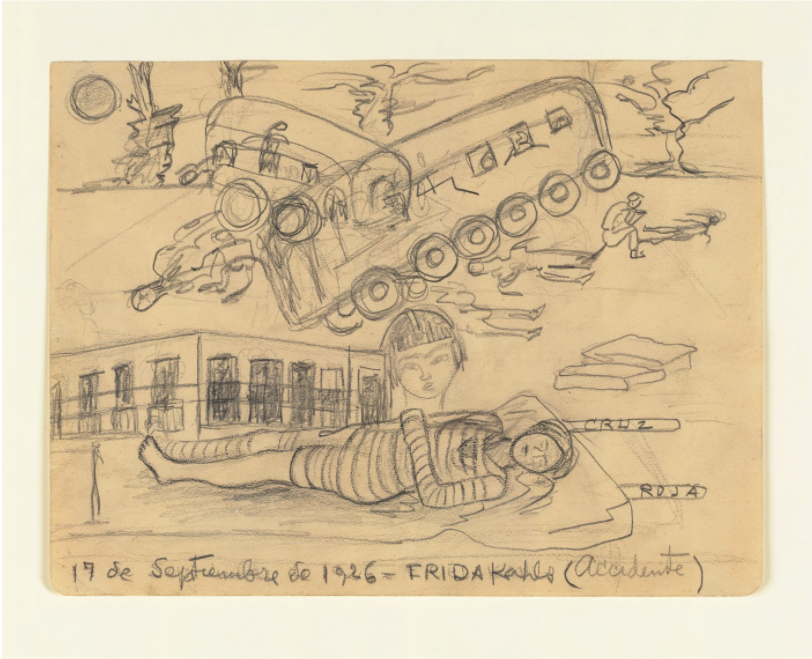
In any case, we may not need more hagiog­ra­phy of Fri­da. We find her life, flaws and all, in her work. From the rav­ages of child­hood polio and a hor­rif­ic traf­fic acci­dent at 18 (depict­ed in the draw­ing below but nev­er in a paint­ing), from love affairs, a deep immer­sion in Mex­i­can folk art, and a com­mit­ment to social­ism and the Mex­i­can Rev­o­lu­tion, Kahlo cre­at­ed an auto­bi­o­graph­i­cal oeu­vre like no oth­er. That said, Kahlo her­self is so unde­ni­ably fas­ci­nat­ing a char­ac­ter that “no one need appre­ci­ate art to jus­ti­fy being a Kahlo fan or even a Kahlo cultist,” as Peter Schjel­dahl once wrote. “Why not? The world will have cults, and who bet­ter mer­its one?”

For the art appre­ci­a­tors and Kahlo cultists alike, Google Arts & Cul­ture has cre­at­ed a project that brings togeth­er her life and work in ways that illu­mi­nate both, with bio­graph­i­cal and crit­i­cal essays, and a thor­ough exhib­it of her work from muse­ums all over the world, includ­ing many lit­tle-known pieces like her sketch­es, draw­ings, and ear­ly works; a look at her let­ters and many pho­tographs of her through­out her life; an online exhi­bi­tion of her famous wardrobe; sev­er­al fea­tures of her influ­ence on LGBTQ artists, musi­cians, fash­ion design­ers, and much, much more. It’s “the largest Kahlo cura­tion ever assem­bled,” notes My Mod­ern Met. “The best part? No need to pay a muse­um fee—it’s avail­able online for any­one to enjoy for free.”

A col­lab­o­ra­tion “between the tech giant and a world­wide net­work of experts and 33 part­ner muse­ums in sev­en coun­tries,” notes Hyper­al­ler­gic, Faces of Fri­da con­tains 800 arti­facts, “includ­ing 20 ultra-high res­o­lu­tion images… nev­er dig­i­tized till now.” Some of these arti­facts are extreme­ly rare, such as “ear­ly ver­sions of her work, sketched and etched onto the backs of fin­ished paint­ings, unseen by any­one with­out the abil­i­ty to touch them.” You can also see the places that most influ­enced her career through five Google Street view tours, “includ­ing the famous Blue House in Mex­i­co City in which she was born and died.”

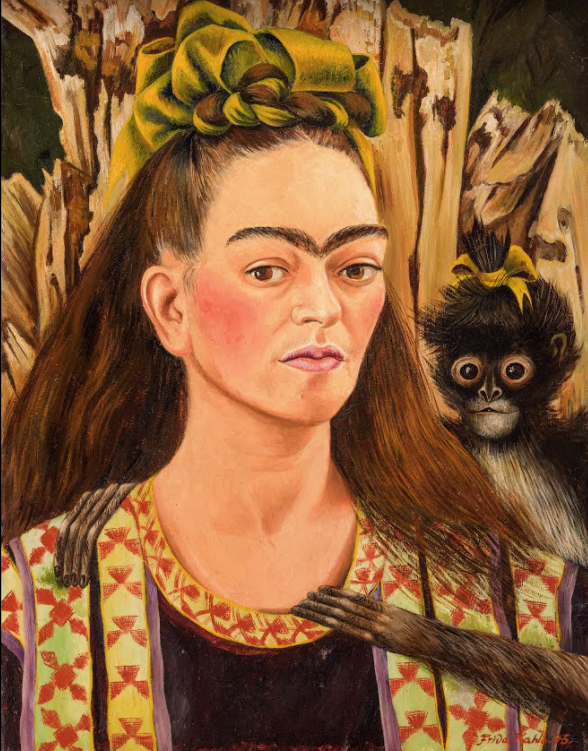
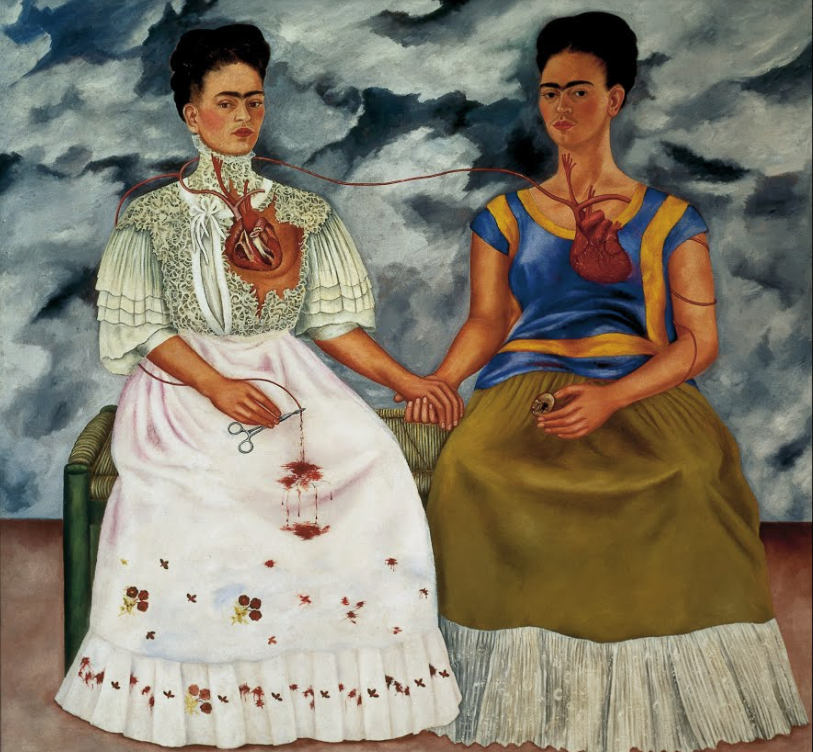
This com­pre­hen­sive online gallery seeks to encom­pass every part of Frida’s life, but rarely takes the focus from her work. “Of the 150 or so of her works that have sur­vived,” notes Mencimer, “most are self-por­traits. As she lat­er said, ‘I paint myself because I am so often alone, because I am the sub­ject I know best.’” Work­ing out­ward from her­self, she also paint­ed the spe­cif­ic res­o­nances of her time and place, and explored human expe­ri­ences that tran­scend per­son­al­i­ty. “As with all the best artists,” says author Frances Borzel­lo in one of the Google Arts fea­tures, “Kahlo’s art is not a diary inge­nious­ly pre­sent­ed in paint but a recre­ation of per­son­al beliefs, feel­ings and events through her par­tic­u­lar lens into some­thing unique and uni­ver­sal.”

Though a super­star in the land of the dead, dur­ing her life Kahlo’s work was great­ly over­shad­owed by that of her famous hus­band Diego Rivera. She only had two shows in her life­time, one of them arranged by sur­re­al­ist Andre Bre­ton, who called her paint­ing “a rib­bon around a bomb.” After her death in 1954, she “large­ly dis­ap­peared from the main­stream art world.” There is a cer­tain irony in point­ing out that fas­ci­na­tion with Kahlo’s work some­times reduces down to inter­est in her biog­ra­phy, since it took a 1983 biog­ra­phy by Hay­den Her­rera to bring her back into the pub­lic con­scious­ness. “When it was pub­lished” Mer­cimer writes, “there wasn’t a sin­gle mono­graph of Kahlo’s work to show peo­ple what it looked like, but the biog­ra­phy, which could have been the basis for a Uni­vi­sion telen­ov­ela, sparked a Fri­da fren­zy.”

How things have changed. No read­er of Herrera’s book, or any of the many treat­ments of Kahlo’s life since then, will come to it sight unseen. Frida’s face—defiant, mus­ta­chioed, monobrowed—stares out at us from every­where. The Google exhib­it guides us through a com­pre­hen­sive con­tex­tu­al­iza­tion of that haunt­ing, yet famil­iar gaze. The let­ters and bio­graph­i­cal entries con­tain insight after insight into the artist’s pri­vate and pub­lic lives. But ulti­mate­ly, it’s the paint­ings that speak. As Borzel­lo puts it, when we real­ly con­front Frida’s work, we may be struck by “how help­less words are in the face of the strange rich­ness of those images.” She invent­ed new visu­al vocab­u­lar­ies of pain, plea­sure, pride, and per­se­ver­ance. Vis­it Faces of Fri­da here.

via Google’s blog

Relat­ed Con­tent:

Fri­da Kahlo’s Col­or­ful Clothes Revealed for the First Time & Pho­tographed by Ishi­uchi Miyako

1933 Arti­cle on Fri­da Kahlo: “Wife of the Mas­ter Mur­al Painter Glee­ful­ly Dab­bles in Works of Art”

Artists Fri­da Kahlo & Diego Rivera Vis­it Leon Trot­sky in Mex­i­co: Vin­tage Footage from 1938

The Fri­da Kahlo Action Fig­ure

Josh Jones is a writer and musi­cian based in Durham, NC. Fol­low him at @jdmagness

The Isolated Vocal Tracks of the Talking Heads’ “Once In A Lifetime” Turn David Byrne into a Wild-Eyed Holy Preacher

Same as it ever was

Same as it ever was

Same as it ever was

…until you iso­late the vocal tracks, above.

Talk­ing Heads’ Afrobeat-inflect­ed “Once In A Life­time ” has become one of the band’s most icon­ic num­bers. Even casu­al fans are prone to aping lead singer David Byrne’s shouty, freaked out preach­er man deliv­ery, a style born of exper­i­ments in human sam­pling, and cowriter Bri­an Eno’s inter­est in ear­ly hip hop, Niger­ian musi­cian Fela Kuti, and com­bin­ing mul­ti­ple rhyth­mic ele­ments in a sin­gle song.

Byrne insists that the infec­tious lyrics are not a cri­tique of con­sumerism, as is pop­u­lar­ly believed. Instead, he explains, they’re about mind­ful­ness and the uncon­scious:

We oper­ate half-awake or on autopi­lot and end up, what­ev­er, with a house and fam­i­ly and job and every­thing else, and we haven’t real­ly stopped to ask our­selves, “How did I get here?

Cut loose from the bass, gui­tar, key­boards and drums, the lyrics seem less like semi-impro­vi­sa­tion­al art-geek con­struc­tions than the semi-sin­is­ter ram­blings of a self-styled holy man, maybe the wild-eyed preach­er char­ac­ter Byrne chan­nels in the orig­i­nal video below.

Peo­ple who’ve lis­tened to the stripped down ver­sion online gath­er in the com­ments sec­tion like friends com­par­ing notes near the exit of a haunt­ed house:

I feel like David Byrne is hold­ing me at gun­point and yelling at me in an aban­doned ware­house.

This sounds like David Byrne is lost alone in a cave and shout­ing non­sense into the dark­ness.

It’s like hear­ing a cult some­where in a cav­ern.

This sounds like some­thing you’d hear before being mur­dered??

Read­ers, what asso­ci­a­tions do you have with this song, and where do you find your­self after lis­ten­ing to it sans orches­tra­tion?

And you may find your­self 

Liv­ing in a shot­gun shack

And you may find your­self 

In anoth­er part of the world

And you may find your­self 

Behind the wheel of a large auto­mo­bile

And you may find your­self in a beau­ti­ful house

With a beau­ti­ful wife

And you may ask your­self, well

How did I get here?

Let­ting the days go by, let the water hold me down

Let­ting the days go by, water flow­ing under­ground

Into the blue again after the mon­ey’s gone

Once in a life­time, water flow­ing under­ground

And you may ask your­self

How do I work this?

And you may ask your­self

Where is that large auto­mo­bile?

And you may tell your­self

This is not my beau­ti­ful house!

And you may tell your­self

This is not my beau­ti­ful wife!

Let­ting the days go by, let the water hold me down

Let­ting the days go by, water flow­ing under­ground

Into the blue again after the mon­ey’s gone

Once in a life­time, water flow­ing under­ground

Same as it ever was

Same as it ever was

Same as it ever was

Same as it ever was

Same as it ever was

Same as it ever was

Same as it ever was

Same as it ever was

Water dis­solv­ing and water remov­ing

There is water at the bot­tom of the ocean

Under the water, car­ry the water

Remove the water at the bot­tom of the ocean!

Let­ting the days go by, let the water hold me down

Let­ting the days go by, water flow­ing under­ground

Into the blue again in the silent water

Under the rocks, and stones there is water under­ground

Let­ting the days go by, let the water hold me down

Let­ting the days go by, water flow­ing under­ground

Into the blue again after the mon­ey’s gone

Once in a life­time, water flow­ing under­ground

And you may ask your­self

What is that beau­ti­ful house?

And you may ask your­self

Where does that high­way go to?

And you may ask your­self

Am I right? Am I wrong?

And you may say to your­self, “My God! What have I done?”

Let­ting the days go by, let the water hold me down

Let­ting the days go by, water flow­ing under­ground

Into the blue again in to the silent water

Under the rocks and stones, there is water under­ground

Let­ting the days go by, let the water hold me down

Let­ting the days go by, water flow­ing under­ground

Into the blue again after the mon­ey’s gone

Once in a life­time, water flow­ing under­ground

Same as it ever was

Same as it ever was

Same as it ever was

Look where my hand was

Time isn’t hold­ing up

Time isn’t after us

Same as it ever was

Same as it ever was

Same as it ever was

Same as it ever was

Same as it ever was

Same as it ever was

Same as it ever was

Same as it ever was

Same as it ever was

Let­ting the days go by (same as it ever was)

Let­ting the days go by (same as it ever was)

Once in a life­time 

Let­ting the days go by

Let­ting the days go by

via Dan­ger­ous Minds

Relat­ed Con­tent:

Talk­ing Heads Per­form The Ramones’ “I Wan­na Be Your Boyfriend” Live in 1977 (and How the Bands Got Their Start Togeth­er)

Talk­ing Heads Fea­tured on The South Bank Show in 1979: How the Ground­break­ing New Wave Band Made Nor­mal­i­ty Strange Again

Talk­ing Heads’ “This Must Be the Place (Naive Melody)” Per­formed on Tra­di­tion­al Chi­nese Instru­ments

Ayun Hal­l­i­day is an author, illus­tra­tor, the­ater mak­er and Chief Pri­ma­tol­o­gist of the East Vil­lage Inky zine.  Join her in NYC on Thurs­day June 28 for anoth­er month­ly install­ment of her book-based vari­ety show, Necro­mancers of the Pub­lic Domain. Fol­low her @AyunHalliday.

« Go BackMore in this category... »
Quantcast