“The Directors Series” Presents Free Immersive Studies of Stanley Kubrick, the Coen Brothers, David Fincher, Paul Thomas Anderson & Christopher Nolan

Humorist and movie crit­ic Joe Queenan once stood out­side a the­ater after a screen­ing of Juras­sic Park and asked each exit­ing view­er if they knew who direct­ed the film they’d just seen. Only five out of the ten who talked to him, he report­ed, could name Steven Spiel­berg. (Not just one but two of those who could­n’t said, inex­plic­a­bly, that the Michael Crich­ton adap­ta­tion had been direct­ed by Stephen King.)

Queenan pulled this stunt as an infor­mal test of “auteur the­o­ry,” which holds that the direc­tor, despite the inher­ent­ly col­lab­o­ra­tive nature of the medi­um, is ulti­mate­ly the “author” of a motion pic­ture. But what does it say about auteur the­o­ry that half of his sam­ple of view­ers could­n’t come up with the name of quite pos­si­bly the most famous film­mak­er alive? Does the iden­ti­ty of a film’s direc­tor mat­ter as much as those of us who sub­scribe to auteur the­o­ry believe it does?

As for the case for the auteur, if you’ve got fif­teen hours or so to spare, you can watch it made in depth by the Direc­tors Series. These mul­ti-part video essays by writer-direc­tor Cameron Beyl exam­ine what makes an auteur an auteur not just one fil­mog­ra­phy, but one film at a time.

Beyl launched the series with the ide­al selec­tion of Stan­ley Kubrick, an almost Pla­ton­ic ide­al of the mod­ern auteur, whose career-long jump­ing from sub­ject to sub­ject and even genre to genre reveals all the more clear­ly the ele­ments of his bold cin­e­mat­ic sig­na­ture.

Then came series-with­in-the-series on direc­tors from the gen­er­a­tion after Kubrick: David Finch­er, Paul Thomas Ander­son, the Coen Broth­ers, and Christo­pher Nolan. Though all alive and vey much still active, they’ve all forged the kind of strong styles that inspire wor­ship­ful ret­ro­spec­tives at cin­e­math­e­ques the world over. Even the kind of movie­go­er who thinks Stephen King direct­ed Juras­sic Park sure­ly sens­es, on some lev­el, the com­mon sen­si­bil­i­ty shared by films as out­ward­ly dif­fer­ent as Fight Club and Gone GirlBoo­gie Nights and There Will Be BloodRais­ing Ari­zona and Far­goMemen­to and Inter­stel­lar.

In the Direc­tors Series, Beyl reveals the tech­niques these film­mak­ers use to make their body of work a uni­fied cin­e­mat­ic project, and so rise to the sta­tus of true auteurs. Try to repli­cate Queenan’s exper­i­ment today, and you may well find that many, if not most, of the view­ers who’ve just seen one of their movies won’t know the direc­tor’s name. That, of course, does­n’t mean that they did­n’t enjoy or appre­ci­ate the direc­tor’s art — but it also does­n’t mean that, equipped with the kind of insight pro­vid­ed by the Direc­tors Series, you won’t enjoy and appre­ci­ate it even more.

Fol­low these links for more on each series: Stan­ley Kubrick (3 hours), David Finch­er (3.5 hours), Paul Thomas Ander­son (2.5 hours), the Coen Broth­ers (4 hours), and Christo­pher Nolan (3.5 hours).

The first video from each series appears on the page above.

Relat­ed Con­tent:

A Com­plete Col­lec­tion of Wes Ander­son Video Essays

“Auteur in Space”: A Video Essay on How Andrei Tarkovsky’s Solaris Tran­scends Sci­ence Fic­tion

Four Video Essays Explain the Mas­tery of Film­mak­er Abbas Kiarosta­mi (RIP)

An Intro­duc­tion to Jean-Luc Godard’s Inno­v­a­tive Film­mak­ing Through Five Video Essays

Based in Seoul, Col­in Mar­shall writes and broad­casts on cities and cul­ture. His projects include the book The State­less City: a Walk through 21st-Cen­tu­ry Los Ange­les and the video series The City in Cin­e­ma. Fol­low him on Twit­ter at @colinmarshall or on Face­book.

David Bowie Sings ‘I Got You Babe’ with Marianne Faithfull in His Very Last Performance As Ziggy Stardust (1973)

Here’s a won­der­ful­ly weird per­for­mance by David Bowie, dressed in drag for his last appear­ance as Zig­gy Star­dust, and Mar­i­anne Faith­full as a way­ward nun, singing the mawk­ish Son­ny & Cher tune, “I Got You Babe.”

The duet was record­ed for Amer­i­can tele­vi­sion on Octo­ber 19, 1973 at the Mar­quee Club in Lon­don. The pro­duc­er Burt Sug­ar­man had approached Bowie about appear­ing on his late-night NBC pro­gram The Mid­night Spe­cial. Accord­ing to the Zig­gy Star­dust Com­pan­ion, Bowie agreed to appear on the show after being grant­ed com­plete artis­tic con­trol for a one-hour spe­cial. He put togeth­er a cabaret-style show fea­tur­ing him­self and a cou­ple of acts from the 1960s, per­form­ing on a futur­is­tic set. Bowie called it “The 1980 Floor Show,” as a pun on the title of his song “1984,” which was played dur­ing the open­ing title sequence.

Film­ing took place over two days. The audi­ences were com­posed of Bowie fan club mem­bers and oth­er spe­cial guests. Due to the cramped quar­ters in the night­club, the cam­era crew was­n’t able to cov­er more than two angles at any moment, so Bowie and the oth­ers had to play the same songs over and over. On the day “I Got You Babe” was filmed, the musi­cians and crew worked for ten straight hours.

Faith­full was invit­ed to appear on the show as one of the back-up acts, along with The Trog­gs and the “fla­men­co rock” group Car­men. At the very end of the evening, Bowie and Faith­full appeared onstage together–he in a red PVC out­fit with black ostrich plumes (he called it his “Angel of Death” cos­tume) and she in a nun’s habit that was, by more than one account, open in the back. “This isn’t any­thing seri­ous,” Bowie report­ed­ly told the audi­ence. “It’s just a bit of fun. We’ve hard­ly even rehearsed it.”

The Mid­night Spe­cial appear­ance marked a momen­tary reunion of Bowie’s band, The Spi­ders from Mars, which had dis­solved three months ear­li­er, after Bowie’s sur­prise announce­ment that he was retir­ing. The line­up includ­ed Mick Ron­son on lead gui­tar, Trevor Bold­er on bass, Mike Gar­son on piano, Mark Carr Pritchard on rhythm gui­tar and Ayns­ley Dun­bar on drums. Back­ing vocals were pro­vid­ed by The Astronettes: Ava Cher­ry, Jason Guess and Geof­frey Mac­cor­ma­ck. As the final per­for­mance of “The 1980 Floor Show,” Bowie’s duet with Faith­full turned out to be the very last appear­ance of Zig­gy Star­dust.

If you would like to sign up for Open Culture’s free email newslet­ter, please find it here. It’s a great way to see our new posts, all bun­dled in one email, each day.

If you would like to sup­port the mis­sion of Open Cul­ture, con­sid­er mak­ing a dona­tion to our site. It’s hard to rely 100% on ads, and your con­tri­bu­tions will help us con­tin­ue pro­vid­ing the best free cul­tur­al and edu­ca­tion­al mate­ri­als to learn­ers every­where. You can con­tribute through Pay­Pal, Patre­on, and Ven­mo (@openculture). Thanks!

Note: An ear­li­er ver­sion of this post appeared on our site back in March, 2013.

Relat­ed Con­tent:

David Bowie Releas­es Vin­tage Videos of His Great­est Hits from the 1970s and 1980s

The Sto­ry of Zig­gy Star­dust: How David Bowie Cre­at­ed the Char­ac­ter that Made Him Famous

How “Space Odd­i­ty” Launched David Bowie to Star­dom: Watch the Orig­i­nal Music Video From 1969

The 100 Best One-Hit Wonder Songs: A Streamable Playlist Curated by Consequence of Sound

So Con­se­quence of Sound has post­ed a list of The 100 Best One-Hit Won­der Songs, and before we dive in, we should point out that they’ve real­ly tried to do their best in the face of his­to­ry. I’m sure there are those out there who have been out­raged some way or anoth­er at the arbi­trary nature of the “one-hit won­der” des­ig­na­tion over the years. I know I have thrown a fit to see Mad­ness’ “Our House” called a one-hit-won­der in the States with­out men­tion­ing their 30 or so Top 40 hits in the UK.

If Amer­i­can chart suc­cess is a judge, the CoS writ­ers says, Beck would be a one-hit-won­der along with Radio­head. No, what we’re real­ly gun­ning for are artists who real­ly only have one bona fide hit to their name, and after­wards pret­ty much dis­ap­peared into the ether.

The Vapors’ “Turn­ing Japan­ese” is def­i­nite­ly one of those. Released in a flood of new wave/­post-punk fer­vor, it’s a catchy ear­worm that would both define the band and then entrap them. They nev­er had anoth­er hit and iron­i­cal­ly had cho­sen this as their sec­ond sin­gle, wor­ried that they might become a one-hit-won­der. Whoops!

And while the ‘70s and ‘80s are seen as the height of the one-hit-won­der, the 1990s sure are worth recon­sid­er­ing. We didn’t know it then, but the music indus­try was just about to col­lapse with the arrival of Nap­ster and the Inter­net, and the rise of elec­tron­i­ca brought with it a cor­nu­copia of one-off downtempo/triphop tracks, col­lege-rock­/­post-grunge anthems, and this sin­gle from Toronto’s finest, Len:

(Ah, 1999. Just before the world implod­ed.)

You can lis­ten to Con­se­quence of Sound’s list on Spo­ti­fy, if you so choose:

So what hap­pened to the one-hit-won­der? YouTube. Where else can you find nov­el­ty hits, par­o­dy songs, and pop cul­tur­al touch­stones these days? The major labels cer­tain­ly aren’t releas­ing them. That might be good for users, but it’s gonna be hell for pop his­to­ri­ans attempt­ing to assem­ble a com­pa­ra­ble list in the future.

Relat­ed Con­tent:

The Same Song Sung in 15 Places: A Won­der­ful Case Study of How Land­scape & Archi­tec­ture Shape the Sounds of Music

All of the Songs Played on “WKRP in Cincin­nati” in One Spo­ti­fy Playlist: Stream 202 Clas­sic Tracks

A His­to­ry of Rock ‘n’ Roll in 100 Riffs

Ted Mills is a free­lance writer on the arts who cur­rent­ly hosts the artist inter­view-based FunkZone Pod­cast and is the pro­duc­er of KCR­W’s Curi­ous Coast. You can also fol­low him on Twit­ter at @tedmills, read his oth­er arts writ­ing at tedmills.com and/or watch his films here.

Discover the BlipBlox, a Kids’ Toy and Fully-Functional Synthesizer That Will Teach Toddlers to Play Electronic Music

A series of videos has been going around show­ing Zakk Wylde, for­mer gui­tarist for Ozzy Osbourne, play­ing clas­sic rock and met­al songs on diminu­tive Hel­lo Kit­ty gui­tars. They’re fun­ny: see­ing the burly, beard­ed leg­end rock out on a kid’s gui­tar; but they’re also pret­ty impres­sive, when he wrings real grit and feel­ing from these unlike­ly instru­ments.

I imag­ine it won’t be long before we’ll see a sim­i­lar stunt with some­one like Moby, for exam­ple, rip­ping out dance­able grooves on the Blip­blox, a kids’ toy that is also a ful­ly-func­tion­ing syn­the­siz­er (“actu­al­ly, it’s both”!).

While the Blip­blox may look like one of thou­sands of noisy con­sole-like tod­dler toys, it’s one that won’t tempt par­ents to do what many par­ents do (be honest)—pull out the bat­ter­ies and hide them where they can’t ever be found.

Apolo­gies to Hel­lo Kit­ty gui­tars, but by com­par­i­son with most instru­ments made for kids, the Blip­blox is seri­ous­ly sophis­ti­cat­ed. “What sets this apart from oth­er toys,” writes Mix­mag, “is that it uses ‘a pro­pri­etary algo­rithm that syn­the­sizes com­plete­ly unique wave­forms’ allow­ing users to cre­ate their own sound­wave. The fea­tures include one low pass fil­ter, two enve­lope gen­er­a­tors, eight oscil­la­tor mod­u­la­tion schemes, two LFOs and MIDI, plus more.”

If those specs sound like an alien lan­guage to you, they won’t make any more sense to your 3‑year-old, and they don’t need to. “The blip­blox was made to have fun with­out ful­ly under­stand­ing how it works,” says the toy synthesizer’s cre­ator in an intro­duc­to­ry video above. Turn it on and start hit­ting but­tons, twist­ing dials, and push­ing the two joy­stick-like con­trollers back and forth, and beats, bleeps, bloops, blurps, and oth­er synth‑y sounds spill out, at var­i­ous tem­pos and pitch­es.

As kids (or par­ents who hijack the device) gain more con­trol, they can start refin­ing their tech­nique and cre­ate orig­i­nal com­po­si­tions, as you can see hap­pen­ing in the “stu­dio ses­sions” video above. Then they can out­put their sounds to mom and dad’s home stu­dio, or wherever—Blipblox is ready, as its Indiegogo cam­paign promis­es, for “a pro stu­dio set­up.” Or just lots of enter­tain­ing goof­ing around.

The Blip­blox is a bril­liant inven­tion and has already won a 2018 award for “Best Teach­ing Tool for Pre-School Stu­dents” and made an appear­ance at the very grown-up 2018 NAMM (Nation­al Asso­ci­a­tion of Music Mer­chants) convention—see below. Priced at $159, the Blip­blox ships this sum­mer. Sign up at Indiegogo for “ear­ly bird perks.”

via Mix­mag

Relat­ed Con­tent:

Mis­ter Rogers, Sesame Street & Jim Hen­son Intro­duce Kids to the Syn­the­siz­er with the Help of Her­bie Han­cock, Thomas Dol­by & Bruce Haack

Every­thing Thing You Ever Want­ed to Know About the Syn­the­siz­er: A Vin­tage Three-Hour Crash Course

Free, Open Source Mod­u­lar Synth Soft­ware Lets You Cre­ate 70s & 80s Elec­tron­ic Music—Without Hav­ing to Pay Thou­sands for a Real-World Syn­the­siz­er

Josh Jones is a writer and musi­cian based in Durham, NC. Fol­low him at @jdmagness

George Orwell Reveals the Role & Responsibility of the Writer “In an Age of State Control”

Image by BBC, via Wiki­me­dia Com­mons

What is the role of the writer in times of polit­i­cal tur­moil? Pro­fes­sion­al ath­letes get told to “shut up and play” when they speak out—as if they had no vest­ed inter­est in cur­rent events or a con­sti­tu­tion­al right to speak. But it is gen­er­al­ly assumed that writ­ers have a cen­tral part to play in pub­lic dis­course, even when they don’t explic­it­ly write about pol­i­tics. When writ­ers make con­tro­ver­sial state­ments, it sounds a lit­tle ridicu­lous to tell them to “shut up and write.”

On one view, “it is the respon­si­bil­i­ty of intel­lec­tu­als to speak the truth and to expose lies,” as Noam Chom­sky declares in “The Respon­si­bil­i­ty of Intel­lec­tu­als.” Chom­sky deplores those who com­fort­ably accept the con­sen­sus and delib­er­ate­ly dis­sem­i­nate untruths out of a “fail­ure of skep­ti­cism” and blind belief in the puri­ty of their motives. Faced with obvi­ous lies, out­rages, and oppres­sion, “intel­lec­tu­als”— jour­nal­ists, aca­d­e­mics, artists, even clergy—should “fol­low the path of integri­ty, wher­ev­er it may lead.”

One such intel­lec­tu­al, George Orwell, is often held up across the polit­i­cal spec­trum as a par­a­digm of intel­lec­tu­al integri­ty. Orwell, as you might expect, had his own thoughts on what he called “the posi­tion of the writer in an age of State con­trol.” He expressed his view in a 1948 essay titled “Writ­ers and the Leviathan.” He accords with Chom­sky in most respects, yet in the end does not endorse the view that the polit­i­cal respon­si­bil­i­ties of writ­ers are greater than any­one else. Yet Orwell also express­es sim­i­lar wari­ness about writ­ers becom­ing card­board pro­pa­gan­dists, and los­ing their cre­ative, crit­i­cal, and eth­i­cal integri­ty.

Orwell begins his argu­ment by claim­ing that writ­ers bear some respon­si­bil­i­ty for cre­at­ing the cul­ture that nur­tures pol­i­tics. “WHAT KIND of State rules over us,” he writes, “must depend part­ly on the pre­vail­ing intel­lec­tu­al atmos­phere: mean­ing, in this con­text, part­ly on the atti­tude of writ­ers and artists them­selves.” More­over, he sug­gests, it is unre­al­is­tic to expect writ­ers, or any­one for that mat­ter, not to have strong polit­i­cal opin­ions. The “spe­cial prob­lem of total­i­tar­i­an­ism” infects every­thing, even lit­er­a­ture, mak­ing “a pure­ly aes­thet­ic atti­tude,” like that of Oscar Wilde, “impos­si­ble.”

This is a polit­i­cal age. War, Fas­cism, con­cen­tra­tion camps, rub­ber trun­cheons, atom­ic bombs, etc are what we dai­ly think about, and there­fore to a great extent what we write about, even when we do not name them open­ly. We can­not help this. When you are on a sink­ing ship,
your thoughts will be about sink­ing ships. 

Sev­en­ty years after Orwell’s essay, we live in no less a “polit­i­cal age,” bur­dened by dai­ly thoughts of all the above, plus the dead­ly effects of cli­mate change and oth­er ills Orwell could not fore­see.

We also see our age reflect­ed in Orwell’s descrip­tion of the “ortho­dox­ies and ‘par­ty lines’” that plague the writer. “A mod­ern lit­er­ary intel­lec­tu­al,” he writes, “lives and writes in con­stant dread—not, indeed, of pub­lic opin­ion in the wider sense, but of pub­lic opin­ion with­in his own group…. At any giv­en moment there is a dom­i­nant ortho­doxy, to offend against which needs a thick skin and some­times means cut­ting one’s income in half for years on end.”

But integri­ty requires unortho­dox think­ing. Orwell goes on to ana­lyze a num­ber of “unre­solved con­tra­dic­tions” on the left that make a whole­sale, uncrit­i­cal embrace of its polit­i­cal ortho­doxy tan­ta­mount to “men­tal dis­hon­esty.” He takes pains to note that this phe­nom­e­non is inher­ent to every polit­i­cal ide­ol­o­gy: “accep­tance of ANY polit­i­cal dis­ci­pline seems to be incom­pat­i­ble with lit­er­ary integri­ty.” Here is a dilem­ma. Ignor­ing pol­i­tics is irre­spon­si­ble and impos­si­ble. But so is com­mit­ting to a par­ty line.

Well, then what? Do we have to con­clude that it is the duty of every writer to “keep out of pol­i­tics”? Cer­tain­ly not! In any case, as I have said already, no think­ing per­son can or does gen­uine­ly keep out of pol­i­tics, in an age like the present one. I only sug­gest that we should 
draw a sharp­er dis­tinc­tion than we do at present between our polit­i­cal and our lit­er­ary loy­al­ties, and should recog­nise that a will­ing­ness to DO cer­tain dis­taste­ful but nec­es­sary things does not car­ry with it any oblig­a­tion to swal­low the beliefs that usu­al­ly go with them. When a writer engages in pol­i­tics he should do so as a cit­i­zen, as a human being, but not AS A WRITER. I do not think that he has the right, mere­ly on the score of his sen­si­bil­i­ties, to shirk the ordi­nary dirty work of pol­i­tics. Just as much as any­one else, he should be pre­pared to deliv­er lec­tures in draughty halls, to chalk pave­ments, to can­vass vot­ers, to dis­trib­ute leaflets, even to fight in civ­il wars if it seems nec­es­sary. But what­ev­er else he does in the ser­vice of his par­ty, he should nev­er write for it. He should make it clear that his writ­ing is a thing apart. And he should be able to act co-oper­a­tive­ly while, if he choos­es, com­plete­ly reject­ing the offi­cial ide­ol­o­gy. He should nev­er turn back from a train of thought because it may lead to a heresy, and he should not mind very much if his unortho­doxy is smelt out, as it prob­a­bly will be.

It might be object­ed that Orwell him­self wrote an awful lot about pol­i­tics from a def­i­nite point of view (which he defined in “Why I Write” as “against total­i­tar­i­an­ism and for demo­c­ra­t­ic social­ism”). He even cit­ed “polit­i­cal pur­pose” as one of four rea­sons that seri­ous writ­ers have for writ­ing. But before accus­ing him of hypocrisy, we must read on for more nuance. “There is no rea­son,” he says, that a writer “should not write in the most crude­ly polit­i­cal way, if he wish­es to. Only he should do so as an indi­vid­ual, an out­sider, at the most an unwel­come gueril­la on the flank of a reg­u­lar army.” (His posi­tion is rem­i­nis­cent of James Bald­win’s, a polit­i­cal writer who “exco­ri­at­ed the protest nov­el.”) And if the writer finds some of that army’s posi­tions unten­able, “then the rem­e­dy is not to fal­si­fy one’s impuls­es, but to remain silent.”

Orwell’s essay char­ac­ter­izes the “almost inevitable nature of the irrup­tion of pol­i­tics into cul­ture,” argues Enzo Tra­ver­so, “Writ­ers were no longer able to shut them­selves up in a uni­verse of aes­thet­ic val­ues, shel­tered from the con­flicts that were tear­ing apart the old world.” The kind of com­part­men­tal­iza­tion he rec­om­mends might seem cyn­i­cal, but it rep­re­sents for him a prag­mat­ic third way between the “ivory tow­er” and the “par­ty machine,” a way for the writer to act eth­i­cal­ly in the world yet retain a “san­er self [who] stands aside, records the things that are done and admits their neces­si­ty, but refus­es to be deceived as to their true nature” and thus become a par­ty mouth­piece, rather than an artist and crit­i­cal thinker.

Relat­ed Con­tent:

George Orwell Cre­ates a List of the Four Essen­tial Rea­sons Writ­ers Write

George Orwell Explains in a Reveal­ing 1944 Let­ter Why He’d Write 1984

George Orwell Reviews Sal­vador Dali’s Auto­bi­og­ra­phy: “Dali is a Good Draughts­man and a Dis­gust­ing Human Being” (1944)

Josh Jones is a writer and musi­cian based in Durham, NC. Fol­low him at @jdmagness

A Vinyl Record Spins So Fast That It Shatters Into 50,000 Pieces

Gavin Free and Dan Gruchy, oth­er­wise known as “The Slow Mo Guys,” took a vinyl record and spun it so fast that it shat­tered into rough­ly 50,000 pieces–give or take a few. Thanks to a Phan­tom v2640 cam­era, you can watch things dis­in­te­grate in slow motion, at about 12,500 frames per sec­ond. In a pre­vi­ous episode record­ed sev­er­al years ago, Free and Gruchy pushed a CD to its phys­i­cal lim­its. You can watch that here.

via Laugh­ing Squid

Relat­ed Con­tent:

You Can Have Your Ash­es Turned Into a Playable Vinyl Record, When Your Day Comes

An Inter­ac­tive Map of Every Record Shop in the World

How to Clean Your Vinyl Records with Wood Glue

Watch a Nee­dle Ride Through LP Record Grooves Under an Elec­tron Micro­scope

How Vinyl Records Are Made: A Primer from 1956

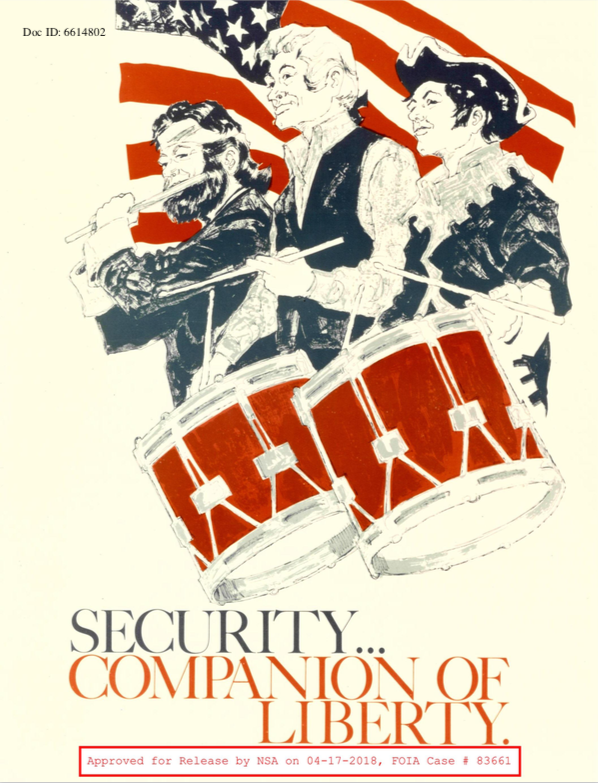
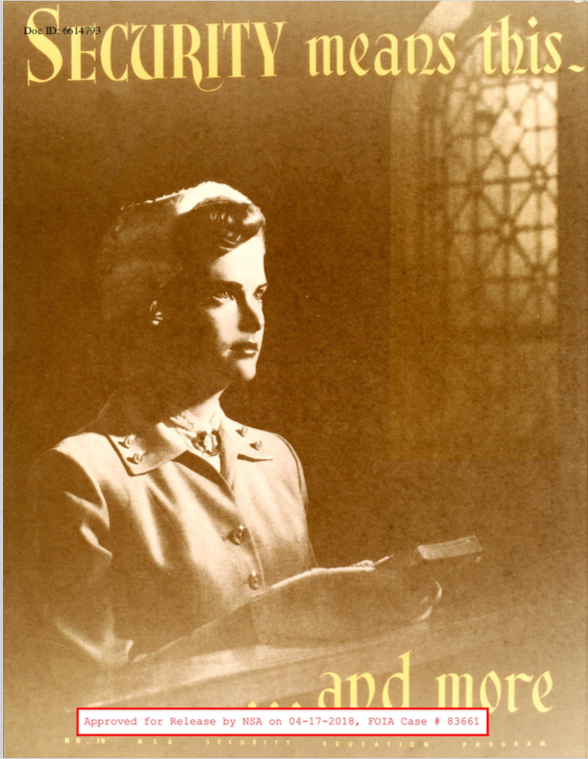
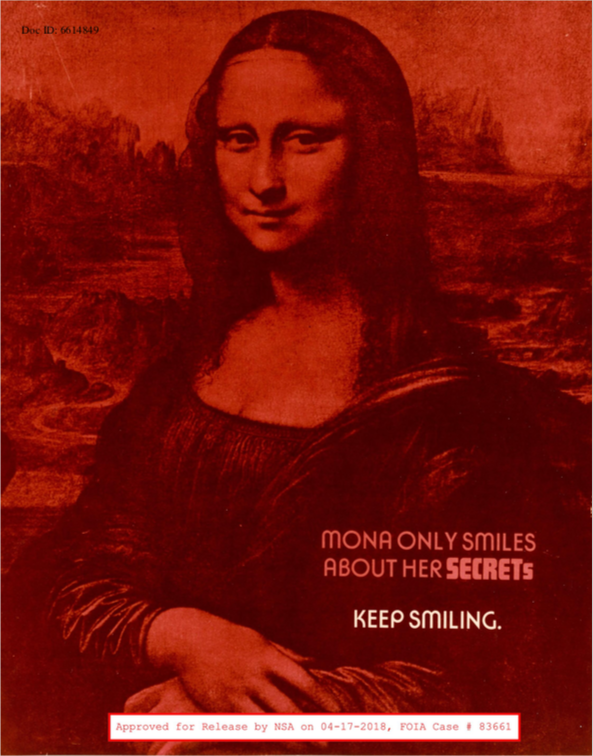
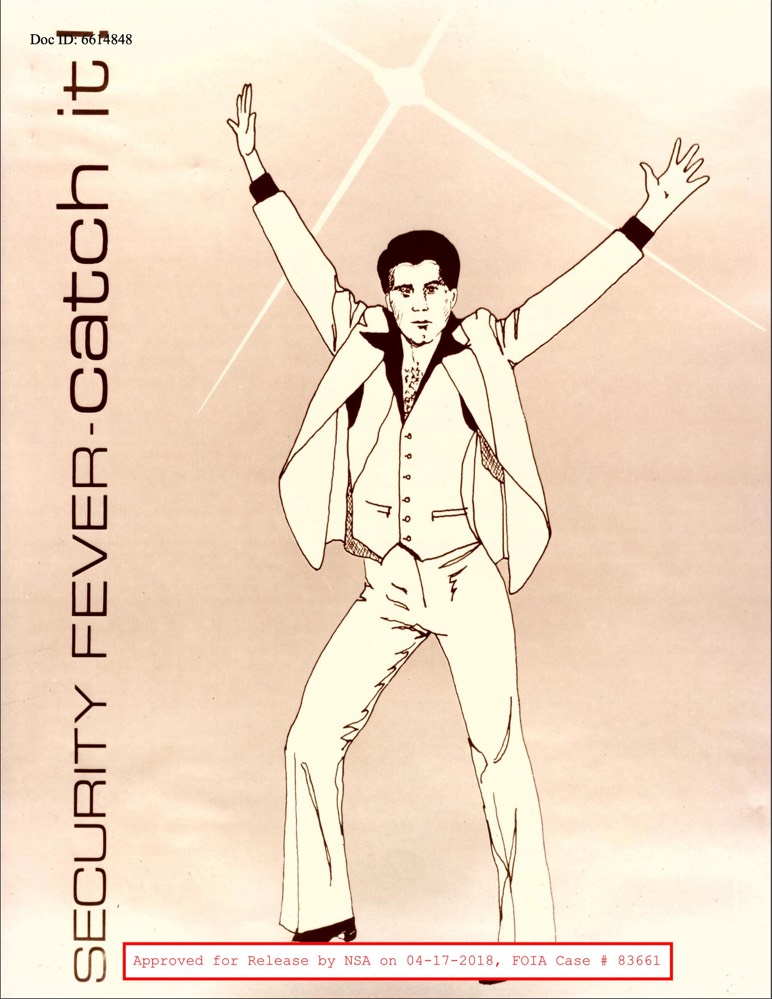
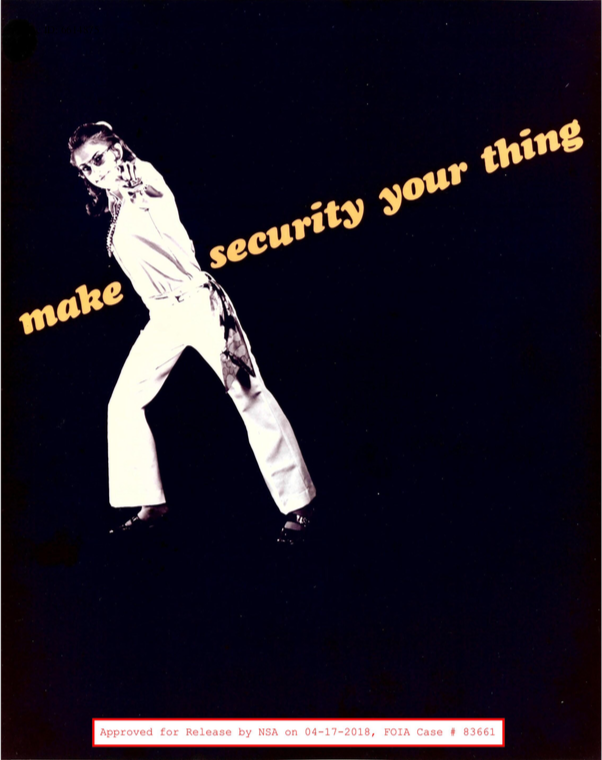
Chilling and Surreal Propaganda Posters from the NSA Are Now Declassified and Put Online

“Omg wow this is rly cool and unique like I nev­er knew the gov­ermnet was wac­thing me.”

So wrote an anony­mous inter­net com­menter on a Wash­ing­ton Post arti­cle about NSA mobile phone track­ing, jok­ing, or just emerg­ing from a bunker some­where off the grid. Every­one knows the gov­ern­ment is watch­ing or might be. Or at least we should since the infa­mous 2013 rev­e­la­tions about the mas­sive scope of NSA domes­tic sur­veil­lance. Reports of domes­tic spy­ing first appeared in 2005. In 2009, Alex Kings­bury at U.S. News and World Report described the Agency as “one of the most secre­tive fief­doms inside the Amer­i­can gov­ern­ment… prob­a­bly famil­iar to most peo­ple only as the guys who may or may not be lis­ten­ing to your phone calls and read­ing your E‑mails as they sur­veil ter­ror­ists.”

As is often the case when gov­ern­ment over­reach, abuse, or cor­rup­tion become pub­lic knowl­edge, the ques­tion is not whether most Amer­i­cans know, but whether they care. An often-mis­used Ben Franklin quote pops up fre­quent­ly in argu­ments about a nec­es­sary bal­ance between “lib­er­ty” and “secu­ri­ty.” The lat­ter now seems to inevitably entail extra-con­sti­tu­tion­al spy­ing (as well as tor­ture, indef­i­nite deten­tion, police mil­i­ta­riza­tion and oth­er total­ly nor­mal gov­ern­ment oper­a­tions).

These days, as often as not, gov­ern­ment sur­veil­lance takes place by proxy, by way of tech monop­o­lies like AT&T, Ama­zon, and Google (which the NSA helped cre­ate). Maybe, when it comes to the gov­ern­ment watch­ing, resis­tance is futile, as a species of out­er space cyborg total­i­tar­i­ans likes to say.

In any case, we might imag­ine that pub­lic debates about civ­il lib­er­ties and pri­va­cy are laugh­able to many a sea­soned intel­li­gence agent. A recent­ly declas­si­fied trove of pro­pa­gan­da posters aimed at NSA employ­ees, dat­ing from the 50s, 60s, and 70s, shows that in the mind of the Agency, there is no con­flict between lib­er­ty and secu­ri­ty. With­out secu­ri­ty (or total secre­cy), many of these posters sug­gest, all free­dom is lost. They do so in some “super freaky” ways, to quote Jason Kot­tke, look­ing like “they were cooked up by Sal­vador Dali or the Dadaists. Or even Mad Mag­a­zine.”

Some of the posters, espe­cial­ly those from the Cold War, look pret­ty chill­ing in hind­sight, with their theo­crat­ic over­tones and anti-Com­mu­nist apoc­a­lyp­ti­cism. Agency employ­ees were to under­stand that not only might they risk their jobs and clear­ances if they hap­pened to spill clas­si­fied info, but that every­thing they held dear—Christmas, prayer, fish­ing, free­dom of the press—might be destroyed. The posters get pro­gres­sive­ly groovi­er as things thawed between the super­pow­ers, and they stop allud­ing to spe­cif­ic ene­mies and threats to Chris­t­ian piety. Still, there’s some­thing a lit­tle creepy about an intel­li­gence agency co-opt­ing the Mona Lisa and Sat­ur­day Night Fever.

The agency was offi­cial­ly cre­at­ed in 1952 to mon­i­tor for­eign elec­tron­ic sig­nals, which at the time meant radio and tele­phone traf­fic. The com­par­a­tive­ly bronze-age tech­nol­o­gy avail­able in the decades these posters were print­ed makes them seem all the more quaint, with their ref­er­ences to care­less­ly dis­card­ed doc­u­ments and get­ting too chat­ty in the car pool. Is the gov­ern­ment still war­rant­less­ly spy­ing on Amer­i­cans? There may have been sev­er­al recent “inad­ver­tent com­pli­ance laps­es,” the NSA admits, but sure­ly a secret court and trust­wor­thy Con­gress will keep every­one hon­est.

See many more of these bizarre posters here.

via Kot­tke

Relat­ed Con­tent:

Han­nah Arendt Explains How Pro­pa­gan­da Uses Lies to Erode All Truth & Moral­i­ty: Insights from The Ori­gins of Total­i­tar­i­an­ism

“Glo­ry to the Con­querors of the Uni­verse!”: Pro­pa­gan­da Posters from the Sovi­et Space Race (1958–1963)

When Sovi­et Artists Turned Tex­tiles (Scarves, Table­cloths & Cur­tains) into Beau­ti­ful Pro­pa­gan­da in the 1920s & 1930s

Josh Jones is a writer and musi­cian based in Durham, NC. Fol­low him at @jdmagness

Ralph Steadman Creates an Unorthodox Illustrated Biography of Sigmund Freud, the Father of Psychoanalysis (1979)

Sig­mund Freud died in 1939, and the near­ly eight decades since haven’t been kind to his psy­cho­an­a­lyt­i­cal the­o­ries, but in some sense he sur­vives. “For many years, even as writ­ers were dis­card­ing the more patent­ly absurd ele­ments of his the­o­ry — penis envy, or the death dri­ve — they con­tin­ued to pay homage to Freud’s unblink­ing insight into the human con­di­tion,” writes the New York­er’s Louis Menand. He claims that Freud thus evolved, “in the pop­u­lar imag­i­na­tion, from a sci­en­tist into a kind of poet of the mind. And the thing about poets is that they can­not be refut­ed. No one asks of ‘Par­adise Lost’: But is it true? Freud and his con­cepts, now con­vert­ed into metaphors, joined the legion of the undead.”

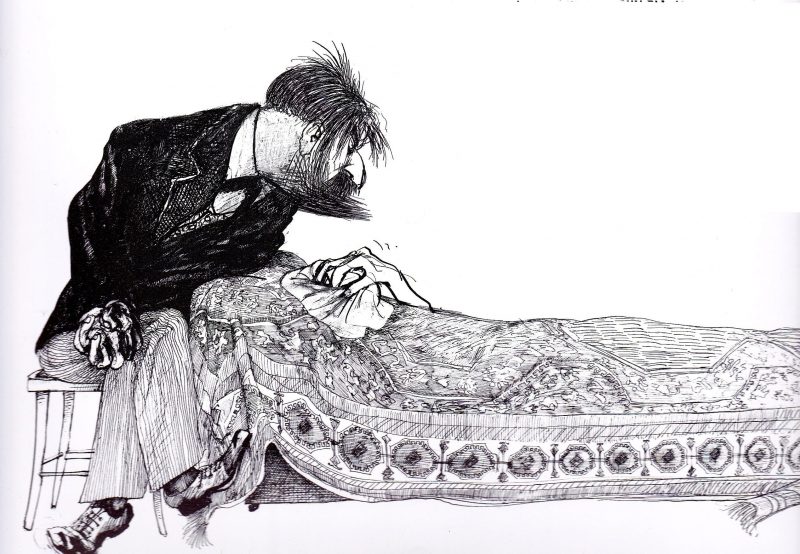
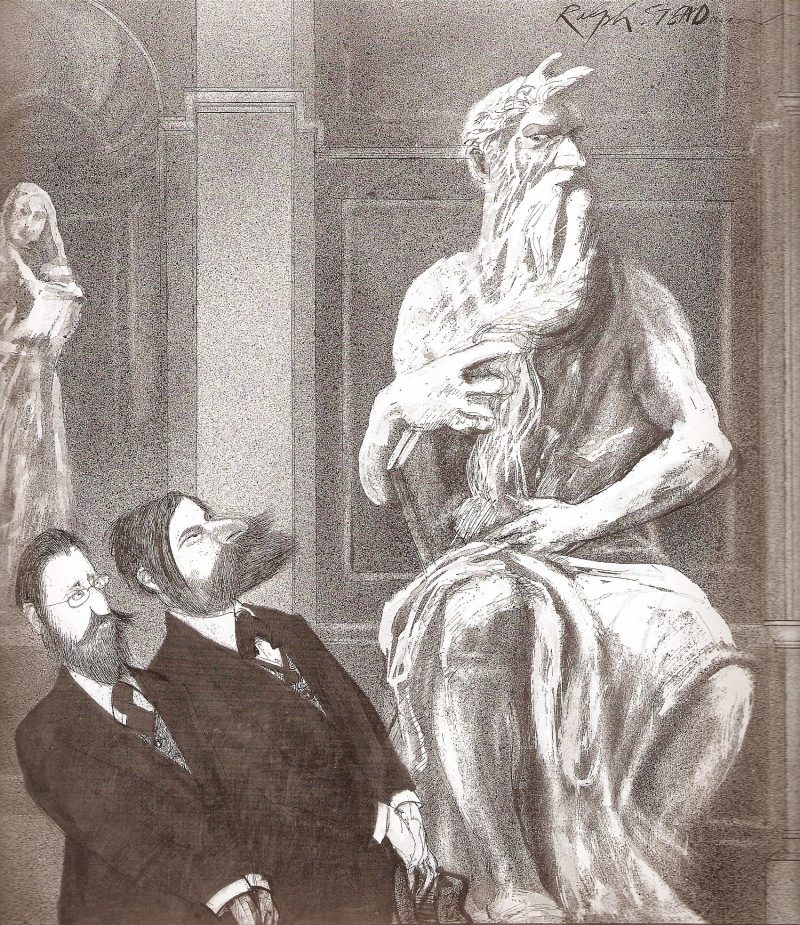
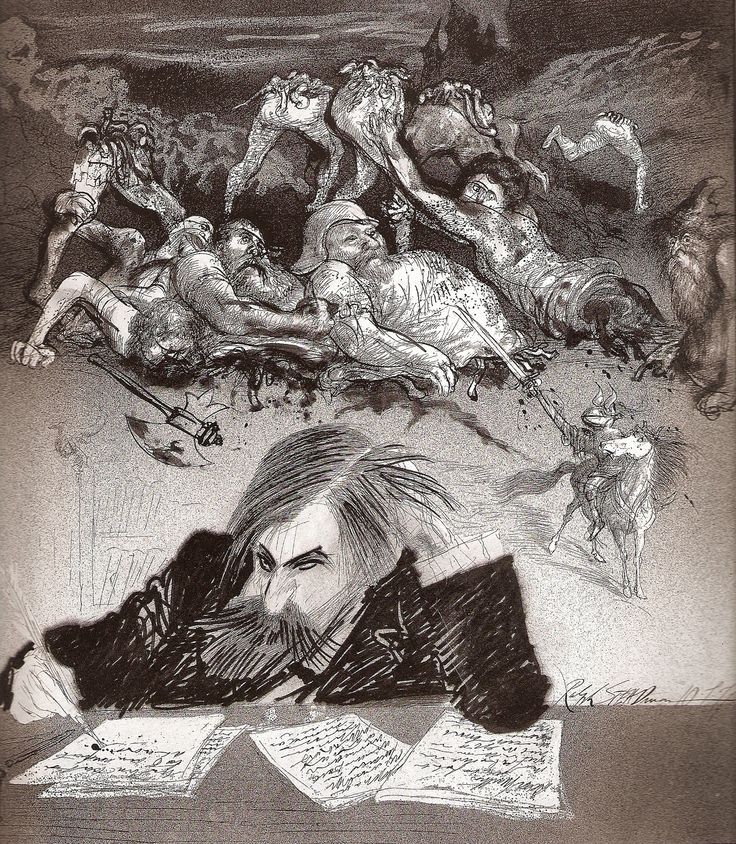
The mas­ter of a legion of undead psy­cho­log­i­cal metaphors — who, in the ranks of liv­ing illus­tra­tors, could be more suit­ed to ren­der such a fig­ure than Ralph Stead­man? And how many of us know that he actu­al­ly did so in 1979, when he pro­duced an “art-biog­ra­phy” of the “Father of Psy­cho­analy­sis”?

Sig­mund Freud, which has spent long stretch­es out of print since its first pub­li­ca­tion, tells the sto­ry of Freud’s life, begin­ning with his child­hood in Aus­tria to his death, not long after his emi­gra­tion in flight from the Nazis, in Lon­don. It was there that he met Vir­ginia Woolf, who in her diary describes him as “a screwed up shrunk very old man: with a monkey’s light eyes, par­a­lyzed spas­mod­ic move­ments, inar­tic­u­late: but alert.”

There, again, Freud sounds like one of Stead­man’s draw­ings, some­times out­ward­ly unap­peal­ing but always pos­sessed of an unig­nor­able vital­i­ty gen­er­at­ed by a sol­id core of per­cep­tive­ness. Ear­li­er chap­ters of Freud’s life, char­ac­ter­ized by intel­lec­tu­al as well as phys­i­cal vig­or­ous­ness aid­ed by the 19th-cen­tu­ry “mir­a­cle drug” of cocaine, also give the illus­tra­tor rich mate­r­i­al to work with. One can’t help but think of Fear and Loathing in Las Vegas, which forged a per­ma­nent cul­tur­al link between Stead­man’s art and Hunter S. Thomp­son’s prose. How “true” is the drug-fueled desert odyssey that book recounts? More so, per­haps, than many of Freud’s sup­pos­ed­ly sci­en­tif­ic dis­cov­er­ies. But as with the work of Freud, so with that of Thomp­son and Stead­man: we return to it not because we want the truth, exact­ly, but because we can’t turn away from the often grotesque ver­sions of our­selves it shows us.

You can pick up a copy of Stead­man’s illus­trat­ed Sig­mund Freud here.

Relat­ed Con­tent:

Sig­mund Freud, Father of Psy­cho­analy­sis, Intro­duced in a Mon­ty Python-Style Ani­ma­tion

Sig­mund Freud’s Psy­cho­an­a­lyt­ic Draw­ings Show How He First Visu­al­ized the Ego, Super­ego, Id & More

How a Young Sig­mund Freud Researched & Got Addict­ed to Cocaine, the New “Mir­a­cle Drug,” in 1894

Ralph Steadman’s Wild­ly Illus­trat­ed Biog­ra­phy of Leonar­do da Vin­ci (1983)

Gonzo Illus­tra­tor Ralph Stead­man Draws the Amer­i­can Pres­i­dents, from Nixon to Trump

Based in Seoul, Col­in Mar­shall writes and broad­casts on cities and cul­ture. His projects include the book The State­less City: a Walk through 21st-Cen­tu­ry Los Ange­les and the video series The City in Cin­e­ma. Fol­low him on Twit­ter at @colinmarshall or on Face­book.

« Go BackMore in this category... »
Quantcast