A Mesmerizing Trip Across the Brooklyn Bridge: Watch Footage from 1899

It’s hard­ly orig­i­nal advice but bears repeat­ing any­way: no one vis­it­ing New York should leave, if they can help it, before they cross the Brook­lyn Bridge—preferably on foot, if pos­si­ble, and at a rev­er­en­tial pace that lets them soak up all the Neo-goth­ic structure’s sto­ried his­to­ry. Walk from Man­hat­tan to Brook­lyn, then back again, or the oth­er away around, since that’s what the bridge was built for—the com­mutes of a nine­teenth cen­tu­ry bridge-but-not-yet-tun­nel crowd (the first NYC sub­way tun­nel didn’t open until 1908).

In 1899, film­mak­ers from Amer­i­can Muto­scope and Bio­graph elect­ed for a mode of trav­el for a New York cen­tu­ry, putting a cam­era at “the front end of a third rail car run­ning at high speed,” notes a 1902 Amer­i­can Muto­scope cat­a­logue. They accel­er­at­ed the tour to the pace of a mod­ern machine, chos­ing the Man­hat­tan to Brook­lyn route. “The entire trip con­sumes three min­utes of time, dur­ing which abun­dant oppor­tu­ni­ty is giv­en to observe all the struc­tur­al won­ders of the bridge, and far dis­tant riv­er panora­ma below.” (See one-third of the trip just below.)

Film­mak­er Bill Mor­ri­son looped excerpts of those three New York min­utes and extend­ed them to nine in his short, stereo­scop­ic jour­ney “Out­er­bor­ough,” at the top, com­mis­sioned by The Muse­um of Mod­ern Art in 2005 and scored with orig­i­nal music by Todd Reynolds. Tak­ing the 1899 footage as its source mate­r­i­al, the film turns a rapid tran­sit tour into a mov­ing man­dala, a frac­tal rep­e­ti­tion at fright­en­ing­ly faster and faster speeds, of the bridge’s most mechan­i­cal vistas—the views of its loom­ing, vault­ed arch­es and of the steel cage sur­round­ing the tracks.

One of the engi­neer­ing won­ders of the world, the Brook­lyn Bridge opened 136 years ago this month, on May 24th, 1883. The first per­son to walk across it was the woman who over­saw its con­struc­tion for 11 of the 14 years it took to build the bridge. After design­er John Roe­bling died of tetanus, his son Wash­ing­ton took over, only to suc­cumb to the bends dur­ing the sink­ing of the cais­sons and spend the rest of his life bedrid­den. Emi­ly, his wife, “took on the chal­lenge,” notes the blog 6sqft, con­sult­ing with her hus­band while active­ly super­vis­ing the project.

She “stud­ied math­e­mat­ics, the cal­cu­la­tions of cate­nary curves, strengths of mate­ri­als and the intri­ca­cies of cable con­struc­tion.” On its open­ing day, Emi­ly walked the bridge’s 1,595 feet, from Man­hat­tan to Brook­lyn, “her long skirt bil­low­ing in the wind as she showed [the crowd] details of the con­struc­tion,” writes David McCul­lough in The Great Bridge. Six days lat­er, an acci­dent caused a pan­ic and a stam­pede that killed twelve peo­ple. Some months lat­er, P.T. Barnum’s Jum­bo led a parade of 21 ele­phants over the bridge in a stunt to prove its safe­ty.

Barnum’s the­atrics were sur­pris­ing­ly honest—the bridge may have need­ed sell­ing to skep­ti­cal com­muters, but it need­ed no hype. It out­lived most of its con­tem­po­raries, despite the fact that it was built before engi­neers under­stood the aero­dy­nam­ic prop­er­ties of bridges. The Roe­blings designed and built the bridge to be six times stronger than it need­ed to be, but no one could have fore­seen just how durable the struc­ture would prove.

It elicit­ed a fas­ci­na­tion that nev­er waned for its pal­pa­ble strength and beau­ty, yet few­er of its admir­ers chose to doc­u­ment the jour­ney that has tak­en mil­lions of Brook­lynites over the riv­er to low­er Man­hat­tan, by foot, bike, car, and yes, by train. Leave it to that futur­ist for the com­mon man, Thomas Edi­son, to film the trip. See his 1899 footage of Brook­lyn to Man­hat­tan by train just above.

via Aeon

Relat­ed Con­tent:

Immac­u­late­ly Restored Film Lets You Revis­it Life in New York City in 1911

An Online Gallery of Over 900,000 Breath­tak­ing Pho­tos of His­toric New York City

New York City: A Social His­to­ry (A Free Online Course from N.Y.U.) 

Josh Jones is a writer and musi­cian based in Durham, NC. Fol­low him at @jdmagness

What is Camp? When the “Good Taste of Bad Taste” Becomes an Aesthetic

Even if you don’t care about high fash­ion or high soci­ety — to the extent that those two things have a place in the cur­rent cul­ture — you prob­a­bly glimpsed some of the cov­er­age of what atten­dees wore to the Met Gala ear­li­er this month. Or per­haps cov­er­age isn’t strong enough a word: what most of the many observers of the Met­ro­pol­i­tan Muse­um of Art’s Cos­tume Insti­tute annu­al fundrais­ing gala did cer­tain­ly qual­i­fied as analy­sis, and in not a few cas­es tipped over into exe­ge­sis. That enthu­si­asm was matched by the flam­boy­ance of the cloth­ing worn to the event — an event whose co-chairs includ­ed Lady Gaga, a suit­able fig­ure­head indeed for a par­ty that this year took on the theme of camp.

But what exact­ly is camp? You can get an in-depth look at how the world of fash­ion has inter­pret­ed that elab­o­rate and enter­tain­ing but nev­er­the­less elu­sive cul­tur­al con­cept in the Met’s show Camp: Notes on Fash­ion, which runs at the Met Fifth Avenue until ear­ly Sep­tem­ber.

“Susan Son­tag’s 1964 essay Notes on ‘Camp’ pro­vides the frame­work for the exhi­bi­tion,” says the Met’s web site, “which exam­ines how the ele­ments of irony, humor, par­o­dy, pas­tiche, arti­fice, the­atri­cal­i­ty, and exag­ger­a­tion are expressed in fash­ion.” But for a broad­er under­stand­ing of camp, you’ll want to go back to Son­tag’s and read all of the 58 the­ses it nailed to the door of the mid-1960s zeit­geist.

Accord­ing to Son­tag, camp is “not a nat­ur­al mode of sen­si­bil­i­ty” but a “love of the unnat­ur­al: of arti­fice and exag­ger­a­tion.” It offers a “way of see­ing the world as an aes­thet­ic phe­nom­e­non.” Most any­thing man­made can be camp, and Son­tag’s list of exam­ples include Tiffany lamps, “the Brown Der­by restau­rant on Sun­set Boule­vard in L.A.,” Aubrey Beard­s­ley draw­ings, and old Flash Gor­don comics. Ele­vat­ing style “at the expense of con­tent,” camp is suf­fused with “the love of the exag­ger­at­ed, the ‘off,’ of things-being-what-they-are-not.” Camp is not irony, but it “sees every­thing in quo­ta­tion marks.” The essen­tial ele­ment of camp is “seri­ous­ness, a seri­ous­ness that fails.” Camp “asserts that good taste is not sim­ply good taste; that there exists, indeed, a good taste of bad taste.”

“When Son­tag pub­lished ‘Notes on Camp,’ she was fas­ci­nat­ed by peo­ple who could look at cul­tur­al prod­ucts as fun and iron­ic,” says Son­tag biog­ra­ph­er Ben­jamin Moser in a recent Inter­view mag­a­zine sur­vey of the sub­ject. And though Son­tag’s essay remains the defin­i­tive state­ment on camp, not every­one has agreed on exact­ly what counts and does not count as camp in the 55 years since its pub­li­ca­tion in the Par­ti­san Review“Camp to me means over-the-top humor, usu­al­ly cou­pled with big dos­es of glam­our,” says fash­ion design­er Jere­my Scott in the same Inter­view arti­cle. “To be inter­est­ing, camp has to have some kind of polit­i­cal con­scious­ness and self-aware­ness about what it’s doing,” says film­mak­er Bruce Labruce, chal­leng­ing Son­tag’s descrip­tion of camp as apo­lit­i­cal.

And what will become of camp in the all-dig­i­tiz­ing 21st cen­tu­ry, when many eras increas­ing­ly coex­ist on the same cul­ture plane? Our time “has can­ni­bal­ized camp,” says cul­tur­al his­to­ry pro­fes­sor Fabio Cle­to, “but to say that it’s no longer camp because its aes­thet­ics have gone main­stream is an over­ly sim­plis­tic read­ing. Camp has always been mourn­ing its own death.” Even so, some of cam­p’s most high-pro­file cham­pi­ons have cast doubt on its via­bil­i­ty. The phrase “good taste of bad taste” brings no fig­ure to mind more quick­ly than Pink Flamin­gos and Hair­spray direc­tor John Waters (who speaks on the ori­gin of his good taste in bad taste in the Big Think video above). But even he speaks pes­simisti­cal­ly to Inter­view about cam­p’s future: “Camp? Noth­ing is so bad it’s good now that we have Trump as pres­i­dent. He even ruined that.”

Relat­ed Con­tent:

Why So Many Peo­ple Adore The Room, the Worst Movie Ever Made? A Video Explain­er

David Fos­ter Wal­lace on What’s Wrong with Post­mod­ernism: A Video Essay

The Star Wars Hol­i­day Spe­cial (1978): It’s Oh So Kitsch

Susan Sontag’s 50 Favorite Films (and Her Own Cin­e­mat­ic Cre­ations)

John Waters Talks About His Books and Role Mod­els in a Whim­si­cal Ani­mat­ed Video

Based in Seoul, Col­in Mar­shall writes and broad­casts on cities, lan­guage, and cul­ture. His projects include the book The State­less City: a Walk through 21st-Cen­tu­ry Los Ange­les and the video series The City in Cin­e­ma. Fol­low him on Twit­ter at @colinmarshall or on Face­book.

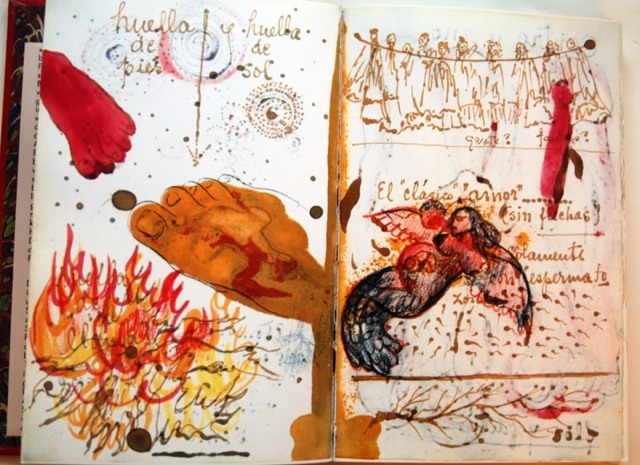
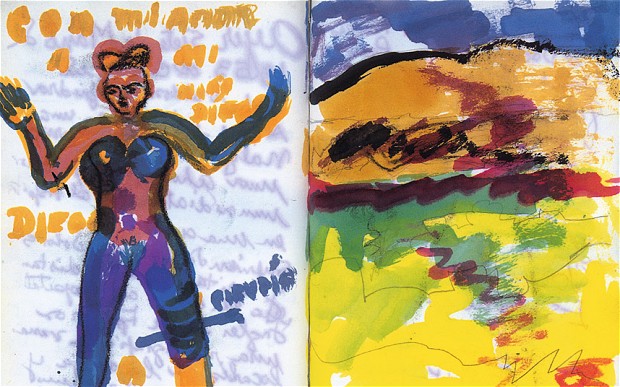
Discover Frida Kahlo’s Wildly-Illustrated Diary: It Chronicled the Last 10 Years of Her Life, and Then Got Locked Away for Decades

When we admire a famous artist from the past, we may wish to know every­thing about their lives—their pri­vate loves and hates, and the inner worlds to which they gave expres­sion in can­vas­es and sculp­tures. A biog­ra­phy may not be strict­ly nec­es­sary for the appre­ci­a­tion of an artist’s work. Maybe in some cas­es, know­ing too much about an artist can make us see the auto­bi­o­graph­i­cal in every­thing they do. Fri­da Kahlo, on the oth­er hand, ful­ly invit­ed such inter­pre­ta­tion, and made know­ing the facts of her life a neces­si­ty.

She can hard­ly “be accused of hav­ing invent­ed her prob­lems,” writes Deb­o­rah Solomon at The New York Times, yet she invent­ed a new visu­al vocab­u­lary for them, achiev­ing her most­ly posthu­mous fame “by mak­ing her unhap­py face the main sub­ject of her work.”

Her “spe­cial­ty was suffering”—her own—“and she adopt­ed it as an artis­tic theme as con­fi­dent­ly as Mon­dri­an claimed the rec­tan­gle or Rubens the cor­pu­lent nude.” Kahlo treat­ed her life as wor­thy a sub­ject as the respectable mid­dle-class still lifes and aris­to­crat­ic por­traits of the old mas­ters. She trans­fig­ured her­self into a per­son­al lan­guage of sym­bols and sur­re­al motifs.

This means we must peer as close­ly into Kahlo’s life as we are able if we want to ful­ly enter into what Muse­um of Mod­ern Art cura­tor Kirk Varne­doe called “her con­struc­tion of a the­ater of the self.” But we may not feel much clos­er to her after read­ing her wild­ly-illus­trat­ed diary, which she kept for the last ten years of her life, and which was locked away after her death in 1954 and only pub­lished forty years lat­er, with an intro­duc­tion by Mex­i­can nov­el­ist Car­los Fuentes. The diary was then repub­lished by Abrams in a beau­ti­ful hard­cov­er edi­tion that retains Fuentes’ intro­duc­tion.

If you’re look­ing for a his­tor­i­cal chronol­o­gy or straight­for­ward nar­ra­tive, pre­pare for dis­ap­point­ment. It is, writes Kathryn Hugh­es at The Tele­graph, a diary “of a very par­tic­u­lar kind. There are few dates in it, and it has noth­ing to say about events in the exter­nal world—Communist Par­ty meet­ings, appoint­ments at the doctor’s or even trysts with Diego Rivera, the artist whom Kahlo loved so much that she mar­ried him twice. Instead it is full of paint­ings and draw­ings that appear to be dredged from her fer­tile uncon­scious.”

This descrip­tions sug­gests that the diary sub­sti­tutes the image for the word, but this is not so—it is filled with Kahlo’s exper­i­ments with lan­guage: play­ful prose-poems, wit­ty and cryp­tic cap­tions, free-asso­cia­tive hap­py acci­dents. Like the visu­al auto­bi­og­ra­phy of kin­dred spir­it Jean-Michel Basquiat, her pri­vate feel­ings must be inferred from doc­u­ments in which image and word are insep­a­ra­ble. There are “nei­ther star­tling dis­clo­sures,” writes Solomon, “nor the sort of mun­dane, kitchen-sink detail that cap­ti­vates by virtue of its ordi­nar­i­ness.” Rather than expo­si­tion, the diary is filled, as Abrams describes it, with “thoughts, poems, and dreams… along with 70 mes­mer­iz­ing water­col­or illus­tra­tions.”

Kahlo’s diary allows for no “dreamy iden­ti­fi­ca­tion with its sub­ject” notes Solomon, through Insta­gram-wor­thy sum­maries of her din­ners or wardrobe woes. Unlike her many, gush­ing let­ters to Rivera and oth­er lovers, the “irony is that these per­son­al sketch­es are sur­pris­ing­ly imper­son­al.” Or rather, they express the per­son­al in her pre­ferred pri­vate lan­guage, one we must learn to read if we want to under­stand her work. More than any oth­er artist of the time, she turned biog­ra­phy into mythol­o­gy.

Know­ing the bare facts of her life gives us much-need­ed con­text for her images, but ulti­mate­ly we must deal with them on their own terms as well. Rather than explain­ing her paint­ing to us, Kahlo’s diary opens up an entire­ly new world of imagery—one very dif­fer­ent from the con­trolled self-por­trai­ture of her pub­lic body of work—to puz­zle over.

Relat­ed Con­tent:

Fri­da Kahlo’s Pas­sion­ate Love Let­ters to Diego Rivera

A Brief Ani­mat­ed Intro­duc­tion to the Life and Work of Fri­da Kahlo

Vis­it the Largest Col­lec­tion of Fri­da Kahlo’s Work Ever Assem­bled: 800 Arti­facts from 33 Muse­ums, All Free Online

Josh Jones is a writer and musi­cian based in Durham, NC. Fol­low him at @jdmagness

Mapping Emotions in the Body: A Finnish Neuroscience Study Reveals Where We Feel Emotions in Our Bodies

“East­ern med­i­cine” and “West­ern medicine”—the dis­tinc­tion is a crude one, often used to mis­in­form, mis­lead, or grind cul­tur­al axes rather than make sub­stan­tive claims about dif­fer­ent the­o­ries of the human organ­ism. Thank­ful­ly, the med­ical estab­lish­ment has large­ly giv­en up demo­niz­ing or ignor­ing yog­ic and med­i­ta­tive mind-body prac­tices, incor­po­rat­ing many of them into con­tem­po­rary pain relief, men­tal health care, and pre­ven­ta­tive and reha­bil­i­ta­tive treat­ments.

Hin­du and Bud­dhist crit­ics may find much not to like in the sec­u­lar appro­pri­a­tion of prac­tices like mind­ful­ness and yoga, and they may find it odd that such a fun­da­men­tal insight as the rela­tion­ship between mind and body should ever have been in doubt. But we know from even a slight famil­iar­i­ty with Euro­pean phi­los­o­phy (“I think, there­fore I am”) that it was from the Enlight­en­ment into the 20th cen­tu­ry.

Now, says Riit­ta Hari, co-author of a 2014 Fin­ish study on the bod­i­ly loca­tions of emo­tion, “We have obtained sol­id evi­dence that shows the body is involved in all types of cog­ni­tive and emo­tion­al func­tions. In oth­er words, the human mind is strong­ly embod­ied.” We are not brains in vats. All those col­or­ful old expressions—“cold feet,” “but­ter­flies in the stom­ach,” “chill up my spine”—named qual­i­ta­tive data, just a hand­ful of the embod­ied emo­tions mapped by neu­ro­sci­en­tist Lau­ri Num­men­maa and co-authors Riit­ta Hari, Enri­co Glere­an, and Jari K. Hieta­nen.

In their study, the researchers “recruit­ed more than 1,000 par­tic­i­pants” for three exper­i­ments, reports Ash­ley Hamer at Curios­i­ty. These includ­ed hav­ing peo­ple “rate how much they expe­ri­ence each feel­ing in their body vs. in their mind, how good each one feels, and how much they can con­trol it.” Par­tic­i­pants were also asked to sort their feel­ings, pro­duc­ing “five clus­ters: pos­i­tive feel­ings, neg­a­tive feel­ings, cog­ni­tive process­es, somat­ic (or bod­i­ly) states and ill­ness­es, and home­o­sta­t­ic states (bod­i­ly func­tions).”

After mak­ing care­ful dis­tinc­tions between not only emo­tion­al states, but also between think­ing and sen­sa­tion, the study par­tic­i­pants col­ored blank out­lines of the human body on a com­put­er when asked where they felt spe­cif­ic feel­ings. As the video above from the Amer­i­can Muse­um of Nat­ur­al His­to­ry explains, the researchers “used sto­ries, video, and pic­tures to pro­voke emo­tion­al respons­es,” which reg­is­tered onscreen as warmer or cool­er col­ors.

Sim­i­lar kinds of emo­tions clus­tered in sim­i­lar places, with anger, fear, and dis­gust con­cen­trat­ing in the upper body, around the organs and mus­cles that most react to such feel­ings. But “oth­ers were far more sur­pris­ing, even if they made sense intu­itive­ly,” writes Hamer “The pos­i­tive emo­tions of grate­ful­ness and togeth­er­ness and the neg­a­tive emo­tions of guilt and despair all looked remark­ably sim­i­lar, with feel­ings mapped pri­mar­i­ly in the heart, fol­lowed by the head and stom­ach. Mania and exhaus­tion, anoth­er two oppos­ing emo­tions, were both felt all over the body.”

The researchers con­trolled for dif­fer­ences in fig­u­ra­tive expres­sions (i.e. “heartache”) across two lan­guages, Swedish and Finnish. They also make ref­er­ence to oth­er mind-body the­o­ries, such as using “somatosen­so­ry feed­back… to trig­ger con­scious emo­tion­al expe­ri­ences” and the idea that “we under­stand oth­ers’ emo­tions by sim­u­lat­ing them in our own bod­ies.” Read the full, and ful­ly illus­trat­ed, study results in “Bod­i­ly Maps of Emo­tions,” pub­lished by the Nation­al Acad­e­my of Sci­ences.

Relat­ed Con­tent:

An Inter­ac­tive Map of the 2,000+ Sounds Humans Use to Com­mu­ni­cate With­out Words: Grunts, Sobs, Sighs, Laughs & More

How Med­i­ta­tion Can Change Your Brain: The Neu­ro­science of Bud­dhist Prac­tice

A Dic­tio­nary of Words Invent­ed to Name Emo­tions We All Feel, But Don’t Yet Have a Name For: Vemö­dalen, Son­der, Chrysal­ism & Much More

Josh Jones is a writer and musi­cian based in Durham, NC. Fol­low him at @jdmagness

Is the Leonardo da Vinci Painting “Salvator Mundi” (Which Sold for $450 Million in 2017) Actually Authentic?: Michael Lewis Explores the Question in His New Podcast

Jour­nal­ist and best­selling author Michael Lewis (Liar’s Pok­er, Mon­ey­ball, The Big Short) has a new pod­cast, Against the Rules, that “takes a sear­ing look at what’s hap­pened to fairness—in finan­cial mar­kets, news­rooms, bas­ket­ball games, courts of law, and much more. And he asks what’s hap­pen­ing to a world where every­one loves to hate the ref­er­ee.” That is, what hap­pens when we, as a soci­ety, lose con­fi­dence in the arbiters of truth and fair­ness?

In Episode 5, Lewis focus­es on “Sal­va­tor Mun­di,” a paint­ing of Jesus Christ attrib­uted to Leonar­do da Vin­ci, which famous­ly sold at auc­tion for $450 mil­lion in 2017. Pret­ty remark­able, con­sid­er­ing that some ques­tion whether “Sal­va­tor Mun­di,” is real­ly a Leonar­do paint­ing at all. Or, if it is, whether the high­ly-restored paint­ing still retains any brush­strokes from Leonar­do him­self. This leads Lewis to ask some intrigu­ing ques­tions about the authen­tic­i­ty of art, and to explore the pres­sure placed on the ref­er­ees of art–namely, art historians–to con­firm the authen­tic­i­ty of poten­tial­ly valu­able paint­ings. Below, you can stream the episode, “The Hand of Leonar­do.”

As a bonus, we’ve also added an episode that exam­ines how sketchy “cus­tomer ser­vice” com­pa­nies mis­lead peo­ple try­ing to repay their stu­dent loans, and how the Trump admin­is­tra­tion has under­mined gov­ern­ment agen­cies designed to pro­tect debt-strapped Amer­i­cans.

Michael Lewis’ Against the Rules is list­ed in our new col­lec­tion, The 150 Best Pod­casts to Enrich Your Mind.

If you would like to sign up for Open Culture’s free email newslet­ter, please find it here. It’s a great way to see our new posts, all bun­dled in one email, each day.

If you would like to sup­port the mis­sion of Open Cul­ture, con­sid­er mak­ing a dona­tion to our site. It’s hard to rely 100% on ads, and your con­tri­bu­tions will help us con­tin­ue pro­vid­ing the best free cul­tur­al and edu­ca­tion­al mate­ri­als to learn­ers every­where. You can con­tribute through Pay­Pal, Patre­on, and Ven­mo (@openculture). Thanks!

by | Permalink | Make a Comment ( 2 ) |

What the Theory?: Watch Short Introductions to Postmodernism, Semiotics, Phenomenology, Marxist Literary Criticism and More

The­o­ry. The word alone can intim­i­date, and it can espe­cial­ly intim­i­date those of us out­side the aca­d­e­m­ic human­i­ties. The rig­or and com­plex­i­ty of sci­en­tif­ic the­o­ry is for­bid­ding enough, but cul­tur­al the­o­ry, with its thick­ets of mul­ti­va­lent mean­ing and thinkers with their cultish­ly devot­ed and ter­ri­to­r­i­al fol­low­ings, has sure­ly made many a hope­ful learn­er turn back before they’ve even stepped in. But help has arrived in this age of explain­ers, most recent­ly in the form of a Uni­ver­si­ty of Exeter PhD stu­dent and Youtu­ber named Tom Nicholas who has tak­en it upon him­self to explain such tricky sub­jects as post­mod­ernism, semi­otics, phe­nom­e­nol­o­gy, and many oth­ers besides in his series “What the The­o­ry?”

Nico­las has put his aca­d­e­m­ic back­ground into videos on every­thing from how to read jour­nal arti­cles and write essays to sub­jects like his own research and how Bojack Horse­man cri­tiques the 1990s. But it’s “What the The­o­ry?” that most direct­ly con­fronts the intel­lec­tu­al frame­works that his oth­er videos put to more implic­it use.

In it he breaks down the nature of the most abstruse-sound­ing dis­ci­plines in all the mod­ern human­i­ties as well as the ideas of the the­o­rists who devel­oped them — semi­otics and Fer­di­nand de Saus­sure, phe­nom­e­nol­o­gy and Mar­tin Hei­deg­ger, cul­tur­al mate­ri­al­ism and Ray­mond Williams, as well as broad­er con­cepts like post­mod­ernism and even the mod­ernism that pre­ced­ed it — illu­mi­nat­ing them by draw­ing upon a set of less-rar­efied works, includ­ing but not lim­it­ed to Dunkirk and The Lego Movie.

In more recent “What the The­o­ry?” videos, Nicholas takes on indi­vid­ual ideas as pop­u­lar­ized (at least with­in the acad­e­my) by cer­tain writ­ers, the­o­rists, and philoso­phers. He explains, for exam­ple, what Roland Barthes meant when he pro­claimed “the death of the author” in 1967, as well as what Barthes’ coun­try­man Guy Debord meant when he described human­i­ty as liv­ing in a “soci­ety of the spec­ta­cle” that same year. Watch through the entire “What the The­o­ry?” playlist so far, and there’s a chance you might come away with an inter­est in launch­ing an aca­d­e­m­ic career of your own in order to dig deep­er into these and oth­er ideas. But there’s a much greater chance that you’ll come away believ­ing that these crit­i­cal texts actu­al­ly do have insights to offer our world, the soci­eties that make up our world, and the cul­ture that dri­ves those soci­eties — bare­ly intel­li­gi­ble though many of them may still look.

Relat­ed Con­tent:

A Quick Intro­duc­tion to Lit­er­ary The­o­ry: Watch Ani­mat­ed Videos from the Open Uni­ver­si­ty

An Ani­mat­ed Intro­duc­tion to Roland Barthes’s Mytholo­gies and How He Used Semi­otics to Decode Pop­u­lar Cul­ture

Yale Presents a Free Online Course on Lit­er­ary The­o­ry, Cov­er­ing Struc­tural­ism, Decon­struc­tion & More

David Fos­ter Wal­lace on What’s Wrong with Post­mod­ernism: A Video Essay

Noam Chom­sky Explains What’s Wrong with Post­mod­ern Phi­los­o­phy & French Intel­lec­tu­als, and How They End Up Sup­port­ing Oppres­sive Pow­er Struc­tures

The CIA Assess­es the Pow­er of French Post-Mod­ern Philoso­phers: Read a New­ly Declas­si­fied CIA Report from 1985

Based in Seoul, Col­in Mar­shall writes and broad­casts on cities, lan­guage, and cul­ture. His projects include the book The State­less City: a Walk through 21st-Cen­tu­ry Los Ange­les and the video series The City in Cin­e­ma. Fol­low him on Twit­ter at @colinmarshall or on Face­book.

How David Bowie Used William S. Burroughs’ Cut-Up Method to Write His Unforgettable Lyrics

Why do David Bowie’s songs sounds like no one else’s, right down to the words that turn up in their lyrics? Nov­el­ist Rick Moody, who has been privy more than once to details of Bowie’s song­writ­ing process, wrote about it in his col­umn on Bowie’s 2013 album The Next Day: “David Bowie mis­di­rects auto­bi­o­graph­i­cal inter­pre­ta­tion, often, by lay­ing claim to reportage and fic­tion as song­writ­ing method­olo­gies, and he cloaks him­self, fur­ther, in the cut-up.” Any­one acquaint­ed with the work of William S. Bur­roughs will rec­og­nize that term, which refers to the process of lit­er­al­ly cut­ting up exist­ing texts in order to gen­er­ate new mean­ings with their rearranged pieces.

You can see how Bowie per­formed his cut-up com­po­si­tion in the 1970s in the clip above, in which he demon­strates and explains his ver­sion of the method. “What I’ve used it for, more than any­thing else, is ignit­ing any­thing that might be in my imag­i­na­tion,” he says. “It can often come up with very inter­est­ing atti­tudes to look into. I tried doing it with diaries and things, and I was find­ing out amaz­ing things about me and what I’d done and where I was going.”


Giv­en what he sees as its abil­i­ty to shed light on both the future and the past, he describes the cut-up method as “a very West­ern tarot” — and one that can pro­vide just the right unex­pect­ed com­bi­na­tion of sen­tences, phras­es, or words to inspire a song.

As dra­mat­i­cal­ly as Bowie’s self-pre­sen­ta­tion and musi­cal style would change over the sub­se­quent decades, the cut-up method would only become more fruit­ful for him. When Moody inter­viewed Bowie in 1995, Bowie “observed that he worked some­where near to half the time as a lyri­cist in the cut-up tra­di­tion, and he even had, in those days, a com­put­er pro­gram that would eat the words and spit them back in some less ref­er­en­tial form.” Bowie describes how he uses that com­put­er pro­gram in the 1997 BBC clip above: “I’ll take arti­cles out of news­pa­pers, poems that I’ve writ­ten, pieces of oth­er peo­ple’s books, and put them all into this lit­tle ware­house, this con­tain­er of infor­ma­tion, and then hit the ran­dom but­ton and it will ran­dom­ize every­thing.”

Amid that ran­dom­ness, Bowie says, “if you put three or four dis­so­ci­at­ed ideas togeth­er and cre­ate awk­ward rela­tion­ships with them, the uncon­scious intel­li­gence that comes from those pair­ings is real­ly quite star­tling some­times, quite provoca­tive.” Six­teen years lat­er, Moody received a star­tling and provoca­tive set of seem­ing­ly dis­so­ci­at­ed words in response to a long-shot e‑mail he sent to Bowie in search of a deep­er under­stand­ing of The Next Day. It ran as fol­lows, with no fur­ther com­ment from the artist:

Effi­gies

Indul­gences

Anar­chist

Vio­lence

Chthon­ic

Intim­i­da­tion

Vampyric

Pan­theon

Suc­cubus

Hostage

Trans­fer­ence

Iden­ti­ty

Mauer

Inter­face

Flit­ting

Iso­la­tion

Revenge

Osmo­sis

Cru­sade

Tyrant

Dom­i­na­tion

Indif­fer­ence

Mias­ma

Press­gang

Dis­placed

Flight

Reset­tle­ment

Fune­re­al

Glide

Trace

Balkan

Bur­ial

Reverse

Manip­u­late

Ori­gin

Text

Trai­tor

Urban

Come­up­pance

Trag­ic

Nerve

Mys­ti­fi­ca­tion

Chthon­ic is a great word,” Moody writes, “and all art that is chthon­ic is excel­lent art.” He adds that “when Bowie says chthon­ic, it’s obvi­ous he’s not just aspir­ing to chthon­ic, the album has death in near­ly every song” — a theme that would wax on Bowie’s next and final album, though The Next Day came after an emer­gency heart surgery end­ed his live-per­for­mance career. “Chthon­ic has per­son­al heft behind it, as does iso­la­tion, which is a word a lot like Iso­lar, the name of David Bowie’s man­age­ment enter­prise.” Moody scru­ti­nizes each and every one of the words on the list in his col­umn, find­ing mean­ings in them that, what­ev­er their involve­ment in the cre­ation of the album, very much enrich its lis­ten­ing expe­ri­ence. By using tech­niques like the cut-up method, Bowie ensured that his songs can nev­er tru­ly be inter­pret­ed — not that it will keep gen­er­a­tion after gen­er­a­tion of intrigued lis­ten­ers from try­ing.

Relat­ed Con­tent:

How to Jump­start Your Cre­ative Process with William S. Bur­roughs’ Cut-Up Tech­nique

How David Bowie, Kurt Cobain & Thom Yorke Write Songs With William Bur­roughs’ Cut-Up Tech­nique

How Jim Jar­musch Gets Cre­ative Ideas from William S. Bur­roughs’ Cut-Up Method and Bri­an Eno’s Oblique Strate­gies

How William S. Bur­roughs Used the Cut-Up Tech­nique to Shut Down London’s First Espres­so Bar (1972)

How Leonard Cohen & David Bowie Faced Death Through Their Art: A Look at Their Final Albums

Based in Seoul, Col­in Mar­shall writes and broad­casts on cities, lan­guage, and cul­ture. His projects include the book The State­less City: a Walk through 21st-Cen­tu­ry Los Ange­les and the video series The City in Cin­e­ma. Fol­low him on Twit­ter at @colinmarshall or on Face­book.

Mr. Rogers’ Nine Rules for Speaking to Children (1977)

The max­im “chil­dren need rules” does not nec­es­sar­i­ly describe either a right-wing posi­tion or a left­ist one; either a polit­i­cal or a reli­gious idea. Ide­al­ly, it points to observ­able facts about the biol­o­gy of devel­op­ing brains and psy­chol­o­gy of devel­op­ing per­son­al­i­ties. It means cre­at­ing struc­tures that respect kids’ intel­lec­tu­al capac­i­ties and sup­port their phys­i­cal and emo­tion­al growth. Sub­sti­tut­ing “struc­ture” for rules sug­gests even more strong­ly that the “rules” are main­ly require­ments for adults, those who build and main­tain the world in which kids live.

Grown-ups must, to the best of their abil­i­ties, try and under­stand what chil­dren need at their stage of devel­op­ment, and try to meet those needs. When Susan Sontag’s son David was 7 years old, for exam­ple, the writer and film­mak­er made a list of ten rules for her­self to fol­low, touch­ing on con­cerns about his self-con­cept, rela­tion­ship with his father, indi­vid­ual pref­er­ences, and need for rou­tine. Her first rule serves as a gen­er­al head­ing for the pre­scrip­tions in the oth­er nine: “Be con­sis­tent.”

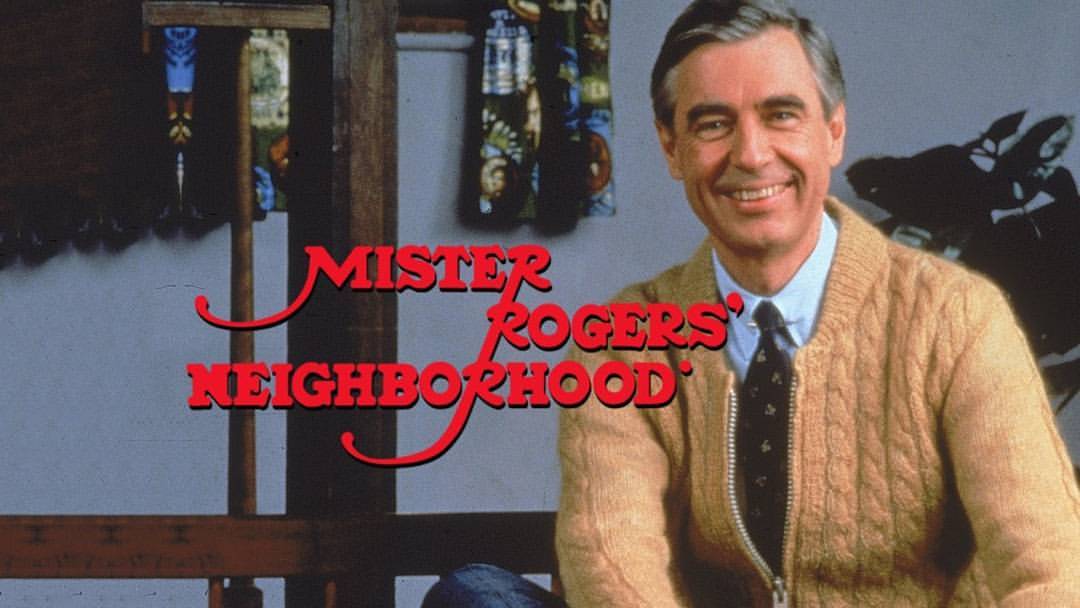
Sontag’s rules only emerged from her jour­nals after her death. She did not turn them into pub­lic par­ent­ing tips. But near­ly ten years after she wrote them, a man appeared on tele­vi­sion who seemed to embody their exac­ti­tude and sim­plic­i­ty. From the very begin­ning in 1968, Fred Rogers insist­ed that his show be built on strict rules. “There were no acci­dents on Mr. Rogers’ Neigh­bor­hood,” says for­mer pro­duc­er Arthur Green­wald. Or as Maxwell King, author of a recent biog­ra­phy on Rogers, writes at The Atlantic:

He insist­ed that every word, whether spo­ken by a per­son or a pup­pet, be scru­ti­nized close­ly, because he knew that children—the preschool-age boys and girls who made up the core of his audience—tend to hear things lit­er­al­ly…. He took great pains not to mis­lead or con­fuse chil­dren, and his team of writ­ers joked that his on-air man­ner of speak­ing amount­ed to a dis­tinct lan­guage they called “Fred­dish.”

In addi­tion to his con­sis­ten­cy, almost to the point of self-par­o­dy, Rogers made sure to always be absolute­ly crys­tal clear in his speech. He under­stood that young kids do not under­stand metaphors, most­ly because they haven’t learned the com­mon­ly agreed-upon mean­ings. Preschool-age chil­dren also have trou­ble under­stand­ing the same uses of words in dif­fer­ent con­texts. In one seg­ment on the show, for exam­ple, a nurse says to a child wear­ing a blood-pres­sure cuff, “I’m going to blow this up.”

Rogers had the crew redub the line with “’I’m going to puff this up with some air.’ ’Blow up’ might sound like there’s an explo­sion,” Green­wald remem­bers, “and he didn’t want kids to cov­er their ears and miss what would hap­pen next.” In anoth­er exam­ple, Rogers wrote a song called “You Can Nev­er Go Down the Drain,” to assuage a com­mon fear that very young chil­dren have. There is a cer­tain log­ic to the think­ing. Drains take things away, why not them?

Rogers “was extra­or­di­nar­i­ly good at imag­in­ing where children’s minds might go,” writes King, explain­ing to them, for exam­ple, that an oph­thal­mol­o­gist could not look into his mind and see his thoughts. His care with lan­guage so amused and awed the show’s cre­ative team that in 1977, Green­wald and writer Bar­ry Head cre­at­ed an illus­trat­ed satir­i­cal man­u­al called “Let’s Talk About Fred­dish.” Any­one who’s seen the doc­u­men­tary Won’t You Be My Neigh­bor? knows Rogers could take a good-natured joke at his expense, like­ly includ­ing the imag­i­na­tive recon­struc­tion of his meth­ods below.

  1. “State the idea you wish to express as clear­ly as pos­si­ble, and in terms preschool­ers can under­stand.” Exam­ple: It is dan­ger­ous to play in the street.
  2. “Rephrase in a pos­i­tive man­ner,” as in It is good to play where it is safe.
  3. “Rephrase the idea, bear­ing in mind that preschool­ers can­not yet make sub­tle dis­tinc­tions and need to be redi­rect­ed to author­i­ties they trust.” As in, “Ask your par­ents where it is safe to play.”
  4. “Rephrase your idea to elim­i­nate all ele­ments that could be con­sid­ered pre­scrip­tive, direc­tive, or instruc­tive.” In the exam­ple, that’d mean get­ting rid of “ask”: Your par­ents will tell you where it is safe to play.
  5. “Rephrase any ele­ment that sug­gests cer­tain­ty.” That’d be “will”: Your par­ents can tell you where it is safe to play.
  6. “Rephrase your idea to elim­i­nate any ele­ment that may not apply to all chil­dren.” Not all chil­dren know their par­ents, so: Your favorite grown-ups can tell you where it is safe to play.
  7. “Add a sim­ple moti­va­tion­al idea that gives preschool­ers a rea­son to fol­low your advice.” Per­haps: Your favorite grown-ups can tell you where it is safe to play. It is good to lis­ten to them.
  8. “Rephrase your new state­ment, repeat­ing the first step.” “Good” rep­re­sents a val­ue judg­ment, so: Your favorite grown-ups can tell you where it is safe to play. It is impor­tant to try to lis­ten to them.
  9. “Rephrase your idea a final time, relat­ing it to some phase of devel­op­ment a preschool­er can under­stand.” Maybe: Your favorite grown-ups can tell you where it is safe to play. It is impor­tant to try to lis­ten to them, and lis­ten­ing is an impor­tant part of grow­ing.

His crew respect­ed him so much that even their par­o­dies serve as slight­ly exag­ger­at­ed trib­utes to his con­cerns. Rogers adapt­ed his philo­soph­i­cal guide­lines from the top psy­chol­o­gists and child-devel­op­ment experts of the time. The 9 Rules (or maybe 9 Stages) of “Fred­dish” above, as imag­ined by Green­wald and Head, reflect their work. Maybe implied in the joke is that his metic­u­lous pro­ce­dure, con­sid­er­ing the pos­si­ble effects of every word, would be impos­si­ble to emu­late out­side of his script­ed encoun­ters with chil­dren, prepped for by hours of con­ver­sa­tion with child-devel­op­ment spe­cial­ist Mar­garet McFar­land.

Such is the kind of expe­ri­ence par­ents, teach­ers, and oth­er care­tak­ers nev­er have. But Rogers under­stood and acknowl­edged the unique pow­er and priv­i­lege of his role, more so than most every oth­er children’s TV pro­gram­mer. He made sure to get it right, as best he could, each time, not only so that kids could bet­ter take in the infor­ma­tion, but so the grown-ups in their lives could make them­selves bet­ter under­stood. Rogers want­ed us to know, says Green­wald, “that the inner life of chil­dren was dead­ly seri­ous to them,” and thus deserv­ing of care and recog­ni­tion.

via Men­tal Floss

Relat­ed Con­tent:

Watch a Marathon Stream­ing of All 856 Episodes of Mis­ter Rogers Neigh­bor­hood, and the Mov­ing Trail­er for the New Doc­u­men­tary, Won’t You Be My Neigh­bor?

Mis­ter Rogers Accepts a Life­time Achieve­ment Award, and Helps You Thank Every­one Who Has Made a Dif­fer­ence in Your Life

When Fred Rogers and Fran­cois Clem­mons Broke Down Race Bar­ri­ers on a His­toric Episode of Mis­ter Rogers’ Neigh­bor­hood (1969)

Josh Jones is a writer and musi­cian based in Durham, NC. Fol­low him at @jdmagness

« Go BackMore in this category... »
Quantcast