Becoming: A Short Timelapse Film Shows a Single Cell Morphing Into a Complete, Complex Living Organism

From Jan van IJken comes “Becom­ing,” a short time­lapse film that doc­u­ments “the mirac­u­lous gen­e­sis of ani­mal life.” He writes:

In great micro­scop­ic detail, we see the ‘mak­ing of’ an Alpine Newt in its transparant egg from the first cell divi­sion to hatch­ing. A sin­gle cell is trans­formed into a com­plete, com­plex liv­ing organ­ism with a beat­ing heart and run­ning blood­stream.

The first stages of embry­on­ic devel­op­ment are rough­ly the same for all ani­mals, includ­ing humans. In the film, we can observe a uni­ver­sal process which nor­mal­ly is invis­i­ble: the very begin­ning of an ani­mal’s life.

“Becom­ing” has been “select­ed at more than 20 inter­na­tion­al film fes­ti­vals and won the award for Best short doc­u­men­tary at Inns­bruck Nature Film Fes­ti­val 2018, Aus­tria.” Enjoy.

If you would like to sign up for Open Culture’s free email newslet­ter, please find it here. It’s a great way to see our new posts, all bun­dled in one email, each day.

If you would like to sup­port the mis­sion of Open Cul­ture, con­sid­er mak­ing a dona­tion to our site. It’s hard to rely 100% on ads, and your con­tri­bu­tions will help us con­tin­ue pro­vid­ing the best free cul­tur­al and edu­ca­tion­al mate­ri­als to learn­ers every­where. You can con­tribute through Pay­Pal, Patre­on, and Ven­mo (@openculture). Thanks!

via Twist­ed Sifter

Relat­ed Con­tent:

Free Online Biol­o­gy Cours­es

The Map of Biol­o­gy: Ani­ma­tion Shows How All the Dif­fer­ent Fields in Biol­o­gy Fit Togeth­er

Biol­o­gy That Makes Us Tick: Free Stan­ford Course by Robert Sapol­sky

by | Permalink | Make a Comment ( 2 ) |

Dieter Rams Lists the 10 Timeless Principles of Good Design–Backed by Music by Brian Eno

Near­ly all of us have heard the dic­tum “Less, but bet­ter,” and near­ly all of us have used Braun prod­ucts. But how many of us know that both of those owe their con­sid­er­able pop­u­lar­i­ty to the same man? After study­ing archi­tec­ture, inte­ri­or dec­o­ra­tion, and car­pen­try, the Ger­man indus­tri­al design­er Dieter Rams spent 40 years at Braun, most of them as the com­pa­ny’s chief design offi­cer. There he cre­at­ed such hits as the 606 uni­ver­sal shelv­ing sys­tem, the SK61 record play­er, and the ET66 cal­cu­la­tor. That last pro­vid­ed the mod­el for the cal­cu­la­tor appli­ca­tion inter­face in Apple’s iOS 3, among oth­er homages Apple has paid to Rams.

Rams, in turn, has been com­pli­men­ta­ry to Apple, call­ing it one of the few com­pa­nies in exis­tence that designs prod­ucts accord­ing to his prin­ci­ples. Any­one can sense the affin­i­ty between the most endur­ing Apple prod­ucts and Rams-designed Braun prod­ucts, but what are those prin­ci­ples?

You can hear them laid out by the man him­self him­self in the trail­er above for Rams, last year’s doc­u­men­tary by Gary Hus­twit, he of Hel­veti­ca (the doc­u­men­tary about the font) and Objec­ti­fied (the doc­u­men­tary about indus­tri­al design that fea­tured Rams as an inter­vie­wee). The list is as fol­lows:

  1. Good design is inno­v­a­tive. “Design always comes about in con­nec­tion with inno­v­a­tive tech­nol­o­gy. How can design be good if the tech­nol­o­gy is not on the same lev­el?”
  2. Good design makes a prod­uct use­ful. “Good design opti­mizes use­ful­ness and ignores any­thing that does­n’t serve the pur­pose or works against it.”
  3. Good design is aes­thet­ic. “Objects you use dai­ly sig­nif­i­cant­ly shape your sur­round­ings and your sense of well-being. Only some­thing that is well-made can be beau­ti­ful.”
  4. Good design makes a prod­uct under­stand­able. “It makes it easy to under­stand the struc­ture of the prod­uct. Even more, it can make the prod­uct ‘talk.’ Ide­al­ly, it explains itself best.”
  5. Good design is unob­tru­sive. “Prod­ucts that serve a pur­pose have the char­ac­ter­is­tics of a tool. Their design should be neu­tral and leave room for the user’s self-expres­sion.”
  6. Good design is hon­est. “Hon­est means not try­ing to make a prod­uct look more inno­v­a­tive, pow­er­ful, or valu­able than it real­ly is.”
  7. Good design is long-last­ing. “In con­trast to fash­ion­able design, it lasts many years even in our cur­rent throw­away soci­ety.”
  8. Good design is thor­ough down to the last detail. “Noth­ing should be arbi­trary or left to chance. Thor­ough­ness and pre­ci­sion are expres­sions of respect for the user.”
  9. Good design is envi­ron­men­tal­ly friend­ly. “Design makes an impor­tant con­tri­bu­tion to pre­serv­ing the envi­ron­ment. It con­serves resources and min­i­mizes phys­i­cal and visu­al pol­lu­tion.”
  10. Good design is as lit­tle design as pos­si­ble. “Back to sim­plic­i­ty. Back to puri­ty. Less, but bet­ter.”

The trail­er illus­trates each of these prin­ci­ples with one of Rams’ designs, devel­oped at Braun or else­where: the T 1000 CD radio, the MPZ 21 cit­rus juicer, the 740 stool, the 620 chair. Though designed forty, fifty, even six­ty years ago, these gad­gets and pieces of fur­ni­ture have stood the test of time. Some have even made a return to the mar­ket in recent years of our both aes­thet­i­cal­ly and envi­ron­men­tal­ly con­scious age. You can watch Rams on Vimeo on Demand, and if you do, you’ll not only get to enjoy its Bri­an Eno-com­posed score, you’ll learn much more about how Rams designed his most beloved prod­ucts — and about where he still sees ways to improve them. That holds true even for his design prin­ci­ples them­selves: “I always empha­sized that they weren’t meant to last for­ev­er,” he says. “They should be updat­ed.”

via Uncrate

Relat­ed Con­tent:

Bauhaus, Mod­ernism & Oth­er Design Move­ments Explained by New Ani­mat­ed Video Series

Pao­la Antonel­li on Design as the Inter­face Between Progress and Human­i­ty

Saul Bass’ Oscar-Win­ning Ani­mat­ed Short Pon­ders Why Man Cre­ates

Saul Bass’ Advice for Design­ers: Make Some­thing Beau­ti­ful and Don’t Wor­ry About the Mon­ey

Sketch­es of Artists by the Late New Media Design­er Hill­man Cur­tis

Abstract: Netflix’s New Doc­u­men­tary Series About “the Art of Design” Pre­mieres Today

Based in Seoul, Col­in Mar­shall writes and broad­casts on cities, lan­guage, and cul­ture. His projects include the book The State­less City: a Walk through 21st-Cen­tu­ry Los Ange­les and the video series The City in Cin­e­ma. Fol­low him on Twit­ter at @colinmarshall or on Face­book.

Neil Gaiman Reads His Manifesto on Making Art: Features the 10 Things He Wish He Knew As a Young Artist

I think you’re absolute­ly allowed sev­er­al min­utes, pos­si­bly even half a day to feel very, very sor­ry for your­self indeed. And then just start mak­ing art. — Neil Gaiman

It’s a bit ear­ly in the year for com­mence­ment speech­es, but for­tu­nate­ly for life­long learn­ers who rely on a steady drip of inspi­ra­tion and encour­age­ment, author Neil Gaiman excels at putting old wine in new bot­tles.

He repur­posed his keynote address to Philadel­phi­a’s Uni­ver­si­ty of the Arts’ Class of 2012 for Art Mat­ters: Because Your Imag­i­na­tion Can Change the World, a slim vol­ume with hand let­ter­ing and illus­tra­tions by Chris Rid­dell.

The above video cap­tures the fre­quent col­lab­o­ra­tors appear­ing togeth­er last fall at the East Lon­don cul­tur­al cen­ter Evo­lu­tion­ary Arts Hack­ney in a fundrais­er for Eng­lish PEN, the found­ing branch of the world­wide lit­er­ary defense asso­ci­a­tion. While Gaiman reads aloud in his affa­ble, ever-engag­ing style, Rid­dell uses a brush pen to bang out 4 3/4 line draw­ings, riff­ing on Gaiman’s metaphors.

While the art-mak­ing “rules” Gaiman enu­mer­ates here­in have been extrap­o­lat­ed and wide­ly dis­sem­i­nat­ed (includ­ing, nev­er fear, below), it’s worth hav­ing a look at why this event called for a live illus­tra­tor.

Leav­ing aside the fact that each tick­et pur­chas­er got a copy of Art Mat­ters, auto­graphed by both men, and a large signed print was auc­tioned off on behalf of Eng­lish PEN, Gaiman holds illus­tra­tions in high regard.

His work includes pic­ture books, graph­ic nov­els, and light­ly illus­trat­ed nov­els for teens and young adults, and as a mature read­er, he, too, delights in visu­als, sin­gling out Frank C. Papé’s draw­ings for the decid­ed­ly “adult” 1920s fan­ta­sy nov­els of James Branch Cabell. (1929’s Some­thing about Eve fea­tured a bux­om female char­ac­ter angri­ly fry­ing up her hus­band’s man­hood for din­ner and an erot­ic entry­way that would have thrilled Dr. Seuss.)

In an inter­view with Water­stones book­sellers upon the pub­li­ca­tion of Nev­er­where anoth­er col­lab­o­ra­tion with Rid­dell, Gaiman mused:

…a good illus­tra­tor, for me, is like going to see a play. You are going to get some­thing brought to life for you by a spe­cif­ic cast in a spe­cif­ic place. That way of illus­trat­ing will nev­er hap­pen again. You know, some­body else could illus­trate it—there are hun­dreds of dif­fer­ent Alice in Won­der­lands.

Which we could cer­tain­ly take to mean that if Riddell’s style doesn’t grab you the way it grabs Gaiman (and the juries for sev­er­al pres­ti­gious awards) per­haps you should tear your eyes away from the screen and illus­trate what you hear in the speech.

Do you need to know how to draw as well as he does? The rules, below, sug­gest not. We’d love to take a peek inside your sketch­book after.

  1. Embrace the fact that you’re young. Accept that you don’t know what you’re doing. And don’t lis­ten to any­one who says there are rules and lim­its.

  2. If you know your call­ing, go there. Stay on track. Keep mov­ing towards it, even if the process takes time and requires sac­ri­fice.

  3. Learn to accept fail­ure. Know that things will go wrong. Then, when things go right, you’ll prob­a­bly feel like a fraud. It’s nor­mal.

  4. Make mis­takes, glo­ri­ous and fan­tas­tic ones. It means that you’re out there doing and try­ing things.

  5. When life gets hard, as it inevitably will, make good art. Just make good art.

  6. Make your own art, mean­ing the art that reflects your indi­vid­u­al­i­ty and per­son­al vision.

  7. You get free­lance work if your work is good, if you’re easy to get along with, and if you’re on dead­line. Actu­al­ly you don’t need all three. Just two.

  8. Enjoy the ride. Don’t fret it all away. (That one comes com­pli­ments of Stephen King.)

  9. Be wise and accom­plish things in your career. If you have prob­lems get­ting start­ed, pre­tend you’re some­one who is wise, who can get things done. It will help you along.

  10. Leave the world more inter­est­ing than it was before.

Read a com­plete tran­script of the speech here.

Relat­ed Con­tent:

Neil Gaiman Teach­es the Art of Sto­ry­telling in His New Online Course

Hear Neil Gaiman Read a Beau­ti­ful, Pro­found Poem by Ursu­la K. Le Guin to His Cousin on Her 100th Birth­day

18 Sto­ries & Nov­els by Neil Gaiman Online: Free Texts & Read­ings by Neil Him­self

Ayun Hal­l­i­day is an author, illus­tra­tor, the­ater mak­er and Chief Pri­ma­tol­o­gist of the East Vil­lage Inky zine.  See her onstage in New York City tonight as host of The­ater of the Apes’ month­ly  book-based vari­ety show, Necro­mancers of the Pub­lic Domain. Fol­low her @AyunHalliday.

Historic Manuscript Filled with Beautiful Illustrations of Cuban Flowers & Plants Is Now Online (1826 )

The inter­net has become an essen­tial back up sys­tem for thou­sands of pieces of his­tor­i­cal art, sci­ence, and lit­er­a­ture, and also for a spe­cial­ized kind of text incor­po­rat­ing them all in degrees: the illus­trat­ed nat­ur­al sci­ence book, from the gold­en ages of book illus­tra­tion and philo­soph­i­cal nat­u­ral­ism in Europe and the Amer­i­c­as. We’ve seen some fine dig­i­tal repro­duc­tions of the illus­trat­ed Nomen­cla­ture of Col­ors by Abra­ham Got­t­lob Wern­er, for example—a book that accom­pa­nied Dar­win on his Bea­gle voy­age.

The same source has also brought us a won­der­ful­ly illus­trat­ed, influ­en­tial 1847 edi­tion of Euclid’s Ele­ments, with a sem­a­phore-like design that col­or-codes and delin­eates each axiom. And we’ve seen Emi­ly Noyes Vanderpoel’s 1903 Col­or Prob­lems: a Prac­ti­cal Man­u­al for the Lay Stu­dent of Col­or come online (and back in print), a study whose ideas would lat­er show up in the work of mod­ern min­i­mal­ists like Josef Albers.

Above and below, you can see just a frac­tion of the illus­tra­tions from anoth­er exam­ple of a remark­able illus­trat­ed sci­en­tif­ic book, also by a woman on the edge of being for­got­ten: Nan­cy Anne Kings­bury Woll­stonecraft’s 1826 Spec­i­mens of the Plants and Fruits of the Island of Cuba.

This study of Cuban plant life might nev­er have seen the light of day were it not for the new online edi­tion from the HathiTrust dig­i­tal library, “by way of Cor­nell University’s Library Divi­sion of Rare and Man­u­script Col­lec­tions,” notes Atlas Obscu­ra. The book is notable for more than its obscu­ri­ty, how­ev­er. It is, says schol­ar of Cuban his­to­ry and cul­ture Emilio Cue­to, “the most impor­tant cor­pus of plant illus­tra­tions in Cuba’s colo­nial his­to­ry.” Its author first began work when she moved to the island after her hus­band, Charles Woll­stonecraft (broth­er of Mary and uncle of Mary Shel­ley) died in 1817.

She began doc­u­ment­ing the plant life in the region of Matan­zas through the 1820s. That research became Spec­i­mens of the Plants and Fruits of the Island of Cuba, a metic­u­lous study, full of Wollstonecraft’s vibrant, strik­ing water­col­ors. After mak­ing sev­er­al attempts at pub­li­ca­tion, she died in 1828, and the man­u­script nev­er appeared in pub­lic. Now, almost two cen­turies lat­er, all three vol­umes are avail­able to read online and down­load in PDF. They had been dor­mant at the Cor­nell Uni­ver­si­ty Library, and few peo­ple knew very much about them. Cue­to, the schol­ar most famil­iar with the man­u­scrip­t’s place in his­to­ry, had him­self searched for it for 20 years before find­ing it hid­den away at Cor­nell in 2018.

Now it is freely avail­able to any­one and every­one online, part of an expand­ing, shared online archive of fas­ci­nat­ing works by non-pro­fes­sion­al sci­en­tists and math­e­mati­cians whose work was painstak­ing­ly inter­pret­ed by artists for the ben­e­fit of a lay read­er­ship. In the case of Woll­stonecraft, as with Goethe and many oth­er con­tem­po­rary schol­ar-artists, we have the two in one. View and down­load her 220-page work, with its 121 illus­trat­ed plates at the HathiTrust Dig­i­tal Library.

via Cor­nell/Atlas Obscu­ra

Relat­ed Con­tent:

A Vision­ary 115-Year-Old Col­or The­o­ry Man­u­al Returns to Print: Emi­ly Noyes Vanderpoel’s Col­or Prob­lems

Explore an Inter­ac­tive Ver­sion of The Wall of Birds, a 2,500 Square-Foot Mur­al That Doc­u­ments the Evo­lu­tion of Birds Over 375 Mil­lion Years

Two Mil­lion Won­drous Nature Illus­tra­tions Put Online by The Bio­di­ver­si­ty Her­itage Library

Wagashi: Peruse a Dig­i­tized, Cen­turies-Old Cat­a­logue of Tra­di­tion­al Japan­ese Can­dies

Josh Jones is a writer and musi­cian based in Durham, NC. Fol­low him at @jdmagness

George Orwell’s Essay “British Cookery” is Officially Published 70 Years After It Was Rejected by the British Council (1946)

Image by BBC, via Wiki­me­dia Com­mons

Voltaire once joked that Britain had “a hun­dred reli­gions and only one sauce.” In my expe­ri­ence, that sauce is a cur­ry, which was already a British sta­ple in Voltaire’s time. No doubt he had some­thing much bland­er in mind. Of course, it’s all hyper­bol­ic fun until some­one takes offense, as did George Orwell in 1946, when he wrote, against Voltaire­an stereo­types, about the mis­un­der­stood plea­sures of British food. His essay, “British Cook­ery,” was com­mis­sioned by the British Coun­cil, but they sub­se­quent­ly deemed that it would be “’unwise to pub­lish,’” reports the Dai­ly Mail, “so soon after the hun­gry win­ter of 1946 and wartime rationing.”

Not that it mat­ters much now, but the Coun­cil has for­mal­ly apol­o­gized to the deceased Orwell, over 70 years lat­er. Senior pol­i­cy ana­lyst Alas­dair Don­ald­son explains they are “delight­ed to make amends” by pub­lish­ing the essay in full, along­side “the unfor­tu­nate rejec­tion let­ter.” You can read it here at the British Coun­cil site. Orwell grants that the British diet is “sim­ple, rather heavy, per­haps slight­ly bar­barous… with its main empha­sis on sug­ar and ani­mal fats…. Cheap restau­rants in Britain are almost invari­ably bad, while in expen­sive restau­rants the cook­ery is almost always French, or imi­ta­tion French.”

Else­where, he con­cedes, “the British are not great eaters of sal­ads.” Indeed, he says, “the two great short­com­ings of British cook­ery are a fail­ure to treat veg­eta­bles with due seri­ous­ness, and an exces­sive use of sug­ar.” He does go on at length, in fact, about what sounds like a nation­al epi­dem­ic of sug­ar addic­tion. Such laps­es of taste are also what we would now label a nutri­tion­al emer­gency. He may seem to grant too much to crit­ics of British cook­ing. But this is main­ly by con­trast with spici­er, more veg­etable-friend­ly cuisines of the con­ti­nent and colonies. The kind of cook­ing he describes makes cre­ative­ly var­ied uses of stur­dy but lim­it­ed local resources (except for the sug­ar).

Orwell’s bru­tal hon­esty about British food’s defi­cien­cies makes him sound like a trust­wor­thy guide to its true delights. One of the truths he tells is that “British cook­ery dis­plays more vari­ety and more orig­i­nal­i­ty than for­eign vis­i­tors are usu­al­ly ready to allow.” The aver­age vis­i­tor encoun­ters British food prin­ci­pal­ly in restau­rants, pubs, and hotels, which, “whether cheap or expen­sive” are not rep­re­sen­ta­tive of “the diet of the great mass of the peo­ple.” This may be said of many region­al cuisines. But Orwell is devot­ed to a native British cook­ing which had, at the time, almost dis­ap­peared after six years of war rationing.

This cook­ing is rich in roast and cold meats, cheeses, breads, York­shire and suet pud­dings, pota­toes and turnips. The British diet is, or was, Orwell writes, eat­en by the low­er and upper class­es alike, under dif­fer­ent names and prices. Sea­son­ings are few. “Gar­lic, for instance, is unknown in British cook­ery prop­er.” What stands out is mint, vine­gar, but­ter, dried fruits, jam, and mar­malade.

Orwell him­self includ­ed a mar­malade recipe. (A hand­writ­ten note reads “Bad recipe! Too much sug­ar and water.”), which you can see below. Decide for your­self how much sug­ar to add.

ORANGE MARMALADE 

Ingre­di­ents:

2 seville oranges

2 sweet oranges (no)

2 lemons (no)

8lbs of pre­serv­ing sug­ar

8 pints of water

Method. Wash and dry the fruit. Halve them and squeeze out the juice. Remove some of the pith, then shred the fruit fine­ly. Tie the pips in a muslin bag. Put the strained juice, rind and pips into the water and soak for 48 hours. Place in a large pan and sim­mer for 1/2 hours until the rind is ten­der. Leave to stand overnight, then add the sug­ar and let it dis­solve before bring­ing to the boil. Boil rapid­ly until a lit­tle of the mix­ture will set into a jel­ly when placed on a cold plate. Pour into jars which have been heat­ed before­hand, and cov­er with paper cov­ers.

An increas­ing num­ber of peo­ple are cut­ting back or quit­ting near­ly every main ingre­di­ent in what Orwell describes as authen­tic British cook­ing: from meat to dairy to gluten to sug­ar to suet…. But if we are going to give it a fair shake, he argues, we must try the real thing. Or his ver­sion of it any­way. He includes sev­er­al more recipes: Welsh rarebit, York­shire pud­ding, trea­cle tart, plum cake, and Christ­mas pud­ding.

Orwell’s “British Cook­ery” wars with itself and comes to terms. He fills each para­graph with frank acknowl­edge­ments of British cuisine’s short­com­ings, yet he rel­ish­es its sim­ple, sol­id virtues. He writes that “British cook­ery” is “best stud­ied in pri­vate hous­es, and more par­tic­u­lar­ly in the homes of the mid­dle-class and work­ing-class mass­es who have not become Euro­peanized in their tastes.” It’s a kind of cul­tur­al nation­al­ism, but per­haps one sug­gest­ing those who want oth­ers to under­stand and appre­ci­ate a spe­cif­ic kind British cul­ture should invite out­siders in to share a meal.

Relat­ed Con­tent:

George Orwell Explains How to Make a Prop­er Cup of Tea

Try George Orwell’s Recipe for Christ­mas Pud­ding, from His Essay “British Cook­ery” (1945)

George Orwell’s Five Great­est Essays (as Select­ed by Pulitzer-Prize Win­ning Colum­nist Michael Hiltzik)

Food­ie Alert: New York Pub­lic Library Presents an Archive of 17,000 Restau­rant Menus (1851–2008)

Josh Jones is a writer and musi­cian based in Durham, NC. Fol­low him at @jdmagness

Download Free Coloring Books from 113 Museums

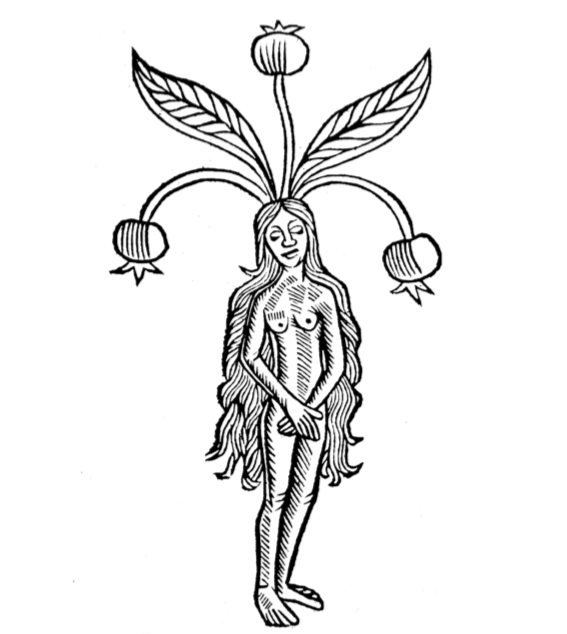
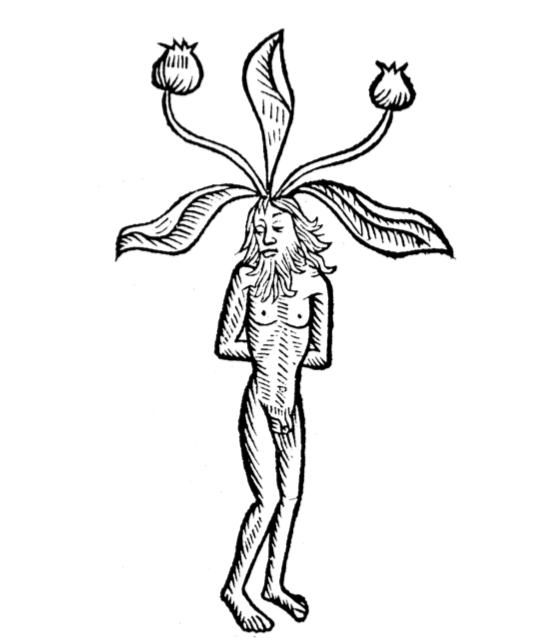
One can only col­or so many flo­ral-trimmed affir­ma­tions before one begins to crave some­thing slight­ly more per­verse. An ema­ci­at­ed, naked, anthro­po­mor­phized man­drake root, say or…

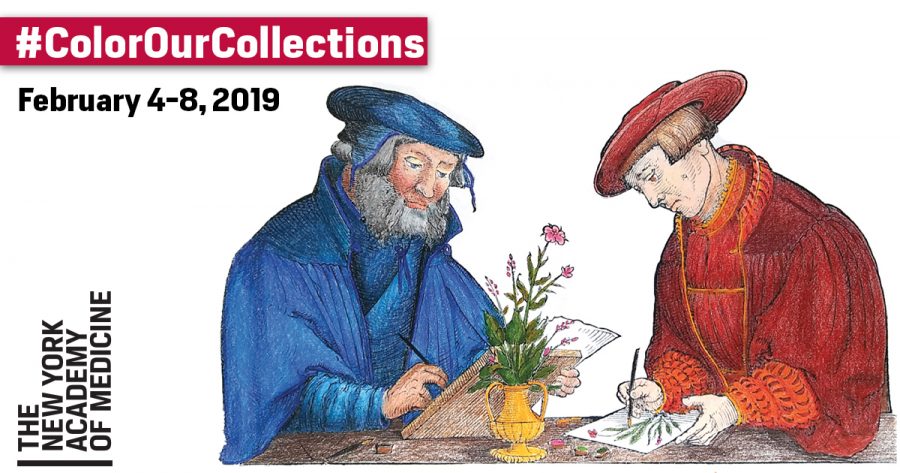
Thy wish is our com­mand, but be pre­pared to hus­tle, because today is the final day of Col­or Our Col­lec­tions, a com­pelling­ly demo­c­ra­t­ic ini­tia­tive on the part of the New York Acad­e­my of Med­i­cine.

Since 2016, the Acad­e­my has made an annu­al prac­tice of invit­ing oth­er libraries, archives, and cul­tur­al insti­tu­tions around the world to upload PDF col­or­ing pages based on their col­lec­tions for the pub­lic’s free down­load.

This year 113 insti­tu­tions took the bait.

Our host, the New York Acad­e­my of Med­i­cine kicks things off with the afore­men­tioned man­drakes, and then some.

Med­ical sub­jects are a pop­u­lar theme here. You’ll find plen­ty of organs and oth­er rel­e­vant details to col­or, com­pli­ments of Boston’s Count­way Library’s Cen­ter for the His­to­ry of Med­i­cineLondon’s Roy­al Col­lege of Physi­cians, and the His­tor­i­cal Med­ical Library of The Col­lege of Physi­cians of Philadel­phia (aka the Müt­ter Muse­um).

The col­or­ing book of the Richard­son-Sloane Spe­cial Col­lec­tions Cen­ter at the Dav­en­port Pub­lic Library is a bit more all-ages. They cer­tain­ly remind me of my child­hood. The work of native son, Patrick J. Costel­lo, above, fig­ures heav­i­ly here. Either he deserves a lot of cred­it for devel­op­ing the School House Rock aes­thet­ic, or he was one of a num­ber of hard work­ing illus­tra­tors tap­ping into the cartoon‑y, thick-nibbed zeit­geist

The Andover-Har­vard The­o­log­i­cal Library’s col­or­ing book has some divine options for those who would use their col­or­ing pages as DIY 16th-cen­tu­ry book­plates or alpha­bet primers.

Those who need some­thing more com­plex will appre­ci­ate the intri­cate maps of the Lithuan­ian Art Museum’s col­or­ing book. Col­or­ing Franz Hogenberg’s 1581 map of Vil­nius is the emo­tion­al equiv­a­lent of walk­ing the labyrinth for god knows how many hours.
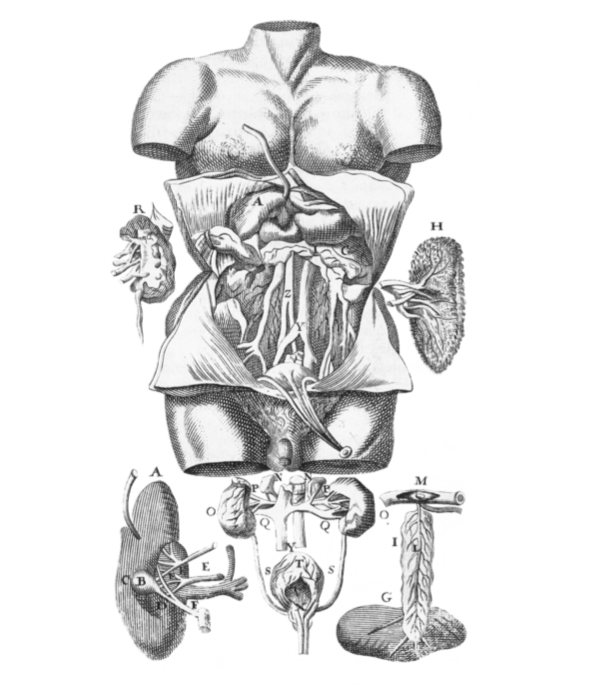
As befits a con­tent web­site-cum-dig­i­tal-Nation­al-Library, the Memo­ria Chile­na Col­or­ing Book 2019 has some­thing for every taste: flayed anatom­i­cal stud­ies, 1940’s fash­ions, curi­ous kit­ty cats, and a heap­ing help­ing of jesters.

Check out all your options here.

Once you’ve had your way with the Cray­olas, please share your cre­ations with the world, using the hash­tag #Col­or­Our­Col­lec­tions.

Par­tic­i­pat­ing Insti­tu­tions 2019

The New York Acad­e­my of Med­i­cine Library

Roy­al Col­lege of Physi­cians, Lon­don

OHSU His­tor­i­cal Col­lec­tions & Archives

Uni­ver­si­ty of Wis­con­sin-Mil­wau­kee Spe­cial Col­lec­tions

Swarth­more Col­lege Libraries

South Car­oli­na State Library

Shenan­doah Coun­ty Library, Truban Archives

Bib­liote­ca de la Uni­ver­si­dad de Zaragoza

Christ’s Col­lege Library, Cam­bridge

Tow­er Hill Botan­ic Gar­den

Uni­ver­si­ty of Water­loo Spe­cial Col­lec­tions & Archives

Wagenin­gen Uni­ver­si­ty & Research

Brunel Uni­ver­si­ty Spe­cial Col­lec­tions

Hawaii State Foun­da­tion on Cul­ture and the Arts

Wash­ing­ton State Library

Saint Fran­cis de Sales Parish Unit­ed by the Most Blessed Sacra­ment Parish His­to­ry Archives

Get­ty Research Insti­tute

Auck­land Muse­um

Loy­ola Uni­ver­si­ty Chica­go Archives & Spe­cial Col­lec­tions

Seton Hall Uni­ver­si­ty Libraries

Bib­lio­theque interuni­ver­si­taire de Sante, Paris

Dig­i­tal Library at Vil­lano­va Uni­ver­si­ty

West Vir­ginia and Region­al His­to­ry Cen­ter

Bass Library, Yale Uni­ver­si­ty Library

Uni­ver­si­ty of Kansas Libraries

Med­ical Her­itage Library

The Ohio State Uni­ver­si­ty Health Sci­ences Library

Uni­ver­si­ty of Mass­a­chu­setts Amherst Libraries

Rut­gers Uni­ver­si­ty Spe­cial Col­lec­tions and Uni­ver­si­ty Archives

Uni­ver­si­ty of British Colum­bia Library

Nation­al Library of Med­i­cine

Sci­ence His­to­ry Insti­tute

Rick­er Library of Archi­tec­ture and Art at the Uni­ver­si­ty of Illi­nois

Chau­tauqua Insti­tu­tion Archives

Bib­lio­theque et Archives nationales du Que­bec

The LuEs­ther T. Mertz Library of the New York Botan­i­cal Gar­den

Auburn Uni­ver­si­ty Spe­cial Col­lec­tions and Archives

Open Muse­um, Acad­e­mia Sini­ca Cen­ter for Dig­i­tal Cul­tures

Les Champs Libres

Lithuan­ian Art Muse­um

Memo­ria Chile­na

Bar­ret Library, Rhodes Col­lege

Wales High­er Edu­ca­tion Libraries Forum (WHELF)

Roy­al Anthro­po­log­i­cal Insti­tute

Delaware Muse­um of Nat­ur­al His­to­ry

James Madi­son Uni­ver­si­ty Libraries

Utah State Uni­ver­si­ty Libraries Spe­cial Col­lec­tions & Archives

Stevens Insti­tute of Tech­nol­o­gy / Archives & Spe­cial Col­lec­tions

War­ing His­tor­i­cal Library of the Med­ical Uni­ver­si­ty of South Car­oli­na

Bernard Beck­er Med­ical Library at Wash­ing­ton Uni­ver­si­ty in St. Louis

Uni­ver­si­ty of Puget Sound

Drex­el Uni­ver­si­ty Col­lege of Med­i­cine Lega­cy Cen­ter Archives and Spe­cial Col­lec­tions

Queens’ Col­lege Library, Cam­bridge

Stadt­bib­lio­thek Koeln

Andover-Har­vard The­o­log­i­cal Library

Rare Book and Man­u­script CRAI Library at Uni­ver­si­ty of Barcelona

New­ber­ry Library

His­tor­i­cal Med­ical Library of The Col­lege of Physi­cians of Philadel­phia

Lam­beth Palace Library

Fol­ger Shake­speare Library

Uni­ver­si­ty of Glas­gow Archives and Spe­cial Col­lec­tions

John J. Burns Library

Bio­di­ver­si­ty Her­itage Library

The Uni­ver­si­ty of Iowa Libraries, Iowa Dig­i­tal Library

Ten­nessee State Muse­um

Cen­ter for the His­to­ry of Med­i­cine, Count­way LIbrary

Russ­ian State Library

South Car­oli­na His­tor­i­cal Soci­ety

Library Com­pa­ny of Philadel­phia

The Burke Library at Union The­o­log­i­cal Sem­i­nary

Pratt Insti­tute Archives

The Chil­dren’s Muse­um of Indi­anapo­lis

Wan­gen­steen His­tor­i­cal Library of Biol­o­gy and Med­i­cine, Uni­ver­si­ty of Min­neso­ta Libraries

Wash­ing­ton Uni­ver­si­ty Libraries Julian Edi­son Depart­ment of Spe­cial Col­lec­tions

Libraries and Cul­tur­al Resources, Uni­ver­si­ty of Cal­gary

Leonard H. Axe Library, Pitts­burg State Uni­ver­si­ty

Susque­han­na Uni­ver­si­ty, Blough-Weis Library

Richard­son-Sloane Spe­cial Col­lec­tions Cen­ter, Dav­en­port Pub­lic Library

Den­ver Pub­lic Library, West­ern His­to­ry and Geneal­o­gy

Find­lay-Han­cock Coun­ty Pub­lic Library

North­ern Illi­nois Uni­ver­si­ty

Escuela Supe­ri­or de Artes de Yucatan

Lake Coun­ty Pub­lic Library

Unit­ed Nations Library Gene­va

Jele­niorskie Cen­trum Infor­ma­cji i Edukacji Region­al­nej Ksi­azni­ca Karkonos­ka

Women and Lead­er­ship Archives, Loy­ola Uni­ver­si­ty Chica­go

Grand Portage Nation­al Mon­u­ment Archives Col­lec­tion

Jagiel­lon­ian Library

Botan­i­cal Research Insti­tute of Texas

Uni­ver­si­ty of North Texas Libraries

Lehigh Uni­ver­si­ty Libraries Spe­cial Col­lec­tions

Rare Book and Man­u­script Library at the Uni­ver­si­ty of Illi­nois at Urbana-Cham­paign

Mass­a­chu­setts Gen­er­al Hos­pi­tal Archives & Spe­cial Col­lec­tions

Clark Spe­cial Col­lec­tions, McDer­mott Library, USAFA

Bib­lio­theque nationale de France

Cen­tre for Chi­nese Con­tem­po­rary Art Archive & Library

Shangri La Muse­um of Islam­ic Art, Cul­ture & Design

British Library

West­ern Uni­ver­si­ty Archives and Spe­cial Col­lec­tions

Euro­peana

Den­ver Botan­ic Gar­dens

Med­Chi, The Mary­land State Med­ical Soci­ety

Grin­nell Col­lege Libraries

Uni­ver­si­ty of Mary­land, Bal­ti­more Coun­ty (UMBC)

His­tor­i­cal Soci­ety of Penn­syl­va­nia

Nation­al Library of Rus­sia

East­ern Ken­tucky Uni­ver­si­ty Spe­cial Col­lec­tions & Archives

Nume­lyo

Louisiana State Uni­ver­si­ty Spe­cial Col­lec­tions

New York State Library

North Car­oli­na Pot­tery Cen­ter

Roy­al Hor­ti­cul­tur­al Soci­ety Libraries

Library of Vir­ginia

Relat­ed Con­tent:

Ayun Hal­l­i­day is an author, illus­tra­tor, the­ater mak­er and Chief Pri­ma­tol­o­gist of the East Vil­lage Inky zine.  See her onstage in New York City this Mon­day as host of  The­ater of the Apes book-based vari­ety show, Necro­mancers of the Pub­lic Domain. Fol­low her @AyunHalliday.

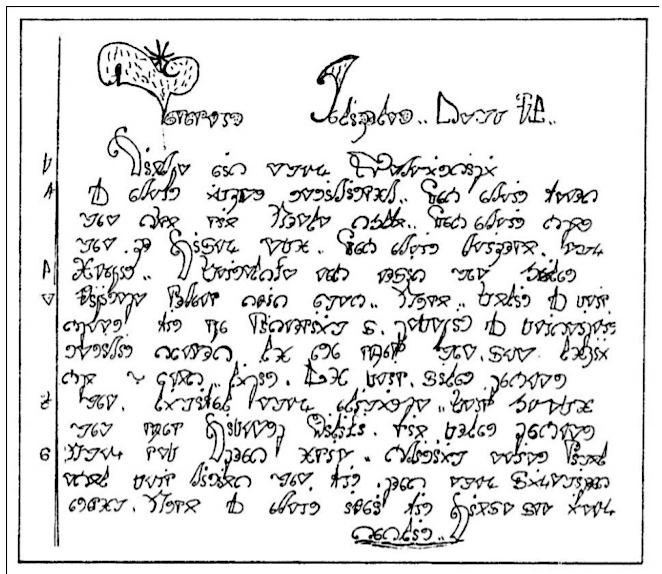
The Atlas of Endangered Alphabets: A Free Online Atlas That Helps Preserve Writing Systems That May Soon Disappear

The Unit­ed Nations, as you may or may not know, has des­ig­nat­ed 2019 the Year of Indige­nous Lan­guages. By for­tu­nate coin­ci­dence, this year also hap­pens to mark the tenth anniver­sary of the Endan­gered Alpha­bets Project. In 2009, its founder writes, “times were dark for indige­nous and minor­i­ty cul­tures.” Tele­vi­sion and the inter­net had dri­ven “a kind of cul­tur­al impe­ri­al­ism into every cor­ner of the world. Every­one had a screen or want­ed a screen, and the Eng­lish lan­guage and the Latin alpha­bet (or one of the half-dozen oth­er major writ­ing sys­tems) were on every screen and every key­board” — putting at a great dis­ad­van­tage those who could only read and write, say, Man­dombe, Wan­cho, or Han­i­fi Rohingya.

2019, by con­trast, turns out to be “a remark­able time in the his­to­ry of writ­ing sys­tems” when, “in spite of creep­ing glob­al­iza­tion, polit­i­cal oppres­sion, and eco­nom­ic inequal­i­ties, minor­i­ty cul­tures are start­ing to revive inter­est in their tra­di­tion­al scripts.”

A vari­ety of these scripts have found new lives as the mate­r­i­al for works of art and design, and they’ve also received new waves of preser­va­tion-mind­ed atten­tion from activist groups and gov­ern­ments alike. But that does­n’t guar­an­tee their sur­vival through the 21st cen­tu­ry, an unfor­tu­nate fact toward which the Endan­gered Alpha­bets Pro­jec­t’s Atlas of Endan­gered Alpha­bets exists to draw atten­tion.

Not all the scripts includ­ed in the Atlas are alpha­bets — “some are abjads, or abugi­das, or syl­labaries. A cou­ple are even pic­to­graph­ic sys­tems” — but all lack “offi­cial sta­tus in their coun­try, state, or province” and “are not taught in gov­ern­ment-fund­ed schools.” All once enjoyed “wide­spread accep­tance and use with­in their cul­tur­al and lin­guis­tic com­mu­ni­ty,” but none do any longer, and though none are actu­al­ly extinct, all suf­fer from endan­ger­ment as a con­se­quence of their declin­ing or emerg­ing sta­tus (as well as, often, of “being dom­i­nat­ed, bul­lied, ignored, or active­ly per­se­cut­ed by anoth­er, more pow­er­ful cul­ture”). You can explore the endan­gered lan­guages by scrolling, zoom­ing, and click­ing the world map on the atlas’ front page.

Or you can browse them all, from Adlam to Zo, on an alpha­bet­i­cal­ly ordered list — ordered, of course, by the Roman alpha­bet, but full of exam­ples of writ­ing sys­tems that dif­fer in many and often sur­pris­ing ways from it. Take, for exam­ple, the African Ditema tsa Dinoko script, which allows the writer to express with not just shape but col­or. Devel­oped between 2010 and 2015 to write south­ern Ban­tu lan­guages, it takes its forms from south­ern African murals of the kind paint­ed by Esther Mahlangu, whose BMW art car appears in the Atlas of Endan­gered Alpha­bets’ gallery. BMW might con­sid­er com­mis­sion­ing anoth­er one embla­zoned with offi­cial Ditema tsa Dinoko let­ters. With pro­mo­tion that snazzy, what writ­ing sys­tem could pos­si­bly go extinct?

via Kot­tke

Relat­ed Con­tent:

The Evo­lu­tion of the Alpha­bet: A Col­or­ful Flow­chart, Cov­er­ing 3,800 Years, Takes You From Ancient Egypt to Today

Opti­cal Scan­ning Tech­nol­o­gy Lets Researchers Recov­er Lost Indige­nous Lan­guages from Old Wax Cylin­der Record­ings

Dic­tio­nary of the Old­est Writ­ten Language–It Took 90 Years to Com­plete, and It’s Now Free Online

How to Write in Cuneiform, the Old­est Writ­ing Sys­tem in the World: A Short, Charm­ing Intro­duc­tion

You Could Soon Be Able to Text with 2,000 Ancient Egypt­ian Hiero­glyphs

Hear What the Lan­guage Spo­ken by Our Ances­tors 6,000 Years Ago Might Have Sound­ed Like: A Recon­struc­tion of the Pro­to-Indo-Euro­pean Lan­guage

Based in Seoul, Col­in Mar­shall writes and broad­casts on cities, lan­guage, and cul­ture. His projects include the book The State­less City: a Walk through 21st-Cen­tu­ry Los Ange­les and the video series The City in Cin­e­ma. Fol­low him on Twit­ter at @colinmarshall or on Face­book.

In the 1920s America, Jazz Music Was Considered Harmful to Human Health, the Cause of “Neurasthenia,” “Perpetually Jerking Jaws” & More

These are some inter­est­ing sto­ries about the Nazis and jazz, includ­ing one about a very bad jazz pro­pa­gan­da band cre­at­ed by Goebbels him­self. But we need not men­tion these at all, or even leave the shores of jazz’s birth­place to find exam­ples of extreme reac­tions to jazz by author­i­tar­i­an fig­ures who hat­ed and feared it for exact­ly the same rea­sons as the Nazis. Chief among such Amer­i­can ene­mies of jazz was rag­ing anti-Semi­te Hen­ry Ford, who feared that jazz was, you guessed it, a Jew­ish plot to infect the coun­try with racial­ly infe­ri­or “musi­cal slush.”

Ford used white coun­try music and square danc­ing in pub­lic schools as weapons of war­fare against jazz in the 1920s, there­by dis­plac­ing black­face min­strel­sy as the dom­i­nant form of para­noid response to black music in mid­dle Amer­i­ca. Anoth­er cru­sad­er, Har­ry Anslinger, com­mis­sion­er of the Fed­er­al Bureau of Nar­cotics between 1930 and 1962, more or less invent­ed the war on drugs with his reefer mad­ness war on jazz. He said it sound­ed like “the jun­gles in the dead of night” and could “lure white women.” Anslinger relent­less­ly per­se­cut­ed Bil­lie Hol­i­day and went after Thelo­nious Monk, Dizzy Gille­spie, Duke Elling­ton, and Louis Arm­strong.

It was with­in this ear­ly 20th cen­tu­ry milieu that oth­er insti­tu­tion­al powers—some of the country’s most powerful—declared a war on jazz for sup­posed rea­sons of pub­lic health. (A move­ment, inci­den­tal­ly, giv­en to an enthu­si­asm for eugen­ics and forced ster­il­iza­tion at the time.) His­to­ri­an Rus­sell L. John­son has doc­u­ment­ed this cam­paign in the jour­nal Health and His­to­ry, and Jessie Wright-Men­doza describes many of his find­ings at JStor Dai­ly.

Milwaukee’s pub­lic health com­mis­sion­er claimed that the music dam­aged the ner­vous sys­tem, and a Ladies’ Home Jour­nal arti­cle report­ed that it caused brain cells to atro­phy. In Cincin­nati, a mater­ni­ty hos­pi­tal suc­cess­ful­ly peti­tioned to have a near­by jazz club shut down, argu­ing that expos­ing new­borns to the offend­ing music would have the effect of “imper­il­ing the hap­pi­ness of future gen­er­a­tions.”

Jazz was “unrhyth­mi­cal,” oppo­nents argued, and so was dis­ease. Q.E.D. In 1923, the Illi­nois Supreme Court upheld a rul­ing that shut down a jazz club, cit­ing in their opin­ion a belief the music “wears upon the ner­vous sys­tem and pro­duces that feel­ing which we call ‘tired.’” Doc­tors warned that too much jazz could cause neuras­the­nia, a catch-all for anx­i­ety, depres­sion, headaches, fatigue, etc. But jazz could also cause patients to become “ner­vous and fid­gety” with “per­pet­u­al­ly jerk­ing jaws.” What­ev­er it did, jazz was haz­ardous.

Odd­ly, just as in the Nazi’s fer­vent attempts to con­trol jazz, as Czech writer Josef Skvorecky once described it, and as in Joseph Goebbels attempts to co-opt the music for white suprema­cy, the archi­tects of Amer­i­ca’s jazz pan­ic found the rem­e­dy for jazz in jazz. But seg­re­gat­ed jazz. They turned “hot jazz” into “sweet jazz,” a style “inter­pret­ed by main­ly white musi­cians to appeal to a wider com­mer­cial audi­ence.”

It hard­ly needs to be said that any­one real­ly afflict­ed with a pas­sion for jazz ignored this pre­scrip­tion, as did every jazz musi­cian worth lis­ten­ing to. Read more about Johnson’s his­to­ry of the Amer­i­can fear of jazz at JStor Dai­ly.

via Ted Gioia

Relat­ed Con­tent:

How “America’s First Drug Czar” Waged War Against Bil­lie Hol­i­day and Oth­er Jazz Leg­ends

Hear the Nazi’s Biz­zaro Pro­pa­gan­da Jazz Band, “Char­lie and His Orches­tra” (1940–1943)

The Nazis’ 10 Con­trol-Freak Rules for Jazz Per­form­ers: A Strange List from World War II

How Jazz-Lov­ing Teenagers–the Swingjugend–Fought the Hitler Youth and Resist­ed Con­for­mi­ty in Nazi Ger­many

Josh Jones is a writer and musi­cian based in Durham, NC. Fol­low him at @jdmagness

« Go BackMore in this category... »
Quantcast