David Lynch Recounts His Surreal Dream of Being a German Solider Dying on D‑Day

Some of last week’s major head­lines:

Police forcibly remove a large num­ber of peace­able pro­tes­tors from the area in front of a Wash­ing­ton DC church, so a 73-year-old white man can be pho­tographed stand­ing there alone, hold­ing a prop bible.

An unarmed 75-year-old white man approach­es a Buf­fa­lo police offi­cer at a protest and is shoved so force­ful­ly that he cracks his skull open, lying uncon­scious and bleed­ing as mem­bers of the force step past him with­out offer­ing assis­tance. But first the weath­er, as per­ceived by a 74-year-old white man peer­ing out the win­dow of his stu­dio of his Hol­ly­wood Hills home (one of three), pri­or to shar­ing a dream in which he is a Ger­man sol­dier dying on D‑Day….

What makes this news­wor­thy?

The date and the iden­ti­ty of the self-appoint­ed weath­er­man, film­mak­er David Lynch.

For the record, June 6, 2020 start­ed out cloudy and a bit chilly. The hope just off Mul­hol­land Dri­ve was for increased “gold­en sun­shine” in the after­noon.

(One does won­der how much time this ama­teur spends out­doors.)

76 years ear­li­er, an absolute­ly accu­rate weath­er fore­cast was essen­tial for the Allied Inva­sion of France. Mul­ti­ple mete­o­ro­log­i­cal teams con­tributed obser­va­tions and exper­tise to ensure that con­di­tions would be right, or right enough, for the inva­sion Gen­er­al Dwight D. Eisen­how­er envi­sioned.

As author William Bryant Logan details in Air: The Rest­less Shaper of the World:

In the end the Allies won the day because in order to pre­dict the weath­er, they act­ed like the weath­er. Com­pet­ing groups jos­tled and maneu­vered, each try­ing to pres­sure the oth­ers into accept­ing their point of view. In just the same way, the high- and low-pres­sure cells fought and spun into one anoth­er over the Atlantic. The fore­cast­ers rein­forced their own ideas, and none of their ideas was the win­ner,  just as each gyre and each cen­ter of low and high pres­sure pressed against the oth­ers, squeez­ing out the future among them. The Ger­mans, on the oth­er hand, believ­ing that they could con­quer uncer­tain­ty by fiat, declared that weath­er and peo­ple would con­form to their assump­tions. They were proved wrong. The Allies appeared on the beach­es of Nor­mandy, just like a sur­prise storm.

Lynch’s D‑Day anniver­sary report for Los Ange­les was his 27th, part of a dai­ly project launched with­out expla­na­tion on May 11.

His emo­tion­al weath­er seems to run cool. He relays his his­toric life or death uncon­scious encounter (it involves a machine gun) in much the same tone that he uses for report­ing on South­ern California’s pleas­ant late spring tem­per­a­tures. For the record, Lynch was born 593 days after D‑Day, and has no plans for a WWII feature—or any oth­er big screen project—in the fore­see­able future.

In a vis­it with The Guardian’s Rory Car­roll, he expressed how tele­vi­sion has become the medi­um best suit­ed to the sort of long and twist‑y nar­ra­tives he finds compelling—like art, life, and rein­car­na­tion:

Life is a short trip but always con­tin­u­ing. We’ll all meet again. In enlight­en­ment you real­ize what you tru­ly are and go into immor­tal­i­ty. You don’t ever have to die after that.

So maybe he real­ly was a luck­less 16-year-old Ger­man sol­dier…

One whose cur­rent incarnation’s foun­da­tion cre­at­ed a fund to pro­vide no-cost Tran­scen­den­tal Med­i­ta­tion instruc­tion to vet­er­ans as a way of cop­ing with Post-Trau­mat­ic Stress. Lynch named the fund in hon­or of Jer­ry Yellin, a fel­low TM prac­ti­tion­er and peace activist who, as an Amer­i­can fight­er pilot, flew the final com­bat mis­sion of World War II on August 14, 1945.

Sub­scribe to Lynch’s YouTube chan­nel to stay abreast of his dai­ly weath­er reports, like the install­ment from June 3, below, which finds him voic­ing his sup­port for Black Lives Mat­ter.

Relat­ed Con­tent:

David Lynch Cre­ates Dai­ly Weath­er Reports for Los Ange­les: How the Film­mak­er Pass­es Time in Quar­an­tine

David Lynch Releas­es an Ani­mat­ed Film Online: Watch Fire (Pozar)

David Lynch Teach­es an Online Course on Film & Cre­ativ­i­ty

Ayun Hal­l­i­day is an author, illus­tra­tor, the­ater mak­er and Chief Pri­ma­tol­o­gist of the East Vil­lage Inky zine.  Her dai­ly art-in-iso­la­tion project is close­ly tied to the weath­er in New York City.  Fol­low her @AyunHalliday.

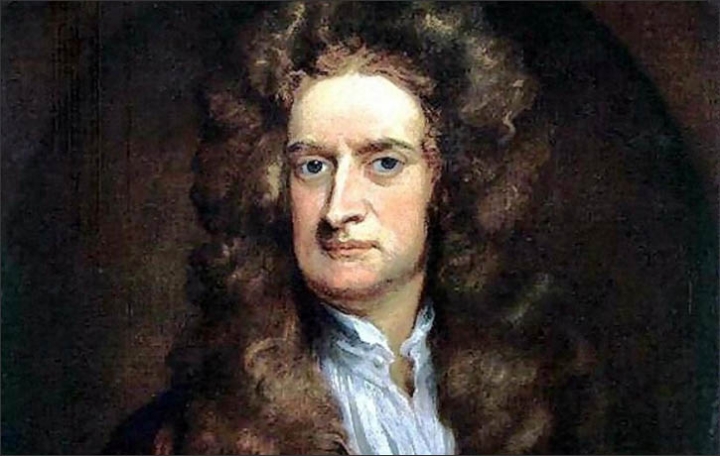
Sir Isaac Newton’s Cure for the Plague: Powdered Toad Vomit Lozenges (1669)

Near­ly 300 years after his death, Isaac New­ton lives on as a byword for genius. As a poly­math whose domain encom­passed astron­o­my, physics, and math­e­mat­ics, he mas­tered and expand­ed the domain of sci­en­tif­ic knowl­edge avail­able to 17th-cen­tu­ry Europe. But if we remem­ber him as a one-man engine of the sci­en­tif­ic rev­o­lu­tion, we should also bear in mind his con­trast­ing intel­lec­tu­al frail­ties: New­ton was no finan­cial genius, as evi­denced by his loss of $3 mil­lion in the South Sea Bub­ble of 1720, and though his inquiries into alche­my may be fun to re-enact today, we won­der now why he did­n’t see them as a dead end even then. And then we have his for­ays into med­i­cine, one of which involves toad vom­it.

“Two unpub­lished pages of Newton’s notes on Jan Bap­tist van Helmont’s 1667 book on plague, De Peste, are to be auc­tioned online by Bonham’s this week,” report­ed The Guardian’s Ali­son Flood ear­li­er this month. “New­ton had been a stu­dent at Trin­i­ty Col­lege, Cam­bridge, when the uni­ver­si­ty closed as a pre­cau­tion against the bubon­ic plague, which killed 100,000 peo­ple in Lon­don in 1665 and 1666. When the poly­math returned to Cam­bridge in 1667, he began to study the work of Van Hel­mont,” a famous Bel­gian physi­cian. While some of the con­clu­sions New­ton drew from his study of Van Hel­mont’s work remain prac­ti­cal today — “places infect­ed with the plague are to be avoid­ed,” for instance — his sug­gest­ed cures may not hold up to scruti­ny.

In the “best” plague treat­ment observed by New­ton, “a toad sus­pend­ed by the legs in a chim­ney for three days, which at last vom­it­ed up earth with var­i­ous insects in it, on to a dish of yel­low wax, and short­ly after died. Com­bin­ing pow­dered toad with the excre­tions and serum made into lozenges and worn about the affect­ed area drove away the con­ta­gion and drew out the poi­son.” Learn­ing how, exact­ly, New­ton found his way to such a pro­ce­dure will inspire enthu­si­as­tic col­lec­tors to bid on these papers, which remain on the Bon­ham’s online auc­tion block until June 10th. New­ton may, as we recent­ly not­ed here on Open Cul­ture, have had some of his most ground­break­ing ideas dur­ing the era of the plague, but even a mind as for­mi­da­ble as his by its very nature missed a few times, some­times wild­ly, for every hit. Yet as the world’s sci­en­tif­ic-indus­tri­al com­plex races to devel­op a vac­cine for COVID-19, we might con­sid­er what unortho­dox solu­tions have gone over­looked in our New­ton-less era.

Relat­ed Con­tent:

Isaac New­ton Con­ceived of His Most Ground­break­ing Ideas Dur­ing the Great Plague of 1665

Videos Recre­ate Isaac Newton’s Neat Alche­my Exper­i­ments: Watch Sil­ver Get Turned Into Gold

In 1704, Isaac New­ton Pre­dicts the World Will End in 2060

Sir Isaac Newton’s Papers & Anno­tat­ed Prin­cip­ia Go Dig­i­tal

Isaac Newton’s Recipe for the Myth­i­cal ‘Philosopher’s Stone’ Is Being Dig­i­tized & Put Online (Along with His Oth­er Alche­my Man­u­scripts)

How Isaac New­ton Lost $3 Mil­lion Dol­lars in the “South Sea Bub­ble” of 1720: Even Genius­es Can’t Pre­vail Against the Machi­na­tions of the Mar­kets

Based in Seoul, Col­in Mar­shall writes and broad­casts on cities, lan­guage, and cul­ture. His projects include the book The State­less City: a Walk through 21st-Cen­tu­ry Los Ange­les and the video series The City in Cin­e­ma. Fol­low him on Twit­ter at @colinmarshall, on Face­book, or on Insta­gram.

Noam Chomsky Explains the Best Way for Ordinary People to Make Change in the World, Even When It Seems Daunting

The threat of wide­spread vio­lence and unrest descends upon the coun­try, thanks again to a col­lec­tion of actors vicious­ly opposed to civ­il rights, and in many cas­es, to the very exis­tence of peo­ple who are dif­fer­ent from them. They have been giv­en aid and com­fort by very pow­er­ful enablers. Vet­er­an activists swing into action. Young peo­ple turn out by the hun­dreds week after week. But for many ordi­nary peo­ple with jobs, kids, mort­gages, etc. the cost of par­tic­i­pat­ing in con­stant protests and civ­il actions may seem too great to bear. Yet, giv­en many awful exam­ples in recent his­to­ry, the cost of inac­tion may be also.

What can be done? Not all of us are Rosa Parks or Howard Zinn or Mar­tin Luther King, Jr. or Thich Nat Hanh or Cesar Chavez or Dolores Huer­ta, after all. Few of us are rev­o­lu­tion­ar­ies and few may wish to be. Not every­one is brave enough or tal­ent­ed enough or knowl­edge­able enough or com­mit­ted enough or, what­ev­er.

The prob­lem with this kind of think­ing is a prob­lem with so much think­ing about pol­i­tics. We look to leaders—men and women we think of as supe­ri­or beings—to do every­thing for us. This can mean del­e­gat­ing all the work of democ­ra­cy to some­times very flawed indi­vid­u­als. It can also mean we fun­da­men­tal­ly mis­un­der­stand how demo­c­ra­t­ic move­ments work.

In the video above, Noam Chom­sky address­es the ques­tion of what ordi­nary peo­ple can do in the face of seem­ing­ly insur­mount­able injus­tice. (The clip comes from the 1992 doc­u­men­tary Man­u­fac­tur­ing Con­sent.) “The way things change,” he says, “is because lots of peo­ple are work­ing all the time, and they’re work­ing in their com­mu­ni­ties or their work­place or wher­ev­er they hap­pen to be, and they’re build­ing up the basis for pop­u­lar move­ments.”

In the his­to­ry books, there’s a cou­ple of lead­ers, you know, George Wash­ing­ton or Mar­tin Luther King, or what­ev­er, and I don’t want to say that those peo­ple are unim­por­tant. Mar­tin Luther King was cer­tain­ly impor­tant, but he was not the Civ­il Rights Move­ment. Mar­tin Luther King can appear in the his­to­ry books ‘cause lots of peo­ple whose names you will nev­er know, and whose names are all for­got­ten and who may have been killed and so on were work­ing down in the South.

King him­self often said as much. For exam­ple, in the Pref­ace of his Stride Toward Free­dom he wrote—referring to the 50,000 most­ly ordi­nary, anony­mous peo­ple who made the Mont­gomery Bus Boy­cott happen—“While the nature of this account caus­es me to make fre­quent use of the pro­noun ‘I,’ in every impor­tant part of the sto­ry it should be ‘we.’ This is not a dra­ma with only one actor.”

As for pub­lic intel­lec­tu­als like him­self engaged in polit­i­cal strug­gle, Chom­sky says, “peo­ple like me can appear, and we can appear to be promi­nent… only because some­body else is doing the work.” He defines his own work as “help­ing peo­ple devel­op cours­es of intel­lec­tu­al self-defense” against pro­pa­gan­da and mis­in­for­ma­tion. For King, the issue came down to love in action. Respond­ing in a 1963 inter­view above to a crit­i­cal ques­tion about his meth­ods, he coun­ters the sug­ges­tion that non­vi­o­lence means sit­ting on the side­lines.

I think of love as some­thing strong and that orga­nizes itself into pow­er­ful, direct action…. We are not engaged in a strug­gle that means we sit down and do noth­ing. There’s a great deal of dif­fer­ence between non­re­sis­tance to evil and non­vi­o­lent resis­tance. Non­re­sis­tance leaves you in a state of stag­nant pas­siv­i­ty and dead­en­ing com­pla­cen­cy, where­as non­vi­o­lent resis­tance means that you do resist in a very strong and deter­mined man­ner.

Both Chom­sky, King, and every oth­er voice for jus­tice and human rights would agree that the peo­ple need to act instead of rely­ing on move­ment lead­ers. What­ev­er actions one can take—whether it’s engag­ing in informed debate with fam­i­ly, friends, or cowork­ers, writ­ing let­ters, mak­ing dona­tions to activists and orga­ni­za­tions, doc­u­ment­ing injus­tice, or tak­ing to the streets in protest or acts of civ­il disobedience—makes a dif­fer­ence. These are the small indi­vid­ual actions that, when prac­ticed dili­gent­ly and coor­di­nat­ed togeth­er in the thou­sands, make every pow­er­ful social move­ment pos­si­ble.

Note: This post orig­i­nal­ly appeared on our site in August 2017 when white suprema­cists (aka the pres­i­den­t’s “many fine peo­ple”) marched in Char­lottesville, VA. It speaks no less direct­ly to the trau­ma of the cur­rent moment, so we’re bring­ing it back.

Relat­ed Con­tent:

Noam Chom­sky & Har­ry Bela­fonte Speak on Stage for the First Time Togeth­er: Talk Trump, Klan & Hav­ing a Rebel­lious Heart

Noam Chom­sky Defines What It Means to Be a Tru­ly Edu­cat­ed Per­son

Read Mar­tin Luther King and The Mont­gomery Sto­ry: The Influ­en­tial 1957 Civ­il Rights Com­ic Book

Howard Zinn’s “What the Class­room Didn’t Teach Me About the Amer­i­can Empire”: An Illus­trat­ed Video Nar­rat­ed by Vig­go Mortensen

Hen­ry David Thore­au on When Civ­il Dis­obe­di­ence and Resis­tance Are Jus­ti­fied (1849)

Saul Alinsky’s 13 Tried-and-True Rules for Cre­at­ing Mean­ing­ful Social Change

Josh Jones is a writer and musi­cian based in Durham, NC. Fol­low him at @jdmagness

Ava DuVernay’s Selma Is Now Free to Stream Online: Watch the Award-Winning Director’s Film About Martin Luther King’s 1965 Voting-Rights March

Ava DuVer­nay made her award-win­ning doc­u­men­tary 13th free to stream online. Now comes her film Sel­maThe 2014 film chron­i­cles Dr. Mar­tin Luther King, Jr.‘s cam­paign to secure equal vot­ing rights with an epic march from Sel­ma to Mont­gomery, Alaba­ma, in 1965. Ava DuVer­nay writes on Twit­ter: “Para­mount Pic­tures is offer­ing SELMA for free rental on all US dig­i­tal plat­forms for June, start­ing today. We’ve got­ta under­stand where we’ve been to strate­gize where we’re going. His­to­ry helps us cre­ate the blue­print. Onward.” You can watch Sel­ma on YouTube/Google Play, Apple, Ama­zon Prime and oth­er stream­ing plat­forms list­ed here. The trail­er appears above.

If you would like to sign up for Open Culture’s free email newslet­ter, please find it here. It’s a great way to see our new posts, all bun­dled in one email, each day.

If you would like to sup­port the mis­sion of Open Cul­ture, con­sid­er mak­ing a dona­tion to our site. It’s hard to rely 100% on ads, and your con­tri­bu­tions will help us con­tin­ue pro­vid­ing the best free cul­tur­al and edu­ca­tion­al mate­ri­als to learn­ers every­where. You can con­tribute through Pay­Pal, Patre­on, and Ven­mo (@openculture). Thanks!

Relat­ed Con­tent:

Watch Ava DuVernay’s 13th Free Online: An Award-Win­ning Doc­u­men­tary Reveal­ing the Inequal­i­ties in the US Crim­i­nal Jus­tice Sys­tem

Watch Free Films by African Amer­i­can Film­mak­ers in the Cri­te­ri­on Col­lec­tion … and the New Civ­il Rights Film, Just Mer­cy

1,150 Free Movies Online: Great Clas­sics, Indies, Noir, West­erns, etc.

Watch Ava DuVernay’s 13th Free Online: An Award-Winning Documentary Revealing the Inequalities in the US Criminal Justice System

Ear­li­er today, we high­light­ed some free cin­e­mat­ic offer­ings online, includ­ing the new civ­il rights film Just Mer­cy, and a slew of films in the Cri­te­ri­on Col­lec­tion made by African Amer­i­can direc­tors. Then we stum­bled upon this. Above, you can watch Ava DuVer­nay’s Oscar-nom­i­nat­ed film 13th. Com­bin­ing archival footage with tes­ti­mo­ny from activists and schol­ars, DuVer­nay’s doc­u­men­tary focus­es on the U.S. prison sys­tem and “how the coun­try’s his­to­ry of racial inequal­i­ty dri­ves the high rate of incar­cer­a­tion in Amer­i­ca.” It won Best Doc­u­men­tary at the Emmys, the BAF­TAs and the NAACP Image Awards.

Update: Dur­ing the month of June, DuVer­nay’s film, Sel­ma, is also stream­ing free online.

If you would like to sign up for Open Culture’s free email newslet­ter, please find it here. It’s a great way to see our new posts, all bun­dled in one email, each day.

If you would like to sup­port the mis­sion of Open Cul­ture, con­sid­er mak­ing a dona­tion to our site. It’s hard to rely 100% on ads, and your con­tri­bu­tions will help us con­tin­ue pro­vid­ing the best free cul­tur­al and edu­ca­tion­al mate­ri­als to learn­ers every­where. You can con­tribute through Pay­Pal, Patre­on, and Ven­mo (@openculture). Thanks!

Relat­ed Con­tent:

4,000+ Free Movies Online: Great Clas­sics, Indies, Noir, West­erns, Doc­u­men­taries & More

Ava DuVernay’s Sel­ma Is Now Free to Stream Online: Watch the Award-Win­ning Director’s Film About Mar­tin Luther King’s 1965 Vot­ing-Rights March

Watch Free Films by African Amer­i­can Film­mak­ers in the Cri­te­ri­on Col­lec­tion … and the New Civ­il Rights Film, Just Mer­cy

Watch the First-Ever Kiss on Film Between Two Black Actors, Just Hon­ored by the Library of Con­gress (1898)

Watch the Pio­neer­ing Films of Oscar Micheaux, America’s First Great African-Amer­i­can Film­mak­er

The Art of The Black Pan­thers: A Short Doc­u­men­tary on the Rev­o­lu­tion­ary Artist Emory Dou­glas

by | Permalink | Make a Comment ( 2 ) |

Documentary Portraits of Allen Ginsberg, John Ashbery, William Carlos Williams, Anne Sexton & Other American Poets (1965)

The annals of Amer­i­can his­to­ry offer lit­tle in the way of doc­u­men­tar­i­an-poets. But luck­i­ly for us today — and espe­cial­ly for those of us who enjoy Amer­i­can poet­ry of the mid-2oth cen­tu­ry — one of the coun­try’s few such hyphen­ates lived an uncom­mon­ly pro­duc­tive life. Though known pri­mar­i­ly as a poet of the San Fran­cis­co Renais­sance, Richard O. Moore also had a career in inde­pen­dent and pub­lic media, begin­ning in 1949 with the very first broad­cast of Berke­ley’s KPFA. In the ear­ly 1950s he moved to San Fran­cis­co’s new­ly found­ed KQED, one of the coun­try’s first pub­lic tele­vi­sion sta­tions. After a stint at Colum­bia study­ing Wittgen­stein, Moore returned to KQED in 1961, where­upon he began pro­duc­ing a wide vari­ety of doc­u­men­taries.

As sub­ject mat­ter, poet­ry may not nat­u­ral­ly lend itself to tele­vi­sion. But giv­en Moore’s con­nec­tions to major Amer­i­can poets on both coasts and else­where besides, if any­one could make it work, he could. It cer­tain­ly helped that so many of those poets had com­pelling per­son­al­i­ties, not least Allen Gins­berg and Lawrence Fer­linghet­ti, the stars of one episode of Moore’s 1965 doc­u­men­tary series USA: Poet­ry. “The footage he cap­tured is noth­ing short of mirac­u­lous, a nation­al trea­sure type time cap­sule of anoth­er, more lit­er­ary age,” says the web side of San­ta Cruz’s Bad Ani­mal Books, which has gath­ered a selec­tion of episodes togeth­er on one page. “Moore pro­vid­ed a rare glimpse of some of the finest Amer­i­can poets of the twen­ti­eth cen­tu­ry at the sum­mit of their pow­ers,” a line­up also includ­ing Ken­neth Koch, John Ash­bery, Anne Sex­ton, Frank O’Hara, Ed Sanders, Philip Whalen, and Gary Sny­der.

Moore’s doc­u­men­tary por­traits unfail­ing­ly include read­ings of the sub­jects’ work, but they don’t stop there. They also offer glimpses into these poets’ lives, pro­fes­sion­al, domes­tic, and oth­er­wise, show­ing us the cities, towns, homes, book­stores, and libraries they inhab­it. A few of these sub­jects, like Sanders, Sny­der, and the espe­cial­ly ven­er­a­ble Fer­linghet­ti con­tin­ue to inhab­it them, though most have by now shuf­fled off this mor­tal coil. William Car­los Williams had already done so by the time of USA: Poet­ry’s episode about him, and so in addi­tion to footage illus­trat­ing the bard of Pater­son­’s verse and let­ters (sights that may remind mod­ern-day view­ers of Pater­son, Jim Jar­musch’s trib­ute to the worka­day Amer­i­can poet), Moore fea­tures Williams’ son William E. Williams. Though Williams fils did­n’t fol­low Williams père into poet­ry, he did fol­low him into med­i­cine, which con­sti­tut­ed not just the poet­’s day job but —as we hear read aloud — “my food and drink, the very thing that made it pos­si­ble for me to write.”

Relat­ed Con­tent:

Ladies and Gen­tle­men… Mr. Leonard Cohen: The Poet-Musi­cian Fea­tured in a 1965 Doc­u­men­tary

John Ash­bery Reads “Self-Por­trait in a Con­vex Mir­ror”

13 Lec­tures from Allen Ginsberg’s “His­to­ry of Poet­ry” Course (1975)

Pablo Neruda’s Poem, “The Me Bird,” Becomes a Short, Beau­ti­ful­ly Ani­mat­ed Film

Poems as Short Films: Langston Hugh­es, Pablo Neru­da and More

Allen Ginsberg’s Top 10 Favorite Films

Based in Seoul, Col­in Mar­shall writes and broad­casts on cities, lan­guage, and cul­ture. His projects include the book The State­less City: a Walk through 21st-Cen­tu­ry Los Ange­les and the video series The City in Cin­e­ma. Fol­low him on Twit­ter at @colinmarshall, on Face­book, or on Insta­gram.

Watch Free Films by African American Filmmakers in the Criterion Collection … and the New Civil Rights Film, Just Mercy

The Michael B. Jor­dan- and Jaime Foxx-star­ring Just Mer­cy had “the mis­for­tune of hit­ting the­aters at the same time as Clemen­cy, a more dar­ing and bet­ter film set on a prison’s Death Row,” wrote Odie Hen­der­son in a Decem­ber 2019 review at RogerEbert.com. Read­ing the state­ment now feels like look­ing through the wrong end of a tele­scope (“hit­ting the­aters?”). None of the movie’s mid­dling reviews could have pre­dict­ed the kinds of mis­for­tunes that lay just around the cor­ner.

If Just Mer­cy is your kind of dis­trac­tion, you can watch it free of charge through June. Hen­der­son­’s review gives me the impres­sion it may not be equal to the moment.

Since the days of ’50s-era mes­sage pic­tures, the major­i­ty of films about African-Amer­i­can suf­fer­ing have always been cal­i­brat­ed the way “Just Mer­cy” is, with an eye to not offend­ing White view­ers with any­thing remote­ly resem­bling Black anger. We can be beat­en, raped, enslaved, shot for no rea­son by police, vic­tim­ized by a jus­tice sys­tem rigged to dis­fa­vor us or any oth­er num­ber of real-world things that can befall us, yet God help us if a char­ac­ter is pissed off about this. Instead, we get to be noble, to hold on to His unchang­ing hand while that tire­less Black lady goes “hmmm-HMM­M­MM!” on the sound­track to sym­bol­ize our suf­fer­ing. There’s a lot of “hmmm-HMMMMM”-ing in this movie, so much so that I had to resist laugh­ing. 

Only one critic’s opin­ion, but if such pious, boil­er­plate films haven’t changed any­thing since the 50s they prob­a­bly aren’t about to now.

The Cri­te­ri­on Col­lec­tion offers a refresh­ing alter­na­tive for rep­re­sen­ta­tions of the black expe­ri­ence on film, as envi­sioned by black film­mak­ers, writ­ers, actors, pro­duc­ers, etc. “This has been a pow­er­ful­ly emo­tion­al time,” the Col­lec­tion writes, cit­ing a string of high-pro­file, well-doc­u­ment­ed racist threats and mur­ders that lead up to the break­ing point:

Black Lives Mat­ter. The anguish and fury unleashed all across the coun­try are root­ed in cen­turies of dehu­man­iza­tion and death. This pat­tern must stop. We sup­port the pro­test­ers who have tak­en to the streets to demand jus­tice, and we share their hopes. We are com­mit­ted to fight­ing sys­temic racism.

The Col­lec­tion has estab­lished an “employ­ee-guid­ed fund with a $25,000 ini­tial con­tri­bu­tion and an ongo­ing $5000 month­ly com­mit­ment to sup­port orga­ni­za­tions fight­ing racism in Amer­i­ca.”

More to the point of their cen­tral mis­sion, they’re allow­ing vis­i­tors to the Cri­te­ri­on Chan­nel to stream “works by ear­ly pio­neers of African Amer­i­can Cin­e­ma” as well as those by cur­rent film­mak­ers. These are films that can be dif­fi­cult to find out­side of art­house cin­e­mas and col­lege screen­ing rooms. “Titles stream­ing for free,” notes IndieWire, “include Julie Dash’s Daugh­ters of the Dust, Maya Angelou’s Down in the Delta, Shirley Clarke’s Por­trait of Jason, Agnès Varda’s Black Pan­thers, Kath­leen Collins’ Los­ing Ground, and many more.”

Also stream­ing free on the site is “con­tem­po­rary work by Kha­lik Allah and Leilah Wein­raub; and doc­u­men­tary por­traits of the black expe­ri­ence by white film­mak­ers Les Blank and Shier­ley Clarke,” Cri­te­ri­on writes, not­ing that they’ve “tak­en down the pay­wall on as many of these titles as we can.”

This announce­ment will have lit­tle effect on peo­ple com­mit­ted to a par­tic­u­lar­ly vicious way of see­ing things, but it offers a rare oppor­tu­ni­ty to watch a diverse col­lec­tion of enlight­en­ing, often brac­ing, often deeply mov­ing films, stretch­ing over a cen­tu­ry, for free. This body of work offers new per­spec­tives on the past and wider under­stand­ing of film his­to­ry. They may just be what you need to get through June. Check out the Cri­te­ri­on Chan­nel col­lec­tions here.

Relat­ed Con­tent:   

Watch the First-Ever Kiss on Film Between Two Black Actors, Just Hon­ored by the Library of Con­gress (1898)

Watch the Pio­neer­ing Films of Oscar Micheaux, America’s First Great African-Amer­i­can Film­mak­er

The Art of The Black Pan­thers: A Short Doc­u­men­tary on the Rev­o­lu­tion­ary Artist Emory Dou­glas

Josh Jones is a writer and musi­cian based in Durham, NC. Fol­low him at @jdmagness

When Lucy Lawless Impersonated Stevie Nicks & Imagined Her as the Owner of a Bad Tex-Mex Restaurant: A Cult Classic SNL Skit

What we wouldn’t give to trav­el back in time to Sedona, Ari­zona for a non-social­ly-dis­tanced $2.99 Tues­day night bur­ri­to spe­cial at Ste­vie Nicks’ Faji­ta Roundup, the hun­dredth best restau­rant in this 161-restau­rant town accord­ing to one rat­ings site.

Alas, the clos­est this Fleet­wood Mac‑flavored Tex-Mex estab­lish­ment has ever come to phys­i­cal exis­tence was in Octo­ber 1998 when actor Lucy Law­less, famous then as now for play­ing Xena the War­rior Princess, was host­ing Sat­ur­day Night Live.

The day before the Wednes­day table read to deter­mine which sketch­es will make it on air, writer Hugh Fink got wind of Law­less’ Ste­vie Nicks imper­son­ation (she also does a mean Chrissie Hyn­de…)

Fink thought this was some­thing to build on, inspired by his dad’s Fleet­wood Mac fan­dom, and the fact that Nicks’ star had dimmed a bit since the band’s 70’s hey­day, when its mem­bers’ inter­per­son­al rela­tions were a hot top­ic and Rumours, still the 8th best sell­ing album of all time, dom­i­nat­ed.

He joined forces with fel­low staff writer, Nicks fan Scott Wainio, tar­ry­ing ’til the wee hours of Wednes­day morn­ing to begin cast­ing about for com­ic ideas of how the sexy, shawl-draped fairy god­moth­er of rock ‘n’ roll might spend her off duty hours, now that “Lind­say Buck­ing­ham and cocaine” were in the rear view.

They decid­ed that hav­ing her own a bar­gain-priced local eatery sim­i­lar to the ones Fink remem­bered din­ing in as a tour­ing stand up was their best bet…and what more fit­ting locale than New Age mec­ca Sedona?

Plot-dri­ven SNL skits often peter out en route from a strong open­ing premise to the end­ing.

As a com­mer­cial par­o­dy, Ste­vie Nicks’ Faji­ta Roundup has no such trou­ble.

As Fink recent­ly recalled in an inter­view with The Ringer’s Dan Devine:

I want­ed this com­mer­cial to come off as not a classy, nation­al­ly pro­duced ad, but clear­ly a cheap, local­ly pro­duced com­mer­cial for a shit­ty restau­rant and that’s why, even in the script, at the time, I put in those cut­aways of, like, real­ly unap­peal­ing, bad-look­ing food with the price, and adver­tis­ing spe­cials. Comed­ical­ly, I thought it’d be even fun­nier if the restau­rant was cheap. The research depart­ment had to get me pho­tos of the Mex­i­can food, which I would approve. I would tell them, ‘No, I want it to look shit­ti­er than that. That looks too good.

The research depart­ment def­i­nite­ly deliv­ered. As did New Zealan­der Law­less, though she lacked the cul­tur­al ref­er­ence points to get the joke, and game as she was, dis­creet­ly tried to get pro­duc­er Lorne Michaels to pull the skit, wor­ried that it was a lead bal­loon.

It came by its laughs hon­est­ly in per­for­mance, the audi­ence eat­ing up retooled Fleet­wood Mac hits pro­mot­ing bur­ri­tos and nachos, but with Youtube some 8 years away, Ste­vie Nicks’ Faji­ta Round Up fad­ed into obscu­ri­ty….

It took a man with vision and a long mem­o­ry to bring it back.

In 2012, Matthew Amador truf­fled up the fond­ly remem­bered clip and start­ed a Face­book page for the hypo­thet­i­cal restau­rant, large­ly so he could claim it had catered the end-of-year intern-appre­ci­a­tion buf­fet at the cast­ing agency where he was work­ing.

The first likes came from the duti­ful interns, but even­tu­al­ly the page attract­ed oth­er like­mind­ed fans, who’d caught the orig­i­nal per­for­mance over a decade before.

It has since migrat­ed to Twit­ter, where “Stevie”—the first female dou­ble inductee to the Rock & Roll Hall of Fame —is eager­ly await­ing reopen­ing while remind­ing her fol­low­ers that the Roundup’s tables “have always been a MINIMUM of 6’ apart, giv­ing you a safer din­ing expe­ri­ence you’ll nev­er for­get and giv­ing me plen­ty of room to twirl depend­ing on the length of my fringe.”

View the full tran­script here. And yes, you are cor­rect, that’s Jim­my Fal­lon at the piano, in his 3rd SNL appear­ance.

via The Ringer and Metafil­ter

Relat­ed Con­tent:

Ste­vie Nicks “Shows Us How to Kick Ass in High-Heeled Boots” in a 1983 Women’s Self Defense Man­u­al

How Fleet­wood Mac Makes A Song: A Video Essay Explor­ing the “Son­ic Paint­ings” on the Clas­sic Album, Rumours

Actress Lucy Law­less Per­forms the Pro­to-Fem­i­nist Com­e­dy “Lysis­tra­ta” for The Par­tial­ly Exam­ined Life Pod­cast

Ayun Hal­l­i­day is an author, illus­tra­tor, the­ater mak­er and Chief Pri­ma­tol­o­gist of the East Vil­lage Inky zine. Fol­low her @AyunHalliday.

« Go BackMore in this category... »
Quantcast