J. Robert Oppenheimer Explains How He Recited a Line from Bhagavad Gita–“Now I Am Become Death, the Destroyer of Worlds”–Upon Witnessing the First Nuclear Explosion

No mat­ter how lit­tle we know of the Hin­du reli­gion, a line from one of its holy scrip­tures lives with­in us all: “Now I am become Death, the destroy­er of worlds.” This is one facet of the lega­cy of J. Robert Oppen­heimer, an Amer­i­can the­o­ret­i­cal physi­cist who left an out­sized mark on his­to­ry. For his cru­cial role in the Man­hat­tan Project that dur­ing World War II pro­duced the first nuclear weapons, he’s now remem­bered as the“father of the atom­ic bomb.” He secured that title on July 16, 1945, the day of the test in the New Mex­i­can desert that proved these exper­i­men­tal weapons actu­al­ly work — that is, they could wreak a kind of destruc­tion pre­vi­ous­ly only seen in visions of the end of the world.

“We knew the world would not be the same,” Oppen­heimer remem­bered in 1965. “A few peo­ple laughed, a few peo­ple cried. Most peo­ple were silent. I remem­bered the line from the Hin­du scrip­ture, the Bha­gavad Gita; Vish­nu is try­ing to per­suade the Prince that he should do his duty and, to impress him, takes on his mul­ti-armed form and says, ‘Now I am become Death, the destroy­er of worlds.’ ” The trans­la­tion’s gram­mat­i­cal archaism made it even more pow­er­ful, res­onat­ing with lines in Ten­nyson (“I am become a name, for always roam­ing with a hun­gry heart”), Shake­speare (“I am come to know your plea­sure”), and the Bible (“I am come a light into the world, that whoso­ev­er believeth on me should not abide in dark­ness”).

But what is death, as the Gita sees it? In an inter­view with Wired, San­skrit schol­ar Stephen Thomp­son explains that, in the orig­i­nal, the word that Oppen­heimer speaks as “death” refers to “lit­er­al­ly the world-destroy­ing time.” This means that “irre­spec­tive of what Arju­na does” — Arju­na being the afore­men­tioned prince, the nar­ra­tive’s pro­tag­o­nist — every­thing is in the hands of the divine.” Oppen­heimer would have learned all this while teach­ing in the 1930s at Berke­ley, where he learned San­skrit and read the Gita in the orig­i­nal. This cre­at­ed in him, said his col­league Isidor Rabi, “a feel­ing of mys­tery of the uni­verse that sur­round­ed him like a fog.”

The neces­si­ty of the Unit­ed States’ sub­se­quent drop­ping of not one but two atom­ic bombs on Japan, exam­ined in the 1965 doc­u­men­tary The Deci­sion to Drop the Bomb, remains a mat­ter of debate. Oppen­heimer went on to oppose nuclear weapons, describ­ing him­self to an appalled Pres­i­dent Har­ry Tru­man as hav­ing “blood on my hands.” But in devel­op­ing them, could he have sim­ply seen him­self as a mod­ern Prince Arju­na? “It has been argued by schol­ars,” writes the Eco­nom­ic Times’ Mayank Chhaya, “that Oppen­heimer’s approach to the atom­ic bomb was that of doing his duty as part of his dhar­ma as pre­scribed in the Gita.” He knew, to quote anoth­er line from that scrip­ture brought to mind by the nuclear explo­sion, that “if the radi­ance of a thou­sand suns were to burst into the sky that would be like the splen­dor of the Mighty One” — and per­haps also that splen­dor and wrath may be one.

Relat­ed Con­tent:

Intro­duc­tion to Indi­an Phi­los­o­phy: A Free Online Course

Oppen­heimer: The Man Behind the Bomb

Haunt­ing Unedit­ed Footage of the Bomb­ing of Nagasa­ki (1945)

The “Shad­ow” of a Hiroshi­ma Vic­tim, Etched into Stone Steps, Is All That Remains After 1945 Atom­ic Blast

63 Haunt­ing Videos of U.S. Nuclear Tests Now Declas­si­fied and Put Online

53 Years of Nuclear Test­ing in 14 Min­utes: A Time Lapse Film by Japan­ese Artist Isao Hashimo­to

Based in Seoul, Col­in Mar­shall writes and broad­casts on cities, lan­guage, and cul­ture. His projects include the book The State­less City: a Walk through 21st-Cen­tu­ry Los Ange­les and the video series The City in Cin­e­ma. Fol­low him on Twit­ter at @colinmarshall, on Face­book, or on Insta­gram.

John Waters Designs a Witty Poster for the New York Film Festival

Yes­ter­day, Film at Lin­coln Cen­ter unveiled the poster for the 58th New York Film Fes­ti­val (Sep­tem­ber 17-Octo­ber 11, 2020). And it’s cre­at­ed by none oth­er than film­mak­er, artist, and “Pope of Trash,” John Waters.

The New York Film Fes­ti­val writes: The “poster is both a fond trib­ute and wit­ty par­o­dy of the his­toric fes­ti­val, pok­ing fun at the long-held stereo­types, valid cri­tiques, and pre­sumed pomp and cir­cum­stance of the annu­al Lin­coln Cen­ter event. The con­cept was devel­oped before the cur­rent health cri­sis, in col­lab­o­ra­tion with and inspired by Globe Poster, the leg­endary press of Waters’s home­town. Found­ed in 1929 in Bal­ti­more, Mary­land, Globe Poster deliv­ered eye-catch­ing posters to pro­mote con­certs, drag races, cir­cus­es, car­ni­vals, and more. Flu­o­res­cent col­ors, bold wood type, and let­ter­ing that shook and shim­mied defined Globe’s icon­ic style, attract­ing clients from James Brown and Mar­vin Gaye to Tina Turn­er and the Beach Boys.”

For a lit­tle laugh, study the poster close­ly above. And then head to the Relat­eds below for more.

If you would like to sign up for Open Culture’s free email newslet­ter, please find it here. It’s a great way to see our new posts, all bun­dled in one email, each day.

If you would like to sup­port the mis­sion of Open Cul­ture, con­sid­er mak­ing a dona­tion to our site. It’s hard to rely 100% on ads, and your con­tri­bu­tions will help us con­tin­ue pro­vid­ing the best free cul­tur­al and edu­ca­tion­al mate­ri­als to learn­ers every­where. You can con­tribute through Pay­Pal, Patre­on, and Ven­mo (@openculture). Thanks!

Relat­ed Con­tent:

John Waters’ RISD Grad­u­a­tion Speech: Real Wealth is Nev­er Hav­ing to Spend Time with A‑Holes

John Waters Nar­rates Off­beat Doc­u­men­tary on an Envi­ron­men­tal Cat­a­stro­phe, the Salton Sea

John Waters Makes Hand­made Christ­mas Cards, Says the “Whole Pur­pose of Life is Christ­mas”

An Anti, Anti-Smok­ing Announce­ment from John Waters

When John Waters Appeared on The Simp­sons and Changed America’s LGBTQ Views (1997)

Hear Moby Dick Read in Its Entire­ty by Til­da Swin­ton, Stephen Fry, John Waters & Oth­ers

David Lynch Being a Madman for a Relentless 8 Minutes and 30 Seconds

Mad­man or vision­ary? A lit­tle of both? A genius? A brand? A men­sch? David Lynch is all these things and more, and this fan-made video above is a quick reminder of the career and the con­sis­ten­cy of the film director/artist/transcendental med­i­ta­tor who turned 74 this year.

Ear­ly in the video we see one of the director’s pub­lic­i­ty stunts, when he sat in a chair on the cor­ner of La Brea and Hol­ly­wood, next to a cow and large poster of Lau­ra Dern. No, the cow had noth­ing to do with the film he was promoting—2006’s Inland Empire—but it did stop traf­fic and draw atten­tion. Lynch didn’t have an adver­tis­ing bud­get to pro­mote Lau­ra Dern’s lead role in the film, so the cow had to do.

Lau­ra Dern has been in a major­i­ty of Lynch’s films since 1986’s Blue Vel­vet, and the video hon­ors their friend­ship (he calls her “Tid­bit”) as well as with Kyle MacLach­lan (who Lynch calls “Kale”) and Nao­mi Watts. All three obvi­ous­ly adore this man.

There’s also a com­pi­la­tion of Lynch swear­ing like a champ. Prod­uct place­ment in film is “bull­shit,” prob­lems on set are “fuck­ing nuts,” and for those who sat through the “peanut sweep­ing” scene in Twin Peaks The Return, you’ll under­stand his out­burst on set: “Who gives a fuc&ing $hit how long a scene is?”

We’ve linked pre­vi­ous­ly to Lynch’s video where he makes quinoa, and this short edit sums up that video nice­ly. It’s also nice to see atten­tion giv­en to The Straight Sto­ry, which usu­al­ly gets passed over in his fil­mog­ra­phy, despite (or maybe because of) being his sweet­est movie.

There’s also a reminder that Lynch is cur­rent­ly releas­ing videos from quar­an­tine in his Los Ange­les home. Not only is he deliv­er­ing the dai­ly weath­er reports like he used to, but is also cur­rent­ly announc­ing Today’s Num­ber, which is caus­ing quite a lot of anx­i­ety in the YouTube com­ments. (Why no sev­en? WHY NO NUMBER 7?)

The video ends with Lynch’s the­o­ry about catch­ing ideas like fish—we’ve also high­light­ed this before—and then a love­ly mon­tage of title cards, remind­ing us all that “Direct­ed by David Lynch” is a guar­an­teed sign of qual­i­ty.

Relat­ed Con­tent:

David Lynch Explains How Med­i­ta­tion Boosts Our Cre­ativ­i­ty (Plus Free Resources to Help You Start Med­i­tat­ing)

David Lynch Made a Dis­turb­ing Web Sit­com Called “Rab­bits”: It’s Now Used by Psy­chol­o­gists to Induce a Sense of Exis­ten­tial Cri­sis in Research Sub­jects

Pat­ti Smith and David Lynch Talk About the Source of Their Ideas & Cre­ative Inspi­ra­tion

Ted Mills is a free­lance writer on the arts who cur­rent­ly hosts the Notes from the Shed pod­cast and is the pro­duc­er of KCR­W’s Curi­ous Coast. You can also fol­low him on Twit­ter at @tedmills, and/or watch his films here.

A Database of 5,000 Historical Cookbooks–Covering 1,000 Years of Food History–Is Now Online

As you know if you’re a read­er of this site, there are vast, inter­ac­tive (and free!) schol­ar­ly data­bas­es online col­lect­ing just about every kind of arti­fact, from Bibles to bird calls, and yes, there are a sig­nif­i­cant num­ber of cook­books online, too. But prop­er search­able, his­tor­i­cal data­bas­es of cook­books seem to have appeared only late­ly. To my mind these might have been some of the first things to become avail­able. How impor­tant is eat­ing, after all, to vir­tu­al­ly every part of our lives? The fact is, how­ev­er, that schol­ars of food have had to invent the dis­ci­pline large­ly from scratch.

“West­ern schol­ars had a bias against study­ing sen­su­al expe­ri­ence,” writes Reina Gat­tuso at Atlas Obscu­ra, “the rel­ic of an Enlight­en­ment-era hier­ar­chy that con­sid­ered taste, touch, and fla­vor taboo top­ics for sober aca­d­e­m­ic inquiry. ‘It’s the baser sense,’ says Cathy Kauf­man, a pro­fes­sor of food stud­ies at the New School.” Kauf­man sits on the board of The Sifter, a new mas­sive, mul­ti-lin­gual online data­base of his­tor­i­cal recipe books. Anoth­er board mem­ber, sculp­tor Joe Wheaton, puts things more direct­ly: “Food his­to­ry has been a bit of an embar­rass­ment to a lot of aca­d­e­mics, because it involves women in the kitchen.”

Luck­i­ly for food schol­ars, the sit­u­a­tion has changed dra­mat­i­cal­ly. There are now over 2,000 his­tor­i­cal Mex­i­can cook­books of all kinds online at the Uni­ver­si­ty of Texas San Anto­nio, for exam­ple. (The UTSA is busy curat­ing and trans­lat­ing hun­dreds of those recipes into Eng­lish for what they call a “series of mini-cook­books.”)  And schol­ars of food his­to­ry may have to be pulled away by force from The Sifter, a vast, ever-expand­ing Wikipedia-like archive of food research.

The data­base col­lects “over 5,000 authors and 5,000 works with details about the authors and about the con­tents of the works,” the site explains. “The cen­tral doc­u­ments are cook­books and oth­er writ­ings relat­ed to get­ting, prepar­ing, and con­sum­ing food, and the activ­i­ties asso­ci­at­ed with them, as well as writ­ings about cul­tur­al and moral atti­tudes.” Like Wikipedia, users are invit­ed to sub­mit their own data, which can be edit­ed by oth­er users. Unlike the pub­lic ency­clo­pe­dia, which we know has seri­ous flaws, The Sifter is over­seen by experts, and inspired by none oth­er than the expert Julia Child her­self, or at least by her library.

Although the Sifter does not con­tain actu­al texts or recipes, it does col­lect the bib­li­o­graph­ic data of thou­sands of such books, a trea­sury for schol­ars, researchers, and his­to­ri­ans. The pri­ma­ry force behind the project, Bar­bara Wheaton, was a neigh­bor of Julia Childs’ in the ear­ly 1960s and used Childs’ library and Har­vard University’s Schlesinger Library Culi­nary Col­lec­tion (where she is now an hon­orary cura­tor) to become “one of the best-known schol­ars of culi­nary his­to­ry.” Her sto­ry illus­trates how a recent wealth of culi­nary schol­ar­ship did not just sud­den­ly appear but has been ger­mi­nat­ing for decades. The Sifter is the result of “Wheaton’s 50 years of labor.”

Wheaton launched the site in July with the help of a team of schol­ars and her chil­dren, Joe and Cather­ine. The Sifter con­tains “more than a thou­sand years of Euro­pean and U.S. cook­books, from the medieval Latin De Re Culi­nar­ia, pub­lished in 800, to The Romance of Can­dy, a 1938 trea­tise on British sweets.” It also col­lects bib­li­o­graph­ic data on cook­books, in their orig­i­nal lan­guages, from around the world. Wheaton hopes The Sifter will gen­er­ate new areas of research into the his­to­ry of what may be at once the most uni­ver­sal of all human activ­i­ties and the most cul­tur­al­ly, region­al­ly, and his­tor­i­cal­ly par­tic­u­lar. Per­haps a sil­ver lin­ing of so many years of schol­ar­ly neglect is that there is now so much work for food his­to­ri­ans to do. Get start­ed at The Sifter here.

via Atlas Obscu­ra

Relat­ed Con­tent:

An Archive of Hand­writ­ten Tra­di­tion­al Mex­i­can Cook­books Is Now Online

His­toric Mex­i­can Recipes Are Now Avail­able as Free Dig­i­tal Cook­books: Get Start­ed With Dessert

An Archive of 3,000 Vin­tage Cook­books Lets You Trav­el Back Through Culi­nary Time

Josh Jones is a writer and musi­cian based in Durham, NC. Fol­low him at @jdmagness

A Short Introduction to Caravaggio, the Master Of Light

Like many a great artist, the for­tunes of Michelan­ge­lo Merisi da Car­avag­gio rose and fell dra­mat­i­cal­ly. After his death, pos­si­bly from syphilis or mur­der, his influ­ence spread across the con­ti­nent as fol­low­ers called Car­avaggisti took his extreme use of chiaroscuro abroad. He influ­enced Rubens, Rem­brandt, and Velázquez—indeed, the entire Baroque peri­od in Euro­pean art his­to­ry prob­a­bly would nev­er have hap­pened with­out him. “With the excep­tion of Michelan­ge­lo,” art his­to­ri­an Bernard Beren­son wrote, “no oth­er Ital­ian painter exer­cised so great an influ­ence.”

But lat­er crit­ics sav­aged his hyper-dra­mat­ic, high-con­trast real­ism. His style, called “tene­brism” for its use of deep dark­ness in paint­ings like The Call­ing of St. Matthew, is shock­ing by com­par­i­son with the fan­ci­ful Man­ner­ism that came before. In the video above, Evan Puschak, the Nerd­writer, explains what makes Caravaggio’s work so strange­ly hyper­re­al. He “pre­ferred to paint his sub­jects as the eye sees them,” the Car­avag­gio Foun­da­tion writes, “with all their nat­ur­al flaws and defects instead of as ide­al­ized cre­ations…. This shift from stan­dard prac­tice and the clas­si­cal ide­al­ism of Michelan­ge­lo was very con­tro­ver­sial at the time…. His real­ism was seen by some as unac­cept­ably vul­gar.”

Also con­tro­ver­sial was Car­avag­gio him­self. His wild life made an ide­al sub­ject for Derek Jarman’s 1986 art­house biopic star­ring Til­da Swin­ton. Famous for brawl­ing, “the tran­scripts of his police records and tri­al pro­ceed­ings fill sev­er­al pages.” He nev­er mar­ried or set­tled down and the male eroti­cism in his paint­ings has led many to sug­ges­tions he was gay .(Jarman’s film makes this an explic­it part of his biog­ra­phy.) It’s like­ly, art his­to­ri­ans think, that the painter had many tumul­tuous rela­tion­ships, sex­u­al and oth­er­wise, with both men and women before his ear­ly death at the age of 38.

Despite his pro­fane life, Caravaggio’s paint­ings evince a “remark­able spir­i­tu­al­i­ty” and illus­trate, as Puschak notes, exact­ly the kind of pas­sion­ate inten­si­ty the counter-Ref­or­ma­tion Catholic Church want­ed to use to stir the faith­ful. Caravaggio’s pop­u­lar­i­ty meant com­mis­sions from wealthy patrons, and for a time, he was the most famous painter in Rome, as well as one of the city’s most infa­mous char­ac­ters. Car­avag­gio paint­ed from life, stag­ing his intri­cate arrange­ments with real mod­els who held the pos­es as he worked.

His fig­ures were ordi­nary peo­ple one might meet on the 17th cen­tu­ry streets of the city. And Car­avag­gio him­self, despite his enor­mous tal­ent, was an ordi­nary per­son as well, stereo­types of trag­ic, tor­tured genius­es aside. He was deeply flawed, it’s true, yet dri­ven by an incred­i­ble long­ing to become some­thing greater.

Relat­ed Con­tent:

Liv­ing Paint­ings: 13 Car­avag­gio Works of Art Per­formed by Real-Life Actors

Paint­ings by Car­avag­gio, Ver­meer, & Oth­er Great Mas­ters Come to Life in a New Ani­mat­ed Video

Why Babies in Medieval Paint­ings Look Like Mid­dle-Aged Men: An Inves­tiga­tive Video

Josh Jones is a writer and musi­cian based in Durham, NC. Fol­low him at @jdmagness

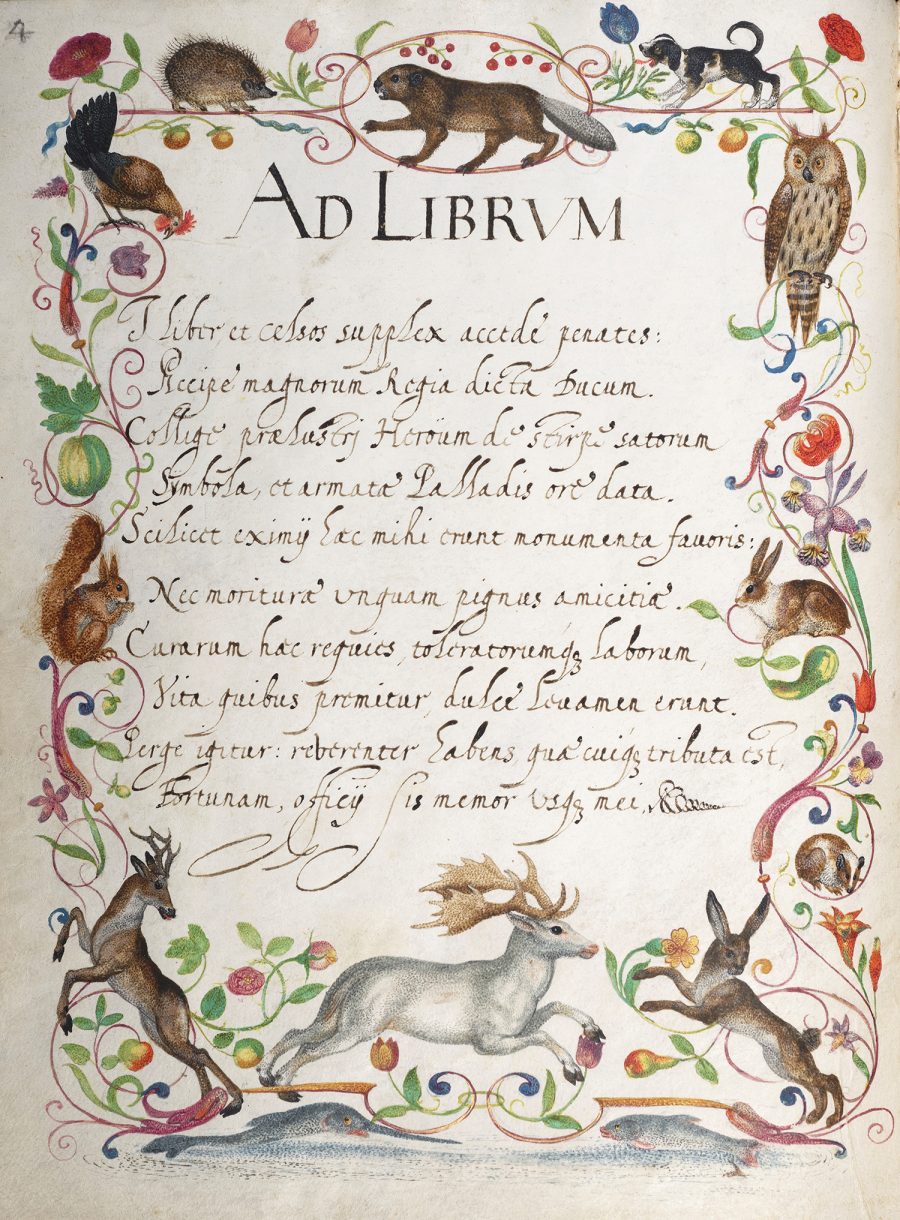
Behold a Beautiful 400-Year-Old ‘Friendship Book’ Featuring the Signatures of Historic Figures

Main­tain­ing the bal­ance of pow­er among Euro­pean states has always been a fraught affair, but it was espe­cial­ly so in the years when mer­can­til­ism made frag­ile alliances dur­ing the reli­gious wars of the 17th cen­tu­ry. This was a time when mer­chants made excel­lent diplo­mats, not only because they trav­eled exten­sive­ly and learned for­eign tongues and cus­toms, but because they spoke the uni­ver­sal lan­guage of trade.

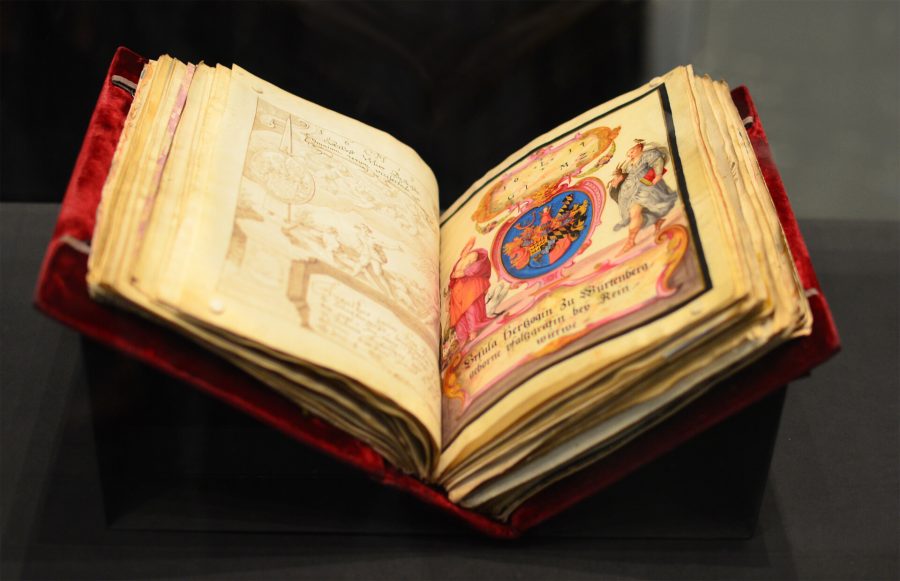
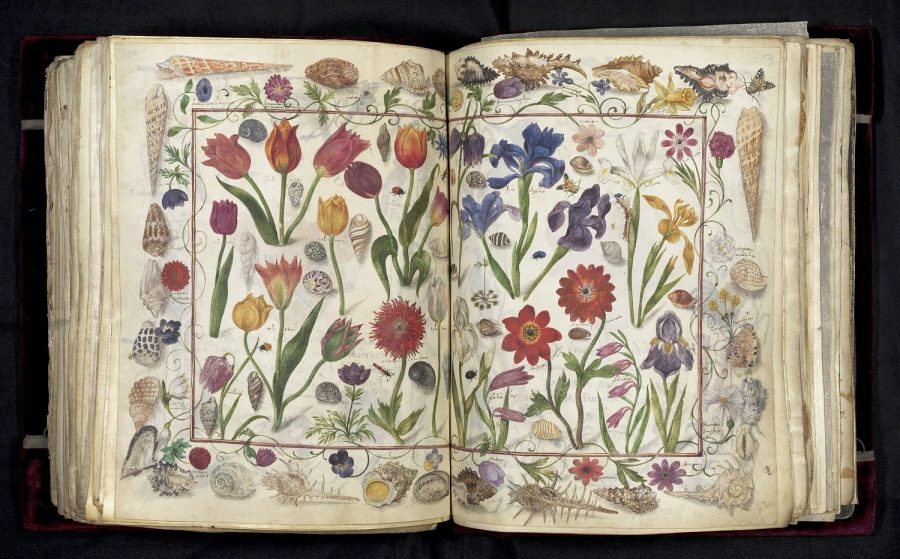
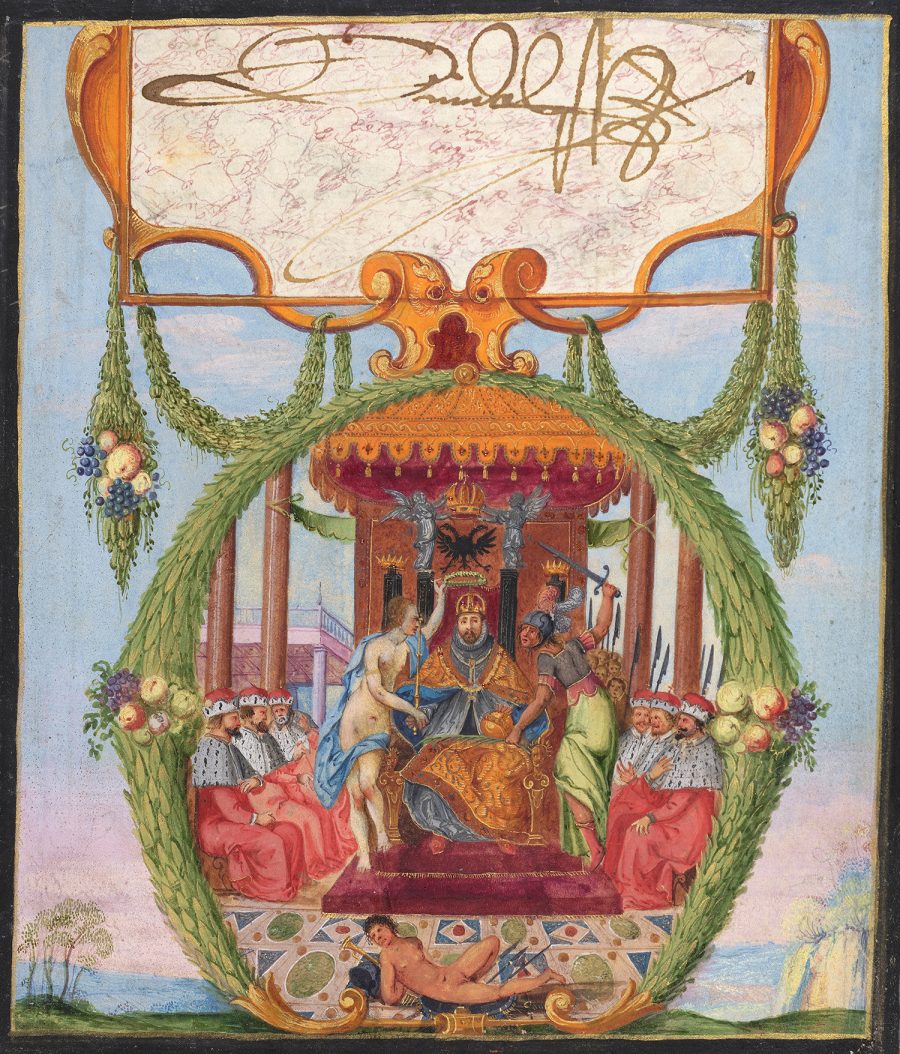
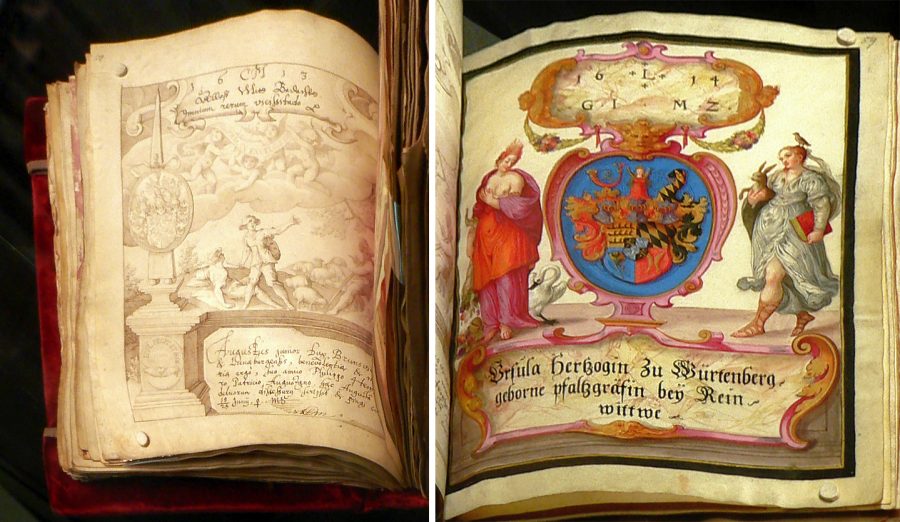
Ger­man mer­chant and diplo­mat Philipp Hain­hofer from Augs­burg was such a fig­ure, trav­el­ing from court to court to meet with Europe’s renowned dig­ni­taries. As he did so, he would ask them to sign his album ami­co­rum, or “friend­ship book,” also called a stamm­buch. Each sign­er would then “com­mis­sion an artist to cre­ate a paint­ing accom­pa­ny­ing their sig­na­tures,” Ali­son Flood writes at The Guardian.

“There are around 100 draw­ings” in his auto­graph book, known as the Große Stamm­buch, “which took more than 50 years to com­pile.” After Hainhofer’s death in 1647, his friend August the Younger—who helped col­lect the hun­dreds of thou­sand of books in the Her­zog August Bibliothek—tried to acquire the book but failed. Now it has final­ly land­ed in the huge library, one of the world’s old­est, almost 400 years lat­er, after a pur­chase at a pri­vate auc­tion this week.

Friend­ship books were com­mon­ly used at the time to record the names of fam­i­ly and friends. Stu­dents used them as year­books, and Hain­hofer began his col­lec­tion of sig­na­tures as a col­lege stu­dent. He grad­u­al­ly gained a select clien­tele as his career advanced. Sig­na­to­ries, the His­to­ry Blog points out, “include Holy Roman Emper­or Rudolf II, anoth­er HRE Matthias, Chris­t­ian IV of Den­mark and Nor­way, Cosi­mo II de’Medici, Grand Duke of Tus­cany…” and many oth­ers.

Hainhofer’s Große Stamm­buch is, as you can see, a beau­ti­ful work of art—or almost 100 col­lect­ed works of art—in its own right. “The elab­o­rate­ness of the illus­tra­tions direct­ly cor­re­sponds to the signatory’s sta­tus and rank in soci­ety,” as Grace Ebert notes at Colos­sal. It is also a fas­ci­nat­ing record of Ear­ly Mod­ern Euro­pean pol­i­tics, trade, and diplo­ma­cy, a fine art all its own.

via Colos­sal

Relat­ed Con­tent:  

160,000 Pages of Glo­ri­ous Medieval Man­u­scripts Dig­i­tized: Vis­it the Bib­lio­the­ca Philadel­phien­sis

800 Illu­mi­nat­ed Medieval Man­u­scripts Are Now Online: Browse & Down­load Them Cour­tesy of the British Library and Bib­lio­thèque Nationale de France

The Vat­i­can Library Goes Online and Dig­i­tizes Tens of Thou­sands of Man­u­scripts, Books, Coins, and More

Josh Jones is a writer and musi­cian based in Durham, NC. Fol­low him at @jdmagness

Take Immersive Virtual Tours of the World’s Great Museums: The Louvre, Hermitage, Van Gogh Museum & Much More

Can you remem­ber when you last vis­it­ed a muse­um? Even if you did­n’t much care for them before the time of the coro­n­avirus, you’re prob­a­bly begin­ning to miss them right about now. At least the inter­net tech­nol­o­gy that has kept our com­mu­ni­ca­tion open and our enter­tain­ment flow­ing — and, regret­tably for some, kept our work meet­ings reg­u­lar — has also made it pos­si­ble to expe­ri­ence art insti­tu­tions through our screens. Here on Open Cul­ture we’ve pre­vi­ous­ly fea­tured many such online art spaces, dig­i­tal gallery expe­ri­ences, and vir­tu­al muse­um tours, and today we’ve round­ed up some of the best for you.

Most every­one who had a trip to France sched­uled for this spring or sum­mer will have can­celed it. But thanks to these three high-def­i­n­i­tion, first-per­son videos, you can still tour the Lou­vre, Lib­er­ty Lead­ing the Peo­ple, the Venus de Milo, the Mona Lisa, and even I.M. Pei’s rooftop pyra­mid and all. Per­haps you’d planned to spend part of 2020 trav­el­ing Europe more wide­ly, in which case you’d almost cer­tain­ly have gone to Italy and seen Forence’s Uffizi Gallery as well. Luck­i­ly, that most famous col­lec­tion of Renais­sance art has gone dig­i­tal with a com­plete “street view” tour as well as an archive of 3D sculp­ture scans.

Of course, no art-ori­ent­ed trip to Italy would be well spent only in gal­leries and muse­ums: it would also have to include St. Peter’s Basil­i­ca, the Sis­tine Chapel, and oth­er sacred spaces of the Vat­i­can, in whose vir­tu­al ver­sions you can now spend as long as you like. And while some tourists in Europe face time or mon­ey con­straints too tight to allow vis­its to small­er coun­tries like the Nether­lands, inter­net trav­el is sub­ject to no such lim­i­ta­tions. So go ahead and take a sev­en-part tour of the Van Gogh Muse­um in 4K, or have a look at Rem­brandt’s The Night Watch down to every last brush­stroke.

You won’t find every Dutch mas­ter­piece in the Nether­lands. Take Hierony­mus Bosch’s The Gar­den of Ear­ly Delights, for instance, cur­rent­ly held by Spain’s Pra­do Muse­um, which has also made a vir­tu­al tour of the grotesque and spec­tac­u­lar paint­ing avail­able online. As for the work of Spain’s own artists, you can go even deep­er into the work of Sal­vador Dalí with this 360-degree vir­tu­al-real­i­ty video of his paint­ing Archae­o­log­i­cal Rem­i­nis­cence of Millet’s ‘Angelus.’  Those who’d like to spend some time off the con­ti­nent and back down on Earth can view an alto­geth­er dif­fer­ent 360-degree video, this one of Shake­peare’s Globe The­atre in Lon­don — and have a look at the trea­sures of the British Muse­um while they’re at it.

The ongo­ing pan­dem­ic hav­ing put a tem­po­rary stop to not just most trav­el to Europe but most inter­na­tion­al trav­el of any kind, hope­ful trav­el­ers to and with­in North Amer­i­ca have also been forced to change their plans. If this describes you, con­sid­er tak­ing a vir­tu­al tour of the Smith­son­ian Nation­al Muse­um of Nat­ur­al His­to­ryFrank Lloyd Wright’s stu­dio Tal­iesin, or the Fri­da Kahlo Muse­um in Mex­i­co City. But while you’re online, why not mount an even more ambi­tious world­wide art jour­ney: to the Her­mitage in Rus­sia, the Ghi­b­li Muse­um in Japan, and street art (as well as stolen art) from all over? It’s a big world of art out there — some­thing we can’t let our­selves for­get before we can see it in per­son again.

Relat­ed Con­tent:

Take a Vir­tu­al Tour of 30 World-Class Muse­ums & Safe­ly Vis­it 2 Mil­lion Works of Fine Art

The Stay At Home Muse­um: Your Pri­vate, Guid­ed Tours of Rubens, Bruegel & Oth­er Flem­ish Mas­ters

14 Paris Muse­ums Put 300,000 Works of Art Online: Down­load Clas­sics by Mon­et, Cézanne & More

The Met­ro­pol­i­tan Muse­um of Art Puts 400,000 High-Res Images Online & Makes Them Free to Use

Free: The Met­ro­pol­i­tan Muse­um of Art and the Guggen­heim Offer 474 Free Art Books Online

Chi­nese Muse­ums, Closed by the Coro­n­avirus, Put Their Exhi­bi­tions Online

Based in Seoul, Col­in Mar­shall writes and broad­casts on cities, lan­guage, and cul­ture. His projects include the book The State­less City: a Walk through 21st-Cen­tu­ry Los Ange­les and the video series The City in Cin­e­ma. Fol­low him on Twit­ter at @colinmarshall, on Face­book, or on Insta­gram.

Bronze Age Britons Turned Bones of Dead Relatives into Musical Instruments & Ornaments

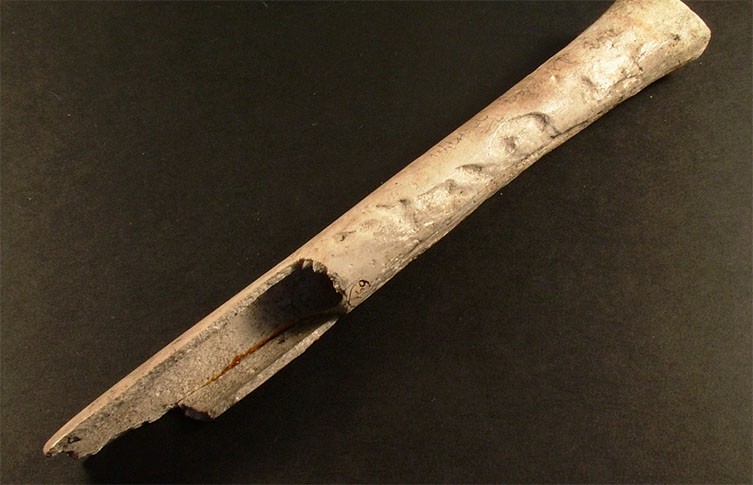
Image via the Wilt­shire Muse­um

The bur­ial rites of ancient and exot­ic peo­ples can seem out­landish to us, but there’s noth­ing par­tic­u­lar­ly nor­mal about the funer­al tra­di­tions in the Unit­ed States and the UK, where corpses are sent off to pro­fes­sion­al under­tak­ers and made to look alive before they’re sealed in box­es and buried or turned into piles of ash.

Andrea Den­Hoed at The New York­er refers to the prac­tice of Tibetan Bud­dhist sky buri­als, in which “bod­ies are rit­u­al­ly dis­sect­ed and left in the open to be con­sumed by vul­tures” and of the Tora­jans of Indone­sia, who “have a rit­u­al called Ma’Nene, in which bod­ies are dis­in­terred, dressed in new clothes, and car­ried in a parade around the vil­lage.” These rites seem almost to mock our west­ern fears of death.

Inno­va­tions on the funer­al dis­place us fur­ther from the body. Den­Hoed writes, in 2016, of the then-rel­a­tive­ly rare expe­ri­ence of attend­ing a funer­al over Skype, now com­mon­place by virtue of bleak neces­si­ty. It’s hard to say if high-tech mourn­ing rit­u­als like turn­ing human remains into playable vinyl records brings us clos­er to accept­ing dead bod­ies, but they cer­tain­ly bring us clos­er to an ances­tral pre­his­toric past when at least some Bronze Age Britons turned the bones of their dead into musi­cal instru­ments.

Is it any more macabre than turn­ing rel­a­tives into dia­monds? Who’s to say. The researchers who made this dis­cov­ery, Dr. Thomas Booth and Joan­na Brück, pub­lished their find­ings in the jour­nal Antiq­ui­ty under the tongue-in-cheek title “Death is not the end: radio­car­bon and his­to-tapho­nom­ic evi­dence for the cura­tion and excar­na­tion of human remains in Bronze Age Briton.”

What’s that now? Through radio­car­bon-dat­ing, the researchers, in oth­er words, were able to deter­mine that ancient peo­ple who lived between 2500–600 BC “were keep­ing and curat­ing body parts, bones and cre­mat­ed remains” of peo­ple they knew well, some­times exhum­ing and rit­u­al­ly re-bury­ing the remains in their homes, or just keep­ing them around for a cou­ple gen­er­a­tions.

“It’s indica­tive of a broad­er mind­set where the line between the liv­ing and the dead was more blurred than it is today,” Booth tells The Guardian. “There wasn’t a mind­set that human remains go in the ground and you for­get about them. They were always present among the liv­ing.” This is hard­ly strange. The incred­i­ble amount of loss peo­ple will feel after COVID-19 will like­ly bring a pro­lif­er­a­tion of such rit­u­als.

The find mak­ing head­lines is a human thigh bone “that had been carved into a whis­tle” Josh Davis writes at the British Nat­ur­al His­to­ry Muse­um, and buried with anoth­er adult male. “When dat­ed, it revealed that the thigh bone came from a per­son who prob­a­bly lived around the same date as the man that it was buried with, mean­ing it is like­ly that it was some­one that they knew in life, or were fair­ly close to.”

There doesn’t seem to be any sug­ges­tion that this was a com­mon or wide­spread prac­tice, but it’s not that dis­sim­i­lar to wear­ing the remains of the dead as jew­el­ry. “The Romans did it,” notes Glenn McDon­ald at Nation­al Geo­graph­ic, “The Per­sians did it. The Maya did it.” And the Vic­to­ri­ans, also, wore the remains of their dead, 4,000 years after their ancient ances­tors. “The tech­nolo­gies change,” says McDon­ald, “but the basic human expe­ri­ence” of death, loss, and mourn­ing remains the same.

The thigh bone whis­tle is on dis­play at the Wilt­shire Muse­um in the UK.

Relat­ed Con­tent: 

Hear the World’s Old­est Instru­ment, the “Nean­derthal Flute,” Dat­ing Back Over 43,000 Years

Hear a 9,000 Year Old Flute—the World’s Old­est Playable Instrument—Get Played Again

Lis­ten to the Old­est Song in the World: A Sumer­ian Hymn Writ­ten 3,400 Years Ago

Josh Jones is a writer and musi­cian based in Durham, NC. Fol­low him at @jdmagness

« Go BackMore in this category... »
Quantcast