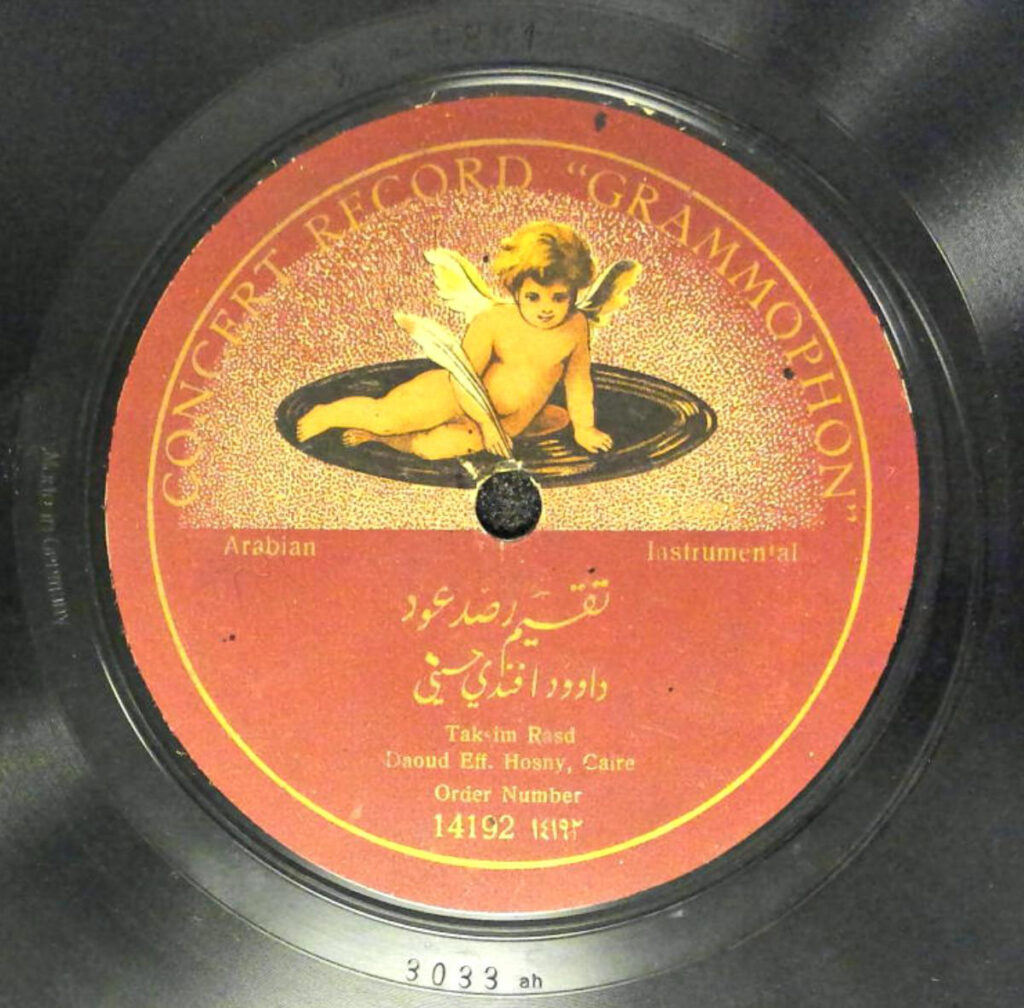
Rare Arabic 78 RPM Records Enter the Public Domain

Pub­lic Domain Day is not just about the famous works that get released—-this year Mil­ne’s Win­nie-the-Pooh and Hemingway’s The Sun Also Ris­es were the best known-—but the archives that sud­den­ly open up when any poten­tial argu­ment over copy­right bypass­es its sell-by date.

For exam­ple, Harvard’s Loeb Music Library has just released a selec­tion from its 600-vol­ume 78rpm col­lec­tion of Arab and Arab-Amer­i­can music from the ear­ly 20th Cen­tu­ry. The Library’s col­lec­tion spans rough­ly 1903 to the 1950s and is not just a record of the aes­thet­ics and the time of the Nah­dah Era (the Arab Renais­sance), but it also serves as a his­to­ry of the still-young music indus­try. Among the RCA, Colum­bia, and Vic­tor labels, you will also find many inde­pen­dent (and boot­leg!) labels.

Harvard’s web­site notes:

Arab record com­pa­nies, such as Baidaphon and Cairophon, are only a few among many oth­er Amer­i­can (Colum­bia, Vic­tor), Euro­pean (Odeon, Orfeon), and Arab-Amer­i­can com­pa­nies (Al-Chark, Alam­phon) that record­ed and released these notable Arab voic­es. Songs and per­form­ers from Egypt, Syr­ia, Lebanon, Pales­tine, Iraq and Al-Maghrib exhib­it the rich tra­di­tion of Ara­bic musi­cal forms, name­ly the art of al-mawwāl (vocal impro­vi­sa­tion), qaṣī­dah (sung poems), muwashshaḥ (Andalu­sian sung poet­ry), ṭaqṭūqah (pop songs) and taqsīm (instru­men­tal impro­vi­sa­tion. Reli­gious chants are also an impor­tant piece of the Ara­bic musi­cal tra­di­tion. The col­lec­tion includes Qur’anic recita­tion of Al-shaykh Ṭāhā Al-Fash­nī and a rare record of a woman reciter Wadū­dah Al-Minyalawī along­side Chris­t­ian hymns of Father Gigis ʻAzīz Al-Jiz­zīnī.

A selec­tion of record­ings are avail­able here for both online lis­ten­ing and down­load, using the Aviary Plat­form.

All this is hap­pen­ing due to the Music Mod­ern­iza­tion Act of 2018, which dif­fers in its pub­lic-domain release dates by a few years com­pared to print and film. Accord­ing to Cit­i­zen DJ, a web­site we told you about sev­er­al years ago, “all sound record­ings pub­lished before Jan­u­ary 1, 1923 entered the pub­lic domain on Jan­u­ary 1, 2022.”

The trick of course is get­ting access to all of these record­ings. The Library of Con­gress runs a site called The Nation­al Juke­box, with access to thou­sands of 78rpm records from Vic­tor and Colum­bia labels. That allows you to lis­ten but not down­load.


The Asso­ci­a­tion for Record­ed Sound Col­lec­tions also has a page not­ing “Ten Notable Pre-1923 Record­ings”, which ben­e­fits from its cura­tion. It fea­tures impor­tant ear­ly works like Mamie Smith’s “Crazy Blues,” one of the most pop­u­lar “race records” (i.e. vocal blues sung by Black per­form­ers) of 1920; Enri­co Caruso’s “Vesti La Giub­ba,” which fea­tures the tenor at the height of his career; and Vess L. Ossman’s record­ing of Joplin’s “Maple Leaf Rag,” which helped pop­u­lar­ize the com­pos­er. Also see our recent post: 400,000+ Sound Record­ings Made Before 1923 Have Entered the Pub­lic Domain.

Relat­ed Con­tent:

What’s Enter­ing the Pub­lic Domain in 2022: The Sun Also Ris­es, Win­nie-the-Pooh, Buster Keaton Come­dies & More

Meet the Oud, the “King of All Instru­ments” Whose Ori­gins Stretch Back 3500 Years Ago to Ancient Per­sia

The Great Gats­by Is Now in the Pub­lic Domain and There’s a New Graph­ic Nov­el

Ted Mills is a free­lance writer on the arts who cur­rent­ly hosts the Notes from the Shed pod­cast and is the pro­duc­er of KCR­W’s Curi­ous Coast. You can also fol­low him on Twit­ter at @tedmills, and/or watch his films here.
17th-Century Buddhist Texts for the Illiterate: How “Buddhist Emoji” Made the Sūtra Legible for Those Who Couldn’t Read

Even with 21st-cen­tu­ry teach­ing aids, the writ­ten Japan­ese lan­guage isn’t the sort of thing one picks up in a few weeks’ study. A few hun­dred years ago it would’ve been much more dif­fi­cult still, espe­cial­ly for those engaged in learn­ing the sūtras or scrip­tures of Bud­dhism. “The stakes of cor­rect recita­tion were high in the pre- and ear­ly mod­ern era,” writes The Pub­lic Domain Review’s Hunter Dukes, “with strict rules for pro­nun­ci­a­tion exist­ing since the 1100s, and sūtra recita­tion (dokyō) becom­ing an art form in the fol­low­ing cen­tu­ry.” Import­ed from India and rewrit­ten in clas­si­cal Chi­nese with few clues as to how its words should actu­al­ly be spo­ken, the Bud­dhist canon of east Asia set a mighty chal­lenge even before the per­fect­ly lit­er­ate.

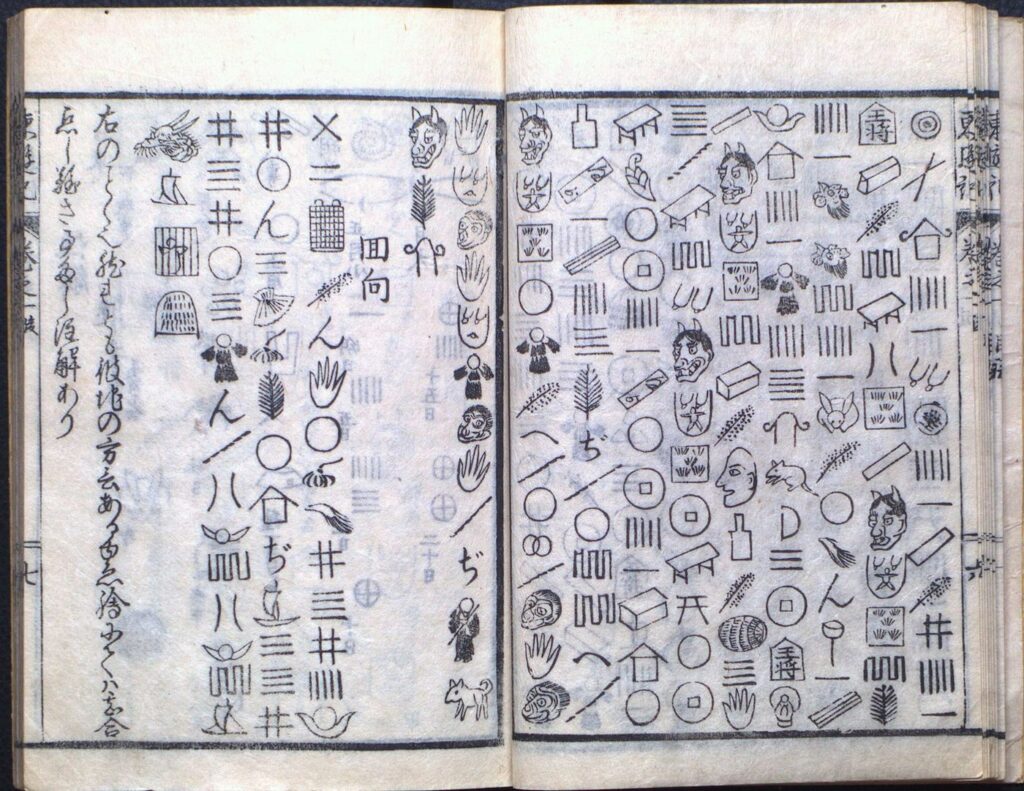
As for the illit­er­ate — of whom, in com­plete con­trast to mod­ern-day Japan, there were many — what chance did they stand? Sal­va­tion, or at any rate a chance at sal­va­tion, arrived in the 17th cen­tu­ry in the form of texts writ­ten just for them. “Japan­ese print­ers began cre­at­ing a type of book for the illit­er­ate, allow­ing them to recite sūtras  and oth­er devo­tion­al prayers, with­out knowl­edge of any writ­ten lan­guage,” writes Dukes. “The texts work by a rebus prin­ci­ple (known as han­ji­mono), where each drawn image, when named aloud, sounds out a Chi­nese syl­la­ble.” Geared toward an agri­cul­tur­al “read­er­ship,” this sys­tem drew its imagery from what they knew: farm­ing tools, domes­tic ani­mals, and even fig­ures of myth.

The sec­tions here come from a 20th-cen­tu­ry exam­ple of this type of pub­li­ca­tion, var­i­ous­ly Meku­ra-kyō or Mon­mō-kyō, held by the British Library. It con­tains a ren­di­tion of the text of the Heart Sūtra, the most wide­ly known piece of scrip­ture in the canon of Mahāyā­na Bud­dhism, and as the Kyoto Nation­al Musem’s Eikei Akao puts it, “prob­a­bly the best-known, most well-loved sutra in Japan.” (You may also remem­ber the 37-minute ver­sion per­formed by beat­box­ing Bud­dhist monk Yoget­su Akasa­ka, which we pre­vi­ous­ly fea­tured here on Open Cul­ture.) Not long ago, the Unit­ed States Library of Con­gress post­ed this Heart Sūtra for the illit­er­ate to its Face­book page. The occa­sion? World Emo­ji Day.

“Because these pic­tures rep­re­sent sounds, rather than objects or ideas, they don’t real­ly act as pic­tograms the way emo­ji do,” admits the writer of the Library of Con­gress’ post. “But in their icon-like appear­ance, suc­cinct and func­tion­al, they do bear a resem­blance to our use of emo­ji today.” It was then reblogged on Lan­guage Log, one of whose com­menters offered some expla­na­tion of the sys­tem as seen in the pic­tures: “The San­skrit phrase ‘Pra­jñāpāramitā’ is ren­dered ‘Han­nya­harami­ta’ in Japan­ese. ‘Han­nya’ here is writ­ten with a draw­ing of the han­nya demon mask from Noh. ‘Hara­mi’ appears to be a pic­ture of a body (mi) in an abdomen (hara), and then ‘ta’ is a pic­ture of a rice­field (tan­bo, the “ta” of many Japan­ese names, like Tana­ka and Toy­ota).” Hands have been wring­ing about the poten­tial of inter­net com­mu­ni­ca­tion to deliv­er us into a “post-lit­er­ate” soci­ety; per­haps these curi­ous chap­ters in the his­to­ry of the Japan­ese lan­guage show us where to go from there.

via The Pub­lic Domain Review

Relat­ed con­trast:

Down­load 280 Pic­tographs That Put Japan­ese Cul­ture Into a New Visu­al Lan­guage: They’re Free for the Pub­lic to Use

Breath­tak­ing­ly Detailed Tibetan Book Print­ed 40 Years Before the Guten­berg Bible

The World’s Largest Col­lec­tion of Tibetan Bud­dhist Lit­er­a­ture Now Online

The Old­est Book Print­ed with Mov­able Type is Not The Guten­berg Bible: Jikji, a Col­lec­tion of Kore­an Bud­dhist Teach­ings, Pre­dat­ed It By 78 Years and It’s Now Dig­i­tized Online

One of the Old­est Bud­dhist Man­u­scripts Has Been Dig­i­tized & Put Online: Explore the Gand­hara Scroll

A Beat­box­ing Bud­dhist Monk Cre­ates Music for Med­i­ta­tion

Based in Seoul, Col­in Mar­shall writes and broad­casts on cities and cul­ture. His projects include the book The State­less City: a Walk through 21st-Cen­tu­ry Los Ange­les and the video series The City in Cin­e­ma. Fol­low him on Twit­ter at @colinmarshall or on Face­book.

Scandinavian Film & Television: A Free Online Course from the University of Copenhagen

Image via Wiki­me­dia Com­mons

“In many ways Scan­di­na­vian film and tele­vi­sion is a glob­al cul­tur­al brand, con­nect­ed with and export­ing some of the cul­tur­al and social val­ues con­nect­ed to a lib­er­al and pro­gres­sive wel­fare soci­ety.” From the Uni­ver­si­ty of Copen­hagen, this free course deals with the social, insti­tu­tion­al and cul­tur­al back­ground of film and tele­vi­sion in Scan­di­navia and in a broad­er Euro­pean and glob­al con­text. Span­ning 5 weeks and taught by pro­fes­sor Eva Novrup Red­vall, Scan­di­na­vian Film and Tele­vi­sion cov­ers the ear­ly cin­e­mat­ic work of Dan­ish direc­tor Carl Drey­er, the films of Ing­mar Bergman and Lars von Tri­er, Scan­di­na­vian new wave cin­e­ma, and final­ly more con­tem­po­rary pro­duc­tions. You can enroll for free here.

Scan­di­na­vian Film and Tele­vi­sion will be added to our list 1,700 Free Online Cours­es from Top Uni­ver­si­ties.

Relat­ed Con­tent 

Ing­mar Bergman Eval­u­ates His Fel­low Film­mak­ers — The “Affect­ed” Godard, “Infan­tile” Hitch­cock & Sub­lime Tarkovsky

Ing­mar Bergman’s Soap Com­mer­cials Wash Away the Exis­ten­tial Despair

Dick Cavett’s Wide-Rang­ing TV Inter­view with Ing­mar Bergman and Lead Actress Bibi Ander­s­son (1971)

« Go Back
Quantcast