Discover the Only Painting Van Gogh Ever Sold During His Lifetime

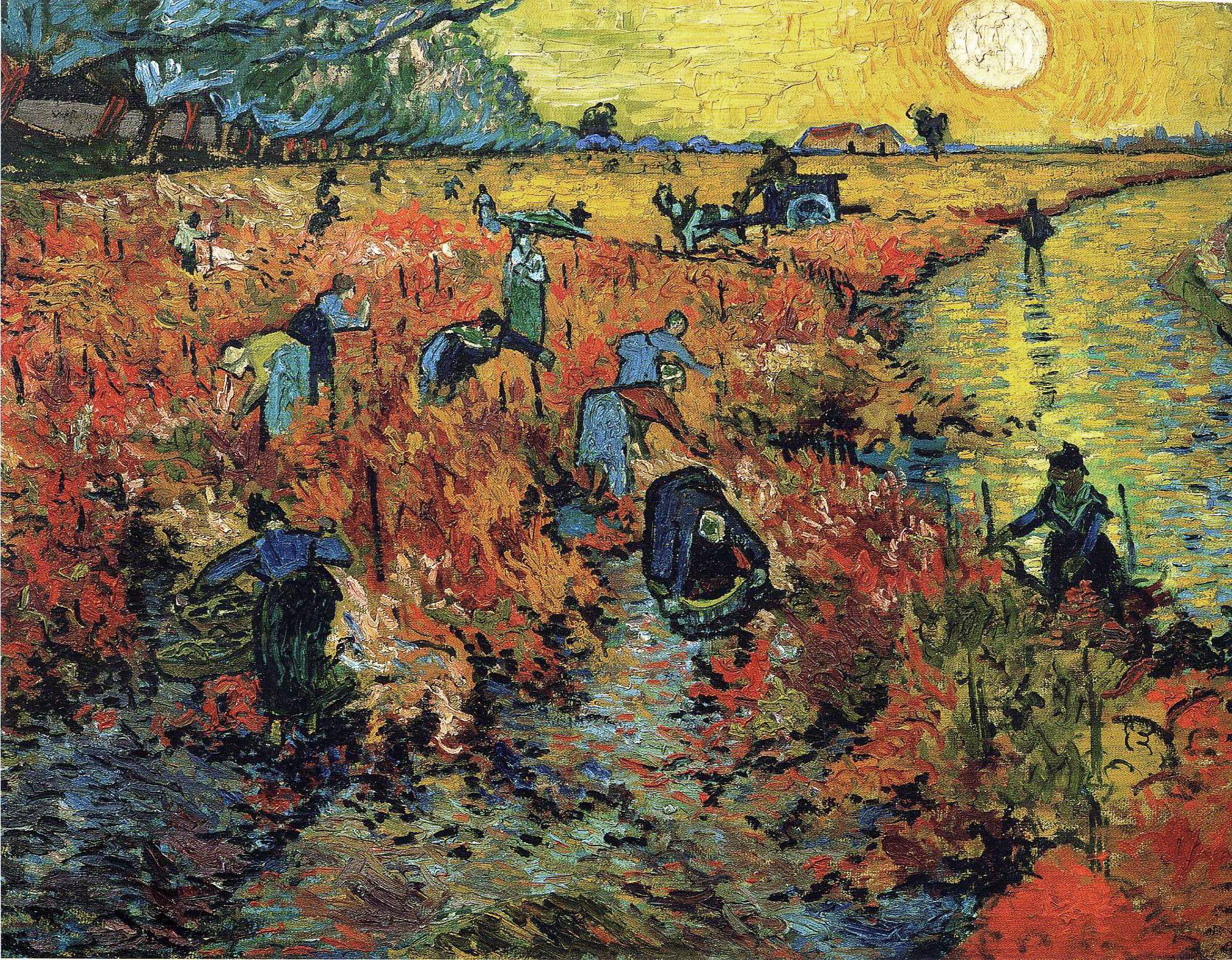
It may have crossed your mind, while behold­ing paint­ings of Vin­cent van Gogh, that you’d like to own one your­self some­day. If so, you’ll have to get in line with more than a few bil­lion­aires, and even they may nev­er see one go up on the auc­tion block. This would prob­a­bly come as a sur­prise to van Gogh him­self, who died des­ti­tute — and prac­ti­cal­ly unknown — after an artis­tic career of just ten years. In that time, he man­aged to sell exact­ly one paint­ing, at least accord­ing to cer­tain def­i­n­i­tions of “sell.” Van Gogh did barter paint­ings for food and art sup­plies, and he did accept com­mis­sions, begin­ning with one from his art-deal­er uncle Cor. But as for sales made to non-rel­a­tives through an offi­cial show, we only know of one: La vigne rouge.

Known in Eng­lish as The Red Vine­yards near Arles, or sim­ply The Red Vine­yard, the paint­ing depicts a land­scape van Gogh came across “on a late after­noon walk with Paul Gau­guin on 28 Octo­ber 1888, five days after his friend’s arrival in Arles.” So writes Mar­tin Bai­ley at The Art News­pa­per, who adds that “pick­ing the grapes nor­mal­ly takes place in Sep­tem­ber in Provence, but the har­vest seems to have been late that year.”

To his broth­er Theo, Vin­cent described the scene thus: “A red vine­yard, com­plete­ly red like red wine. In the dis­tance it became yel­low, and then a green sky with a sun, fields vio­let and sparkling yel­low here and there after the rain in which the set­ting sun was reflect­ed.” The artist was not, how­ev­er, moved to set up his can­vas then and there; rather, he paint­ed the vine­yard the next month, from mem­o­ry.

Vin­cent let Theo hang the result­ing can­vas in his Paris apart­ment until he asked for it back in order to exhib­it it in the annu­al Brus­sels show put on by a group called Les Vingt in ear­ly 1890. The Red Vine­yards’ buy­er was one of their num­ber, a cer­tain Anna Boch, the sis­ter of van Gogh’s col­league in impres­sion­ism (and one­time por­trait sub­ject) Eugène Boch. Though she was no rela­tion, Anna did pay full stick­er price for the paint­ing, and van Gogh lat­er expressed some regret about not giv­ing her a “friend’s price.” But what­ev­er it cost her, it was sure­ly a steal com­pared to its val­ue today, after its pur­chase by a Russ­ian col­lec­tor, its rev­o­lu­tion­ary expro­pri­a­tion, and its long Sovi­et sup­pres­sion fol­lowed by proud exhi­bi­tion at Moscow’s Pushkin State Muse­um of Fine Arts — which, owing to the paint­ing’s fragili­ty, won’t even lend it out.

via Messy Nessy

Relat­ed con­tent:

1,500 Paint­ings & Draw­ings by Vin­cent van Gogh Have Been Dig­i­tized & Put Online

Vin­cent Van Gogh’s The Star­ry Night: Why It’s a Great Paint­ing in 15 Min­utes

Based in Seoul, Col­in Marshall writes and broad­casts on cities, lan­guage, and cul­ture. His projects include the Sub­stack newslet­ter Books on Cities and the book The State­less City: a Walk through 21st-Cen­tu­ry Los Ange­les. Fol­low him on the social net­work for­mer­ly known as Twit­ter at @colinmarshall.

How 16th-Century Artist Joris Hoefnagel Made Insects Beautiful—and Changed Science Forever

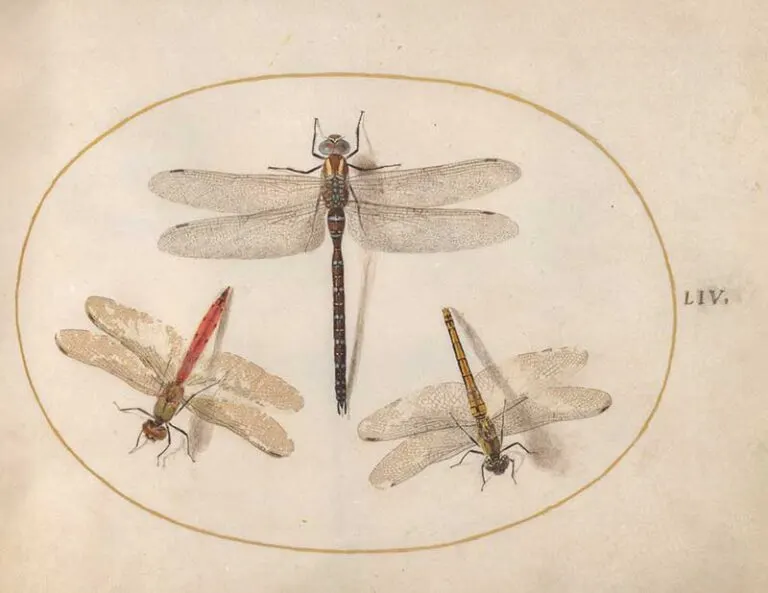
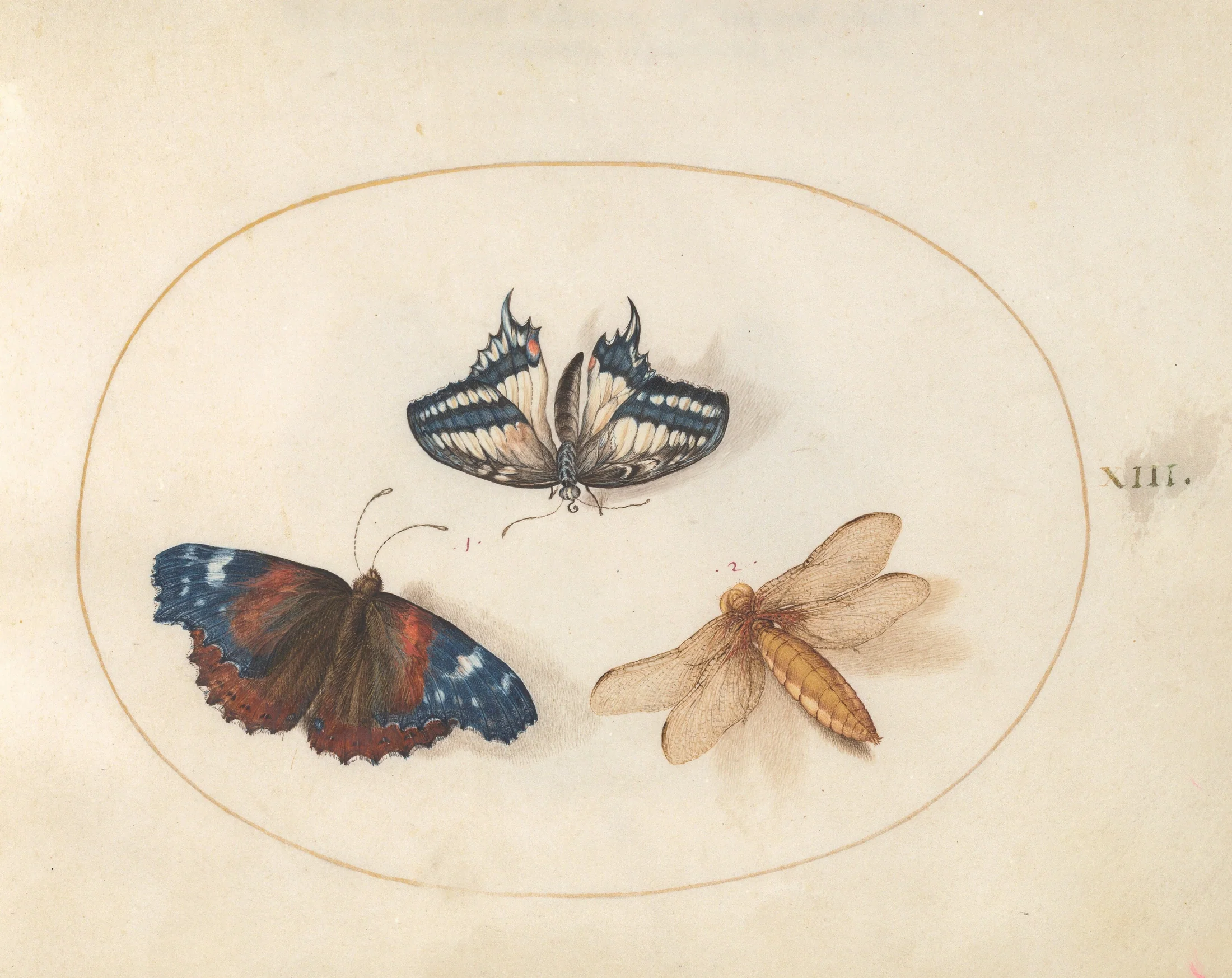
In Eng­lish, most of the words we’d use to refer to insects sound off-putting at best and fear­some at worst, at least to those with­out an ento­mo­log­i­cal bent. Dutch, close a lin­guis­tic rela­tion though it may be, offers a more endear­ing alter­na­tive in beestjes, which refers to all these “lit­tle beasts” in which the artists and sci­en­tists of Europe start­ed to take a major inter­est in the late six­teenth cen­tu­ry. As was the style of that era, the mag­is­te­ria of art and sci­ence tend­ed to over­lap, a phe­nom­e­non nowhere more clear­ly reflect­ed — at least with regard to the insect king­dom — than in the work of Joris Hoef­nagel, a Flem­ish artist whose illus­tra­tions of beestjes com­bined beau­ty and accu­ra­cy in a man­ner nev­er seen before.


You can now see Hoef­nagel’s art up close at the exhi­bi­tion Lit­tle Beasts: Art, Won­der, and the Nat­ur­al World, which will be up at the Nation­al Gallery of Art in Wash­ing­ton, DC until ear­ly Novem­ber. If you won’t be able to make it out to the muse­um, have a look at the exhi­bi­tion’s web site, which shows off the splen­dor of Hoef­nagel’s work as pub­lished in The Four Ele­ments, a col­lec­tion of about 300 water­col­ors grouped into four vol­umes in the fif­teen-sev­en­ties and eight­ies, each one named for an ele­ment: Aqua con­tains water ani­mals; Ter­ra land ani­mals; Aier birds and plants; and Ignis, or “fire,” insects.

“We don’t real­ly know why Hoef­nagel put insects in the fire vol­ume,” says Evan “Nerd­writer” Puschak in the new video above. “Maybe because both fire and insects sym­bol­ize trans­for­ma­tion.”


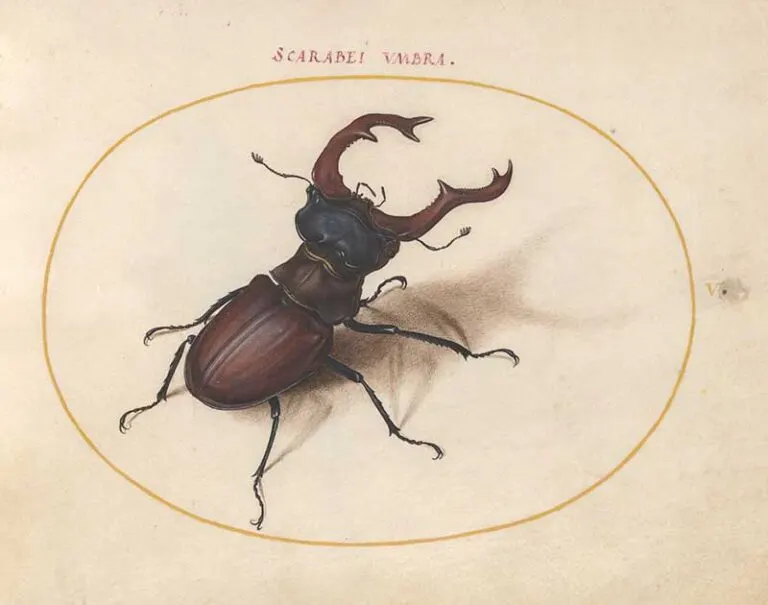
“What we do know,” Puschak adds, “is that these insect minia­tures are mag­nif­i­cent­ly ren­dered.” Hoef­nagel even made improve­ments on the nature illus­tra­tions of his artis­tic pre­de­ces­sor Albrecht Dür­er, whose own abil­i­ties to ren­der our world with fideli­ty had been regard­ed as near­ly super­hu­man. One par­tic­u­lar work that sur­pass­es Dür­er is Hoef­nagel’s depic­tion of a stag bee­tle, which he accom­pa­nied with the Latin inscrip­tion “SCARABEI UMBRA,” or “the shad­ow of the stag bee­tle”: pos­si­bly a ref­er­ence to the unprece­dent­ed real­ism of the insec­t’s shad­ow as Hoef­nagel ren­dered it, but in any case a com­mon say­ing at the time about hol­low threats. For how­ev­er fright­en­ing the stag bee­tle looked, as Hoef­nagel well knew, the actu­al crea­ture was gen­tle — just anoth­er wee beast­ie after all.

Relat­ed Con­tent:

The Genius of Albrecht Dür­er Revealed in Four Self-Por­traits

Vladimir Nabokov’s Delight­ful But­ter­fly Draw­ings

Ernst Haeckel’s Sub­lime Draw­ings of Flo­ra and Fau­na: The Beau­ti­ful Sci­en­tif­ic Draw­ings That Influ­enced Europe’s Art Nou­veau Move­ment (1889)

Two Mil­lion Won­drous Nature Illus­tra­tions Put Online by The Bio­di­ver­si­ty Her­itage Library

Cap­ti­vat­ing Col­lab­o­ra­tion: Artist Hubert Duprat Uses Insects to Cre­ate Gold­en Sculp­tures

Watch The Insects’ Christ­mas from 1913: A Stop Motion Film Star­ring a Cast of Dead Bugs

Based in Seoul, Col­in Marshall writes and broad­casts on cities, lan­guage, and cul­ture. His projects include the Sub­stack newslet­ter Books on Cities and the book The State­less City: a Walk through 21st-Cen­tu­ry Los Ange­les. Fol­low him on the social net­work for­mer­ly known as Twit­ter at @colinmarshall.

Iconic Animator Chuck Jones Creates an Oscar-Winning Animation About the Virtues of Universal Health Care (1949)

While our coun­try looks like it might be com­ing apart at the seams, it’s good to revis­it, every once in a while, moments when it did work. And that’s not so that we can feel nos­tal­gic about a lost time, but so that we can remind our­selves how, giv­en the right con­di­tions, things could work well once again.

One exam­ple from his­to­ry (and recent­ly redis­cov­ered by a num­ber of blogs dur­ing the AHCA deba­cle in Con­gress) is this gov­ern­ment pro­pa­gan­da film from 1949—the Har­ry S. Tru­man era—that pro­motes the idea of cra­dle-to-grave health care, and all for three cents a week. This mon­ey went to school nurs­es, nutri­tion­ists, fam­i­ly doc­tors, and neigh­bor­hood health depart­ments.

Direct­ed by Chuck Jones, bet­ter known for ani­mat­ing Bugs Bun­ny, Porky Pig, Daffy Duck, and the Road Run­ner, “So Much for So Lit­tle” fol­lows our main char­ac­ter from infancy—where doc­tors help immu­nize babies against whoop­ing cough, diph­the­ria, rheumat­ic fever, and smallpox—through school to dat­ing, mar­riage, becom­ing par­ents, and set­tling into a nice, healthy retire­ment. Along the way, the gov­ern­ment has made sure that health care is noth­ing to wor­ry about.

The film won an Acad­e­my Award in 1950 for Doc­u­men­tary Short Subject—not best sci-fi, despite how rad­i­cal this all sounds.

So what hap­pened? John Maher at the blog Dot and Line puts it this way:

Par­ti­san­ship and cap­i­tal­ism and racist zon­ing poli­cies shat­tered its ide­al­is­tic dream that Amer­i­cans might actu­al­ly pay com­mu­nal­ly for their health as well as that of their neigh­bors and fel­low cit­i­zens.

Three cents per Amer­i­can per week wouldn’t cut it now in terms of uni­ver­sal health cov­er­age. But accord­ing to Maher, quot­ing a 2009 Kingsepp study on the orig­i­nal Afford­able Care Act, tax­pay­ers would have to pay $3.61 a week.

So folks, don’t get despon­dent, get ide­al­is­tic. The Great­est Gen­er­a­tion came back from WWII with a grand ide­al­ism. Maybe this cur­rent gen­er­a­tion just needs to fight and defeat Nazis all over again…

Note: An ear­li­er ver­sion of this post appeared on our site in 2017.

Relat­ed Con­tent:

The Evo­lu­tion of Chuck Jones, the Artist Behind Bugs Bun­ny, Daffy Duck & Oth­er Looney Tunes Leg­ends: A Video Essay

How to Draw Bugs Bun­ny: A Primer by Leg­endary Ani­ma­tor Chuck Jones

Chuck Jones’ 9 Rules For Draw­ing Road Run­ner Car­toons, or How to Cre­ate a Min­i­mal­ist Mas­ter­piece

Chuck Jones’ The Dot and the Line Cel­e­brates Geom­e­try & Hard Work: An Oscar-Win­ning Ani­ma­tion (1965)

Ted Mills is a free­lance writer on the arts.

by | Permalink | Make a Comment ( 2 ) |

« Go Back
Quantcast