A few years ago, we featured here on Open Culture the Freedmen’s Bureau Project database, which contains searchable information on formerly enslaved people in the United States after its Civil War. With nearly 1.8 million men, women, and children registered there when it first opened to the public, it has remained a valuable resource for many Americans researching their own heritage, not just descendants of former slaves but of other Civil War refugees as well. But of course, the U.S. was hardly the only country where slavery existed. Countless people here in the twenty-first century have ancestors who were enslaved in other former British colonies, and now they’ve got a portal through which to do genealogical searches of their own.
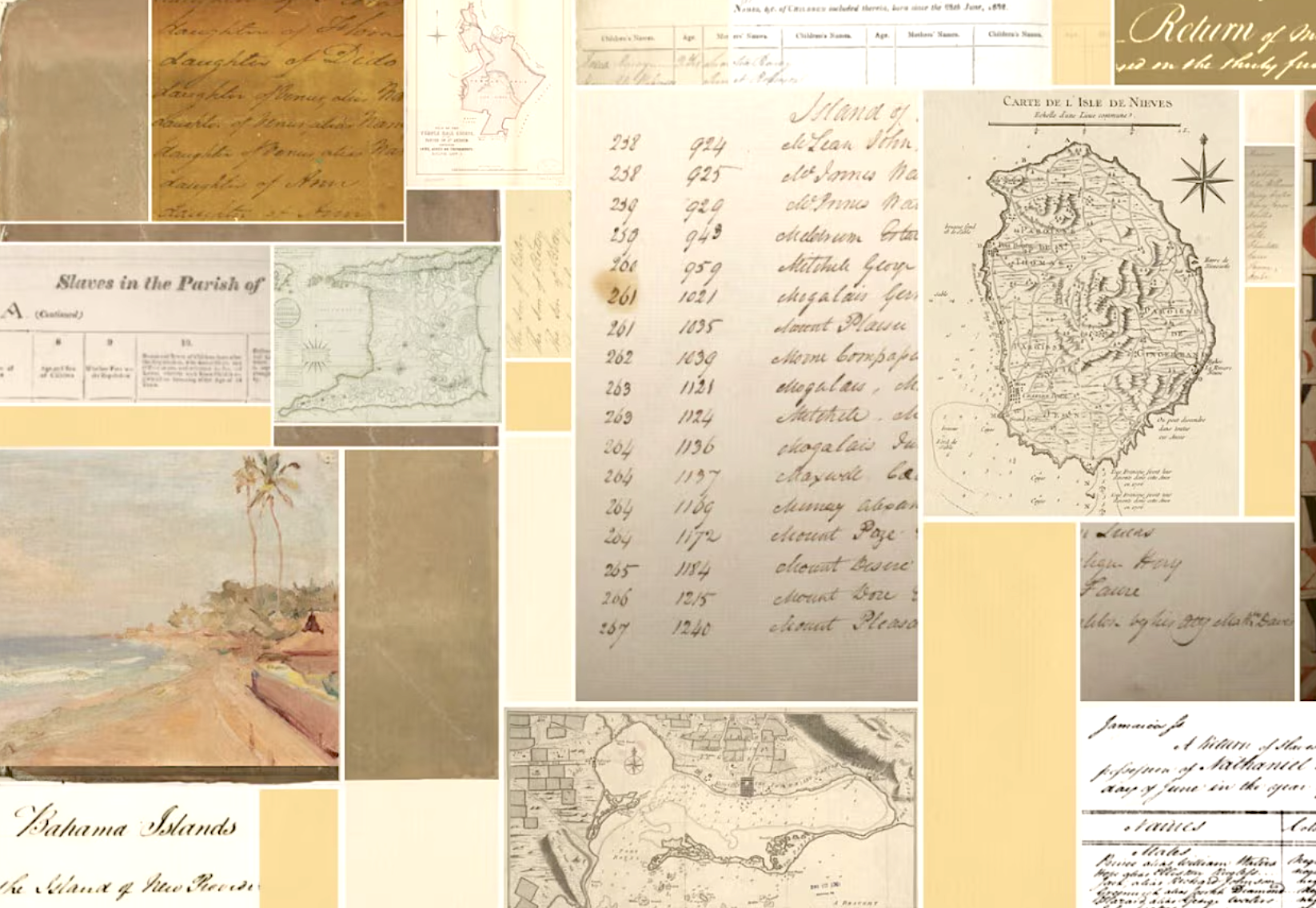
Launched by a partnership between the genealogy company Ancestry and the Centre for the Study of the Legacies of British Slavery at University College London, the online Former British Colonies Enslavement Registers makes available records on nearly four million individuals enslaved between 1813 and 1840 in a host of countries from the Bahamas to Mauritius to South Africa.
First created by the British government during the process of abolishing the transatlantic slave trade in 1807 — much as the Freedmen’s Bureau organized its registry of former slaves during Reconstruction under Abraham Lincoln — the original papers contain not just their names and ages, but also maternal family connections, physical descriptions, and sometimes details about their place of African origin.
In the video above, genealogist and Ancestry Senior Story Producer Nicka Sewell-Smith provides an introduction to the Former British Colonies Enslavement Registers, which you can access here. If you’re curious about whether your own ancestors may appear in its records, you can search by details like name, approximate date, or location to narrow down the potential matches. The modern descendants of people enslaved in the 20 countries covered by the database by no means live exclusively, or even primarily, in those countries or in Great Britain itself. More than two centuries later, their descendants live all over the world, including in Latin America and the United States, leading lives very different from those of their enslaved ancestors — but the reconstruction of their family stories has only just begun. Enter the database here.
Related content:
Based in Seoul, Colin Marshall writes and broadcasts on cities, language, and culture. He’s the author of the newsletter Books on Cities as well as the books 한국 요약 금지 (No Summarizing Korea) and Korean Newtro. Follow him on the social network formerly known as Twitter at @colinmarshall.




Leave a Reply