48 Animated Videos Explain the History of Ideas: From Aristotle to Sartre

This year we’ve been fea­tur­ing short ani­mat­ed videos from BBC Radio 4, all cov­er­ing the big ques­tions: How did every­thing begin? What makes us human? What is love? How can I know any­thing at all? They’ve all come script­ed by philoso­pher Nigel War­bur­ton (he of Phi­los­o­phy Bites pod­cast fame) and nar­rat­ed by a host of nota­bles from both sides of the pond like Stephen Fry, Gillian Ander­son, Aidan Turn­er, and Har­ry Shear­er. They’ve illus­trat­ed the philo­soph­i­cal con­cepts at hand not just with elab­o­rate and joke-filled draw­ings that come to life before your eyes, but with direct ref­er­ence to the ideas of his­to­ry’s best-known thinkers: Aris­to­tle, Descartes, Hume, Wittgen­stein, de Beau­voirSartre, Freud, Chom­sky — the list goes on.

Now you can expe­ri­ence all of them in the one big playlist embed­ded just above, which pro­vides a grand his­to­ry of ideas with a suc­ces­sion of bite-size videos. The intel­lec­tu­al jour­ney begins with Dio­ti­ma’s con­cept of desire as a form of beau­ty and ends, 47 one- to two-minute celebri­ty-nar­rat­ed and philo­soph­i­cal­ly scin­til­lat­ing pro­duc­tions lat­er, with Karl Pop­per’s con­cept of fal­si­fi­ca­tion, under which an idea only attains the des­ig­na­tion sci­en­tif­ic if it could, in prin­ci­ple, be proven false.

Once you’ve gone through all these videos, despite how much they them­selves will have taught you, you’ll sure­ly want to go even deep­er into all these big ideas. In the ser­vice of that goal, why not have a look through some of the oth­er philo­soph­i­cal resources we’ve fea­tured, includ­ing our archive of Free Phi­los­o­phy Cours­es, our col­lec­tion of Free Phi­los­o­phy eBooks, pod­casts like Oxford’s phi­los­o­phy lec­tures and The His­to­ry of Phi­los­o­phy With­out Any Gaps, Bryan Magee’s tele­vi­sion inter­views with philoso­phers, and of course, phi­los­o­phy explained with donuts.

If you would like to sign up for Open Culture’s free email newslet­ter, please find it here. It’s a great way to see our new posts, all bun­dled in one email, each day.

If you would like to sup­port the mis­sion of Open Cul­ture, con­sid­er mak­ing a dona­tion to our site. It’s hard to rely 100% on ads, and your con­tri­bu­tions will help us con­tin­ue pro­vid­ing the best free cul­tur­al and edu­ca­tion­al mate­ri­als to learn­ers every­where. You can con­tribute through Pay­Pal, Patre­on, and Ven­mo (@openculture). Thanks!

Relat­ed Con­tent:

How Can I Know Any­thing at All? BBC Ani­ma­tions Fea­ture the Phi­los­o­phy of Wittgen­stein, Hume, Pop­per & More

What is Love? BBC Phi­los­o­phy Ani­ma­tions Fea­ture Sartre, Freud, Aristo­phanes, Dawkins & More

What is the Self? Watch Phi­los­o­phy Ani­ma­tions Nar­rat­ed by Stephen Fry on Sartre, Descartes & More

How Did Every­thing Begin?: Ani­ma­tions on the Ori­gins of the Uni­verse Nar­rat­ed by X‑Files Star Gillian Ander­son

What Makes Us Human?: Chom­sky, Locke & Marx Intro­duced by New Ani­mat­ed Videos from the BBC

How to Live a Good Life? Watch Phi­los­o­phy Ani­ma­tions Nar­rat­ed by Stephen Fry on Aris­to­tle, Ayn Rand, Max Weber & More

How Can I Know Right From Wrong? Watch Phi­los­o­phy Ani­ma­tions on Ethics Nar­rat­ed by Har­ry Shear­er

Phi­los­o­phy Bites: Pod­cast­ing Ideas From Pla­to to Sin­gu­lar­i­ty Since 2007

Col­in Mar­shall writes else­where on cities, lan­guage, Asia, and men’s style. He’s at work on a book about Los Ange­les, A Los Ange­les Primer, the video series The City in Cin­e­maand the crowd­fund­ed jour­nal­ism project Where Is the City of the Future? Fol­low him on Twit­ter at @colinmarshall or on Face­book.

Rock-Loving Kid Records a Spat with His Parents During the 1980s & Animates It 30 Years Later

Cer­tain­ly for me, and per­haps for many of you, there’s some­thing eeri­ly famil­iar about the scene that plays out in this ani­ma­tion. Here’s the back­sto­ry: Start­ing when he was 12, Mike Cohen, a kid grow­ing up in Buf­fa­lo, began record­ing the argu­ments he had with his par­ents (unbe­knownst to them). At least one of the tapes, record­ed in 1985, recent­ly end­ed up in the hands of Rodd Per­ry, a first time ani­ma­tor, who cre­at­ed the car­toon above.  By the looks of things, Broth­er Mike is still part of the music scene today.

Relat­ed Con­tent:

I Met the Wal­rus: An Ani­mat­ed Film Revis­it­ing a Teenager’s 1969 Inter­view with John Lennon

1980s Met­al­head Kids Are All Right: New Study Sug­gests They Became Well-Adjust­ed Adults

Shel Silverstein’s The Giv­ing Tree: The Ani­mat­ed Film Nar­rat­ed by Shel Him­self (1973)

by | Permalink | Make a Comment ( 3 ) |

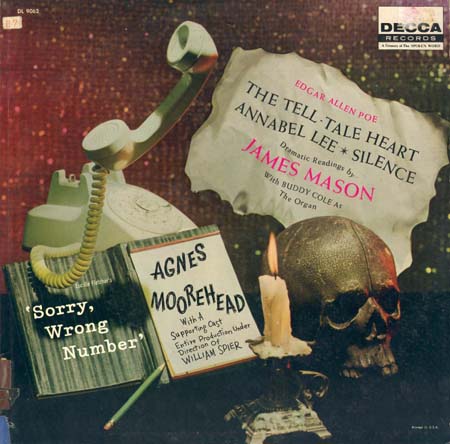
Classics Stories by Edgar Allan Poe Narrated by James Mason in a 1953 Oscar-Nominated Animation & 1958 Decca Album

Some enthu­si­asts of 19th-cen­tu­ry Amer­i­can psy­cho­log­i­cal hor­ror mas­ter (or, in a very real sense, 19th-cen­tu­ry Amer­i­can psy­cho­log­i­cal hor­ror inven­tor) Edgar Allan Poe find his work best read aloud. Thus we’ve pre­vi­ous­ly fea­tured Poe deliv­ered in the grav­i­tas-filled voic­es of such not­ed thes­pi­ans as Vin­cent Price, Basil Rath­bone, Christo­pher Walken, Christo­pher Lee, and James Mason. Mason did the read­ing (above) as a nar­ra­tion for a 1953 ani­mat­ed short The Tell-Tale Heart, adapt­ing Poe’s 1843 sto­ry of the same name, which drew both an Acad­e­my Award nom­i­na­tion for Best Ani­mat­ed Short Film and — per­haps more in line with the Poe sen­si­bil­i­ty — a rat­ing of “X” from the British Board of Film Cen­sors.

James Mason Poe

WFMU man­aged to dig up even more Poe as read by Mason, three tracks of which they post­ed to their blog one Hal­loween, all with “creepy and dra­mat­ic organ stylings by Bud­dy Cole, who no doubt wore an Inver­ness cape for the occa­sion.” They come from a 1958 release from Dec­ca Records, fea­tur­ing Mason’s read­ings of not just “The Tell-Tale Heart” [MP3] but Poe’s cryp­tic fable “Silence” [MP3—below] and haunt­ing final poem “Annabel Lee” [MP3—bot­tom]. (The flip side of the album offers some­thing com­plete­ly dif­fer­ent, in the form of Agnes Moore­head “and a sup­port­ing cast” per­form­ing Lucille Fletcher’s radio play “Sor­ry, Wrong Num­ber.”)

Opin­ions on who reads Poe most effec­tive­ly will dif­fer from lis­ten­er to lis­ten­er, but if you’d like to make a par­tial but direct com­par­i­son for your­self, sim­ply line up Mason’s ren­di­tion of “The Tell-Tale Heart” on a playlist with the ones we’ve pre­vi­ous­ly post­ed by Christo­pher Lee, Basil Rath­bone — and of course, Iggy Pop. It may have become Poe’s best-known sto­ry in the first place by hav­ing retained its impact over all these 172 years, but hav­ing such a range of per­for­ma­tive per­son­al­i­ties inter­pret it can’t hurt in keep­ing it as eerie as ever.

Relat­ed Con­tent:

Iggy Pop Reads Edgar Allan Poe’s Clas­sic Hor­ror Sto­ry, “The Tell-Tale Heart”

5 Hours of Edgar Allan Poe Sto­ries Read by Vin­cent Price & Basil Rath­bone

Edgar Allan Poe’s “The Raven,” Read by Christo­pher Walken, Vin­cent Price, and Christo­pher Lee

Hear Orson Welles Read Edgar Allan Poe on a Cult Clas­sic Album by The Alan Par­sons Project

Edgar Allan Poe Ani­mat­ed: Watch Four Ani­ma­tions of Clas­sic Poe Sto­ries

Down­load The Com­plete Works of Edgar Allan Poe on His Birth­day

Col­in Mar­shall writes else­where on cities, lan­guage, Asia, and men’s style. He’s at work on a book about Los Ange­les, A Los Ange­les Primer, the video series The City in Cin­e­ma, and the crowd­fund­ed jour­nal­ism project Where Is the City of the Future? Fol­low him on Twit­ter at @colinmarshall or on Face­book.

The First Animated Feature Film: The Adventures of Prince Achmed by Lotte Reiniger (1926)


Ear­li­er this week, we fea­tured pio­neer­ing Ger­man ani­ma­tor Lotte Reiniger’s ani­mat­ed sil­hou­ette films, for which she adapt­ed old Euro­pean sto­ries like “Cin­derel­la,” “Thum­be­li­na,” and “Hansel and Gre­tel” into a strik­ing visu­al style — strik­ing now, and even more strik­ing in the 1920s — sim­i­lar to tra­di­tion­al Indone­sian shad­ow pup­pet the­ater. Her work draws plen­ty of mate­r­i­al from folk­tales, but not just those from in and around her home­land (Ger­many). For her most ambi­tious work, for instance, Reiniger looked all the way to Ara­bia, adapt­ing sto­ries from no less ven­er­a­ble a source than One Thou­sand and One Nights. The 65-minute result, 1926’s The Adven­tures of Prince Achmed, stands as the ear­li­est ani­mat­ed fea­ture film. (See a nice clip above. The com­plete film lives on DVD/Blu Ray.)

“For cen­turies Prince Achmed on his mag­ic horse had lived a com­fort­able life as a well-loved fairy tale fig­ure of the Ara­bi­an nights and was well con­tent­ed with that,” Reiniger writes in her intro­duc­tion to the pic­ture. “But one day he was thrown out of his peace­ful exis­tence by a film com­pa­ny which want­ed to employ him and many oth­er char­ac­ters of the same sto­ries for an ani­mat­ed film.” And so, in 1923, it fell to her and a select group of col­lab­o­ra­tors to make that film. They labored for the bet­ter part of three years, not just because of the require­ments of shoot­ing each and every frame by hand but because of the exper­i­men­tal nature of ani­ma­tion itself. “We had to exper­i­ment and try out all sorts of inven­tions to make the sto­ry come alive. The more the shoot­ing of Prince Achmed advanced the more ambi­tious he became.”

At that time, The Adven­tures of Prince Achmed did not, of course, even faint­ly resem­ble any fea­ture yet made. “No the­atre dared show it,” Reiniger writes, “for ‘it was not done.’ ” And so they did it them­selves, screen­ing the film just out­side Berlin, which led to a show in Paris, then one in Berlin prop­er, by which point Prince Achmed and his mag­ic horse were well on their way to a place in the ani­ma­tion his­to­ry books. They near­ly lost that place due to the 1945 bat­tle of Berlin, when the film’s neg­a­tive was lost amid the destruc­tion, but the British Film Insti­tute had made a neg­a­tive of their own for a Lon­don screen­ing, which even­tu­al­ly became the mate­r­i­al for a restora­tion and revival. “The revival was done by the son of the banker who spon­sored the film in 1923,” notes Reiniger. “He had assist­ed in its cre­ation as a small boy. So it was grant­ed to old Prince Achmed to have a hap­py res­ur­rec­tion after almost half a cen­tu­ry” — and he con­tin­ues to win new fans today.

Relat­ed Con­tent:

The Ground­break­ing Sil­hou­ette Ani­ma­tions of Lotte Reiniger: Cin­derel­la, Hansel and Gre­tel, and More

Sita Sings the Blues Now on YouTube

Ear­ly Japan­ese Ani­ma­tions: The Ori­gins of Ani­me (1917–1931)

4,000+ Free Movies Online: Great Clas­sics, Indies, Noir, West­erns, Doc­u­men­taries & More

Col­in Mar­shall writes on cities, lan­guage, Asia, and men’s style. He’s at work on a book about Los Ange­les, A Los Ange­les Primer, and the video series The City in Cin­e­ma. Fol­low him on Twit­ter at @colinmarshall or on Face­book.

Hayao Miyazaki’s Masterpieces Spirited Away and Princess Mononoke Imagined as 8‑Bit Video Games

As an unapolo­getic mem­ber of the “Mil­len­ni­al” gen­er­a­tion, allow me to tell you how to win over a great many of us at a stroke: just appeal to our long-instilled affin­i­ty for Japan­ese ani­ma­tion and clas­sic video games. Raised, like many of my peers born in the late 1970s and ear­ly 1980s, on a steady diet of those art forms — not that every­one knew to acknowl­edge them as art forms back then — I respond instinc­tive­ly to either of them, and as for their inter­sec­tion, well, how could I resist?

I cer­tain­ly can’t resist the ster­ling exam­ple of ani­me-meets-ret­rogam­ing in action just above: an 8‑Bit Cin­e­ma dou­ble-fea­ture, offer­ing David and Hen­ry Dut­ton’s pix­e­lat­ed ren­di­tions of huge­ly respect­ed Japan­ese ani­ma­tion mas­ter Hayao Miyaza­k­i’s films Spir­it­ed Away and Princess Mononoke. In just under eight min­utes, the video tells both sto­ries — the for­mer of a young girl trans­port­ed into not just the spir­it realm but into employ­ment at one of its bath­hous­es; the lat­ter of the unend­ing strug­gle between humans and for­est gods in 15th-cen­tu­ry Japan — as tra­di­tion­al side-scrolling, plat­form-jump­ing video games.

Clear­ly labors of love by true clas­sic gamers, these trans­for­ma­tions get not just the graph­ics (which actu­al­ly look bet­ter than real games of the era, in keep­ing with Miyaza­k­i’s artistry) but the sound, music, and even game­play con­ven­tions just right. I’d love to play real ver­sions of these games, espe­cial­ly since, apart from an unloved adap­ta­tion of Nau­si­caä of the Val­ley of the Wind, Miyaza­k­i’s movies haven’t plunged into the video-game realm.

And if you respond bet­ter to the aes­thet­ic of clas­sic gam­ing than to that of Japan­ese ani­ma­tion, do have a look at 8‑Bit Cin­e­ma’s oth­er work, much of which you can sam­ple in their show reel with clips from their ver­sions of pic­tures like The Shin­ingKill Bill, and The Life Aquat­ic with Steve Zis­sou. I remem­ber many child­hood con­ver­sa­tions about how video games would even­tu­al­ly look just like our favorite movies, ani­mat­ed or oth­er­wise; lit­tle did we know that, one day, our favorite movies would also look just like video games.

Relat­ed Con­tent:

Hayao Miyazaki’s Uni­verse Recre­at­ed in a Won­der­ful CGI Trib­ute

French Stu­dent Sets Inter­net on Fire with Ani­ma­tion Inspired by Moe­bius, Syd Mead & Hayao Miyaza­ki

The Simp­sons Pay Won­der­ful Trib­ute to the Ani­me of Hayao Miyaza­ki

The Delight­ful TV Ads Direct­ed by Hayao Miyaza­ki & Oth­er Stu­dio Ghi­b­li Ani­ma­tors (1992–2015)

The Phi­los­o­phy of Friedrich Niet­zsche Explained with 8‑Bit Video Games

8‑Bit Phi­los­o­phy: Pla­to, Sartre, Der­ri­da & Oth­er Thinkers Explained With Vin­tage Video Games

The Big Lebows­ki Reimag­ined as a Clas­sic 8‑Bit Video Game

The Great Gats­by and Wait­ing for Godot: The Video Game Edi­tions

Col­in Mar­shall writes on cities, lan­guage, Asia, and men’s style. He’s at work on a book about Los Ange­les, A Los Ange­les Primer, and the video series The City in Cin­e­ma. Fol­low him on Twit­ter at @colinmarshall or on Face­book.

The Groundbreaking Silhouette Animations of Lotte Reiniger: Cinderella, Hansel and Gretel, and More

You can’t talk about the ori­gin of the mod­ern ani­mat­ed film with­out talk­ing about the work of Lotte Reiniger (1899–1981), the Ger­man cre­ator of some 40 ani­mat­ed films between the 1910s and the 70s. And you can hard­ly talk about Reiniger’s work with­out talk­ing about the enchant­i­ng art of shad­ow pup­petry, which we most­ly asso­ciate with tra­di­tion­al cul­tures like that of Indone­sia, but which also inspired her ear­ly 20th-cen­tu­ry inno­va­tions in ani­ma­tion.

This may sound quite obscure, espe­cial­ly when put up against the Dis­ney and Pixar extrav­a­gan­zas in the­aters today, but all these forms of enter­tain­ment draw, in a sense, from a com­mon well: the fairy tale.

The cre­ators of today’s mega-bud­get ani­mat­ed films know full well the endur­ing val­ue of fairy tales, and so con­tin­ue to adapt their basic sto­ry mate­r­i­al, lay­er­ing on both the lat­est visu­al effects and smirk­ing gags with up-to-the-minute ref­er­ences in order to keep the obvi­ous enter­tain­ment val­ue high. But Indone­sian shad­ow pup­pet the­ater has been doing the same thing for cen­turies and cen­turies, con­vert­ing ancient folk­tales into an evening’s (albeit often a long evening’s) musi­cal enter­tain­ment for audi­ences of era after new era. And Reiniger, in her day, revived the old­est Euro­pean sto­ries with tech­nol­o­gy once as strik­ing and cin­e­mat­i­cal­ly cut­ting-edge as today’s most advanced CGI.

You can watch Reiniger’s 1922 adap­ta­tion of Cin­derel­la at the top of the post. “Nobody else has defined a form of ani­ma­tion as author­i­ta­tive­ly as she did,” writes Dan North of Spec­tac­u­lar Attrac­tions, “and the open­ing sec­tion, where scis­sors make the first cuts into the main char­ac­ter, con­jur­ing her out of sim­ple raw mate­ri­als, dis­plays the means by which the sto­ry is fab­ri­cat­ed and marks it out as a prod­uct of her labour.” Below that, we have a lat­er work, 1955’s Hansel and Gre­tel, an exam­ple of her fur­ther devel­oped tech­nique, and just above you’ll find that same year’s Däumelinchen, also known as Thum­be­li­na.

To get a clear­er sense of exact­ly what went into these shorts (or into 1926’s The Adven­tures of Prince Achmed, her only fea­ture-length film, and first ful­ly ani­mat­ed fea­ture in the his­to­ry of cin­e­ma), watch the sev­en­teen-minute doc­u­men­tary “The Art of Lotte Reiniger” just above. “No one else has tak­en a spe­cif­ic ani­ma­tion tech­nique and made it so utter­ly her own,” writes the British Film Insti­tute’s Philip Kemp, “to date she has no rivals, and for all prac­ti­cal pur­pos­es the his­to­ry of sil­hou­ette ani­ma­tion begins and ends with Reiniger” — but the way she breathed life into her mate­r­i­al lives on.

You can find Reiniger’s films added to our list of Free Ani­mat­ed Films, a sub­set of our col­lec­tion, 4,000+ Free Movies Online: Great Clas­sics, Indies, Noir, West­erns, Doc­u­men­taries & More.

Relat­ed Con­tent:

John Tur­tur­ro Reads Ita­lo Calvino’s Ani­mat­ed Fairy Tale, “The False Grand­moth­er”

Watch Ani­ma­tions of Oscar Wilde’s Children’s Sto­ries “The Hap­py Prince” and “The Self­ish Giant”

Col­in Mar­shall writes on cities, lan­guage, Asia, and men’s style. He’s at work on a book about Los Ange­les, A Los Ange­les Primer, and the video series The City in Cin­e­ma. Fol­low him on Twit­ter at @colinmarshall or on Face­book.

Tom Sawyer, Huck Finn & Twain Himself Meet Satan in the Zany 1985 Claymation The Adventures of Mark Twain

“But who prays for Satan?” Mark Twain asked in the auto­bi­og­ra­phy left behind as he exit­ed this mor­tal coil on the tail of Halley’s comet, whose 1835 appear­ance coin­cid­ed with his birth.

It’s a good ques­tion.

Had he instead asked who clay­mates Satan, the answer would have been clearcut.

1985 saw the release of The Adven­tures of Mark Twain, the world’s first all clay­ma­tion fea­ture film, in which Satan starred along­side Tom Sawyer, Huck­le­ber­ry Finn, Becky Thatch­er, and Twain him­self.

Direc­tor Will Vin­ton, father of the Cal­i­for­nia Raisins and Domi­no Pizza’s ill-fat­ed mas­cot, The Noid, drew on some of Twain’s best known work, cob­bling togeth­er a sto­ry in which the fic­tion­al kids stow­away aboard an air­ship Twain plans to pilot into the comet.

The Satan sec­tion above comes cour­tesy of the author’s final, unfin­ished nov­el, The Mys­te­ri­ous Stranger. The ani­ma­tion is top notch, but hoo boy, it’s hard to imag­ine a vision this apoc­a­lyp­tic get­ting a G‑rating today.

Vin­ton him­self resist­ed the rat­ing, not want­i­ng to be lumped in with more reg­u­lar kid­die fare. It per­formed dis­ap­point­ing­ly at the box office despite great crit­i­cal response from such lofty realms as The New Repub­lic.

Is it real­ly so sur­pris­ing that fam­i­lies flock­ing to the Care Bears Movie steered clear of one fea­tur­ing a shape-shift­ing, free-float­ing mask, who ter­ror­izes the chil­dren in the film (and pre­sum­ably, the audi­ence) by con­jur­ing an enchant­i­ng lit­tle clay king­dom only to rain mis­for­tune upon it. We’re talk­ing smashed coffins, grief-strick­en clay moth­ers wail­ing over the bod­ies of their young, help­less vic­tims being swal­lowed up by cracks that appear in the earth.

Where’s the Hap­py Meal tie-in there!?

It’s reas­sur­ing to know that the exis­ten­tial hor­ror was indeed delib­er­ate. As Vin­ton told James Gartler in an inter­view with Ani­ma­tion World Net­work:

“… it was just such a bizarre char­ac­ter, to start with.  In fact, I haven’t seen a char­ac­ter quite like that in almost any­thing else – some­one who has this pow­er but no feel­ing one way or anoth­er and just sort-of tells it like it is regard­ing the future of human­i­ty.  We want­ed it to be about meta­mor­pho­sis, visu­al­ly, and make that a big part of sequence.  He trans­forms and grows up and down from the earth and appears out of noth­ing­ness. The design of the char­ac­ter came from an ear­ly draw­ing that Bar­ry Bruce did, where a jester was hold­ing his face on a stick.  I thought it was a real­ly inter­est­ing way to play it.  I end­ed up doing the voice of the Stranger with a female per­former.  We want­ed it to be almost androg­y­nous, so she and I did it togeth­er and made a point of not try­ing to hide it, even.”

I’m not sure the per­son or per­sons respon­si­ble for the the­atri­cal trail­er, below, got the memo…

Relat­ed Con­tent:

Nor­man Rock­well Illus­trates Mark Twain’s Tom Sawyer & Huck­le­ber­ry Finn (1936–1940)

Mark Twain Pre­dicts the Inter­net in 1898: Read His Sci-Fi Crime Sto­ry, “From The ‘Lon­don Times’ in 1904”

Play Mark Twain’s “Mem­o­ry-Builder,” His Game for Remem­ber­ing His­tor­i­cal Facts & Dates

Ayun Hal­l­i­day is an author, illus­tra­tor, and Chief Pri­ma­tol­o­gist of the East Vil­lage Inky zine. Fol­low her @AyunHalliday

Jared Diamond Identifies the Real, Unexpected Risks in Our Everyday Life (in a Psychedelic Animated Video)

Jared Dia­mond is a true poly­math. He got his start research­ing how the gall blad­der absorbed salt and then moved on to oth­er fields of study – ornithol­o­gy, anthro­pol­o­gy, lin­guis­tics. His wild­ly diverse inter­ests have giv­en him a unique per­spec­tive of how and why our species evolved. His Pulitzer Prize-win­ning book Germs, Guns and Steel makes a pret­ty con­vinc­ing argu­ment about why Europe — and not Chi­na or South Amer­i­ca — end­ed up dom­i­nat­ing the world. The answer, it turns not, has every­thing to do with geog­ra­phy and lit­tle to do with any kind of cul­tur­al supe­ri­or­i­ty.

Back in 2013, Dia­mond spoke at The Roy­al Insti­tu­tion about how we think of risk in the first world ver­sus those who live in remote New Guinea. The RI has tak­en a por­tion of that hour and a half talk and set it to some glo­ri­ous ani­ma­tion. You can watch it above.

Ear­ly in Diamond’s career, he was in the jun­gle with his New Guinean guides. He found what he thought was a per­fect spot to pitch camp – under a mas­sive dead tree. His guides refused to sleep there, fear­ing that the tree might fall in the mid­dle of the night. He thought that they were being over­ly para­noid until he start­ed see­ing things from their per­spec­tive.

Every night you’re in New Guinea sleep­ing in a for­est, you hear a tree fall some­where and then you go do the num­bers. Sup­pose the risk of that tree falling on me tonight is 1 in 1000. If I sleep under dead trees for 1000 nights, in three years I’m going to be dead. … The New Guinea atti­tude is sen­si­tive to the risks of things you are going to do reg­u­lar­ly. Each time they car­ry a low risk but if you are not cau­tious it will catch up with you.

Dia­mond then extrap­o­lat­ed this real­iza­tion to mod­ern life. He notes that he is 76 years old and will sta­tis­ti­cal­ly speak­ing prob­a­bly live anoth­er 15 or so years. Yet if the risk of tak­ing a fall in the show­er is rough­ly the same as get­ting brained by a dead tree in the jun­gles of New Guinea (1 in 1000), then Dia­mond fig­ures he could kill him­self 5 ½ times over his the course of those 15 years.

“And so I’m care­ful about show­ers,” he says in the full video of the talk. “I’m care­ful about side­walks. I’m care­ful about steplad­ders. It dri­ves many of my Amer­i­can friends crazy but I will sur­vive and they won’t.”

Peo­ple in the first world are ter­ri­fied by the wrong things, Dia­mond argues. The real dan­ger isn’t ter­ror­ism, ser­i­al killers or sharks, which kill a very, very small per­cent­age of peo­ple annu­al­ly. The real risks are those things that we do dai­ly that car­ry a low risk but that even­tu­al­ly catch up with you – dri­ving, tak­ing stairs, using step lad­ders.

You can watch the full inter­view, which is fas­ci­nat­ing, below.

Relat­ed Con­tent:

Jared Dia­mond Explains Haiti’s Endur­ing Pover­ty

The Evo­lu­tion of Reli­gions: A Talk by Jared Dia­mond

“Pro­fes­sor Risk” at Cam­bridge Uni­ver­si­ty Says “One of the Biggest Risks is Being Too Cau­tious”

MIT’s Intro­duc­tion to Pok­er The­o­ry: A Free Online Course

Jonathan Crow is a Los Ange­les-based writer and film­mak­er whose work has appeared in Yahoo!, The Hol­ly­wood Reporter, and oth­er pub­li­ca­tions. You can fol­low him at @jonccrow. And check out his blog Veep­to­pus, fea­tur­ing lots of pic­tures of vice pres­i­dents with octo­pus­es on their heads.  The Veep­to­pus store is here.

« Go BackMore in this category... »
Quantcast