Interactive Music Video Lets You Explore the Apartments on the Cover of Led Zeppelin’s Physical Graffiti

Dig that heavy met­al / Under­neath your hood / Baby I can work all night / Believe I got the per­fect tools / Talkin’ bout love

Last Feb­ru­ary, Led Zep­pelin released a deluxe, re-mas­tered ver­sion of their sprawl­ing 1975 dou­ble album Phys­i­cal Graf­fi­ti, a record per­haps best known for the epic, orches­tral grandeur of the 8 1/2 minute “Kash­mir” (not to be out­done by the 11-minute “In My Time of Dying”). In an album full of styl­is­tic depar­tures and sol­id returns to form, one track, “Tram­pled Under Foot,” man­ages to be both, dri­ven by down-and-dirty blues and uptown 70s funk, cour­tesy of John Paul Jones’ Ste­vie Won­der-inspired organ groove. With lyrics Robert Plant him­self described as “raunchy,” the song—one of Plant’s favorites—may be the band’s most 70s-sound­ing. That’s not to say it’s dat­ed, only that it most per­fect­ly cap­tures the sound of the Amer­i­can street rep­re­sent­ed on the album cov­er, a shot of two adja­cent ten­e­ments on New York City’s St. Mark’s Place.

Room-10---Kitchen-Girls

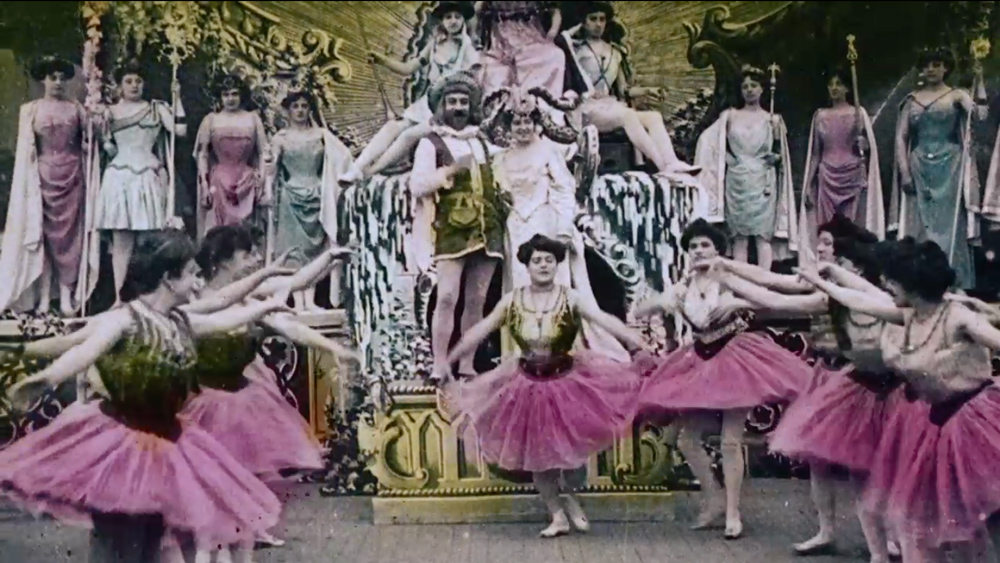
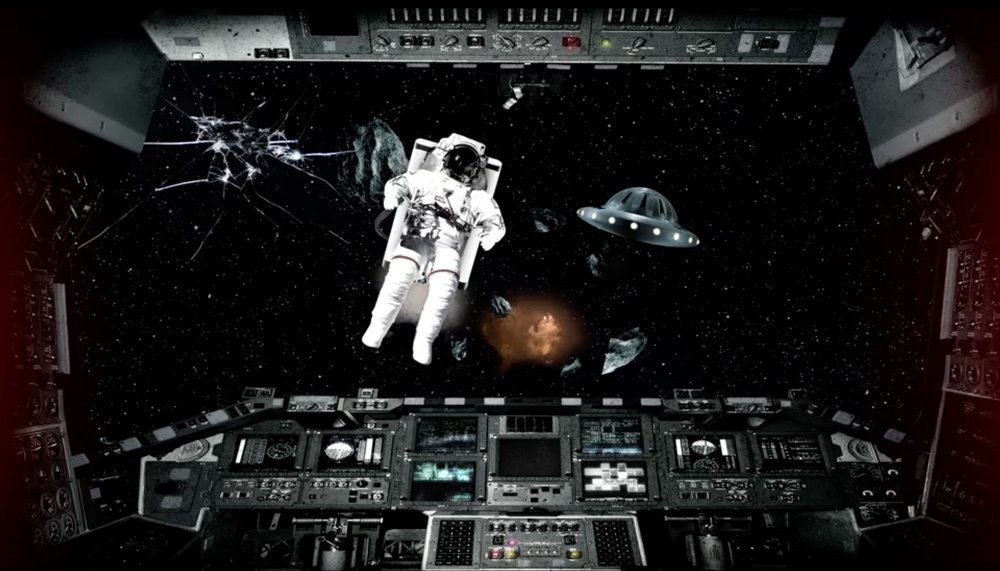
Now, lis­ten­ers can enter those build­ings and tool around the apart­ments, cour­tesy of the inter­ac­tive video at the top of the post (view it in a larg­er for­mat here), which fea­tures a pre­vi­ous­ly unre­leased rough mix of the track called “Brandy & Coke.” Con­ceived and direct­ed by Hal Kirk­land, the video pulls togeth­er some of my favorite things—the peri­od design and styling of That ‘70s Show, the most inven­tive tricks of the music video age, a la Tom Pet­ty or Peter Gabriel, and of course, Zep—with the added 21st cen­tu­ry tech­nol­o­gy of online inter­ac­tiv­i­ty. Click the arrow keys while the video plays and you’re trans­port­ed from one vivid tableaux to anoth­er, some rep­re­sent­ing funky apart­ment scenes, oth­ers some­thing else entire­ly. The video also inte­grates footage from Zeppelin’s per­for­mance of the song at Earl’s Court in ’75.

Room-7---King-and-Queen

Clever ref­er­ences abound, like the nod to god­fa­ther of fan­ta­sy cin­e­ma Georges Méliès (above) and an allu­sion to the clas­sic MTV moon land­ing intro (below). Over­all, it’s an aston­ish­ing visu­al feast that hear­kens back to the very best in music video tech­nol­o­gy, a seem­ing­ly lost art that Kirk­land and com­pa­ny may sin­gle­hand­ed­ly res­ur­rect. See Kirkland’s site for more of his inter­net age music video cre­ations, includ­ing “Sour—Hibi No Neiro,” shot entire­ly on web­cams.

Room-14---Astronaut-Cockpit

Relat­ed Con­tent:

Led Zep­pelin Plays One of Its Ear­li­est Con­certs (Dan­ish TV, 1969)

Hear Led Zeppelin’s Mind-Blow­ing First Record­ed Con­cert Ever (1968)

Jim­my Page Describes the Cre­ation of Led Zeppelin’s “Whole Lot­ta Love”

Josh Jones is a writer and musi­cian based in Durham, NC. Fol­low him at @jdmagness

Disney’s 12 Timeless Principles of Animation Demonstrated in 12 Animated Primers

Last year, we fea­tured Dis­ney’s twelve time­less prin­ci­ples of ani­ma­tion, which Dis­ney ani­ma­tors Frank Thomas and Ollie John­ston first laid out in their 1981 book The Illu­sion of Life: Dis­ney Ani­ma­tion. Even if you’ve nev­er heard of the prin­ci­ples of “squash and stretch,” “fol­low-through,” and “sol­id draw­ing” before, you’ll sure­ly rec­og­nize their appli­ca­tion — in Dis­ney car­toons and most oth­ers besides — as soon as you read their expla­na­tions in that post. Not for noth­ing has Thomas and John­son’s book attained near-Bib­li­cal sta­tus among ani­ma­tors.

These 12 prin­ci­ples give ani­ma­tion the clar­i­ty of com­po­si­tion and rich­ness of motion Dis­ney’s stan­dards have us expect­ing. But how to actu­al­ly exe­cute these 12 prin­ci­ples in your own work? Alan Beck­er Tuto­ri­als breaks it down in a series of 12 videos focused on each prin­ci­ple, clear­ly illus­trat­ing how each looks in prac­tice and suc­cinct­ly explain­ing what it takes to do it right — and show­ing what hap­pens when you don’t.

Because most of us grew up watch­ing car­toons, and more than a few of us have tak­en the inter­est with us into adult­hood, we know good ani­ma­tion when we see it. After watch­ing these brief tuto­ri­als, even if you have no pro­fes­sion­al inter­est in bring­ing draw­ings to life, you’ll find out how much qual­i­ty ani­ma­tion has to do with adher­ence to the 12 prin­ci­ples. You can learn about all of them on the series’ Youtube playlist, a view­ing expe­ri­ence that will enrich your mem­o­ries of the best car­toons you watched in child­hood with an under­stand­ing of what made them the best — and an under­stand­ing of what made all the oth­ers seem so cheap. I’m look­ing at you, Grape Ape.

via Devour

Relat­ed Con­tent:

Disney’s 12 Time­less Prin­ci­ples of Ani­ma­tion

How Walt Dis­ney Car­toons Are Made

The Best Ani­mat­ed Films of All Time, Accord­ing to Ter­ry Gilliam

Free Ani­mat­ed Films: From Clas­sic to Mod­ern

Col­in Mar­shall writes on cities, lan­guage, Asia, and men’s style. He’s at work on a book about Los Ange­les, A Los Ange­les Primer, and the video series The City in Cin­e­maFol­low him on Twit­ter at @colinmarshall or on Face­book.

Watch La Linea, the Popular 1970s Italian Animations Drawn with a Single Line

Sim­plic­i­ty is not the goal. It is the by-prod­uct of a good idea and mod­est expec­ta­tions.

Thus spake design­er Paul Rand, a man who knew some­thing about mak­ing an impres­sion, hav­ing cre­at­ed icon­ic logos for such imme­di­ate­ly rec­og­niz­able brands as ABC, IBM, and UPS.

An exam­ple of Rand’s obser­va­tion, La Lin­ea, aka Mr. Line, a beloved and decep­tive­ly sim­ple car­toon char­ac­ter drawn with a sin­gle unbro­ken line, began as a shill for an Ital­ian cook­ware com­pa­ny. No mat­ter what he man­ages to get up to in two or three min­utes, it’s deter­mined that he’ll even­tu­al­ly butt up against the lim­i­ta­tions of his lin­eal real­i­ty.

His chat­ter­ing, apoplec­tic response proved such a hit with view­ers, that a few episodes in, the cook­ware con­nec­tion was sev­ered. Mr. Line went on to become a glob­al star in his own right, appear­ing in 90 short ani­ma­tions through­out his 15-year his­to­ry, start­ing in 1971. Find many of the episodes on Youtube here.

The for­mu­la does sound rather sim­ple. Ani­ma­tor Osval­do Cavan­doli starts each episode by draw­ing a hor­i­zon­tal line in white grease pen­cil. The line takes on human form. Mr. Line’s a zesty guy, the sort who throws him­self into what­ev­er it is he’s doing, whether ogling girls at the beach, play­ing clas­si­cal piano or ice skat­ing.

When­ev­er he bumps up against an obstacle—an uncross­able gap in his base­line, an inad­ver­tent­ly explod­ed penis—he calls upon the god­like hand of the ani­ma­tor to make things right.

(Bawdy humor is a sta­ple of La Lin­ea, though the visu­al for­mat keeps things fair­ly chaste. Innu­en­do aside, it’s about as graph­ic as a big rig’s sil­hou­et­ted mud­flap girl.)

Voiceover artist Car­lo Bono­mi con­tributes a large part of the charm. Mr. Line may speak with an Ital­ian accent, but his vocal track is 90% impro­vised gib­ber­ish, with a smat­ter­ing of Lom­bard dialect. Watch him chan­nel the char­ac­ter in the record­ing booth, below.

I love hear­ing him take the even-keeled Cavan­doli to task. I don’t speak Ital­ian, but I had the sen­sa­tion I under­stood where both play­ers are com­ing from in the scene below.

Watch a big two-hour marathon of La Lin­ea at the top, or the com­plete col­lec­tion here.

via E.D.W. Lynch on Laugh­ing Squid

Relat­ed Con­tent:

The Dis­ney Car­toon That Intro­duced Mick­ey Mouse & Ani­ma­tion with Sound (1928)

Con­fi­dence: The Car­toon That Helped Amer­i­ca Get Through the Great Depres­sion (1933)

Japan­ese Car­toons from the 1920s and 30s Reveal the Styl­is­tic Roots of Ani­me

Ayun Hal­l­i­day is an author, illus­tra­tor, and Chief Pri­ma­tol­o­gist of the East Vil­lage Inky zine. Fol­low her @AyunHalliday

Edvard Munch’s Famous Painting The Scream Animated to the Sound of Pink Floyd’s Primal Music

In this short video, Roman­ian ani­ma­tor Sebas­t­ian Cosor brings togeth­er two haunt­ing works from dif­fer­ent times and dif­fer­ent media: The Scream, by Nor­we­gian Expres­sion­ist painter Edvard Munch, and “The Great Gig in the Sky,” by the British rock band Pink Floyd.

Munch paint­ed the first of four ver­sions of The Scream in 1893. He lat­er wrote a poem describ­ing the apoc­a­lyp­tic vision behind it:

I was walk­ing along the road with two Friends
the Sun was set­ting — the Sky turned a bloody red
And I felt a whiff of Melan­choly — I stood
Still, death­ly tired — over the blue-black
Fjord and City hung Blood and Tongues of Fire
My Friends walked on — I remained behind
– shiv­er­ing with anx­i­ety — I felt the Great Scream in Nature

Munch’s hor­rif­ic Great Scream in Nature is com­bined in the video with Floy­d’s oth­er­world­ly “The Great Gig in the Sky,” one of the sig­na­ture pieces from the band’s 1973 mas­ter­piece, Dark Side of the Moon. The vocals on “The Great Gig” were per­formed by an unknown young song­writer and ses­sion singer named Clare Tor­ry.

Tor­ry had been invit­ed by pro­duc­er Alan Par­sons to come to Abbey Road Stu­dios and impro­vise over a haunt­ing piano chord pro­gres­sion by Richard Wright, on a track that was ten­ta­tive­ly called “The Mor­tal­i­ty Sequence.”  The 25-year-old singer was giv­en very lit­tle direc­tion from the band. “Clare came into the stu­dio one day,” said bassist Roger Waters in a 2003 Rolling Stone inter­view, “and we said, ‘There’s no lyrics. It’s about dying — have a bit of a sing on that, girl.’ ”

Forty-two years lat­er, that “bit of a sing” can still send a shiv­er down any­one’s spine. For more on the mak­ing of “The Great Gig in the Sky,” and Tor­ry’s amaz­ing con­tri­bu­tion, see the clip below to hear Tor­ry’s sto­ry in her own words.

Fol­low Open Cul­ture on Face­book and Twit­ter and share intel­li­gent media with your friends. Or bet­ter yet, sign up for our dai­ly email and get a dai­ly dose of Open Cul­ture in your inbox. And if you want to make sure that our posts def­i­nite­ly appear in your Face­book news­feed, just fol­low these sim­ple steps.

Relat­ed Con­tent:

Hear Lost Record­ing of Pink Floyd Play­ing with Jazz Vio­lin­ist Stéphane Grap­pel­li on “Wish You Were Here”

Pink Floyd’s David Gilmour Sings Shakespeare’s Son­net 18

The Night Frank Zap­pa Jammed With Pink Floyd … and Cap­tain Beef­heart Too (Bel­gium, 1969) 

Edgar Allan Poe Animated: Watch Four Animations of Classic Poe Stories

I can well imag­ine that the inser­tion of mod­ern tech­nol­o­gy into many of Edgar Allan Poe’s sto­ries would have a tremen­dous ben­e­fit for those sto­ries’ vic­tims, and a dele­te­ri­ous effect on their mono­ma­ni­a­cal plots. In one of the ironies of cul­tur­al trans­mis­sion, the time­less qual­i­ty of Poe’s work seems to depend upon its use of delib­er­ate­ly ancient meth­ods of sur­veil­lance and tor­ture. In a fur­ther para­dox of sorts, Poe’s work nev­er suf­fers, but only seems to shine, when tech­nol­o­gy is applied to it.

Film­mak­ers as esteemed as Roger Vadim, Louis Malle, and Fed­eri­co Felli­ni have adapt­ed him; sin­gu­lar dra­mat­ic tal­ents like James Earl Jones, Christo­pher Walken, Vin­cent Price, and Christo­pher Lee, and Lou Reed and Willem Dafoe have made fine record­ings of his most famous poem; The Alan Par­sons Project record­ed a pret­ty amaz­ing prog rock ver­sion of “The Raven,” the first rock song to fea­ture a dig­i­tal vocoder.

Poe also appears as an ani­mat­ed pup­pet, along­side Dick­ens and Dos­to­evsky, in a suc­cess­ful Frank Capra-direct­ed sci­ence edu­ca­tion film. This role belongs to a rich tra­di­tion of Poe in ani­mat­ed film. “The Raven” inspired one of Tim Burton’s first ani­mat­ed films, Vin­cent, at the top, about a boy who wants to be Vin­cent Price (nar­rat­ed of course by Vin­cent Price). The poem was also adapt­ed by The Simp­sons (above). South Park has fea­tured the mor­bid 19th cen­tu­ry writer, and Poe’s “The Pit and the Pen­du­lum” birthed an award-win­ning ani­mat­ed short, as well as an inter­ac­tive dig­i­tal com­ic book.

Even before his screen time in Capra’s film, shared with famous actor Eddie Albert, Poe appeared in ani­mat­ed film with movie stars. In the 1953 adap­ta­tion of “The Tell Tale Heart” above, a men­ac­ing­ly suave James Mason nar­rates the sto­ry. This take on Poe’s tale of mad­ness per­fect­ly cap­tures its near­ly gid­dy air of dread. The film, we wrote in 2011, “was giv­en a bizarre recep­tion” upon release, gar­ner­ing an “X” rating—the first ani­mat­ed film to do so—in the UK. The British Board of Film Cen­sors deemed the film “unsuit­able for adult audi­ences.” That said, it was nom­i­nat­ed for the Acad­e­my Award for Best Ani­mat­ed Short Film.

Above (with Span­ish sub­ti­tles) in a much lat­er work, a less famous but no less men­ac­ing, actor, Bil­ly Dra­go, nar­rates a stark retelling of “The Raven,” with a cen­tral char­ac­ter drawn like one of the homi­ci­dal creeps Dra­go typ­i­cal­ly plays on screen. Argen­tin­ian film­mak­er Mar­i­ano Cat­ta­neo remarks that he and fel­low direc­tor Nic Loreti focused on the idea that the speaker’s mys­te­ri­ous­ly lost love Lenore “might have been mur­dered and wants to come back,” cit­ing their influ­ences as “Ger­man expres­sion­ist films” and film­mak­ers like “Sam Rai­mi, George A. Romero, Tim Bur­ton, Robert Rodriguez, John Car­pen­ter and even Stephen King.” If not all of these cre­ators’ work is evi­dent, the influ­ence of Ger­man Expres­sion­ist film, par­tic­u­lar­ly The Cab­i­net of Dr. Cali­gari, cer­tain­ly is.

In anoth­er inter­na­tion­al adap­ta­tion, acclaimed Czech stop-motion ani­ma­tor Jan Svankma­jer uses high-con­trast, dra­mat­ic light­ing to very dif­fer­ent, impres­sion­ist effect to recre­ate the chill­ing despair of Poe’s The Fall of the House of Ush­er.  It is inter­est­ing that Poe’s work—obsessed with iso­la­tion and book­ish­ness and history—should have the effect it has on mod­ern media, par­tic­u­lar­ly on ani­ma­tion. But then again, Poe him­self was a tech­ni­cian, inter­est­ed not in the past for its own sake but in its use­ful­ness in achiev­ing a vivid “uni­ty of effect.” That his almost clock­work tales would make such excel­lent mate­r­i­al for such tech­ni­cal means of sto­ry­telling as ani­mat­ed film makes per­fect sense. But should you wish to return to the source of these humor­ous and grim adap­ta­tions, vis­it our list of the com­plete works of Edgar Allan Poe, in free eBook and audio book form.

Relat­ed Con­tent:

Down­load The Com­plete Works of Edgar Allan Poe: Macabre Sto­ries as Free eBooks & Audio Books

Sev­en Tips from Edgar Allan Poe on How to Write Vivid Sto­ries and Poems

Gus­tave Doré’s Splen­did Illus­tra­tions of Edgar Allan Poe’s “The Raven” (1884)

Josh Jones is a writer and musi­cian based in Durham, NC. Fol­low him at @jdmagness

Paper Animation Tells Curious Story of How a Meteorologist Theorized Pangaea & Continental Drift (1910)

Over a cen­tu­ry ago, the Ger­man mete­o­rol­o­gist Alfred Wegen­er (1880–1930) put forth a the­o­ry that changed how we look at an entire­ly dif­fer­ent sci­en­tif­ic dis­ci­pline — geol­o­gy. He argued that the con­ti­nents once formed a sin­gle land­mass called “Pan­gaea,” and that con­ti­nen­tal drift moved them apart slow­ly but ever so sure­ly. The sto­ry of how a mete­o­rol­o­gist changed the face of geol­o­gy gets told in a nice paper ani­ma­tion cre­at­ed by The New York Times. It comes nar­rat­ed by Mott Greene (author of the forth­com­ing book Alfred Wegen­er: Sci­ence, Explo­ration and the The­o­ry of Con­ti­nen­tal Drift) and Nao­mi OreskesPro­fes­sor of the His­to­ry of Sci­ence at Har­vard. You can read the NYTimes arti­cle asso­ci­at­ed with the edu­ca­tion­al video here. Cours­es on geol­o­gy can be found in our col­lec­tion, 1,700 Free Online Cours­es from Top Uni­ver­si­ties.

If you would like to sign up for Open Culture’s free email newslet­ter, please find it here. It’s a great way to see our new posts, all bun­dled in one email, each day.

If you would like to sup­port the mis­sion of Open Cul­ture, con­sid­er mak­ing a dona­tion to our site. It’s hard to rely 100% on ads, and your con­tri­bu­tions will help us con­tin­ue pro­vid­ing the best free cul­tur­al and edu­ca­tion­al mate­ri­als to learn­ers every­where. You can con­tribute through Pay­Pal, Patre­on, and Ven­mo (@openculture). Thanks!

Every Literary Reference Made by Sterling Archer in One Supercut

Ser­e­na Bram­ble, the mas­ter­mind behind this super­cut writes, “Ster­ling Archer, the mod­ern take-down of James Bond on Adam Reed’s cult ani­mat­ed show Archer, is many things,” includ­ing a book nerd, “but that last detail has always been a quirk in the show, with lit­er­ary ref­er­ences spout­ed out almost as often as jokes about oral sex.” If you’ve watched the show, you may have caught the ref­er­ences to Chekhov, Tolkien and Orwell, just to name a few. But, in case you did­n’t, Bram­ble’s super­cut gath­ers them togeth­er and shows proof that Archer’s cre­ator indeed had a “tenure as a frus­trat­ed Eng­lish major.” Check it out.

via Indiewire

What Ignited Richard Feynman’s Love of Science Revealed in an Animated Video

The Exper­i­menters, a three-episode series that ani­mates the words of sci­en­tif­ic inno­va­tors, con­cludes with the reflec­tions of Richard Feyn­man, the charis­mat­ic, Nobel-Prize win­ning physi­cist who did so much to make sci­ence engag­ing to a broad­er pub­lic. Feyn­man knew how to pop­u­lar­ize sci­ence — to make the process of sci­en­tif­ic dis­cov­ery and explo­ration so con­ta­gious — because he learned from a good teacher: his father. You can learn more about that by watch­ing the ani­mat­ed video above. And don’t miss the pre­vi­ous two episodes in The Exper­i­menters series. They touched on the life and thought of Buck­min­ster Fuller and Jane Goodall.

Relat­ed Con­tent:

The Feyn­man Lec­tures on Physics, The Most Pop­u­lar Physics Book Ever Writ­ten, Now Com­plete­ly Online

‘The Char­ac­ter of Phys­i­cal Law’: Richard Feynman’s Leg­endary Course Pre­sent­ed at Cor­nell, 1964

Richard Feyn­man Presents Quan­tum Elec­tro­dy­nam­ics for the Non­Sci­en­tist

by | Permalink | Make a Comment ( 1 ) |

« Go BackMore in this category... »
Quantcast