See How Traditional Japanese Carpenters Can Build a Whole Building Using No Nails or Screws

If it came down to it, most of us could ham­mer basic shel­ter togeth­er with enough wood and nails. But what if we just had the wood? And what if we need­ed to make not just a hut, but a full-fledged build­ing: a liv­able house, or even a house of wor­ship? That may well sound like an impos­si­ble task — unless, of course, you’ve trained as a miyadaiku (宮大工), the class of Japan­ese car­pen­ter tasked with build­ing and main­tain­ing build­ings like shrines and tem­ples. With­out a sin­gle nail or screw, miyadaiku join wood direct­ly to wood — a method of join­ery know as kanawat­su­gi (金輪継)  — and in so doing man­age to build some of the world’s longest-last­ing wood­en struc­tures, just as they’ve done for cen­turies upon cen­turies.

Back when this style of car­pen­try first devel­oped in Japan more than a mil­len­ni­um ago, “it was dif­fi­cult to acquire iron.” And so “peo­ple tried to build build­ings only with wood,” mak­ing up for what they lacked in tools with sheer skill. So says Takahi­ro Mat­sumo­to, a miyadaiku car­pen­ter based in the city of Kamaku­ra, in the Great Big Sto­ry video above

Japan’s de fac­to cap­i­tal from the late 12th to ear­ly 14th cen­tu­ry, Kamaku­ra is still filled with Bud­dhist tem­ples and Shin­to shrines, some built more than 1,200 years ago. To build new tem­ples and shrines, or to pro­vide the exist­ing ones with the repairs they need every cen­tu­ry or two, a miyadaiku must mas­ter a host of dif­fer­ent­ly shaped wood­en joints, each of them devel­oped over gen­er­a­tions to hold as tight­ly and solid­ly as pos­si­ble.

For anoth­er view of kanawat­su­gi, have a look at The Join­ery, a library of explana­to­ry ani­ma­tions pre­vi­ous­ly fea­tured here on Open Cul­ture. You can see exact­ly how each of these joints are cut and assem­bled for real-life projects — as well as every oth­er aspect of how miyadaiku put togeth­er a build­ing — at the Youtube chan­nel Japan­ese Archi­tec­ture: Wis­dom of Our Ances­tors. The chan­nel is apt­ly named, for only with a high regard for the car­pen­try knowl­edge grad­u­al­ly built up, test­ed, and refined by their pre­de­ces­sors could today’s miyadaiku do their work. “Advanced skills are need­ed, but we work with the old build­ings built by our ances­tors,” says Mat­sumo­to. “Today, we also learn from the ances­tors’ skills, since the old build­ings them­selves are stand­ing doc­u­ments of those skills.” Each and every one tes­ti­fies to how, for want of a nail, some of the most admired archi­tec­ture in the world was born.

Relat­ed Con­tent:

Mes­mer­iz­ing GIFs Illus­trate the Art of Tra­di­tion­al Japan­ese Wood Join­ery — All Done With­out Screws, Nails, or Glue

20 Mes­mer­iz­ing Videos of Japan­ese Arti­sans Cre­at­ing Tra­di­tion­al Hand­i­crafts

Watch Japan­ese Wood­work­ing Mas­ters Cre­ate Ele­gant & Elab­o­rate Geo­met­ric Pat­terns with Wood

The Mak­ing of Japan­ese Hand­made Paper: A Short Film Doc­u­ments an 800-Year-Old Tra­di­tion

Based in Seoul, Col­in Mar­shall writes and broad­casts on cities, lan­guage, and cul­ture. His projects include the book The State­less City: a Walk through 21st-Cen­tu­ry Los Ange­les and the video series The City in Cin­e­ma. Fol­low him on Twit­ter at @colinmarshall or on Face­book.

Hear the Sound of the Hagia Sophia Recreated in Authentic Byzantine Chant

Audio tech­nol­o­gy has made many excit­ing advances in the past few years, one of which enables record­ing engi­neers to cap­ture the sound of a spe­cif­ic space and recre­ate it else­where. Through a process called “con­vo­lu­tion reverb,” the sound of a con­cert hall or club can be portable, so to speak, and a band or group of singers in a stu­dio can be made to sound as if they were per­form­ing in Carnegie Hall, or inside a cave or grain silo.

Also being recre­at­ed are the sounds of goth­ic cathe­drals and Byzan­tine churches—acoustic envi­ron­ments being pre­served for pos­ter­i­ty in dig­i­tal record­ings as their phys­i­cal forms decay. This tech­nol­o­gy has giv­en schol­ars the means to rep­re­sent the music of the past as it sound­ed hun­dreds of years ago and as it was orig­i­nal­ly meant to be heard by its devout lis­ten­ers.

Music took shape in par­tic­u­lar land­scapes and archi­tec­tur­al envi­ron­ments, just as those envi­ron­ments evolved to enhance cer­tain kinds of sound. Medieval Chris­t­ian church­es were espe­cial­ly suit­ed to the hyp­not­ic chants that char­ac­ter­ize the sacred music of the time. As David Byrne puts it in his TED Talk on music and archi­tec­ture:

In a goth­ic cathe­dral, this kind of music is per­fect. It doesn’t change key, the notes are long, there’s almost no rhythm what­so­ev­er, and the room flat­ters the music. It actu­al­ly improves it.

There’s no doubt about that, espe­cial­ly in the case of the Greek Ortho­dox cathe­dral Hagia Sophia. Built in 537 AD in what was then Con­stan­tino­ple, it was once the largest build­ing in the world. Though it lost the title ear­ly on, it remains on incred­i­bly impres­sive feat of engi­neer­ing. While the struc­ture is still very much intact, no one has been able to hear its music since 1453, when the Ottoman Empire seized the city and the mas­sive church became a mosque. “Choral music was banned,” notes Scott Simon on NPR’s Week­end Edi­tion, “and the sound of the Hagia Sophia was for­got­ten until now.”

Now (that is, in the past ten years or so), well over five cen­turies lat­er, we can hear what ear­ly medieval audi­ences heard in the mas­sive Byzan­tine cathe­dral, thanks to the work of two Stan­ford pro­fes­sors, art his­to­ri­an Bis­sera Pentche­va and Jonathan Abel, who teach­es in the com­put­er music depart­ment and stud­ies, he says, “the analy­sis, syn­the­sis and pro­cess­ing of sound.”

Now a muse­um, the Hagia Sophia allowed Pentche­va and Abel to record the sound of bal­loons pop­ping in the space after-hours. “Abel used the acoustic infor­ma­tion in the bal­loon pops to cre­ate a dig­i­tal fil­ter that can make any­thing sound like it’s inside the Hagia Sophia,” as Week­end Edi­tion guest host Sam Hart­nett explains.

Pentche­va, who focus­es her work “on rean­i­mat­ing medieval art and archi­tec­ture,” was then able to “rean­i­mate” the sound of high Greek Ortho­dox chant as it would have been heard in the heart of the Byzan­tine Empire. “It’s actu­al­ly some­thing that is beyond human­i­ty that the sound is try­ing to com­mu­ni­cate,” she says.” That mes­sage needs a larg­er-than-life space for its full effect.

Hear more about how the effect was cre­at­ed in the Week­end Edi­tion episode above. And in the videos fur­ther up, see the choral group Capel­la Romana per­form Byzan­tine chants with the Hagia Sophia effect applied. Just last year, the ensem­ble released the album of chants above, Lost Voic­es of Hagia Sophiausing the fil­ter. It is a col­lec­tion of music as valu­able to our under­stand­ing and appre­ci­a­tion of the art of the Byzan­tine Empire as a restored mosa­ic or recon­struct­ed cathe­dral.

via Kot­tke

Relat­ed Con­tent:

Map­ping the Sounds of Greek Byzan­tine Church­es: How Researchers Are Cre­at­ing “Muse­ums of Lost Sound”

The Same Song Sung in 15 Places: A Won­der­ful Case Study of How Land­scape & Archi­tec­ture Shape the Sounds of Music

David Byrne: How Archi­tec­ture Helped Music Evolve

A YouTube Chan­nel Com­plete­ly Devot­ed to Medieval Sacred Music: Hear Gre­go­ri­an Chant, Byzan­tine Chant & More

Josh Jones is a writer and musi­cian based in Durham, NC. Fol­low him at @jdmagness.

Conquer Your Vertigo and Watch this Dazzling Footage of Construction Workers Atop the Chrysler Building in 1929

Paris has the gar­goyles of Notre Dame.

New York City has eight art-deco eagles pro­trud­ing from the Chrysler Build­ing’s 61st floor.

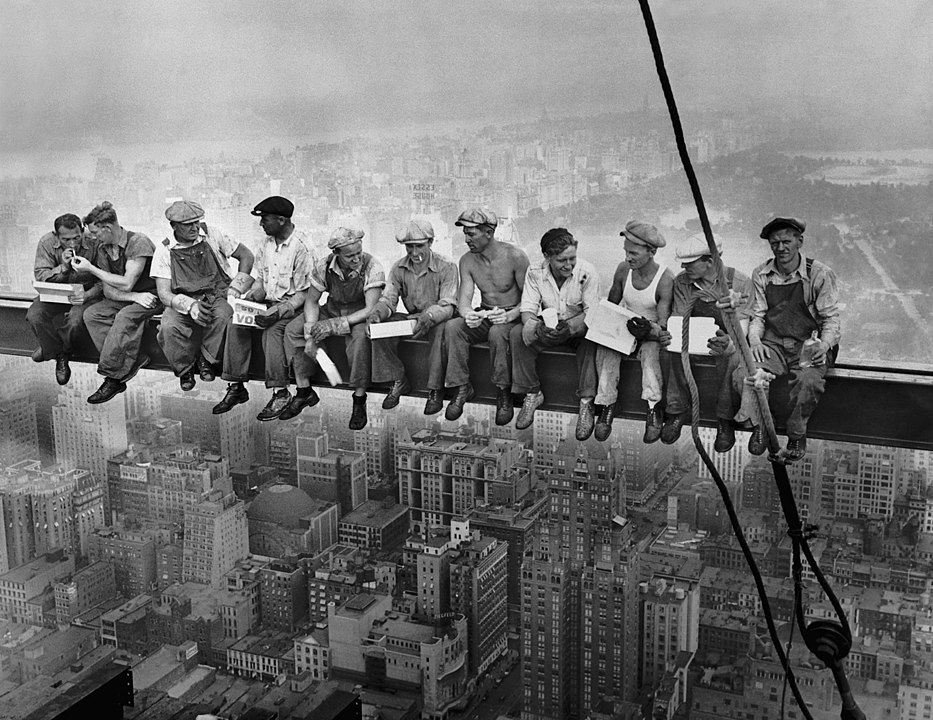
These mighty stain­less steel guardians seem impres­sive­ly sol­id until you watch con­struc­tion work­ers muscling them into place on April 3, 1930 in the Fox Movi­etone news­reel footage above.

For­get being stur­dy enough to serve as a time trav­el div­ing board for a very freaked out Will Smith in Men in Black III

It now seems a mir­a­cle that no unsus­pect­ing pedes­tri­ans have been crushed by an art-deco eagle head crash­ing uncer­e­mo­ni­ous­ly down to Lex­ing­ton Avenue in the mid­dle of rush hour.

Also that no work­ers died on the job, giv­en how quick­ly the build­ing went up and the rel­a­tive lack of safe­ty equip­ment on dis­play… no word on ampu­tat­ed fin­gers, but it’s not hard to imag­ine giv­en that only one of the guys help­ing out with the eagle appears to be wear­ing gloves.

In fact, as author Vin­cent Cur­cio describes in Chrysler: The Life and Times of an Auto­mo­tive Genius, the job site boast­ed a num­ber of inno­v­a­tive safe­ty mea­sures, such as scaf­folds with guardrails, tar­pau­lin-cov­ered plank roofs, wire net­ting between the toe boards, a hos­pi­tal on-loca­tion, and a bul­letin board for safe­ty-relat­ed updates. Founder Wal­ter Chrysler was as proud of this work­place con­sci­en­tious­ness as he was of the 4‑floors per week speed with which his build­ing was erect­ed:

In an arti­cle called “Is Safe­ty on Your Pay­roll?” He spoke of star­ing up at work­ers on the scaf­fold­ing with a friend on the street below. “‘My, that’s a risky job,’ my com­pan­ion remarked. ‘A man just about takes his life in his hands work­ing on a build­ing like this.’”

“‘I sup­pose it does seem that way,’ I replied, ‘But it’s no so dan­ger­ous as you think. If you knew the pre­cau­tions we have tak­en to pro­tect those work­ers, you might change your mind… not a sin­gle life has been lost in con­struct­ing the steel frame­work of that build­ing.’” To give an idea of how much of an achieve­ment this was, it should be not­ed that the rule of thumb at that time was one death for every floor above fif­teen in the con­struc­tion of a build­ing; by this mea­sure the Chrysler Build­ing should have been respon­si­ble for six­ty-two deaths.

By con­trast, the guys Fox Movi­etone filmed seem hap­py to play up the ver­tig­i­nous nature of their work for the cam­era, edg­ing out onto gird­ers and con­vers­ing casu­al­ly atop pipes, as if seat­ed astride a 1000-foot tall jun­gle gym:

“Gosh, that’s a long way to the street, boys.”

“How’d ya like to fall down there?”

“Whad­daya think, I’m an angel?

“Well, you’re liable to be an angel any minute.”

“You’ll break the alti­tude record going down-“

“Ha ha, yeah, maybe!”

While our appetite for this vin­tage blus­ter is bot­tom­less, it’s worth not­ing that Movi­etone usu­al­ly issued those appear­ing in pri­ma­ry posi­tions a cou­ple of lines of script­ed dia­logue.

What would those work­ers think of OSHA’s cur­rent safe­ty stan­dards for the con­struc­tion indus­try?

Fall pro­tec­tion is still the most com­mon­ly cit­ed stan­dard dur­ing con­struc­tion site inspec­tions.

Falls claimed the lives of 338 Amer­i­can con­struc­tion work­ers in 2018, the same year a con­struc­tion work­er in Kuala Lumpur used his cell phone to film a cowork­er in shorts and sneak­ers erect­ing scaf­fold­ing sans safe­ty equip­ment, whilst bal­anc­ing on unse­cured pipes some 700 feet in the air.

Watch it below, if you dare.

via Boing Boing

Relat­ed Con­tent:

How the Brook­lyn Bridge Was Built: The Sto­ry of One of the Great­est Engi­neer­ing Feats in His­to­ry

Immac­u­late­ly Restored Film Lets You Revis­it Life in New York City in 1911

A Vir­tu­al Time-Lapse Recre­ation of the Build­ing of Notre Dame (1160)

Ayun Hal­l­i­day is an author, illus­tra­tor, the­ater mak­er and Chief Pri­ma­tol­o­gist of the East Vil­lage Inky zine.  Join her in NYC on Mon­day, Feb­ru­ary 3 when her month­ly book-based vari­ety show, Necro­mancers of the Pub­lic Domain cel­e­brates New York, The Nation’s Metrop­o­lis (1921). Fol­low her @AyunHalliday.

The City of Nashville Built a Full-Scale Replica of the Parthenon in 1897, and It’s Still Standing Today

Pho­to by Mayur Phadtare, via Wiki­me­dia Com­mons

A recent exec­u­tive order stat­ing that “the clas­si­cal archi­tec­tur­al style shall be the pre­ferred and default style” for fed­er­al build­ings in the U.S. has remind­ed some of oth­er exec­u­tives who enforced neo­clas­si­ci­cism as the state’s offi­cial aes­thet­ic dog­ma. In the case of the U.S., how­ev­er, neo­clas­si­cal build­ing does not draw from ancient sources, but from “a 19th cen­tu­ry inter­pre­ta­tion of what peo­ple were doing in Rome and Athens mil­len­nia ago,” as Steve Rose writes at The Guardian.

In oth­er words, con­tem­po­rary “clas­si­cal archi­tec­tur­al style” in the U.S. is a copy of a copy. Kitsch. But maybe the cre­ation of sim­u­la­tions is what Amer­i­ca does best, though not typ­i­cal­ly under threat of gov­ern­ment sanc­tion should one do oth­er­wise. “Liv­ing in the rel­a­tive­ly youth­ful coun­try that’s a mere 241 years old,” Isaac Kaplan wrote at Art­sy in 2017, “it’s under­stand­able that some Amer­i­cans might decide to import a lit­tle extra his­to­ry from abroad,” by mak­ing ver­sions of ancient mon­u­ments in their back­yard.

Such build­ings span the coun­try, from off­beat road­side attrac­tions to the most expen­sive and elab­o­rate recre­ations. “There is a faux-Venice in Las Vegas, and a Stone­henge II in Texas.” And in Nashville, Ten­nessee: a full-scale repli­ca of the Parthenon, built in 1897 for the Cen­ten­ni­al Expo­si­tion cel­e­brat­ing the state’s 100th anniver­sary. The detailed re-cre­ation went fur­ther than imi­tat­ing a ruin. It “restored the aspects of the orig­i­nal Parthenon that were lost or dam­aged” in an inter­pre­tive re-cre­ation of what it might have looked like.

The build­ing held the Exposition’s art gallery and “spoke to the city’s self-declared rep­u­ta­tion as the ‘Athens of the South.’” (Mem­phis coun­tered the grand archi­tec­tur­al ges­ture by build­ing a pyra­mid; Athens, Geor­gia, how­ev­er, did not respond in kind.) Con­struct­ed out of con­crete, and not built to out­last the cel­e­bra­tions, the repli­ca began to fall apart soon after­wards, prompt­ing a restora­tion effort in 1920 aimed at mak­ing the Nashville Parthenon as “endur­ing and as his­tor­i­cal­ly true to the orig­i­nal Parthenon as pos­si­ble.”

The Great Depres­sion halt­ed plans for an enor­mous stat­ue of Athena, meant to recre­ate one that once stood inside the orig­i­nal Parthenon, but after decades of dona­tions it was final­ly unveiled in 1990. Stand­ing 42 feet high, the mas­sive fig­ure holds a 6‑foot-4-inch stat­ue of the god­dess Nike in her hand. Unlike 19th cen­tu­ry neo­clas­si­cal recre­ations, Athena “boasts a major his­tor­i­cal detail: poly­chromy,” paint­ed in bright greens, reds, and blues, right­ing “the long-held and his­tor­i­cal­ly incor­rect view of the ancient past as one dom­i­nat­ed by white­ness.”

Image by Dean Dixon, via Wiki­me­dia Com­mons

See more pho­tographs from 1909 at the Library of Con­gress dig­i­tal col­lec­tions, of the repli­ca of a tem­ple orig­i­nal­ly ded­i­cat­ed to hon­or­ing the female per­son­i­fi­ca­tion of wis­dom. And at the top, see a much more recent pho­to of the restored build­ing. The Nashville Parthenon is still in busi­ness, charg­ing rea­son­able admis­sion for a view tourists could nev­er get in Athens, as well as a per­ma­nent col­lec­tion of 63 paint­ings by Amer­i­can artists and gal­leries hous­ing tem­po­rary shows and exhibits.

via @DaveEverts

Relat­ed Con­tent:

Explore Ancient Athens 3D, a Dig­i­tal Recon­struc­tion of the Greek City-State at the Height of Its Influ­ence

Artist is Cre­at­ing a Parthenon Made of 100,000 Banned Books: A Mon­u­ment to Democ­ra­cy & Intel­lec­tu­al Free­dom

The His­to­ry of Ancient Greece in 18 Min­utes: A Brisk Primer Nar­rat­ed by Bri­an Cox

Josh Jones is a writer and musi­cian based in Durham, NC. Fol­low him at @jdmagness

Explore Ancient Athens 3D, a Digital Reconstruction of the Greek City-State at the Height of Its Influence

Today any of us can go Athens, a city with fla­vor­ful food, pleas­ant weath­er, a pic­turesque set­ting, rea­son­able prices, and a decent sub­way sys­tem. That is to say, we can enjoy Athens as it is, but what about Athens as it was? As one of the old­est cities in the world, not to men­tion a devel­op­men­tal cen­ter of West­ern civ­i­liza­tion itself, its his­to­ry holds as much inter­est as its present real­i­ty. Despite all the his­tor­i­cal research into ancient Greece, we lack a ful­ly accu­rate image of what Athens looked and felt like at the height of its pow­er as a city-state. But thanks to the last dozen years of work by pho­tog­ra­ph­er and visu­al effects artist Dim­itris Tsalka­nis, we can expe­ri­ence Athens as it might have been in the form of Ancient Athens 3D.

“Vis­i­tors to the site can browse recon­struc­tions that date back as ear­ly as 1200 BCE, the Myce­naean peri­od — or Bronze Age — through Clas­si­cal Athens, fea­tur­ing the rebuilds made nec­es­sary by the Gre­co-Per­sian War, and ages of occu­pa­tion by Romans and Ottomans,” writes Hyper­al­ler­gic’s Sarah Rose Sharp.

“Tsalka­nis traces the evo­lu­tion of sites like the Acrop­o­lis through­out the ages, the rise and fall of the city walls, the Ago­ra, which served as cen­ter of city life, and var­i­ous tem­ples, libraries, and oth­er for­ti­fi­ca­tions.” All we might see only as mono­chro­mat­ic ruins on our mod­ern Athen­ian trav­els stands tall and col­or­ful in Tsalka­nis’ three-dimen­sion­al dig­i­tal recre­ation — as does all that has­n’t sur­vived even as ruins.

Tsalka­nis writes of using “artis­tic license” to recon­struct “mon­u­ments that have left few or no traces at all (like the Myce­naean palace of the Acrop­o­lis) and oth­er com­ple­men­tary con­struc­tions — such as hous­es — that were incor­po­rat­ed into the ren­der in order to cre­ate a more com­plete image of the mon­u­ment and its space.” Though he draws on all the his­tor­i­cal and archae­o­log­i­cal infor­ma­tion he can find, much of that infor­ma­tion remains sketchy, or at least incom­plete. For­tu­nate­ly, the dig­i­tal nature of the project, as well as its acces­si­bil­i­ty to view­ers with knowl­edge of their own to offer, keeps it more or less cur­rent with the state of the research. “Tsalka­nis stays up to date with his fan­ta­sy city,” writes Sharp, “updat­ing recon­struc­tions con­stant­ly for bet­ter qual­i­ty of mod­els and bet­ter archae­o­log­i­cal and his­tor­i­cal accu­ra­cy.

“You can immerse into this envi­ron­ment,” Tsalka­nis tells Sharp, “or you can even 3D print it if you like.” You can also view the indi­vid­ual dig­i­tal recon­struc­tion videos post­ed to Ancient Athens 3D’s Youtube chan­nel, which show­case such mon­u­ments as the Tem­ple of Ilis­sos, the Tem­ple of Hep­haes­tus, and the city of Del­phi. Just as Tsalka­nis’ his­tor­i­cal mod­els of Athens will con­tin­ue to be filled in, expand­ed, and improved, the tech­no­log­i­cal range of their pos­si­ble uses will only expand. Tsalka­nis him­self men­tions the smart­phone apps that could one day enrich our vis­its to Athens with aug­ment­ed real­i­ty — allow­ing us, in oth­er words, to expe­ri­ence Athens as it is and Athens as it might have been, both at the same time.

via Hyper­al­ler­gic

Relat­ed Con­tent:

The Ancient Greeks: A Free Online Course from Wes­leyan Uni­ver­si­ty

The His­to­ry of Ancient Greece in 18 Min­utes: A Brisk Primer Nar­rat­ed by Bri­an Cox

Intro­duc­tion to Ancient Greek His­to­ry: A Free Course from Yale

How Ancient Greek Stat­ues Real­ly Looked: Research Reveals their Bold, Bright Col­ors and Pat­terns

Watch Art on Ancient Greek Vas­es Come to Life with 21st Cen­tu­ry Ani­ma­tion

An Ani­mat­ed Recon­struc­tion of Ancient Rome: Take A 30-Minute Stroll Through the City’s Vir­tu­al­ly-Recre­at­ed Streets

French Illus­tra­tor Revives the Byzan­tine Empire with Mag­nif­i­cent­ly Detailed Draw­ings of Its Mon­u­ments & Build­ings: Hagia Sophia, Great Palace & More

Based in Seoul, Col­in Mar­shall writes and broad­casts on cities, lan­guage, and cul­ture. His projects include the book The State­less City: a Walk through 21st-Cen­tu­ry Los Ange­les and the video series The City in Cin­e­ma. Fol­low him on Twit­ter at @colinmarshall or on Face­book.

The Lost Neighborhood Buried Under New York City’s Central Park

New York City is in a con­stant state of flux.

For every Nets fan cheer­ing their team on in Brooklyn’s Bar­clays Cen­ter and every tourist gam­bol­ing about the post-punk, upscale East Vil­lage, there are dozens of local res­i­dents who remem­ber what—and who—was dis­placed to pave the way for this progress.

It’s no great leap to assume that some­thing had to be plowed under to make way for the city’s myr­i­ad gleam­ing sky­scrap­ers, but hard­er to con­ceive of Cen­tral Park, the 840-acre oasis in the mid­dle of Man­hat­tan, as a sym­bol of ruth­less gen­tri­fi­ca­tion.

Plans for a peace­ful green expanse to rival the great parks of Great Britain and Europe began tak­ing shape in the 1850s, dri­ven by well-to-do white mer­chants, bankers, and landown­ers look­ing for tem­po­rary escape from the urban pres­sures of dense­ly pop­u­lat­ed Low­er Man­hat­tan.

It took 20,000 workers—none black, none female—over three years to real­ize archi­tects Fred­er­ick Law Olm­st­ed and Calvert Vaux’s sweep­ing pas­toral design.

A hun­dred and fifty years lat­er, Cen­tral Park is still a vital part of dai­ly life for vis­i­tors and res­i­dents alike.

But what of the vibrant neigh­bor­hood that was doomed by the park’s con­struc­tion?

As his­to­ri­an Cyn­thia R. Copeland, co-direc­tor of the Seneca Vil­lage Project, points out above, sev­er­al com­mu­ni­ties were giv­en the heave ho in order to clear the way for the park’s cre­ation.

The best estab­lished of these was Seneca Vil­lage, which ran from approx­i­mate­ly 82nd to 89th Street, along what is known today as Cen­tral Park West. 260-some res­i­dents were evict­ed under emi­nent domain and their homes, church­es, and school were razed.

This phys­i­cal era­sure quick­ly trans­lat­ed to mass pub­lic amne­sia, abet­ted, no doubt, by the way Seneca Vil­lage was framed in the press, not as a com­mu­ni­ty of pre­dom­i­nant­ly African-Amer­i­can mid­dle class and work­ing class home­own­ers, but rather a squalid shan­ty­town inhab­it­ed by squat­ters.

As Brent Sta­ples recalls in a New York Times op-ed, in the sum­mer of 1871, when park work­ers dis­lodged two coffins in the vicin­i­ty of the West 85th Street entrance, The New York Her­ald treat­ed the dis­cov­ery as a baf­fling mys­tery, despite the pres­ence of an engraved plate on one of the coffins iden­ti­fy­ing its occu­pant, an Irish teenag­er, who’d been a parish­ioner of Seneca Village’s All Angels Epis­co­pal Church.

Accord­ing to his­to­ri­an Leslie Alexander’s African or Amer­i­can? Black Iden­ti­ty and Polit­i­cal Activism in New York City, 1784–1861, All Angels’ con­gre­ga­tion was unique in that it was inte­grat­ed, a reflec­tion of Seneca Village’s pop­u­la­tion, 2/3 of whom were African Amer­i­can and 1/3 of Euro­pean descent, most­ly Irish and Ger­man.

Copeland and her col­leagues kept Alexander’s work in mind when they began exca­vat­ing Seneca Vil­lage in 2011, focus­ing on the house­holds of two African-Amer­i­can res­i­dents, Nan­cy Moore and William G. Wil­son, a father of eight who served as sex­ton at All Angels and lived in a three-sto­ry wood-frame house. The dig yield­ed 250 bags of mate­r­i­al, includ­ing a piece of a bone-han­dled tooth­brush, an iron tea ket­tle, and frag­ments of clay pipes and blue-and-white Chi­nese porce­lain:

Archae­ol­o­gists have begun to con­sid­er the lives of mid­dle class African Amer­i­cans, focus­ing on the ways their con­sump­tion of mate­r­i­al cul­ture expressed class and racial iden­ti­ties. His­to­ri­an Leslie Alexan­der believes that Seneca Vil­lage not only pro­vid­ed a respite from dis­crim­i­na­tion in the city, but also embod­ied ideas about African pride and racial con­scious­ness.

Own­ing a home in Seneca Vil­lage also bestowed vot­ing rights on African Amer­i­can male heads of house­hold.

Two years before it was torn down, the com­mu­ni­ty was home to 20 per­cent of the city’s African Amer­i­can prop­er­ty own­ers and 15 per­cent of its African Amer­i­can vot­ers.

Thanks to the efforts of his­to­ri­ans like Copeland and Alexan­der, Seneca Vil­lage is once again on the public’s radar, though unlike Pig­town, a small­er, pre­dom­i­nant­ly agri­cul­tur­al com­mu­ni­ty toward the south­ern end of the park, the ori­gins of its name remain mys­te­ri­ous.

Was the vil­lage named in trib­ute to the Seneca peo­ple of West­ern New York or might it, as Alexan­der sug­gests, have been a nod to the Roman philoso­pher, whose thoughts on indi­vid­ual lib­er­ty would have been taught as part of Seneca Village’s African Free Schools’ cur­ricu­lum?

For now, there is lit­tle more than a sign to hip Park vis­i­tors to the exis­tence of Seneca Vil­lage, but that should change in the near future, after the city erects a planned mon­u­ment to abo­li­tion­ists and for­mer Seneca Vil­lage res­i­dents Albro and Mary Joseph Lyons and their daugh­ter Mar­itcha.

Learn more about this bygone com­mu­ni­ty in Copeland’s inter­view with the New York Preser­va­tion Archive Project the New York His­tor­i­cal Society’s Teacher’s Guide to Seneca Vil­lage.

Relat­ed Con­tent: 

New York Pub­lic Library Puts 20,000 Hi-Res Maps Online & Makes Them Free to Down­load and Use

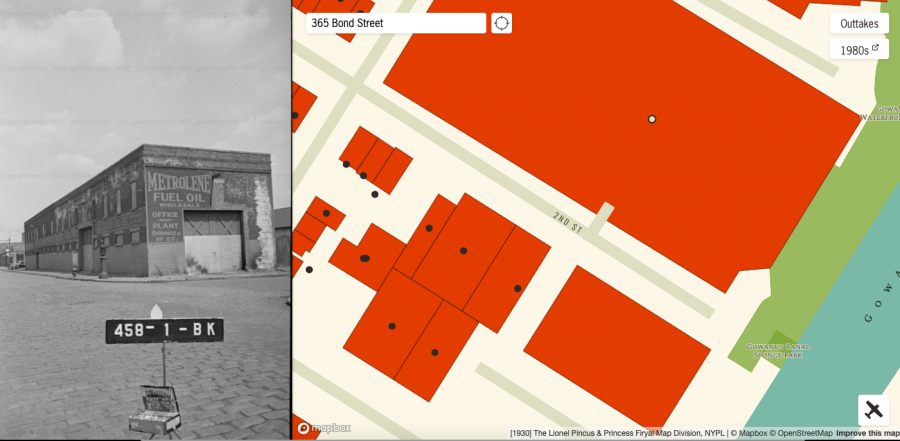
See New York City in the 1930s and Now: A Side-by-Side Com­par­i­son of the Same Streets & Land­marks

Immac­u­late­ly Restored Film Lets You Revis­it Life in New York City in 1911

Ayun Hal­l­i­day is an author, illus­tra­tor, the­ater mak­er and Chief Pri­ma­tol­o­gist of the East Vil­lage Inky zine.  Join her in NYC on Mon­day, Feb­ru­ary 3 when her month­ly book-based vari­ety show, Necro­mancers of the Pub­lic Domain cel­e­brates New York: The Nation’s Metrop­o­lis (1921). Fol­low her @AyunHalliday.

How to Draw Like an Architect: An Introduction in Six Videos

That we pass through life with­out real­ly per­ceiv­ing our sur­round­ings has long been a com­mon­place. How can we cure our­selves of this regret­table con­di­tion? Before we can learn to notice more of what’s around us, we must have a process to test how much we already notice. Many artists and all archi­tects already have one: draw­ing, the process of record­ing one’s per­cep­tions direct­ly onto the page. But while artists may take their lib­er­ties with phys­i­cal real­i­ty — it isn’t called “artis­tic license” by coin­ci­dence — archi­tects draw with more rep­re­sen­ta­tion­al­ly rig­or­ous expec­ta­tions in mind.

Though we can height­en our aware­ness of the built envi­ron­ment around us by prac­tic­ing archi­tec­tur­al draw­ing, we need not learn only from archi­tects. In the video at the top of the post, a Youtu­ber named Shadya Camp­bell who deals with cre­ativ­i­ty more gen­er­al­ly offers a primer on how to draw build­ings — or, per­haps less intim­i­dat­ing­ly, on “archi­tec­tur­al doo­dles for begin­ners.” As an exam­ple, she works through a draw­ing of Paris’ Notre-Dame cathe­dral (mere weeks, inci­den­tal­ly, before the fire of last April so dra­mat­i­cal­ly altered its appear­ance), using a sim­ple head-on view­point that nev­er­the­less pro­vides plen­ty of oppor­tu­ni­ty to prac­tice cap­tur­ing its shapes and fill­ing in its details.

Below that, archi­tect Llyan Aus­tria goes a step fur­ther by intro­duc­ing a few draw­ing prac­tices from the pro­fes­sion under the ban­ner of his “top six archi­tec­ture sketch­ing tech­niques.” Much of his guid­ance has to do with draw­ing some­thing as sim­ple — or as seem­ing­ly sim­ple — as a line: he rec­om­mends begin­ning with the most gen­er­al out­lines of a space or build­ing and fill­ing in the details lat­er, empha­siz­ing the start and end of each line, and let­ting the lines that meet over­lap. To get slight­ly more tech­ni­cal, he also intro­duces the meth­ods of per­spec­tive, used to make archi­tec­tur­al draw­ings look more real­is­ti­cal­ly three-dimen­sion­al.

When you intro­duce per­spec­tive to your draw­ings, you have three types to choose from, one-point, two-point, and three-point. A draw­ing in one-point per­spec­tive, the sim­plest of the three, has only a sin­gle “van­ish­ing point,” the point at which all of its par­al­lel lines seem to con­verge, and is most com­mon­ly used to ren­der inte­ri­ors (or to com­pose shots in Stan­ley Kubrick movies). In two-point per­spec­tive, two van­ish­ing points make pos­si­ble more angles of view­ing, look­ing not just straight down a hall, for exam­ple, but at the cor­ner of a build­ing’s exte­ri­or. With the third van­ish­ing point incor­po­rat­ed into three-point per­spec­tive, you can draw from a high angle, the “bird’s eye view,” or a low angle, the “wor­m’s eye view.”

You can learn how to draw from all three types of per­spec­tive in “How to Draw in Per­spec­tive for Begin­ners,” a video from Youtube chan­nel Art of Wei. Below that comes the more specif­i­cal­ly archi­tec­ture-mind­ed “How to Draw a House in Two Point Per­spec­tive” from Tom McPher­son­’s Cir­cle Line Art School. After a lit­tle prac­tice, you’ll soon be ready to enrich your archi­tec­tur­al draw­ing skills, how­ev­er rudi­men­ta­ry they may be, with advice both by and for archi­tec­ture pro­fes­sion­als. At his chan­nel 30X40 Design Work­shop, archi­tect Eric Rein­holdt has pro­duced videos on all aspects of the prac­tice, and below you’ll find his video of “essen­tial tips” on how to draw like an archi­tect.”

In this video and anoth­er on archi­tec­tur­al sketch­ing, Rein­holdt offers such prac­ti­cal advice as pulling your pen or pen­cil instead of push­ing it, mov­ing your arm rather than just piv­ot­ing at the wrist, and mak­ing “sin­gle, con­tin­u­ous, con­fi­dent strokes.” He also goes over the impor­tance of line weight — that is, the rel­a­tive dark­ness and thick­ness of lines — and how it can help view­ers to feel what in a draw­ing is sup­posed to be where. But we can’t ben­e­fit from any of this if we don’t also do as he says and make draw­ing a habit, switch­ing up our loca­tion and mate­ri­als as nec­es­sary to keep our minds engaged. That goes whether we have a pro­fes­sion­al or edu­ca­tion­al inter­est in archi­tec­ture or whether we just want to learn to see the ever-shift­ing mix­ture of man­made and nat­ur­al forms that sur­rounds us in all its rich­ness.

Relat­ed Con­tent:

How to Write Like an Archi­tect: Short Primers on Writ­ing with the Neat, Clean Lines of a Design­er

How to Draw the Human Face & Head: A Free 3‑Hour Tuto­r­i­al

Car­toon­ist Lyn­da Bar­ry Teach­es You How to Draw

Mil­ton Glaser Draws Shake­speare & Explains Why Draw­ing is the Key to Under­stand­ing Life

The Ele­ments of Draw­ing: A Free Course from Oxford

Watch 50+ Doc­u­men­taries on Famous Archi­tects & Build­ings: Bauhaus, Le Cor­busier, Hadid & Many More

Based in Seoul, Col­in Mar­shall writes and broad­casts on cities, lan­guage, and cul­ture. His projects include the book The State­less City: a Walk through 21st-Cen­tu­ry Los Ange­les and the video series The City in Cin­e­ma. Fol­low him on Twit­ter at @colinmarshall or on Face­book.

Watch 15 Films by Designers Charles & Ray Eames

If you’re read­ing this, chances are good that you live in the mod­ern world, or at least vis­it it from time to time. But what do I mean by “mod­ern”? It’s a too-broad term that always requires a def­i­n­i­tion. Some­times, for brevity’s sake, we set­tle for list­ing the names of artists who brought moder­ni­ty into being. When it comes to the tru­ly mod­ern in indus­tri­al design, we get two names in one—the hus­band and wife team of Charles and Ray Eames.

The design world, at least in the U.S., may have been slow­er to catch up to oth­er mod­ernist trends in the arts. That changed dra­mat­i­cal­ly when sev­er­al Euro­pean artists like Wal­ter Gropius immi­grat­ed to the coun­try before, dur­ing and after World War II. But the Amer­i­can Eames left per­haps the most last­ing impact of them all.

The first home they designed and built togeth­er in 1949 as part of the Case Study House Pro­gram became “a mec­ca for archi­tects and design­ers from both near and far,” notes the Eames Office site. “Today it is con­sid­ered one of the most impor­tant post-war res­i­dences any­where in the world.” “Famous for their icon­ic chairs,” writes William Cook at the BBC, the stream­lined objets that “trans­formed our idea of mod­ern fur­ni­ture,” they were also “graph­ic and tex­tile design­ers, archi­tects and film­mak­ers.”

The Eames’ film lega­cy may be less well-known than their rev­o­lu­tions in inte­ri­or design. We’ve all seen or inter­act­ed with innu­mer­able ver­sions of Eames-inspired designs, whether we knew it or not. The pair stat­ed their desire to make uni­ver­sal­ly use­ful cre­ations in their suc­cinct mis­sion state­ment: “We want to make the best for the most for the least.” They meant it. “What works good,” said Ray, “is bet­ter than what looks good because what works good lasts.”

When design “works good,” the Eames under­stood, it might be attrac­tive, or pure­ly func­tion­al, but it will always be acces­si­ble, unob­tru­sive, com­fort­able, and prac­ti­cal. We might notice its con­tours and won­der about its prin­ci­ples, but it works equal­ly well, and maybe bet­ter, if we do not. The Eames films explain how one accom­plish­es such design. “Between 1950 and 1982,” the Eames “made over 125 short films rang­ing from 1–30 min­utes in length,” notes the Eames Office site, declar­ing: “The Eames Films are the Eames Essays.”

If this state­ment has pre­pared you for dry, didac­tic short films filled with jar­gon, pre­pare to be sur­prised by the breadth and depth of the Eames’ curios­i­ty and vision. Here, we have com­piled some of the Eames films, and you can see many, many more (15 in total) with the playlist embed­ded at the bot­tom of the post. At the top, see a brief intro­duc­tion the design­ers’ films. Then, fur­ther down, we have the “bril­liant tour of the uni­verse” that is 1977’s Pow­ers of Ten; 1957’s Day of the Dead, their explo­ration of the Mex­i­can hol­i­day; and 1961’s “Sym­me­try,” one of five shorts in a col­lec­tion made for IBM called Math­e­mat­i­ca Peep Shows.

Just above, see the Eames short House, made after five years of liv­ing in their famed Case Study House #8. The design on dis­play here shows how the Eames “brought into the world a new kind of Cal­i­forn­ian indoor-out­door Mod­ernism,” as Col­in Mar­shall wrote in a recent post here on famous archi­tects’ homes. Their house is “a kind of Mon­dri­an paint­ing made into a liv­able box filled with an idio­syn­crat­ic arrange­ment of arti­facts from all over the world.” Unlike most of the Eames designs, the Case Study house was nev­er put into pro­duc­tion, but in its ele­gant sim­plic­i­ty, we can see all of the cre­ative impuls­es the Eames brought to their redesign of the mod­ern world.

See many more of the Eames filmic essays in this YouTube playlist. There are 15 in total.

Relat­ed Con­tent:

Watch Pow­ers of Ten and Let Design­ers Charles & Ray Eames Take You on a Bril­liant Tour of the Uni­verse

How the Icon­ic Eames Lounge Chair Is Made, From Start to Fin­ish

Vis­it the Homes That Great Archi­tects Designed for Them­selves: Frank Lloyd Wright, Le Cor­busier, Wal­ter Gropius & Frank Gehry

Josh Jones is a writer and musi­cian based in Durham, NC. Fol­low him at @jdmagness

« Go BackMore in this category... »
Quantcast