The Modernist Gas Stations of Frank Lloyd Wright and Mies van der Rohe

1024px-LindholmServiceStation

Just a few miles from where I live on Los Ange­les’ Olympic Boule­vard stands the Helios House, which, the name notwith­stand­ing, is a gas sta­tion — and quite a strik­ing one. Made of stain­less steel tri­an­gles, it looks like a piece of very ear­ly com­put­er-gen­er­at­ed imagery brought into the mod­ern phys­i­cal world. The Helios House intro­duced me to the con­cept of the archi­tec­tural­ly for­ward gas sta­tion, but, built in 2007, it actu­al­ly came late to the game: wit­ness, for instance, Frank Lloyd Wright’s 1956 R.W. Lind­holm Ser­vice Sta­tion in Clo­quet, Min­neso­ta (above and below).

LloydWrightGasStation,Cloquet

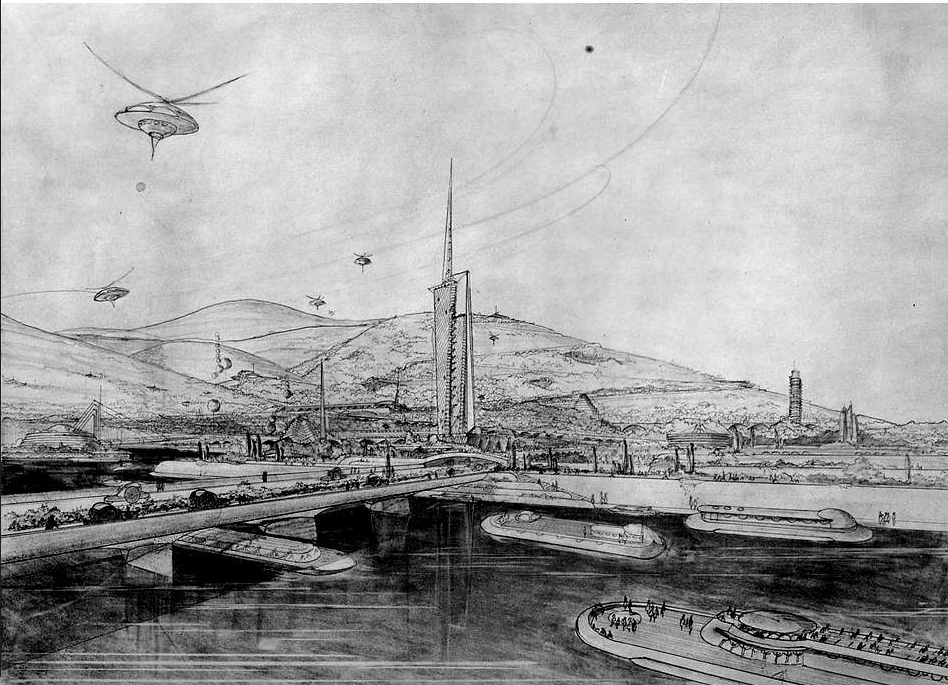
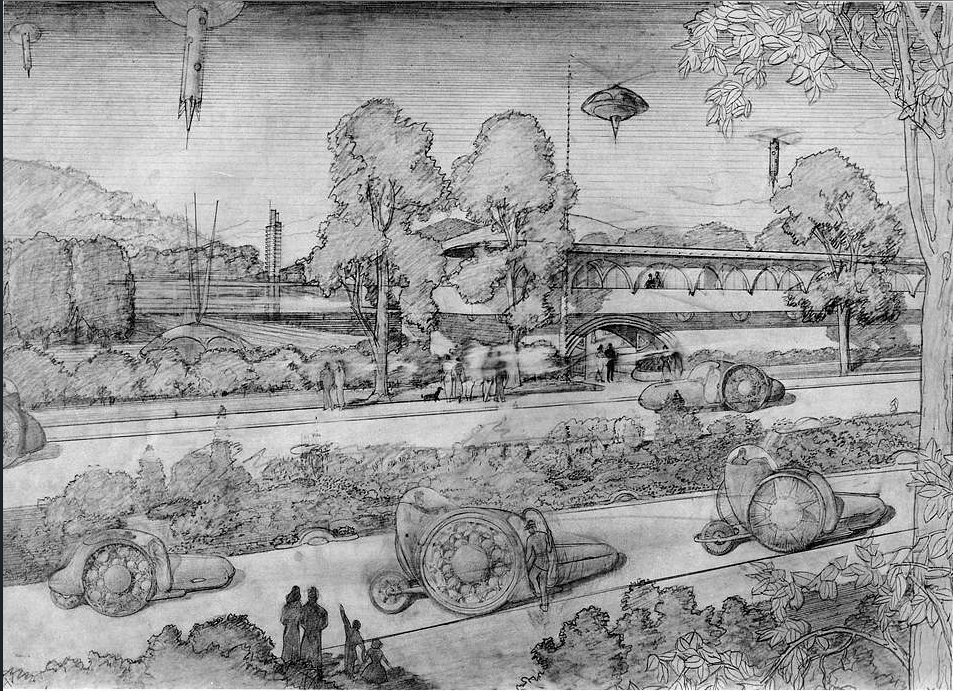
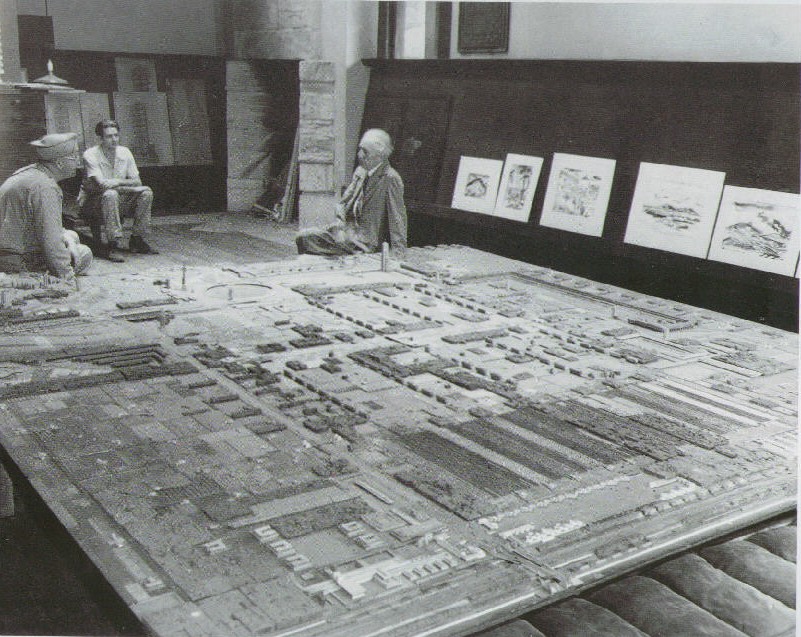
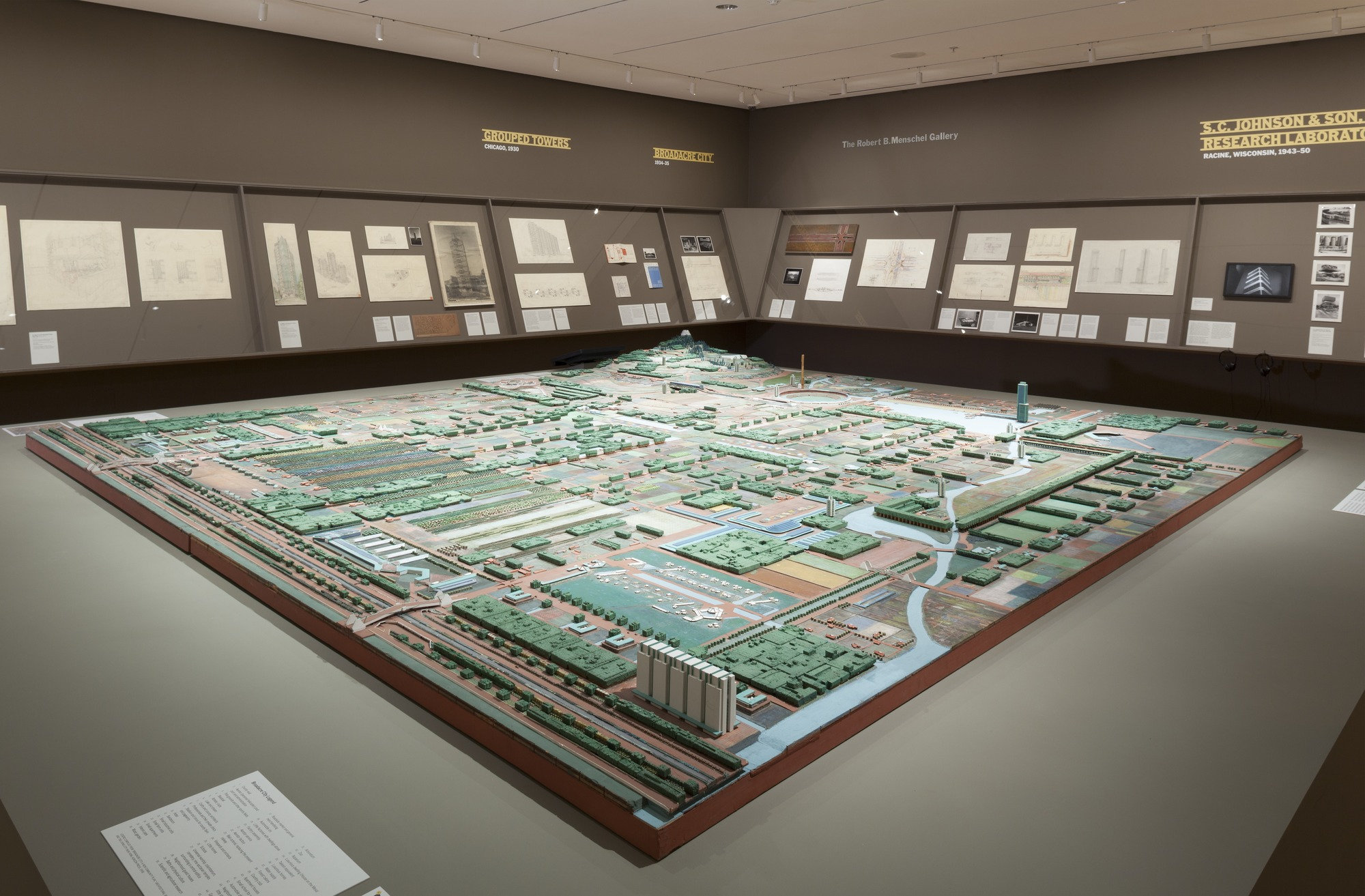
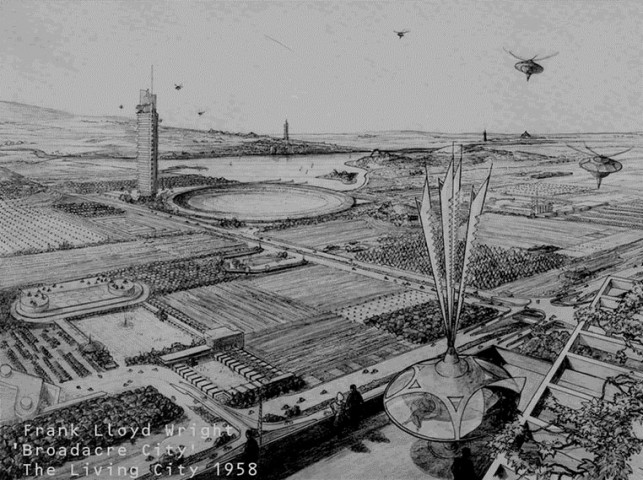
“In the ear­ly 1930s, Wright began devel­op­ing con­cepts for Broad­acre City, a city spread out to the point where it would be ‘every­where and nowhere,’” we wrote when we first post­ed about the build­ing in 2011.

“The design for the Lind­holm gas sta­tion came direct­ly from this con­cep­tu­al project.” Alas, writes The Atlantic’s Daniel From­son, Wright’s ambi­tious design did­n’t catch on: “Cer­tain ele­ments, such as gas pumps hang­ing from an over­head canopy—intended to boost effi­cien­cy and save space—were pro­hib­it­ed by Clo­quet fire bylaws (although, coin­ci­den­tal­ly, hang­ing pumps even­tu­al­ly became pop­u­lar in Japan). The unortho­dox sta­tion was also esti­mat­ed by one trade pub­li­ca­tion to have cost two to three times as much as a stan­dard design.”

gas_station_nuns_island_v210212_sm7

But Wright does­n’t stand alone among the mod­ernist mas­ters in hav­ing done gas-sta­tion work. Lud­wig Mies van der Rohe, anoth­er archi­tect with a pen­chant for reimag­in­ing the ele­ments of the city, put his hand (or at least those of some­one in his office ) to the task in 1969, com­ing up with the char­ac­ter­is­ti­cal­ly stripped-down Nuns’ Island gas sta­tion in the mid­dle of Mon­tre­al’s Saint Lawrence Riv­er. Unlike the Lind­holm Ser­vice Sta­tion, it no longer per­forms its intend­ed func­tion, but it does have a repur­posed future as a com­mu­ni­ty cen­ter. His oth­er gas sta­tion, put up at the cam­pus of the Illi­nois Insti­tute of Tech­nol­o­gy where he head­ed the depart­ment of archi­tec­ture, has­n’t sur­vived at all.

Nuns Island

But Oob­ject includes it in their list of the top fif­teen mod­ernist gas sta­tions, which fea­tures build­ings by Nor­man Fos­ter and Arne Jacob­sen and should make fine fur­ther read­ing if you’ve enjoyed this post. See also Fla­vor­wire’s list of the world’s most beau­ti­ful gas sta­tions, which names not only Wright and Mies van der Rohe’s work, but the Helios House, a few pieces of swoop­ing mid­cen­tu­ry glo­ry in Los Ange­les and Scan­di­navia, and a “Teapot Dome Ser­vice Sta­tion” shaped like exact­ly that. If you’re going to pay today’s gas prices, after all, you might as well fill up under an aes­thet­i­cal­ly notable struc­ture.

Relat­ed Con­tent:

Frank Lloyd Wright Reflects on Cre­ativ­i­ty, Nature and Reli­gion in Rare 1957 Audio

The His­to­ry of West­ern Archi­tec­ture: From Ancient Greece to Roco­co (A Free Online Course)

Frank Lloyd Wright’s Falling­wa­ter Ani­mat­ed

Col­in Mar­shall writes on cities, lan­guage, Asia, and men’s style. He’s at work on a book about Los Ange­les, A Los Ange­les Primer, and the video series The City in Cin­e­maFol­low him on Twit­ter at @colinmarshall or on Face­book.

Watch an Animated Buckminster Fuller Tell Studs Terkel All About “the Geodesic Life”

Will human­i­ty ever pro­duce anoth­er mind quite like Buck­min­ster Fuller’s? It does­n’t seem to have done so thus far. Even in Fuller’s own time, peo­ple could­n’t quite believe the intel­lec­tu­al idio­syn­crasy of the inven­tor who came up with the geo­des­ic dome, the Dymax­ion Car, and much, much more. “Time and again,” he once said, “I am asked, ‘who else do you know who thinks the way you do, or does what you do?’ I find it very strange to have to answer, ‘I don’t know any­body else.’ It’s not because I think of myself as unique, but sim­ply because I did choose a very dif­fer­ent grand strat­e­gy.”

Fuller — or Bucky, his pre­ferred nick­name — says more about that grand strat­e­gy and the expe­ri­ences that led him to devel­op it in the inter­views, con­duct­ed by Studs Terkel in 1965 and 1970, from which that quote comes. You can hear it in the video above, which brings the mate­r­i­al to life by visu­al­iz­ing the ele­ments of Fuller’s life and ideas through the hand of ani­ma­tor Jen­nifer Yoo. The video recent­ly debuted as part of The Exper­i­menters, a three-episode series meant to ani­mate the words of thinkers like Fuller, Jane Goodall, and Richard Feyn­man, con­cen­trat­ing on “the inspi­ra­tions from each of their per­son­al lives that helped influ­ence their careers and earth-chang­ing dis­cov­er­ies.”

Fuller enthu­si­asts have always insist­ed that his ideas have only grown more rel­e­vant with time, but now that the ear­ly 21st cen­tu­ry has found us rethink­ing the way we live — how we do it and how we make spaces to do it in being per­haps Fuller’s most abid­ing obses­sion — his engage­ment with the con­cept of “con­tin­u­al­ly doing more with less” real­ly does sound smarter than ever. If you enjoy the patch of Buck­y’s uni­verse The Exper­i­menters expos­es, con­sid­er chas­ing these four min­utes of “Buck­min­ster Fuller on the Geo­des­ic Life” with 42 hours of his video lec­ture series Every­thing I Know. The man did­n’t just think dif­fer­ent­ly from the rest of us, after all — he also thought a lot more.

Relat­ed Con­tent:

Bet­ter Liv­ing Through Buck­min­ster Fuller’s Utopi­an Designs: Revis­it the Dymax­ion Car, House, and Map

Every­thing I Know: 42 Hours of Buck­min­ster Fuller’s Vision­ary Lec­tures Free Online (1975)

Col­in Mar­shall hosts and pro­duces Note­book on Cities and Cul­ture as well as the video series The City in Cin­e­ma and writes essays on cities, lan­guage, Asia, and men’s style. He’s at work on a book about Los Ange­les, A Los Ange­les Primer. Fol­low him on Twit­ter at @colinmarshall or on Face­book.

On the Importance of the Creative Brief: Frank Gehry, Maira Kalman & Others Explain its Essential Role

Every project starts with a brief. 

From the layman’s per­spec­tive, the project above starts with a bit of self-mythol­o­giz­ing.

Bas­sett & Part­ners, the “award-win­ning, dis­rup­tive brand and design strat­e­gy firm” and mak­er of the video above, seems not to sub­scribe to TED-Ed’s prac­tice of edu­cat­ing view­ers from the get-go.

A cou­ple of min­utes in, I hit pause in order to do a lit­tle research on the word “brief.”

I’m famil­iar with male under­pants (though tech­ni­cal­ly those are plur­al, even if the gar­ment is sin­gu­lar).

I have the aver­age movie­go­ers han­dle on the mean­ing of legal briefs.

And now I know what the not­ed archi­tects, illus­tra­tor, design­er, and ad execs are talk­ing about above! If only they’d referred to it as an ele­va­tor pitch, I’d have been on board from the start. Of course, why would they? Only those of us who want to sound all Hol­ly­wood call it that.

What­ev­er you call it, it’s a con­cise state­ment that gets right to the heart of what you—or your project—are about. No his­to­ry. No cam­paign plans or cita­tions. Just a whole lot of pas­sion and truth tight­ly packed into a small ves­sel.

Archi­tect David Rock­well defines a brief as a short-form com­mu­ni­ca­tion tool from a client.

Art Direc­tor John Jay says its pur­pose is to inspire the cre­atives…

…with­out (as per ad exec John Boil­er) dic­tat­ing cre­ative terms. Of all the inter­vie­wees, the truck­er hat­ted Boil­er exudes the schmoozi­est, most off-putting Hol­ly­wood vibe. I’d rather do lunch with Frank Gehry. Does this make me guilty of com­par­ing apples to oranges, when direc­tor (and “dis­rup­tive brand and design” strate­gist) Tom Bas­sett lev­eled the play­ing field by giv­ing them equal time?

Per­haps if Boil­er had hum­bled him­self by shar­ing an expe­ri­ence as heart­break­ing as Gehry’s ill-fat­ed Eisen­how­er Memo­r­i­al. (Skip ahead to the 16:16 mark if you want to hear how out­side opin­ion can pound con­text, research, poet­ry, and many months of thought­ful work to a heap of rub­ble.)

I love Maira Kalman, but remain unclear as to whether she’s field­ing or sub­mit­ting briefs. If the lat­ter, how do those dif­fer from book pro­pos­als?

What if the emo­tion, cre­ativ­i­ty, and enthu­si­as­tic research that went into Nike’s 1996 Olympics ads result­ed in an equal­ly fierce cam­paign to end hunger in a coun­try with no Olympic teams?

What if the clien­t’s prob­lem was can­cer? Could the brief demand a cure? That sounds sim­ple.

Let us acknowl­edge that most grand scale visions require a fleet of under­lings to come to fruition. I won­der what plumbers and elec­tri­cians would make of see­ing their con­tri­bu­tions described in such poet­ic terms.  Nev­er under­es­ti­mate the pow­er of a sound­track.

Relat­ed Con­tent:

David Byrne: How Archi­tec­ture Helped Music Evolve

Bauhaus, Mod­ernism & Oth­er Design Move­ments Explained by New Ani­mat­ed Video Series

Ayun Hal­l­i­day is an author, home­school­er, and Chief Pri­ma­tol­o­gist of the East Vil­lage Inky zine. Fol­low her @AyunHalliday


A Quick Animated Tour of Iconic Modernist Houses

From Ital­ian graph­ic design­er Mat­teo Muci comes “a two-minute ani­mat­ed voy­age through some of the most icon­ic mas­ter­pieces of mod­ern archi­tec­ture: Ville Savoye by Le Cor­busier, Rietveld Schröder House by Ger­rit Rietveld, Farnsworth House by Lud­wig Mies van der Rohe, Glass House by Philip John­son and Falling­wa­ter by Frank Lloyd Wright.” Illus­tra­tions of the hous­es can be viewed and freely down­loaded here.

H/t goes to Ian M. for send­ing this quick visu­al treat our way.

Relat­ed Con­tent:

An Ani­mat­ed Tour of Falling­wa­ter, One of Frank Lloyd Wright’s Finest Cre­ations

Alain de Botton’s Quest for The Per­fect Home and Archi­tec­tur­al Hap­pi­ness

The His­to­ry of West­ern Archi­tec­ture: From Ancient Greece to Roco­co (A Free Online Course)

Bauhaus, Mod­ernism & Oth­er Design Move­ments Explained by New Ani­mat­ed Video Series

Ice Cube & Charles Eames Rev­el in L.A. Archi­tec­ture

Free: The Guggen­heim Puts 99 Mod­ern Art Books Online

London Mashed Up: Footage of the City from 1924 Layered Onto Footage from 2013

Great cities are high­ly change­able by nature, though cer­tain sky­line-dom­i­nat­ing land­marks endure. Vis­i­tors and res­i­dents alike roman­ti­cize the Eif­fel Tow­er, the Empire State Build­ing, and the Colos­se­um. (That last one’s got real stay­ing pow­er)

In Won­der­ful Lon­don in 1924 and 2014, above, film­mak­er Simon Smith  goes with the flow estab­lished by his pre­de­ces­sors, Har­ry B. Parkin­son and Frank Miller, who fea­tured St. Paul’s Cathe­dral on the title cards of their short doc­u­men­tary series, “Won­der­ful Lon­don.” That icon­ic dome makes for a love­ly and sen­ti­men­tal view. These days, it can be tak­en in from the Mil­len­ni­um Bridge or 6th floor cafe of the Tate Mod­ern (housed in the for­mer Bank­side Pow­er Sta­tion).

Time has altered all of Parkin­son’s and Miller’s loca­tions over the last 90 years, as Miller’s 2013 footage shows. The icon­ic archi­tec­ture may remain, but Covent Gar­den now caters to tourists, a rack of Boris Bikes flanks the Hay­mar­ket, and the West End reflects the sen­si­bil­i­ties of ladies who dare appear in pub­lic in trousers.

Using Gus­tav Mahler’s Fourth Sym­pho­ny as a sort of son­ic mor­tar, Smith bricks the present day onto the British Film Insti­tute’s recent restora­tion of Parkin­son and Miller’s work. Actu­al­ly, it’s more of a key­hole effect, through which view­ers can peep into the past.

Assum­ing the medi­um (and species) sur­vives, we may one day seem as quaint and the sepia-toned fig­ures bustling through the ear­li­er film. Unthink­able? What will the mod­ern world sur­round­ing our key­hole look like?

Relat­ed Con­tent:

Syn­chro­nized, Time­lapse Video Shows Train Trav­el­ing from Lon­don to Brighton in 1953, 1983 & 2013

Prize-Win­ning Ani­ma­tion Lets You Fly Through 17th Cen­tu­ry Lon­don

A Jour­ney Back in Time: Vin­tage Trav­el­ogues

Ayun Hal­l­i­day rec­om­mends the work­ing man’s caff E Pel­li­ci  in Lon­don’s East End the next time you’re in the mood for lunch with a side of his­to­ry. Fol­low her @AyunHalliday

The Library: A World History Presents a Stunning Visual Survey of The World’s Great Libraries

strahov-abbey-library-horizontal-large-gallery1

Volu­mi­nous­ly well-read author and ama­teur librar­i­an Alber­to Manguel opens The Library at Night, a com­pen­dious trea­tise on the role of the library in human cul­ture, with a star­tling­ly bleak ques­tion. “Why then do we do it?” He asks, why do we “con­tin­ue to assem­ble what­ev­er scraps of infor­ma­tion we can gath­er in scrolls and books and com­put­er chips, on shelf after library shelf” when “out­side the­ol­o­gy and fan­tas­tic lit­er­a­ture, few can doubt that the main fea­tures of our uni­verse are its dearth of mean­ing and lack of dis­cernible pur­pose.” Manguel goes on—in beau­ti­ful­ly illus­trat­ed chap­ter after themed chapter—to list in fine detail the host of virtues each of his favorite libraries pos­sess­es, answer­ing his own ques­tion by ref­er­ence to the beau­ti­ful micro­cos­mic orders great libraries man­i­fest.

tripitaka-koreana-library-horizontal-large-gallery1

A new book, The Library: A World His­to­ry by author James Camp­bell and pho­tog­ra­ph­er Will Pryce, takes a more work­man­like approach to the sub­ject, steer­ing clear of Manguel’s meta­physics. Even so, the book will deeply move lovers of libraries and his­to­ri­ans alike, per­haps even to ecsta­sy. One Ama­zon review­er put it sim­ply: “Book Porn at its best.”

Boing Boing calls Pryce’s pho­tographs “the cen­ter­piece of the book,” and you can see why in a cou­ple of selec­tions here. Even with­out his eye­sight, this is a project that would have delight­ed that rhap­sodist of the library, Jorge Luis Borges. At the top, see the Stra­hov Abbey library in Prague. Halfway across the world, we have the Trip­i­ta­ka Kore­ana library in South Korea (above). CNN has a gallery of Pryce’s pho­to­graph­ic trib­utes to the world’s great­est libraries, and find here a crit­i­cal review of the book by The Guardian’s Tom Lam­ont, who laments that the book sole­ly “focus­es on insti­tu­tions cre­at­ed for the priv­i­leged.”

Relat­ed Con­tent:

A Look Inside Mar­i­lyn Monroe’s Per­son­al Library

The Odd Col­lec­tion of Books in the Guan­tanamo Prison Library

David Fos­ter Wallace’s Love of Lan­guage Revealed by the Books in His Per­son­al Library

Josh Jones is a writer and musi­cian based in Durham, NC. Fol­low him at @jdmagness

Be His Guest: David Sedaris at Home in Rural West Sussex, England

Note:  Watch the entire 25-minute inter­view here. There’s a brief intro­duc­tion in Dutch, after which the con­ver­sa­tion switch­es to Eng­lish.

Dutch TV jour­nal­ist Wim Brands looks a bit dour to be inhab­it­ing the role of World’s Luck­i­est Man, but that’s sure­ly how bazil­lions of David Sedaris fans will view him, wish­ing they too had been invit­ed to cozy up to their favorite author’s kitchen table. Par­tic­u­lar­ly since that table is sit­u­at­ed in the rus­tic, six­teenth-cen­tu­ry West Sus­sex house that pro­vid­ed the set­ting for “Com­pa­ny Man”, one of his more delight­ful New York­er sto­ries of late.

Sedaris has made a for­tune pass­ing him­self off as a self-involved fuss-pot, but in this episode of Boeken op Reis (Dutch for “Books on Tour”) he’s the per­fect host.

He sup­plies thought­ful respons­es to Brands’ unsmil­ing ques­tions and affa­bly points out the home­’s notable fea­tures, includ­ing off-kil­ter door­ways and a taxi­der­mied lap­dog (“We call him Casey because he’s in a case.”)

He brings a plas­tic bag on a stroll through the sur­round­ing coun­try­side in order to col­lect lit­ter  — an endear­ing rou­tine, even if it’s a scoop Brands must share with the BBC’s Clare Bald­ing.

Best of all, he oblig­es his guest with a cou­ple of live read­ings, the first from the afore­men­tioned  New York­er piece, the oth­er hav­ing to do with his youngest sis­ter’s sui­cide this sum­mer.

“I always fig­ure that what­ev­er most embar­rass­es you is some­thing that every­one can relate to,” he mus­es, effec­tive­ly sum­ming up the secret of his suc­cess. If you ever feel like Sedaris is over­do­ing the craven com­plain­er bit, this vis­it will set the record straight.

Watch the entire inter­view here. Non-Dutch speak­ers, please be advised that the seg­ment switch­es to Eng­lish once Brands sets the scene for his intend­ed audi­ence.

-Tip of the hat to Michael Ahn for the idea.

Ayun Hal­l­i­day’s teenage daugh­ter wrote David Sedaris a fan let­ter and David Sedaris sent a hand­writ­ten reply on a post­card. Classy!  Fol­low her @AyunHalliday

Relat­ed Con­tent:

David Sedaris Reads You a Sto­ry By Miran­da July

David Sedaris and Ian Fal­con­er Intro­duce “Squir­rel Seeks Chip­munk”

Interact with The New York Times Four-Part Documentary, “A Short History of the Highrise”

A Short His­to­ry of the High­rise,” a four-part inter­ac­tive New York Times “Op-Doc” reminds me of a pop-up book. The very first lever I pulled (actu­al­ly it was a wood­en buck­et) added a cou­ple of sto­ries to a medieval tow­er! I even snagged a cou­ple of com­pli­men­ta­ry fac­toids about the Tow­er of Babel! Bonus!

The kids are gonna love it!

There are doors to push, scenic post­cards to flip, a lit­tle Roman guy to drag to the right… what a cre­ative use of the Times’ mas­sive pho­to morgue. Direc­tor Kate­ri­na Cizek skit­ters through­out his­to­ry and all over the globe, swing­ing by ancient Rome, Mon­tezu­ma’s Cas­tle cliff dwelling, Chi­na’s Fujian province, 18th cen­tu­ry Europe, and Jacob Riis’ New York. Appar­ent­ly, ver­ti­cal hous­ing is noth­ing new.

( I did find myself won­der­ing what direc­tor Cizek might be angling for at the Dako­ta. The sto­ried apart­ment build­ing was long ago dwarfed by taller addi­tions to New York City’s urban land­scape, but its mul­ti­ple appear­ances in the series indi­cate that it’s still its most desir­able. Mer­ci­ful­ly, none of the inter­ac­tive fea­tures involve John Lennon.)

Would that a sim­i­lar restraint had been exer­cised with regard to nar­ra­tion. I would have glad­ly lis­tened to Pro­fes­sor Miles Glendin­ning, the mass hous­ing schol­ar who lends his exper­tise to the pro­jec­t’s sub­ter­ranean lev­el. Alas, the non-inter­ac­tive por­tion is marred by a bizarre rhyme scheme meant to “evoke a sto­ry­book.” If so, it’s the sort of sto­ry­book no adult (with the pos­si­ble excep­tion of the singer Feist, who was hope­ful­ly paid for her par­tic­i­pa­tion) wants to read aloud. A sam­ple:

Pub­licly spon­sored hous­ing isn’t every­where the diet

Beyond Europe, North Amer­i­ca and the Sovi­et Union, high rise devel­op­ment is ram­pant­ly pri­vate.

Seri­ous­ly?

Giv­en the lev­el of dis­course, I see no rea­son we were deprived of a rhyme for “phal­lic sym­bol.” Those ani­mat­ed build­ings do reach for the sky.

If it all gets a bit much you can head straight for “Home.” The final install­ment jet­ti­sons the cutesy-boot­sy rhymes in favor of a love­ly tune by Patrick Wat­son, which makes a pleas­ant sound­track to read­er-sup­plied pho­tos of their bal­conies. The images have been arranged the­mat­i­cal­ly — pets, storms, night — and the cumu­la­tive effect is charm­ing. Click “More read­ers’ sto­ries of life in high-ris­es” to read the first-hand accounts that go with these views. If your perch is high enough, you can sub­mit one of your own.

You can watch a video trail­er for “A Short His­to­ry of the High­rise” up top and Part 1 of Cizek’s film below that. But to get the full inter­ac­tive expe­ri­ence you’ll want to head over to the New York Times web site.

Relat­ed Con­tent: 

Ten Build­ings That Changed Amer­i­ca: Watch the Debut Episode from the New PBS Series

The ABC of Archi­tects: An Ani­mat­ed Flip­book of Famous Archi­tects and Their Best-Known Build­ings

The His­to­ry of West­ern Archi­tec­ture: From Ancient Greece to Roco­co (A Free Online Course)

Ayun Hal­l­i­day has tem­porar­i­ly relo­cat­ed to the ground floor, but she still can bust a rhyme. Fol­low her@AyunHalliday

« Go BackMore in this category... »
Quantcast