“A Brief History of Goths”: From the Goths, to Gothic Literature, to Goth Music

The his­to­ry of the word ‘Goth­ic,’” argues Dan Adams in the short, ani­mat­ed TED-Ed video above,” is embed­ded in thou­sands of years’ worth of coun­ter­cul­tur­al move­ments.” It’s a provoca­tive, if not entire­ly accu­rate, idea. We would hard­ly call an invad­ing army of Ger­man­ic tribes a “coun­ter­cul­ture.” In fact, when the Goths sacked Rome and deposed the West­ern Emper­or, they did, at first, retain the dom­i­nant cul­ture. But the Goth­ic has always referred to an oppo­si­tion­al force, a Dionysian coun­ter­weight to a ratio­nal, clas­si­cal order.

We know the var­i­ous ver­sions: the Ger­man­ic insti­ga­tors of the “Dark Ages,” ear­ly Chris­t­ian archi­tec­tur­al mar­vels, Roman­tic tales of ter­ror and the super­nat­ur­al, hor­ror films, and gloomy, black-clad post punks and their moody teenage fans. Aside from obvi­ous ref­er­ences like Bauhaus’ tongue-in-cheek ode, “Bela Lugosi’s Dead,” the con­nec­tive tis­sue between all the uses of Goth­ic isn’t espe­cial­ly evi­dent. “What do fans of atmos­pher­ic post-punk music,” asks Adams, “have in com­mon with ancient bar­bar­ians?” The answer: not much. But the sto­ry that joins them involves some strange con­ver­gences, all of them hav­ing to do with the idea of “dark­ness.”

Two sig­nif­i­cant fig­ures in the evo­lu­tion of the Goth­ic as a con­scious­ly-defined aes­thet­ic were both art his­to­ri­ans. The first, Gior­gio Vasari—con­sid­ered the first art historian—wrote biogra­phies of great Renais­sance artists, and first used the term Goth­ic to refer to medieval cathe­drals, which he saw as bar­barous next to the neo­clas­si­cal revival of the 14th-16th cen­turies. (Vasari was also the first to use the term “Renais­sance” to describe his own peri­od.) Two hun­dred years after Vasari’s Lives, art his­to­ri­an, anti­quar­i­an, and Whig politi­cian Horace Wal­pole appro­pri­at­ed the term Goth­ic to describe The Cas­tle of Otran­to, his 1765 nov­el that start­ed a lit­er­ary trend.

Wal­pole also used the term to refer to art of the dis­tant past, par­tic­u­lar­ly the ruins of cas­tles and cathe­drals, with an eye toward the sup­pos­ed­ly exot­ic, men­ac­ing aspects (for Protes­tant Eng­lish read­ers at least) of the Catholic church and Con­ti­nen­tal Euro­pean nobil­i­ty. But for him, the asso­ci­a­tions were pos­i­tive, and con­sti­tut­ed a kitschy escape from Enlight­en­ment ratio­nal­ism. We have Wal­pole to thank, in some sense, for ersatz cel­e­bra­tions like Renais­sance Fairs and Medieval Times restau­rants, and for lat­er Goth­ic nov­els like Bram Stoker’s Drac­u­la, Mary Shelley’s Franken­stein, and the weird tales of Edgar Allan Poe.

We can see that it’s a rather short leap from clas­sic hor­ror sto­ries and films to the dark make­up, teased hair, fog machines, and swirling atmos­pher­ics of The Cure and Siouxsie Sioux. In the his­to­ry of the Goth­ic, espe­cial­ly between Vasari and Wal­pole, the word moves from a term of abuse—describing art thought to be “crude and inferior”—to one that describes art forms con­sid­ered mys­te­ri­ous, and dark­ly Roman­tic. For anoth­er take on the sub­ject, see Pitch­fork’s  music-focused, ani­mat­ed, and  “sur­pris­ing­ly light-heart­ed” short, “A Brief His­to­ry of Goth,” above, a pre­sen­ta­tion on the sub­cul­ture’s rise, fall, and undead rise again.

Relat­ed Con­tent:

Three-Hour Mix­tape Offers a Son­ic Intro­duc­tion to Under­ground Goth Music

A His­to­ry of Alter­na­tive Music Bril­liant­ly Mapped Out on a Tran­sis­tor Radio Cir­cuit Dia­gram: 300 Punk, Alt & Indie Artists

Watch 50+ Doc­u­men­taries on Famous Archi­tects & Build­ings: Bauhaus, Le Cor­busier, Hadid & Many More

Josh Jones is a writer and musi­cian based in Durham, NC. Fol­low him at @jdmagness

Watch Eero Saarinen: The Architect Who Saw the Future: Free for a Limited Time

A quick heads up. For the next few days (until Jan­u­ary 27) you can watch Eero Saari­nen: The Archi­tect Who Saw the Future, the lat­est install­ment from the PBS Amer­i­can Mas­ters series. Here’s the PBS blurb for the episode.

Best known for design­ing Nation­al His­toric Land­marks such as St. Louis’ icon­ic Gate­way Arch and the Gen­er­al Motors Tech­ni­cal Cen­ter, Saari­nen also designed New York’s TWA Flight Cen­ter at John F. Kennedy Inter­na­tion­al Air­port, Yale University’s Ingalls Rink and Morse and Ezra Stiles Col­leges, Virginia’s Dulles Air­port, and mod­ernist pedestal fur­ni­ture like the Tulip chair.

In the film, Saarinen’s son, Eric Saari­nen, “vis­its the sites of his father’s work on a cathar­tic jour­ney, shot in 6K with the lat­est in drone tech­nol­o­gy that show­cas­es the architect’s body of time­less work for the first time. The doc­u­men­tary also fea­tures rare archival inter­views with Eero and his sec­ond wife, The New York Times art crit­ic Aline Saari­nen, as well as let­ters and quo­ta­tions from Aline’s mem­oirs voiced respec­tive­ly by Peter Franzén and Blythe Dan­ner.”

You can get more back­ground on the film here. Copies of the film can be pur­chased online here.

Relat­ed Con­tent:

Watch 50+ Doc­u­men­taries on Famous Archi­tects & Build­ings: Bauhaus, Le Cor­busier, Hadid & Many More

A is for Archi­tec­ture: 1960 Doc­u­men­tary on Why We Build, from the Ancient Greeks to Mod­ern Times

32,000+ Bauhaus Art Objects Made Avail­able Online by Har­vard Muse­um Web­site

Roman Archi­tec­ture: A Free Online Course from Yale Uni­ver­si­ty


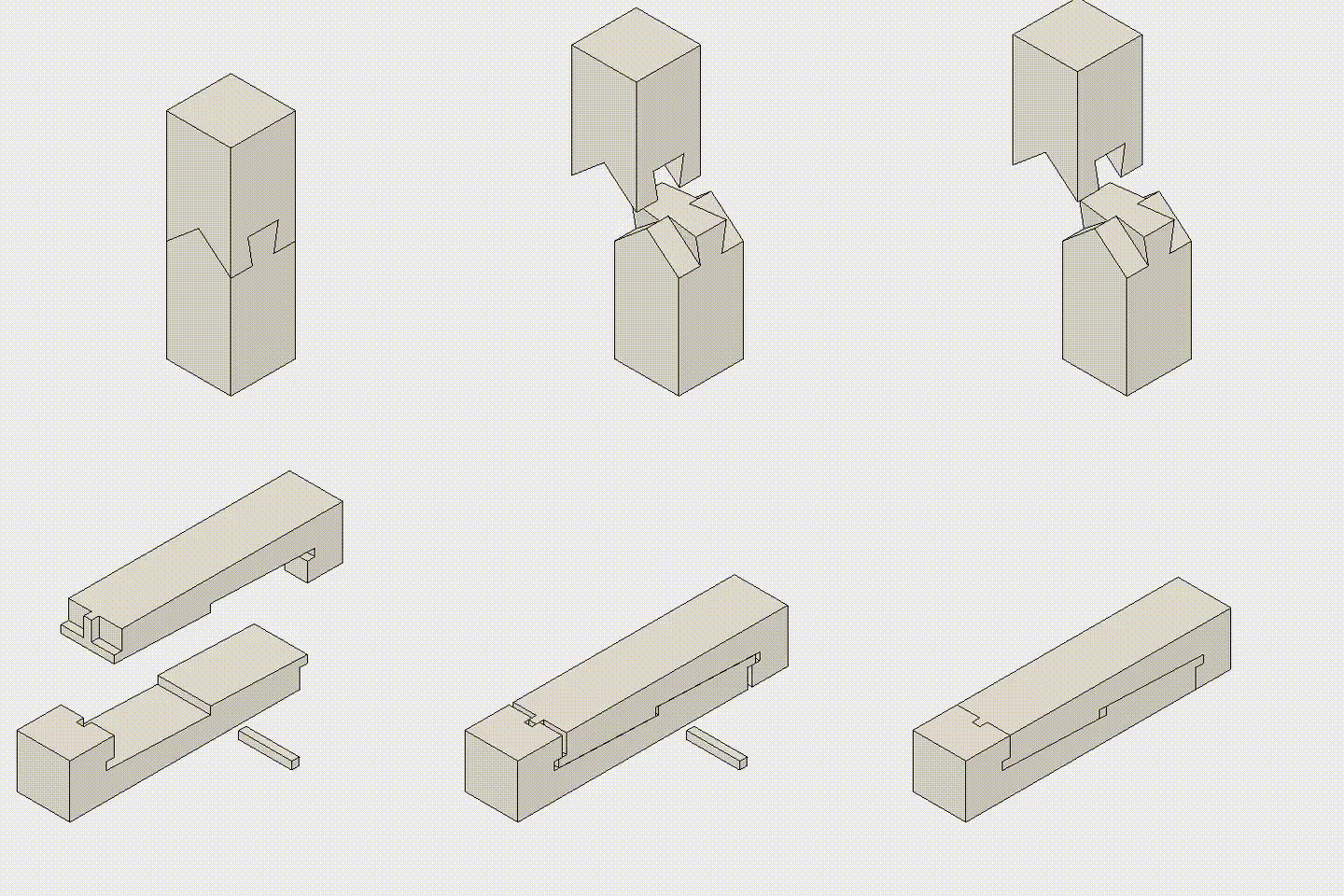
Mesmerizing GIFs Illustrate the Art of Traditional Japanese Wood Joinery — All Done Without Screws, Nails, or Glue

Tra­di­tion­al Japan­ese car­pen­try, whether used to build a din­ner table or the entire house con­tain­ing it, does­n’t use screws, nails, adhe­sives, or any oth­er kind of non-wood­en fas­ten­er. So how do its con­struc­tions hold togeth­er? How have all those thou­sands of wood­en hous­es, tables, and count­less oth­er objects and struc­tures stood up for dozens and even hun­dreds of years, and so solid­ly at that? The secret lies in the art of join­ery and its elab­o­rate cut­ting tech­niques refined, since its ori­gin in the sev­enth cen­tu­ry, through gen­er­a­tions and gen­er­a­tions of steadi­ly increas­ing mas­tery — albeit by a steadi­ly dwin­dling num­ber of mas­ters.

“Even until recent times when car­pen­try books began to be pub­lished, mas­tery of these wood­work­ing tech­niques remained the fierce­ly guard­ed secret of fam­i­ly car­pen­try guilds,” writes Spoon & Tam­ago’s John­ny Strat­e­gy. If you find it dif­fi­cult to grasp how sim­ply cut­ting two pieces of wood in a cer­tain way could unite them as if they’d grown togeth­er in the first place, have a look at a Twit­ter feed called The Join­ery, run by a young enthu­si­ast who has col­lect­ed a great many of these car­pen­try books. He’s used them, in com­bi­na­tion with mechan­i­cal design soft­ware skills pre­sum­ably honed in his career in the auto indus­try, to cre­ate ele­gant­ly ani­mat­ed visu­al expla­na­tions of Japan­ese car­pen­try’s tried-and-true join­ery meth­ods.

Arch­dai­ly points to the work of archi­tect Shigeru Ban as one exam­ple of how this “unique­ly Japan­ese wood aes­thet­ic” has sur­vived into the mod­ern day, but the man behind The Join­ery imag­ines even more ambi­tious pos­si­bil­i­ties: “3D print­ing and wood­work­ing machin­ery has enabled us to cre­ate com­pli­cat­ed forms fair­ly eas­i­ly,” he tells Spoon & Tam­a­go. “I want to orga­nize all the join­ery tech­niques and cre­ate a cat­a­log of them all,” so that any­one with the tools might poten­tial­ly make use of their beau­ty and stur­di­ness in hith­er­to unimag­ined new con­texts. And so anoth­er tra­di­tion­al Japan­ese craft that has looked doomed to out­mod­ed obliv­ion, what with all the more advanced and effi­cient fab­ri­ca­tion and con­struc­tion tech­niques devel­oped over the past 1400 years, may well thrive in the future. To learn more about the art of join­ery, you’ll want to explore this 1995 book, The Com­plete Japan­ese Join­ery.

via Arch­Dai­ly

Relat­ed Con­tent:

Watch Japan­ese Wood­work­ing Mas­ters Cre­ate Ele­gant & Elab­o­rate Geo­met­ric Pat­terns with Wood

20 Mes­mer­iz­ing Videos of Japan­ese Arti­sans Cre­at­ing Tra­di­tion­al Hand­i­crafts

The Mak­ing of Japan­ese Hand­made Paper: A Short Film Doc­u­ments an 800-Year-Old Tra­di­tion

Watch a Japan­ese Crafts­man Lov­ing­ly Bring a Tat­tered Old Book Back to Near Mint Con­di­tion

The Art of Col­lo­type: See a Near Extinct Print­ing Tech­nique, as Lov­ing­ly Prac­ticed by a Japan­ese Mas­ter Crafts­man

Japan­ese Crafts­man Spends His Life Try­ing to Recre­ate a Thou­sand-Year-Old Sword

Based in Seoul, Col­in Mar­shall writes and broad­casts on cities and cul­ture. He’s at work on a book about Los Ange­les, A Los Ange­les Primer, the video series The City in Cin­e­ma, the crowd­fund­ed jour­nal­ism project Where Is the City of the Future?, and the Los Ange­les Review of Books’ Korea Blog. Fol­low him on Twit­ter at @colinmarshall or on Face­book.

Roman Architecture: A Free Online Course from Yale University

Taught by Yale pro­fes­sor Diana E. E. Klein­er, this course offers “an intro­duc­tion to the great build­ings and engi­neer­ing mar­vels of Rome and its empire, with an empha­sis on urban plan­ning and indi­vid­ual mon­u­ments and their dec­o­ra­tion, includ­ing mur­al paint­ing.”

The course descrip­tion con­tin­ues: “While archi­tec­tur­al devel­op­ments in Rome, Pom­peii, and Cen­tral Italy are high­light­ed, the course also pro­vides a sur­vey of sites and struc­tures in what are now North Italy, Sici­ly, France, Spain, Ger­many, Greece, Turkey, Croa­t­ia, Jor­dan, Lebanon, Libya, and North Africa. The lec­tures are illus­trat­ed with over 1,500 images, many from Pro­fes­sor Klein­er’s per­son­al col­lec­tion.”

You can watch the 24 lec­tures above, or find the com­plete lec­ture set on YouTube and iTunes. To get more infor­ma­tion on the course, includ­ing the syl­labus, please vis­it Yale’s web­site.

Texts used in this course include:

Roman Archi­tec­ture will be added to our col­lec­tion, 1,700 Free Online Cours­es from Top Uni­ver­si­ties. Find more cours­es focused on the Ancient world here.

If you would like to sup­port the mis­sion of Open Cul­ture, con­sid­er mak­ing a dona­tion to our site. It’s hard to rely 100% on ads, and your con­tri­bu­tions will help us con­tin­ue pro­vid­ing the best free cul­tur­al and edu­ca­tion­al mate­ri­als to learn­ers every­where. You can con­tribute through Pay­Pal, Patre­on, and Ven­mo (@openculture). Thanks!

Relat­ed Con­tent:

Rome Reborn: Take a Vir­tu­al Tour of Ancient Rome, Cir­ca 320 C.E.

The His­to­ry of Rome in 179 Pod­casts

The Rise & Fall of the Romans: Every Year Shown in a Time­lapse Map Ani­ma­tion (753 BC ‑1479 AD)

Watch the Destruc­tion of Pom­peii by Mount Vesu­vius, Re-Cre­at­ed with Com­put­er Ani­ma­tion (79 AD)

Free Cours­es in Ancient His­to­ry, Lit­er­a­ture & Phi­los­o­phy

What Life Was Like for Teenagers in Ancient Rome: Get a Glimpse from a TED-ED Ani­ma­tion

by | Permalink | Make a Comment ( 7 ) |

What Does Jorge Luis Borges’ “Library of Babel” Look Like? An Accurate Illustration Created with 3D Modeling Software

babel-offcenter2

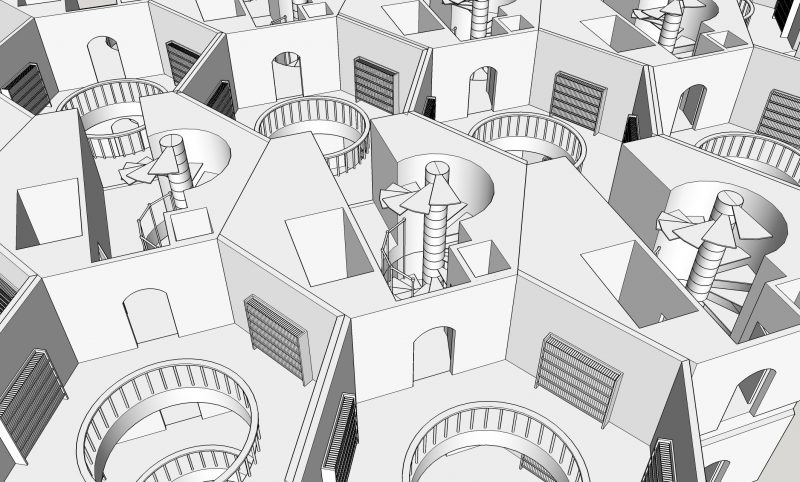
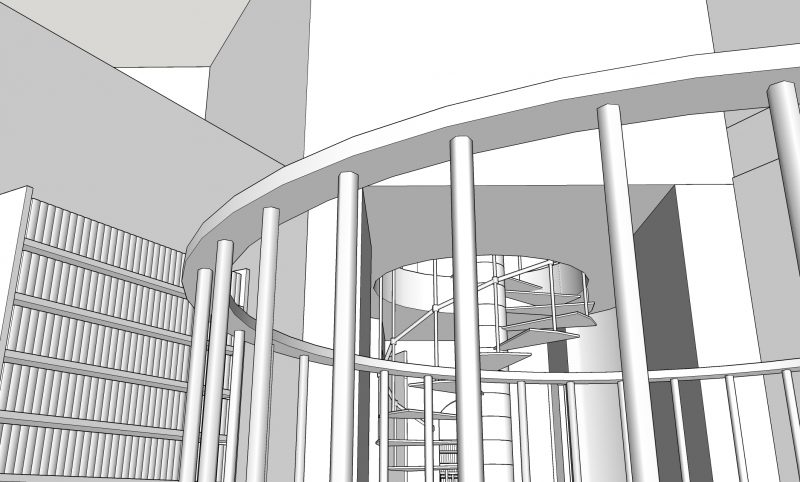
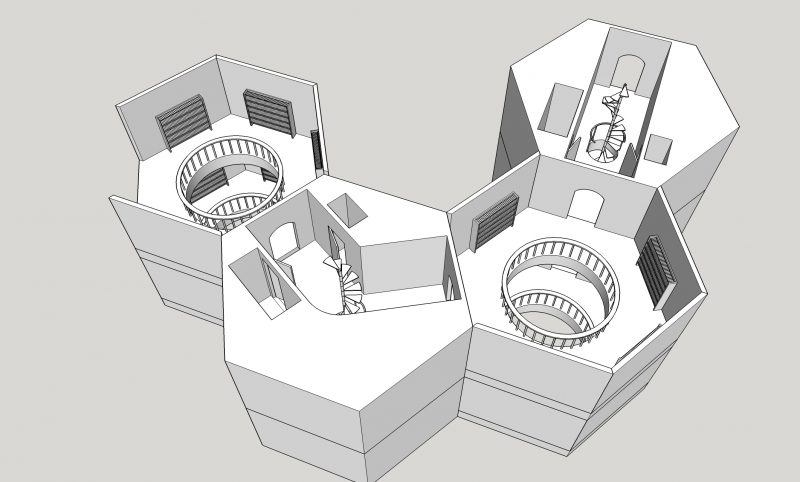
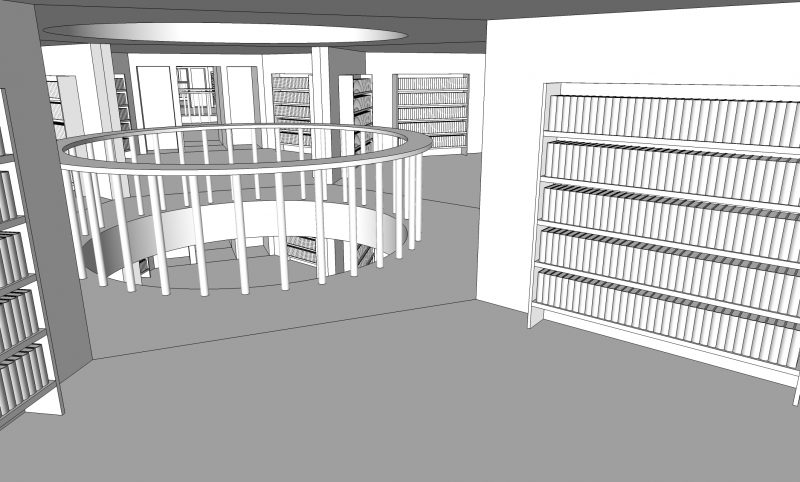
Sketchup ren­der­ings of the Library of Babel. Images cour­tesy of Jamie Zaw­in­s­ki.

Ful­fill­ing the max­im “write what you know,” Argen­tine fab­u­list Jorge Luis Borges penned one of his most extra­or­di­nary and bewil­der­ing sto­ries, “The Library of Babel,” while employed as an assis­tant librar­i­an. Borges, it has been noted—by Borges him­self in his 1970 New York­er essay “Auto­bi­o­graph­i­cal Notes”—found the work drea­ry and unful­fill­ing: “nine years of sol­id unhap­pi­ness,” as he put it plain­ly. “Some­times in the evening, as I walked the ten blocks to the tram­line, my eyes would be filled with tears.”

babel7

And yet, for all of its tedi­um, his library posi­tion suit­ed his needs as a writer like none oth­er could. “I would do all my library work in the first hour,” he remem­bers, “and then steal away to the base­ment and pass the oth­er five hours in read­ing or writ­ing.” Dur­ing those stolen hours, Borges dreamed up a library the size of the uni­verse, “com­posed of an indef­i­nite and per­haps infi­nite num­ber of hexag­o­nal gal­leries, with vast air shafts between, sur­round­ed by very low rail­ings.” Like so many of the objects and places in Borges’ sto­ries, this fan­tas­tic struc­ture, Esch­er-like, is both vivid­ly described and impos­si­ble to imag­ine.

babel5

Many have tried their hand at visu­al­ly ren­der­ing the Library of Babel, but accord­ing to pro­gram­mer Jamie Zaw­in­s­ki, “past attempts,” writes Carey Dunne at Hyper­al­ler­gic, “aren’t faith­ful to the text,” omit­ting cru­cial struc­tures like the “sleep cham­ber, lava­to­ry, and hall­way” and screw­ing up “the place­ment of the spi­ral stair­way.” You can see Zawinski’s var­i­ous cri­tiques of these sup­posed fail­ures on his blog, JWZ. And you may won­der how it’s even pos­si­ble to con­struct an accu­rate mod­el of a struc­ture that may have no finite bound­aries and whose inter­nal archi­tec­ture the sto­ry itself calls into ques­tion. Nonethe­less, Zaw­in­s­ki has bold­ly giv­en it a try.

babel9

Using the 3D mod­el­ing pro­gram Sketchup, he has designed what he believes to be a mod­el supe­ri­or to the rest, though he admits “I don’t think this is quite right either.” If you’re won­der­ing “Why is he doing this?” Zaw­in­s­ki writes, “you and I have that in com­mon.” The Bor­ge­sian task, like that of the librar­i­an, is an end­less one, pur­sued with scholas­tic rig­or for its own sake rather than for some great reward. And once one enters the labyrinth of his twist­ing designs, there may be no way out but eter­nal­ly through. “The pos­si­bil­i­ty of a man’s find­ing his Vin­di­ca­tion,” writes Borges weari­ly of cer­tain librar­i­ans’ attempts to solve the library’s rid­dles, “or some treach­er­ous vari­a­tion there­of, can be com­put­ed as zero.”

babel4

So Zaw­in­s­ki trudges on. His “wrestling with the details of his ren­der­ing,” writes Dunne, “his obses­sive analy­sis of the word­ing of Borges’ descrip­tion, recalls the library inhab­i­tants’ futile quests to deci­pher the mys­ter­ies of the library.” The programmer’s admirable atten­tion to the physics of the space may at times sound like a rather lead­en way to approach what is essen­tial­ly an elab­o­rate metaphor: “I can’t help but think about the weight and pres­sure of a col­umn of air that high,” he mus­es in his ini­tial explo­rations, “and what is it sit­ting on, and how to route the plumb­ing from all of those toi­lets, and that toi­lets imply diges­tion, so where does the food come from?”

Such ques­tions take him far afield of Borges’ theo-philo­soph­i­cal para­ble: “Is there a sec­tion of the library devot­ed to farm­ing, and met­al­lur­gy?” Nonethe­less, Zawinski’s detailed analy­sis has pro­duced a visu­al­iza­tion of the space like none oth­er, and he admits to “over­think­ing a sub-infi­nite but near­ly bound­less hill of beans.” Borges’ imag­i­nary librar­i­an has aban­doned try­ing to solve the library’s mys­ter­ies. Hum­bled by the fail­ures of those who came before him, he per­sists in the “ele­gant hope” that the library “is unlim­it­ed and cycli­cal… repeat­ed in the same dis­or­der… which, thus repeat­ed, would be an order: the Order.” He wise­ly leaves the ulti­mate meta­phys­i­cal dis­cov­ery, how­ev­er, to “an eter­nal trav­el­er” with infi­nite time on their hands.

You can view Zawinski’s com­men­tary here, and see his designs here. On the bot­tom of this page, he lets you down­load his Sketchup file.

via Hyper­al­ler­gic

Relat­ed Con­tent:

Vis­it The Online Library of Babel: New Web Site Turns Borges’ “Library of Babel” Into a Vir­tu­al Real­i­ty

Jorge Luis Borges Selects 74 Books for Your Per­son­al Library

Jorge Luis Borges’ Favorite Short Sto­ries (Read 7 Free Online)

Josh Jones is a writer and musi­cian based in Durham, NC. Fol­low him at @jdmagness

Frank Lloyd Wright Designs an Urban Utopia: See His Hand-Drawn Sketches of Broadacre City (1932)

broadacre-sketch-1

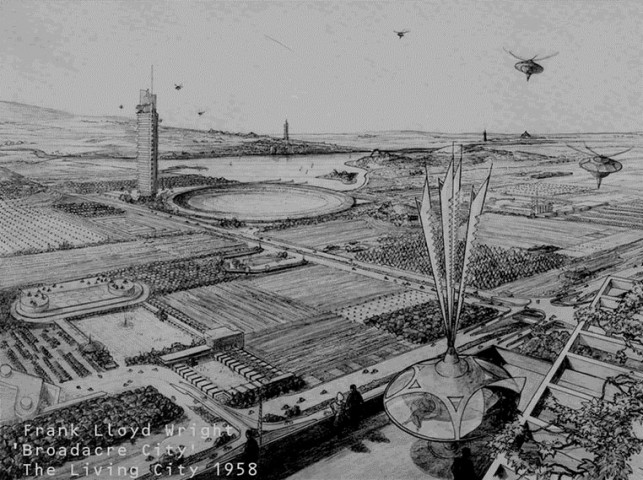
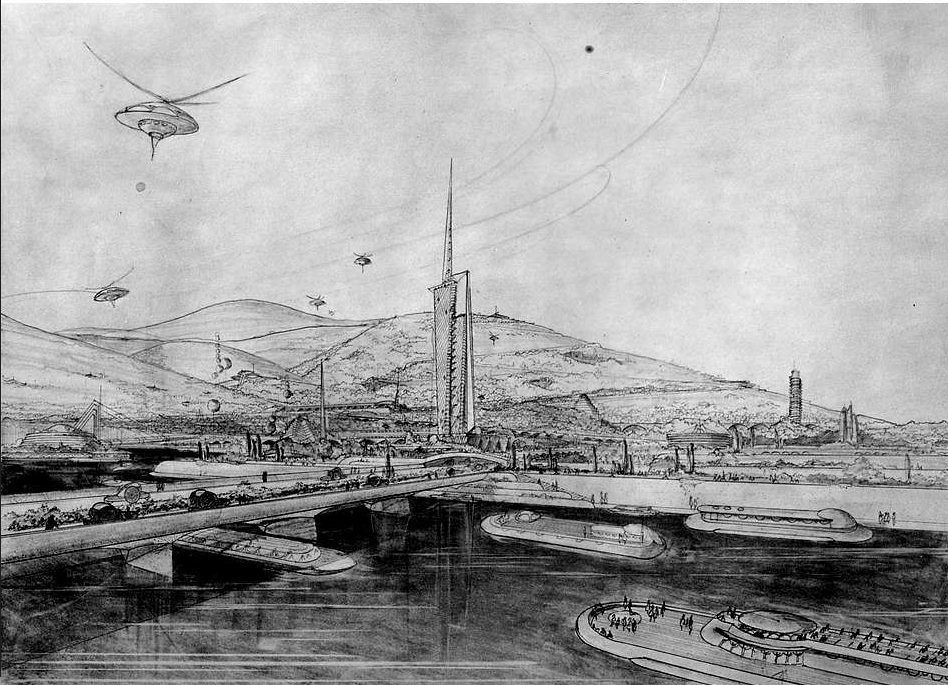
As much as we admire build­ings designed by genius archi­tects, we have to admit that — some­times, just some­times — those genius archi­tects them­selves can be con­trol freaks. These ten­den­cies man­i­fest with a spe­cial clar­i­ty when a mak­er of indi­vid­ual struc­tures turns his mind toward build­ing, or knock­ing down and re-build­ing, the city as a whole. The Carte­sian grid of looka­like tow­ers on the green of Le Cor­busier’s Radi­ant City stand (or rather, the project hav­ing gone unbuilt, don’t stand) as per­haps the best-known image of urban­ism re-envi­sioned to suit a sin­gle archi­tec­t’s desires. In response, Frank Lloyd Wright came up with an urban Utopia of his own: Broad­acre City.

broadacre-sketch-2

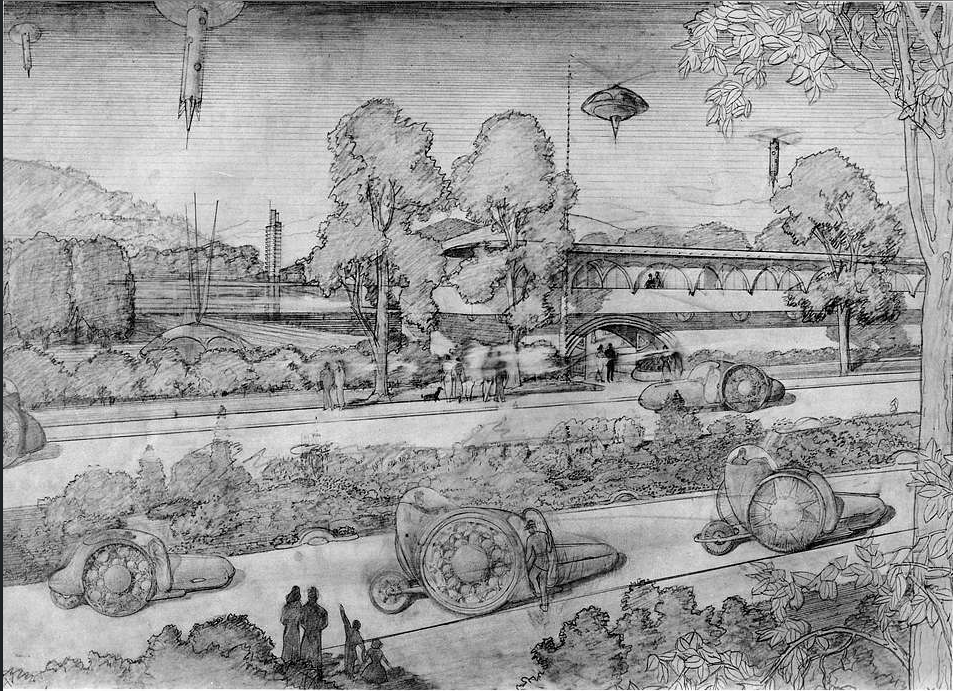
“Imag­ine spa­cious land­scaped high­ways,” Wright wrote in 1932, “giant roads, them­selves great archi­tec­ture, pass pub­lic ser­vice sta­tions, no longer eye­sores, expand­ed to include all kinds of ser­vice and com­fort. They unite and sep­a­rate — sep­a­rate and unite the series of diver­si­fied units, the farm units, the fac­to­ry units, the road­side mar­kets, the gar­den schools, the dwelling places (each on its acre of indi­vid­u­al­ly adorned and cul­ti­vat­ed ground), the places for plea­sure and leisure.

All of these units so arranged and so inte­grat­ed that each cit­i­zen of the future will have all forms of pro­duc­tion, dis­tri­b­u­tion, self improve­ment, enjoy­ment, with­in a radius of a hun­dred and fifty miles of his home now eas­i­ly and speed­i­ly avail­able by means of his car or plane.” 

broadacre-sketch-3

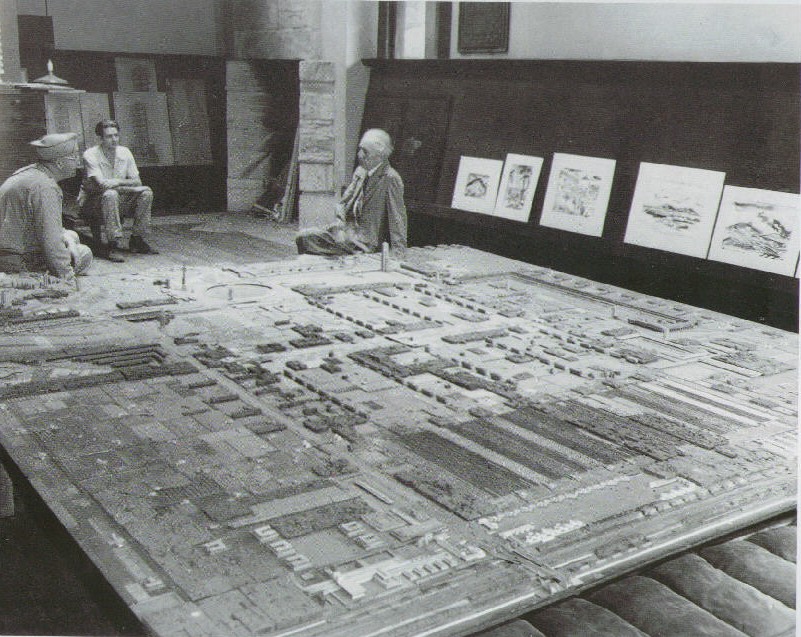
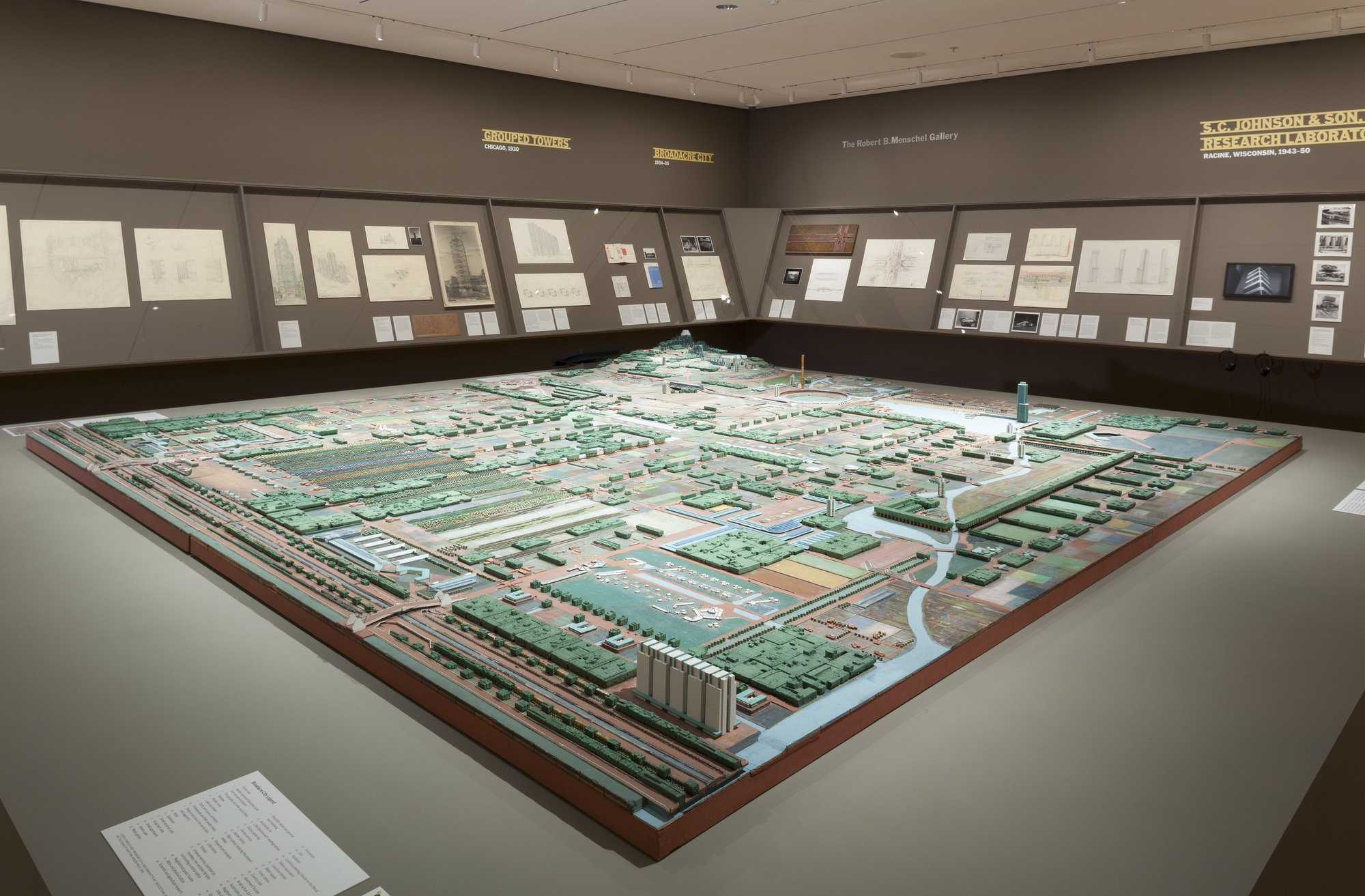
Those words appeared in The Dis­ap­pear­ing City, a sort of man­i­festo about Wright’s hope for the indus­tri­al metrop­o­lis of the ear­ly 20th cen­tu­ry: that it would go away. He “hat­ed cities,” writes The New York­er’s Mor­gan Meis. “He thought that they were cramped and crowd­ed, stu­pid­ly designed, or, more often, built with­out any sense of design at all.” Vis­i­tors to 2014’s Muse­um of Mod­ern Art exhi­bi­tion Frank Lloyd Wright and the City could behold not just Wright’s sketch­es of Broad­acre City but a twelve-foot-by-twelve-foot mod­el of the (to the archi­tect) ide­al place, a re-think­ing of the urban with the sen­si­bil­i­ties of the rur­al. Almost eighty years before, 40,000 vis­i­tors to Rock­e­feller Cen­ter who first saw the mod­el saw it embla­zoned with such straight­for­ward dec­la­ra­tions as “No slum,” “No Scum,” and “No traf­fic prob­lems.”

oc-broadacre-city-flw-and-model

Nel­son Rock­e­feller sup­port­ed the idea of Broad­acre city, as did Albert Ein­stein and John Dewey, all of whom signed a peti­tion Wright passed around in its favor in 1943. But “even in the 1930s, urban plan­ners were dis­gust­ed by Broad­acre,” writes Next City’s Kather­ine Don. “Its phi­los­o­phy was deeply indi­vid­u­al­is­tic; its lay­out was con­spic­u­ous­ly waste­ful. Lib­er­als of the time who emu­lat­ed the social­ist spir­it of Europe clas­si­fied Wright as an anti-gov­ern­ment eccen­tric, which indeed he was.” Matt Novak at Pale­o­fu­ture describes Wright’s utopia as “ulti­mate­ly an exten­sion of the things that made him per­son­al­ly com­fort­able: open spaces, the auto­mo­bile, and not sur­pris­ing­ly, the archi­tect as mas­ter con­troller.”

oc-broadacre-city-moma-model

Image cour­tesy of MoMA

Though Wright and Le Cor­busier “shared an inter­est in dis­man­tling the rec­og­niz­able urban fab­ric, they had dif­fer­ent ideas about what should replace it,” writes City Jour­nal’s Antho­ny Palet­ta. The archi­tect of Falling­wa­ter thought it best for the city “not to be ratio­nal­ized but to be pas­tor­al­ized. Urban ills were to be dilut­ed by ample help­ings of prairie soil.” By the time he died in 1958, a sprawl­ing post­war Amer­i­ca had whole­heart­ed­ly adopt­ed his “new stan­dard of space mea­sure­ment — the man seat­ed in his auto­mo­bile.” But noth­ing as tech­no-pas­toral par­a­disi­a­cal as a Broad­acre ever came into being, and indeed, the sub­urbs turned out to grow in a fash­ion even more hap­haz­ard and irra­tional than the one that so dis­gust­ed him in tra­di­tion­al cities. Then again, a true per­fec­tion­ist — and a true artist — must grow accus­tomed to such dis­ap­point­ments.

Relat­ed Con­tent:

Take a 360° Vir­tu­al Tour of Tal­iesin, Frank Lloyd Wright’s Per­son­al Home & Stu­dio

Frank Lloyd Wright Reflects on Cre­ativ­i­ty, Nature and Reli­gion in Rare 1957 Audio

The Mod­ernist Gas Sta­tions of Frank Lloyd Wright and Mies van der Rohe

Frank Lloyd Wright’s Falling­wa­ter Ani­mat­ed

Based in Seoul, Col­in Mar­shall writes and broad­casts on cities and cul­ture. He’s at work on a book about Los Ange­les, A Los Ange­les Primer, the video series The City in Cin­e­ma, the crowd­fund­ed jour­nal­ism project Where Is the City of the Future?, and the Los Ange­les Review of Books’ Korea Blog. Fol­low him on Twit­ter at @colinmarshall or on Face­book.

French Artist Creates Digital Street Art in the Sky

We humans are a quar­rel­some lot. But one thing that unites us is the time spent on our backs, gaz­ing at clouds for the plea­sure of iden­ti­fy­ing what­ev­er objects they may fleet­ing­ly resem­ble.

It’s a very relax­ing activ­i­ty.

I was sur­prised there’s an actu­al, med­ical name for it: parei­do­lia, defined by Mer­ri­am-Web­ster as “the ten­den­cy to per­ceive a spe­cif­ic, often mean­ing­ful, image in a ran­dom or ambigu­ous visu­al pat­tern.”

Thomas Lamadieu, the artist whose work is show­cased above, has a dif­fer­ent, but not whol­ly unre­lat­ed con­di­tion.

A pho­to post­ed by Art­zop® (@artzop) on

Most of us pre­fer to con­tem­plate the heav­ens in a bucol­ic set­ting. Lamadieu’s art com­pels him to look upwards from a more urban land­scape. The tops of the build­ings hem­ming him in sup­ply with irreg­u­lar­ly shaped frames, which he cap­tures using a fish eye lens. Lat­er, he fills them in with Microsoft Paint draw­ings, which fre­quent­ly fea­ture a beard­ed man whose t‑shirt is striped in sky blue. Neg­a­tive space, not Cray­ola, sup­plies the col­or here.

Think of it as street art in the sky.

Not every day can be a bril­liant azure, but it hard­ly mat­ters when even Lamadieu’s grayest views exhib­it a deter­mined play­ful­ness. It takes a very unique sort of eye to tease a pink nip­pled, stripe-limbed bun­ny from a steely UK sky.

Like many street artists, he takes a glob­al approach, trav­el­ing the world in search of giant unclaimed can­vas­es. His port­fo­lio con­tains vis­tas orig­i­nal­ly cap­tured in Hong Kong, South Korea, Ger­many, Spain, Aus­tria, Cana­da, Bel­gium, and the Unit­ed States, as well as his native France.

“The beard­ed man in my images stands for the sky itself,” he told The Inde­pen­dent, adding that his is a whol­ly sec­u­lar vision.

View a gallery of Lamadieu’s sky art here.

h/t to read­er Alan Gold­wass­er

Relat­ed Con­tent:

Google Puts Online 10,000 Works of Street Art from Across the Globe

The Cre­ativ­i­ty of Female Graf­fi­ti & Street Artists Will Be Cel­e­brat­ed in Street Hero­ines, a New Doc­u­men­tary

3D Street Art

Ayun Hal­l­i­day is an author, illus­tra­tor, and Chief Pri­ma­tol­o­gist of the East Vil­lage Inky zine. Fol­low her @AyunHalliday

1,300 Photos of Famous Modern American Homes Now Online, Courtesy of USC

modernist home
“For aver­age prospec­tive house own­ers the choice between the hys­ter­ics who hope to solve hous­ing prob­lems by mag­ic alone and those who attempt to ride into the future pig­gy back on the sta­tus quo, the sit­u­a­tion is con­fus­ing and dis­cour­ag­ing.” Those words, as much as they could describe the sit­u­a­tion today, actu­al­ly came print­ed in Arts & Archi­tec­ture mag­a­zine’s issue of June 1945.

“There­fore it occurs to us that the only way in which any of us can find out any­thing will be to pose spe­cif­ic prob­lems in a spe­cif­ic pro­gram on a put-up-or-shut-up basis.” What the mag­a­zine, at the behest of its pub­lish­er John Enten­za, put up was the Case Study Hous­es, which defined the ide­al of the mid­cen­tu­ry mod­ern Amer­i­can home.

USC Arch 2

More specif­i­cal­ly, they defined the ide­al of the mid­cen­tu­ry mod­ern south­ern Cal­i­forn­ian home. Los Ange­les pro­vid­ed a promis­ing envi­ron­ment for many of the for­mi­da­ble Euro­pean minds who came to Amer­i­ca around the Sec­ond World War, includ­ing writ­ers like Aldous Hux­ley, com­posers like Arnold Schoen­berg, and philoso­phers like Theodor Adorno. Archi­tects, such as the ear­li­er arrival Richard Neu­tra, espe­cial­ly thrived in the young city’s vast space and under its bright sun, giv­ing shape to a new kind of twen­ti­eth-cen­tu­ry house, one influ­enced by the rig­or­ous­ly clean aes­thet­ics of the Ger­man Bauhaus move­ment but adapt­ed to a much friend­lier cli­mate, both in terms of the weath­er and the free­dom from strict tra­di­tion.

USC Arch 3

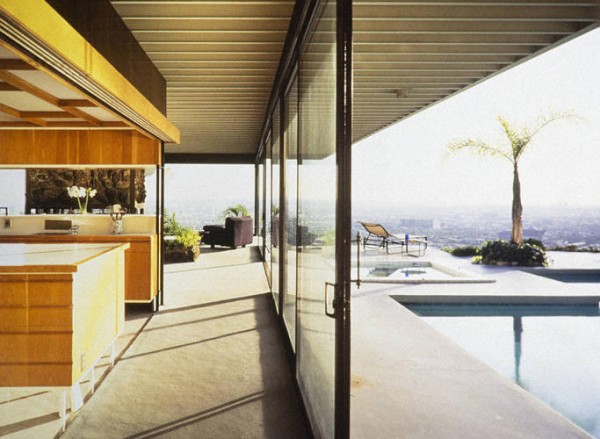
Even if you don’t know archi­tec­ture, you know the Case Study hous­es from their count­less appear­ances in movies, tele­vi­sion, and print over the past sev­en­ty years. Soon­er or lat­er, every­one sees an image of Neu­tra’s Stu­art Bai­ley House, Charles and Ray Eames’ Eames House, or Pierre Koenig’s Stahl House. The decades have turned these and oth­er hous­es from the peak of mid­cen­tu­ry mod­ernism into price­less archi­tec­tur­al trea­sures — or at least extreme­ly high-priced archi­tec­tur­al trea­sures. Some open them­selves to tours now and again, but very few of us will ever have a chance to expe­ri­ence these hous­es as not qua­si-muse­ums but actu­al liv­able spaces.

USC Arch 4

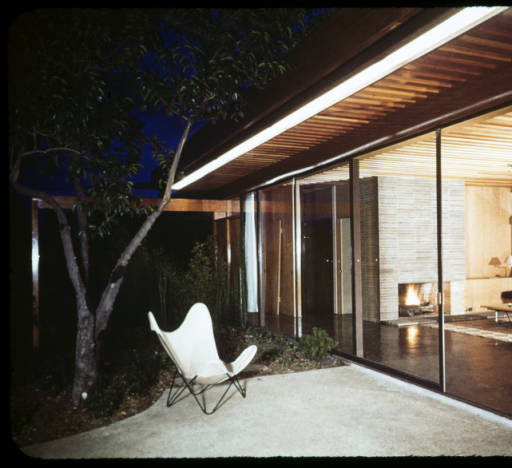
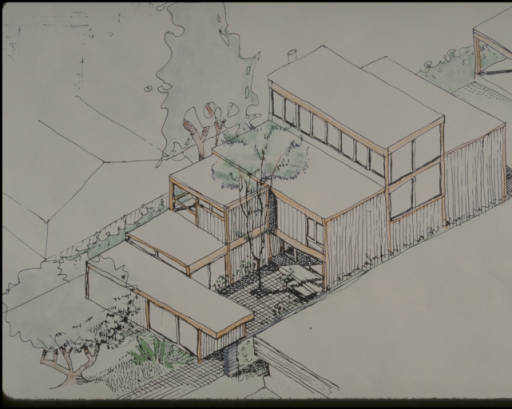
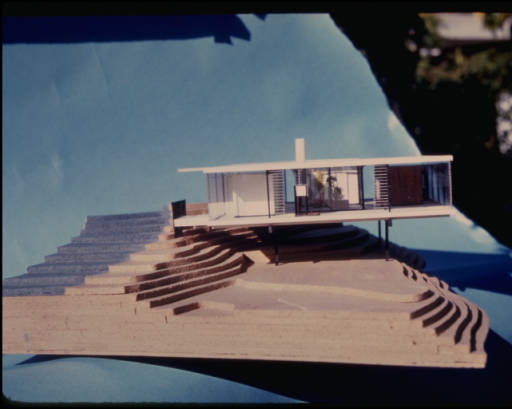
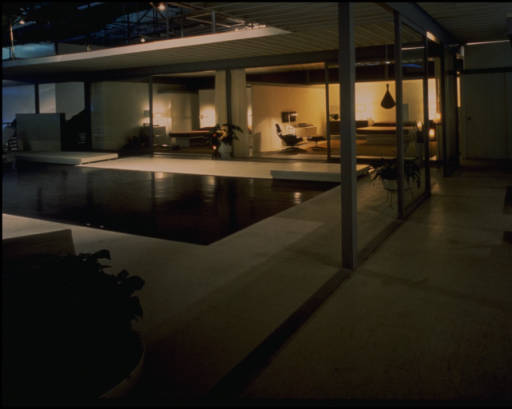
Now we have the next best thing in the form of the Uni­ver­si­ty of South­ern Cal­i­for­ni­a’s Archi­tec­tur­al Teach­ing Slide Col­lec­tion, which col­lects about 1300 rarely seen pho­tographs of mid­cen­tu­ry mod­ern hous­es shot all over the west­ern Unit­ed States from the 1940s to the 1960s by Koenig him­self, along with his col­league Fritz Block, who also hap­pened to own a col­or slide com­pa­ny. “Instead of the pol­ished tableaus you might find in the pages of Archi­tec­tur­al Digest,” writes Hyper­al­ler­gic’s Carey Dunne, “these spon­ta­neous snap­shots cap­ture quirky and more inti­mate views.” Koenig and Block cap­tured these hous­es “with an architect’s geo­met­ri­cal­ly mind­ed and detail-ori­ent­ed eye, nev­er pre­sent­ing them as mere real estate.” The archive also offers images of mod­els, blue­prints, and oth­er such tech­ni­cal mate­ri­als.

USC Arch 5

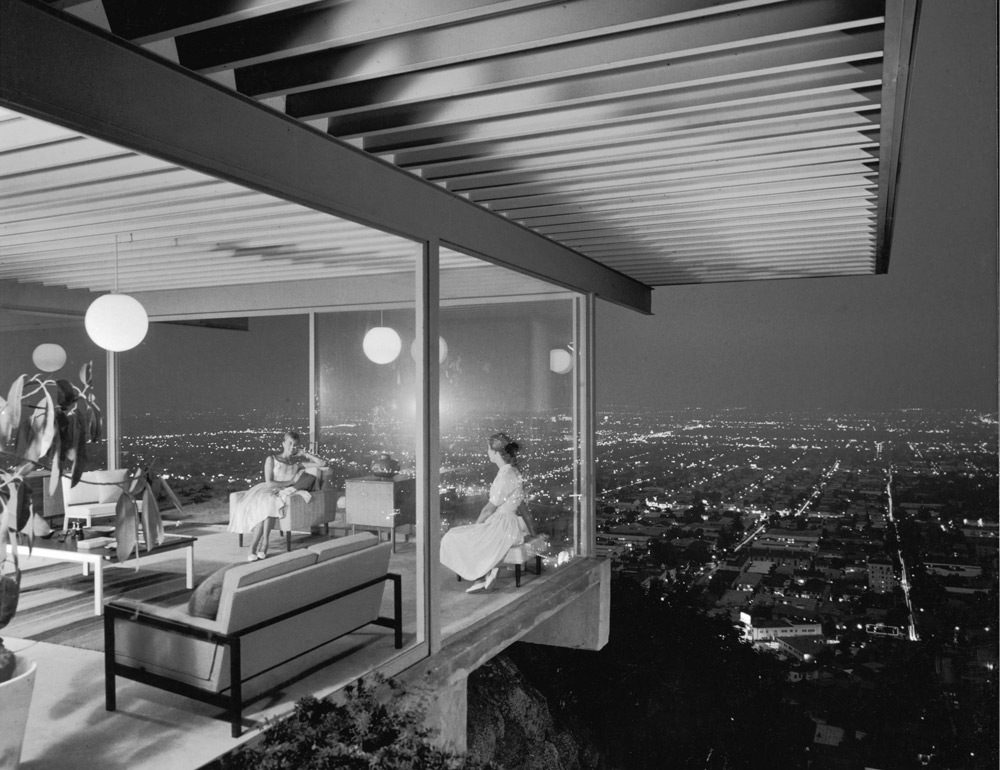
Arts & Archi­tec­ture meant to com­mis­sion ideas for the every­man’s house of the future, “sub­ject to the usu­al (and some­times regret­table) build­ing restric­tions,” “capa­ble of dupli­ca­tion,” and “in no sense… an indi­vid­ual ‘per­for­mance.’ ” Yet Amer­i­can mid­cen­tu­ry mod­ern hous­es, from the Case Study Pro­gram or else­where, all came out as indi­vid­ual per­for­mances, but also the first works of archi­tec­ture many of us get to know as works of art. And the work of archi­tec­tur­al pho­tog­ra­phers like Julius Shul­man, espe­cial­ly his icon­ic shot of the Stahl House high above the illu­mi­nat­ed grid of Los Ange­les, has done much to instill in view­ers a rev­er­ence suit­ed to art. A col­lec­tion of non-stan­dard views like these, though, reminds us that even the most vision­ary house is a real place. Enter the USC archive here.

All Images: via USC Dig­i­tal Library

via Hyper­al­ler­gic/Fast Co Design

Relat­ed Con­tent:

A Quick Ani­mat­ed Tour of Icon­ic Mod­ernist Hous­es

A is for Archi­tec­ture: 1960 Doc­u­men­tary on Why We Build, from the Ancient Greeks to Mod­ern Times 

The ABC of Archi­tects: An Ani­mat­ed Flip­book of Famous Archi­tects and Their Best-Known Build­ings

Bauhaus, Mod­ernism & Oth­er Design Move­ments Explained by New Ani­mat­ed Video Series

Watch 50+ Doc­u­men­taries on Famous Archi­tects & Build­ings: Bauhaus, Le Cor­busier, Hadid & Many More

Gehry’s Vision for Archi­tec­ture

Based in Seoul, Col­in Mar­shall writes and broad­casts on cities, lan­guage, and style. He’s at work on a book about Los Ange­les, A Los Ange­les Primer, the video series The City in Cin­e­ma, the crowd­fund­ed jour­nal­ism project Where Is the City of the Future?, and the Los Ange­les Review of Books’ Korea Blog. Fol­low him on Twit­ter at @colinmarshall or on Face­book.

« Go Back — More in this category... »
Quantcast