The ABC of Architects: An Animated Flipbook of Famous Architects and Their Best-Known Buildings

As a new-ish par­ent, I’ve been inun­dat­ed with alpha­bet books from well-mean­ing friends and fam­i­ly, and I am most grate­ful for them all. But I’m espe­cial­ly glad for a set that uses images from the Met­ro­pol­i­tan Muse­um of Art to illus­trate each let­ter. My daugh­ter gets lost in the paint­ings, prints, etch­ings, etc., and you know what? So do I. It’s that rare meet­ing of adult high art and kid for­mat­ting that keeps us both engaged.

The above video, while not strict­ly for chil­dren, could cer­tain­ly work as well. A con­cept of the Argen­tine group Ombu Archi­tec­ture and graph­ic design­er Fed­eri­co Gon­za­lez, “The ABC of Archi­tects” is a vin­tage flip­book trib­ute to the last 100 years or so in inter­na­tion­al archi­tec­ture, set to a jaun­ty, gold­en-age-of-radio score by Eugene C. Rose and George Ruble (which you can down­load for free here).

With the kind of quaint globe-hop­ping (but with­out the passé racism) of a Tintin com­ic, “The ABC of Archi­tects” skips through its list of twen­ty-six revered names from almost as many countries–from Fin­ish Alvar Aal­to to Iraqi-British Zaha Hadid. There are many names I don’t know and many famil­iar favorites. I can imag­ine this appeal­ing to preschool­ers or seri­ous stu­dents, and for some of the same rea­sons. While the cre­ators express grief at hav­ing to leave out so many artists, “The ABC of Archi­tects” is noth­ing less than joy­ous and inspir­ing.

via Dooby­Brain

h/t Jim­my Askew

Relat­ed Con­tent

The His­to­ry of West­ern Archi­tec­ture: From Ancient Greece to Roco­co (A Free Online Course)

Ice Cube & Charles Eames Rev­el in L.A. Archi­tec­ture

Archi­tec­ture in Motion

Josh Jones is a writer, musi­cian, and muse­um-hop­ping father.

The History of Western Architecture: A Free Online Course Moving from Ancient Greece to Rococo

Image by Arild Vågen, via Wiki­me­dia Com­mons

If you have plans to vis­it the Old World any time soon, you should spend a few good min­utes — make that hours — with The His­to­ry of Archi­tec­ture, a free course that recent­ly debuted on YouTube. Taught by Jacque­line Gar­gus at Ohio State, the course fea­tures 39 video lec­tures that col­lec­tive­ly offer a clas­sic sur­vey of West­ern archi­tec­ture. We begin in Ancient Egypt, Greece and Rome, lay­ing the con­cep­tu­al foun­da­tions for what’s to come. Then we dive head­long into Islam­ic, Byzan­tine and Medieval archi­tec­ture, before spend­ing a good deal of time with Renais­sance, Baroque, and Roco­co styles. Of course, we encounter many great land­marks along the way: the pyra­mids of Egypt, the tem­ples of Ancient Greece, the Hagia Sophia in Con­stan­tino­ple, Chartres in France, Brunelleschi’s Duo­mo of Flo­rence, and the list goes on. The course appears on YouTube. Find the lec­tures below.

The His­to­ry of Archi­tec­ture has been added to our col­lec­tion, 1,700 Free Online Cours­es from Top Uni­ver­si­ties. And if/when Prof. Gar­gus posts a sequel that gets us into mod­ern times, we’ll be sure to let you know.

If you would like to sign up for Open Culture’s free email newslet­ter, please find it here. It’s a great way to see our new posts, all bun­dled in one email, each day.

If you would like to sup­port the mis­sion of Open Cul­ture, con­sid­er mak­ing a dona­tion to our site. It’s hard to rely 100% on ads, and your con­tri­bu­tions will help us con­tin­ue pro­vid­ing the best free cul­tur­al and edu­ca­tion­al mate­ri­als to learn­ers every­where. You can con­tribute through Pay­Pal, Patre­on, and Ven­mo (@openculture). Thanks!

Relat­ed Con­tent:

Enroll in Harvard’s Free Online Archi­tec­ture Course: An Intro­duc­tion to the His­to­ry & The­o­ry of Archi­tec­ture

Roman Archi­tec­ture: A Free Online Course from Yale

Take an Online Course on Design & Archi­tec­ture with Frank Gehry

by | Permalink | Make a Comment ( 14 ) |

Versailles 3D, Created by Google, Gives You an Impressive Tour of Louis XIV’s Famous Palace

With 3D scale mod­els, music, and video, Google’s Ver­sailles 3D brings the best of 21st cen­tu­ry web arts to 18th cen­tu­ry art his­to­ry. The palace was built by Louis XIV, the “Sun King,” who exem­pli­fied all of the author­i­tar­i­an excess­es of the French monar­chy. For­tu­nate­ly for pos­ter­i­ty, he was also a patron of the arts, to whom we owe much of the work of Moliere, Racine and painters such as Charles Le Brun. And then there is his archi­tec­tur­al lega­cy, the palace of Ver­sailles, which start­ed out as a hum­ble hunt­ing lodge, built by his father Louis XIII in 1624. In the next sev­er­al decades, father, then son, com­mis­sioned the elab­o­rate set of build­ings that con­sti­tute Europe’s largest chateau and the seat of French gov­ern­ment from Louis XIV’s ascen­sion until the Rev­o­lu­tion of 1789. If you’re think­ing of vis­it­ing, the offi­cial chateau de Ver­sailles web­site has slideshows of grounds and gal­leries, a bou­tique, and some worth­while inter­ac­tive fea­tures. But Google, as usu­al, has tried to out­do its com­pe­ti­tion, this time by part­ner­ing with it. In con­nec­tion with the Ver­sailles cura­tors, The Google Cul­tur­al Insti­tute has cre­at­ed a mul­ti­me­dia almost-sub­sti­tute for a real life excur­sion to the gar­gan­tu­an and endur­ing sym­bol of Ancien Regime France.

The next video is a pre­view of a “Google Chrome Exper­i­ment” called “Chaos to Per­fec­tion,” an “inter­ac­tive stroll around the palace,” accom­pa­nied by an orig­i­nal sound­track from French band Phoenix. (The “exper­i­ment” itself is some­what slow load­ing, and requires the Chrome brows­er).

Final­ly, the engi­neers at Google (and part­ners Aloest, Wes­t­im­ages, le Fab­Shop and Les 84) give us a look behind the scenes of Ver­sailles 3D. Won­der how they cre­at­ed the elab­o­rate 3D scale mod­els of the palace grounds and build­ings? Well, the video below pro­vides a bar­rage of back­stage glimpses of the process, along with scenes from the open­ing of the Palace His­to­ry Gallery on June 14th.

And, of course, there will be mobile apps, Google promis­es, “soon.”

Josh Jones is a doc­tor­al can­di­date in Eng­lish at Ford­ham Uni­ver­si­ty and a co-founder and for­mer man­ag­ing edi­tor of Guer­ni­ca / A Mag­a­zine of Arts and Pol­i­tics.

Alain de Botton’s Quest for The Perfect Home and Architectural Happiness

In the first episode of The Per­fect Home, embed­ded above, philo­soph­i­cal jour­nal­ist and broad­cast­er Alain de Bot­ton con­tends that we don’t live in the mod­ern world. Rather, we do live in the mod­ern world in that we exist in it, but we don’t live in the mod­ern world in that few of us choose to make our homes there. As de Bot­ton sees it, the res­i­dents of the devel­oped world have, despite keep­ing up with the lat­est cars, clothes, and gad­getry, cho­sen to hole up in shells of aes­thet­ic nos­tal­gia: our mock Tudors, our restored cot­tages, our Greek Revivals. Hav­ing writ­ten books and pre­sent­ed tele­vi­sion shows on philo­soph­i­cal sub­jects — you may remem­ber Phi­los­o­phy: A Guide to Hap­pi­ness — he even brings in Niet­zsche to diag­nose this archi­tec­tur­al dis­or­der as an abject denial of real­i­ty. Accord­ing to old Friedrich, he who builds him­self into a fake real­i­ty ulti­mate­ly pays a much greater price than what endur­ing real real­i­ty would have cost. With that omi­nous bit of wis­dom in mind, de Bot­ton trav­els the world in search of build­ings designed with mod­ern sen­si­bil­i­ties and mod­ern tech­nol­o­gy that nev­er­the­less make us hap­py with­out enabling self-delu­sion.

The search takes de Bot­ton all over the world, from Vic­to­ri­an theme-park­ish Eng­lish sub­ur­ban devel­op­ments to a Japan­ese Dutch vil­lage to Egypt­ian and Scan­di­na­vian embassies in Berlin to a heli­copter soar­ing above Lon­don with the archi­tect Nor­man Fos­ter to the con­crete-mod­ernist Zurich apart­ment of his own child­hood. Just as Phi­los­o­phy: A Guide to Hap­pi­ness grew from the same intel­lec­tu­al soil as de Bot­ton’s book The Con­so­la­tions of Phi­los­o­phy, so grows The Per­fect Home from The Archi­tec­ture of Hap­pi­ness. That book’s explo­rations pro­ceed­ed from the idea that we desire in our archi­tec­ture what­ev­er we feel we lack in our char­ac­ter: the undis­ci­plined grav­i­tate toward stark­ness and sim­plic­i­ty, per­haps, while the straight-laced build with more whim­sy. What does this say about the lady vis­it­ed in this first episode who devotes her every domes­tic impulse to con­struct­ing a “cozy” set­ting, burst­ing in every direc­tion with ted­dy bears? Though de Bot­ton demures from that ques­tion, he oth­er­wise goes to great lengths to find an escape from tire­some “pas­tiche” archi­tec­ture and a way our build­ings can embrace our times — a way, that is, we can final­ly live in the present.


Relat­ed con­tent:

Socrates on TV, Cour­tesy of Alain de Bot­ton (2000)

Frank Lloyd Wright’s Falling­wa­terAni­mat­ed
Gehry’s Vision For Archi­tec­ture

Ice Cube & Charles Eames Rev­el in L.A. Archi­tec­ture

Col­in Mar­shall hosts and pro­duces Note­book on Cities and Cul­ture. Fol­low him on Twit­ter at @colinmarshall.

An Animated Tour of Fallingwater, One of Frank Lloyd Wright’s Finest Creations

Falling­wa­ter was designed by Frank Lloyd Wright in 1935. Con­struc­tion began a year lat­er and was even­tu­al­ly com­plet­ed in 1939. Many con­sid­er Falling­wa­ter one of Wright’s finest cre­ations. Hence why Smith­son­ian Mag­a­zine count­ed it as one of the 28 Places to See Before You Die. Now, thanks to the mini movie above, you can watch the build­ing of Falling­wa­ter take place right before your eyes, and then take a tour of the house. It’s all done in com­put­er graph­ics and runs 4+ min­utes. And, as one read­er tells us, the “video is as real as it gets.” You can learn more about the film and the house at this web site.

For more Frank Lloyd Wright, you’ll also want to vis­it the R.W. Lind­holm Ser­vice Sta­tion, a gas sta­tion designed by the famous archi­tect in the 1930s. We’ll take you on a vir­tu­al tour right here.

by | Permalink | Make a Comment ( 7 ) |

Ice Cube & Charles Eames Revel in L.A. Architecture

Here’s a lit­tle known fact about the rap­per and actor Ice Cube. Dur­ing his younger days, before he became a star, Mr. Cube stud­ied archi­tec­tur­al draft­ing at the Phoenix Insti­tute of Tech­nol­o­gy in Ari­zona, where he gained an appre­ci­a­tion for the way archi­tects, like rap­pers, can take exist­ing mate­ri­als and work them into entire­ly new cre­ations. Yes, archi­tects can do mashups, too. And per­haps no one did them bet­ter than the hus­band-and-wife design duo, Charles and Ray Eames, who built the Eames House, a land­mark of mod­ern archi­tec­ture, in 1949.

In a video pro­mot­ing a col­lab­o­ra­tive exhib­it, “Pacif­ic Stan­dard Time: Art in L.A. 1945–1980,” Ice Cube dri­ves the streets of L.A. and explains his admi­ra­tion for the Eames House and oth­er Los Ange­les land­marks. Mean­while below, you’ll find some vin­tage footage that cap­tures Charles Eames (1907–1978), dri­ving around the city, giv­ing his own analy­sis of the hodge-podge archi­tec­tur­al styles that define Los Ange­les.

via The New York Times and Curios­i­ty Counts

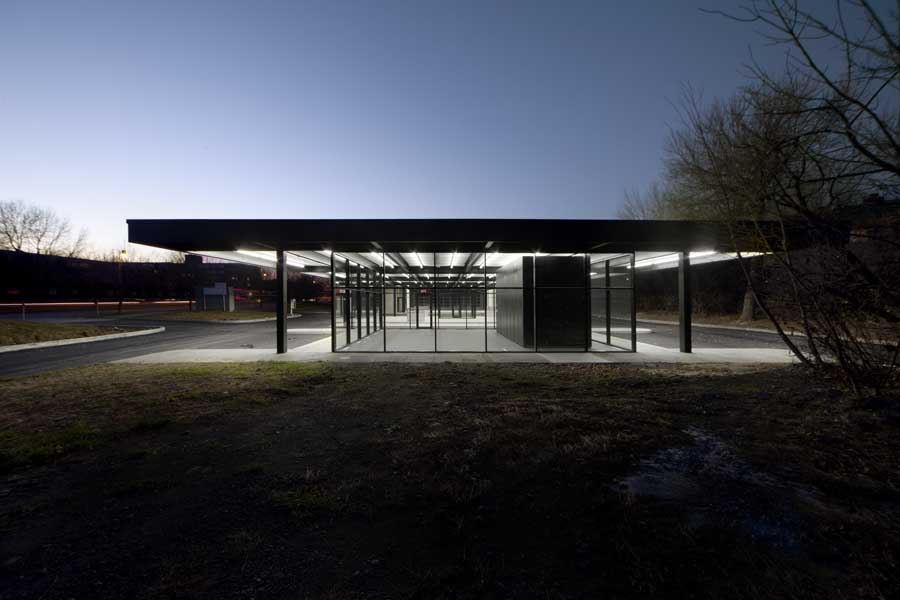
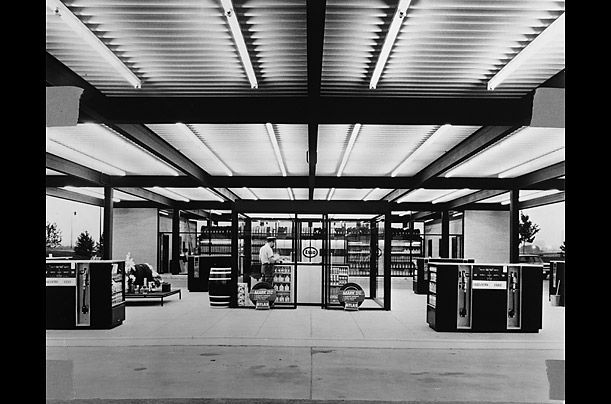
The Gas Station Designed by Frank Lloyd Wright

The town of Clo­quet lies in north­ern Min­neso­ta along the St. Louis Riv­er. It has a pop­u­la­tion of rough­ly 11,000 res­i­dents, and sev­er­al of its most famous res­i­dents play for the NHL. The town also hap­pens to be home to the R.W. Lind­holm Ser­vice Sta­tion – a gas sta­tion designed by none oth­er than Frank Lloyd Wright.

In the ear­ly 1930s, Wright began devel­op­ing con­cepts for Broad­acre City, a city spread out to the point where it would be ‘every­where and nowhere,’ kind of like what we would even­tu­al­ly call ‘sub­ur­bia.’ The design for the Lind­holm gas sta­tion came direct­ly from this con­cep­tu­al project, and it was built in 1956. The sta­tion remains open and ful­ly oper­a­tional today, and it’s cur­rent­ly get­ting restored to its orig­i­nal con­di­tion. The video above gives you the best out­side view of the Wright cre­ation, and this sec­ond one gives you a clos­er look at some of the fin­er details.

Relat­ed Con­tent:

Frank Lloyd Wright’s Falling­wa­ter Ani­mat­ed

The Frank Lloyd Wright Lego Set

Gehry’s Vision for Archi­tec­ture

by | Permalink | Make a Comment ( 3 ) |

David Byrne: How Architecture Helped Music Evolve

Since the break-up of Talk­ing Heads in 1991, David Byrne has made a good career for him­self as a solo artist, work­ing in film and music, and also becom­ing an active sup­port­er of cycling. Overt­ly intel­lec­tu­al, Byrne has giv­en lec­tures on a great vari­ety of top­ics – from Carl Jung to the ways in which venue and con­text shape artis­tic cre­ation.

The TED talk above was giv­en in Feb­ru­ary 2010 in Long Beach, Cal­i­for­nia, and here David Byrne presents his ideas on the inter­re­la­tion­ship between music and archi­tec­ture. A tran­script of this talk can be found on the TED Talks page.

Byrne was not the first to explain the link between music and archi­tec­ture. In 2002, renowned archi­tect Daniel Libe­skind deliv­ered a Proms Lec­ture on that very top­ic (find the audio stream here) and, in 2007, Jonathan Cole pre­sent­ed his own lec­ture, “Music and Archi­tec­ture: Con­fronting the Bound­aries between Space and Sound,” at Gre­sham Col­lege, Lon­don. But it is Byrne’s talk that approach­es the sub­ject from the prac­ti­cal point of view of a musi­cian.

By pro­fes­sion, Matthias Rasch­er teach­es Eng­lish and His­to­ry at a High School in north­ern Bavaria, Ger­many. In his free time he scours the web for good links and posts the best finds on Twit­ter.

« Go BackMore in this category... »
Quantcast