Library of Congress Releases Audio Archive of Interviews with Rock ‘n’ Roll Icons

Back in the mid-to-late 1980s, some of the fig­ures we con­sid­er Rock and Roll icons were near or at the nadir of their pop­u­lar­i­ty. With Duran Duran, The Police and Michael Jack­son at the top of the charts, artists like George Har­ri­son, Bob Dylan and even David Bowie had put out their last great records and were wait­ing for the nos­tal­gia wheel to turn.

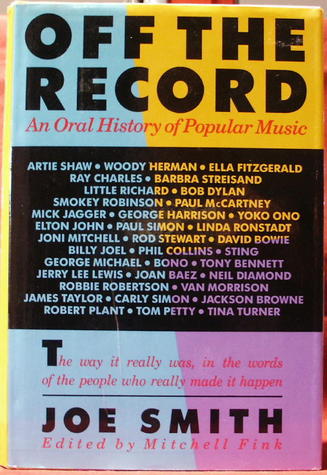
Enter Joe Smith, record­ing indus­try exec­u­tive and for­mer disc jock­ey. Over two years in the late 80s, while pres­i­dent of Capi­tol Records/EMI, Smith record­ed near­ly 240 hours of inter­views with a cat­a­log of major musi­cal artists from Mick Jag­ger, Bowie and Paul McCart­ney to Yoko Ono, George Har­ri­son and Lin­da Ron­stadt.

Smith used excerpts of the inter­views for the book Off the Record, pub­lished in 1988. Now retired, he has donat­ed the archive of unedit­ed audio inter­views to the Library of Con­gress. The Joe Smith Col­lec­tion will fea­ture talks with more than 200 artists. As an indus­try insid­er Smith had extra­or­di­nary access. It’s not that these artists aren’t already heav­i­ly inter­viewed and doc­u­ment­ed. It’s the inti­mate tone of the con­ver­sa­tions that pleas­es and sur­pris­es.

In a leisure­ly con­ver­sa­tion with Smith, David Bowie (above) talks about tak­ing class­es from Peter Framp­ton’s father in art school. Yoko Ono, inter­viewed in late 1987, comes across as still liv­ing in the shad­ow of her late hus­band. By now, Ono has a big­ger rep­u­ta­tion as an artist in her own right. Lin­da Ron­stadt, who Smith signed to a record­ing con­tract, reflects on her years per­form­ing at L.A.’s Trou­ba­dour night­club dur­ing the rise of coun­try rock.

By now each of these super­stars has writ­ten his or her mem­oir and the gold­en era of major labels has been dis­sect­ed by musi­cal dig­gers. So lis­ten­ing to these inter­views from the 1980s takes on a nos­tal­gic feel of its own. Smith’s ques­tions sound naive now. Isn’t it amaz­ing, he remarks to the leg­endary pro­duc­er George Mar­tin, that the Bea­t­les were so heav­i­ly influ­enced by African-Amer­i­can blues?! It’s sweet to hear leg­endary artists and an indus­try insid­er stum­ble upon obser­va­tions like that one, which have now been so thor­ough­ly digest­ed.

Smith tran­si­tioned from broad­cast radio to record pro­mo­tions, even­tu­al­ly ris­ing to exec­u­tive ranks as pres­i­dent of Warn­er Broth­ers, Elektra/Asylum and Capi­tol Records/EMI. He signed the Grate­ful Dead, Jimi Hen­drix and Van Mor­ri­son, so it’s no sur­prise that Mick­ey Hart is inter­viewed, shar­ing an inti­mate sto­ry about his father.

So far, audio for only 25 inter­views is avail­able on the library’s site. More inter­views will be uploaded over time, includ­ing one with Smith him­self in which he talks dirt about his rela­tion­ship with for­mer busi­ness part­ner Frank Sina­tra.

Kate Rix writes about dig­i­tal media and edu­ca­tion. Read more of her work at and thenifty.blogspot.com.
UC Santa Cruz Opens a Deadhead’s Delight: The Grateful Dead Archive is Now Online

“They’re not the best at what they do,” said respect­ed rock pro­mot­er Bill Gra­ham of the Grate­ful Dead. “They’re the only ones that do what they do.” The band devel­oped such an idio­syn­crat­ic musi­cal style and per­son­al sen­si­bil­i­ty that their legion of devot­ed fans, known as “Dead­heads,” tend­ed to fol­low them every­where they toured. The Dead with­stood more than their fair share of clas­sic-rock tur­bu­lence in the thir­ty years from their for­ma­tion in 1965, but did­n’t dis­solve until the 1995 death of found­ing mem­ber and unof­fi­cial front­man Jer­ry Gar­cia. The bereft Dead­heads, still in need of a con­stant flow of their eclec­tic, impro­vi­sa­tion­al, psy­che­del­ic-tra­di­tion­al, jam-inten­sive sound of choice, took a few dif­fer­ent paths: some began fol­low­ing oth­er, com­pa­ra­ble groups; some would go on to rely on acts formed by ex-Dead mem­bers, like Bob Weir and Phil Lesh’s Furthur; some made it their life’s mis­sion to col­lect every­thing in the band’s incom­pa­ra­bly vast col­lec­tion of demos, live record­ings, and son­ic mis­cel­lany.

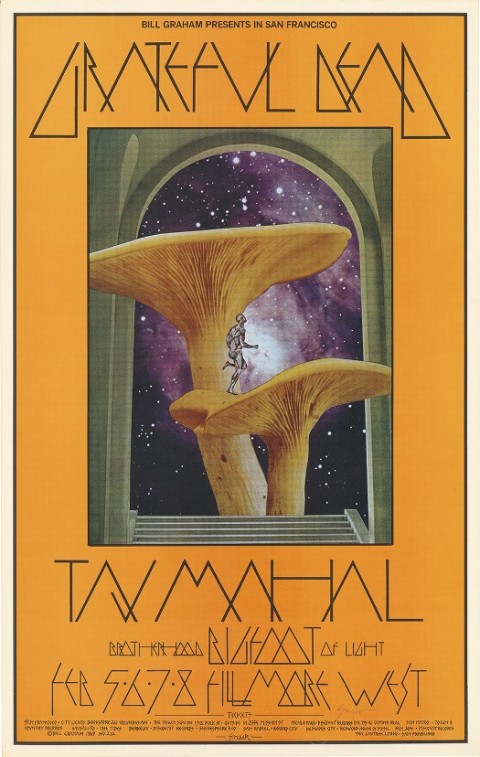
Grate­ful Dead com­pletists now have anoth­er source of solace in the Grate­ful Dead Archive Online from the Uni­ver­si­ty of Cal­i­for­nia, San­ta Cruz. Lest you assume your­self Dead-savvy enough to have already seen and heard every­thing this archive could pos­si­bly con­tain, behold the new­ly added item fea­tured on the front page as I type this: Jer­ry Gar­ci­a’s Egypt­ian tour lam­i­nate. Accord­ing to the press release, the archive’s inter­net pres­ence fea­tures “near­ly 25,000 items and over 50,000 scans” from the uni­ver­si­ty’s phys­i­cal archive, includ­ing “works by some of the most famous rock pho­tog­ra­phers and artists of the era, includ­ing Herb Greene, Stan­ley Mouse, Wes Wil­son and Susana Mill­man.” Rest assured that it offers plen­ty of non-obscu­ran­tist Dead-relat­ed plea­sures, includ­ing tele­vi­sion appear­ances, radio broad­casts, posters, and fan record­ings of con­certs. Like any rich sub­ject, the Grate­ful Dead pro­vides its enthu­si­asts a life­time of mate­r­i­al to study. UC San­ta Cruz, a school often asso­ci­at­ed in the pub­lic imag­i­na­tion with the Dead­’s greater San Fran­cis­co Bay Area ori­gins as well as their pen­chant for laid-back good times, has just made it that much eas­i­er to plunge into.

Relat­ed con­tent:

Van Mor­ri­son, Jef­fer­son Air­plane & The Grate­ful Dead: Watch Clas­sic Con­certs from Wolfgang’s Vault

Free Grate­ful Dead Con­cert Archive

Col­in Mar­shall hosts and pro­duces Note­book on Cities and Cul­ture. Fol­low him on Twit­ter at @colinmarshall.


« Go Back
Quantcast

