Museums Crossing the Line?: An Interview with Jori Finkel

The New York Times fea­tured yes­ter­day a piece that rais­es seri­ous ques­tions about the art world. Accord­ing to the arti­cle, some major muse­ums are now allow­ing art gal­leries to finan­cial­ly under­write their exhi­bi­tions. And, of course, the gal­leries often have a direct finan­cial stake in the work on dis­play. This trend, which seems to be grow­ing, nat­u­ral­ly prompts ques­tions of influ­ence: are some of the most well-regard­ed muse­ums let­ting financ­ing — some­thing that’s always in short sup­ply — deter­mine what exhi­bi­tions they will put on dis­play? Are the lines between church and state get­ting crossed? (The muse­ums insist that the answer is no.) Then, there are ques­tions of com­merce: are non-prof­it muse­ums help­ing for-prof­it gal­leries, whether inten­tion­al­ly or not, bump up the pres­tige and finan­cial val­ue of their artists — some­thing which almost always redounds to the finan­cial ben­e­fit of the gal­leries?

I had a chance to catch up with Jori Finkel, the author of the arti­cle. She’s an arts jour­nal­ist based in LA where she cov­ers con­tem­po­rary art for The Times, among oth­er places. I asked her a few ques­tions and here’s what she had to say:

DC: What’s essen­tial­ly dri­ving the muse­ums to work so close­ly, per­haps too close­ly, with gal­leries? In short, how did we get here?

JF: One thing I dis­cov­ered in report­ing this sto­ry is just how com­mon it is for gal­leries to help out muse­ums behind the scenes—with research, with loans, and with things gal­leries do in the nor­mal course of busi­ness like fram­ing works of art. But it’s much more unusu­al to find gal­leries writ­ing checks for muse­um shows. Peo­ple I inter­viewed see this as a sign of the art world spin­ning out of con­trol or out of bal­ance because of all the mon­ey chas­ing con­tem­po­rary art late­ly. The imbal­ance being that gal­leries are rich­er than ever before, while muse­ums, which are not sup­posed to be part of the mar­ket, can find them­selves strug­gling or even beg­ging for fund­ing. A muse­um direc­tor once told me he felt his job was a lot like being a beggar—a glam­orous, well-con­nect­ed beg­gar, but a beg­gar.

DC: As I recall, some muse­ums have got­ten into trou­ble when seek­ing out spon­sors for exhi­bi­tions in the past — for exam­ple, from some cor­po­ra­tions. Is what’s hap­pen­ing now any dif­fer­ent, and does it raise par­tic­u­lar­ly new eth­i­cal con­cerns?

JF: We saw a num­ber of con­tro­ver­sies in the late 1990s over cor­po­rate sponsorship—like Armani report­ed­ly gift­ing the Guggen­heim $15 mil­lion and get­ting a show in return, and BMW under­writ­ing a motor­cyle show, also at the Guggen­heim. Then there was the scan­dal over the “Sen­sa­tion” show at the Brook­lyn Muse­um of Art, which fea­tured works from Charles Saatchi’s per­son­al col­lec­tion and was fund­ed in part by Saatchi. Sev­er­al of my sources men­tioned these cas­es because they think gallery spon­sor­ship rais­es rough­ly the same set of eth­i­cal ques­tions. The only dif­fer­ence they point­ed out is that gallery con­flicts might have the poten­tial to be more per­va­sive. (more…)

by | Permalink | Make a Comment ( 1 ) |

500 Years of Art in Morphing Action (Excellent Video)

This video takes you on a fair­ly amaz­ing tour of the great por­traits of women in West­ern art. It moves from da Vin­ci to Picas­so, and, along the way, the por­traits seam­less­ly morph one into anoth­er. This mor­ph­ing allows you to see how artis­tic styles changed over time, and also how the human face has been artis­ti­cal­ly treat­ed dur­ing dif­fer­ent peri­ods. Watch the video below, which is accom­pa­nied by Bach’s Suite No. 1 per­formed by Yo-Yo Ma. For infor­ma­tion on the paint­ings cov­ered in the clip, click here. And also see the relat­ed video, Women in Film.

PS Thanks to Boing­Bo­ing for high­light­ing our inter­view today with Satoshi Kanaza­wa.

Sub­scribe to Our Feed

One Formula Thinking

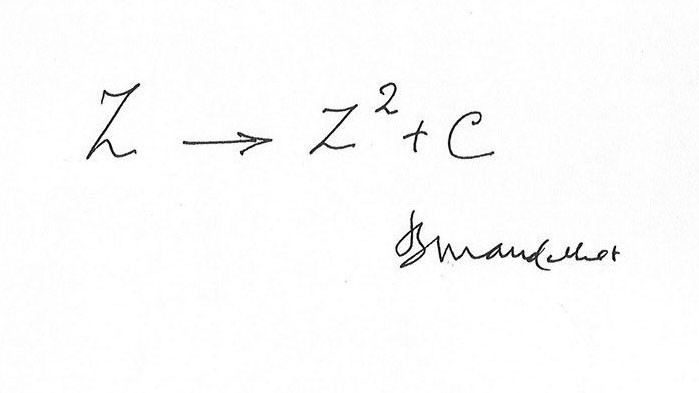
Speak­ing of Einstein–have you ever want­ed to explain the world on a nap­kin? The Edge, self-described as “an online col­lec­tive of deep thinkers,” has teamed up with the Ser­pen­tine Gallery in Lon­don to par­tic­i­pate in a month-long Exper­i­ment Marathon. The Ser­pen­tine has been ask­ing lead­ing sci­en­tists and thinkers “What Is Your For­mu­la?” and the Edge is now host­ing the fas­ci­nat­ing answers on their site. Rickard Dawkins, Bri­an Eno and Benoit Man­del­brot are just a few of the con­trib­u­tors.

Learn the Art of Photography: The Nikon Way

The advent of dig­i­tal cam­eras has changed pho­tog­ra­phy as we know it. It has dra­mat­i­cal­ly low­ered the cost of pho­tog­ra­phy, and we’re now snap­ping more pho­tos than ever before. But we’re not nec­es­sar­i­ly tak­ing bet­ter pic­tures.

This is where Nikon steps in. Their cam­eras make casu­al pho­tog­ra­phers immense­ly bet­ter than they actu­al­ly are. (Trust me, I know.) And Nikon has now set up a free Dig­i­tal Learn­ing Cen­ter that offers tuto­ri­als and tips for tak­ing a range of dif­fer­ent pic­tures — por­traits, trav­el pho­tos, nature pho­tog­ra­phy, etc. Ques­tions that get tack­led here include, but are not lim­it­ed, to: “How can I take bet­ter por­traits?” “How can I take pho­tos at dusk with­out hav­ing them look com­plete­ly dark?” “How do I get true-to-life skin tones?” “How can I get the mov­ing fig­ures in my pho­tos to look like they’re in motion and not frozen?” “My por­traits have red eyes. How can I pre­vent this?” Give a tour of the Learn­ing Cen­ter here. And thanks to Life­hack­er for putting this on our radar screen.

Sub­scribe to our feed in a read­er

Relat­ed Con­tent:

  • If you’d like to learn about dig­i­tal pho­tog­ra­phy using pod­casts, check out Dig­i­tal Pho­tog­ra­phy Tips from the Top Floor (iTunes — Feed — Web Site). And, for that mat­ter, if you need to learn how to use a pod­cast, spend some time with our Pod­cast Primer here.
  • Final­ly, NPR’s Fresh Air just aired an inter­view with pho­to­jour­nal­ist Paul Wat­son on Wit­ness­ing War (iTunes Feed Web Site). It’s an intrigu­ing but also quite haunt­ing con­ver­sa­tion.

by | Permalink | Make a Comment ( 3 ) |

Fonts of Fame

Helvetica2

What font do you write in? Do you have strong feel­ings about it? It turns out many writ­ers do. Slate has a fas­ci­nat­ing slide-show essay mark­ing Hel­veti­ca’s fifti­eth anniver­sary, cel­e­brat­ing the font “some have called the offi­cial type­face of the 20th cen­tu­ry.” In an accom­pa­ny­ing arti­cle the mag­a­zine sur­veyed a few famous writ­ers and none of them claimed the big H as their let­ter­ing of choice (couri­er won by a landslide–apparently these peo­ple have fond mem­o­ries of their type­writ­ers). If you’re in New York, you might check out the MoMA exhib­it cel­e­brat­ing Hel­veti­ca’s gold­en moment.

Ready for a new look your­self? There are hun­dreds of sites ready to help you get your font on for love or for money–check out Sim­ply the Best Free Fonts as just one exam­ple. To be safe, always make sure you scan down­loaded files for virus­es before start­ing that new nov­el.

Art Blogs — A New Addition to the Culture Blogs Family


      We now serve you 25 art/visual art blogs, all of which have also been fold­ed into a larg­er list of 100+ cul­ture blogs. We’re now call­ing it The Big List of Cul­ture Blogs (pret­ty cre­ative, eh), and we’ll add to it over time.

As always, please **@******re.com/”>email us and let us know if we’re miss­ing some­thing essen­tial.

  • Absolute Arts.com Art Blog: A sta­ble of versed blog­gers who look at a spec­trum of art-relat­ed themes.
  • Alec Soth: Pho­to­graph­i­ca, mis­cel­lanea, et cetera.
  • Art.Blogging.La: An art blog start­ed by Caryn Cole­man that dis­cuss­es and pro­motes the vital art scene in LA.
  • Art­ByUs.com: An eclec­tic and inter­na­tion­al art news site.
  • Art Forum: A good look at the art event and social scene. Some­what for insid­ers.
  • Art Law Blog: Title kind of sums it up.
  • Art News Blog: The blog digs up new sto­ries, reviews, guides, and arti­cles found online and shares them each day. Sto­ries have an inter­na­tion­al focus with an empha­sis on the visu­al arts.
  • Art World Salon: Looks at the fast-paced trans­for­ma­tions tak­ing place in the glob­al art world. Fre­quent­ly looks at the eco­nom­ic side of things.
  • Con­sci­en­tious: A weblog about fine-art pho­tog­ra­phy (and more).
  • Con­tem­po­rary Pulitzer: An art blog put togeth­er joint­ly by the Con­tem­po­rary Art Muse­um St. Louis and The Pulitzer Foun­da­tion for the Arts.
  • Cronaca: A com­pi­la­tion of news con­cern­ing art, arche­ol­o­gy, his­to­ry, and what­ev­er else catch­es the chronicler’s eye, with the odd bit of opin­ion and com­men­tary thrown in.
  • Edward Win­kle­man: Art, pol­i­tics, gos­sip and tough love from a NYC arts deal­er. You’ll find this site list­ed on many-a-blogroll.
  • Eye Lev­el: A blog pro­duced by the Smith­son­ian Amer­i­can Art Muse­um, it uses the museum’s col­lec­tion as a touch­stone and is ded­i­cat­ed to Amer­i­can art and the ways in which the nation’s art reflects its his­to­ry and cul­ture. Sur­pris­ing­ly, one of the few blogs to come out of the muse­um world.
  • Fal­lon and Rosof’s Art­blog: Art reviews, deep thoughts, and gos­sip from Philadel­phia and beyond.
  • Gallery Hop­per: A guide to the best of fine art pho­tog­ra­phy, gal­leries and events in New York City and beyond.
  • Gram­mar Police: A well-regard art blog that Won­kette sum­ma­rizes as “local art fag par excel­lence.”
  • Gravest­mor: A wide­ly-cit­ed archi­tec­ture blog com­ing out of Aus­tralia.
  • Guardian Art & Archi­tec­ture Blog: A British take on the arts world. One of the few blogs cit­ed here from the main­stream press.
  • Life With­out Build­ings: News and notes from an archi­tec­ture weblog with a pen­chant for giant stat­ues and post­mod­ern cul­ture.
  • Look­ing Around: A blog by Richard Lacayo, who writes about books, art and archi­tec­ture at TIME Mag­a­zine.
  • Mag­num Pho­tos: A mul­ti-author, aes­thet­i­cal­ly well designed pho­tog­ra­phy blog.
  • Mod­ern Art Notes: Voila, Tyler Green’s blog about mod­ern and con­tem­po­rary art. The Wall Street Jour­nal has called MAN “the most influ­en­tial of all visu­al-arts blogs.”
  • Pleiady — Thoughts for a New Gen­er­a­tion: A blog on the Art of Now
  • smARThis­to­ry: Gen­er­al Mus­ings about using tech­nol­o­gy to teach with images by two art his­to­ri­ans, Beth Har­ris and Steven Zuck­er. Often fea­tures links to worth­while art his­to­ry pod­casts.
  • The Art His­to­ry Newslet­ter: If there are aca­d­e­mics among us, this is for you.
  • The Art Life: Fea­tures a lengthy art site blogroll. Look down the right hand side and you’ll see what I mean.

Relate Fea­ture: See our relat­ed arti­cle on Art Muse­um Pod­casts.

Tell a Friend About Open Cul­ture - Sub­scribe to Our Feed

by | Permalink | Make a Comment ( 5 ) |

Coltrane Spotify Sample

Sec­ond attempt

Third


Amer­i­ca lost more than it real­ized today. Sty­ron was, of course, appre­ci­at­ed by a great num­ber of writ­ers, read­ers, and crit­ics. But, these days, he isn’t usu­al­ly men­tioned in the same sen­tence as Philip Roth, John Updike, or Nor­man Mail­er, the elder states­men of con­tem­po­rary Amer­i­can lit­er­a­ture. There are some legit­i­mate rea­sons for that. Rep­u­ta­tion is often sim­ply a func­tion of out­put and, since 1993, Sty­ron had­n’t pub­lished any­thing new. He was then deal­ing with seri­ous depres­sion, which he wrote elo­quent­ly about in one of his last works, Dark­ness Vis­i­ble: A Mem­oir of Mad­ness, and he would be in and out of hos­pi­tals from there.

Sup­port Open Cul­ture

We’re hop­ing to rely on our loy­al read­ers rather than errat­ic ads. To sup­port Open Cul­ture’s edu­ca­tion­al mis­sion, please con­sid­er mak­ing a dona­tion. We accept Pay­Pal, Ven­mo (@openculture), Patre­on and Cryp­to! Please find all options here. We thank you!

« Go Back
Quantcast