The Brilliant Colors of the Great Barrier Revealed in a Historic Illustrated Book from 1893

Paul Simon’s famous lyric about every­thing look­ing worse in black and white
is hard­ly a uni­ver­sal truth, but when it comes to William Sav­ille-Kent’s ground­break­ing 1893 book The Great Bar­ri­er Reef of Aus­tralia: its prod­ucts and poten­tial­i­tiesthe asser­tion may have some mer­it.

Sav­ille-Kent, a nat­u­ral­ist whose work in var­i­ous British aquar­i­ums even­tu­al­ly led to a gig rebuild­ing deplet­ed Tas­man­ian oys­ter beds, fell hard for the col­or­ful fish, bêche-de-mer, corals, sponges, tur­tles, and oth­er marine species he encoun­tered in Aus­tralia.

He pho­tographed the Great Bar­ri­er Reef while serv­ing in Queens­land as Com­mis­sion­er of Fish­eries. 48 of his images were pub­lished in the afore­men­tioned book, offer­ing read­ers an unprece­dent­ed arm­chair tour of a coral reef, albeit in black and white.


While Sav­ille-Kent def­i­nite­ly achieved his goal of fur­ther­ing the public’s aware­ness of the reef, he also upstaged him­self by includ­ing 16 col­or lith­o­graphs inspired by his orig­i­nal water­col­ors.

These plates, by Lon­don-based lith­o­g­ra­phers Rid­dle and Couchman—whose work usu­al­ly ran toward por­traits of well-born gen­tle­men—exude a live­ly Seuss­ian appeal.

Saville-Kent’s care­ful­ly cap­tured fish, echin­o­derms, and anemones lit­er­al­ly pale in com­par­i­son to the bright spec­i­mens the lith­o­g­ra­phers, who pre­sum­ably lacked his first­hand expe­ri­ence of the forms they were depict­ing, brought to such vibrant life in the back of the book.

These days, alas, the Great Bar­ri­er Reef resem­bles Sav­ille-Ken­t’s pho­tos more close­ly than those gor­geous lith­o­graphs, the vic­tim of back-to-back bleach­ing events brought on by pol­lu­tion-relat­ed cli­mate change.

Sav­ille-Kent is buried at All Saints Churchin Mil­ford-on-Sea, Hamp­shire, Eng­land. His grave is dec­o­rat­ed with coral.

Browse a dig­i­tal copy of The Great Bar­ri­er Reef of Aus­tralia: its prod­ucts and poten­tial­i­ties here.

via The Pub­lic Domain Review

Relat­ed Con­tent:

Ernst Haeckel’s Sub­lime Draw­ings of Flo­ra and Fau­na: The Beau­ti­ful Sci­en­tif­ic Draw­ings That Influ­enced Europe’s Art Nou­veau Move­ment (1889)

Two Mil­lion Won­drous Nature Illus­tra­tions Put Online by The Bio­di­ver­si­ty Her­itage Library

New Archive Dig­i­tizes 80,000 His­toric Water­col­or Paint­ings, the Medi­um Through Which We Doc­u­ment­ed the World Before Pho­tog­ra­phy

Ayun Hal­l­i­day is an author, illus­tra­tor, the­ater mak­er and Chief Pri­ma­tol­o­gist of the East Vil­lage Inkyzine.  Join her in NYC on Mon­day, June 17 for anoth­er month­ly install­ment of her pub­lic domain-based vari­ety show, Necro­mancers of the Pub­lic Domain. Fol­low her @AyunHalliday.

Leonardo da Vinci’s Huge Notebook Collections, the Codex Forster, Now Digitized in High-Resolution: Explore Them Online

It may seem like a bizarre ques­tion, but indulge me for a moment: could it be pos­si­ble that the most famous artist of the Renais­sance and maybe in all of art his­to­ry, Leonar­do da Vin­ci, is an under­rat­ed fig­ure? Con­sid­er the fact that until rel­a­tive­ly recent­ly, a huge amount of his work—maybe a major­i­ty of his draw­ings, plans, sketch­es, notes, con­cepts, the­o­ries, etc.—has been unavail­able to all but spe­cial­ized schol­ars who could access (and read) his copi­ous note­books, span­ning the most pro­duc­tive peri­od of his career.

“Leonar­do seems to have begun record­ing his thoughts in note­books from the mid-1480s,” writes the Vic­to­ria & Albert Muse­um (the V&A), “when he worked as a mil­i­tary and naval engi­neer for the Duke of Milan. None of Leonardo’s pre­de­ces­sors, con­tem­po­raries or suc­ces­sors used paper quite like he did—a sin­gle sheet con­tains an unpre­dictable pat­tern of ideas and inven­tions.” He worked on loose sheets, which were lat­er bound togeth­er in books, or codices, by the artists who inher­it­ed them. As we have been report­ing, these note­book col­lec­tions have been com­ing avail­able online in open, high-res­o­lu­tion dig­i­tal ver­sions.

Now the V&A has announced that all three of its Leonar­do codices, called the Forster Codices after the col­lec­tor who bequeathed them to the muse­um, are avail­able to view “in amaz­ing detail.” Click here to see Codex Forster 1, Codex Forster 2, and Codex Forster 3. Here we see fur­ther evi­dence that Leonar­do was a supreme draughts­man. As Clau­dio Gior­gione, cura­tor at the Leonar­do da Vin­ci Nation­al Sci­ence and Tech­nol­o­gy Muse­um in Milan, points out, “Leonar­do was not the only one to draw machines and to do sci­en­tif­ic draw­ings, many oth­er engi­neers did that,” and many artists as well. “But what Leonar­do did bet­ter than oth­ers is to make a rev­o­lu­tion of the tech­ni­cal draw­ing,” almost defin­ing the field with his metic­u­lous atten­tion to detail.

What’s more, notes Uni­ver­si­ty of Oxford Pro­fes­sor Mar­tin Kemp, “while oth­er artists might have been prob­ing some aspects of anatomy—muscles, bones, tendons—Leonardo took the study to a new lev­el.” Such a lev­el, in fact, that he “can be regard­ed as the father of bio­engi­neer­ing,” argues John B. West in the Amer­i­can Jour­nal of Phys­i­ol­o­gy.

Lit­tle atten­tion has been paid to [Leonar­do] as a phys­i­ol­o­gist. But he was an out­stand­ing engi­neer, and he was one of the first peo­ple to apply the prin­ci­ples of engi­neer­ing to under­stand the func­tion of ani­mals includ­ing humans.

Gior­gione warns against see­ing Leonar­do as a prophet­ic vision­ary for his inno­va­tions. He was not a man out of time; “the artist engi­neer is a known fig­ure in Renais­sance Italy.” But he per­fect­ed the tools and meth­ods of this dual pro­fes­sion with such rest­less inge­nu­ity and skill that we still find it aston­ish­ing over 500 years lat­er. His lengthy expla­na­tions of these excep­tion­al tech­ni­cal draw­ings are writ­ten, nat­u­ral­ly, in his famous mir­ror writ­ing.

Of Leonardo’s odd writ­ing sys­tem, we may learn some­thing new as well, though we may find this part, at least, a lit­tle dis­ap­point­ing. As the V&A points out, his idio­syn­crat­ic method might not have been so unique after all, or have been a sophis­ti­cat­ed device for Leonar­do to hide his ideas from com­peti­tors and future curi­ous read­ers. It might have come about “because he was left-hand­ed and may have found it eas­i­er to write from right to left…. Writ­ing mas­ters at the time would have made demon­stra­tions of mir­ror writ­ing, and his let­ter-shapes are in fact quite ordi­nary.”

Noth­ing else about the man seems to war­rant that descrip­tion. See all three Forster Codices the Vic­to­ria & Albert Muse­um site here: Codex Forster 1, Codex Forster 2, and Codex Forster 3. And see one codex from the col­lec­tion, as the V&A announced on Twit­ter, live in per­son at the British Library’s Leonar­do da Vin­ci: A Mind in Motion exhib­it.

h/t Atze­cLa­dy

Relat­ed Con­tent:

Leonar­do da Vinci’s Vision­ary Note­books Now Online: Browse 570 Dig­i­tized Pages

A Com­plete Dig­i­ti­za­tion of Leonar­do Da Vinci’s Codex Atlanti­cus, the Largest Exist­ing Col­lec­tion of His Draw­ings & Writ­ings

Leonar­do da Vinci’s Ear­li­est Note­books Now Dig­i­tized and Made Free Online: Explore His Inge­nious Draw­ings, Dia­grams, Mir­ror Writ­ing & More

Why Did Leonar­do da Vin­ci Write Back­wards? A Look Into the Ulti­mate Renais­sance Man’s “Mir­ror Writ­ing”

Josh Jones is a writer and musi­cian based in Durham, NC. Fol­low him at @jdmagness

Andy Warhol Explains Why He Decided to Give Up Painting & Manage the Velvet Underground Instead (1966)

In Good Omens—the six-episode adap­ta­tion of Ter­ry Pratch­ett and Neil Gaiman’s satir­i­cal fan­ta­sy about the Bib­li­cal end of the world—a run­ning joke relies on the viewer’s off­hand knowl­edge of the Vel­vet Underground’s sig­nif­i­cance. A refined, rare book­shop-own­ing angel calls the band “bebop” and has no idea who they are or what they sound like, a for­giv­able sin in the 70s, but seri­ous­ly out of touch decades lat­er in the 21st cen­tu­ry.

The schem­ing super­nat­ur­al agent should prob­a­bly know that the Lou Reed (and briefly Nico)-fronted, Andy Warhol-man­aged late-1960s-70s exper­i­men­tal New York art rock band had an out­sized influ­ence on human affairs. Bridg­ing a divide no one even knew exist­ed between beat poet­ry, avant-garde jazz, psy­che­del­ic garage rock, doo-wop, and Euro­pean folk music, the band is anec­do­tal­ly cred­it­ed with launch­ing thou­sands of others—having as much impact, per­haps, on mod­ern rock as Char­lie Park­er had on mod­ern jazz.

Warhol could not have known any of this when he decid­ed to spon­sor and pro­mote the Vel­vet Under­ground in 1966. He only man­aged the band for a year, in what seemed like both a stunt and a per­for­mance art project, part of his trav­el­ing mul­ti­me­dia show Explod­ing Plas­tic Inevitable, which he calls “the biggest dis­cotheque in the world” in the 1966 inter­view above. Warhol act­ed, and the band react­ed, shap­ing them­selves around his provo­ca­tions. He pro­ject­ed high-con­trast films at them onstage, they put on sun­glass­es. He pushed dead­pan Ger­man mod­el and singer Nico on them, they wrote and record­ed what some con­sid­er the great­est debut album in his­to­ry.

Warhol couldn’t have known how any of it would pan out, but in hind­sight his patron­age can seem like a pre­scient, almost meta­phys­i­cal, act of cul­tur­al subversion—and the work of a guile­less savant com­pelled by vague intu­itions and whims. He pre­ferred to give off the lat­ter impres­sion, then let crit­ics infer the for­mer. Warhol explains that he has aban­doned paint­ing and start­ed man­ag­ing the band because “I hate objects, and I hate to go to muse­ums and see pic­tures of the world, because they look so impor­tant and they don’t real­ly mean any­thing.”

Few peo­ple doubt the man­age­ment of his pub­lic per­sona was at least par­tial­ly cal­cu­lat­ed. But so much of it clear­ly wasn’t—as evi­denced by his own exhaus­tive record­ing of every detail of his life. Despite the amount of cal­cu­la­tion ascribed to him, a qual­i­ty the inter­view­er awk­ward­ly tries to ask him about, he seems to have been stu­pe­fied about his own moti­va­tions much of the time, beyond the fact that he strong­ly liked and dis­liked cer­tain sim­ple things—Elvis, Campbell’s Soup, obscure blonde femme fatales. At oth­er times, Warhol issued apho­risms as cryp­tic and pro­found as an ancient sage or post-war crit­i­cal the­o­rist.

Was the Vel­vet Under­ground more like Warhol’s uncom­pli­cat­ed love of cheese­burg­ers and Bat­man or more like his sophis­ti­cat­ed decon­struc­tion of film, media, and fash­ion, or are these not mutu­al­ly exclu­sive ways of look­ing at his work? The ques­tion may not real­ly con­cern music his­to­ri­ans, for whom Warhol’s ear­ly influ­ence was for­ma­tive, but maybe musi­cal­ly mar­gin­al. But if we think of him as a motive force behind the band’s look and ear­ly sound—a kind of con­scious cre­ative reagent—we might be curi­ous about what he meant by it, if any­thing.

Relat­ed Con­tent:

The Big Ideas Behind Andy Warhol’s Art, and How They Can Help Us Build a Bet­ter World

Watch Footage of the Vel­vet Under­ground Com­pos­ing “Sun­day Morn­ing,” the First Track on Their Sem­i­nal Debut Album The Vel­vet Under­ground & Nico (1966)

Three “Anti-Films” by Andy Warhol: Sleep, Eat & Kiss

Josh Jones is a writer and musi­cian based in Durham, NC. Fol­low him at @jdmagness

The Giger Bar: Discover the 1980s Tokyo Bar Designed by H. R. Giger, the Same Artist Who Created the Nightmarish Monster in Ridley Scott’s Alien

In 1980s Tokyo, every­thing was pos­si­ble — or at least every­thing was tried out. Hav­ing devel­oped fever­ish­ly since the end of the Sec­ond World War, Japan had by that point inflat­ed an asset bub­ble so enor­mous that, so the sto­ry goes, the land on which the Impe­r­i­al Palace stands was worth more than all of Cal­i­for­nia. Many Japan­ese felt rich, and upward­ly mobile young Toky­oites felt much more so; in the cap­i­tal sprung up count­less estab­lish­ments aim­ing to cash in on their will­ing­ness and abil­i­ty to spend their new mon­ey on expe­ri­ences, espe­cial­ly expe­ri­ences slick, expen­sive, and exot­ic.

And for the high­est-rolling young Toky­oites of the 1980s, con­sumers for whom pieces of Amer­i­ca and Europe would­n’t be exot­ic enough, there was the Giger Bar. Writer on Japan­ese cul­ture W. David Marx recent­ly tweet­ed out a few mag­a­zine clip­pings to do with one of what he calls the “hot yup­pie date spots in Tokyo, 1989: GIGER BAR Bring your date to the Tokyo bar designed by Swiss artist H. R. Giger of Alien fame, where ‘the atmos­phere dif­fers from the usu­al.’ ‘alien eggs’ on the menu at ¥1200, and some­thing called ‘sex­u­al com­mu­nion’ for ¥1500.”

“The Giger Bar in Tokyo was actu­al­ly cre­at­ed against my will,” Giger him­self wrote in 1997. “While I was in Tokyo, I was asked to make a wish, on stage, dur­ing a press con­fer­ence. Spon­ta­neous­ly, I wished for a bar, which was then brought into being even more spon­ta­neous­ly!”

For that bar, Giger designed “tables-for-two in open ele­va­tor cars in the man­ner of glid­ing ele­va­tors that would trav­el up and down the four-sto­ry estab­lish­ment, per­pet­u­al­ly in motion.” But he had­n’t tak­en into con­sid­er­a­tion the rigid­i­ty of Japan­ese fire mar­shals, and already “dri­ven to the brink of mad­ness” by the coun­try’s com­plex earth­quake-relat­ed build­ing codes, Giger ulti­mate­ly stepped back from his design role.

Giger also had­n’t fore­seen the fact that his name­sake Japan­ese bar “was tai­lor-made for the under­world.” Five years after the bar opened, a friend vis­it­ed and told Giger that “it had fall­en into the hands of the Yakuza. He went on to report that he was alone in the bar until 11 o’clock, when it began to fill with the type of unsa­vory char­ac­ters who might have installed a roulette table in the atri­um.” By the time Giger wrote this reflec­tion, the Tokyo Giger Bar had closed its doors entire­ly: “Insid­ers know that a bar in Tokyo rarely sur­vives more than five years!”

But two oth­er Giger Bars live on, not in Japan but in Giger’s native Switzer­land, one in his home­town of Chur (orig­i­nal­ly planned for New York City, a loca­tion that proved too expen­sive for the elab­o­rate design) and the oth­er in Gruyères (adja­cent to the H.R. Giger Muse­um). Those Swiss branch­es, a cou­ple pic­tures of which appear above, car­ry on the Giger Bar’s aes­thet­ic in a man­ner seem­ing­ly more faith­ful to the artist’s grotesque bio­me­chan­i­cal visions than did the Tokyo branch. Whether this could ever prove a sus­tain­able nightlife con­cept else­where in the world remains to be seen, but as Giger’s hard­core fans — the kind who would­n’t hes­i­tate to make the Giger Bar pil­grim­age to Switzer­land — might well ask, who would­n’t want to have a drink in the womb of the alien queen?

via W. David Marx

Relat­ed Con­tent:

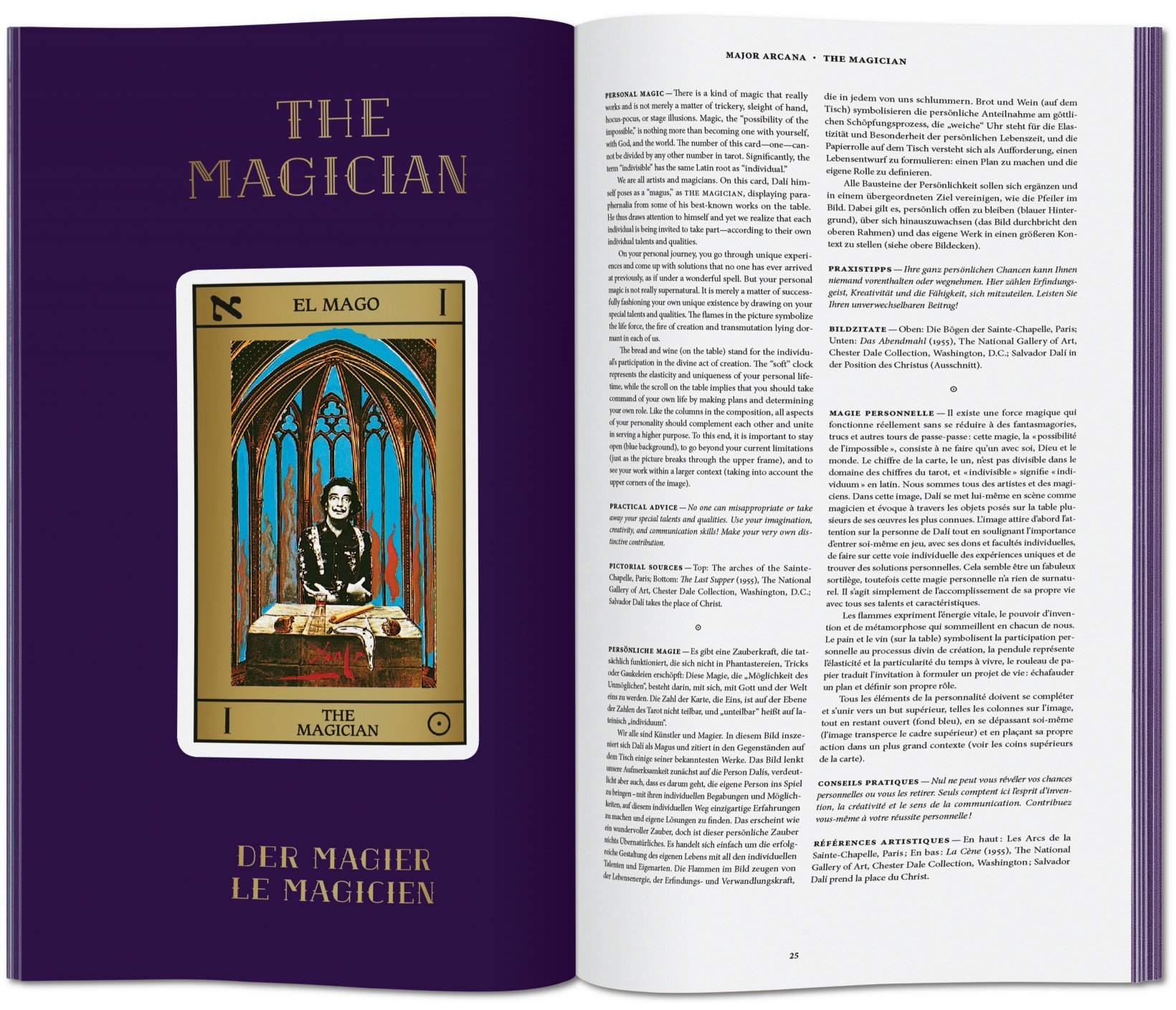
H.R. Giger’s Tarot Cards: The Swiss Artist, Famous for His Design Work on Alien, Takes a Jour­ney into the Occult

A Pho­to­graph­ic Tour of Haru­ki Murakami’s Tokyo, Where Dream, Mem­o­ry, and Real­i­ty Meet

High School Kids Stage Alien: The Play and You Can Now Watch It Online

Based in Seoul, Col­in Mar­shall writes and broad­casts on cities, lan­guage, and cul­ture. His projects include the book The State­less City: a Walk through 21st-Cen­tu­ry Los Ange­les and the video series The City in Cin­e­ma. Fol­low him on Twit­ter at @colinmarshall, on Face­book, or on Insta­gram.

The Art & Cooking of Frida Kahlo, Salvador Dali, Georgia O’Keeffe, Vincent Van Gogh & More

Mex­i­can cui­sine is as time-con­sum­ing as it is deli­cious.

Fri­da Kahlo fans attract­ed to the idea of dupli­cat­ing some dish­es from the ban­quet served at her wed­ding to fel­low artist Diego Rivera should set aside ample time, so as to tru­ly enjoy the expe­ri­ence of mak­ing chiles rel­lenos and nopales sal­ad from scratch.

Sarah Urist Green’s Kahlo-themed cook­ing les­son, above, adapt­ed from Marie-Pierre Colle and Frida’s step­daugh­ter Guadalupe Rivera’s 1994 cook­book Frida’s Fies­tas: Recipes and Rem­i­nis­cences of Life with Fri­da Kahlo, is refresh­ing­ly frank about the chal­lenges of tack­ling these types of dish­es, espe­cial­ly for those of us whose grand­mas ran more toward Jell‑O sal­ad.

Her self-dep­re­ca­tion should go a long way toward reas­sur­ing less-skilled cooks that per­fec­tion is not the goal.

As she told Nuvo’s Dan Gross­man:

The art cook­ing videos are immense­ly fun to make… And what I’m try­ing to do is reach peo­ple who aren’t nec­es­sar­i­ly out­ward­ly into art or don’t know whether they’re into art so they’re not going to click on a video that’s strict­ly about art. But if you can present art ideas through a cook­ing tuto­r­i­al per­haps they’ll be more open to it. I love to cook. And I love to think about that side of art his­to­ry.

To that end, she takes a cou­ple of bite-sized art breaks, to intro­duce view­ers to Frida’s life and work, while the toma­toes are roast­ing.

As tempt­ing as it is for old Fri­da hands to skip this well-chart­ed ter­rain, doing so will not make din­ner ready any faster. Why not enjoy the non-cook­ing relat­ed sec­tions with the eas­i­est item on the menu—a tequi­la shot?

Don’t trick your­self into think­ing there’s noth­ing more to learn.

For instance, I did not know the Span­ish for “I can’t get over this hang­over,” but Frida’s pet par­rot did. (Didn’t know that either.)

Green also offers some quick how-tos that could come in handy for oth­er, less time-con­sum­ing dish­es, like a sand­wich or a plate of home­made pasta—everything from how to make home­made toma­to sauce  to denud­ing prick­ly pear cac­tus pads of their non-edi­ble spines.

If you’re undaunt­ed by the Fri­da recipes, per­haps you should pro­ceed to Sal­vador Dali’s tow­er­ing Bush of Cray­fish in Viking herbs, or the Futur­ists’ high­ly sug­ges­tive Meat Sculp­ture. Oth­er recipes come from Vin­cent Van Gogh and Geor­gia O’Ke­effe. See above.

Books ref­er­enced in the videos include: Din­ner with Geor­gia O’Ke­effe; A Painter’s Kitchen: Recipes from the Kitchen of Geor­gia O’Ke­effe; Dal­i’s Les Din­ers de GalaVan Gogh’s Table at the Auberge Ravoux: Recipes From the Artist’s Last Home and Paint­ings of Cafe Life; and again Frida’s Fies­tas: Recipes and Rem­i­nis­cences of Life with Fri­da Kahlo.

View the full playlist of The Art Assignment’s Art Cook­ing episodes here.

Relat­ed Con­tent:

The Futur­ist Cook­book (1930) Tried to Turn Ital­ian Cui­sine into Mod­ern Art

MoMA’s Artists’ Cook­book (1978) Reveals the Meals of Sal­vador Dalí, Willem de Koon­ing, Andy Warhol, Louise Bour­geois & More

Sal­vador Dalí’s 1973 Cook­book Gets Reis­sued: Sur­re­al­ist Art Meets Haute Cui­sine

Ayun Hal­l­i­day is an author, illus­tra­tor, the­ater mak­er and Chief Pri­ma­tol­o­gist of the East Vil­lage Inky zine.  Join her in New York City this June for the next install­ment of her book-based vari­ety show, Necro­mancers of the Pub­lic Domain. Fol­low her @AyunHalliday.

Andy Warhol Demystified: Four Videos Explain His Groundbreaking Art and Its Cultural Impact

We all have a few images to asso­ciate with Andy Warhol — Camp­bel­l’s soup cans, col­orized Mar­i­lyns and dupli­cat­ed Elvis­es, that wig — and also a few words, usu­al­ly some­thing to the effect of every­one in the future being famous for fif­teen min­utes. Now that we seem near­ly to have arrived in that future, we might well won­der what else Warhol under­stood about our world. But we can’t know that until we have a clear­er sense of just what he was up to, and these four short primers offer a sol­id start on grasp­ing the whole Warho­lian project. Just above, Alain de Bot­ton’s School of Life intro­duces Warhol as “the most glam­orous fig­ure of 20th cen­tu­ry art” whose great achieve­ment was to “devel­op a gen­er­ous and help­ful view of two major forces in mod­ern soci­ety: com­merce and celebri­ty.”

“We spend too much of our life want­i­ng some­thing bet­ter and extra­or­di­nary,” says de Bot­ton. “Andy Warhol aims to rem­e­dy this by get­ting us to look again at things in every­day life” — the soup cans stacked up at the gro­cery store, for instance. Warhol’s work also reveals an under­stand­ing of glam­or and pres­tige, ever more pow­er­ful forces in the 20th cen­tu­ry in which he lived as well as ones that, in his view, “need­ed to be redis­trib­uted in such a way that soci­ety could work bet­ter.”

His dual inter­ests in art and chang­ing the world in an unprece­dent­ed­ly indus­tri­al age led him to mass pro­duc­tion: “He want­ed to trans­late the things he cared about, like sen­si­tiv­i­ty, a love of glam­or and spec­ta­cle, and play­ful­ness into objects and expe­ri­ences that could touch many peo­ple” — as many peo­ple and as often, ide­al­ly, as Coca-Cola.

But does what Warhol did quite count as art? Khan Acad­e­my founder Sal Khan and its Co-Dean of Art and His­to­ry Steven Zuck­er get into that ques­tion in their Smarthis­to­ry video on the silkscreened soup cans from the ear­ly 1960s. On one hand, the cans exem­pli­fy what Zuck­er calls “one of the cen­tral ideas of mod­ern art,” that you can “take some­thing that’s not nec­es­sar­i­ly based in tech­ni­cal skill” and relo­cate it so as to make us “think about it in a dif­fer­ent way.” But on the oth­er, Khan says, if Warhol had made them half a cen­tu­ry ear­li­er, “peo­ple would have thought, ‘This guy’s a quack,’ ” and if he did it now, “they would think he was just deriv­a­tive.” Was it real­ly “just that time where peo­ple hap­pened to think this was art?”

Cer­tain­ly there can be no sep­a­rat­ing Warhol from his time. He asked, as Zuck­er puts it, “What is it about our cul­ture that is real­ly authen­tic and impor­tant?” The answer, as he saw it, “was about mass pro­duc­tion, it was about fac­to­ry.” No coin­ci­dence, then, that he named his New York stu­dio “The Fac­to­ry,” nor that he dis­played a great fas­ci­na­tion with indus­try and com­merce in all its forms. He start­ed his career as a com­mer­cial illus­tra­tor, but ulti­mate­ly, “instead of mak­ing art for adver­tise­ments, he start­ed mak­ing adver­tise­ments as art.” Those words come from the Art Assign­ment video above, which makes “the case for Andy Warhol,” whose work, says host Sarah Urist Green, “charts the devel­op­ment of our obses­sion with fame and ques­tions the grow­ing com­mer­cial­iza­tion and uni­for­mi­ty of most areas of Amer­i­can life.”

Warhol was­n’t just an artist, Green says, “but also a film­mak­er, band man­ag­er, mag­a­zine pub­lish­er, and TV pro­duc­er who fear­less­ly explored and embraced new media.” Writ­ing a diet book was per­haps the only way Warhol did­n’t tap into the Amer­i­can zeit­geist, but per­haps, as demon­strat­ed in the longer Art Assign­ment video called “Eat Like Andy Warhol” above, that task is best left to his schol­ars. In it Green and com­pa­ny work through “a tast­ing menu that explores Warhol’s life through the food he depict­ed as well as the food he actu­al­ly ate.” It includes not just Camp­bel­l’s soup and Coca-Cola but frozen hot choco­late, a banana (remem­ber, he gave Vel­vet Under­ground their start), diet pills (now known as amphet­a­mines), and per­haps most Warho­lian of all, some­thing list­ed only as “cake.” It’s a diet fit for what Green describes as “the ulti­mate pro­duc­er and con­sumer and prod­uct all in one” — as well as an artist who both defined and embod­ied 20th-cen­tu­ry Amer­i­ca.

Relat­ed Con­tent:

130,000 Pho­tographs by Andy Warhol Are Now Avail­able Online, Cour­tesy of Stan­ford Uni­ver­si­ty

When Steve Jobs Taught Andy Warhol to Make Art on the Very First Mac­in­tosh (1984)

Andy Warhol Dig­i­tal­ly Paints Deb­bie Har­ry with the Ami­ga 1000 Com­put­er (1985)

Warhol’s Cin­e­ma: A Mir­ror for the Six­ties (1989)

When Andy Warhol Made a Bat­man Super­hero Movie (1964)

Andy Warhol’s 15 Min­utes: Dis­cov­er the Post­mod­ern MTV Vari­ety Show That Made Warhol a Star in the Tele­vi­sion Age (1985–87)

Based in Seoul, Col­in Mar­shall writes and broad­casts on cities, lan­guage, and cul­ture. His projects include the book The State­less City: a Walk through 21st-Cen­tu­ry Los Ange­les and the video series The City in Cin­e­ma. Fol­low him on Twit­ter at @colinmarshall, on Face­book, or on Insta­gram.

Banksy Strikes Again in Venice

Jux­tapoz writes: “Nev­er invit­ed to be the part of Venice Bien­nale, Banksy once again invit­ed him­self to show­case his work. Using a typ­i­cal pop-up stand that usu­al­ly sells tacky paint­ings and sou­venirs, he assem­bled a selec­tion of 9 works that col­lec­tive­ly built an image of a mas­sive cruise ship block­ing the city.”

In recent years, the flood of mas­sive cruise ships into Venice has cre­at­ed ten­sions between Vene­tians and tourism com­pa­nies. It’s pret­ty clear on what side the street artist comes down.

Get more at Jux­tapoz.

If you would like to sign up for Open Culture’s free email newslet­ter, please find it here. It’s a great way to see our new posts, all bun­dled in one email, each day.

If you would like to sup­port the mis­sion of Open Cul­ture, con­sid­er mak­ing a dona­tion to our site. It’s hard to rely 100% on ads, and your con­tri­bu­tions will help us con­tin­ue pro­vid­ing the best free cul­tur­al and edu­ca­tion­al mate­ri­als to learn­ers every­where. You can con­tribute through Pay­Pal, Patre­on, and Ven­mo (@openculture). Thanks!

Relat­ed Con­tent:

How Venice Works: 124 Islands, 183 Canals & 438 Bridges

Venice in Beau­ti­ful Col­or Images 125 Years Ago: The Rial­to Bridge, St. Mark’s Basil­i­ca, Doge’s Palace & More

The Venice Time Machine: 1,000 Years of Venice’s His­to­ry Gets Dig­i­tal­ly Pre­served with Arti­fi­cial Intel­li­gence and Big Data

Watch City Out of Time, A Short Trib­ute to Venice, Nar­rat­ed by William Shat­ner in 1959

Huge Hands Rise Out of Venice’s Waters to Sup­port the City Threat­ened by Cli­mate Change: A Poignant New Sculp­ture

by | Permalink | Make a Comment ( 2 ) |

The Bauhaus Bookshelf: Download Original Bauhaus Books, Journals, Manifestos & Ads That Still Inspire Designers Worldwide

The Bauhaus, Bar­ry Bergdoll writes in the New York Times of the Ger­man design school found­ed a cen­tu­ry ago last month, “last­ed just 14 years before the Nazis shut it down. And yet in that time it proved a mag­net for much that was new and exper­i­men­tal in art, design and archi­tec­ture — and for decades after, its lega­cy played an out­size role in chang­ing the phys­i­cal appear­ance of the dai­ly world, in every­thing from book design to house­hold light­ing to light­weight fur­ni­ture.” Cel­e­bra­tions of the Bauhaus’ cen­te­nary have tak­en many forms, includ­ing the doc­u­men­tary series Bauhaus World, the reimag­in­ing of mod­ern cor­po­rate logos in the clas­sic Bauhaus style, and now the free online resource Bauhaus Book­shelf.

Bauhaus Book­shelf cre­ator Andrea Riegel calls the site “my mod­est con­tri­bu­tion to #bauhaus100 and beyond: (almost) all Bauhaus books and jour­nals in a vir­tu­al book­case — with the pos­si­bil­i­ty to down­load and take a clos­er look at the media and orig­i­nal sources, sup­ple­ment­ed by short excerpts and con­tri­bu­tions by Bauhaus peo­ple and con­tem­po­rary wit­ness­es or oth­er con­tent in con­text.”

In oth­er worlds, you’ll find there not just the orig­i­nal Bauhaus man­i­festo, but sec­tions on the series of “Bauhaus books” pub­lished by Wal­ter Gropius and Lás­zló Moholy-Nagy; Bauhaus-asso­ci­at­ed cre­ators and teach­ers like Paul Klee; Bauhaus adver­tis­ing; the women of the Bauhaus (a sub­ject pre­vi­ous­ly fea­tured here on Open Cul­ture); and mate­ri­als from the 1938 exhi­bi­tion at New York’s Muse­um of Mod­ern Art that intro­duced the Bauhaus to the world.

And 100 years after its found­ing, the world is still think­ing about the Bauhaus, which, in Bergdol­l’s words, “pro­duced one of the most pow­er­ful expres­sions of a view that design was every­thing. It served, in a way, as the embassy of mod­ernist design. But its suc­cess has often led to a reduc­tion­ism in our under­stand­ing of the rich nexus of artis­tic move­ments that criss­crossed at the school itself, as well as the diverse devel­op­ments it helped inspire.” For a bet­ter under­stand­ing of the Bauhaus, per­haps we must go back to the Bauhaus itself, not just in the sense of look­ing at the art, craft, design, and build­ings its teach­ers and stu­dents pro­duced, but the doc­u­ments it issued on its mis­sion and ideals. Whether in its Eng­lish or Ger­man ver­sions, Riegel’s Bauhaus Book­shelf serves as an intel­lec­tu­al­ly and aes­thet­i­cal­ly stim­u­lat­ing place to find them.

Relat­ed Con­tent:

Down­load Orig­i­nal Bauhaus Books & Jour­nals for Free: A Dig­i­tal Cel­e­bra­tion of the Found­ing of the Bauhaus School 100 Years Ago

32,000+ Bauhaus Art Objects Made Avail­able Online by Har­vard Muse­um Web­site

How the Rad­i­cal Build­ings of the Bauhaus Rev­o­lu­tion­ized Archi­tec­ture: A Short Intro­duc­tion

Watch Bauhaus World, a Free Doc­u­men­tary That Cel­e­brates the 100th Anniver­sary of Germany’s Leg­endary Art, Archi­tec­ture & Design School

Mod­ern Cor­po­rate Logos Reimag­ined in a Clas­sic Bauhaus Style: Cel­e­brate the 100th Anniver­sary of the Bauhaus Move­ment Today

Based in Seoul, Col­in Mar­shall writes and broad­casts on cities, lan­guage, and cul­ture. His projects include the book The State­less City: a Walk through 21st-Cen­tu­ry Los Ange­les and the video series The City in Cin­e­ma. Fol­low him on Twit­ter at @colinmarshall, on Face­book, or on Insta­gram.

« Go BackMore in this category... »
Quantcast