Goethe (and Shakespeare) on Google

Mark­ing the start of the Frank­furt Book Fair, Google Book Search has launched a “microsite” ded­i­cat­ed to Ger­many’s most cel­e­brat­ed writer — Johann Wolf­gang von Goethe. There, you can learn about his life and trav­els and, even bet­ter, get access to free dig­i­tal ver­sions of his writ­ings. That’s right, you get to read Faust online for free. The poten­tial rub is that you’ll need to speak Ger­man to gen­er­al­ly avail your­self of this site, although there are some mate­ri­als in Eng­lish. To get more infor­ma­tion on the new Goethe site, check out the Google Book Search blog.

Also be sure to see Google’s oth­er microsite ded­i­cat­ed to Shake­speare.

Sub­scribe to Our Feed

by | Permalink | Make a Comment ( 2 ) |

A Photographer’s Chronicle of the War in Iraq

Aus­tralian pho­tog­ra­ph­er Ash­ley Gilbert­son doc­u­ment­ed for The New York Times the US inva­sion of Iraq, cap­tur­ing the light­ning fast over­throw of Sad­dam’s regime and then the slow lapse into civ­il war. His new book, Whiskey Tan­go Fox­trot: A Pho­tog­ra­pher’s Chron­i­cle of the Iraq War, col­lects some of his best work. Com­bined, the print­ed pho­tographs offer what he calls a visu­al “tes­ta­ment to what war actu­al­ly is.” They let you see how deci­sions made by the Pen­ta­gon have real human costs on the ground in Iraq; or, put a lit­tle dif­fer­ent­ly, the pho­tos illus­trate in stark detail “what for­eign pol­i­cy looks like from the ground up.” Below, you can watch a video that fea­tures an intel­li­gent inter­view with Gilbert­son and offers a good glimpse into his pho­to­graph­ic work. Def­i­nite­ly give it some of your time.

Spe­cial Note: Sup­port an Inde­pen­dent Press

We all know that an inde­pen­dent press is absolute­ly essen­tial to pre­serv­ing a demo­c­ra­t­ic and open cul­ture. Unfor­tu­nate­ly, more than 80 per­cent of peo­ple live in coun­tries with­out a free press. That means more than 5 bil­lion peo­ple can’t trust what they read in the news­pa­per, hear on the radio or see on TV. Here is a very tan­gi­ble way to empow­er inde­pen­dent jour­nal­ists. Con­tribut­ing $100 to the Media Devel­op­ment Loan Fund will pro­vide inde­pen­dent jour­nal­ists with print­ing press­es and broad­cast­ing equip­ment, tools that are essen­tial to over­com­ing cen­sor­ship and giv­ing a voice to the unheard. Click here to get more infor­ma­tion.

Sub­scribe to Our Feed

by | Permalink | Make a Comment ( 2 ) |

David Foster Wallace: Deciderization 2007 Online

Read­ing David Fos­ter Wal­lace (author of Infi­nite Jest and A Sup­pos­ed­ly Fun Thing I’ll Nev­er Do Again) is always a plea­sure. And per­haps even more plea­sur­able is read­ing him for free.

Tomor­row, The Best Amer­i­can Essays 2007 hits the streets. Wal­lace edit­ed the col­lec­tion and kicked it off with a fiery essay of his own. Houghton Mif­flin was good enough (or, rather, mar­ket­ing-savvy enough) to post the essay, The Decider­iza­tion 2007‑A Spe­cial Report, online for free. And some unknown char­ac­ter did us all a favor by cre­at­ing a PDF ver­sion that’s con­sid­er­ably more leg­i­ble and print­er friend­ly. Read away.

For good mea­sure, we’re also throw­ing your way some more dig­i­tal David Fos­ter Wal­lace. Here we have him read­ing his essay “Con­sid­er the Lob­ster” (the text of which you can also read here), plus the author appear­ing on The Char­lie Rose Show here and here. (In both cas­es, his appear­ances come lat­er in the show.) Ciao.

Sub­scribe to Our Feed

Stephen Colbert’s New Book Released Early as Audiobook

colbert4.jpgHere’s a quick heads up: Stephen Col­bert’s new book — I Am Amer­i­ca (And So Can You!) — will hit the streets on Octo­ber 9. How­ev­er, if you’re real­ly champ­ing at the bit, you can down­load the book ear­ly, start­ing today, in audio­book for­mat. The book is nar­rat­ed by Col­bert him­self, which is a perk, and you can down­load it from Audi­ble here.

To round things out, let us refer you to this video where Col­bert, speak­ing at Book Expo Amer­i­ca, pumps his new book, spars with Khaled Hos­sei­ni (author of The Kite Run­ner and A Thou­sand Splen­did Suns), and trash­es Cor­mac McCarthy. Have fun.


Philip Roth’s Exit Ghost: Free Chapters, Podcasts & More

Philip Roth fans did­n’t have to wait very long for anoth­er nov­el. A short year and a half after pub­lish­ing Every­man, Roth has just put out Exit Ghost. It’s anoth­er book that takes a hard look at aging, and it also marks the ninth and pos­si­bly last time that the char­ac­ter Nathan Zuck­er­man will inhab­it Roth’s lit­er­ary cre­ations. (For more on the Zuk­er­man series, see Salon’s old­er piece here.) We’ll even­tu­al­ly have more to say about Exit Ghost. But, for now, we want­ed to point you to some good relat­ed resources. For starters, if you can’t wait to get the book, you can read the first chap­ter online for free here. And you can also catch some very recent inter­views with Roth. First, Ama­zon Wired (iTunes — Feed — Tran­script) fea­tures him talk­ing about Exit Ghost and offer­ing a very short read­ing from it. Then there is this inter­view by Ter­ry Gross on NPR’s Fresh Air. (iTunes — Feed — Stream). Final­ly, here are the first reviews that have rolled out: New York Mag­a­zine, The New York Sun, The New York Times, The LA Times, The Wash­ing­ton Post, and Times Online (UK).

P.S. Here are a cou­ple of oth­er Philip Roth good­ies.

Sub­scribe to Our Feed and check out our col­lec­tion of free audio­book pod­casts.

The World Without Us: Author Interview

Ear­li­er this week I spoke on the phone with Alan Weis­man, the author of The World With­out Us. (See our ini­tial piece on his book.) Alan was gra­cious enough to take some time out of his pub­lic­i­ty sched­ule to share his thoughts on the book, the world, his writ­ing process, and more. What fol­lows is an edit­ed tran­script of our con­ver­sa­tion.

Ed: This book address­es what on the sur­face seems to be a pret­ty far-fetched hypo­thet­i­cal: that human­i­ty might sud­den­ly dis­ap­pear. What drew you to this premise in the first place?

Alan: Well, pre­cise­ly that. Most great envi­ron­men­tal writ­ing does not get read by a lot of the peo­ple who ought to be learn­ing about it because the near­er-term pos­si­bil­i­ties just seem some­times so fright­en­ing, or so depress­ing, that nobody real­ly wants to pick up a book to read it.

By struc­tur­ing the book the way that I did, I dis­arm the auto­mat­ic fear that repels a lot of peo­ple from read­ing about the envi­ron­ment. Peo­ple don’t want to read some­thing that seems too threat­en­ing. On a sub­con­scious or even a con­scious lev­el, they don’t want to be wor­ried we’re all going to die. In my book, killing us off in the first cou­ple of pages means peo­ple don’t have to wor­ry about dying because we’re already dead, and that’s a relief in a sense. The idea of glimps­ing the future is irre­sistible to all of us and I estab­lish pret­ty quick­ly that is not going to just be me spec­u­lat­ing, it’s going to be some hard sci­ence writ­ing based on a lot of report­ing, of talk­ing to experts or eye­wit­ness­es whose guess­es will be far more inter­est­ing than most peo­ples’.

The fact that it is far-fetched is real­ly use­ful because on the one hand real­ly it’s a remote pos­si­bil­i­ty that we would leave, that we would dis­ap­pear tomor­row. So peo­ple don’t go into a pan­ic over this book, and it real­ly gives peo­ple enough time to think about these things with­out pan­ick­ing about it. So that’s how this device works, and I think it’s been proven to be very effec­tive. I’m get­ting a lot more peo­ple to read it than just peo­ple who are hung up on the envi­ron­ment.

(more…)

Halberstam’s The Coldest Winter

David Halberstam’s no stranger to writ­ing big books about big wars, and he report­ed­ly thought of his final work, The Cold­est Win­ter: Amer­i­ca and the Kore­an War, as a “book­end” to his clas­sic on Viet­nam, The Best and the Bright­est. The book comes out this week with a very unusu­al pub­lic­i­ty blitz.

Hal­ber­stam died in a car crash last spring and so, remark­ably, a group of his friends are doing a pub­lic­i­ty tour for him. Authors like Joan Did­ion, Sey­mour Hersh, Bob Wood­ward and Anna Quindlen are tak­ing up legs of the gru­el­ing pub­lic­i­ty trek in hon­or of Hal­ber­stam. Accord­ing to the New York Times they will be “offer­ing per­son­al rem­i­nis­cences and read­ings” in an inter­est­ing com­bi­na­tion of festschrift and pro­mo­tion. The tour will start on Tues­day and run until Octo­ber 15th. In the words of Sy Hersh, “Lis­ten, ain’t noth­ing like David — you don’t need this to keep David alive. You’ve got to mar­ket a book, let’s mar­ket a book, but he tran­scends that. He was a great war reporter and a great base­ball reporter, and the most loy­al per­son in the world.”

Relat­ed: See our piece from April, David Halberstam’s Last Speech and Sup­per.

Sub­scribe to our feed

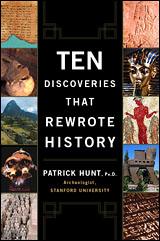
Ten Discoveries That Rewrote History

tendiscoveries.jpgHere are a few facts to know about the adven­tur­ous Patrick Hunt. He’s a Stan­ford archae­ol­o­gist who has spent more than a decade try­ing to unrav­el the mys­tery of how Han­ni­bal, the great ancient mil­i­tary leader, crossed the Alps in 218 BCE with 25,000 men and 37 ele­phants. (Lis­ten on iTunes to the course he gave on this adven­ture, and get more info below). He has bro­ken more than 20 bones while doing field­work, fought off kid­nap­pers, and twice sur­vived sun­stroke-induced blind­ness. And now he has just pub­lished an excit­ing new book called Ten Dis­cov­er­ies That Rewrote His­to­ry. It’s pub­lished by Penguin/Plume and starts ship­ping tomor­row. I asked Patrick what makes these dis­cov­er­ies — rang­ing from the Roset­ta Stone to the Dead Sea Scrolls to Machu Pic­chu — so impor­tant. Below he gives us a brief glimpse into what makes each dis­cov­ery his­tor­i­cal­ly sig­nif­i­cant and fas­ci­nat­ing. Read on, and check out his cap­ti­vat­ing new book for the fuller pic­ture.

Patrick Hunt: “First I should say that not every archae­ol­o­gist would agree that these are the ten most impor­tant dis­cov­er­ies of all time. On the oth­er hand, the ten sto­ries retold in this book are often regard­ed as among the most excit­ing archae­o­log­i­cal dis­cov­er­ies of the mod­ern era (since 1750). And no one would deny that these ten vital dis­cov­er­ies have for­ev­er changed the world of archae­ol­o­gy, trans­form­ing how and what we know about ancient his­to­ry. Let me tell you a lit­tle about them.

Roset­ta Stone: This excit­ing dis­cov­ery in 1799 was the key to deci­pher­ing Egypt­ian hiero­glyphs and unlock­ing the his­to­ry of the ancient world texts. It pro­vides a win­dow into the real his­to­ry of Egypt rather than an imag­i­nary one; all oth­er deci­pher­ings of ancient lan­guages since the Roset­ta Stone’s ini­tial decod­ing in 1822 are based on its prece­dents. (See pho­to here.)

Troy: Its dis­cov­ery and exca­va­tion begin­ning in 1870 proved once and for all that Troy was not just a myth based on Homer; Troy was a his­tor­i­cal site where real peo­ple lived and fought. Its ear­li­est exca­va­tor, the oft-maligned and often-uneth­i­cal Hein­rich Schlie­mann has been most­ly cred­it­ed — right or wrong — as being the “Father of Archae­ol­o­gy” and his tech­niques became the foun­da­tion of archae­o­log­i­cal research, how­ev­er great­ly improved, after­ward.

Nin­eveh and the Roy­al Assyr­i­an Library: This riv­et­ing find begin­ning in 1849 by Austen Hen­ry Layard, a sleuth of antiq­ui­ty, even­tu­al­ly unearthed a whole lost library of cuneiform texts, includ­ing ones not only from ancient Assyr­ia but also from far old­er Sumer, Akkad, Baby­lon and oth­er great civ­i­liza­tions. This had a very sig­nif­i­cant impact on world lit­er­a­ture, intro­duc­ing such sem­i­nal works as the Epic of Gil­gamesh.

King Tut’s Tomb: The dra­mat­ic open­ing of this roy­al tomb in 1922 — sought for years by a deter­mined Howard Carter — was the first time in mil­len­nia a pharao­h’s tomb had actu­al­ly been found intact; its trea­sure gave the world a unique oppor­tu­ni­ty to actu­al­ly account for stag­ger­ing Egypt­ian roy­al wealth. [Dan’s note: Nation­al Geo­graph­ic has a nice web site on this archae­o­log­i­cal find.]

Machu Pic­chu: The remark­able high jun­gle moun­tain dis­cov­ery in 1911 of the remote Lost City of the Inca by Hiram Bing­ham made it pos­si­ble for the world to final­ly see an undis­turbed Inca roy­al city mys­te­ri­ous­ly aban­doned on a moun­tain­top but nei­ther con­quered nor changed by the colo­nial world. (See pho­to here.)

Pom­peii: Pre­served by the erup­tion of Vesu­vius in AD 79 and not dug out for almost two mil­len­nia, Pom­peii (prob­a­bly acci­den­tal­ly found by a farmer dig­ging a well) is the sin­gle most impor­tant Roman site in the world; its arti­facts offer the largest and fullest record of life in a Roman city. Pom­pei­i’s mis­for­tune is our great for­tune. It pre­serves a city with thou­sands of objects vir­tu­al­ly unchanged. (See images here.)

Dead Sea Scrolls: Since 1947, when two Bedouin boys in the desert stum­bled upon the first cave at Qum­ran, these hid­den desert texts have rev­o­lu­tion­ized our per­cep­tions of ear­ly Jew­ish and Chris­t­ian reli­gion; their find­ing has pushed back our knowl­edge of bib­li­cal man­u­scripts by a thou­sand years. This dis­cov­ery and the off-and-on secre­cy of the finds reads like spy fic­tion but is real instead. (See pho­to here.)

Akrotiri on Thera: Archae­ol­o­gist Spyri­don Mar­i­natos had been laughed at by his peers for his the­o­ries and was final­ly vin­di­cat­ed 30 years lat­er (cir­ca 1967). Like Pom­peii, ash from the vol­canic erup­tion in 1620 BC pre­served a whole Aegean city that might have been the source of the Atlantis myths but was cer­tain­ly a wealthy city with fab­u­lous wall paint­ings depict­ing Bronze Age life. It gives us for the first time a whole new body of Minoan art and under­stand­ing of Mediter­ranean sea trade. (Images here.)

Oldu­vai Gorge: Since the 1920’s, the Leakey fam­i­ly dogged­ly per­sist­ed search­ing in East Africa for the most ancient human ori­gins; dra­mat­ic unearthing of bones and tools in 1959 from Oldu­vai and oth­er sites in Great Rift Africa for­ev­er showed the world how long — at least a mil­lion years — antecedents to human life have per­sist­ed, final­ly pro­vid­ing proof of Dar­win­ian evo­lu­tion from ear­li­er pri­mate and hominid finds.

Tomb of 10,000 War­riors: This stag­ger­ing tomb from around 220–210 BC, spread­ing over hun­dreds of acres, sin­gle-hand­ed­ly awak­ened West­ern inter­est in Chi­nese his­to­ry and revi­tal­ized Chi­nese archae­ol­o­gy. The opu­lence and grandeur of an emper­or’s tomb aston­ished the world. Archeo­tourism in Chi­na has prof­it­ed immense­ly from the acci­den­tal 1974 find of a pre-Han tomb where lies the author­i­tar­i­an emper­or who forcibly unit­ed and rewrote Chi­nese cul­ture in many ways that still sur­vive today.”

Relat­ed Con­tent: Above, I men­tioned that you can lis­ten to Patrick Hunt’s Stan­ford course on Han­ni­bal on iTunes. The course is going to be rolled out in install­ments over the next sev­er­al weeks. Sep­a­rate­ly you can lis­ten to a stand­alone lec­ture that he gave on Han­ni­bal short­ly before the start of the course. (Lis­ten on iTunes here.) This lec­ture gets ref­er­enced in the course at sev­er­al points. Patrick­’s work on Han­ni­bal is spon­sored by Nation­al Geo­graph­ic Soci­ety.

Sub­scribe to our feed and see our com­plete col­lec­tion of free uni­ver­si­ty cours­es.

by | Permalink | Make a Comment ( 4 ) |

« Go BackMore in this category... »
Quantcast