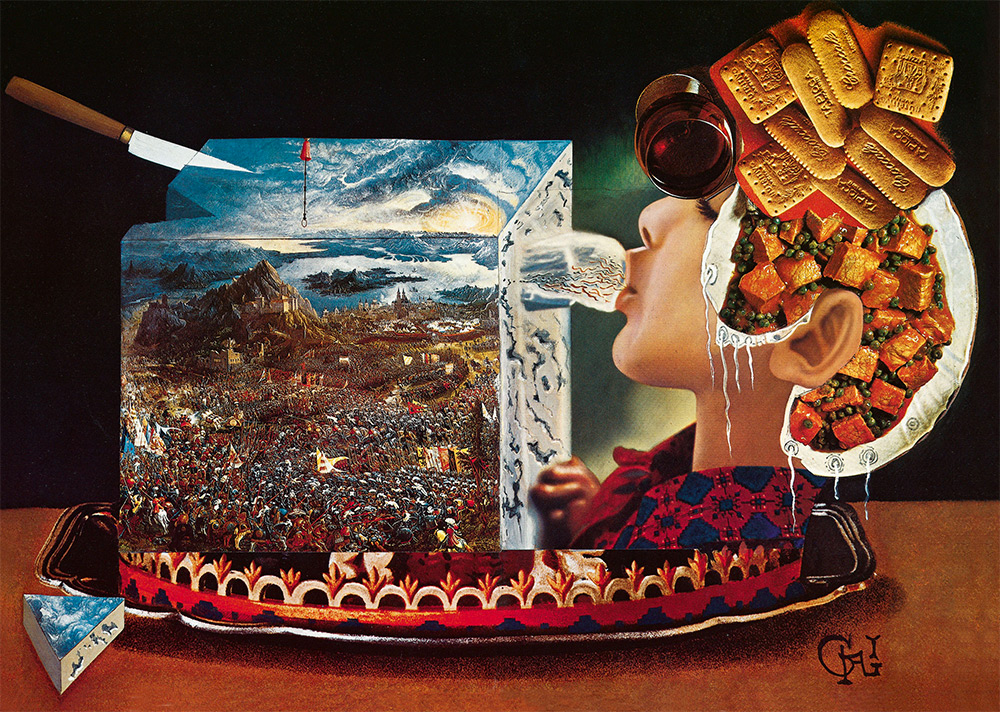
Maintaining an aggressively upward-waxed mustache; making a surrealist film with Luis Buñuel that Buñuel described as “nothing more than a desperate impassioned call for murder”; bringing an anteater on The Dick Cavett Show: Salvador Dalí can be described as a master of attention-grabbing gambits, by his admirers and detractors alike. No wonder, then, that he appears to have some serious admirers at Taschen. Known as a publisher of books that draw a great deal of press for their boundary-pushing size, content, and production values, Taschen would seem to be a natural home for Dalí’s legacy, or at least the parts of it that fit between two covers.
Besides his well-known and much-reprinted paintings, Dalí left behind a body of work also including not just film but sculpture, photography, architecture, and books. His first published volume, 1938’s The Tragic Myth of the Angelus of Millet, offers a “paranoiac-critical” interpretation of the titular pastoral painting by Jean-François Millet. In the 1940s he wrote, among other books, The Secret Life of Salvador Dalí, a kind of autobiography, and Hidden Faces, a novel set among aristocracy in France, Morocco, and California.
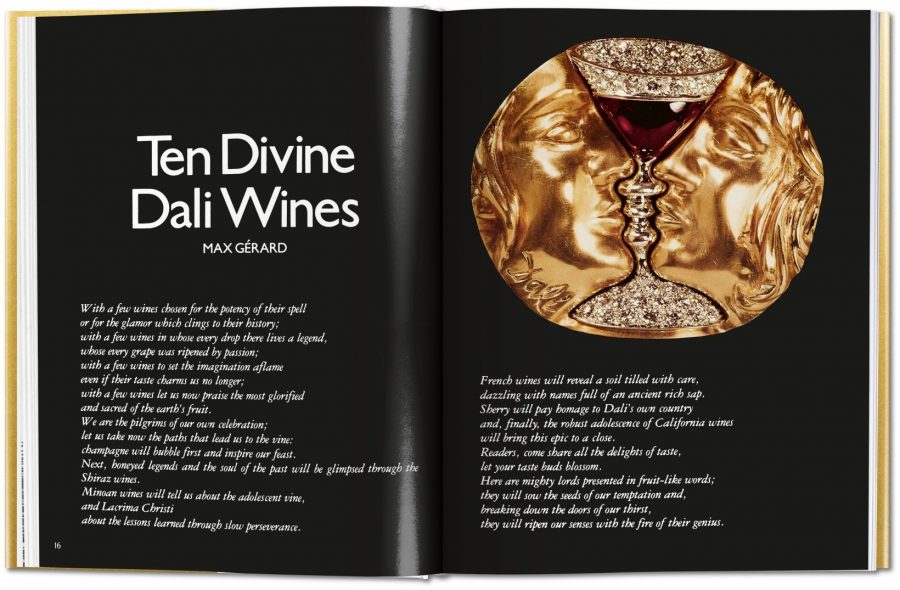
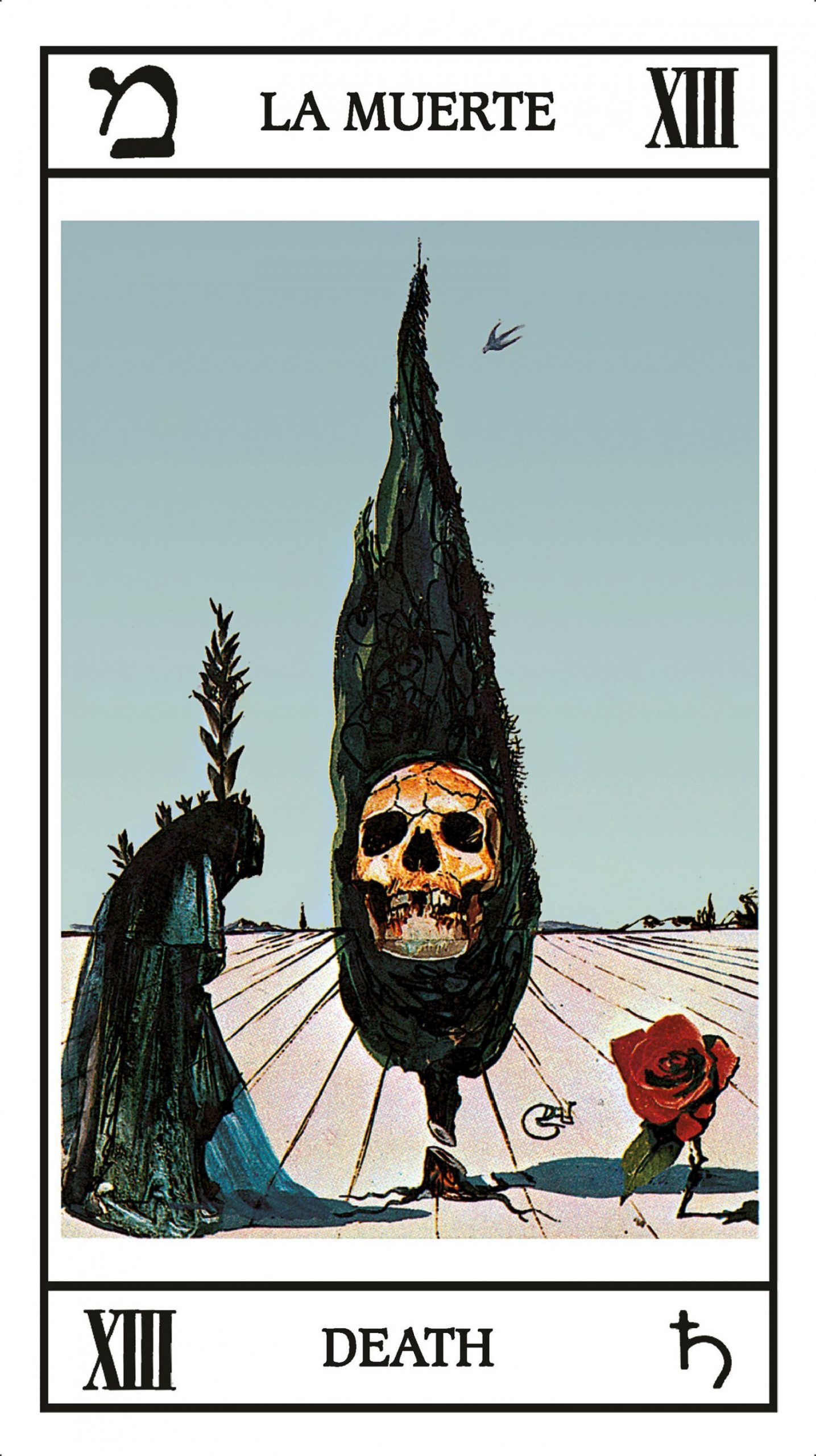
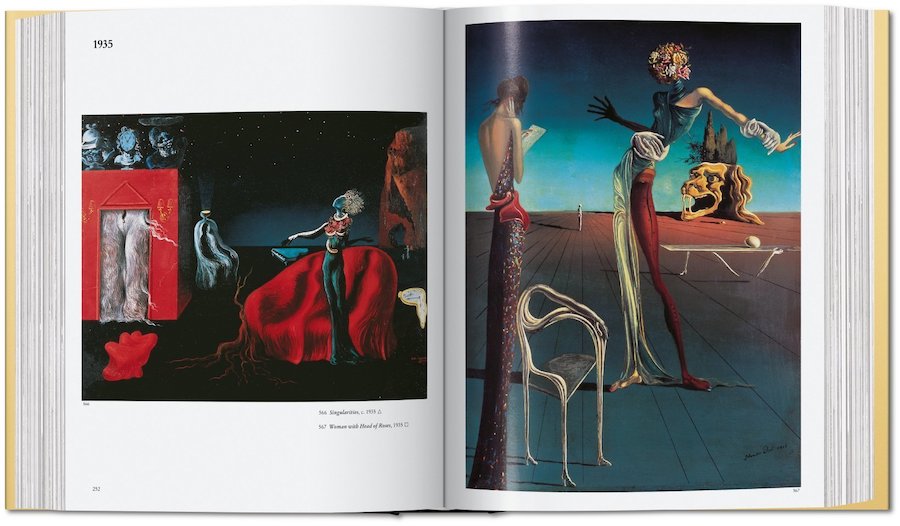
It was in the 1970s that Dalí’s literary efforts took a less predictable turn: 1973 saw the publication of his Les Diners de Gala, a cookbook featuring such recipes as “Veal Cutlets Stuffed with Snails,” “Thousand Year Old Eggs,” and “Toffee with Pine Cones.” In 1978 came The Wines of Gala, a personal guide to “Wines of Frivolity,” “Wines of Sensuality,” “Wines of Aestheticism,” and others besides. In recent years, Taschen has reprinted Dalí’s food and wine books with characteristic handsomeness. Those two now sit in the Taschen Dalí collection alongside Dalí: The Paintings, the most complete such collection ever published, and Dalí Tarot, a package that includes not just the Dalí-designed tarot deck originally published in 1984 but a companion book by tarot scholar Johannes Fiebig.
Dalí’s wife and savvy business manager Gala — she of all those dinners and wines — would surely approve of the skill and taste that Taschen has put into packaging even the artist’s minor work as a viable 21st-century product. Well-heeled Dalí enthusiasts will surely continue to pay Taschen prices for such packages, and even the less well-heeled ones can’t help but wonder what future reprints are on the table: lavish new editions of Hidden Faces, The Secret Life, or even 1948’s 50 Secrets of Magic Craftsmanship (with its endorsement of power napping)? Dare we hope for the definitive Salvador Dalí Bible?
Based in Seoul, Colin Marshall writes and broadcasts on cities, language, and culture. His projects include the book The Stateless City: a Walk through 21st-Century Los Angeles and the video series The City in Cinema. Follow him on Twitter at @colinmarshall, on Facebook, or on Instagram.
Mathematics, astronomy, history, law, literature, architecture: in these fields and others, the Muslim world came up with major innovations before any other civilization did. This Islamic cultural and intellectual flowering lasted from the 11th through the 19th century, and many of the texts the period left as its legacy have gone mostly unresearched. So say the creators of Manuscripts of the Muslim World, a project of Columbia University, the Free Library of Philadelphia, the University of Pennsylvania, Bryn Mawr College, and Haverford College aimed at creating an online archive of “more than 500 manuscripts and 827 paintings from the Islamicate world broadly construed.”
As UPenn Libraries Senior Curator of Special Collections Mitch Fraas tells Hyperallergic’s Sarah Rose Sharp, “The aim of this project was to find and digitize all the Islamicate manuscripts in Philadelphia collections and along the way we partnered with Columbia on a grant to take a multi-city approach.”
To the sources of its manuscripts it also takes a multi-culture approach, including “texts related to Christianity (Coptic and Syriac mss. galore), Hinduism (epics translated into Persian in Mughal India), science, technology, music, etc. but which were produced in the historic Muslim world.” There are also texts, he adds, “in Persian, Arabic, and Turkish of course but also in Coptic, Tamazight, Avestan, etc.”
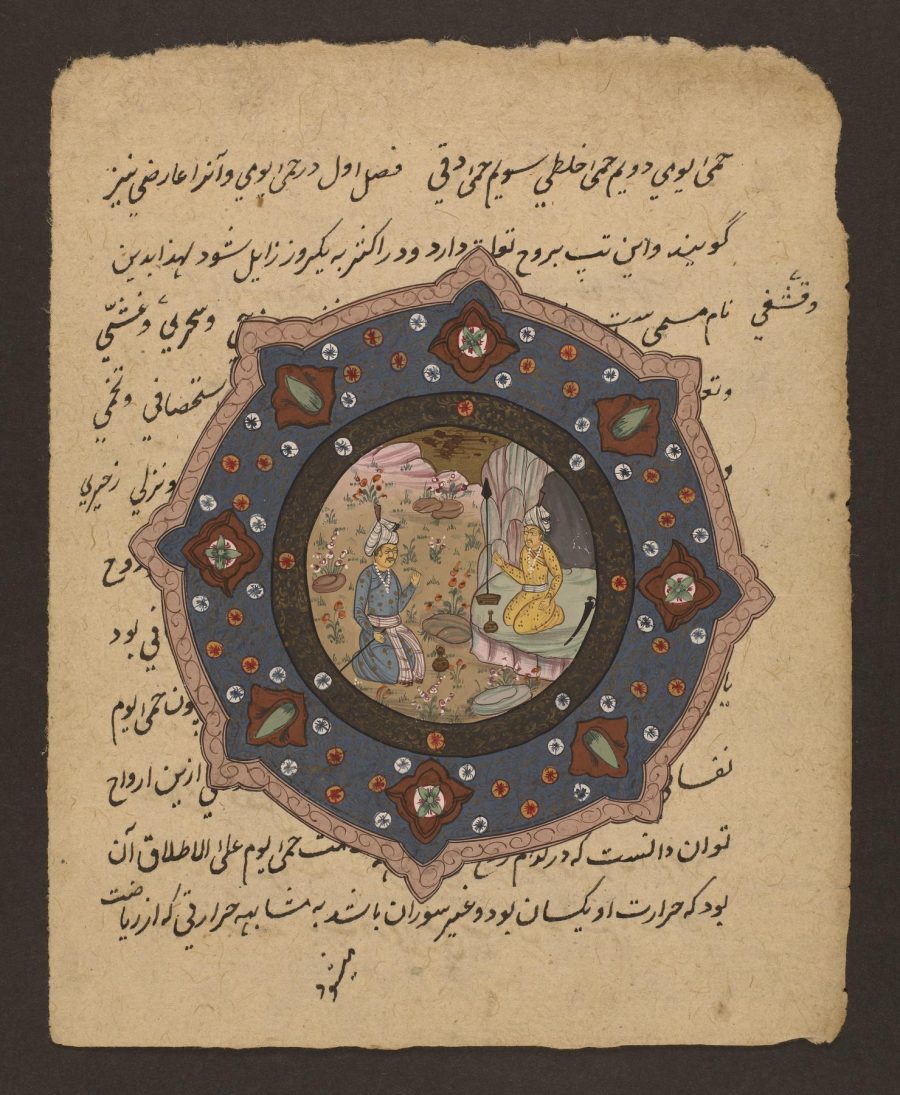
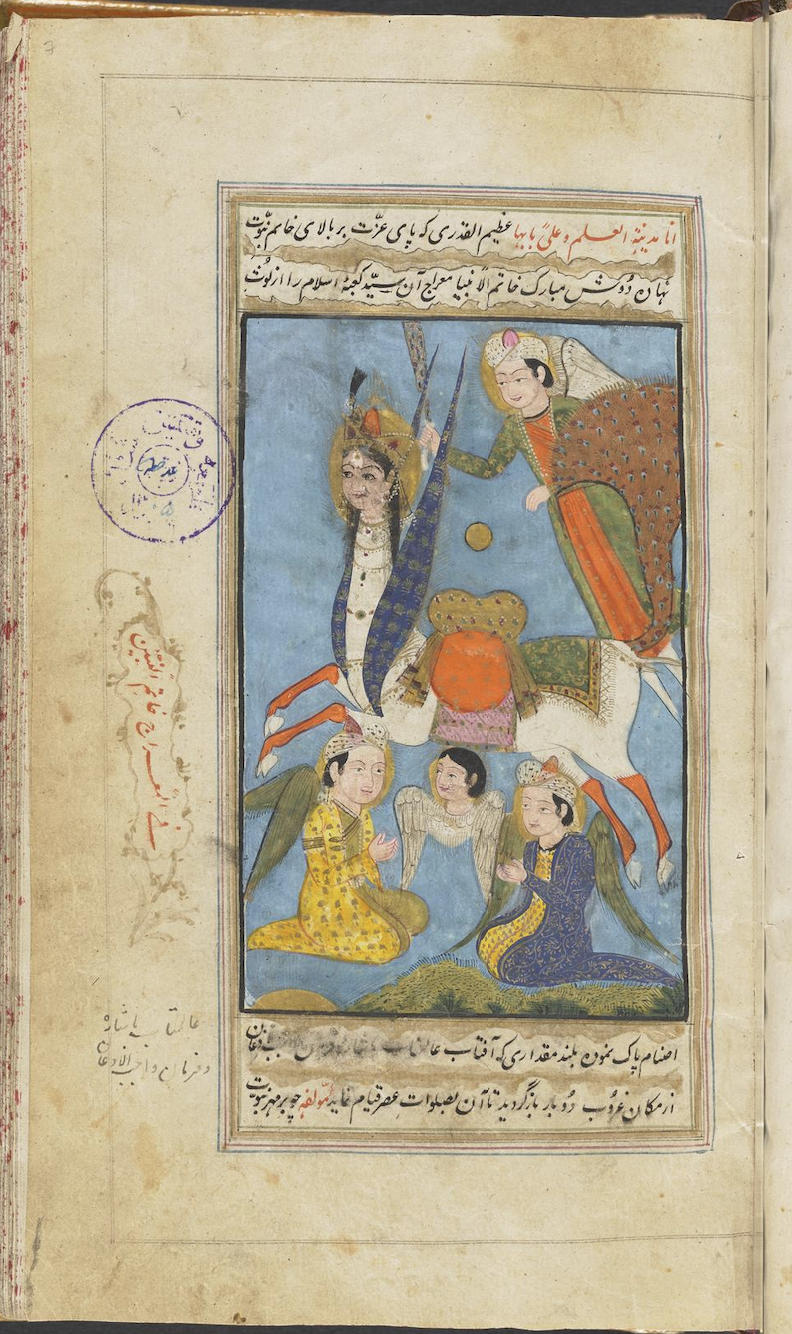
If you can read those languages, Manuscripts of the Muslim World obviously amounts to a gold mine. (You may also find something of interest in the digital archives of 700 years of Persian manuscripts and 10,000 books in Arabic we’ve previously featured here on Open Culture.) But even if you don’t, you’ll find in the collection marvels of book design that will appeal to anyone with an appreciation of the lush aesthetics, both abstract and figurative, of these places and these times. Some of them aren’t even as old as they may seem: take the manuscript at the top of the post, “overpainted in the 20th century to mimic Mughal style.” Or the one below that, whose colophon “says the copy was completed in 1121 A.H. (1709 or 1710 CE),” which “does not make sense given the author likely lived in the 19th century.”
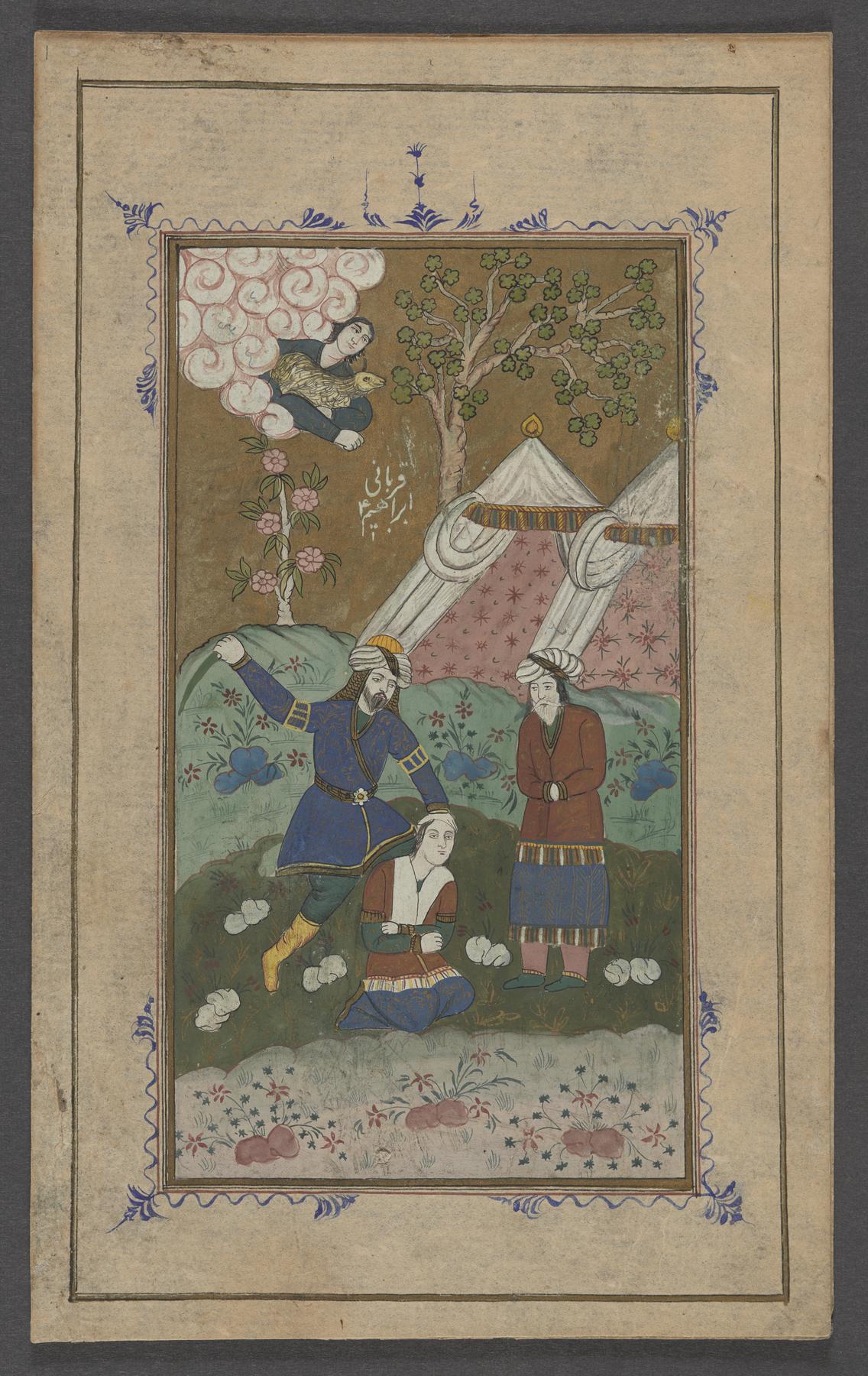
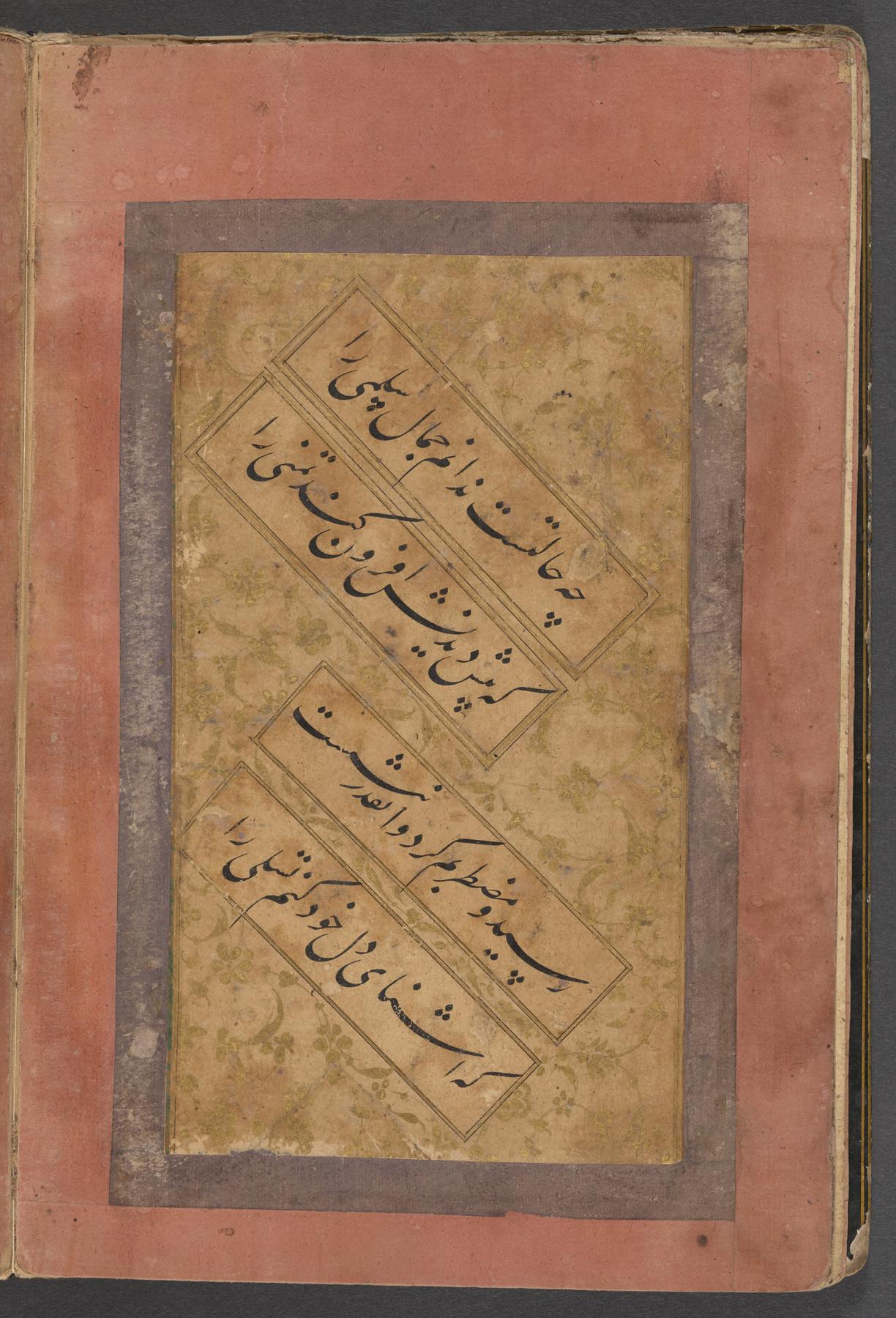
The other pages here come from a set of “illustrations from Qur’ānic stories” (this one depicting “Abraham sacrificing his son”) and a “Persian calligraphy and illustration album.” You’ll find much more in Manuscripts of the Muslim World, hosted on OPENN, the University of Pennsylvania’s online repository of “high-resolution archival images of manuscripts” accompanied by “machine-readable TEI P5 descriptions and technical metadata,” all released into the public domain or under Creative Commons licenses. Though each manuscript’s entry comes with basic notes, the collection is, in the main, not yet a thoroughly studied one. If you have an interest in the Islamic world at its peak of cultural and intellectual influence so far, you may just find your next big research subject here — or at the very least, material for a few hours’ admiration. Enter the collection.
Based in Seoul, Colin Marshall writes and broadcasts on cities, language, and culture. His projects include the book The Stateless City: a Walk through 21st-Century Los Angeles and the video series The City in Cinema. Follow him on Twitter at @colinmarshall, on Facebook, or on Instagram.
The state of virtual and augmented reality technology has reached the threshold of a time in which VR meetings will be the norm. Apart from other applications, this may soon allow consumers to stroll through virtual aisles rather than clicking boxes on a screen, picking up products and viewing them from every angle. Still, designers recognize that an essence of the human experience is lost without the sense of touch. There may even be a future in which we wear clothes with haptic feedback systems embedded in them, to feel the pages of a virtual book beneath our fingers…
Yet our slow transition from the physical to the virtual world leaves out intangibles. Something is lost from both. Big box stores still devote significant floor space to books and records, for example. But I submit that a glossiness prevails in print design, perhaps a consequence of competing with screens. There’s a wabi-sabi quality to browsing a used bookstore or record shop in person, thumbing through an old collection of vintage paperbacks and LPs, that cannot be simulated or enhanced in any way. On the internet, however, where video is king, it can be made the subject of some hypnotic video art.
As the sensible majority of us are hopefully staying put for the long haul (if we can), we may find ourselves curiously edified by the video art of Henning M. Lederer. We’ve previously featured Lederer’s animations of mid-century minimalist book covers and vintage psychology and philosophy books. He turns the abstract geometric patterns beloved by book and record company designers of the latter half of the 20th century into moving images that hint at how proper cover design can set the imagination whirring (even if it’s a cover design for Basic Accounting).
If Lederer’s mesmerizing videos simulate anything, it’s the experience of wandering into a used bookstore next to a liberal arts college—full of professors’ fascinatingly outdated hand-me-downs—after having ingested a small quantity of LSD. Maybe you’ll have a slightly different association. But the point is that Lederer’s art suggests a scenario rather than attempting to recreate one. His studies of modernist cover designs also recall Marcel Duchamp’s Rotoreliefs, conceptual art pieces intended for popular use as optical illusions.
Duchamp’s spinning disks became features of early Surrealist cinema, iconic symbols of dreams on film. There is a mysterious opacity to his physical objects onscreen, just as Lederer’s book and record covers seem to have a weight of their own, a use of digital technology to highlight the strange uniqueness of physical objects, rather than their endless reproducibility.
If you would like to support the mission of Open Culture, consider making a donation to our site. It’s hard to rely 100% on ads, and your contributions will help us continue providing the best free cultural and educational materials to learners everywhere. You can contribute through PayPal, Patreon, and Venmo (@openculture). Thanks!
Even before the COVID-19 pandemic, how many of us sought solace from the turbulent 21st century in cultural artifacts of bygone eras? Our favorite records by the likes of the Beatles, Queen, David Bowie; our favorite novels by the likes of Raymond Chandler, Ian Fleming, Philip K. Dick: all of them now possess a solidity that seems lacking in much current popular culture. The work of all these creators has its own kind of artistic daring, and all of it, too, also came out of times troubled in their own way.
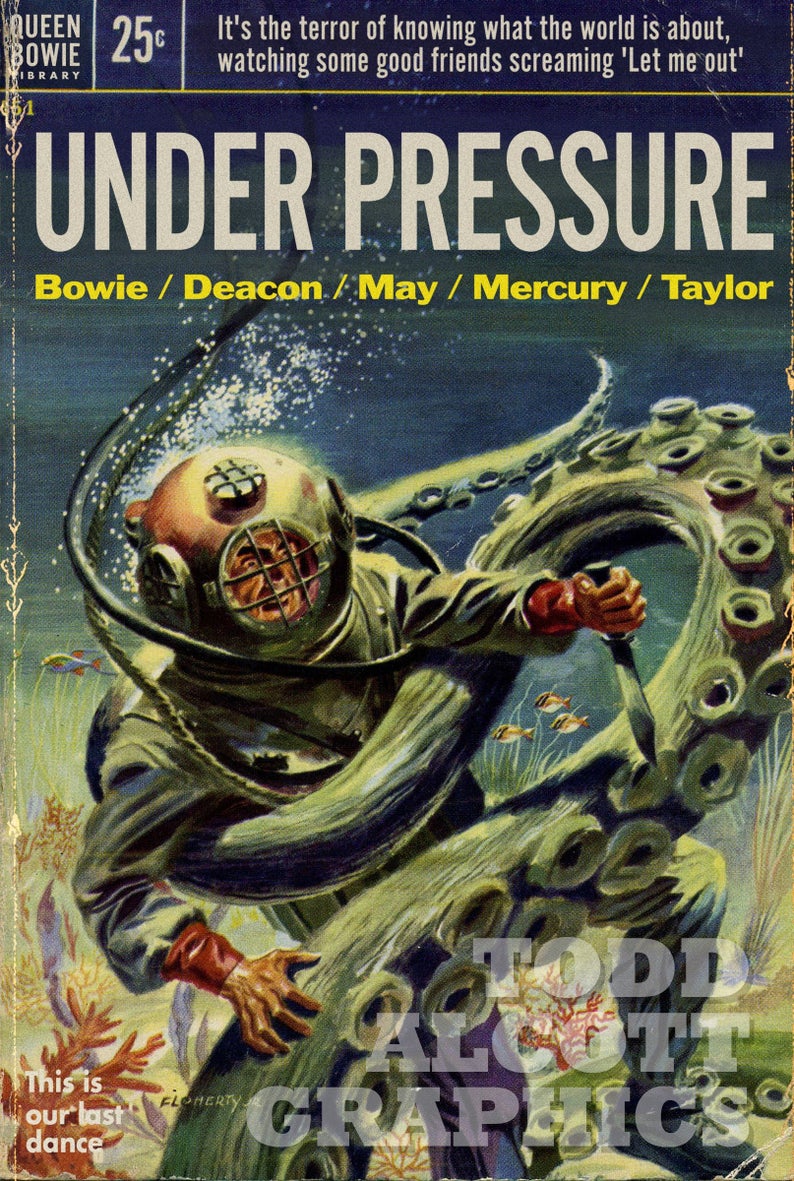
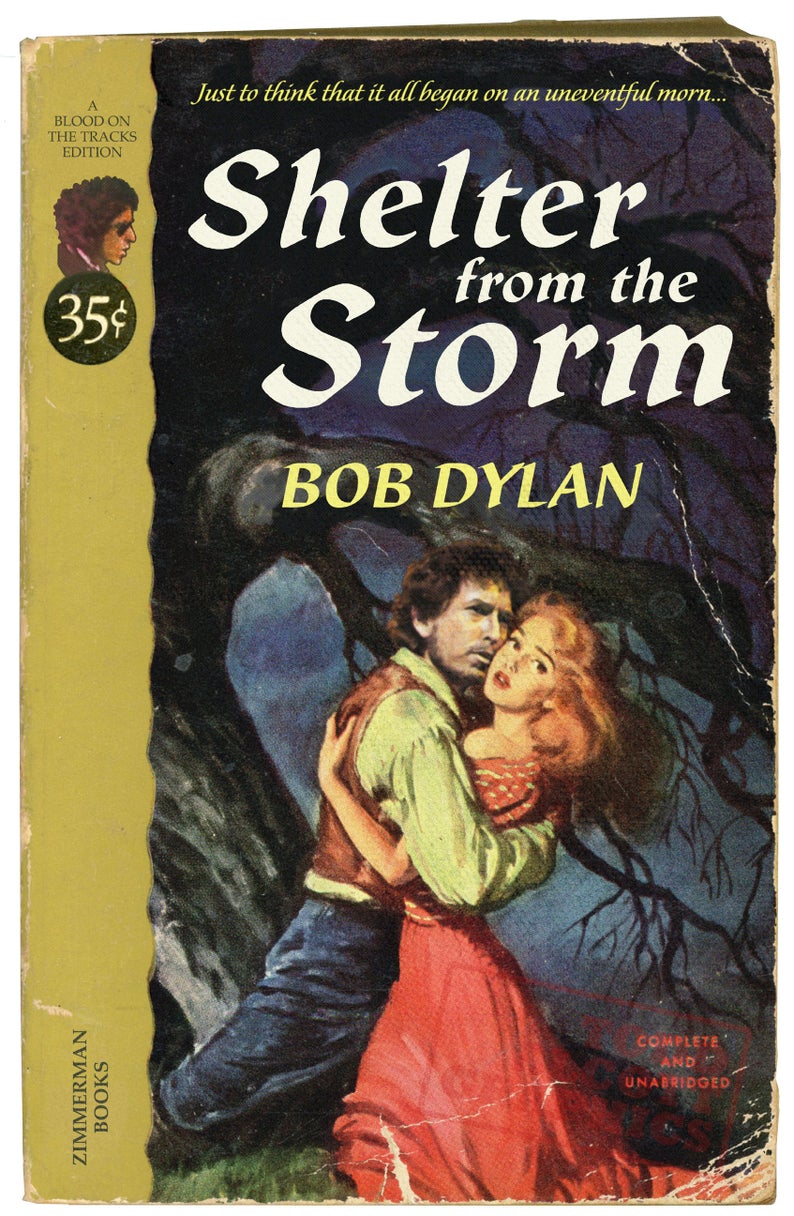
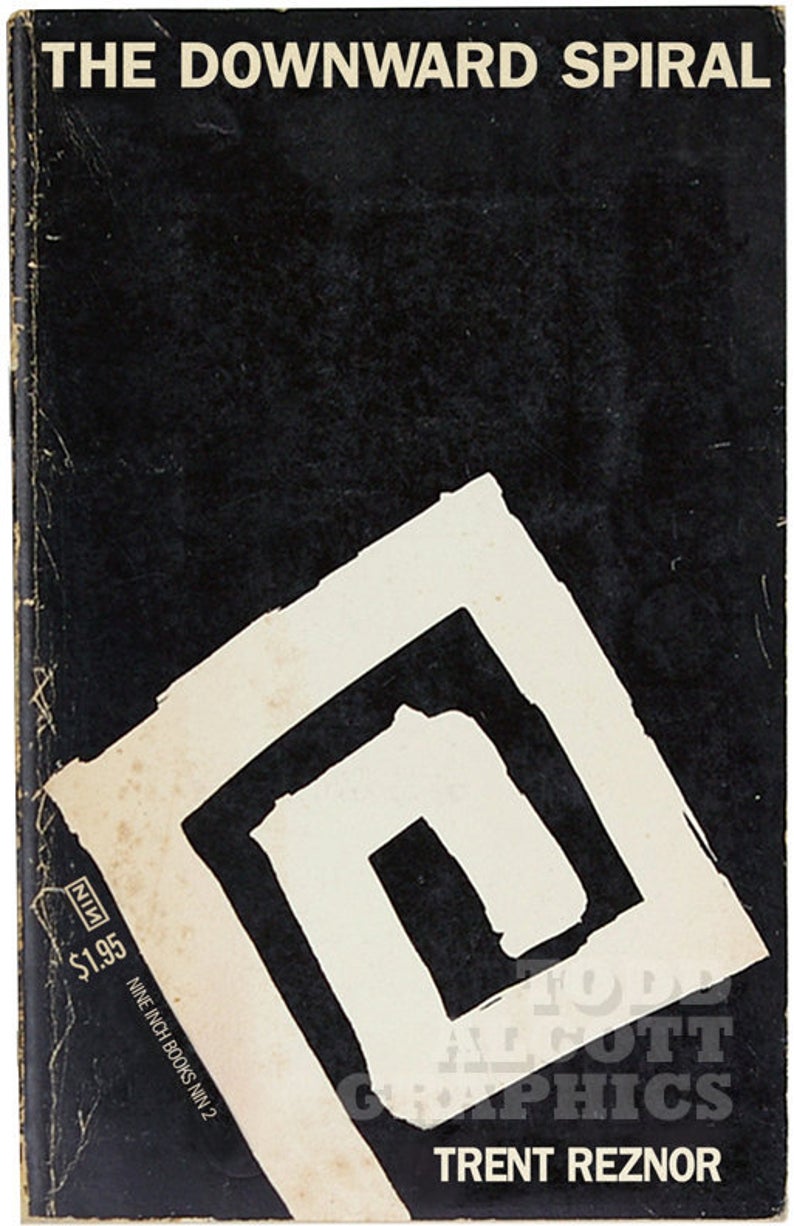
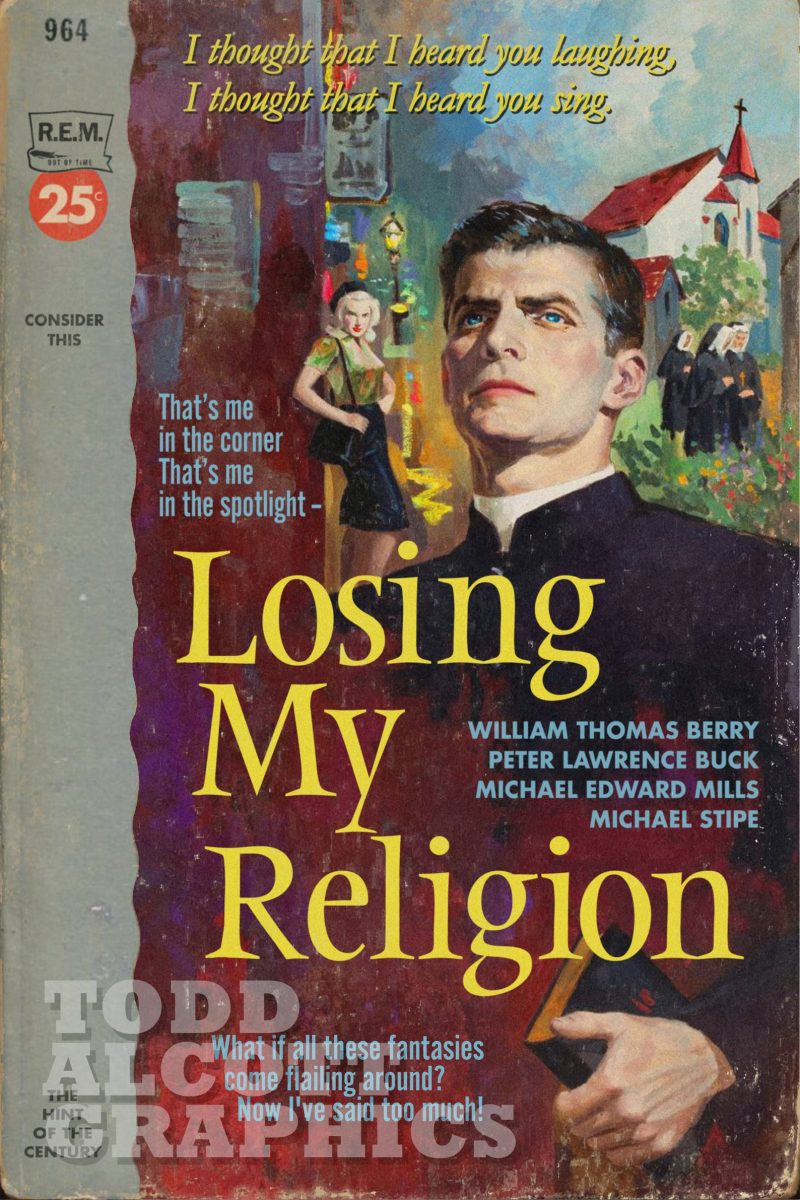
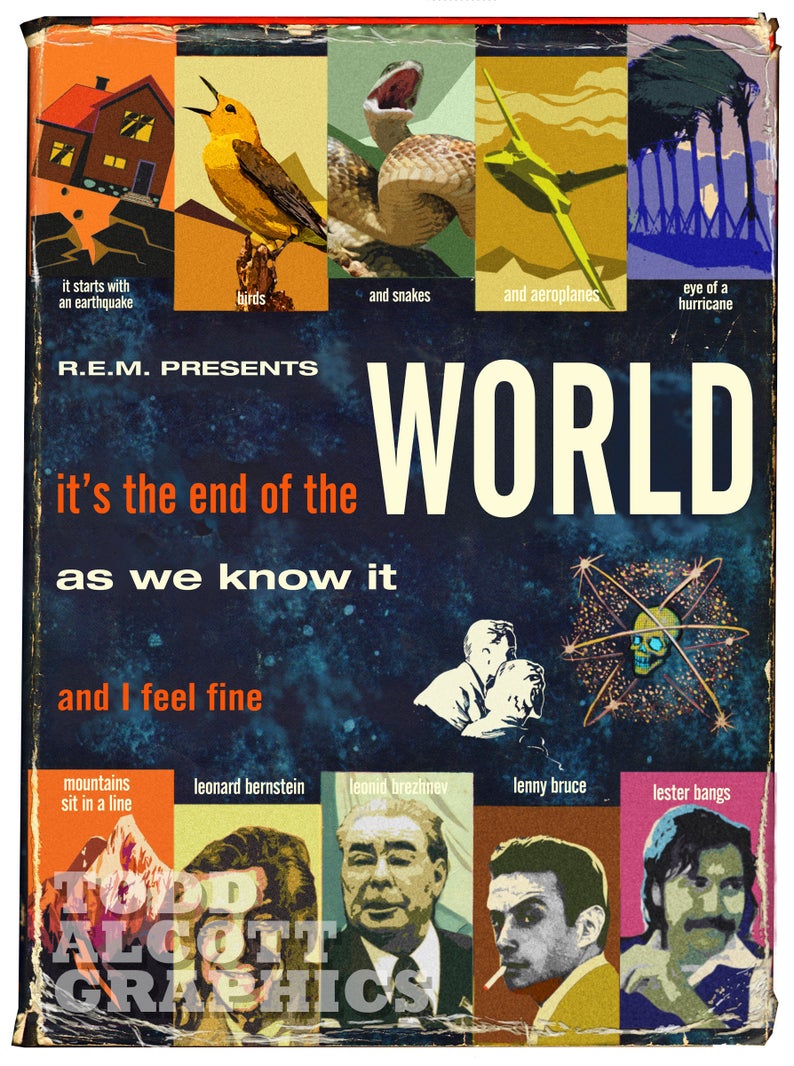
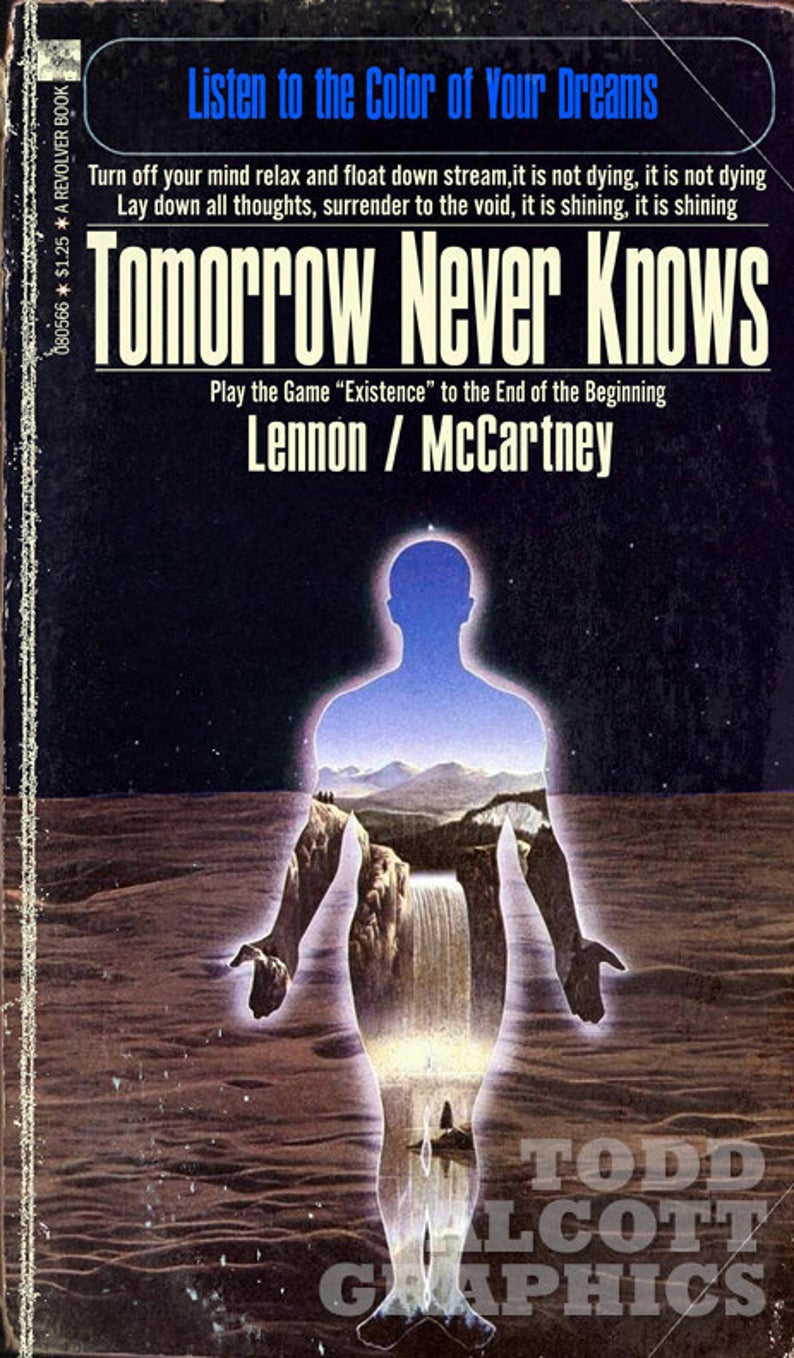
Hence the cultural resonance that has long outlasted their first burst of popularity — and that fuels the visual mash-ups of Todd Alcott. A professional screenwriter and graphic designer, Alcott takes mid-20th-century works of graphic design, most often paperback book covers, and reimagines them with the lyrics, themes, and even imagery of popular songs from a slightly later period. This project is easier shown than explained, but take a glance at his Etsy shop and you’ll understand it at once.
You’ll also take notice of a few mash-ups especially relevant to the present moment, one in which we all feel a bit “Under Pressure.” The whole of “Planet Earth,” after all, has found itself subject to the kind of deadly pandemic that only happens “Once in a Lifetime,” if that often.
Increasingly many of us feel the need to “Call the Doctor,” but increasingly often, the doctor has proven unavailable. Most of us can do no better than seeking “Shelter from the Storm” — and some of us have been forced by law to do so.
Based in Seoul, Colin Marshall writes and broadcasts on cities, language, and culture. His projects include the book The Stateless City: a Walk through 21st-Century Los Angeles and the video series The City in Cinema. Follow him on Twitter at @colinmarshall, on Facebook, or on Instagram.
Topping lists of plague novels circulating these days, Albert Camus’ 1947 The Plague (La Peste), as many have been quick to point out, is about more than its blunt title would suggest. The book incorporates Camus’ experience as editor-in-chief of Combat, a French Resistance newspaper, and serves as an allegory for the spread of fascism and the Nazi occupation of France. It also illustrates the evolution of his philosophical thought: a gradual turn toward the primacy of the absurd, and away from associations with Sartre’s Existentialism.
But The Plague’s primary subject is, of course, a plague—a fictional outbreak in the Algerian “French prefecture” of Oran. Here, Camus relocates a 19th century cholera outbreak to sometime in the 1940s and turns it into the rat-borne epidemic that killed tens of millions in centuries past. As Daniel Defoe had done 175 years before in A Journal of the Plague Year—drawing on his own experiences as a journalist—Camus “immersed himself in the history of plagues,” notes the School of Life. Camus even quotes Defoe in the novel’s epigraph: “It is as reasonable to represent one kind of imprisonment by another, as it is to represent anything that really exists by that which exists not.”
Camus “read books on the Black Death that killed 50 million people in Europe in the 14th century; the Italian plague of 1629 that killed 280,000 people across the plains of Lombardy and the Veneto, the great plague of London of 1665 as well as plagues that ravaged cities on China’s eastern seaboard during the 18th and 19th centuries.” Perhaps more timely now than in its time, The Plague puts Camus’ historical knowledge in the mind of its protagonist, Dr. Bernard Rieux, who remembers in his growing alarm “the plague at Constantinople that, according to Procopius, caused ten thousand deaths in a single day.”
Rieux embodies another theme in the novel—the seemingly endless human capacity for denial, even among well-meaning, knowledgeable experts. Despite his reading of history and up-close observation of the outbreak, Rieux fails—or refuses—to acknowledge the disease for what it is. That is, until an older colleague says to him, “Naturally, you know what this is.” Forced to say the word “plague” aloud, Rieux allows the spreading epidemic to become real for the first time.
[L]ike our fellow citizens, Rieux was caught off his guard, and we should understand his hesitations in the light of this fact; and similarly understand how he was torn between conflicting fears and confidence. When a war breaks out, people say: “It’s too stupid; it can’t last long.” But though a war may well be “too stupid,” that doesn’t prevent its lasting. Stupidity has a knack of getting its way; as we should see if we were not always so much wrapped up in ourselves.
In this respect our townsfolk were like everybody else, wrapped up in themselves; in other words they were humanists: they disbelieved in pestilences.
Perpetually busy with mercantile projects and ideas about progress, the town, like “humanists,” ignores the reappearance of history and believe plagues to belong to the distant past. Camus writes that such people “pass away… first of all, because they haven’t taken their precautions.”
Everybody knows that pestilences have a way of recurring in the world; yet somehow we find it hard to believe in ones that crash down on our heads from a blue sky. There have been as many plagues as wars in history; yet always plagues and wars take people equally by surprise.
Whether we are prepared for them or not, plagues and wars will come upon us, aided by the brute force of human idiocy and irrationality. This terrible truth flies in the face of the untethered freedom of Sartrean existentialism. “They fancied themselves free,” Camus’ narrator says of Oran’s townspeople, “and no one will ever be free so long as there are pestilences.” The novel proceeds to illustrate just how devastating a deadly epidemic can be to our most cherished notions.
In Camus’ philosophy, “our lives,” the School of Life points out, “are fundamentally on the edge of what he termed ‘the absurd.’” But this “should not lead us to despair pure and simple,” though the feeling may be a stage along the way to “a redemptive tragi-comic perspective.” The recognition of finitude, of failure, ignorance, and repetition—what philosopher Miguel de Unamuno called “the tragic sense of life”—can instead cure us of the “behaviors Camus abhorred: a hardness of heart, an obsession with status, a refusal of joy and gratitude, a tendency to moralize and judge.” Whatever else The Plague is about, Camus shows that in a struggle for survival, these attitudes can prove worse than useless and can be the first to go.
Describing conditions characteristic of life in the early 21st century, future historians may well point to such epidemic viral illnesses as SARS, MERS, and the now-rampaging COVID-19. But those focused on culture will also have their pick of much more benign recurring phenomena to explain: topical book lists, for instance, which crop up in the 21st-century press at the faintest prompting by current events. As the coronavirus has spread through the English-speaking world over the past month, pandemic-themed reading lists have appeared in all manner of outlets: Time, PBS, the Hollywood Reporter, the Guardian, the Globe and Mail, Haaretz, Vulture, Electric Literature, and others besides.
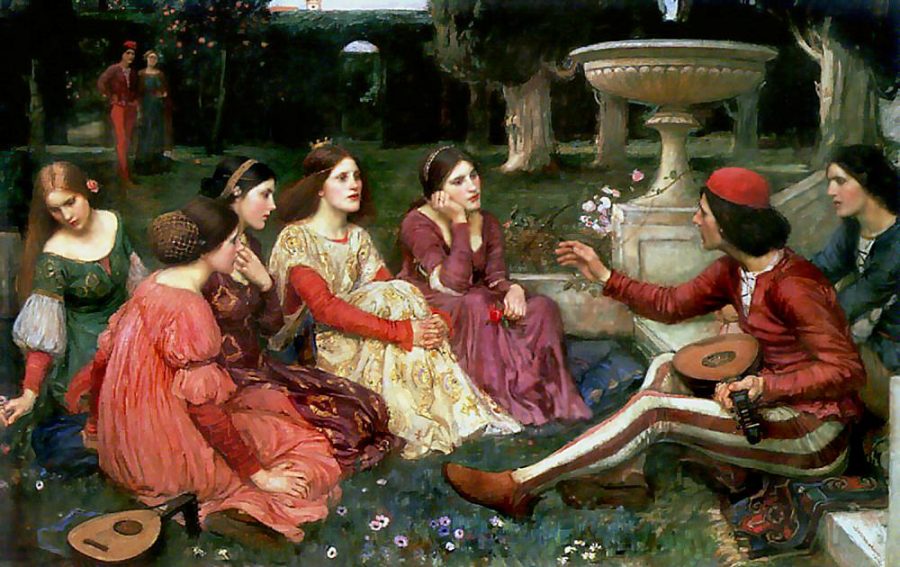
As mankind’s oldest deadly foe, disease has provided themes to literature since literature’s very invention. In the European canon, no such work is more venerable than The Decameron, written by Renaissance humanist Giovanni Boccaccio in the late 1340s and early 1350s. “His protagonists, seven women and three men, retreat to a villa outside Florence to avoid the pandemic,” writes TheGuardian’s Lois Beckett, referring to the bubonic plague, or “Black Death,” that ravaged Europe in the mid-14th century. “There, isolated for two weeks, they pass the time by telling each other stories” — and “lively, bizarre, and often very filthy stories” at that — “with a different theme for each day.”
A later outbreak of the bubonic plague in London inspired Robinson Crusoe author Daniel Defoe to write the A Journal of the Plague Year. “Set in 1655 and published in 1722, the novel was likely based, in part, on the journals of the author’s uncle,” writes the Globe and Mail’s Alec Scott. Defoe’s diarist “speaks of bodies piling up in mass graves, of sudden deaths and unlikely recoveries from the brink, and also blames those from elsewhere for the outbreak.” A Journal of the Plague Year appears on these reading lists as often as Albert Camus’ The Plague, previously featured here on Open Culture. “Camus’ famous work about the inhabitants of an Algerian town who are stricken by the bubonic plague was published back in 1947,” writes PBS’ Courtney Vinopal, “but it has struck a chord with readers today living through the coronavirus.”
Of novels published in the past decade, none has been selected as a must-read in coronavirus quarantine as often as Emily St. John Mandel’s Station Eleven. “After a swine flu pandemic wipes out most of the world’s population, a group of musicians and actors travel around newly formed settlements to keep their art alive,” says Time. “Mandel showcases the impact of the pandemic on all of their lives,” weaving together “characters’ perspectives from across the planet and over several decades to explore how humanity can fall apart and then, somehow, come back together.” Ling Ma’s darkly satirical Severancealso makes a strong showing: Electric Literature describes it as “a pandemic-zombie-dystopian-novel, but it’s also a relatable millennial coming-of-age story and an intelligent critique of exploitative capitalism, mindless consumerism, and the drudgery of bullshit jobs.”
Since a well-balanced reading diet (and those of us stuck at home for weeks on end have given much thought to balanced diets) requires both fiction and nonfiction, several of these lists also include works of scholarship, history, and journalism on the real epidemics that have inspired all this literature. Take Richard Preston’s bestsellerThe Hot Zone: The Terrifying True Story of the Origins of the Ebola Virus, which Gregory Eaves at Medium calls “a hair-raising account of the appearance of rare and lethal viruses and their ‘crashes’ into the human race.” For an episode of history more comparable to the coronavirus, there’s John M. Barry’s The Great Influenza: The Story of the Deadliest Pandemic in History, “a tale of triumph amid tragedy, which provides us with a precise and sobering model as we confront the epidemics looming on our own horizon.”
Based in Seoul, Colin Marshall writes and broadcasts on cities, language, and culture. His projects include the book The Stateless City: a Walk through 21st-Century Los Angeles and the video series The City in Cinema. Follow him on Twitter at @colinmarshall, on Facebook, or on Instagram.
Used to be that Dolly Parton was relegated to the country music community–well loved, adored, but hemmed in by her genre. Certainly Gen X’ers like myself didn’t take her too seriously, and having a theme park named after you in Tennessee? Not too cool.
Yet, as we have wandered back into the wretched, burning plains of modern life and found that, yes, Mister Rogers was a good person all along, we have also made space for Dolly Parton. She is a good person, and she is also therefore a Good Person.
Starting today, April 2, 2020, Dolly Parton will join us all in quarantine by way of the Internet to read us bedtime stories. She will be starting with The Little Engine That Could (see below), the classic tale of determination by Watty Piper. And listen, Gen X’ers, this isn’t for you! This is for your kids! (But okay yes, it’s also for you. It’s for all of you who have taken on the role of parent, teacher, entertainer, psychologist, and social worker without any increase in pay during these hard times. You just might be asleep before your kids once Dolly starts reading. I might just join you if I can find a spare blankie.
Dolly Parton’s Imagination Library has been the force behind all this, a non-profit that promotes literacy and parent-child reading by sending a book every month to a child, from their birth till age five. It started in Parton’s home county in the mid-‘80s but now reaches 1,546,000+ children not just in the United States, but in Canada, Australia, the UK and the Republic of Ireland, according to her website.
The Little Engine That Could is a great kick off to a series of weekly bedtime stories. Do you think you can get through this? Just repeat to yourself: I think I can, I think I can, I think I can, I think I can…
Ted Mills is a freelance writer on the arts who currently hosts the Notes from the Shed podcast and is the producer of KCRW’s Curious Coast. You can also follow him on Twitter at @tedmills, and/or watch his films here.
We're hoping to rely on loyal readers, rather than erratic ads. Please click the Donate button and support Open Culture. You can use Paypal, Venmo, Patreon, even Crypto! We thank you!
Open Culture scours the web for the best educational media. We find the free courses and audio books you need, the language lessons & educational videos you want, and plenty of enlightenment in between.