Meet Daryl Davis, the Black Blues Musician Who Befriended 200 Klan Members & Made Them See the Errors of Their Ways

Musi­cian Daryl Davis is a great, lum­ber­ing bear of a man with a very, very long fuse.

His dis­po­si­tion and his race are equal­ly crit­i­cal com­po­nents of his decades-long project—engaging, as a black man, with mem­bers of the KKK, the Nation­al Social­ist Move­ment, and oth­er groups espous­ing white suprema­cy.

Diplo­ma­cy seems to be the major les­son of his glo­be­trot­ting child­hood. His father was a State Depart­ment offi­cial, and wher­ev­er the fam­i­ly relo­cat­ed, Davis went to school with the chil­dren of oth­er for­eign ser­vice work­ers, what­ev­er their race. This hap­py, mul­ti­cul­tur­al expe­ri­ence left him unpre­pared for his return to his coun­try of ori­gin, when he was one of just two black pupils at his Bel­mont, Mass­a­chu­setts ele­men­tary school, and the only black Cub Scout in his troop.

When Belmont’s Cub Scouts were invit­ed to par­tic­i­pate in a 1968 march to com­mem­o­rate Paul Revere’s ride, his troop lead­ers tapped the 10-year-old Davis to car­ry the flag, pro­vok­ing a furi­ous reac­tion from many white spec­ta­tors along the route.

His pri­or expe­ri­ence was such that he assumed their bile was direct­ed toward scout­ing, even after his par­ents sat him down to tell him the truth.

Now, as the sub­ject of Matt Ornstein’s doc­u­men­tary, Acci­den­tal Cour­tesy (watch it on Net­flix here), Davis mus­es that the unusu­al cir­cum­stances of his ear­ly child­hood equipped him to insti­gate and main­tain an open dia­logue with the ene­my. He lis­tens care­ful­ly to their opin­ions in the expec­ta­tion that they will return the cour­tesy. It’s a long game approach that Davis refus­es to play over social media or email. Only face-to-face.

Over time, his even-keeled man­ner has caused 200 card-car­ry­ing racists, accord­ing to NPR, to renounce their for­mer path, pre­sent­ing their cast-off hoods and robes to their new friend, Davis, as a rite of pas­sage.

One of the most fas­ci­nat­ing parts of the doc­u­men­tary is the tour of his klan memorabilia—patches, jew­el­ry, pock­et knives and belt buck­les. He is able to explain the col­ors, insignia and prove­nance of the robes as method­i­cal­ly as he dis­cuss­es musi­cal his­to­ry.

Pre­sum­ably, some of this knowl­edge was hand­ed down from the for­mer owners—one of whom vol­un­teers that Davis is far more knowl­edgable than he ever was about the ins and outs of klan hier­ar­chies.

Davis doesn’t wait for an out­spo­ken racist to renounce his beliefs before claim­ing him as a friend.

It’s fair­ly easy to feel clemen­cy toward those Davis has nudged toward a whole new set of val­ues, such as soft-spo­ken for­mer-Grand-Drag­on-turned-anti-racist activist, Scott Shep­herd, or Tina Puig, a moth­er of two who was tak­en aback by Davis’ offer of a ride to the far away fed­er­al pen­i­ten­tiary where her white suprema­cist hus­band was serv­ing a ten-year sen­tence.

It’s queasi­er to watch Davis pos­ing with a smile in front of Con­fed­er­ate flags at a klan ral­ly, or staunch­ly refrain­ing from com­ment as jacked up suprema­cists spew vile, provoca­tive remarks in his pres­ence.

Not every­one has—or wants to have—the stom­ach for this sort of work. The most heat­ed encounter in the film is the one between Davis and Bal­ti­more-based Black Lives Mat­ter activists Kwame Rose, Tariq Touré, and JC Faulk.

As direc­tor Orn­stein told PBS’ Inde­pen­dent Lens:

Daryl oper­ates under the prin­ci­ple that if you aren’t hear­ing view­points that are dis­taste­ful to you, that they are also not hear­ing yours. I think there’s wis­dom in that. We saw this last elec­tion cycle how not doing that end­ed in not only dis­as­ter for this coun­try, but a lot of infight­ing and yelling into echo cham­bers and news that serves to rein­force what you already believe. The eco­nom­ic argu­ments that Tariq and Kwame present in the film have a tremen­dous amount of valid­i­ty, but in no way does this dimin­ish the impor­tance of what some­one like Daryl does. If we all took the time to speak to even one or two peo­ple we dis­agree with and both real­ly hear them and be heard that alone would begin to make a dif­fer­ence.

You can watch Acci­den­tal Cour­tesy on Net­flix here. (If you don’t have a sub­scrip­tion, you could always sign up for a 30-day free tri­al.) We have also added an NPR pro­file of Davis above.

Below you can watch a fas­ci­nat­ing inter­view with Davis recent record­ed on the Jor­dan Har­bin­ger Show.


Relat­ed Con­tent:

How a Lib­er­al Arts Edu­ca­tion Helped Derek Black, the God­son of David Duke, Break with the White Nation­al­ist Move­ment

How Super­man Defeat­ed the KKK (in Real Life): Hear the World-Chang­ing 1946 Radio Dra­ma

Albert Ein­stein Called Racism “A Dis­ease of White Peo­ple” in His Lit­tle-Known Fight for Civ­il Rights

Noam Chom­sky Explains the Best Way for Ordi­nary Peo­ple to Make Change in the World, Even When It Seems Daunt­ing

Ayun Hal­l­i­day is an author, illus­tra­tor, the­ater mak­er and Chief Pri­ma­tol­o­gist of the East Vil­lage Inky zine. Her cur­rent project is The­ater of the Apes’ Sub-Adult Divi­sion’s pro­duc­tion of Ani­mal Farm, open­ing this week in New York City.  Fol­low her @AyunHalliday.

20,000 Americans Hold a Pro-Nazi Rally in Madison Square Garden in 1939: Chilling Video Re-Captures a Lost Chapter in US History

Our country’s bipar­ti­san sys­tem ensures that every elec­tion will give rise to a win­ning side and a los­ing side—and depress­ing­ly, a siz­able group who refrained from cast­ing a vote either way.

There are times when the divide between the fac­tions does not seem insur­mount­able, when lead­ers in the high­est posi­tions of author­i­ty seem sin­cere­ly com­mit­ted to reach­ing across the divide….

And then there are oth­er times.

Ear­li­er in the year, the Women’s March on Wash­ing­ton and its hun­dreds of sis­ter march­es gave many of us rea­son to hope. The num­bers alone were inspir­ing.

But his­to­ry shows how great num­bers can go the oth­er way too.

With many Amer­i­can high school his­to­ry cur­ricu­lums whizzing through World War II in a week, if that, it’s dou­bly impor­tant to slow down long enough to watch the 7 minute doc­u­men­tary above.

What you’re look­ing at is the 1939 “Pro-Amer­i­can Ral­ly” (aka Pro-Nazi Ral­ly) spon­sored by the Ger­man Amer­i­can Bund at Madi­son Square Gar­den on George Washington’s 207th Birth­day. Ban­ners embla­zoned with such slo­gans as “Stop Jew­ish Dom­i­na­tion of Chris­t­ian Amer­i­cans,” “Wake Up Amer­i­ca. Smash Jew­ish Com­mu­nism,” and “1,000,000 Bund Mem­bers by 1940” dec­o­rat­ed the great hall.

New York City May­or Fiorel­lo LaGuardia—an Epis­co­palian with a Jew­ish mother—considered can­cel­ing the event, but ulti­mate­ly he, along with the Amer­i­can Jew­ish Com­mit­tee and the Amer­i­can Civ­il Lib­er­ties Com­mit­tee decreed that the Bund was exer­cis­ing its right to free speech and free assem­bly.

A crowd of 20,000 filled the famous sports venue in mid-town Man­hat­tan to capac­i­ty. 1,500 police offi­cers were present to ren­der the Gar­den “a fortress impreg­nable to anti-Nazis.” An esti­mat­ed 100,000 counter-demon­stra­tors were gath­er­ing out­side.

Police Com­mis­sion­er Lewis J. Valen­tine bragged to the press that “we have enough police here to stop a rev­o­lu­tion.”

The most dis­turb­ing moment in the short film comes at the 3:50 mark, when anoth­er secu­ri­ty force—the Bund’s Ord­nungs­di­enst or “Order Ser­vice” pile on Isidore Green­baum, a 26-year-old Jew­ish work­er who rushed the podi­um where bun­des­führer Fritz Julius Kuhn was fan­ning the flames of hatred. Valentine’s men even­tu­al­ly pulled them off, just bare­ly man­ag­ing to save the “anti-Nazi” from the vicious beat­ing he was under­go­ing.

Report­ed­ly he was beat­en again, as the crowd inside the Gar­den howled for his blood.

The uni­formed youth per­form­ing a spon­ta­neous horn­pipe in the row behind the Bund’s drum and bugle corps is a chill­ing sight to see.

Direc­tor Mar­shall Cur­ry was spurred to bring the his­toric footage to Field of Vision, a film­mak­er-dri­ven doc­u­men­tary unit that com­mis­sions short films as a rapid response to devel­op­ing sto­ries around the globe. In this case, the devel­op­ing sto­ry was the “Unite the Right” white nation­al­ist ral­ly in Char­lottesville, which had occurred a mere two days before.

“The footage is so pow­er­ful,” Cur­ry told an inter­view­er, “it seems amaz­ing that it isn’t a stock part of every high school his­to­ry class. But I think the ral­ly has slipped out of our col­lec­tive mem­o­ry in part because it’s scary and embar­rass­ing. It tells a sto­ry about our coun­try that we’d pre­fer to for­get. We’d like to think that when Nazism rose up, all Amer­i­cans were instant­ly appalled. But while the vast major­i­ty of Amer­i­cans were appalled by the Nazis, there was also a sig­nif­i­cant group of Amer­i­cans who were sym­pa­thet­ic to their white suprema­cist, anti-Semit­ic mes­sage. When you see 20,000 Amer­i­cans gath­er­ing in Madi­son Square Gar­den you can be sure that many times that were pas­sive­ly sup­port­ive.”

Field of Vision co-founder Lau­ra Poitras recalled how after meet­ing with Cur­ry, “my first thought was, ‘we need to put this film in cin­e­mas,’ and release it like a news­reel.”’  The Alamo Draft­house cin­e­ma chain screened it before fea­tures on Sep­tem­ber 26 of this year.

The Atlantic has pho­tos of the “Pro-Amer­i­can Ral­ly” and oth­er Ger­man Amer­i­can Bund-spon­sored events in the days lead­ing up to WWII here. Also read an account that appeared in a 1939 edi­tion of The New York Times here.

The Inter­na­tion­al Social­ist Review cov­ers the counter-demon­stra­tions in many eye­wit­ness quotes.

via Pale­o­Fu­ture

Relat­ed Con­tent:

Edu­ca­tion for Death: The Mak­ing of Nazi–Walt Disney’s 1943 Pro­pa­gan­da Film Shows How Fas­cists Are Made

Philoso­phers (Includ­ing Slavoj Žižek) and Ethi­cists Answer the Ques­tion: Is It OK to Punch Nazis?

Helen Keller Writes a Let­ter to Nazi Stu­dents Before They Burn Her Book: “His­to­ry Has Taught You Noth­ing If You Think You Can Kill Ideas” (1933)

Ayun Hal­l­i­day is an author, illus­tra­tor, the­ater mak­er and Chief Pri­ma­tol­o­gist of the East Vil­lage Inky zine.  Fol­low her @AyunHalliday.

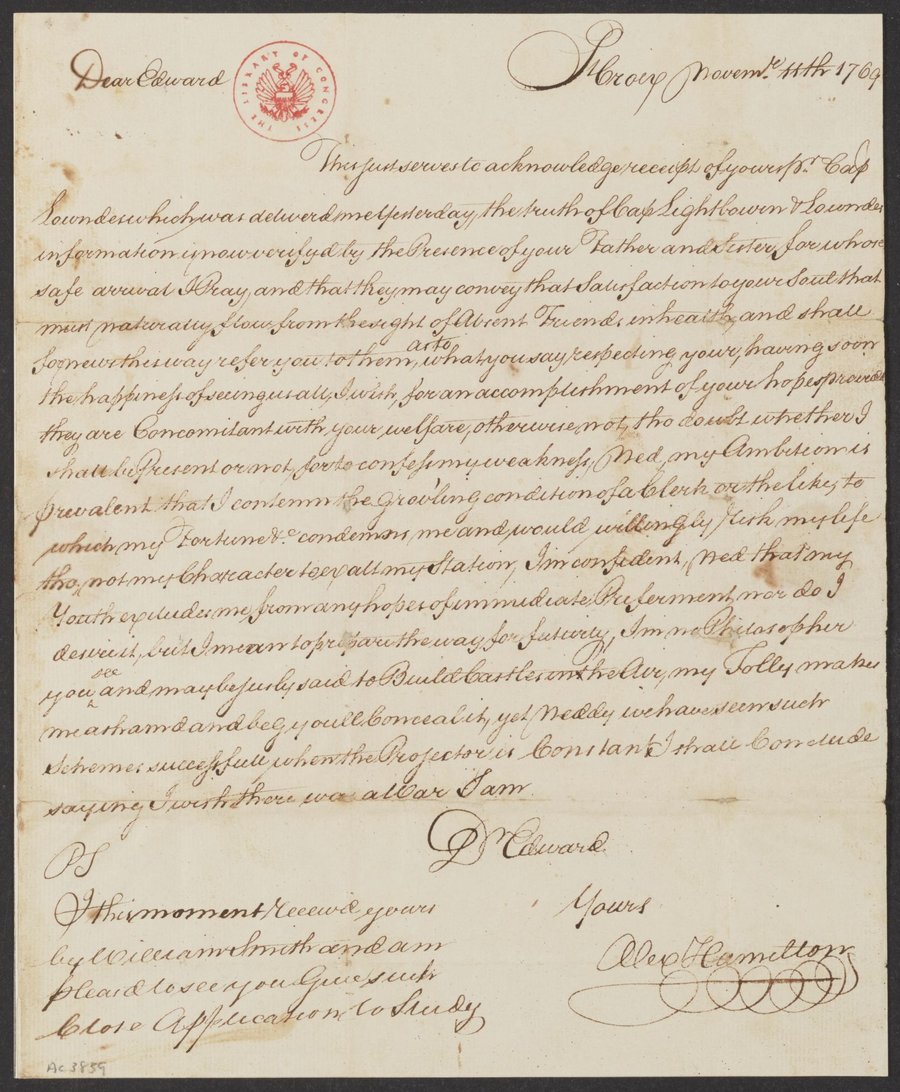
Hamilton Mania Inspires the Library of Congress to Put 12,000 Alexander Hamilton Documents Online

Remem­ber when bloody, bloody Andrew Jack­son seemed like a shoe in for Best Sepul­chral His­tor­i­cal Fig­ure Brought Back to Life by an Amer­i­can Musi­cal?

Alas for the 7th Pres­i­dent, a lit­tle jug­ger­naut called Hamil­ton came along, and just like that, it was the first Trea­sury Sec­re­tary and author of the Fed­er­al­ist Papers who had a fan base on the order of Beat­le­ma­nia.

Teach­ers, his­to­ri­ans, and librar­i­ans thrilled to reports of kids singing along with the Hamil­ton sound­track. Play­wright and orig­i­nal star Lin-Manuel Miran­da’s clever rap lyrics ensured that young Hamil­fans (and their par­ents, who report­ed­ly were nev­er allowed to lis­ten to any­thing else in the car) would become well versed in their favorite found­ing father’s per­son­al and pro­fes­sion­al his­to­ry.

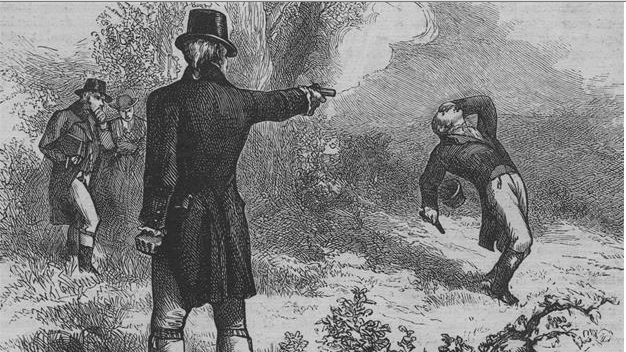
Out of town vis­i­tors who spend upwards of a month’s gro­cery bud­get for Broad­way tick­ets vol­un­tar­i­ly side trip way uptown to tour Hamil­ton Grange. The insa­tiable self­ie imper­a­tive dri­ves them to Cen­tral Park and Muse­um of the City of New York in search of larg­er than life sculp­tures. They take the PATH train to Wee­hawken to pay their respects in the spot where Hamil­ton was felled by Aaron Burr

Hamil­ton mer­chan­dise, need­less to say, is sell­ing briskly. Books, t‑shirts, jew­el­ry, bob­ble heads com­mem­o­ra­tive mugs…

The Library of Con­gress is not out to cash in on this cul­tur­al moment in the mon­e­tary sense. But “giv­en the increased inter­est in Hamil­ton,” says Julie Miller, a cura­tor of ear­ly Amer­i­can man­u­scripts, it’s no acci­dent that the Library has tak­en pains to dig­i­tize 12,000 Hamil­ton doc­u­ments and make them avail­able on the web. The col­lec­tion includes speech­es, a draft of the Reynolds Pam­phlet, finan­cial accounts, school exer­cis­es and cor­re­spon­dence, both per­son­al and pub­lic, encom­pass­ing such mar­quee names as John Adams, Thomas Jef­fer­son, the Mar­quis de Lafayette, and George Wash­ing­ton.

One need not be a musi­cal the­ater fan to appre­ci­ate the emo­tion of the let­ter he wrote to his wife, Eliz­a­beth Schuyler, on the eve of his fate­ful duel with Aaron Burr:

I need not tell you of the pangs I feel, from the idea of quit­ting you and expos­ing you to the anguish which I know you would feel.… Adieu best of wives and best of Women. Embrace all my dar­ling Chil­dren for me.

Explore the Library of Con­gress’ Hamil­ton col­lec­tion here.

And enter the online lot­tery for $10 Hamil­ton tick­ets because, hey, somebody’s got to win.

via The­ater Mania

Relat­ed Con­tent:

Dis­cov­er Thomas Jefferson’s Cut-and-Paste Ver­sion of the Bible, and Read the Curi­ous Edi­tion Online

Watch a Wit­ty, Grit­ty, Hard­boiled Retelling of the Famous Aaron Burr-Alexan­der Hamil­ton Duel

“Alexan­der Hamil­ton” Per­formed with Amer­i­can Sign Lan­guage

Ayun Hal­l­i­day is an author, illus­tra­tor, the­ater mak­er and Chief Pri­ma­tol­o­gist of the East Vil­lage Inky zine.  Fol­low her @AyunHalliday.

Gonzo Illustrator Ralph Steadman Draws the American Presidents, from Nixon to Trump

In a 2012 inter­view with Nation­al Pub­lic Radio, car­toon­ist Ralph Stead­man, best known for his col­lab­o­ra­tions with Gonzo jour­nal­ist Hunter S. Thomp­son, lament­ed the qual­i­ty of the can­di­dates in that year’s Pres­i­den­tial race:

The prob­lem is there are no Nixons around at the moment. That’s what we need — we need a real good Nixon to give some­thing for oth­er peo­ple to get their teeth into, to real­ly … loathe him, to become them­selves more effec­tive as oppo­si­tion lead­ers.

Alas, his prayers have been answered.

Stead­man, who has brought his inky sen­si­bil­i­ties to bear on such works as Ani­mal Farm and Alice in Won­der­land, has a new Amer­i­can pres­i­dent to add to the col­lec­tion he dis­cussed sev­er­al years ago, in the video above.

Steadman’s pen was the sword that ren­dered Ger­ald Ford as a scare­crow, Ronald Rea­gan as a vam­pire, and George W. Bush as a mon­key in a cage of his own mak­ing.

Barack Oba­ma, one of the can­di­dates in that com­par­a­tive­ly bland 2012 elec­tion, is depict­ed as a tena­cious, slen­der vine, strain­ing ever upward.

Jim­my Carter, some­what less benign­ly, is a pup­py eager­ly fetch­ing a stick with which to par­don Nixon, the Welsh cartoonist’s dark muse, first encoun­tered when he accom­pa­nied Thomp­son on the road trip that yield­ed Fear and Loathing: On the Cam­paign Trail ’72.

And now…

Don­ald Trump has giv­en Stead­man rea­son to come out fight­ing. With luck, he’ll stay out as long as his ser­vices are required. The above por­trait, titled “Porky Pie,” was sent, unso­licit­ed, to Ger­ry Brakus, an edi­tor of the New States­man, who pub­lished it on Decem­ber 17, 2015.

At the time, Stead­man had no rea­son to believe the man he’d anthro­po­mor­phized as a human pig hybrid, squeezed into bloody flag-print under­pants, would become the 45th pres­i­dent:

Trump is unthink­able. A thug and a moles­ter. Who wants him?

The por­trait’s hideous­ness speaks vol­umes, but it’s also worth look­ing beyond the obvi­ous-seem­ing inspi­ra­tion for the title to a ref­er­ence few Amer­i­cans would get. “Pork pie”—or porky—is Cock­ney rhyming slang for “a lie.”

See a gallery of Steadman’s por­traits of Amer­i­can pres­i­dents on his web­site.

Relat­ed Con­tent:

Ralph Steadman’s Sur­re­al­ist Illus­tra­tions of George Orwell’s Ani­mal Farm (1995)

How Hunter S. Thomp­son — and Psilo­cy­bin — Influ­enced the Art of Ralph Stead­man, Cre­at­ing the “Gonzo” Style

Break­ing Bad Illus­trat­ed by Gonzo Artist Ralph Stead­man

Ayun Hal­l­i­day is an author, illus­tra­tor, the­ater mak­er and Chief Pri­ma­tol­o­gist of the East Vil­lage Inky zine.  Fol­low her @AyunHalliday

Artists Put a Hidden Message in Their Letter Resigning from President’s Committee on the Arts & the Humanities

It was­n’t the most high pro­file mass res­ig­na­tion of last week. (The CEOs on Trump’s busi­ness advi­so­ry coun­cils got that dis­tinc­tion.) But it was arguably the most cre­ative one. Last Fri­day, “all 16 of the promi­nent artists, authors, per­form­ers and archi­tects on the President’s Com­mit­tee on the Arts and the Human­i­ties resigned,” reports The New York Times. And while their res­ig­na­tion let­ter did­n’t mince words (read it online here), it did take the added step of encod­ing in its text a short mes­sage for POTUS. Cir­cle the first let­ter of each para­graph and what do you get? RESIST, the mantra of 2017.

In oth­er relat­ed news, the admin­is­tra­tion announced that Trump will skip the annu­al Kennedy Cen­ter Hon­ors this year–just the fourth time that a pres­i­dent has missed this annu­al nation­al cel­e­bra­tion of the arts. This year’s hon­orees include Glo­ria Este­fan, LL COOL J, Nor­man Lear, Lionel Richie, and Car­men de Laval­lade.

via Boing Boing/Art­net

Relat­ed Con­tent:

‘Stair­way to Heav­en’: Watch a Mov­ing Trib­ute to Led Zep­pelin at The Kennedy Cen­ter

William Faulkn­er Resigns From His Post Office Job With a Spec­tac­u­lar Let­ter (1924)

Watch “Don’t Be a Suck­er!,” the 1947 US Gov­ern­ment Anti-Hatred Film That’s Rel­e­vant Again in 2017

Han­nah Arendt Explains How Pro­pa­gan­da Uses Lies to Erode All Truth & Moral­i­ty: Insights from The Ori­gins of Total­i­tar­i­an­ism

by | Permalink | Make a Comment ( 5 ) |

People Are Planting Flowers in Potholes Worldwide: See the Creative Protest Taking Place in Montreal, Ukraine & Beyond

In 2015, Paige Bre­i­thart, an artist and stu­dent liv­ing in Ham­tram­ck, Michi­gan, had grown tired of the count­less pot­holes mar­ring Ham­tram­ck­’s streets. So she took mat­ters into her own hands, and drove around town, fill­ing the pot­holes with flow­ers, replac­ing the decay with sym­bols of growth and beau­ty. The sto­ry went viral, and Bre­i­thart’s aes­thet­ic treat­ment has since caught on. Look around Twit­ter, and you’ll find sto­ries about flow­ers fill­ing pot­holes around the Unit­ed States, and indeed around the world.

In some cas­es, these gueril­la projects aren’t just dec­o­ra­tive, a sim­ple way to spruce up a neigh­bor­hood. There’s an activist ele­ment to them. In Bath, Eng­land, one flower pot vig­i­lante said:

In an area of Amer­i­ca there were a load of pot­holes filled in with pot plants, although that’s not what we are doing here. We think it’s a good thing to do but it’s more than about mak­ing peo­ple smile. Pot­holes are a real prob­lem and have the poten­tial to be death traps for bik­ers and cyclists and with cars there is an issue with blow-outs to wheels. The whole point is to raise aware­ness of them.

And local gov­ern­ments are tak­ing notice, though not always hap­pi­ly. Con­cerned that dri­vers might get sur­prised or dis­tract­ed by flow­ers sud­den­ly appear­ing in the mid­dle of a road, politi­cians are dis­cour­ag­ing this form of protest. But you can’t argue with the results. Once pro­test­ers call atten­tion to them, the pot­holes have a mag­i­cal way of get­ting prop­er­ly paved and filled. Quick­ly.

Below you can see a gallery of pot­holes around the world that have got­ten the flower treatment–from Mis­soula, Mon­tana, to Mon­tre­al, Bath, Bosnia and Ukraine. Maybe the artist from Chica­go (see image at bot­tom) is the one who got it right?

Wet­zel Coun­ty, West Vir­ginia


Mis­soula, Mon­tana


Mon­tre­al, Cana­da


Cor­ner Brook, Cana­da


Bath, Eng­land


Berwick­shire, Scot­land


Edin­burgh, Scot­land


Ukraine


Bosnia


Chica­go

via Twist­ed Sifter/My Mod­ern Met

If you would like to sign up for Open Culture’s free email newslet­ter, please find it here. It’s a great way to see our new posts, all bun­dled in one email, each day.

If you would like to sup­port the mis­sion of Open Cul­ture, con­sid­er mak­ing a dona­tion to our site. It’s hard to rely 100% on ads, and your con­tri­bu­tions will help us con­tin­ue pro­vid­ing the best free cul­tur­al and edu­ca­tion­al mate­ri­als to learn­ers every­where. You can con­tribute through Pay­Pal, Patre­on, and Ven­mo (@openculture). Thanks!

by | Permalink | Make a Comment ( 3 ) |

Animations Show the Melting Arctic Sea Ice, and What the Earth Would Look Like When All of the Ice Melts

It’s no secret that cli­mate change has been tak­ing a toll on the Arc­tic. But it’s one thing to read about it, anoth­er thing to see it in action. Above you can watch an ani­ma­tion nar­rat­ed by NASA’s cryos­pher­ic sci­en­tist Dr. Walt Meier. Doc­u­ment­ing changes between 1984 and 2016, the ani­ma­tion lets you see the Arc­tic sea ice shrink­ing. As the impor­tant peren­ni­al sea ice dimin­ish­es, the remain­ing ice cov­er “almost looks gelati­nous as it puls­es through the sea­sons.” For any­one inter­est­ed, an updat­ed ver­sion of this visu­al­iza­tion can be down­loaded in HD here.

If you’re curi­ous what this could all lead to–well, you can also watch a har­row­ing video that mod­els what would hap­pen when all the ice melts and the seas rise some 216 feet. It isn’t pret­ty. The video below is based on the 2013 Nation­al Geo­graph­ic sto­ry, “What the World Would Look Like if All the Ice Melt­ed.”

If you would like to sign up for Open Culture’s free email newslet­ter, please find it here. It’s a great way to see our new posts, all bun­dled in one email, each day.

If you would like to sup­port the mis­sion of Open Cul­ture, con­sid­er mak­ing a dona­tion to our site. It’s hard to rely 100% on ads, and your con­tri­bu­tions will help us con­tin­ue pro­vid­ing the best free cul­tur­al and edu­ca­tion­al mate­ri­als to learn­ers every­where. You can con­tribute through Pay­Pal, Patre­on, and Ven­mo (@openculture). Thanks!

Relat­ed Con­tent:

Glob­al Warm­ing: A Free Course from UChica­go Explains Cli­mate Change

Huge Hands Rise Out of Venice’s Waters to Sup­port the City Threat­ened by Cli­mate Change: A Poignant New Sculp­ture

132 Years of Glob­al Warm­ing Visu­al­ized in 26 Dra­mat­i­cal­ly Ani­mat­ed Sec­onds

Music for a String Quar­tet Made from Glob­al Warm­ing Data: Hear “Plan­e­tary Bands, Warm­ing World”

A Song of Our Warm­ing Plan­et: Cel­list Turns 130 Years of Cli­mate Change Data into Music

Frank Capra’s Sci­ence Film The Unchained God­dess Warns of Cli­mate Change in 1958

Watch Episode 1 of Years of Liv­ing Dan­ger­ous­ly, The New Show­time Series on Cli­mate Change

by | Permalink | Make a Comment ( 1 ) |

“Calling Bullshit”: Watch Lectures for the College Course Designed to Combat the BS in our Information Age

This past Jan­u­ary, we high­light­ed a syl­labus for a ten­ta­tive course called “Call­ing Bull­shit,” designed by two pro­fes­sors at the Uni­ver­si­ty of Wash­ing­ton, Carl Bergstrom and Jevin West.

The course–also some­times called “Call­ing Bull­shit in the Age of Big Data”–ended up being offered this spring. And now you can see how it unfold­ed in the class­room. The 10 video lec­tures from the class are avail­able online. Watch them above, or at this YouTube playlist. Also find them housed in our col­lec­tion, 1,700 Free Online Cours­es from Top Uni­ver­si­ties.

Accord­ing to The Seat­tle Times, the course “achieved the aca­d­e­m­ic ver­sion of a chart-top­ping pop sin­gle: At the UW [Uni­ver­si­ty of Wash­ing­ton], it reached its 160-stu­dent capac­i­ty short­ly after reg­is­tra­tion opened this spring.” And now col­leges “in Cana­da, France, Por­tu­gal, Eng­land and Aus­tralia have con­tact­ed the pro­fes­sors about teach­ing a ver­sion of the course this fall.”

The course itself was premised on this basic idea: “Bull­shit is every­where, and we’ve had enough. We want to teach peo­ple to detect and defuse bull­shit wher­ev­er it may arise.”

A longer overview of the course appears below. It was cit­ed in our orig­i­nal post. And it’s worth high­light­ing again:

The world is awash in bull­shit. Politi­cians are uncon­strained by facts. Sci­ence is con­duct­ed by press release. High­er edu­ca­tion rewards bull­shit over ana­lyt­ic thought. Start­up cul­ture ele­vates bull­shit to high art. Adver­tis­ers wink con­spir­a­to­ri­al­ly and invite us to join them in see­ing through all the bull­shit — and take advan­tage of our low­ered guard to bom­bard us with bull­shit of the sec­ond order. The major­i­ty of admin­is­tra­tive activ­i­ty, whether in pri­vate busi­ness or the pub­lic sphere, seems to be lit­tle more than a sophis­ti­cat­ed exer­cise in the com­bi­na­to­r­i­al reassem­bly of bull­shit.

We’re sick of it. It’s time to do some­thing, and as edu­ca­tors, one con­struc­tive thing we know how to do is to teach peo­ple. So, the aim of this course is to help stu­dents nav­i­gate the bull­shit-rich mod­ern envi­ron­ment by iden­ti­fy­ing bull­shit, see­ing through it, and com­bat­ing it with effec­tive analy­sis and argu­ment.

What do we mean, exact­ly, by the term bull­shit? As a first approx­i­ma­tion, bull­shit is lan­guage, sta­tis­ti­cal fig­ures, data graph­ics, and oth­er forms of pre­sen­ta­tion intend­ed to per­suade by impress­ing and over­whelm­ing a read­er or lis­ten­er, with a bla­tant dis­re­gard for truth and log­i­cal coher­ence.

While bull­shit may reach its apogee in the polit­i­cal domain, this is not a course on polit­i­cal bull­shit. Instead, we will focus on bull­shit that comes clad in the trap­pings of schol­ar­ly dis­course. Tra­di­tion­al­ly, such high­brow non­sense has come couched in big words and fan­cy rhetoric, but more and more we see it pre­sent­ed instead in the guise of big data and fan­cy algo­rithms — and these quan­ti­ta­tive, sta­tis­ti­cal, and com­pu­ta­tion­al forms of bull­shit are those that we will be address­ing in the present course….

Our aim in this course is to teach you how to think crit­i­cal­ly about the data and mod­els that con­sti­tute evi­dence in the social and nat­ur­al sci­ences.

If you’re inter­est­ed in watch­ing the course, get start­ed with Lec­ture 1: Intro­duc­tion to Bull­shit.

To learn more about the course, please vis­it this web­site.

If you would like to sign up for Open Culture’s free email newslet­ter, please find it here. It’s a great way to see our new posts, all bun­dled in one email, each day.

If you would like to sup­port the mis­sion of Open Cul­ture, con­sid­er mak­ing a dona­tion to our site. It’s hard to rely 100% on ads, and your con­tri­bu­tions will help us con­tin­ue pro­vid­ing the best free cul­tur­al and edu­ca­tion­al mate­ri­als to learn­ers every­where. You can con­tribute through Pay­Pal, Patre­on, and Ven­mo (@openculture). Thanks!

Relat­ed Con­tent:

“Call­ing Bull­shit”: See the Syl­labus for a Col­lege Course Designed to Iden­ti­fy & Com­bat Bull­shit

How to Spot Bull­shit: A Primer by Prince­ton Philoso­pher Har­ry Frank­furt

by | Permalink | Make a Comment ( 2 ) |

« Go BackMore in this category... »
Quantcast