A Short History of Man, God, and Political Philosophy

In case you missed it, The New York Times pub­lished a lengthy arti­cle — The Pol­i­tics of God — last week­end which essen­tial­ly traces how the thought of Thomas Hobbes, John Locke, and oth­er major polit­i­cal philoso­phers gave us sec­u­lar pol­i­tics, and par­tic­u­lar­ly the sep­a­ra­tion of Church and State. They’re inno­va­tions with many upsides, but also the down­side that they put us at an intel­lec­tu­al dis­tance from entire regions where faith still gov­erns polit­i­cal affairs. This includes large swathes of the Mid­dle East and oth­er areas with­in the “Mus­lim orbit.” It’s a good piece to read if you’ve ever won­dered how phi­los­o­phy tan­gi­bly shapes our mod­ern world. Writ­ten by Mark Lil­la, a Colum­bia Uni­ver­si­ty pro­fes­sor, the high­ly-read­able arti­cle is adapt­ed from his new book, The Still­born God: Reli­gion, Pol­i­tics, and the Mod­ern West. Get the arti­cle here, and don’t for­get to sub­scribe to our feed.

Relat­ed Con­tent for Phi­los­o­phy Buffs:

by | Permalink | Make a Comment ( 2 ) |

Jon Stewart on 1994 and 2003 Dick Cheney

Strange cul­ture we live in these days. It’s the come­di­ans that ask the hard ques­tions. See John Stew­art below and the ref­er­enced Dick Cheney video below that.

by | Permalink | Make a Comment ( 3 ) |

America’s Philosopher President

What’s gone wrong with Amer­i­ca’s democ­ra­cy? It’s a ques­tion that Al Gore takes a hard look at in his recent (and well-reviewed) book, The Assault on Rea­son. Below, Gore gives you the gist of his argu­ment in a half-hour video. It’s a bit heady. He’s invok­ing the Ancient Greeks, the Enlight­en­ment, Edward Gib­bon, Adam Smith and John Stu­art Mill. What’s more, his think­ing is heav­i­ly informed by Jur­gen Haber­mas and his writ­ings on ratio­nal polit­i­cal dis­course. And it all loops into an expla­na­tion of how we’ve tak­en a wrong turn on the Iraq war, the envi­ron­ment, civ­il lib­er­ties and beyond. Yes, it’s heady stuff. But if Open Cul­ture read­ers can’t han­dle it, who can?

The link to the orig­i­nal video is here.

Filling the Idea Void in Iraq

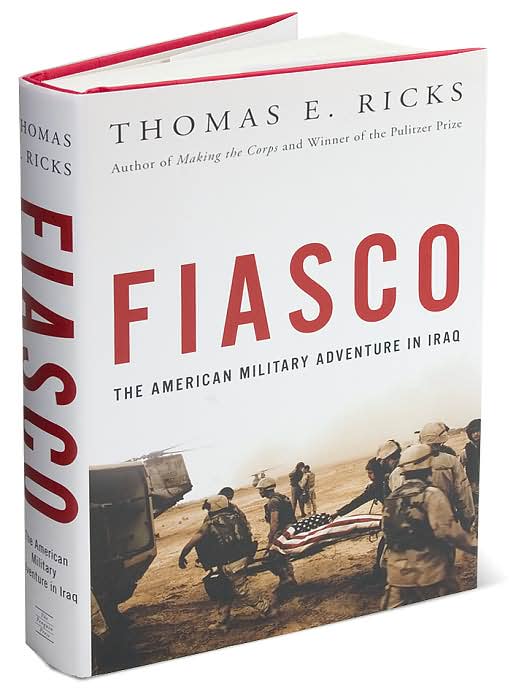
fiasco.jpgWe have hit bot­tom in Iraq. And you know it because the debates over Iraq (whether the war was just, whether we planned it ade­quate­ly, whether we have a mean­ing­ful exist strat­e­gy, etc.) have ground to a halt. The big defend­ers of the war effort have most­ly gone silent, or they’re no longer tak­en seri­ous­ly, and what we’re left with is a deficit of ideas all around. There are those who talk about stay­ing in Iraq, but can’t artic­u­late a cred­i­ble strat­e­gy for mov­ing for­ward. And those who talk about leav­ing, but can’t out­line how we’ll leave Iraq in a moral­ly defen­si­ble posi­tion. We hear a lot in the way of plat­i­tudes, lit­tle in the way of sub­stance.

This Fresh Air inter­view (stream it here) with Thomas Ricks, author of the best­seller Fias­co: The Amer­i­can Mil­i­tary Adven­ture in Iraq, helps fill the idea void a bit. (His book, by the way, comes out in paper­back lat­er this week.) Hav­ing recent­ly returned from Iraq, Ricks talks about the real options now avail­able to the US, and what steps the Bush admin­is­tra­tion will like­ly take dur­ing its last 18 months. Also, he dis­cuss­es how the Amer­i­can mil­i­tary has changed its m.o. in Iraq. Gone are the days when pol­i­tics dic­tat­ed a sun­ny out­look and no real plans. Now, adults are run­ning the show, and they’re get­ting a good deal more real­is­tic and prag­mat­ic. But even they rec­og­nize that this new­found wis­dom is com­ing per­haps too late.

Relat­ed Note: George Pack­er, the main jour­nal­ist who cov­ered the war effort for The New York­er, has recent­ly rolled out a blog for the mag­a­zine. It’s called “Inter­est­ing Times” and it’s sure to help fill the idea void as well. Give it a look here.

Want to down­load free cours­es from top uni­ver­si­ties? Check out this new pod­cast col­lec­tion.

Sub­scribe to Our Feed

by | Permalink | Make a Comment ( 2 ) |

The Decline and Fall of the Roman (and American?) Empire: A Free Audiobook

Edward Gib­bon’s The Decline and Fall of the Roman Empire – It’s a major work of the Enlight­en­ment, a book that shaped how we mod­erns write his­to­ry (and, for that mat­ter, how we aspire to write in the Eng­lish lan­guage), and it’s now avail­able as a free pod­cast thanks to Lib­rivox. Or at least Vol­ume 1 is. With a run­time of almost 20 hours, this audio­book — click to access indi­vid­ual files or the full zip file — will make it so that you’re not look­ing for the remain­ing vol­umes any time soon. But don’t wor­ry they’re even­tu­al­ly com­ing.

Pub­lished first in 1776, just as the US declared its inde­pen­dence from Eng­land, Gib­bon’s Decline and Fall looked to offer an empir­i­cal expla­na­tion for why Ancient Rome fell as a pow­er, and he gen­er­al­ly point­ed to a decline in civic virtue among its cit­i­zen­ry (why both­er fight­ing the Empire’s wars when you can get mer­ce­nar­ies to do it?) and to the rise of Chris­tian­i­ty (why wor­ry about Rome when a bet­ter life, an eter­nal after­life, awaits you?).

In part, Gib­bon’s work has endured because it speaks to ques­tions that mod­ern pow­ers have on their minds. What brings Empires down, and what (implic­it­ly) allows them to endure? These ques­tions have a cer­tain amount of rel­e­vance these days in an anx­ious US. And indeed Gib­bon’s name was imme­di­ate­ly invoked in a recent pod­cast that asked whether Amer­i­ca, today’s empire, is on the brink. (Click to lis­ten.) The par­al­lels between Gib­bon’s Rome and the con­tem­po­rary Unit­ed States have also been direct­ly explored by the pro­lif­ic, young Har­vard his­to­ri­an, Niall Fer­gu­son. You may want to check out his Octo­ber 2006 piece in Van­i­ty Fair, Empire Falls. And depend­ing on what you think, you can give time to his two books on Empire — the first (and bet­ter) one focus­es on the British Empire, and a sec­ond one devotes itself to the US.

Sub­scribe to Our Feed - See our com­plete col­lec­tion of audio­books

by | Permalink | Make a Comment ( 7 ) |

The High and Low Road of the Atheism Debate

These days, there is no short­age of pub­lic thinkers launch­ing a vig­or­ous defense of athe­ism. Most recent­ly, Christo­pher Hitchens has come out with God is Not Great. And, hold­ing true to form, he has used this book and relat­ed media cam­paign as an oppor­tu­ni­ty to fight out the ugly cul­ture wars once again. All of the expect­ed ingre­di­ents are there — the blus­ter, bad behav­ior, and gen­er­al unwill­ing­ness to engage in a civ­i­lized and sub­stan­tive debate. To get a quick taste of Hitchens’ M.O., just lis­ten to this NPR-ish inter­view. The longer the inter­view goes, the more he hits his stride.

On the upside, there is always Richard Dawkins. Yes, the man has strong opin­ions and can some­times sound smug. But you can’t deny this: he goes out there, takes the debate seri­ous­ly, thinks through the angles, and answers crit­ics’ ques­tions with crisp, intel­lec­tu­al­ly pre­cise argu­ments. It’s all a wel­comed reprieve from the style of debate that we’ve become accus­tomed to in the Unit­ed States. Below, you can get a lit­tle taste of what we’re talk­ing about, or click to watch the video here.

Watch “Live Earth” Live (Now)

Unless you’ve been liv­ing in a bunker some­where, you’ve prob­a­bly heard about Live Earth, a 24-hour, 7‑continent con­cert that’s been orga­nized to raise aware­ness about glob­al warm­ing and to inspire action on the envi­ron­men­tal front. You can watch these shows live by click­ing here. The con­certs in Asia are already under­way, and the West­ern Hemi­sphere shows will start tomor­row (Sat­ur­day). Thanks to Al Gore for pro­mot­ing this event and this impor­tant larg­er cause.

by | Permalink | Make a Comment ( 2 ) |

Michael Moore’s “Sicko” — Fox Likes It More Than Google?

For some, it came as no sur­prise that “Sicko,” Michael Moore’s lat­est film and crit­i­cal look at Amer­i­ca’s health­care sys­tem, got strong reviews at The Cannes Film Fes­ti­val. What else would you expect from Europe’s lefty intel­li­gentsia? Then there was this lit­tle curve­ball. The right-lean­ing Fox News also called the film “bril­liant and uplift­ing.” How like­ly is that? The odds are next to zero. But it hap­pened, and it says some­thing rather extra­or­di­nary about the film. (You can watch the trail­er for the movie on your iPod here.)

In the mean­time, Google has got­ten itself into a bit of a PR deba­cle with the release of Sicko. Last week, a Google employ­ee took the posi­tion on a Google health­care blog that “Moore’s film por­trays the indus­try as mon­ey and mar­ket­ing dri­ven, and fails to show healthcare’s inter­est in patient well-being and care.” And then she invit­ed the health­care indus­try to use Adwords, the com­pa­ny’s mon­ey-rak­ing ad plat­form, to show­case for the pub­lic all the good that they do for us. When Google got the inevitable blow­back, the cor­po­rate PR folks kicked things into gear. Soon enough, we were told that the Google employ­ee had been speak­ing out of turn and they released an adden­dum on their main cor­po­rate blog, which says some­thing and yet noth­ing at the same time. Where does Google real­ly stand on the issue? Who knows. They’re play­ing things pre­dictably safe, and that’s to be expect­ed when your com­pa­ny stands to gen­er­ate bil­lions of ad rev­enue from a mul­ti-tril­lion dol­lar indus­try. Mean­while where does Fox stand on all of this (and I am talk­ing about the com­pa­ny, rather than the indi­vid­ual film review­er cit­ed above)? Prob­a­bly nowhere good.

Below, you can find Michael Moore talk­ing with Bill Maher (HBO) about the health­care prob­lem that cuts across the polit­i­cal divide. Give it a good look, but bet­ter yet, go see the movie.

« Go BackMore in this category... »
Quantcast