Hayao Miyazaki’s Masterpieces Spirited Away and Princess Mononoke Imagined as 8‑Bit Video Games

As an unapolo­getic mem­ber of the “Mil­len­ni­al” gen­er­a­tion, allow me to tell you how to win over a great many of us at a stroke: just appeal to our long-instilled affin­i­ty for Japan­ese ani­ma­tion and clas­sic video games. Raised, like many of my peers born in the late 1970s and ear­ly 1980s, on a steady diet of those art forms — not that every­one knew to acknowl­edge them as art forms back then — I respond instinc­tive­ly to either of them, and as for their inter­sec­tion, well, how could I resist?

I cer­tain­ly can’t resist the ster­ling exam­ple of ani­me-meets-ret­rogam­ing in action just above: an 8‑Bit Cin­e­ma dou­ble-fea­ture, offer­ing David and Hen­ry Dut­ton’s pix­e­lat­ed ren­di­tions of huge­ly respect­ed Japan­ese ani­ma­tion mas­ter Hayao Miyaza­k­i’s films Spir­it­ed Away and Princess Mononoke. In just under eight min­utes, the video tells both sto­ries — the for­mer of a young girl trans­port­ed into not just the spir­it realm but into employ­ment at one of its bath­hous­es; the lat­ter of the unend­ing strug­gle between humans and for­est gods in 15th-cen­tu­ry Japan — as tra­di­tion­al side-scrolling, plat­form-jump­ing video games.

Clear­ly labors of love by true clas­sic gamers, these trans­for­ma­tions get not just the graph­ics (which actu­al­ly look bet­ter than real games of the era, in keep­ing with Miyaza­k­i’s artistry) but the sound, music, and even game­play con­ven­tions just right. I’d love to play real ver­sions of these games, espe­cial­ly since, apart from an unloved adap­ta­tion of Nau­si­caä of the Val­ley of the Wind, Miyaza­k­i’s movies haven’t plunged into the video-game realm.

And if you respond bet­ter to the aes­thet­ic of clas­sic gam­ing than to that of Japan­ese ani­ma­tion, do have a look at 8‑Bit Cin­e­ma’s oth­er work, much of which you can sam­ple in their show reel with clips from their ver­sions of pic­tures like The Shin­ingKill Bill, and The Life Aquat­ic with Steve Zis­sou. I remem­ber many child­hood con­ver­sa­tions about how video games would even­tu­al­ly look just like our favorite movies, ani­mat­ed or oth­er­wise; lit­tle did we know that, one day, our favorite movies would also look just like video games.

Relat­ed Con­tent:

Hayao Miyazaki’s Uni­verse Recre­at­ed in a Won­der­ful CGI Trib­ute

French Stu­dent Sets Inter­net on Fire with Ani­ma­tion Inspired by Moe­bius, Syd Mead & Hayao Miyaza­ki

The Simp­sons Pay Won­der­ful Trib­ute to the Ani­me of Hayao Miyaza­ki

The Delight­ful TV Ads Direct­ed by Hayao Miyaza­ki & Oth­er Stu­dio Ghi­b­li Ani­ma­tors (1992–2015)

The Phi­los­o­phy of Friedrich Niet­zsche Explained with 8‑Bit Video Games

8‑Bit Phi­los­o­phy: Pla­to, Sartre, Der­ri­da & Oth­er Thinkers Explained With Vin­tage Video Games

The Big Lebows­ki Reimag­ined as a Clas­sic 8‑Bit Video Game

The Great Gats­by and Wait­ing for Godot: The Video Game Edi­tions

Col­in Mar­shall writes on cities, lan­guage, Asia, and men’s style. He’s at work on a book about Los Ange­les, A Los Ange­les Primer, and the video series The City in Cin­e­ma. Fol­low him on Twit­ter at @colinmarshall or on Face­book.

The Films of Quentin Tarantino: Watch Video Essays on Pulp Fiction, Reservoir Dogs, Kill Bill & More

In the ten years between Reser­voir Dogs (1992) and Kill Bill (2003), Quentin Taran­ti­no was all some film fans could talk about, and who many up-and-com­ing direc­tors idol­ized and copied. But it would take anoth­er ten years for his films to be intel­li­gent­ly dis­cussed, and it’s a sign of these times that the best essays are not in print but in video for­mat.

Matt Zoller Seitz and his col­leagues over at Indiewire’s Press Play blog led the charge with a series of 10 ‑12 minute video essays (col­lec­tive­ly called “On the Q.T.”) that explore indi­vid­ual Taran­ti­no films and his approach to film­mak­ing.

The video above is part two of the series and probes what it means to be cool in Pulp Fic­tion, how char­ac­ters cre­ate their own mytholo­gies and what hap­pens when real­i­ty con­fronts them.

If that video makes you look at Pulp Fic­tion in a deep­er way, then you’ll enjoy the first in the series, on Reser­voir Dogs. Seitz claims the film is both a col­lage of film quotes and ref­er­ences, from City on Fire to The Killing, but there’s a human heart beat­ing beneath all of it. And that’s a les­son lost on all the imi­ta­tors that came in Tarantino’s ‘90s wake, he says.

You might also want to check out this two part essay (Part 1Part 2) on Jack­ie Brown – this one craft­ed by Press Play’s Odie Henderson–which exam­ines what Taran­ti­no took from Elmore Leonard in his only adap­ta­tion to date, and what is pure QT. (Hint: It’s the cast­ing of Pam Gri­er).

The final video in the series looks at the Female Arche­type vs. the God­dess in Kill Bill. Cre­at­ed by Nel­son Car­va­jal, who uses cap­tions instead of nar­ra­tion, it’s the weak­est in the series, being long on clips and short on ideas.

But with The Hate­ful Eight on the hori­zon, the entire series will get you ready for inter­pret­ing the lat­est in his oeu­vre.

Relat­ed con­tent:

Quentin Taran­ti­no Lists His 20 Favorite Spaghet­ti West­erns, Start­ing with The Good, the Bad, the Ugly

Quentin Taran­ti­no Super­cuts Explore the Director’s Styl­ized Use of Sound, Close Ups & Cars in His Films

My Best Friend’s Birth­day, Quentin Tarantino’s 1987 Debut Film

Ted Mills is a free­lance writer on the arts who cur­rent­ly hosts the FunkZone Pod­cast. You can also fol­low him on Twit­ter at @tedmills, read his oth­er arts writ­ing at tedmills.com and/or watch his films here.

Watch Neil deGrasse Tyson’s Clever Promo for Ridley Scott’s New Sci-Fi Film, The Martian

“Ever since our species first looked up at the sky, we dreamed of reach­ing Mars. Back in 2029, that dream became real, when the first humans stepped foot on the Red plan­et. And, in a few months, a new group of astro­nauts will make the jour­ney.…”

It all seems like many oth­er Neil deGrasse Tyson videos you’ve seen before. Until he says, “Back in 2029.” Wait, what?

Behold Neil deGrasse Tyson appear­ing in a clever pro­mo for Rid­ley Scot­t’s upcom­ing film The Mar­t­ian

Based on Andy Weir’s best­selling 2011 nov­el The Mar­t­ian, the movie will star Matt Damon as Mark Wat­ney, an astro­naut who goes on a big mis­sion to Mars — the one so stir­ring­ly described by Tyson above. But the jour­ney to Mars is not where the real action hap­pens, and we’ll just leave it at that. No spoil­ers here.

The film will hit the­aters in Octo­ber. You can watch an offi­cial trail­er here. And, in the mean­time, you can always lis­ten to Neil’s Star Talk Radio Show (ref­er­enced in the clip) any­time.

via Slate

Relat­ed Con­tent:

William Shat­ner Nar­rates Space Shut­tle Doc­u­men­tary

Astro­naut Reads The Divine Com­e­dy on the Inter­na­tion­al Space Sta­tion on Dante’s 750th Birth­day

Neil deGrasse Tyson Lists 8 (Free) Books Every Intel­li­gent Per­son Should Read

The Evolution of Batman in Cinema: From 1939 to Present

Bob Kane cre­at­ed Bat­man in 1939 as a way to ful­fill the public’s need for more com­ic book super­heroes in the wake of Super­man. And, by 1943, Bat­man made his way from pulpy print to the screen for first time.

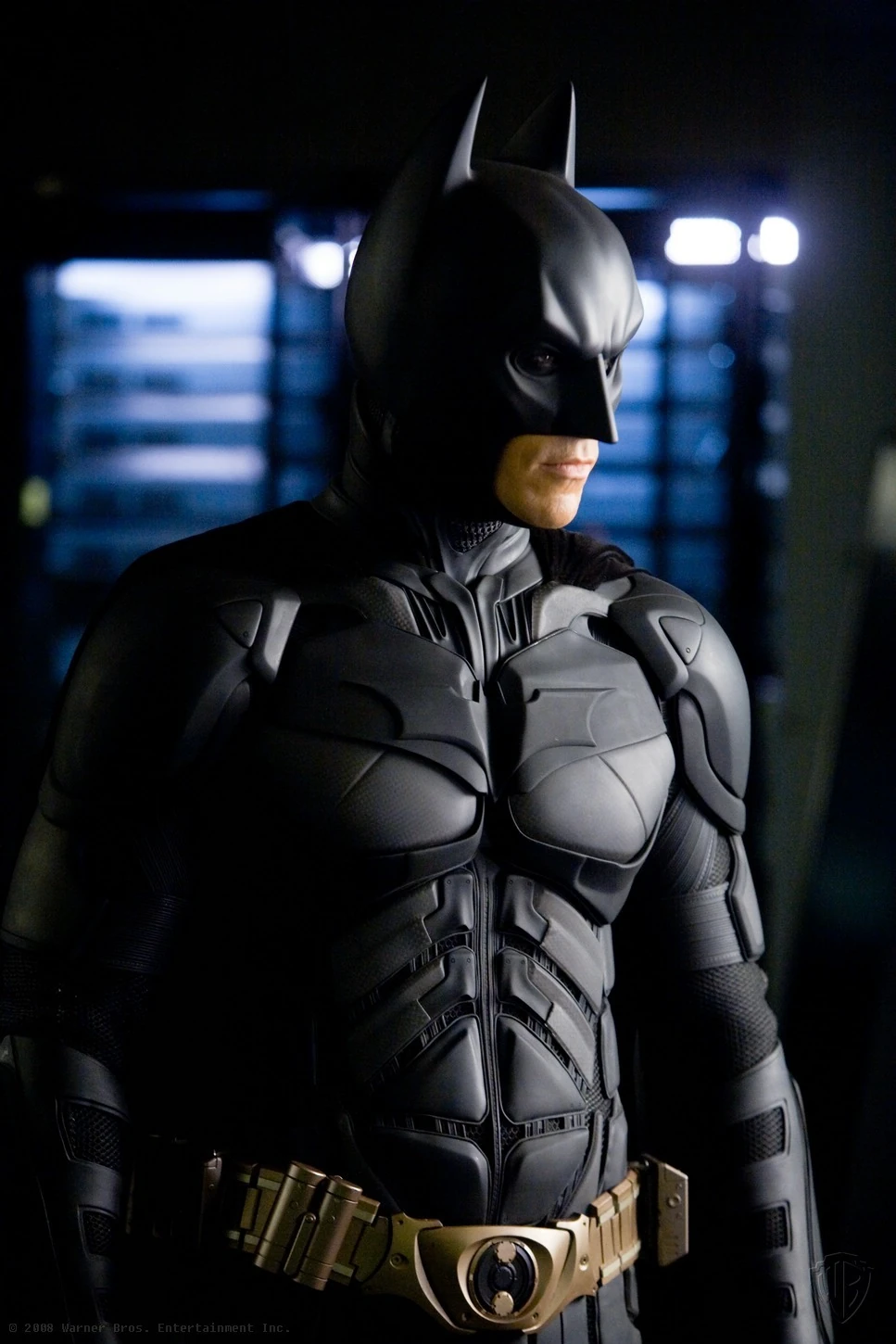
In this video trib­ute to the many looks of Bat­man through the ages, Jacob T. Swin­ney advances chrono­log­i­cal­ly, but also the­mat­i­cal­ly, focus­ing on the inter­play between Bat­man and his side­kick Robin; the fetishiza­tion of Batman’s tool belt; and the evo­lu­tion of his cos­tume from fab­ric (his clas­sic look up through the ’80s) to the BDSM-inspired rub­ber out­fits that have last­ed since Michael Keaton donned the sol­id black get-up through Chris­t­ian Bale’s inter­pre­ta­tion. (It does seem that Ben Affleck’s ver­sion will not devi­ate from this course, but add some armor. He will also con­tin­ue to perch on top of spires and tall build­ings and stand watch over the city.)

The oth­er evo­lu­tion worth notic­ing is in Batman’s voice, and what it says about America’s rela­tion­ship with author­i­ty. In the ear­ly seri­als up through Adam West’s icon­ic TV ver­sion, Bat­man speaks in clipped but enun­ci­at­ed tones, some­where in the region of news­cast­ers and G‑men. This con­nects Bat­man to the detec­tive part of his char­ac­ter and telegraphs his innate good­ness. But once Keaton takes on the role, Bat­man speaks in a low, grave­ly tone to suit his vig­i­lante ethos, designed for meet­ings in dark alleys. This is how we want our heroes now.

This “seri­ous” shift takes its cue from Frank Miller’s ground­break­ing The Dark Knight Returns com­ic book, which is ground zero for every super­hero film since that wears its grit­ty real­ism on its sleeve. This affect­ed speech reach­es its fair­ly ridicu­lous apoth­e­o­sis in Christo­pher Nolan’s The Dark Knight Ris­es, where both hero and vil­lain are incom­pre­hen­si­ble. The only thing left is par­o­dy, and that’s how we end this video, with Will Arnett’s voice ani­mat­ing the Lego Movie’s ver­sion of the super­hero: affect­ed, nar­cis­sis­tic, and believ­ing too much in his own myth.

Relat­ed con­tent:

Bat­man Stars in an Unusu­al Car­toon Adap­ta­tion of Dostoyevsky’s Crime and Pun­ish­ment

Slavoj Žižek’s Pervert’s Guide to Ide­ol­o­gy Decodes The Dark Knight and They Live

The Dark Knight: Anato­my of a Flawed Action Scene

Ted Mills is a free­lance writer on the arts who cur­rent­ly hosts the FunkZone Pod­cast. You can also fol­low him on Twit­ter at @tedmills, read his oth­er arts writ­ing at tedmills.com and/or watch his films here.

Marilyn Monroe Recounts Her Harrowing Experience in a Psychiatric Ward in a 1961 Letter

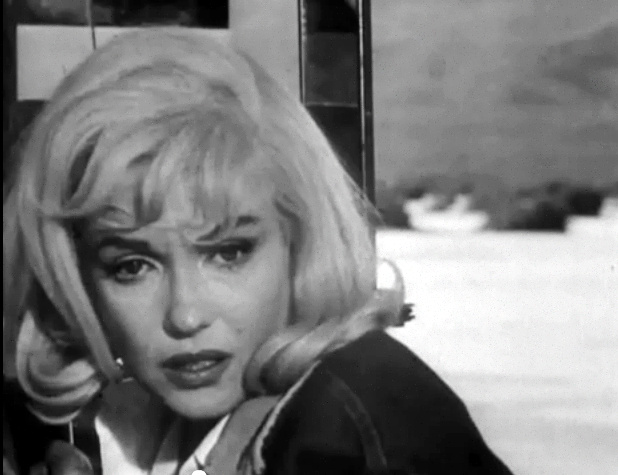
Marilyn_Monroe_in_The_Misfits_trailer_2

By the end of 1960, Mar­i­lyn Mon­roe was com­ing apart.

She spent much of that year shoot­ing what would be her final com­plet­ed movie – The Mis­fits (see a still from the trail­er above). Arthur Miller penned the film, which is about a beau­ti­ful, frag­ile woman who falls in love with a much old­er man. The script was pret­ty clear­ly based on his own trou­bled mar­riage with Mon­roe. The pro­duc­tion was by all accounts spec­tac­u­lar­ly pun­ish­ing. Shot in the deserts of Neva­da, the tem­per­a­ture on set would reg­u­lar­ly climb north of 100 degrees. Direc­tor John Hus­ton spent much of the shoot rag­ing­ly drunk. Star Clark Gable dropped dead from a heart attack less than a week after pro­duc­tion wrapped. And Mon­roe watched as her hus­band, who was on set, fell in love with pho­tog­ra­ph­er Inge Morath. Nev­er one blessed with con­fi­dence or a thick skin, Mon­roe retreat­ed into a daze of pre­scrip­tion drugs. Mon­roe and Miller announced their divorce on Novem­ber 11, 1960.

A few months lat­er, the emo­tion­al­ly exhaust­ed movie star was com­mit­ted by her psy­cho­an­a­lyst Dr. Mar­i­anne Kris to the Payne Whit­ney Psy­chi­atric Clin­ic in New York. Mon­roe thought she was going in for a rest cure. Instead, she was escort­ed to a padded cell. The four days she spent in the psych ward proved to be among the most dis­tress­ing of her life.

In a riv­et­ing 6‑page let­ter to her oth­er shrink, Dr. Ralph Green­son, writ­ten soon after her release, she detailed her ter­ri­fy­ing expe­ri­ence.

There was no empa­thy at Payne-Whit­ney — it had a very bad effect — they asked me after putting me in a “cell” (I mean cement blocks and all) for very dis­turbed depressed patients (except I felt I was in some kind of prison for a crime I had­n’t com­mit­ted. The inhu­man­i­ty there I found archa­ic. They asked me why I was­n’t hap­py there (every­thing was under lock and key; things like elec­tric lights, dress­er draw­ers, bath­rooms, clos­ets, bars con­cealed on the win­dows — the doors have win­dows so patients can be vis­i­ble all the time, also, the vio­lence and mark­ings still remain on the walls from for­mer patients). I answered: “Well, I’d have to be nuts if I like it here.”

Mon­roe quick­ly became des­per­ate.

I sat on the bed try­ing to fig­ure if I was giv­en this sit­u­a­tion in an act­ing impro­vi­sa­tion what would I do. So I fig­ured, it’s a squeaky wheel that gets the grease. I admit it was a loud squeak but I got the idea from a movie I made once called “Don’t Both­er to Knock”. I picked up a light-weight chair and slammed it, and it was hard to do because I had nev­er bro­ken any­thing in my life — against the glass inten­tion­al­ly. It took a lot of bang­ing to get even a small piece of glass — so I went over with the glass con­cealed in my hand and sat qui­et­ly on the bed wait­ing for them to come in. They did, and I said to them “If you are going to treat me like a nut I’ll act like a nut”. I admit the next thing is corny but I real­ly did it in the movie except it was with a razor blade. I indi­cat­ed if they did­n’t let me out I would harm myself — the fur­thest thing from my mind at that moment since you know Dr. Green­son I’m an actress and would nev­er inten­tion­al­ly mark or mar myself. I’m just that vain.

Dur­ing her four days there, she was sub­ject­ed to forced baths and a com­plete loss of pri­va­cy and per­son­al free­dom. The more she sobbed and resist­ed, the more the doc­tors there thought she might actu­al­ly be psy­chot­ic. Monroe’s sec­ond hus­band, Joe DiMag­gio, res­cued her by get­ting her released ear­ly, over the objec­tions of the staff.

You can read the full let­ter (where she also talks about read­ing the let­ters of Sig­mund Freud) over at Let­ters of Note. And while there, make sure you pick up a copy of the very ele­gant Let­ters of Note book.

Relat­ed Con­tent:

The 430 Books in Mar­i­lyn Monroe’s Library: How Many Have You Read?

Mar­i­lyn Mon­roe Reads Joyce’s Ulysses at the Play­ground (1955)

Mar­i­lyn Mon­roe Reads Walt Whitman’s Leaves of Grass (1952)

Mar­i­lyn Mon­roe Explains Rel­a­tiv­i­ty to Albert Ein­stein (in a Nico­las Roeg Movie)

Jonathan Crow is a Los Ange­les-based writer and film­mak­er whose work has appeared in Yahoo!, The Hol­ly­wood Reporter, and oth­er pub­li­ca­tions. You can fol­low him at @jonccrow. And check out his blog Veep­to­pus, fea­tur­ing lots of pic­tures of vice pres­i­dents with octo­pus­es on their heads.  The Veep­to­pus store is here.

Watch the Behind-the-Scenes Blade Runner Promo Film … Created to Prevent a Box Office Flop (1982)

I have a con­fes­sion to make. This may anger some peo­ple, but I have to get it off my chest. I actu­al­ly like the Har­ri­son Ford voiceover in the 1983 the­atri­cal release of Blade Run­ner, though I do revile the hokey, hap­py end­ing. I guess I’m in pret­ty good com­pa­ny. Even the movie’s screen­writer, Hamp­ton Fanch­er, went on record to say “the old voiceover in the first ver­sion I sort of like bet­ter than all the rest of them.” In this regard, Fanch­er and I exist in what Col­in Mar­shall called “a curi­ous minor­i­ty” in a recent post on yet anoth­er recut of Blade Run­ner, a defin­i­tive ref­er­ence for almost every android/robot/AI movie made since.

It’s okay to like the the­atri­cal cut, or the 1992 director’s cut, or the 2007 “final cut”—let a thou­sand Blade Run­ner fan­doms bloom, I say, as long as the film remains a crit­i­cal ref­er­ence for sci-fi cin­e­ma for many years to come. But part of the rea­son for all these lat­er ver­sions, besides that tacked-on end­ing, is the voiceover, which direc­tor Rid­ley Scott hat­ed, and Har­ri­son Ford hat­ed, and even the stu­dio exec­u­tives, who forced him to record it, hat­ed. The stu­dio hat­ed almost every­thing about the movie, and the crit­ics were most­ly unim­pressed. Siskel called it “a waste of time”; Ebert gave it an unen­thu­si­as­tic thumbs up. (Philip K. Dick, on the oth­er hand, made some prophet­ic pre­dic­tions based on the lit­tle he saw of the film.)

Audi­ences didn’t cozy up to Blade Run­ner either. They went to see E.T. instead. Blade Run­ner opened at the box office with a dis­ap­point­ing $6 mil­lion week­end. Sens­ing all this trou­ble even before the film’s release, exec­u­tives com­mis­sioned M.K. Pro­duc­tions to shoot the pro­mo­tion­al film above, a behind-the-scenes short doc­u­men­tary that cir­cu­lat­ed at hor­ror and sci-fi con­ven­tions in 1982. Intro­duced by a bored-look­ing Rid­ley Scott (and some cheesy sev­en­ties funk), the 16mm short gave poten­tial fans a glimpse of Blade Run­ner’s heav­i­ly Tokyo-accent­ed future Los Ange­les, its clas­sic noir plot ele­ments, and its visu­al effects by mas­ter­minds Syd Mead and Dou­glas Trum­bull, both of whom appear here.

Those of us fans now liv­ing in the future may find the footage of the movie’s pro­duc­tion and the detailed expla­na­tions of its set design fas­ci­nat­ing. It’s hard to know what the orig­i­nal view­ers of this extend­ed trailer/promotional vehi­cle might have thought, though it clear­ly did­n’t move enough of them to fill the the­ater seats. I can imag­ine, though, that many a sci­ence fic­tion lover and Blade Run­ner fan who missed the movie’s first run might regret it now. Voiceover, sap­py end­ing and all, it would have been a treat to be one of the first to see this now ubiquitous—and deserved­ly so—sci-fi detec­tive sto­ry.

Relat­ed Con­tent:

Blade Run­ner: The Pil­lar of Sci-Fi Cin­e­ma that Siskel, Ebert, and Stu­dio Execs Orig­i­nal­ly Hat­ed

Blade Runner’s Minia­ture Props Revealed in 142 Behind-the-Scenes Pho­tos

Philip K. Dick Pre­views Blade Run­ner: “The Impact of the Film is Going to be Over­whelm­ing” (1981)

Josh Jones is a writer and musi­cian based in Durham, NC. Fol­low him at @jdmagness

Kickstart a Documentary on Emily Dickinson, Narrated by Cynthia Nixon

Lat­er this year, Hur­ri­cane Films will release A Qui­et Pas­sion, a film about Emi­ly Dick­in­son, which will be direct­ed by Ter­ence Davies and star Cyn­thia Nixon as the great Amer­i­can poet.

But that’s not where their ambi­tions end. If they can get your sup­port on Kick­starter, Hur­ri­cane Films also hopes to make a doc­u­men­tary (nar­rat­ed by Nixon) that will take every­one deep­er into Dick­in­son’s life & times. You can learn more about the promis­ing film–tentatively to be called Phos­pho­res­cence: A Film about the Life of Emi­ly Dick­in­son–in the video above, or the text down below. Please note: If you’re inclined to sup­port this kind of enrich­ing project, please do so now. There are only a few short days left in the Kick­starter cam­paign:

The doc­u­men­tary will be an essen­tial com­pan­ion piece to the nar­ra­tive. Nar­rat­ed by Cyn­thia Nixon (who plays Emi­ly in the fea­ture film) PHOSPHORESCENCE will take us on a jour­ney through the sea­sons of Emi­ly’s life in mid 1800’s New Eng­land as we engage with her pas­sion­ate rela­tion­ships via her let­ters and poems. Emily’s deep love of hor­ti­cul­ture and music as well as her close­ness to her fam­i­ly and friends will form a rich tapes­try — com­bin­ing ele­ments of a nat­ur­al his­to­ry film and a Koy­aanisqat­si-esque trav­el­ogue. Togeth­er with an ensem­ble cast of high­ly rec­og­nized actors lend­ing their voic­es to her many cor­re­spon­dences not dis­sim­i­lar in tone and feel to Ken Burns’ Amer­i­can Civ­il War. And with the dif­fer­ing views and inter­pre­ta­tions of her poet­ry by con­tem­po­rary experts we aim to weave a sto­ry that will both sur­prise, delight and throw light on some con­tro­ver­sial opin­ion from unex­pect­ed quar­ters.

The doc­u­men­tary will endeav­or to reflect qual­i­ties inspired by its sub­ject, Emi­ly Dick­in­son – deft words, pas­sion­ate beliefs, sear­ing indi­vid­u­al­i­ty and a great sto­ry well told. The film has the sup­port of the Emi­ly Dick­in­son Muse­um and will be com­plet­ed in mid 2016.

Get more infor­ma­tion and make a con­tri­bu­tion over on Kick­starter.

If you would like to sup­port the mis­sion of Open Cul­ture, con­sid­er mak­ing a dona­tion to our site. It’s hard to rely 100% on ads, and your con­tri­bu­tions will help us con­tin­ue pro­vid­ing the best free cul­tur­al and edu­ca­tion­al mate­ri­als to learn­ers every­where. You can con­tribute through Pay­Pal, Patre­on, and Ven­mo (@openculture). Thanks!

Relat­ed Con­tent:

The Online Emi­ly Dick­in­son Archive Makes Thou­sands of the Poet’s Man­u­scripts Freely Avail­able

Emi­ly Dickinson’s Hand­writ­ten Coconut Cake Recipe Hints at How Bak­ing Fig­ured Into Her Cre­ative Process

The Sec­ond Known Pho­to of Emi­ly Dick­in­son Emerges

Watch an Ani­mat­ed Film of Emi­ly Dickinson’s Poem ‘I Start­ed Early–Took My Dog’

Free Online Lit­er­a­ture Cours­es

Watch Vincent, Tim Burton’s Animated Tribute to Vincent Price & Edgar Allan Poe (1982)

If you put togeth­er a list of the world’s great­est Vin­cent Price fans, you’d have to rank Tim Bur­ton at the top. That goes for “great­est” in the sense of both the fer­ven­cy of the fan’s enthu­si­asm for all things Price, and for the fan’s accom­plish­ments in his own right. Bur­ton’s film­mak­ing craft and his admi­ra­tion for the mid­cen­tu­ry hor­ror-film icon inter­sect­ed ear­ly in his career, when he made the six-minute ani­mat­ed film Vin­cent for Dis­ney in 1982, three years before his fea­ture debut Pee-Wee’s Big Adven­ture.

The short­’s title refers not to Vin­cent Price him­self, but to its sev­en-year-old pro­tag­o­nist, Vin­cent Mal­loy: “He’s always polite and does what he’s told. For a boy his age, he’s con­sid­er­ate and nice. But he wants to be just like Vin­cent Price.” Those words of nar­ra­tion — as if you could­n’t tell after the first one spo­ken — come in the voice of Price him­self. Vin­cent Mal­loy, pale of com­plex­ion and untamed of hair, sure­ly resem­bles Bur­ton’s child­hood self, and in more aspects than appear­ance: the film­mak­er grants the char­ac­ter his own idol­a­try not just of Price but of Edgar Allan Poe, and it’s into their macabre mas­ter­works that his day­dream­ing sends him — just as they pre­sum­ably sent the sev­en-year-old Bur­ton.

Bur­ton and Price’s col­lab­o­ra­tion on Vin­cent marked the begin­ning of a friend­ship that last­ed the rest of Price’s life. The appre­cia­tive actor called the short “the most grat­i­fy­ing thing that ever hap­pened,” and the direc­tor would go on to cast him in Edward Scis­sorhands eight years lat­er. Price died in 1993, the year before the release of Ed Wood, Bur­ton’s dra­ma­tized life of Edward D. Wood Jr. In that film, the rela­tion­ship between semi-retired hor­ror actor Bela Lugosi and the admir­ing schlock auteur Wood par­al­lels, in a way, that of the more endur­ing­ly suc­cess­ful Price and the much more com­pe­tent Bur­ton.

Vin­cent also drops hints of oth­er things to come in the Bur­toni­verse: Night­mare Before Christ­mas fans, for instance, should keep their eyes open for not one but two ear­ly appear­ances of that pic­ture’s bony cen­tral play­er Jack Skelling­ton. This demon­stra­tion of the con­ti­nu­ity of Bur­ton’s imag­i­na­tion under­scores that, as both his biggest fans and biggest crit­ics insist, he’s always lived in a world of his own — prob­a­bly since Vin­cent Mal­loy’s age, when teach­ers and oth­er author­i­ty fig­ures might have described him in exact­ly the same way.

Relat­ed Con­tent:

4,000+ Free Movies Online: Great Clas­sics, Indies, Noir, West­erns, Doc­u­men­taries & More

Six Ear­ly Short Films By Tim Bur­ton

Tim Burton’s The World of Stain­boy: Watch the Com­plete Ani­mat­ed Series

How Ger­man Expres­sion­ism Influ­enced Tim Bur­ton: A Video Essay

Edgar Allan Poe’s “The Raven,” Read by Christo­pher Walken, Vin­cent Price, and Christo­pher Lee

5 Hours of Edgar Allan Poe Sto­ries Read by Vin­cent Price & Basil Rath­bone

Col­in Mar­shall writes on cities, lan­guage, Asia, and men’s style. He’s at work on a book about Los Ange­les, A Los Ange­les Primer, and the video series The City in Cin­e­ma. Fol­low him on Twit­ter at @colinmarshall or on Face­book.

« Go BackMore in this category... »
Quantcast