Hear Johnny Cash Deliver Lincoln’s Gettysburg Address

Four score and sev­en years ago…

It goes on from there.

If you’re a bit rusty on Abra­ham Lincoln’s Get­tys­burg Address, lis­ten to singer John­ny Cash recite the famous­ly brief speech in its entire­ty, above, from his Amer­i­ca: A 200-Year Salute in Sto­ry and Song album. (The acoustic gui­tar accom­pa­ni­ment is by long time Cash col­lab­o­ra­tor, Nor­man Blake.)

A lit­tle back­ground for those in need of a refresh­er: Lin­coln deliv­ered the speech in Novem­ber 1863, at the ded­i­ca­tion of the Nation­al Ceme­tery in Get­tys­burg, Penn­syl­va­nia.

Four months ear­li­er, rough­ly 10,000 Con­fed­er­ate and Union sol­diers perished—and anoth­er 30,000 were wounded—during three days of fight­ing in the area. The Bat­tle of Get­tys­burg end­ed in a major vic­to­ry for the North, though Lin­coln was frus­trat­ed that Gen­er­al George Meade failed to pur­sue Robert E. Lee’s retreat­ing forces. (Whether or not such a move could have short­ened the war is a mat­ter of some debate.)

Lin­coln wel­comed the invi­ta­tion to the cemetery’s ded­i­ca­tion as a chance to frame the sig­nif­i­cance of the war in terms of the Dec­la­ra­tion of Inde­pen­dence. Slave own­ers fre­quent­ly cit­ed the con­sti­tu­tion­al­i­ty of their actions, for unlike the Dec­la­ra­tion, the Con­sti­tu­tion did not hold that all men were cre­at­ed equal.

The day’s oth­er speak­er, for­mer Har­vard Pres­i­dent and Sec­re­tary of State Edward Everett, praised  the “elo­quent sim­plic­i­ty & appro­pri­ate­ness” of the pres­i­den­t’s two minute speech, per­haps blush­ing a bit, giv­en that he him­self had held the podi­um for two hours.

A year and a half lat­er, when Lin­coln was assas­si­nat­ed, Sen­a­tor Charles Sum­n­er of Mass­a­chu­setts summed it up:

That speech, uttered at the field of Gettysburg…and now sanc­ti­fied by the mar­tyr­dom of its author, is a mon­u­men­tal act. In the mod­esty of his nature he said “the world will lit­tle note, nor long remem­ber what we say here; but it can nev­er for­get what they did here.” He was mis­tak­en. The world at once not­ed what he said, and will nev­er cease to remem­ber it.

(How sor­ry those gen­tle­man would be to learn just how lit­tle most Amer­i­cans today know of the  the Bat­tle of Get­tys­burg. Fear not, though. A restored ver­sion of Ken Burns’ Civ­il War doc­u­men­tary is com­ing to PBS this fall.)

Please note that Lincoln’s brief remarks were care­ful­ly pre­pared, and not scrib­bled on the back of an enve­lope dur­ing the train ride that took him to Get­tys­burg. As a nation, we love folksy ori­gin sto­ries, and depend­ing on the size of one’s pen­man­ship, it is indeed pos­si­ble to fit 272 words on an enve­lope, but it’s a myth… no mat­ter what John­ny Cash may say in his intro­duc­tion.

PS — If you would like to com­mit the Get­tys­burg Address to mem­o­ry, try singing it to the tune of “I’m Yours” by Jason Mraz. No doubt Pro­fes­sor Lyn­da Bar­ry would approve.

Relat­ed Con­tent:

The Poet­ry of Abra­ham Lin­coln

Res­ur­rect­ing the Sounds of Abra­ham Lin­coln in Steven Spielberg’s New Biopic

Ani­mat­ed Video: John­ny Cash Explains Why Music Became a Reli­gious Call­ing

Ayun Hal­l­i­day is an author, illus­tra­tor, and Chief Pri­ma­tol­o­gist of the East Vil­lage Inky zine. Fol­low her @AyunHalliday

1.5 Million Slavery Era Documents Will Be Digitized, Helping African Americans to Learn About Their Lost Ancestors

discoverfreedmen

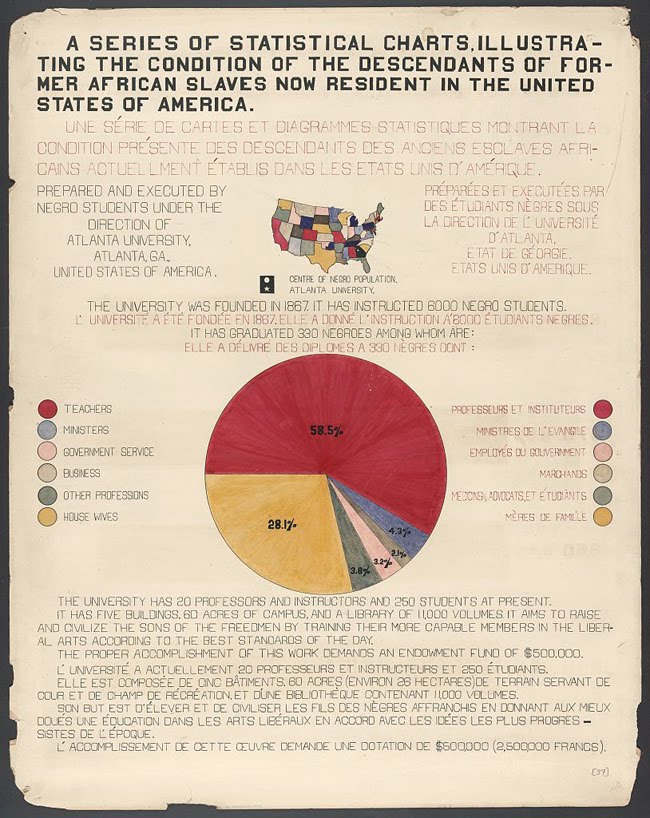
The Freedmen’s Bureau Project — a new ini­tia­tive spear­head­ed by the Smith­son­ian, the Nation­al Archives, the Afro-Amer­i­can His­tor­i­cal and Genealog­i­cal Soci­ety, and the Church of Jesus Christ of Lat­ter-Day Saints — will make avail­able online 1.5 mil­lion his­tor­i­cal doc­u­ments, final­ly allow­ing descen­dants of for­mer African-Amer­i­can slaves to learn more about their fam­i­ly roots. Near the end of the US Civ­il War, The Freedmen’s Bureau was cre­at­ed to help new­ly-freed slaves find their foot­ing in post­bel­lum Amer­i­ca.

The Bureau “opened schools to edu­cate the illit­er­ate, man­aged hos­pi­tals, rationed food and cloth­ing for the des­ti­tute, and even sol­em­nized mar­riages.” And, along the way, the Bureau gath­ered hand­writ­ten records on rough­ly 4 mil­lion African Amer­i­cans. Now, those doc­u­ments are being dig­i­tized with the help of vol­un­teers, and, by the end of 2016, they will be made avail­able in a search­able data­base at discoverfreedmen.org.

Accord­ing to Hol­lis Gen­try, a Smith­son­ian geneal­o­gist, this archive “will give African Amer­i­cans the abil­i­ty to explore some of the ear­li­est records detail­ing peo­ple who were for­mer­ly enslaved,” final­ly giv­ing us a sense “of their voice, their dreams.”

You can learn more about the project by watch­ing the video below, and you can vol­un­teer your own ser­vices here.

via The Guardian

Relat­ed Con­tent:

Visu­al­iz­ing Slav­ery: The Map Abra­ham Lin­coln Spent Hours Study­ing Dur­ing the Civ­il War

The Civ­il War and Recon­struc­tion: A Free Course

Twelve Years a Slave: Free eBook and Audio Book of the Mem­oir Behind the Film (1853)

“Ask a Slave” by Azie Dungey Sets the His­tor­i­cal Record Straight in a New Web Series

Free Online His­to­ry Cours­es

by | Permalink | Make a Comment ( 68 ) |

Discovered: The Only Known Picture of Vincent Van Gogh as an Adult Artist? (Maybe, Maybe Not)

vangoghphoto3

Close your eyes for a moment and pic­ture the artist Vin­cent Van Gogh. What do you see?

Prob­a­bly one of the pro­lif­ic post-Impressionist’s self-por­traits. That’s all well and good, but who else did you see?

Kirk Dou­glas?

Indie dar­ling (and Incred­i­ble Hulk adver­sary) Tim Roth?

Direc­tor Mar­tin Scors­ese?

Thanks to the recent­ly dis­cov­ered pho­to­graph at the top of this arti­cle, we may soon have the option of pic­tur­ing the actu­al Vin­cent Van Gogh as an adult artist. As Petapix­el tells us, he sat for por­traits at age 13, and again as a 19-year-old gallery appren­tice (below), but beyond that no pho­to­graph­ic evi­dence of the cam­era-shy artist was known to exist.

640px-VincentVanGoghFoto

Excit­ing!

That’s Paul Gau­guin on the far right. Oth­ers at the table include Emile Bernard and Arnold Kon­ing, politi­cian Felix Duval and actor-direc­tor André Antoine. But who is the beard­ed man smok­ing the pipe?

Van Gogh?

So thought the two col­lec­tors who pur­chased the small 1887 pho­to at a house sale a cou­ple of years ago. Serge Plan­tureux, an anti­quar­i­an book­seller and pho­tog­ra­phy expert who exam­ined their find was opti­mistic enough to help them with fur­ther research, as he not­ed in the French mag­a­zine, L’Oeil de la Pho­togra­phie:

I didn’t want to start doing what Amer­i­cans call “wish­ful think­ing,” that trap into which col­lec­tors and researchers fall, where their rea­son­ing is gov­erned only by what they want to see.

Don’t ditch Dou­glas, Roth, and Scors­ese just yet, how­ev­er. Experts at Amsterdam’s Van Gogh Muse­um say the beard­ed fel­low can­not be the artist. Accord­ing to them, there’s not even much of a resem­blance. He wasn’t so much cam­era shy, as dead­ly opposed to the pho­to­graph­ic medi­um. His refusal to be pho­tographed was an act of resis­tance.

That kind of puts a damper on things…

So.. no go Van Gogh? Oh well…vive la pho­to nou­velle­ment décou­verte de Paul Gau­guin (and friends)!


Relat­ed Con­tent:

The Unex­pect­ed Math Behind Van Gogh’s “Star­ry Night”

Simon Schama Presents Van Gogh and the Begin­ning of Mod­ern Art

Van Gogh’s ‘Star­ry Night’ Re-Cre­at­ed by Astronomer with 100 Hub­ble Space Tele­scope Images

Ayun Hal­l­i­day is an author, illus­tra­tor, and Chief Pri­ma­tol­o­gist of the East Vil­lage Inky zine. Fol­low her @AyunHalliday

The Art of The Black Panthers: A Short Documentary on the Revolutionary Artist Emory Douglas

Known as the Rev­o­lu­tion­ary Artist by his fel­low Black Pan­thers and offi­cial­ly titled their Min­is­ter of Cul­ture, Emory Dou­glas pro­vid­ed the strik­ing visu­als and designed the lay­out to the news­pa­per that bore the organization’s name when it pre­miered in 1967. In this short but insight­ful doc­u­men­tary by the out­fit known as Dress Code, Dou­glas looks back at his time with Eldridge Cleaver, Huey P. New­ton and the oth­er Pan­thers dur­ing that most tumul­tuous decade and a half.

Dou­glas reminds us that San Fran­cis­co was seg­re­gat­ed just as much as the South dur­ing the ear­li­er part of the 20th cen­tu­ry and that police bru­tal­i­ty was, well, just like today, but with­out cell phone cam­eras. Iron­i­cal­ly, it was because Dou­glas went to juve­nile deten­tion (he first got arrest­ed at 13 years old) that he learned screen­print­ing in the print shop there, prim­ing him to help Cleaver start up the The Black Pan­ther news­pa­per in his apart­ment.

Dou­glas’ graph­ic design style was born from necessity–thick black lines did not let col­or seep out as much in the print­ing, and talk­ing about col­or, he could only afford one or two. Pro­fes­sor Colette Gaiter called Dou­glas the “Nor­man Rock­well of the ghet­to,” afford­ing the poor and oppressed a nor­mal­cy in its depic­tions usu­al­ly giv­en to the mid­dle class. And although pigs had sym­bol­ized pow­er, greed and cor­rup­tion long before Dou­glas was born, it was his depic­tion of cops and oth­er author­i­ty fig­ures as anthro­po­mor­phic swine that has stuck with us to this day.

At its height, The Black Pan­ther news­pa­per had a week­ly cir­cu­la­tion of 400,000, but in the ear­ly ‘80s, Dou­glas stepped down as design­er. He has nev­er stopped work­ing for social jus­tice and by the 2000s, his huge body of work began to tour gal­leries and muse­ums, admired for its tech­nique and beau­ty, along with its mes­sage.

A cri­tique of Dress Code’s doc­u­men­tary is that it only affords us sliv­ers of Dou­glas’ art–zoomed in and ani­mat­ed.

This oth­er doc from a 2008 stu­dio vis­it pro­vides a bit more con­text, and for those who would like to see the art along­side the essays, calls to action, and col­lages in the orig­i­nal issues, there are plen­ty of them scanned online for you to read.

via Boing­Bo­ing

Relat­ed Con­tent:

Kick­start the The­atri­cal Release of the First Com­pre­hen­sive Black Pan­ther Par­ty Doc­u­men­tary

Mal­colm X, Debat­ing at Oxford, Quotes Shakespeare’s Ham­let (1964)

Wattstax Doc­u­ments the “Black Wood­stock” Con­cert Held 7 Years After the Watts Riots (1973)

Ted Mills is a free­lance writer on the arts who cur­rent­ly hosts the FunkZone Pod­cast. You can also fol­low him on Twit­ter at @tedmills, read his oth­er arts writ­ing at tedmills.com and/or watch his films here.

The Staggering Human Cost of World War II Visualized in a Creative, New Animated Documentary

“More peo­ple died in World War II than any oth­er war in his­to­ry,” explains Neil Hal­lo­ran in The Fall­en of World War II. In his 15-minute film, Hal­lo­ran uses inno­v­a­tive data visu­al­iza­tion tech­niques to put the human cost of WW II into per­spec­tive, show­ing how some 70 mil­lion lives were lost with­in civil­ian and mil­i­tary pop­u­la­tions across Europe and Asia, from 1939 to 1945. As one com­menter put it, “One mil­lion, six mil­lion, sev­en­ty mil­lion. Spo­ken or writ­ten, these num­bers become … incom­pre­hen­si­ble. Pre­sent­ed graph­i­cal­ly, they hit clos­er to the heart. As the Sovi­et loss­es climbed, I thought my brows­er had become frozen. Sure­ly the top of the col­umn must have been reached by now, I thought.” He’s refer­ring to the stag­ger­ing num­ber of Sovi­ets who died fight­ing the Nazis. If you fast for­ward to the 6‑minute mark above, you can see what he means.

The video comes accom­pa­nied by an inter­ac­tive web­site, where users can “pause dur­ing key moments to inter­act with the charts and dig deep­er into the num­bers.” To use this inter­ac­tive web­site, you will need a fair­ly new com­put­er and a mod­ern brows­er.

You can con­tribute mon­ey and sup­port the ongo­ing Fall­en of World War II project here.

If you would like to sign up for Open Culture’s free email newslet­ter, please find it here. It’s a great way to see our new posts, all bun­dled in one email, each day.

If you would like to sup­port the mis­sion of Open Cul­ture, con­sid­er mak­ing a dona­tion to our site. It’s hard to rely 100% on ads, and your con­tri­bu­tions will help us con­tin­ue pro­vid­ing the best free cul­tur­al and edu­ca­tion­al mate­ri­als to learn­ers every­where. You can con­tribute through Pay­Pal, Patre­on, and Ven­mo (@openculture). Thanks!

Relat­ed Con­tent:

Free Online His­to­ry Cours­es

Watch World War II Rage Across Europe in a 7 Minute Time-Lapse Film: Every Day From 1939 to 1945

31 Rolls of Film Tak­en by a World War II Sol­dier Get Dis­cov­ered & Devel­oped Before Your Eyes

Dra­mat­ic Col­or Footage Shows a Bombed-Out Berlin a Month After Germany’s WWII Defeat (1945)

by | Permalink | Make a Comment ( 24 ) |

The Art of Collotype: See a Near Extinct Printing Technique, as Lovingly Practiced by a Japanese Master Craftsman

When I was a kid,  I spent a lot of time at the Indi­anapo­lis Star, where my moth­er worked in what was then referred to as the “women’s pages.” She kept me busy return­ing the pho­tos that accom­pa­nied mar­riage and engage­ment announce­ments, using the SASEs the young brides had sup­plied. After that, I’d hit the print­ing floor, where vet­er­an work­ers sport­ed square caps fold­ed from the pre­vi­ous day’s edi­tion, as that day’s issue clacked on tracks over­head. If I was lucky, some­one would make me a gift of my name, set in hot type.

The Star still pub­lish­es — I shud­der to report that its web­site seems to have renamed it IndyS­tar… — but cul­tur­al and dig­i­tal advances have rel­e­gat­ed all of the par­tic­u­lars men­tioned above to the scrap pile.

They came rush­ing back with wild, Prous­t­ian urgency when Osamu Yamamo­to, a mas­ter print­er at Ben­ri­do Col­lo­type Ate­lier in Kyoto, men­tions the smell of the ink, in the short doc­u­men­tary above, how over the years, it has seeped into his skin, and become a part of his being.

Col­lo­type, defined by the Get­ty Con­ser­va­tion Insti­tute as “a screen­less pho­to­me­chan­i­cal process that allows high-qual­i­ty prints from con­tin­u­ous-tone pho­to­graph­ic neg­a­tives,” has been on the way out since the 70s. As mas­ter print­er Yamamo­to notes, it’s a low-effi­cien­cy, small batch oper­a­tion, involv­ing messy matrix­es, hand-oper­at­ed press­es, and heavy iron machines that give off a sort of ani­mal warmth when work­ing.

Rather than pressmen’s caps, Ben­ri­do’s shirt­less print­ers wear hachi­ma­ki, rub­ber aprons, and pur­ple dis­pos­able gloves.

Film­mak­er Fritz Schu­mann (whose film on the old­est hotel in Japan we pre­vi­ous­ly fea­tured before) evokes the work­place — one of two remain­ing col­lo­type com­pa­nies in the world — through small details like the plas­tic-wrapped dig­i­tal Ham­taro clock and also by draw­ing view­ers’ atten­tion to the num­ber of years logged by each employ­ee. The art of col­lo­type takes a long time to mas­ter and novices appear to be in short sup­ply.

Should we con­ceive of this oper­a­tion as a quaint rel­ic, creep­ing along thanks to the whim­sy of a few nos­tal­gia buffs?

Sur­pris­ing­ly, no. The labo­ri­ous col­lo­type process remains the best way to dupli­cate pre­cious art­works and his­toric doc­u­ments. The way the ink inter­acts with retic­u­la­tions in the gelatin sur­face atop results in sub­tleties that pixel­lat­ed dig­i­tal images can­not hope to achieve.

Vis­i­tors to the stu­dio may sup­port the enter­prise by pick­ing up a hand­ful of col­lo­type-print­ed post­cards in the gift shop, but the office of the Japan­ese Emper­or is the one who’s real­ly keep­ing them in busi­ness, with orders to copy hun­dreds of del­i­cate, cen­turies old scrolls, paint­ings and let­ters.

Like a cir­cle in a circle…cultural preser­va­tion via cul­tur­al preser­va­tion! Per­haps the smell of the ink will pre­vail.

Relat­ed Con­tent:

Hōshi: A Short Film on the 1300-Year-Old Hotel Run by the Same Fam­i­ly for 46 Gen­er­a­tions

Mark Twain Wrote the First Book Ever Writ­ten With a Type­writer


- Ayun Hal­l­i­day is an author, illus­tra­tor, and Chief Pri­ma­tol­o­gist of the East Vil­lage Inky zine. Fol­low her @AyunHalliday


Yoko Ono Lets Audience Cut Up Her Clothes in Conceptual Art Performance (Carnegie Hall, 1965)

Back before it was com­mon prac­tice to pref­ace one’s web posts with the phrase “trig­ger warn­ing” (which, BTW, might well apply here)…

Before the Inter­net…

And slight­ly before the pub­lic rev­e­la­tion of her rela­tion­ship with John Lennon turned a Japan­ese avant-garde artist into an Amer­i­can house­hold name…

Yoko Ono main­tained an aura of imper­vi­ous­ness onstage at Carnegie Hall, as audi­ence mem­bers accept­ed the chal­lenge to cut away her cloth­ing one piece at a time.

This now-famous con­cep­tu­al per­for­mance was doc­u­ment­ed by film­mak­ers Albert and David Maysles, who cap­tured ner­vous laugh­ter and audi­ence com­men­tary along with the onstage action. (Ono had pre­vi­ous­ly per­formed the piece twice in Japan where—with the excep­tion of one man who wield­ed the scis­sors as if intend­ing to stab her—audiences proved ret­i­cent and respect­ful.)

What does Cut Piece mean?

The motion­less­ness Ono imposed upon her­self (and all sub­se­quent per­form­ers of the work) keeps things open to inter­pre­ta­tion.

It’s been hailed as a deeply sym­bol­ic fem­i­nist work and rep­re­sent­ed in the press of the time as an unin­hib­it­ed, inter­ac­tive strip show. Many an aca­d­e­m­ic paper has been writ­ten.

With so much con­trol ced­ed to the audi­ence, even the per­former could­n’t pre­dict for cer­tain whether the inten­tion of the piece would synch with the real­i­ty.

Cut Piece can­not be mis­tak­en for pure impro­vi­sa­tion, how­ev­er. Like John Cage’s 4’33”, it has a score, com­plete with vari­a­tions:

 Cut Piece 

First Ver­sion for sin­gle per­former: 

Per­former sits on stage with a pair 

of scis­sors placed in front of him. 

It is announced that mem­bers of the audi­ence 

may come on stage–one at 

a time–to cut a small piece of the 

performer’s cloth­ing to take with them. 

Per­former remains motion­less 

through­out the piece. 

Piece ends at the performer’s 

option.

Ono has said that the impulse for Cut Piece came from the desire to cre­ate art free from ego, the “men­tal­i­ty of say­ing, ‘here you are, take any­thing you want, any part you want,’ rather than push­ing some­thing you chose on some­one else.”

She also took inspi­ra­tion from a famil­iar child­hood sto­ry about the Bud­dha self­less­ly giv­ing his own body to pro­vide food for a hun­gry tiger. It seems an apt metaphor, giv­en the facial expres­sions of cer­tain audi­ence par­tic­i­pants. Were they fak­ing a con­fi­dence they didn’t feel, or were they just jerks?

Did I men­tion the trig­ger warn­ing?

Doc­u­men­ta­tion, as any per­for­mance artist will tell you, is not quite the same as being there. Reen­act­ments, too, may fall short of the orig­i­nal.

Ono reprised the work in 2003, at the age of 70, not­ing that her moti­va­tion had shift­ed from rage to love, and a desire for world peace.

When artist Jon Hen­dricks per­formed it in 1968, he did so in a thrift store suit, thus ignor­ing its cre­ator’s con­vic­tion that part of its pow­er came from start­ing out in one’s best clothes.

It’s all very ball­sy, and hor­ri­fy­ing, and com­pelling, and a lit­tle hard to watch.

Would you con­sid­er try­ing it in your local library, com­mu­ni­ty hall, or as part of a school fundrais­er?

A longer analy­sis and his­to­ry of Yoko Ono’s Cut Piece can be found here cour­tesy of Kevin Con­can­non.

Relat­ed Con­tent:

Yoko Ono, Age 80, Still Has Moves, Dances with The Beast­ie Boys, Ira Glass, Rober­ta Flack & Friends

Down­load the John Lennon/Yoko Ono “War is Over (If You Want It)” Poster in 100+ Lan­guages

John Lennon & Yoko Ono’s Two Appear­ances on The Dick Cavett Show in 1971 and 72

Ayun Hal­l­i­day is an author, illus­tra­tor, and Chief Pri­ma­tol­o­gist of the East Vil­lage Inky zine. Fol­low her @AyunHalliday

Mark Twain & Helen Keller’s Special Friendship: He Treated Me Not as a Freak, But as a Person Dealing with Great Difficulties

twain-keller-stormfield-visit

Some­times it can seem as though the more we think we know a his­tor­i­cal fig­ure, the less we actu­al­ly do. Helen Keller? We’ve all seen (or think we’ve seen) some ver­sion of The Mir­a­cle Work­er, right?—even if we haven’t actu­al­ly read Keller’s auto­bi­og­ra­phy. And Mark Twain? He can seem like an old fam­i­ly friend. But I find peo­ple are often sur­prised to learn that Keller was a rad­i­cal social­ist fire­brand, in sym­pa­thy with work­ers’ move­ments world­wide. In a short arti­cle in praise of Lenin, for exam­ple, Keller once wrote, “I cry out against peo­ple who uphold the empire of gold…. I am per­fect­ly sure that love will bring every­thing right in the end, but I can­not help sym­pa­thiz­ing with the oppressed who feel dri­ven to use force to gain the rights that belong to them.”

Twain took a more pes­simistic, iron­ic approach, yet he thor­ough­ly opposed reli­gious dog­ma, slav­ery, and impe­ri­al­ism. “I am always on the side of the rev­o­lu­tion­ists,” he wrote, “because there nev­er was a rev­o­lu­tion unless there were some oppres­sive and intol­er­a­ble con­di­tions against which to rev­o­lute.” While a great many peo­ple grow more con­ser­v­a­tive with age, Twain and Keller both grew more rad­i­cal, which in part accounts for anoth­er lit­tle-known fact about these two nine­teenth cen­tu­ry Amer­i­can celebri­ties: they formed a very close and last­ing friend­ship that, at least in Keller’s case, may have been one of the most impor­tant rela­tion­ships in either figure’s life.

10-hk-twain

Twain’s impor­tance to Keller, and hers to him, begins in 1895, when the two met at a lunch held for Keller in New York. Accord­ing to the Mark Twain Library’s exten­sive doc­u­men­tary exhib­it, Keller “seemed to feel more at ease with Twain than with any of the oth­er guests.” She would lat­er write, “He treat­ed me not as a freak, but as a hand­i­capped woman seek­ing a way to cir­cum­vent extra­or­di­nary dif­fi­cul­ties.” Twain was tak­en as well, sur­prised by “her quick­ness and intel­li­gence.” After the meet­ing, he wrote to his bene­fac­tor Hen­ry H. Rogers, ask­ing Rogers to fund Keller’s edu­ca­tion. Rogers, the Mark Twain Library tells us, “per­son­al­ly took charge of Helen Keller’s for­tunes, and out of his own means made it pos­si­ble for her to con­tin­ue her edu­ca­tion and to achieve for her­self the endur­ing fame which Mark Twain had fore­seen.”

Twain wrote to his wealthy friend, “It won’t do for Amer­i­ca to allow this mar­velous child to retire from her stud­ies because of pover­ty. If she can go on with them she will make a fame that will endure in his­to­ry for cen­turies.” There­after, the two would main­tain a “spe­cial friend­ship,” sus­tained not only by their polit­i­cal sen­ti­ments, but also by a love of ani­mals, trav­el, and oth­er per­son­al sim­i­lar­i­ties. Both writ­ers came to live in Fair­field Coun­ty, Con­necti­cut at the end of their lives, and she vis­it­ed him at his Red­ding home, Storm­field, in 1909, the year before his death (see them there at the top of the post, and more pho­tos here). Twain was espe­cial­ly impressed by Keller’s auto­bi­og­ra­phy, writ­ing to her, “I am charmed with your book—enchanted.” (See his endorse­ment in a 1903 adver­tise­ment, below.)

HelenKellerAd2

Twain also came to Keller’s defense, ten years lat­er, after read­ing in her book about a pla­gia­rism scan­dal that occurred in 1892 when, at only twelve years old, she was accused of lift­ing her short sto­ry “The Frost King” from Mar­garet Canby’s “Frost Fairies.” Though a tri­bunal acquit­ted Keller of the charges, the inci­dent still piqued Twain, who called it “unspeak­ably fun­ny and owlish­ly idi­ot­ic and grotesque” in a 1903 let­ter in which he also declared: “The ker­nel, the soul—let us go fur­ther and say the sub­stance, the bulk, the actu­al and valu­able mate­r­i­al of all human utterance—is pla­gia­rism.” What dif­fers from work to work, he con­tends is “the phras­ing of a sto­ry”; Keller’s accusers, he writes pro­tec­tive­ly, were “solemn don­keys break­ing a lit­tle child’s heart.” (The exquis­ite­ly-word­ed let­ter is well worth read­ing in full at Let­ters of Note).

twain-welcomes-keller-4

We also have Twain—not play­wright William Gib­son—to thank for the “mir­a­cle work­er” title giv­en to Keller’s teacher, Anne Sul­li­van. (See Keller, Sul­li­van, Twain, and Sullivan’s hus­band John Macy above at Twain’s home). As a trib­ute to Sul­li­van for her tire­less work with Keller, he pre­sent­ed her with a post­card that read, “To Mrs. John Sul­li­van Macy with warm regard & with lim­it­less admi­ra­tion of the won­ders she has per­formed as a ‘mir­a­cle-work­er.’” In his 1903 let­ter to Keller, he called Sul­li­van “your oth­er half… for it took the pair of you to make com­plete and per­fect whole.”

Twain praised Sul­li­van effu­sive­ly for “her bril­lian­cy, pen­e­tra­tion, orig­i­nal­i­ty, wis­dom, char­ac­ter, and the fine lit­er­ary com­pe­ten­cies of her pen.” But he reserved his high­est praise for Keller her­self. “You are a won­der­ful crea­ture,” he wrote, “The most won­der­ful in the world.” Keller’s praise of her friend Twain was no less lofty. “I have been in Eden three days and I saw a King,” she wrote in his guest­book dur­ing her vis­it to Storm­field, “I knew he was a King the minute I touched him though I had nev­er touched a King before.” The last words in Twain’s auto­bi­og­ra­phy, the first vol­ume anyway—which he only allowed to be pub­lished in 2010—are Keller’s; “You once told me you were a pes­simist, Mr. Clemons,” he quotes her as say­ing, “but great men are usu­al­ly mis­tak­en about them­selves. You are an opti­mist.”

Relat­ed Con­tent:

The Only Footage of Mark Twain: The Orig­i­nal & Dig­i­tal­ly Restored Films Shot by Thomas Edi­son

Mark Twain Writes a Rap­tur­ous Let­ter to Walt Whit­man on the Poet’s 70th Birth­day (1889)

Helen Keller Speaks About Her Great­est Regret — Nev­er Mas­ter­ing Speech

Helen Keller & Annie Sul­li­van Appear Togeth­er in Mov­ing 1930 News­reel

Josh Jones is a writer and musi­cian based in Durham, NC. Fol­low him at @jdmagness
« Go BackMore in this category... »
Quantcast