The Hand Puppets That Bauhaus Artist Paul Klee Made for His Young Son

klee puppet

My kids used to beg their dad to help out with their impromp­tu pup­pet shows. He com­plied by hav­ing our daugh­ter’s favorite baby doll deliv­er an inter­minable cur­tain speech, hec­tor­ing the audi­ence (me) to become sub­scribers and make dona­tions via the small enve­lope they’d find tucked in their pro­grams.

klee puppets 4

Like my hus­band, artist Paul Klee (1879–1940) loomed large in his child’s ear­ly pup­pet work. To mark his son Felix’s ninth birth­day, Klee fash­ioned eight hand pup­pets based on stock char­ac­ters from Kasperl and Gretl — Ger­many’s answer to Punch and Judy. The boy took to them so enthu­si­as­ti­cal­ly that his dad kept going, cre­at­ing some­thing in the neigh­bor­hood of fifty pup­pets between 1916 and 1925. The cast soon expand­ed to include car­toon­ish polit­i­cal fig­ures, a self-por­trait, and less rec­og­niz­able char­ac­ters with a decid­ed­ly Dada-ist bent. Klee also fixed Felix up with a flea mar­ket frame that served as the prosce­ni­um for the shows he put on in a door­way of the fam­i­ly’s tiny apart­ment.

PaulKleePuppets

When Felix set out into the world at the age of eigh­teen, he packed his favorite child­hood pup­pets, while his dad hung onto the ones born of his years on the fac­ul­ty of the Bauhaus. Felix’s por­tion of the col­lec­tion was almost entire­ly destroyed dur­ing the bomb­ing of Wurzburg in World War II. Dr. Death was the only mem­ber of the orig­i­nal eight to escape unscathed.

klee puppets 3

You can find a gallery of Klee’s pup­pets here, and a book ded­i­cat­ed to Klee’s pup­petry here.

If you would like to sign up for Open Culture’s free email newslet­ter, please find it here. It’s a great way to see our new posts, all bun­dled in one email, each day.

If you would like to sup­port the mis­sion of Open Cul­ture, con­sid­er mak­ing a dona­tion to our site. It’s hard to rely 100% on ads, and your con­tri­bu­tions will help us con­tin­ue pro­vid­ing the best free cul­tur­al and edu­ca­tion­al mate­ri­als to learn­ers every­where. You can con­tribute through Pay­Pal, Patre­on, and Ven­mo (@openculture). Thanks!

Relat­ed Con­tent:

Tchaikovsky Pup­pet in Time­lapse Film

Pup­pet Mak­ing with Jim Hen­son: A Price­less Primer from 1969

Bauhaus, Mod­ernism & Oth­er Design Move­ments Explained by New Ani­mat­ed Video Series

Free: The Met­ro­pol­i­tan Muse­um of Art and the Guggen­heim Offer 474 Free Art Books Online

 Ayun Hal­l­i­day is okay with pup­pets as long as she can hold them at arm’s length. Fol­low her @AyunHalliday

8‑Year-Old George Orwell Sends a Cute Picture and Error-Filled Letter To His Mother, 1911

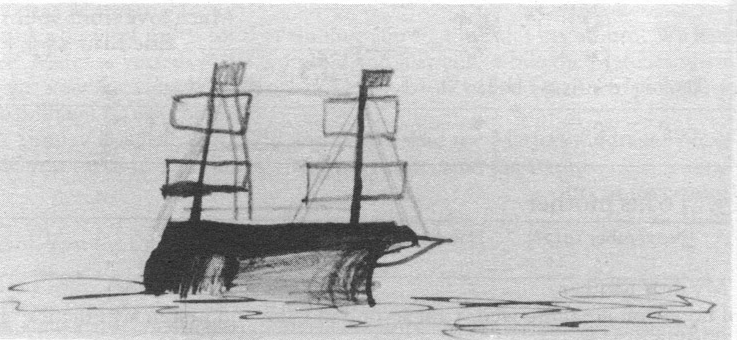
orwell drawing

It’s hard to imag­ine a time when George Orwell did­n’t exer­cise mas­ter­ful con­trol over the Eng­lish lan­guage. But if you go far enough back, you’ll find proof that every writer starts some­where. We all begin as mor­tals.

In Decem­ber 2, 1911, an 8‑year-old Eric Blair (the birth name of Orwell), wrote a let­ter to his moth­er, Ida, detail­ing his day-to-day affairs at St. Cypri­an’s School, a board­ing school in South­ern Eng­land. The let­ter is sweet for many rea­sons, not least because of the pho­net­ic spelling/misspellings that run through the note. The original/uncorrected text appears below. It’s one of many let­ters gath­ered on GeorgeOrwellNovels.com, and it’s also the very first let­ter pub­lished in a new vol­ume this week, George Orwell: A Life in Let­ters. The endear­ing let­ter was appar­ent­ly sent with a cute pic­ture enclosed. You can see it right above.

My dear Moth­er, I hope you are alright,

It was Mrs: Wilkes birth­day yes­ter­day, we had aufel fun after tea and played games all over the house. We all went for a walk to Beachy-Head.

I am third in Arith­mat­ick.
‘Its’ very dull today, and dosent look as if its going to be very warm. Thank you for your let­ter.

It is get­ting very near the end of the term, there are only eigh­teen days more. On Sat­ur­day evening we have dnc­ing, and I am going to say a piece of poet­ry, some of the boys sing.

Give my love to Father and Avril. Is Togo alright, We had the Oxford and Cam­bridge Match­es yes­ter­day. Cam­bridge won in the first and third, and the sec­ond did not have a Match. I am very glad Colonel Hall6 has giv­en me some stamps, he said he wold last year but I thought he had for­goten. Its a beast­ly wet day today all rain and cold.

I am very sor­ry to hear we had those beast­ly freaks of smelly white mice back.
I hope these arnt smelly one. if they arnt I shall like them.

From your love­ing son,
E. A. Blair.

Relat­ed Con­tent:

Down­load George Orwell’s Ani­mal Farm and 1984 as Free Audio Books

The Only Known Footage of George Orwell (Cir­ca 1921)

George Orwell Explains How to Make a Prop­er Cup of Tea

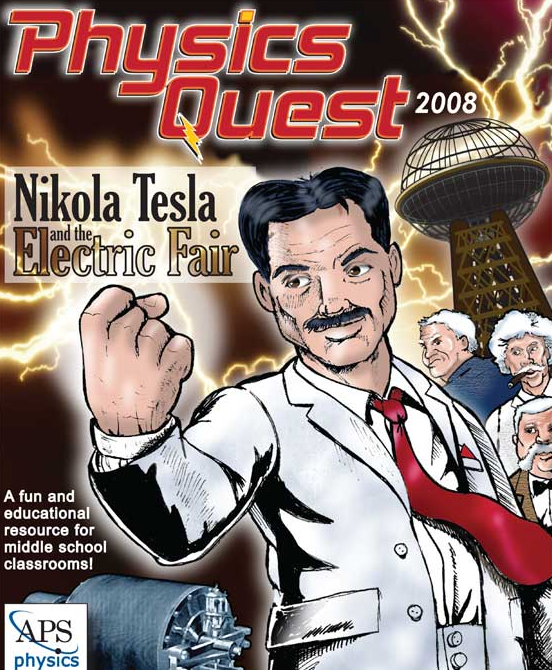
Free Comic Books Turns Kids Onto Physics: Start With the Adventures of Nikola Tesla

physics cartoon for kids

Physic­s­Cen­tral, a web site run by The Amer­i­can Phys­i­cal Soci­ety (an orga­ni­za­tion rep­re­sent­ing 48,000 physi­cists), has cre­at­ed a series of com­ic books designed to get kids excit­ed about physics. If you click here, you can enjoy Niko­la Tes­la and the Elec­tric Fair for free online. The 2008 com­ic book pits Thomas Edi­son against Tes­la, the unsung hero of elec­tric­i­ty and mag­net­ism. Also on the Physics Cen­tral web site, you can enjoy four free comics from the Spec­tra series, which presents the adven­tures of a mid­dle school super­hero, who pos­sess­es all of the great pow­ers of a laser beam.

We’ll be sure to add these comics to our col­lec­tion of Free K‑12 Edu­ca­tion­al Resources.

via Boing­Bo­ing

Relat­ed Con­tent:

Thomas Edi­son and Niko­la Tes­la Face Off in “Epic Rap Bat­tles of His­to­ry”

A Brief, Ani­mat­ed Intro­duc­tion to Thomas Edi­son (and Niko­la Tes­la)

MIT & Khan Acad­e­my Team Up to Devel­op Sci­ence Videos for Kids. Includes The Physics of Uni­cy­cling

Free Physics Cours­es

425 Free eBooks: Down­load to Kin­dle, iPad/iPhone & Nook

by | Permalink | Make a Comment ( 9 ) |

Mr. Rogers Takes Breakdancing Lessons from a 12-Year-Old (1985)

?si=n‑0RQ9D05LhJIcZi

Feb­ru­ary 13th, 1985 shall be remem­bered as a tru­ly beau­ti­ful day in the neigh­bor­hood, for that is the date on which Fred Rogers learned to break­dance (sort of).

In no time at all, 12-year-old instruc­tor Jer­maine Vaughn had Mr. Rogers wav­ing, moon­walk­ing and learn­ing how to press play on a boom box so he could demon­strate some “very fan­cy things” regard­ing the first pil­lar of hip hop. (“I’d nev­er be able to do that,” his pupil says admir­ing­ly, and pre­sum­ably truth­ful­ly.)

The tele­vi­sion icon’s leg­endary sin­cer­i­ty is on dis­play through­out, even in this pirat­ed ver­sion, which swaps out the wimpy orig­i­nal track in favor of NWA’s 1989 “Fuck Tha Police,” a move that would’ve pleased Eddie Mur­phy’s Mr. Robin­son.

If you would like to sign up for Open Culture’s free email newslet­ter, please find it here. It’s a great way to see our new posts, all bun­dled in one email, each day.

If you would like to sup­port the mis­sion of Open Cul­ture, con­sid­er mak­ing a dona­tion to our site. It’s hard to rely 100% on ads, and your con­tri­bu­tions will help us con­tin­ue pro­vid­ing the best free cul­tur­al and edu­ca­tion­al mate­ri­als to learn­ers every­where. You can con­tribute through Pay­Pal, Patre­on, and Ven­mo (@openculture). Thanks!

Relat­ed Con­tent:

Mr. Rogers Goes to Wash­ing­ton

See Ste­vie Won­der Play “Super­sti­tion” and Ban­ter with Grover on Sesame Street in 1973

Ayun Hal­l­i­day will always be Fred Rogers’ tele­vi­sion neigh­bor. Fol­low her @AyunHalliday

David Bowie Narrates Sergei Prokofiev’s Children’s Symphony Peter and the Wolf

Some of the 20th century’s great­est actors have nar­rat­ed Sergei Prokofiev’s sym­phon­ic sto­ry Peter and the Wolf, includ­ing Peter Usti­nov, Alec Guin­ness, Ralph Richard­son, John Giel­gud, Basil Rath­bone, Edna Ever­age, and one of my favorites, Boris Karloff. In 1978, David Bowie joined this illus­tri­ous com­pa­ny with his record­ing of the clas­sic for RCA Vic­tor with the Philadel­phia Orches­tra. Find it above.

Bowie begins, as do all of the nar­ra­tors, with a brief sum­ma­ry of how this sym­pho­ny works, with dif­fer­ent instru­men­ta­tion rep­re­sent­ing the var­i­ous char­ac­ters (see here for full text of the sto­ry and descrip­tion of themes):

Each char­ac­ter in the tale is going to be rep­re­sent­ed by a dif­fer­ent instru­ment of the orches­tra. For instance, the bird will be played by the flute. (Like this.) Here’s the duck, played by the oboe. The cat by the clar­inet. The bas­soon will rep­re­sent grand­fa­ther. The wolf by the French horns. And Peter by the strings. The blast of the hunters’ shot­guns played by the ket­tle drums.

Bowie has said he that he made the record­ing as a present for his son, Dun­can, then 7. Prokofiev, com­mis­sioned by the Cen­tral Children’s The­atre in Moscow in 1936 to help cul­ti­vate the musi­cal tastes of young chil­dren, wrote the sym­pho­ny in four days. As Tim Smith points out in an essay for PBS, Peter and the Wolf has “helped intro­duce gen­er­a­tions of chil­dren to the instru­ments of the orches­tra and the con­cept of telling a sto­ry through music.” I know it will be a part of my daughter’s musi­cal edu­ca­tion. I’m pret­ty sure we’ll start with Bowie’s ver­sion.

Relat­ed Con­tent: 

David Bowie Releas­es Vin­tage Videos of His Great­est Hits from the 1970s and 1980s

The Sto­ry of Zig­gy Star­dust: How David Bowie Cre­at­ed the Char­ac­ter that Made Him Famous

Rare 1946 Film: The Great Russ­ian Com­pos­er Sergei Prokofiev Plays Piano, Dis­cuss­es His Music

Josh Jones is a writer and musi­cian based in Wash­ing­ton, DC. Fol­low him at @jdmagness

James Gandolfini Reads from Maurice Sendak’s Children’s Story “In The Night Kitchen”

Two weeks ago, we gave a brief, pass­ing men­tion to a gem of a clip — James Gan­dolfi­ni read­ing from Mau­rice Sendak’s con­tro­ver­sial chil­dren’s book In The Night Kitchen (1970). Giv­en the unfor­tu­nate and untime­ly demise of the actor, it seems worth putting this video direct­ly into the spot­light for a moment. Gan­dolfini’s read­ing took place on Sep­tem­ber 15, 2008 at the 92nd St Y in New York City, at a cel­e­bra­tion held on the occa­sion of Mau­rice Sendak’s 80th birth­day. A fan of Sendak’s great chil­dren’s tales, Gan­dolfi­ni also per­formed the voice of Car­ol in the 2009 film adap­ta­tion of Where The Wild Things Are. Lis­ten below.

See Stevie Wonder Play “Superstition” and Banter with Grover on Sesame Street in 1973

In 1969, Sesame Street debuted and intro­duced America’s children—growing up in the midst of intense dis­putes over integration—to its urban sen­si­bil­i­ties and mul­ti­cul­tur­al cast, all dri­ven by the lat­est in child­hood devel­op­ment research and Jim Hen­son wiz­ardry. Despite the racial­ly frac­tious times of its ori­gin, the show was a suc­cess (although the state of Mis­sis­sip­pi briefly banned it in 1970), and its list of celebri­ty guests from every con­ceiv­able domain reflect­ed the diver­si­ty of its cast and hip­ness of its tone. With cer­tain excep­tions (par­tic­u­lar­ly in lat­er per­mu­ta­tions), it’s always been a show that knew how to gauge the tenor of the times and appeal broad­ly to both chil­dren and their weary, cap­tive guardians.

Being one of those weary cap­tives, I can’t say enough how grate­ful I’ve been when a rec­og­niz­able face inter­rupts Elmo’s bab­bling to sing a song or do a lit­tle com­e­dy bit, wink­ing at the par­ents all the while. These moments are few­er and far­ther between in the lat­er ages of the show, but in the sev­en­ties, Sesame Street had musi­cal rou­tines wor­thy of Sat­ur­day Night Live. Take, for exam­ple, the 1973 appear­ance of Ste­vie Won­der on the show. While I was born too late to catch this when it aired, there’s no doubt that the child me would find Won­der and his band as funky as the grown-up par­ent does. Check them out above doing “Super­sti­tion.”

Like most musi­cal artists who vis­it the show, Ste­vie also cooked some­thing espe­cial­ly for the kids. In the clip above, watch him do a lit­tle num­ber called “123 Sesame Street.” Won­der breaks out the talk box, a favorite gad­get of his (he turned Framp­ton on to it). The band gets so into it, you’d think this was a cut off their lat­est album, and the kids (the show nev­er used child actors) rock out like only sev­en­ties kids can. The show’s orig­i­nal theme song had its charm, but why the pro­duc­ers didn’t imme­di­ate­ly change it to this is beyond me. I’d pay vin­tage vinyl prices to get it on record.

Final­ly, in our last clip from Stevie’s won­der­ful guest spot, he takes a break from full-on funk and roll to give Grover a lit­tle scat les­son and show off his pipes. The great Frank Oz as the voice of Grover is, as always, a per­fect com­ic foil.

Relat­ed Con­tent:

Philip Glass Com­pos­es for Sesame Street (1979)

Mon­ster­piece The­ater Presents Wait­ing for Elmo, Calls BS on Samuel Beck­ett

Jim Hen­son Pilots The Mup­pet Show with Adult Episode, “Sex and Vio­lence” (1975)

Josh Jones is a writer and musi­cian based in Wash­ing­ton, DC. Fol­low him at @jdmagness

Maurice Sendak Animated; James Gandolfini Reads from Sendak’s Story “In The Night Kitchen”

Mau­rice Sendak (1928–2012), the great writer and illus­tra­tor of chil­dren’s books, would have turned 85 today. To cel­e­brate his birth­day, Google has adorned its web site with a fan­tas­tic ani­mat­ed doo­dle (make sure you press the “play” but­ton) and Blank on Blank has released a video that ani­mates Sendak’s mus­ings about being a kid. Based on a pre­vi­ous­ly-unheard inter­view record­ed in 2009, Sendak speaks in the clip about his dif­fi­cult child­hood, which was sur­round­ed by tragedy. (He grew up in Brook­lyn, the child of Pol­ish Jew­ish immi­grants whose remain­ing fam­i­ly per­ished dur­ing the Holo­caust.) He also recalls how chil­dren all have prob­lems to work through — prob­lems that remained at the front of his mind when he start­ed writ­ing his clas­sic chil­dren’s books. It’s worth pair­ing the video above with anoth­er ani­mat­ed video of Sendak’s emo­tion­al last inter­view with NPR’s Ter­ry Gross. And, for a com­plete­ly ran­dom bonus, we’ve added below a clip of James Gan­dolfi­ni (aka Tony Sopra­no) read­ing from Sendak’s con­tro­ver­sial sto­ry book In The Night Kitchen. The read­ing took place on Sep­tem­ber 15, 2008 at the 92nd St Y in New York City, at a trib­ute held on the occa­sion of Sendak’s 80th birth­day.

Relat­ed Con­tent:

The Late James Gan­dolfi­ni, Star of The Sopra­nos, Appears on Inside the Actors Stu­dio (2004) 

The Mind & Art of Mau­rice Sendak: A Video Sketch

An Ani­mat­ed Christ­mas Fable by Mau­rice Sendak (1977)


« Go BackMore in this category... »
Quantcast