Learn to Draw Butts with Just Five Simple Lines

You know what I say when some­one tells me they “can’t” draw?

Pshaw.

Even those who’ve yet to dis­cov­er the trans­for­ma­tive effects of Lyn­da Bar­ry’s won­der­ful­ly cor­rec­tive Pic­ture This know how to draw some­thing. Very few chil­dren make it to adult­hood with­out pick­ing up some sim­ple geo­met­ric for­mu­la by which a series of ovals, rec­tan­gles and lines can be con­fig­ured to resem­ble a dog­gie head or a brave astride his can­ter­ing pony.

A cou­ple thou­sand ren­der­ings lat­er, such mag­ic still sat­is­fies, but you might want to con­sid­er branch­ing out. May I rec­om­mend the teach­ings of artist and visu­al sto­ry­teller, Karl Gude? This laid-back for­mer Direc­tor of Infor­ma­tion Graph­ics at Newsweek can — and will! — teach you how to draw “great butts” with just five lines.

Gude’s com­mand of pos­te­ri­or essen­tials is down­right heady. (I say this as a for­mer artist’s mod­el whose rear end has been mis­rep­re­sent­ed on paper more times than I’d care to men­tion.) Who knew that cap­tur­ing this part of human anato­my could prove so sim­ple? Gude’s easy­go­ing online instruc­tion style may be trace­able to some sort of adult bev­er­age (I’m not cast­ing stones…), but his meth­ods are easy enough for a child to mas­ter.

Speak­ing of which, if you want to make a friend for life, share the above video with an actu­al child, prefer­ably one who claims he or she “can’t” draw. Put a Sharpie in his or her paw, and with­in five min­utes, Gude will have the lit­tle twerp crank­ing out butts of all shapes and sizes. After which, pride of accom­plish­ment may well lead to some of Gude’s more advanced tuto­ri­als, like the detailed human eye seen below.

If that proves too chal­leng­ing, there’s no shame in stick­ing with the glutes. To my way of think­ing, the mind­set that allows the artist to keep going when his pen­cil snaps mid-demon­stra­tion is les­son enough.

Relat­ed Con­tent:

Join Car­toon­ist Lyn­da Bar­ry for a Uni­ver­si­ty-Lev­el Course on Doo­dling and Neu­ro­science

Saul Bass’ Advice for Design­ers: Learn to Draw, and Cre­ate Beau­ty Even If Nobody Else Cares

The Anatom­i­cal Draw­ings of Renais­sance Man, Leonar­do da Vin­ci

Clever Ani­ma­tion Brings Fig­ure Draw­ings to Life

Ayun Hal­l­i­day’s per­son­al mot­to is Dare to Be Heinie. Fol­low her @AyunHalliday

Watch Soviet Animations of Winnie the Pooh, Created by the Innovative Animator Fyodor Khitruk

Note: To acti­vate sub­ti­tles, click the CC icon at the bot­tom of the video.

In 1962, the ani­ma­tor Fyo­dor Khitruk made his direc­to­r­i­al debut with Sto­ry of One Crime, a film that broke with a Sovi­et ten­den­cy to make imi­ta­tions of Dis­ney-style ani­ma­tions. The film, as The Guardian explained in its 2012 obit­u­ary for the ani­ma­tor, came as a shock. It was styl­is­ti­cal­ly sim­ple and dealt with themes that Dis­ney films would nev­er touch — like, why would a polite clerk mur­der two house­wives with a fry­ing pan?

Khitruk made oth­er films that were packed with social com­men­tary, often tak­ing aim at abus­es in the Sovi­et sys­tem. But, he also made straight­for­ward ani­ma­tions for chil­dren, none more famous than his series of films based on AA Mil­ne’s beloved Win­nie the Pooh books.

Cre­at­ed between 1969 and 1972, Khitruk’s three films star a bear named “Vin­ni-Pukh” who looks noth­ing like the Win­nie the Pooh that West­ern­ers grew up with. (You can see the orig­i­nal illus­tra­tions of Pooh by E.H. Shep­ard here.) But view­ers will cer­tain­ly rec­og­nize the sto­ry­line and spir­it of the orig­i­nal Pooh in the Sovi­et adap­ta­tions. For decades, these films have enchant­ed East Euro­pean view­ers, both young and old. And they still occa­sion­al­ly appear on Russ­ian TV.

Part 1

Part 2

Above, you can watch the three ani­ma­tions online. They appear in the order in which they were released: 1) Win­nie-the-Pooh (Винни-Пух, 1969), 2) Win­nie-the-Pooh Goes on a Vis­it (Винни-Пух идет в гости, 1971); and 3) Win­nie-the-Pooh and the Day of Con­cern (Винни-Пух и день забот, 1972).

As not­ed up top, you might need to click the “CC” icon at the bot­tom of the YouTube videos in order to acti­vate the sub­ti­tles. Unfor­tu­nate­ly, we can’t vouch for the accu­ra­cy of the trans­la­tions.

Relat­ed Con­tent:

Hear the Clas­sic Win­nie-the-Pooh Read by Author A.A. Milne in 1929

Two Beau­ti­ful­ly-Craft­ed Russ­ian Ani­ma­tions of Chekhov’s Clas­sic Children’s Sto­ry “Kash­tan­ka”

Watch The Amaz­ing 1912 Ani­ma­tion of Stop-Motion Pio­neer Ladis­las Stare­vich, Star­ring Dead Bugs

The Com­plete Wiz­ard of Oz Series, Avail­able as Free eBooks and Free Audio Books
by | Permalink | Make a Comment ( 5 ) |

Charles Darwin’s Son Draws Cute Pictures on the Manuscript of On the Origin of Species

Most of us can iden­ti­fy Charles Dar­win as the father of mod­ern evo­lu­tion­ary biol­o­gy, but were you aware that he also fathered ten chil­dren with his cousin, Emma Wedg­wood?

As dad­dies go, Dar­win was quite evolved him­self, dis­play­ing a 21st-cen­tu­ry lev­el of devo­tion to and involve­ment with his young. He even went so far as to let one of his kids draw on the orig­i­nal man­u­script for On the Ori­gin of Species. Sav­ing paper was as good for the envi­ron­ment in the mid-1800s as it is today, but his will­ing­ness to let his pre­cious pages do dou­ble duty may explain why the sem­i­nal doc­u­ment sur­vives as mere piece­meal today.

Maybe Charles and Emma read some arti­cle that sug­gest­ed their house­hold would run more smooth­ly if it were bet­ter orga­nized, and lack­ing such mod­ern solu­tions as col­or­ful Ikea stor­age bins and scan­ners, sim­ply pitched all but the absolute best of their chil­dren’s art­work. (Or maybe their youngest was a scrunch­er, destroy­ing pages by the fist­ful.)

origindrawing2

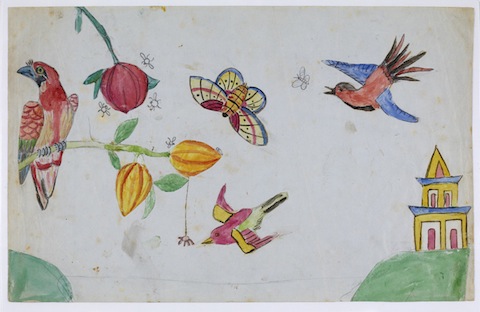
It seems a good bet young Fran­cis Dar­win’s water­col­or of birds, bugs and a but­ter­fly con­verg­ing on a trio of botan­i­cal­ly viable flow­ers (above) would’ve done his nat­u­ral­ist papa proud.

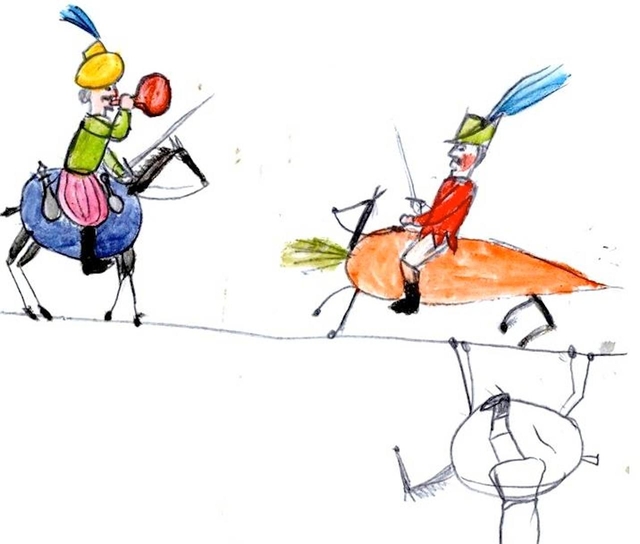
I can also state with near-sci­en­tif­ic cer­tain­ty that if the Dar­wins had had a refrig­er­a­tor, The Bat­tle of the Fruit and Veg­etable Sol­diers (top) would have been on it. Today, Fran­cis’ masterpiece—and its flipside—reside in the Cam­bridge Uni­ver­si­ty Library.

via The Tele­graph

Relat­ed Con­tent:

Watch Dar­win, a 1993 Film by Peter Green­away

Read the Orig­i­nal Let­ters Where Charles Dar­win Worked Out His The­o­ry of Evo­lu­tion

The Genius of Charles Dar­win Revealed in Three-Part Series by Richard Dawkins

Darwin’s Per­son­al Library Goes Dig­i­tal: 330 Books Online

Darwin’s Lega­cy, a Stan­ford course in our col­lec­tion of 750 Free Online Cours­es

Ayun Hal­l­i­day remem­bers her grand­moth­er was very impressed by her abil­i­ty to  draw Huck­le­ber­ry Finn with his legs crossed. Fol­low her @AyunHalliday

Crash Course on Literature: Watch John Green’s Fun Introductions to Gatsby, Catcher in the Rye & Other Classics

As a pre­teen, I steered clear of “young adult” fic­tion, a form I resent­ful­ly sus­pect­ed would try too hard to teach me lessons. Then again, if I’d had a young adult nov­el­ist like John Green — not far out of ado­les­cence him­self when I entered the YA demo­graph­ic — per­haps I’d have active­ly hoped for a les­son or two. While Green has earned a large part of his fame writ­ing nov­els like Look­ing for Alas­kaAn Abun­dance of Kather­ines, and The Fault in Our Stars, a siz­able chunk of his renown comes from his pro­lif­ic way with inter­net videos, espe­cial­ly of the edu­ca­tion­al vari­ety, which also demon­strate his pos­ses­sion of seri­ous teach­ing acu­men. Last year we fea­tured his 40-week Crash Course in World His­to­ry, and today we offer you his col­lec­tion of crash cours­es in Eng­lish lit­er­a­ture. At the top, you’ll find its first les­son, the sev­en-minute “How and Why We Read.” Green, in the same jokey, enthu­si­as­tic onscreen per­sona as before, fol­lows up his world his­to­ry course by remind­ing us of the impor­tance of writ­ing as a mark­er of civ­i­liza­tion, and then reveals his per­son­al per­spec­tive as a writer: “I don’t want to get all lib­er­al art­sy on you, but I do want to make this clear: for me, sto­ries are about com­mu­ni­ca­tion. We did­n’t invent gram­mar so that your life would be mis­er­able in grade school as you attempt­ed to learn what the Márquez a prepo­si­tion is. By the way, on this pro­gram I will be insert­ing names of my favorite writ­ers when I would oth­er­wise insert curse words.”

Those lines give you a sense of Green’s tone, as well as his objec­tive. If you felt mis­er­able not just study­ing gram­mar in grade school but study­ing actu­al lit­er­a­ture in high school, these lessons may well revi­tal­ize a few of the clas­sics with which you could­n’t engage in the class­room. Just above, we have Green’s crash course on F. Scott Fitzger­ald’s The Great Gats­by (part one, part two) which, ear­ly on, gets inter­rupt­ed by a famil­iar-look­ing young objec­tor: “Mr. Green, I hate every­thing about this stu­pid col­lec­tion of first-world prob­lems pass­ing for a nov­el, but my hatred of that Willa Cather-ing los­er Daisy Buchanan burns with the fire of a thou­sand suns.” This draws a groan from our host: “Ugh, me from the past. Here’s the thing: you’re not sup­posed to like Daisy Buchanan, at least not in the uncom­pli­cat­ed way you like, say, cup­cakes. I don’t know where you got the idea the qual­i­ty of a nov­el should be judged by the lik­a­bil­i­ty of its char­ac­ters, but let me sub­mit to you that Daisy Buchanan does­n’t have to be lik­able to be inter­est­ing. Fur­ther­more, most of what makes her unlik­able — her sense of enti­tle­ment, her lim­it­ed empa­thy, her inabil­i­ty to make dif­fi­cult choic­es — are the very things that make you unlik­able.” Green knows that many of us, no mat­ter how lit­er­ate, still fall back into the dis­ad­van­ta­geous read­ing strate­gies for which we set­tled in high school. He does his enter­tain­ing utmost to cor­rect them while explor­ing the deep­er themes of not just Gats­by, but oth­er such oft-assigned (and oft-ruined-for-kids) works as Romeo and Juli­et (part one, part two), the poet­ry of Emi­ly Dick­in­son, and, below, The Catch­er in the Rye (part one, part two):

A Crash Course on Lit­er­a­ture will be added to our handy col­lec­tion: 200 Free Kids Edu­ca­tion­al Resources: Video Lessons, Apps, Books, Web­sites & More

Relat­ed Con­tent:

A Crash Course in World His­to­ry

The 55 Strangest, Great­est Films Nev­er Made (Cho­sen by John Green)

Free Lit­er­a­ture Cours­es

Study Finds That Read­ing Tol­stoy & Oth­er Great Nov­el­ists Can Increase Your Emo­tion­al Intel­li­gence

Col­in Mar­shall hosts and pro­duces Note­book on Cities and Cul­ture and writes essays on lit­er­a­ture, film, cities, Asia, and aes­thet­ics. He’s at work on a book about Los Ange­lesA Los Ange­les Primer. Fol­low him on Twit­ter at @colinmarshall.

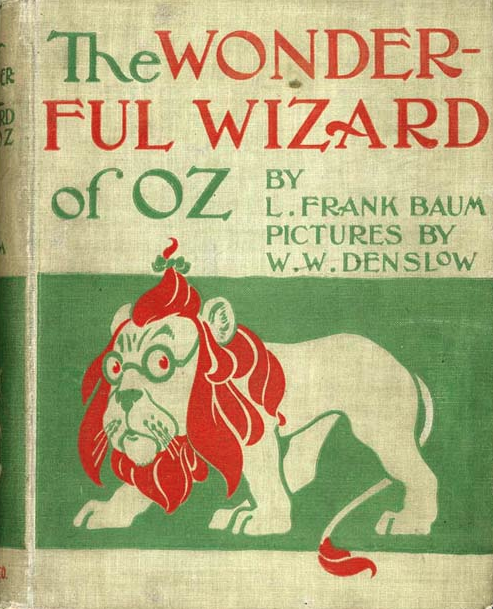
The Complete Wizard of Oz Series, Available as Free eBooks and Free Audio Books
wizard of oz original cover

The clas­sic Wiz­ard of Oz series was writ­ten by L. Frank Baum between 1900 and 1920. There are 14 vol­umes in total, start­ing with the most well-known book, The Won­der­ful Wiz­ard of Oz. Below we’ve gath­ered every vol­ume in the series, in both text and audio for­mats. If you have ques­tions about how to load files onto your Kin­dle, please see this instruc­tion­al video. You can find ear­ly film adap­ta­tions of The Wiz­ard of Oz in our col­lec­tion of Free Movies Online. Plus else­where on our site we have the com­plete Chron­i­cles of Nar­nia (in audio) by CS Lewis, anoth­er endur­ing chil­dren’s clas­sic.

The Won­der­ful Wiz­ard of Oz  — Vol­ume 1

Note: If you want to read online a first edi­tion copy of The Won­der­ful Wiz­ard of Oz, you can do so thanks to The Library of Con­gress. Click here: Page Turn­er -PDF

The Mar­velous Land of Oz – Vol­ume 2

>
Ozma of Oz — Vol­ume 3

Dorothy and the Wiz­ard of Oz -- Vol­ume 4

The Road to Oz — Vol­ume 5

The Emer­ald City of Oz — Vol­ume 6

The Patch­work Girl of Oz -- Vol­ume 7

Tik Tok of Oz – Vol­ume 8

The Scare­crow of Oz -- Vol­ume 9

Rinkitink in Oz — Vol­ume 10

The Lost Princess of Oz — Vol­ume 11

 The Tin Wood­man of Oz — Vol 12

The Mag­ic of Oz — Vol 13

Glin­da of Oz — Vol 14

All of the texts list­ed above appear in our col­lec­tions: 1,000 Free Audio Books: Down­load Great Books for Free and 800 Free eBooks for iPad, Kin­dle & Oth­er Devices.

Relat­ed Con­tent:

Watch the Ear­li­est Sur­viv­ing Filmed Ver­sion of The Wiz­ard of Oz (1910)

Dark Side of the Rain­bow: Pink Floyd Meets The Wiz­ard of Oz in One of the Ear­li­est Mash-Ups

Hear All of C.S. Lewis’ Chron­i­cles of Nar­nia Nov­els as Free Audio Books

The Anti-Slav­ery Alpha­bet: 1846 Book Teach­es Kids the ABCs of Slavery’s Evils

by | Permalink | Make a Comment ( 5 ) |

The Recipes of Iconic Authors: Jane Austen, Sylvia Plath, Roald Dahl, the Marquis de Sade & More

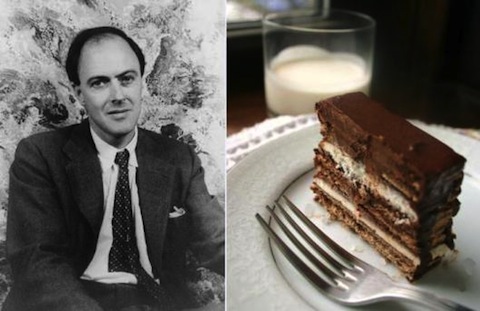
dahl-kitkat

It comes as no sur­prise that Roald Dahl, author of Char­lie and the Choco­late Fac­to­ry, pos­sessed a sweet tooth. Hav­ing daz­zled young read­ers with visions of Cav­i­ty-Fill­ing Caramels, Ever­last­ing Gob­stop­pers, and snozzber­ry-fla­vored wall­pa­per, Dahl’s can­dy of choice was the more pedes­tri­an Kit-Kat bar. In addi­tion to savor­ing one dai­ly (a lux­u­ry lit­tle Char­lie Buck­et could but dream of, pri­or to win­ning that most gold­en of tick­ets) he invent­ed a frozen con­fec­tion called “Kit-Kat Pud­ding.”

The orig­i­nal recipe is, appro­pri­ate­ly, sim­ple enough for a child to make. Stack as many Kit-Kats as you like into a tow­er, using whipped cream for mor­tar, then shove the entire thing into the freez­er, and leave it there until sol­id.

Book pub­li­cist and self-described lit­er­ary fan­girl Nicole Vil­leneuve does him one bet­ter on Paper and Salt, a food blog devot­ed to the recipes of icon­ic authors. Her re-imag­ined and renamed Frozen Home­made Kit-Kat Cake adds bit­ter­sweet choco­late ganache, replac­ing Dahl’s beloved can­dy bars with high qual­i­ty wafer cook­ies. It remains a pret­ty straight-for­ward prepa­ra­tion, not quite as deca­dent as the Mar­quis de Sade’s Molten Choco­late Espres­so Cake with Pome­gran­ate, but sure­ly more to Dahl’s lik­ing than Jane Austen’s Brown But­ter Bread Pud­ding Tarts would have been. (The author once wrote that he pre­ferred his choco­late straight.)

Vil­leneuve spices her entry with his­tor­i­cal con­text and anec­dotes regard­ing ear­ly 20th-cen­tu­ry can­dy mar­ket­ing, Dahl’s hatred of the Cad­bury Crème Egg, and his dog’s han­ker­ing for Smar­ties. Details such as these make Paper and Salt, which fea­tures plen­ty of savories to go with the sweet, a deli­cious read even for non-cooks.

Mean­while, dessert chefs unwill­ing to source their ingre­di­ents from Rite-Aid’s Hal­loween aisle might try Sylvia Plath’s Lemon Pud­ding Cakes (“Is it taboo to write about bak­ing and Sylvia Plath?” Vil­leneuve won­ders), C.S. Lewis’ Cin­na­mon Bour­bon Rice Pud­ding, Willa Cather’s Spiced Plum Kolache or Wal­lace Stevens’ Coconut Caramel Gra­ham Cook­ies.

Relat­ed Con­tent:

Ernest Hemingway’s Favorite Ham­burg­er Recipe

Allen Ginsberg’s Per­son­al Recipe for Cold Sum­mer Borscht

How to Make Instant Ramen Com­pli­ments of Japan­ese Ani­ma­tion Direc­tor Hayao Miyza­ki

Ayun Hal­l­i­day  doc­u­ment­ed her own sweet tooth in Dirty Sug­ar Cook­ies: Culi­nary Obser­va­tions, Ques­tion­able Taste. Fol­low her @AyunHallliday

“The Autobiography of Jane Eyre” Adapts Brontë’s Heroine for Vlogs, Tumblr, Twitter & Instagram

Lest you remain unaware, Jane Eyre has a vlog. And though I would fain speak well of it, the truth must out. I pre­fer my Jane with bon­net strings knot­ted firm­ly beneath her chin. This Jane, as embod­ied by project co-cre­ator, Alysson Hall, often seems like a fan putting togeth­er a home­made audi­tion tape for Girls.

I sus­pect that’s the demo­graph­ic most like­ly to appre­ci­ate Char­lotte Bron­të’s rein­vent­ed hero­ine.  Like The Lizzie Ben­net Diaries, a self-declared “online mod­ern­ized adap­ta­tion” of Pride and Prej­u­dice, The Auto­bi­og­ra­phy of Jane Eyre takes a trans­me­dia approach, seri­al­iz­ing across mul­ti­ple dig­i­tal plat­forms.

In addi­tion to the YouTube chan­nel, Jane tweets to over 1500 fol­low­ers, and uploads pho­tos to Insta­gram. Her video diary might not be my cup of tea, but I must con­fess, I do rather enjoy her tum­blr. Per­haps not as much as I’d enjoy reread­ing the nov­el (find it in our col­lec­tion Free eBooks and Free Audio Books col­lec­tions), but it’s not a bad way to while away a minute or two.
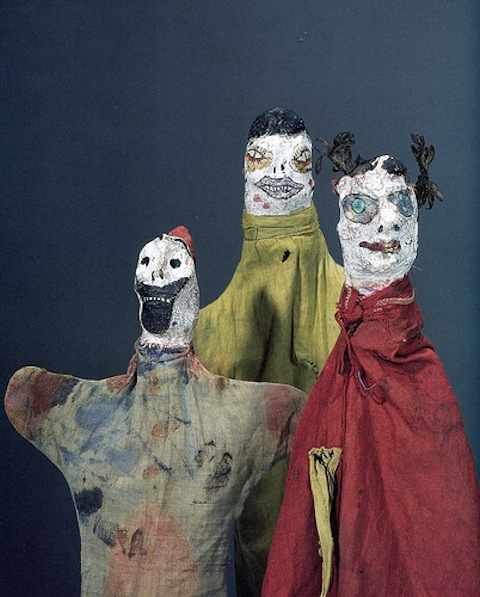
Put anoth­er way, any­one who likes read­ing Bron­të is prob­a­bly amenable to pic­tures of tea cups, dead trees, and Tim Bur­ton’s ani­mat­ed dolls.

Jane’s embrace of social media is shared by many in her orbit, includ­ing Mr. Rochester’s employ­ee, Grace Poole, and his 8‑year-old daugh­ter, Adele, whose (ille­gal) Twit­ter feed will appeal to any pre­co­cious lit­tle smar­ty­pants eager for ran­dom facts regard­ing Bernese Moun­tain Dogs and Uranus’ moons.

The veil is lift­ed some­what on the series’ Face­book page, where the cre­ators inter­act with fans out-of-char­ac­ter and address mod­ern tech­ni­cal dif­fi­cul­ties, such as soft­ware issues and audio glitch­es.

Relat­ed Con­tent:

20 Books Peo­ple Pre­tend to Read (and Now Your Con­fes­sions?)

Bron­të Sis­ters Pow­er Dolls

Jane Austen’s Fight Club

Ayun Hal­l­i­day was gob­s­macked to learn that her sec­ond book, No Touch Mon­key!  has been made avail­able in ebook form.  Fol­low her @AyunHalliday

Watch an Animation of Shaun Tan’s All-Ages Picture Book The Lost Thing

What would you do if you crossed paths with a jin­gling lost thing whose oven-shaped body, crus­ta­ceous claws, and fleshy ten­ta­cles would seem right at home in Hierony­mus Bosch’s Gar­den of Earth­ly Delights?

Scream? Run? Release your bow­els?

The anony­mous nar­ra­tor of The Lost Thing, a fif­teen-minute ani­ma­tion born of Shaun Tan’s all-ages pic­ture book, attempts, instead, to iden­ti­fy it empir­i­cal­ly through care­ful obser­va­tion, cal­i­brat­ed mea­sure­ment, and con­trolled exper­i­men­ta­tion. When the sci­en­tif­ic approach fails, he assumes respon­si­bil­i­ty for his strange find, lead­ing it through a clank­ing, grimy land­scape where san­i­ta­tion crews deflate beach balls with pointy sticks after the joy­less hol­i­day crowds are dismissed—a vision of steam­punk in defeat.

We’re loathe to hit you with any more spoil­ers. Suf­fice it to say that this is a fine exam­ple of inno­v­a­tive­ly adapt­ed source mate­r­i­al, and that even­tu­al­ly our sto­ic hero—voiced by British-born Aus­tralian com­ic Tim Minchin—and his charge arrive in a land­scape that should cause the inhab­i­tants of the Island of Mis­fit Toys to stop moon­ing over San­ta.

You will find The Lost Thing list­ed in the Ani­ma­tion sec­tion of our col­lec­tion of Free Movies Online.

Relat­ed Con­tent:

Watch a Whim­si­cal Ani­ma­tion of Ita­lo Calvino’s Short Sto­ry “The Dis­tance of the Moon”

Watch Ani­ma­tions of Oscar Wilde’s Children’s Sto­ries “The Hap­py Prince” and “The Self­ish Giant”

Hard­er Than It Looks: How to Make a Great Stop Motion Ani­ma­tion

Ayun Hal­l­i­day picks all man­ner of jet­sam off the curbs of her Brook­lyn neigh­bor­hood. Fol­low her @AyunHalliday

« Go BackMore in this category... »
Quantcast