Free Audio: Alice In Wonderland Read by Cory Doctorow

alice in wonderland doctorowMany of us came across our favorite book serendip­i­tous­ly. No sur­prise: it’s eas­i­est to be com­plete­ly blown away by a work of art or lit­er­a­ture when you approach it with­out any pre-exist­ing expec­ta­tions. For Boing­Bo­ing’s Cory Doc­torow, that book was Lewis Carroll’s Alice In Won­der­land. Doc­torow, now a promi­nent author, jour­nal­ist, and tech­nol­o­gy activist, first came across Carroll’s tale of a young girl who falls down a rab­bit hole in 1978:

“In 1978, I walked into my Crestview Pub­lic School grade two class­room in Wil­low­dale, a sub­urb of Toron­to, and, on the spur of the moment, took Alice in Won­der­land off the shelf. My teacher was Bev Pan­nikkar, who had the amaz­ing empa­thy and good sense to let me be after I hun­kered down behind the low book­shelf and start­ed read­ing. I spent the entire day back there, read­ing. I nev­er stopped.

Today, I am mar­ried to a woman named Alice.”

Below, we’ve includ­ed Doctorow’s lov­ing ren­di­tion of one of his most beloved books, which he ded­i­cates to “his Alice.” Being a staunch oppo­nent of copy­right laws that so often sti­fle inno­va­tion, Doc­torow has made the record­ing, which took place in his office, avail­able for free. You can stream it below, or down­load it at Archive.org.

If you’re look­ing for a ver­sion with a few more bells and whis­tles with regards to pro­duc­tion val­ue, we’ve includ­ed a 1996 audio ver­sion of the book, below. This one is nar­rat­ed by Susan Jame­son and James Sax­on, two actors and vet­er­an audio­book read­ers, who do a won­der­ful job of inject­ing the story’s tongue-in-cheek humor into the record­ing.

Ver­sions of Alice in Won­der­land can be found in our Free Audio Books and Free eBooks col­lec­tions.

Ilia Blin­d­er­man is a Mon­tre­al-based cul­ture and sci­ence writer. Fol­low him at @iliablinderman, or read more of his writ­ing at the Huff­in­g­ton Post.

Relat­ed Con­tent:

See Sal­vador Dali’s Illus­tra­tions for the 1969 Edi­tion of Alice’s Adven­tures in Won­der­land

See The Orig­i­nal Alice In Won­der­land Man­u­script, Hand­writ­ten & Illus­trat­ed By Lewis Car­roll (1864)

Alice in Won­der­land: The Orig­i­nal 1903 Film Adap­ta­tion

Neil Gaiman Reads Dr. Seuss’ Green Eggs and Ham

This morn­ing, we’re serv­ing up some green eggs and ham. Or rather Neil Gaiman is. When­ev­er I think about some­one read­ing Dr. Seuss’ clas­sic chil­dren’s book, I can’t help but think back to Jesse Jack­son’s clas­sic read­ing on SNL in 1991. But who knows, maybe 20 years from now, anoth­er gen­er­a­tion might call to mind this ver­sion by the unshaven Gaiman. If the read­ing whets your appetite a bit, don’t miss our col­lec­tion of Neil Gaiman’s Free Short Sto­ries, which includes, among oth­er things, audio & video record­ings of @neilhimself read­ing his own sto­ries. We’ve got some more good Dr. Seuss mate­r­i­al below.

If you would like to sign up for Open Culture’s free email newslet­ter, please find it here. It’s a great way to see our new posts, all bun­dled in one email, each day.

If you would like to sup­port the mis­sion of Open Cul­ture, con­sid­er mak­ing a dona­tion to our site. It’s hard to rely 100% on ads, and your con­tri­bu­tions will help us con­tin­ue pro­vid­ing the best free cul­tur­al and edu­ca­tion­al mate­ri­als to learn­ers every­where. You can con­tribute through Pay­Pal, Patre­on, and Ven­mo (@openculture). Thanks!

Look­ing for free, pro­fes­­sion­al­­ly-read audio books from Audible.com? Here’s a great, no-strings-attached deal. If you start a 30 day free tri­al with Audible.com, you can down­load two free audio books of your choice. Get more details on the offer here.

via Metafil­ter

Relat­ed Con­tent:

Fake Bob Dylan Sings Real Dr. Seuss

The Epis­te­mol­o­gy of Dr. Seuss & More Phi­los­o­phy Lessons from Great Children’s Sto­ries

New Archive Show­cas­es Dr. Seuss’s Ear­ly Work as an Adver­tis­ing Illus­tra­tor and Polit­i­cal Car­toon­ist

550 Free Audio Books: Down­load Great Books for Free

by | Permalink | Make a Comment ( 2 ) |

Build a DIY Rubberband Guitar and Celebrate New York’s Styrofoam Ban

In one of its final acts of 2013, the New York City Coun­cil got with the times, pass­ing a ban on poly­styrene foam food con­tain­ers and non-biodegrad­able pack­ing peanuts.

The wide­ly hailed reform isn’t slat­ed to go into effect for anoth­er year, osten­si­bly to give the con­tain­er indus­try  a chance to squeeze into its envi­ron­men­tal­ist suit. (Good luck with that.)

The delay also affords those of us who live here ample time to stock­pile the offend­ing sub­stance for future home­made musi­cal instru­ments.

If you’re fret­ting over a rel­a­tive lack of instru­ment build­ing expe­ri­ence, relax.Three min­utes is more than enough time for John Bertles, com­pos­er, arts edu­ca­tor and founder of Bash the Trash, to show you how you can make beau­ti­ful music from (most­ly) scav­enged mate­ri­als. (Entire­ly scav­enged, should you luck into a sup­ply of giant rub­ber bands. I pre­sume you have access to the more advanced ver­sion’s paper clips and left­over chop­sticks. That alone jus­ti­fies your soon-to-be Sty­ro-free Pan­da Express deliv­ery habit.)

If you’ve been build­ing rub­ber band gui­tars since nurs­ery school, Bertles’ video les­son still mer­its a lis­ten, to hear how the sort of sounds prac­ticed fin­gers are able to coax from these hum­ble mate­ri­als.

PS: Lest we get hung up on tech­ni­cal­i­ties: Sty­ro­foam is a trade­marked poly­styrene prod­uct of Dow Chem­i­cal. To quote Bertles, who has gen­uine claims on giv­ing it a mean­ing­ful sec­ond life, “great mate­r­i­al for build­ing musi­cal instruments…terrible for the earth.”

Note: If the video above intrigues you, we’d hearti­ly rec­om­mend that you vis­it our pre­vi­ous posts — The Recy­cled Orches­tra: Paraguayan Youth Play Mozart with Instru­ments Clev­er­ly Made Out of Trash and A Young Frank Zap­pa Turns the Bicy­cle into a Musi­cal Instru­ment on The Steve Allen Show (1963)

Above you can watch John mak­ing a card­board tube gui­tar.

Ayun Hal­l­i­day pledges to rock one of these in the 2014 Coney Island Mer­maid Parade. Fol­low her @AyunHalliday

How to Build a Fictional World: Animated Video Explains What Makes Lord of the Rings & Other Fantasy Books Come Alive

Today, I was eaves­drop­ping on a young cou­ple in a cafe. The man asked the woman to rec­om­mend a book, some­thing he would­n’t be able to put down on a long, upcom­ing plane ride. The woman seemed stymied by this request. Exhaust­ed, even. (A stroller in which a fair­ly new­born baby slum­bered was parked next to them).

It must’ve been obvi­ous that my wheels were turn­ing for the woman turned to me, remark­ing, “He does­n’t like books.”

“I’m all about mag­a­zines,” the man chimed in.

Hmm. Per­haps Kather­ine Anne Porter’s Ship of Fools was­n’t such a good idea after all. What would this stranger like? With­out giv­ing it very much thought at all, I reached for The Spir­it Catch­es You And You Fall Down, Anne Fadi­man’s Nation­al Book Crit­ics Cir­cle Award-win­ning non-fic­tion account of a West­ern doc­tor’s tus­sle with the fam­i­ly of an epilep­tic Hmong child. It seems unlike­ly my impromp­tu ele­va­tor pitch con­vinced him to nip round the cor­ner to see if Green­light Book­store had a copy in stock. More prob­a­bly, I impressed him  as one of those New Age‑y matrons eager to pub­licly iden­ti­fy with what­ev­er trib­al cul­ture lays with­in reach.

(Lest you think me an insuf­fer­able busy­body, the man at the next table horned in on the con­ver­sa­tion too, rec­om­mend­ing a col­lec­tion of mod­ern-day Sher­lock Holmes sto­ries and a nov­el, which we all said sound­ed great. Because real­ly, what else were we going to say?

A read­er’s taste is so sub­jec­tive, is it any won­der I felt leery going into “How to Build a Fic­tion­al World,” an ani­mat­ed Ted-Ed talk by chil­dren’s book author and for­mer mid­dle school teacher, Kate Mess­ner? The titles she name-checks—The Lord of the Rings, The Matrix,  and the Har­ry Pot­ter series—are all wild­ly suc­cess­ful, and far—as in light yearsfrom of my cup of tea.

That’s not to say I’m opposed to fan­ta­sy. I adore Dun­geon, Lewis Trond­heim and Joann Sfar’s out­ra­geous­ly fun­ny, anthro­po­mor­phic graph­ic nov­el series. Ani­mal FarmA Clock­work Orange…all of these per­son­al favorites are easy to decon­struct using Mess­ner’s recipe for fic­tion­al world-build­ing. (Those whose tastes run sim­i­lar to mine may want to jump ahead to the 3:15 minute mark above.)

Kudos to ani­ma­tor Avi Ofer, for the wit with which he con­cep­tu­al­izes Mess­ner’s ideas. The way he choos­es to rep­re­sent the inhab­i­tants’ rela­tion­ships with the plants and ani­mals of their fic­tion­al world (4:13) is par­tic­u­lar­ly inven­tive. His con­tri­bu­tions alone are enough to make this must-see view­ing for any reluc­tant  — or stuck — cre­ative writer.

For those of you who enjoy fan­ta­sy and sci­ence fic­tion, how do your favorite titles cleave to Mess­ner’s guide­lines? Let us know in the com­ments below.

Relat­ed Con­tent:

Ani­mat­ed Video Explores the Invent­ed Lan­guages of Lord of the Rings, Game of Thrones & Star Trek

“The Tolkien Pro­fes­sor” Presents Three Free Cours­es on The Lord of the Rings

Free Audio: Down­load the Com­plete Chron­i­cles of Nar­nia by C.S. Lewis

Ayun Hal­l­i­day will be hon­or­ing fic­tion­al worlds with a trip to Urine­town this spring. Fol­low her @AyunHalliday

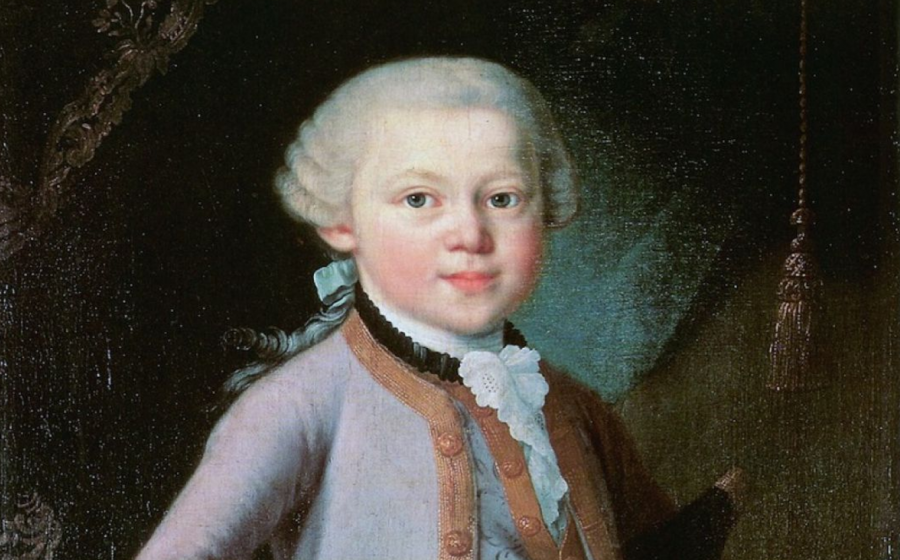
Read an 18th-Century Eyewitness Account of 8‑Year-Old Mozart’s Extraordinary Musical Skills

‘Tis the very nature of par­ent­hood to view one’s chil­dren as excep­tion­al.

Anoth­er aspect of the con­di­tion is spend­ing time in the com­pa­ny of oth­er par­ents, some of whom have yet to mas­ter the art of self-restraint. Their babies are the most phys­i­cal­ly adroit, their tod­dlers the most gen­er­ous, their ele­men­tary school­ers the most culi­nar­i­ly dar­ing.

Pride in one’s chil­dren’s gifts is under­stand­able. A straight­for­ward brag or two is per­mis­si­ble. But after that, I’d real­ly like some cor­rob­o­rat­ing evi­dence, such as the Hon­ourable Daines Bar­ring­ton’s account of meet­ing a “very remark­able young musi­cian” whose father had been drag­ging him around the con­ti­nent on a 3‑and-a-half year con­cert tour.

Clear­ly, Johannes Chrysos­to­mus Wolf­gan­gus Theophilus Mozart (1756–1791) was a very accom­plished kid, but the term “prodi­gy” must have stuck in Friend of the Roy­al Soci­ety Bar­ring­ton’s craw, even after he’d attend­ed some of the boy’s pub­lic per­for­mances. Deter­mined to let sci­ence be the judge, he devised a series of on-the-spot chal­lenges designed to eval­u­ate the boy’s musi­cian­ship beyond the rig­or­ous prac­tice sched­ule imposed by his dis­ci­pli­nar­i­an father. (We all saw Amadeus, right?)

Bar­ring­ton’s detailed descrip­tion of these exper­i­ments would make a gim­crack Sci­ence Fair project for any lit­tle Ein­stein smart enough to get through 18th-cen­tu­ry typog­ra­phy with­out throw­ing a tantrum because the s’s all look like f’s (see the 18th cen­tu­ry text below). It might take a recre­ation­al math­e­mu­si­cian on the order of Vi Hart to tru­ly appre­ci­ate the com­plex­i­ty of the tasks that Bar­ring­ton assigned his young sub­ject (some­thing to do with hav­ing him play five con­tra­dic­to­ry lines simul­ta­ne­ous­ly…).

I can inter­pret the data with regard to some of Bar­ring­ton’s oth­er find­ings. Mozart, he wrote, not only looked like a young child, he ditched his harp­si­chord to chase around a cat and ran about the room “with a stick between his legs by way of a horse.” So it’s not the clas­si­cal peri­od equiv­a­lent of a stage mom lying about her kid’s age to bet­ter his chances at an audi­tion. Actu­al­ly, it’s always a relief to hear about these super-kids act­ing like… well, my kids.

Read Bar­ring­ton’s let­ter to the Roy­al Soci­ety — Account of a Very Remark­able Young Musi­cian — in its entire­ty here or below. And by all means share it with the worst offend­ers on your PTA.

via Rebec­ca Onion and her Slate blog, The Vault

Relat­ed Con­tent:

New­ly Dis­cov­ered Piece by Mozart Per­formed on His Own Fortepi­ano

Great Vio­lin­ists Play­ing as Kids: Itzhak Perl­man, Anne-Sophie Mut­ter, & More

The Musi­cal Mind of Albert Ein­stein: Great Physi­cist, Ama­teur Vio­lin­ist and Devo­tee of Mozart

Ayun Hal­l­i­day pro­vid­ed an hon­est account of home­school­ing her 12-year-old son in The East Vil­lage Inky #51 Fol­low her @AyunHalliday

The International Children’s Digital Library Offers Free eBooks for Kids in Over 40 Languages

For all of the free lit­er­a­ture and essays avail­able online, a sur­pris­ing­ly small amount is geared toward chil­dren. Even less is aimed at chil­dren who speak for­eign lan­guages.

The Inter­na­tion­al Children’s Dig­i­tal Library offers chil­dren ages 3–13 free access to the best avail­able children’s lit­er­a­ture in more than 40 lan­guages. Librar­i­ans find and dig­i­tize books pub­lished around the world and present them in their orig­i­nal lan­guages.

The site acts as a meta learn­ing tool. It is designed to be easy for chil­dren to use by themselves—by sim­ply click­ing “Read Books,” a list of favorite titles pops up—but kids can learn how to search too, by their own age, types of char­ac­ters, genre, book length, lan­guage and geo­graph­i­cal region.

The home­page fea­tures rec­om­mend­ed and pop­u­lar titles, like Tyrone the Hor­ri­ble, writ­ten in Span­ish. Where trans­la­tion rights exist, the library works with vol­un­teer trans­la­tors to pro­vide addi­tion­al lan­guage ver­sions.

The library is a project of the Uni­ver­si­ty of Maryland’s Human-Com­put­er Inter­ac­tion Lab and there is a research com­po­nent to the project. Work­ing with chil­dren in New Zealand, Hon­duras, Ger­many, and the Unit­ed States, researchers are look­ing at how chil­dren per­ceive oth­er cul­tures out­side their own.

The library’s broad­er mis­sion is to make it pos­si­ble for chil­dren all over the world to learn to use a library sys­tem and read a range of qual­i­ty lit­er­a­ture. The inter­face aims as much at inter­na­tion­al chil­dren as it does immi­grant chil­dren in Amer­i­can cities and rur­al areas.

Books are avail­able for free and with­out an account. An account, how­ev­er, allows a child to cre­ate their own book­shelf of favorites that can be shared with oth­er users. A guide for teach­ers includes a train­ing man­u­al and tips for how to use the library to teach cre­ative writ­ing, library search skills and for­eign lan­guages.

You will find the Inter­na­tion­al Children’s Dig­i­tal Library in our col­lec­tion 200 Free Kids Edu­ca­tion­al Resources: Video Lessons, Apps, Books, Web­sites & More.

More dig­i­tized chil­dren’s books can be found at the Library of Con­gress.

Adults, don’t miss our oth­er col­lec­tion, 800 Free eBooks for iPad, Kin­dle & Oth­er Devices.

Relat­ed Con­tent:

Hear the Clas­sic Win­nie-the-Pooh Read by Author A.A. Milne in 1929

Watch Ani­ma­tions of Oscar Wilde’s Children’s Sto­ries “The Hap­py Prince” and “The Self­ish Giant”

The Clas­sic 1956 Oscar-Win­ning Children’s Film, The Red Bal­loon


Watch Kids’ Priceless Reactions to Hearing the Timeless Music of The Beatles

Yes­ter­day, John McMil­lian, assis­tant pro­fes­sor of his­to­ry at Geor­gia State Uni­ver­si­ty, appeared on KQED’s Forum in San Fran­cis­co (lis­ten here) to talk about his new book Bea­t­les vs. Stones. It offers a new look at how the two British bands co-exist­ed, often helped one anoth­er, and strate­gi­cal­ly defined them­selves against each oth­er. The Bea­t­les were every­man’s band. Whole­some, clean-cut, wit­ty, the Fab Four appealed to the young and the old, the rich and the poor. The Stones, try­ing to make a name for them­selves in the wake of Beat­le­ma­nia, posi­tioned them­selves as the anti-Bea­t­les. As the jour­nal­ist Tom Wolfe once wrote, “The Bea­t­les want to hold your hand, but the Stones want to burn down your town.”

50 years lat­er, The Bea­t­les still have a near­ly uni­ver­sal appeal. The Boomers and their now mid­dle-aged chil­dren haven’t let dust gath­er on The Bea­t­les’ discog­ra­phy. And, if you plunk the grand­chil­dren in front of old Bea­t­les’ videos, they’ll love what they see. Just watch above.

Don’t miss any­thing from Open Cul­ture. Sign up for our Dai­ly Email or RSS Feed. And we’ll send qual­i­ty cul­ture your way, every day.

Relat­ed Con­tent:

The Bea­t­les: Unplugged Col­lects Acoustic Demos of White Album Songs (1968)

Flash­mob Per­forms The Bea­t­les’ ‘Here Comes the Sun’ in Madrid Unem­ploy­ment Office

The Bea­t­les Per­form in a Spoof of Shakespeare’s A Mid­sum­mer Night’s Dream, 1964

A Short Film on the Famous Cross­walk From the Bea­t­les’ Abbey Road Album Cov­er

by | Permalink | Make a Comment ( 3 ) |

Neil deGrasse Tyson Talks Asteroid Physics & “Non Newtonian Solids” with Inspiring 9‑Year-Old Student

Just this week, some new test results showed that Amer­i­can teens, com­pared to oth­er stu­dents world­wide, “failed to reach the top 20 in math, sci­ence or read­ing,” accord­ing to The Guardian. After­wards, Arne Dun­can, the U.S. Sec­re­tary of Edu­ca­tion, called the results a “pic­ture of edu­ca­tion­al stag­na­tion.”

The results are deflat­ing. But maybe we should­n’t lose hope, not when we have kids like Jacob com­ing of age, and teach­ers like Neil deGrasse Tyson men­tor­ing him along. Speak­ing last month at Grand Val­ley State Uni­ver­si­ty in Michi­gan, Tyson field­ed a ques­tion — the last ques­tion of the night —  from a nine-year-old ele­men­tary school stu­dent named Jacob. To para­phrase, Jake want­ed to know why we could­n’t shoot a “chunk of ran­dom mate­r­i­al” at a hypo­thet­i­cal aster­oid and stop it from hit­ting earth. This ends up being the first of a two-part ques­tion, which leads Jacob to demon­strate physics con­cepts with his clip­board and debate whether these fly­ing objects share prop­er­ties with “non-New­ton­ian solids.” Yes, I’m feel­ing a lit­tle bet­ter about the Amer­i­can edu­ca­tion­al sys­tem, espe­cial­ly since Jake’s dad con­firms on YouTube that his son attends “great pub­lic schools.”

You can find Neil’s com­plete GVSU talk here.

Relat­ed Con­tent:

Neil deGrasse Tyson Lists 8 (Free) Books Every Intel­li­gent Per­son Should Read

Physics: Free Online Cours­es from Great Uni­ver­si­ties

Christo­pher Hitchens Cre­ates a Read­ing List for Eight-Year-Old Girl

Free Com­ic Books Turns Kids Onto Physics: Start With the Adven­tures of Niko­la Tes­la

200 Free Kids Edu­ca­tion­al Resources: Video Lessons, Apps, Books, Web­sites & More

« Go BackMore in this category... »
Quantcast