30 Renowned Writers Speaking About God & Reason

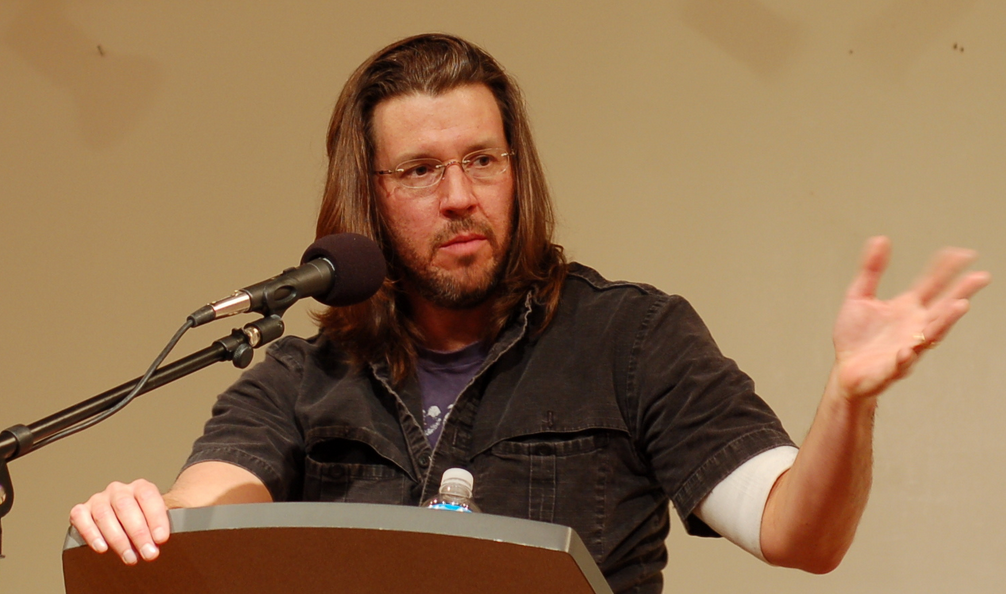
This past sum­mer, Jonathan Parara­jas­ing­ham, a neu­ro­sur­geon in Lon­don, cre­at­ed a mon­tage of 100 renowned aca­d­e­mics, most­ly all sci­en­tists, talk­ing about their thoughts on the exis­tence of God. (Find it in two parts here and here.) Now’s he back with a new video, 30 Renowned Writ­ers Speak­ing About God. It runs 25 min­utes, and it offers as much a cri­tique of ortho­dox reli­gious belief as it does a lit­er­ary trib­ute to human­ism and ratio­nal­ism. Isaac Asi­mov, Arthur C. Clarke, Salman Rushdie (who kind­ly tweet­ed us this week­end), Mar­garet Atwood, Philip Roth — they all make an appear­ance. The full list of writ­ers appears below the jump.

And, before we close, let me say this. When­ev­er we post videos like these, we get the ques­tion. Why the occa­sion­al focus on atheism/rationalism/humanism? And the sim­ple answer comes down to this: If you cov­er writ­ers, aca­d­e­mics and sci­en­tists, the think­ing skews in that direc­tion. Yes, there are excep­tions, but they are in short­er sup­ply. But if some­one pulls them togeth­er and makes a mon­tage, we’ll like­ly fea­ture it too. H/T RichardDawkins.net

Note: As you may have noticed, we have been expe­ri­enc­ing inter­mit­tent out­ages over the past cou­ple of days. Our host, Dreamhost, has been stum­bling more than we’d like. So we’re fig­ur­ing out alter­na­tives and hope­ful­ly mak­ing a move soon. Our apolo­gies for the incon­ve­nience!

(more…)

by | Permalink | Make a Comment ( 13 ) |

The Last (Faxed) Poem of Charles Bukowski

On Feb­ru­ary 18, 1994, Charles Bukows­ki had a fax machine installed in his home and imme­di­ate­ly sent his first Fax poem to his pub­lish­er:

oh, for­give me For Whom the Bell Tolls,
oh, for­give me Man who walked on water,
oh, for­give me lit­tle old woman who lived in a shoe,
oh, for­give me the moun­tain that roared at mid­night,
oh, for­give me the dumb sounds of night and day and death,
oh, for­give me the death of the last beau­ti­ful pan­ther,
oh, for­give me all the sunken ships and defeat­ed armies,
this is my first FAX POEM.
It’s too late:
I have been
smit­ten.

Alas this was also Bukowski’s last poem. Just 18 days after Bukows­ki embraced tech­nol­o­gy, the poet (once famous­ly called the “lau­re­ate of Amer­i­can lowlife” by Pico Iyer) died of leukemia in Cal­i­for­nia. He was 73 years old. Accord­ing to John Mar­tin at Black Spar­row Press, the Fax poem has nev­er been pub­lished or col­lect­ed in a book. Book­tryst has a whole lot more on the sto­ry, and we have the singer/songwriter Tom Waits read­ing Charles Bukowski’s poem, The Laugh­ing Heart. You can also lis­ten to three oth­er Bukows­ki poems (in audio) here on YouTube:

Find more great reads in our col­lec­tion of Free Audio Books.

via Poet­ry Foun­da­tion

by | Permalink | Make a Comment ( 5 ) |

We Were Wanderers on a Prehistoric Earth: A Short Film Inspired by Joseph Conrad

“We were wan­der­ers on a pre­his­toric earth,” says the nar­ra­tor Mar­low in Joseph Con­rad’s Heart of Dark­ness, “on an earth that wore the aspect of an unknown plan­et. We could have fan­cied our­selves the first of men tak­ing pos­ses­sion of an accursed inher­i­tance, to be sub­dued at the cost of pro­found anguish and of exces­sive toil.”

The pal­pa­ble men­ace that per­me­ates Con­rad’s clas­sic novel­la has been edit­ed out of the nar­ra­tion in this short film, made for Tourism Malaysia by British film­mak­er James W. Grif­fiths. What remains is a poet­ic sense of won­der for a nat­ur­al world that is no longer fright­en­ing, no longer in need of being sub­dued. In the orig­i­nal, the twist­ing and turn­ing sen­tences are like a micro­cosm of a jour­ney up the wind­ing Con­go Riv­er, into the metaphor­i­cal dark­ness that lies at the heart of all men. Out of the still­ness of the page, Con­rad’s imag­i­na­tion wash­es over us in a rolling wave of words:

The great wall of veg­e­ta­tion, an exu­ber­ant and entan­gled mass of trunks, branch­es, leaves, boughs, fes­toons, motion­less in the moon­light, was like a riot­ing inva­sion of sound­less life, a rolling wave of plants, piled up, crest­ed, ready to top­ple over the creek, to sweep every lit­tle man of us out of his lit­tle exis­tence. And it moved not.

Grif­fiths can per­haps be for­giv­en for defang­ing Con­rad. We Were Wan­der­ers on a Pre­his­toric Earth is a beau­ti­ful lit­tle film, a qui­et med­i­ta­tion on the unspoiled rain­for­est of West Malaysia shot in Novem­ber by cin­e­matog­ra­ph­er Christo­pher Moon, who also col­lab­o­rat­ed with Grif­fiths on last year’s award-win­ning Nokia cell­phone film Splitscreen. The music is by Lennert Busch, the sound design is by Mauri­cio d’Orey, and Con­rad’s words are spo­ken by Ter­ry Burns.

Johnny Depp Reads Letters from Hunter S. Thompson (NSFW)

Back in 1998, Hunter S. Thomp­son’s most famous piece of Gonzo jour­nal­ism, Fear and Loathing in Las Vegas, was brought to the sil­ver screen, with John­ny Depp play­ing a lead role. From this point for­ward, Depp and Thomp­son became fast friends. Indeed, Depp would end up pay­ing for Thomp­son’s elab­o­rate funer­al, which involved shoot­ing the writer’s ash­es out of a can­non to the tune of Nor­man Green­baum’s Spir­it in the Sky and Bob Dylan’s Mr. Tam­bourine Man.

Above we fea­ture John­ny read­ing aloud some let­ters he received from Hunter. The let­ters are very Thomp­son-esque, which means, among things, they’re NOT SAFE for work! Part 2 can be found here, and Part 3 here.

Relat­ed Con­tent:

Hunter S. Thomp­son Inter­views Kei­th Richards

Hunter S. Thomp­son Gets Con­front­ed by the Hell’s Angels

John­ny Depp Nar­rates New Kei­th Richards Auto­bi­og­ra­phy (and How to Snag a Free Copy)

Hunter S. Thompson’s The Rum Diary: a ‘Warped Casablan­ca’

by | Permalink | Make a Comment ( 3 ) |

J.R.R. Tolkien in His Own Words

Today is the birth­day of J.R.R. (John Ronald Reuel) Tolkien, author of the fan­ta­sy nov­els The Hob­bit and The Lord of the Rings. He was born on Jan­u­ary 3, 1892 to British par­ents in Bloem­fontein, South Africa. His father died when he was 3 years old, and he moved with his moth­er to Eng­land. The young boy took an ear­ly lik­ing to sto­ries of mag­ic and myth. In his 1947 book On Fairy Sto­ries, Tolkien wrote:

I had very lit­tle desire to look for buried trea­sure or fight pirates, and Trea­sure Island left me cool. Red Indi­ans were bet­ter: there were bows and arrows (I had and have a whol­ly unsat­is­fied desire to shoot well with a bow), and strange lan­guages, and glimpses of an archa­ic mode of life, and above all, forests in such sto­ries. But the land of Mer­lin and Arthur were bet­ter than these, and best of all the name­less North of Sig­urd and the Vol­sungs, and the prince of all drag­ons. Such lands were pre-emi­nent­ly desir­able.

The urge to com­pose his own tales came ear­ly, but Tolkien became side­tracked by an inter­est in the sub­tleties of lan­guage. In a let­ter to W.H. Auden in 1955 he wrote:

I first tried to write a sto­ry when I was about sev­en. It was about a drag­on. I remem­ber noth­ing about it except a philo­log­i­cal fact. My moth­er said noth­ing about the drag­on, but point­ed out that one could not say “A green great drag­on,” but had to say “a great green drag­on.” I won­dered why, and still do. The fact that I remem­ber this is pos­si­bly sig­nif­i­cant, as I do not think I ever tried to write a sto­ry again for many years, and was tak­en up with lan­guage.

Tolkien became a philol­o­gist. He stud­ied Eng­lish Lan­guage and Lit­er­a­ture at Exeter Col­lege, Oxford and–after a har­row­ing expe­ri­ence in the trench­es of World War I–embarked on an aca­d­e­m­ic career. He became an expert on Anglo Sax­on and Norse mythol­o­gy.

But the misty forests of Tolkien’s child­hood imag­i­na­tion nev­er left him. One day in the ear­ly 1930s, he was at home grad­ing a large stack of stu­dent papers when his mind began to wan­der. On a blank sheet in one of the papers, the pro­fes­sor found him­self writ­ing, “In a hole in the ground there lived a hob­bit.” He did­n’t know what a hob­bit was, but soon found him­self spin­ning a tale, which he told to his young chil­dren. In 1937 it was pub­lished as The Hob­bit.

The pop­u­lar­i­ty of The Hob­bit, not only with chil­dren but with adults, led to requests for a sequel, and in 1954 and 1955 Tolkien’s epic tril­o­gy, The Lord of the Rings was pub­lished. It went on to become one of the most pop­u­lar works of fic­tion of the 20th cen­tu­ry, with over 150 mil­lion copies sold worldwide–and count­ing.

In cel­e­bra­tion of Tolkien’s 120th birth­day, we present a fas­ci­nat­ing film on the author from the BBC series In Their Own Words: British Nov­el­ists. The 27-minute film was first broad­cast in March of 1968, when Tolkien was 76 years old, and includes inter­views and footage of the old man at his haunts in Oxford. H/T The Writer’s Almanac.

Relat­ed Con­tent:

Free Audio: Down­load the Com­plete Chron­i­cles of Nar­nia by C.S. Lewis

Neil Gaiman’s Free Short Stories

Neil Gaiman is one of the hand­ful of writ­ers who has made comics respectable over the past sev­er­al decades. He has writ­ten some clas­sic chil­dren’s sto­ries, plus a nov­el that will be adapt­ed by HBO. A great deal of his out­put, though, has been in the form of short sto­ries, and we have pulled togeth­er some free copies for you today. Some sto­ries are avail­able in audio and video, oth­ers in text. (We have them all sep­a­rate­ly list­ed in our col­lec­tions:  1,000 Free Audio Books: Down­load Great Books for Free and 800 Free eBooks for iPad, Kin­dle & Oth­er Devices.)

Audio & Video

  • “Har­le­quin Valen­tine” — Free Audio at Last.FM
  • “How to Talk to Girls at Par­ties” – Free MP3
  • “Orange” (read live) – Free Video
  • “Oth­er Peo­ple” (read live) – Free Video
  • “The Man Who For­got Ray Brad­bury” — Free Audio
  • The Truth Is a Cave in the Black Moun­tains — Free Audio
  • The Grave­yard Book (a nov­el read live with illus­tra­tions) – Free Video
  • “Troll Bridge” (read live, starts at 4:00 mark) – Free iTunes
  • “A Study in Emer­ald” – Free iTunes

Oth­er Gaiman works can be down­load via Audible.com’s spe­cial Free Tri­al. More details here.

Text

And, since it’s cer­tain­ly time­ly, we leave you with Gaiman’s New Year’s Eve mes­sage deliv­ered to a crowd in Boston sev­er­al years ago:

May your com­ing year be filled with mag­ic and dreams and good mad­ness. I hope you read some fine books and kiss some­one who thinks you’re won­der­ful, and don’t for­get to make some art — write or draw or build or sing or live as only you can. May your com­ing year be a won­der­ful thing in which you dream both dan­ger­ous­ly and out­ra­geous­ly.

I hope you will make some­thing that did­n’t exist before you made it, that you will be loved and you will be liked and you will have peo­ple to love and to like in return. And most impor­tant­ly, because I think there should be more kind­ness and more wis­dom in the world right now — I hope that you will, when you need to, be wise and that you will always be kind. And I hope that some­where in the next year you sur­prise your­self.

Mark Lin­sen­may­er runs the Par­tial­ly Exam­ined Life phi­los­o­phy pod­cast and blog. He also per­forms with the Madi­son, WI band New Peo­ple.

Drinking with William Faulkner: The Writer Had a Taste for The Mint Julep & Hot Toddy

“Civ­i­liza­tion begins with dis­til­la­tion,” William Faulkn­er once said, and like many of the great writ­ers of the 20th cen­tu­ry — Ernest Hem­ing­way, F. Scott Fitzger­ald, James Joyce — the bard of Oxford, Mis­sis­sip­pi cer­tain­ly had a fond­ness for alco­hol.

Unlike many of the oth­ers, though, Faulkn­er liked to drink while he was writ­ing. In 1937 his French trans­la­tor, Mau­rice Edgar Coin­dreau, was try­ing to deci­pher one of Faulkn­er’s idio­syn­crat­i­cal­ly baroque sen­tences. He showed the pas­sage to the writer, who puz­zled over it for a moment and then broke out laugh­ing. “I have absolute­ly no idea of what I meant,” Faulkn­er told Coin­dreau. “You see, I usu­al­ly write at night. I always keep my whiskey with­in reach; so many ideas that I can’t remem­ber in the morn­ing pop into my head.”

Every now and then Faulkn­er would embark on a drunk­en binge. His pub­lish­er, Ben­nett Cerf, recalled:

The mad­den­ing thing about Bill Faulkn­er was that he’d go off on one of those ben­ders, which were some­times delib­er­ate, and when he came out of it, he’d come walk­ing into the office clear-eyed, ready for action, as though he had­n’t had a drink in six months. But dur­ing those bouts he did­n’t know what he was doing. He was help­less. His capac­i­ty was­n’t very great; it did­n’t take too much to send him off. Occa­sion­al­ly, at a good din­ner, with the fine wines and brandy he loved, he would mis­cal­cu­late. Oth­er times I think he pre­tend­ed to be drunk to avoid doing some­thing he did­n’t want to do.

Wine and brandy were not Faulkn­er’s favorite spir­its. He loved whiskey. His favorite cock­tail was the mint julep. Faulkn­er would make one by mix­ing whiskey–preferably bourbon–with one tea­spoon of sug­ar, a sprig or two of crushed mint, and ice. He liked to drink his mint julep in a frosty met­al cup. (See image above.) The word “julep” first appeared in the late 14th cen­tu­ry to describe a syrupy drink used to wash down med­i­cine. Faulkn­er believed in the med­i­c­i­nal effi­ca­cy of alco­hol. Lil­lian Ross once vis­it­ed the author when he was ail­ing, and quot­ed him as say­ing, “Isn’t any­thin’ Ah got whiskey won’t cure.”

On a cold win­ter night, Faulkn­er’s med­i­cine of choice was the hot tod­dy. His niece, Dean Faulkn­er Wells, described the recipe and rit­u­al for hot tod­dies favored by her uncle (whom she called “Pap­py”) in The Great Amer­i­can Writ­ers’ Cook­book, quot­ed last week by Maud New­ton:

Pap­py alone decid­ed when a Hot Tod­dy was need­ed, and he admin­is­tered it to his patient with the best bed­side man­ner of a coun­try doc­tor.

He pre­pared it in the kitchen in the fol­low­ing way: Take one heavy glass tum­bler. Fill approx­i­mate­ly half full with Heav­en Hill bour­bon (the Jack Daniel’s was reserved for Pap­py’s ail­ments). Add one table­spoon of sug­ar. Squeeze 1/2 lemon and drop into glass. Stir until sug­ar dis­solves. Fill glass with boil­ing water. Serve with pothold­er to pro­tect patien­t’s hands from the hot glass.

Pap­py always made a small cer­e­mo­ny out of serv­ing his Hot Tod­dy, bring­ing it upstairs on a sil­ver tray and admon­ish­ing his patient to drink it quick­ly, before it cooled off. It nev­er failed.

h/t The Migrant Book Club

Relat­ed Con­tent:

Artists Under the Influ­ence

William Faulkn­er Audio Archive Goes Online

William Faulkn­er Reads from As I Lay Dying

The Mind & Art of Maurice Sendak: A Video Sketch

Like the chil­dren in his books, Mau­rice Sendak, at age 83, is doing the best he can to nav­i­gate a fright­en­ing and bewil­der­ing world. “We all have to find our way,” Sendak says in this reveal­ing lit­tle film from the Tate muse­ums. “If I could find my way through pic­ture-mak­ing and book illus­tra­tion, or what­ev­er you want to call it, I’d be okay.”

In books like In the Night Kitchen, Where the Wild Things Are and Out­side, Over There, Sendak has explored the wonders–and terrors–of child­hood. “No one,” wrote Dave Eggers recent­ly in Van­i­ty Fair, “has been more uncom­pro­mis­ing, more idio­syn­crat­ic, and more in touch with the unhinged and chiaroscuro sub­con­scious of a child.”

Sendak’s own child­hood in Brook­lyn, New York, was a time of emo­tion­al trau­ma. His par­ents were Pol­ish immi­grants who had trou­ble adjust­ing to life in Amer­i­ca. On the day of Sendak’s bar­mitz­vah, his father learned that his entire fam­i­ly had been killed in the Holo­caust. He remem­bered the sad­ness of look­ing through fam­i­ly scrap­books. “The shock of think­ing I would nev­er know them was ter­ri­ble,” Sendak told the Guardian ear­li­er this year. “Who were they?”

This ear­ly sense of the pre­car­i­ous­ness of life car­ried over into his work. As the play­wright Tony Kush­n­er wrote of Sendak in 2003:

Mau­rice, among the best of the best, shocks deeply, touch­ing on the mor­tal, the insup­port­ably sad or unjust, even on the car­nal, on the pri­mal rather than the mere­ly prim­i­tive. He pitch­es chil­dren, includ­ing aged chil­dren, out of the famil­iar and into mys­tery, and then into under­stand­ing, wis­dom even. He pitch­es chil­dren through fan­ta­sy into human adult­hood, that rare, hard-won and, let’s face it, trag­ic con­di­tion.

« Go BackMore in this category... »
Quantcast