In Search of TV 2.0

One of the things they promised us in the hey­day of the 1990s Inter­net boom was the end of tele­vi­sion and a brave new world of high qual­i­ty video online, on demand. Well, we’re still wait­ing. Youtube is great for short clips, but not designed for the tech­ni­cal (or legal) chal­lenge of serv­ing up whole TV shows or movies.

How­ev­er, things are get­ting bet­ter. You can pay for rea­son­ably good enter­tain­ment, and you can even watch some things for free on net­work web­sites (not to men­tion the many uni­ver­si­ties and oth­er groups putting video online). But nobody has come quite as close to the orig­i­nal promise as Hulu.com. This promis­ing new site seems to strike a decent bal­ance between com­mer­cials and con­tent. They have entire sea­sons of sev­er­al decent tele­vi­sion shows and a small library of movies–all avail­able for free. So is Hulu the future of Hol­ly­wood online? Check it out and let us know what you think.

Web 2.0 and Culture: A Debate

This week, UC Berke­ley pro­fes­sor Paul Duguid squared off in a debate with provo­ca­teur Andrew Keen (author of the flim­sy best­seller, The Cult of Ama­teur). At issue here is the ques­tion: “Is the Web 2.0 a Threat to Our Cul­ture?” How did the well-attend­ed debate go? Have a lis­ten here and see pho­tos here.

Sub­scribe to Our Feed

A New Media Scholar’s Dilemma

For a grad­u­ate stu­dent in an Eng­lish Ph.D. pro­gram, one of the big mile­stones on the road to the dis­ser­ta­tion is the Oral Exam. In my case this involves five pro­fes­sors, a list of 60–80 books, and two hours in a (rhetor­i­cal­ly) smoke-filled room. Since I’m work­ing on con­tem­po­rary lit­er­a­ture and new media, one of the chal­lenges I have to deal with is how to address nov­els, films, tele­vi­sion shows, video games and more as part of the same “list.” How does one put these things togeth­er? How can a video game be read as a text along­side Gravity’s Rain­bow or Brave New World?

One way to approach this ques­tion is to include the work of lit­er­ary and cul­tur­al crit­ics who are already look­ing at new and tra­di­tion­al media side by side. Fol­low­ing that line, I try to keep up with the aca­d­e­m­ic blog Grand Text Auto, which cov­ers “com­put­er nar­ra­tive, games, poet­ry and art.” One of its con­trib­u­tors, Noah Wardrip-Fru­in, is work­ing on a book about dig­i­tal fic­tions and com­put­er games that looks per­fect for my Orals list—and he’s pub­lish­ing it, chap­ter by chap­ter, on Grand Text Auto for blog-based peer review. It will come out next year with MIT Press, but for now, it’s a work in progress.

All fine so far—I could list it as “forth­com­ing” and direct my pro­fes­sors to the link. But what hap­pens when I start com­ment­ing on this book as I read it? What are we to do with the knowl­edge that this “text” will most like­ly change between now and next year? Does this item on my Orals list sig­ni­fy a draft of the book, the blog and its com­ments, or the expe­ri­ence of read­ing and writ­ing into the MS myself (includ­ing, per­haps, respons­es from the author)?

I find the dilem­ma par­tic­u­lar­ly inter­est­ing because it touch­es on a cen­tral con­flict in human­i­ties schol­ar­ship. Are we pas­sive observers of the lit­er­ary scene or active par­tic­i­pants in it? It’s a rare aca­d­e­m­ic crit­ic who thinks of call­ing up a poet to ask her what she meant in a par­tic­u­lar line, but that’s exact­ly the kind of con­nec­tion that our hyper-con­scious, dig­i­tal­ly medi­at­ed world offers up.

P.S. After all of this hand-wring­ing, it’s obvi­ous I’m not going to have time to read Noah’s book before I take my exam, so it’s off the list. But I can’t wait to dig in next month!

Agatha Christie Radio Mysteries

Pod­cast­ing is a new form of media dis­tri­b­u­tion that’s done a good job of reviv­ing old forms of media, par­tic­u­lar­ly old radio shows. In the past, we’ve point­ed you to sev­er­al old radio broad­casts, includ­ing Orson Welles’ famous 1938 radio dra­ma that led many Amer­i­cans to hun­ker down in base­ments, des­per­ate­ly hop­ing to avoid an unfold­ing mar­t­ian inva­sion. Today, we’re high­light­ing a vin­tage radio col­lec­tion (iTunesFeedWeb Site) that fea­tures drama­ti­za­tions of mys­ter­ies writ­ten by Agatha Christie, the ‘Queen of Crime.’ Here, at your leisure, you can lis­ten to the adven­tures of Her­cule Poirot, the fic­tion­al Bel­gian detec­tive who appeared through­out much of her writ­ing. To be pre­cise, he fig­ured into 33 of her nov­els, and 54 of her short sto­ries. Right now, you can access 27 indi­vid­ual record­ings of Christie’s work, and there’s seem­ing­ly more to come.

In the mean­time, if you’re look­ing for more old time media, I’d encour­age you to vis­it this pro­duc­er’s larg­er col­lec­tion of pod­casts on iTunes. Among oth­er things, you’ll find revived pro­duc­tions of Abbott & Costel­lo, Jack Ben­ny, Flash Gor­don and more.

Sub­scribe to Our Feed

by | Permalink | Make a Comment ( 1 ) |

The Future of Print

WNY­C’s lat­est On The Media (iTunesFeedSite) cov­ers the cri­sis of tra­di­tion­al book pub­lish­ing in a new media age. While Ama­zon rolls out the Kin­dle and more and more con­tent comes out in pure dig­i­tal form, we’re still pub­lish­ing more books than ever before. One inter­est­ing note from the pro­gram is that pub­lish­ers have dis­cov­ered that offer­ing more free con­tent online (i.e. not just excerpts but whole chap­ters of new books) serves to increase sales even more. The show was great–worth a lis­ten.

100 Photographs that Changed the World

Dig­i­tal Jour­nal­ist, a web site affil­i­at­ed with the Uni­ver­si­ty of Texas, has post­ed 100 world-chang­ing pho­tographs by the icon­ic LIFE mag­a­zine. You can read the intro­duc­tion to the col­lec­tion here, or start with the first pow­er­ful image and then advance through a sam­pling of the oth­er impact-filled images that topped their list.

Sub­scribe to Our Feed

Feed read­ers, check out our Pod­cast Library here.

Talks from The New Yorker Festival Available as Video Podcasts

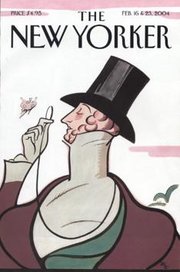
newyorkercoverold.jpgIn ear­ly Octo­ber, The New York­er mag­a­zine held its eighth annu­al fes­ti­val in NYC. (Yikes! As I am typ­ing I’m feel­ing my first earth­quake here in Cal­i­for­nia. Appar­ent­ly 5.7 on Richter scale. Details here.) Any­way, the fes­ti­val brings to the stage an impres­sive list of writ­ers & artists (see the full sched­ule here). And while the aver­age New York­er had to pay some­where between $16 and $100 to attend the var­i­ous events, you can now watch a select num­ber of them for free. The free videos fea­ture New York­er edi­tor David Rem­nick speak­ing with Sey­mour Hersh about his inves­tiga­tive jour­nal­ism and Amer­i­ca’s involve­ment in Iraq and Iran; Nobel Prize win­ner Orhan Pamuk and Salman Rushdie dis­cussing how they approach writ­ing about their respec­tive home­lands, Turkey and India; and Mar­tin Amis and Ian Buru­ma mak­ing sense of his­tor­i­cal “mon­sters” and the psy­chol­o­gy that dri­ves evil. Also Philip Goure­vitch leads a quite thought-pro­vok­ing con­ver­sa­tion with Errol Mor­ris about Abu Ghraib and what did and did not hap­pen there. (Abu Ghraib is the sub­ject of Morris’s next film.) Then, on the lighter side, come­di­an Steve Mar­tin amus­es the crowd by show­ing clips of his stand-up per­for­mances, and film­mak­er Judd Apa­tow talks with film crit­ic David Den­by about his new com­e­dy “Knocked Up.”

You can access these video talks in one of three ways. Watch them online right on The New York­er web site; head over to Itunes where you can down­load them as video pod­casts; or work with the video rss feed.

Relat­ed Con­tent:

Reading Great Books with The New York Times (Starting with War & Peace)


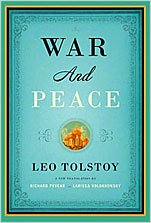
tolstoy.jpgEar­li­er this month, The New York Times Book Review launched an online Read­ing Room that lets read­ers tack­le great books with the help of “an all-star cast of pan­elists from var­i­ous backgrounds—authors, review­ers, schol­ars and jour­nal­ists.” The first read­ing starts with Leo Tol­stoy’s 1200+ page epic, War and Peace (1865–69), and it’s led by book review edi­tor Sam Tanen­haus and a sup­port­ing crew con­sist­ing of Bill Keller (exec­u­tive edi­tor of The Times), Stephen Kotkin (a Russ­ian his­to­ry pro­fes­sor at Prince­ton), Francine Prose (author of Read­ing Like a Writer), and Liesl Schillinger (a reg­u­lar review­er for the Book Review).

At the out­set, Sam Tanen­haus’ intro­duc­tion leaves the impres­sion that the “Read­ing Room” will offer a fair­ly struc­tured read­ing of Tol­stoy’s text. But that’s not exact­ly how things turn out. Often quite frag­men­tary, the con­ver­sa­tion most­ly oper­ates out­side the text itself and veers in many dif­fer­ent, though often intrigu­ing, direc­tions. At one moment, Francine Prose tells us that Tol­stoy’s account of the Napoleon­ic wars reminds her of today’s war in Iraq. For Bill Keller, it evokes the wan­ing days of the Sovi­et Union. And, for Liesl Schillinger, it’s her youth in 1970s Amer­i­ca. (You can get a feel for the flow and focus of the dis­cus­sion here.) Ulti­mate­ly, what you think of this new project depends on what you want to get out of the expe­ri­ence. If it’s a more struc­tured read­ing (as we were hop­ing), then you may not be com­plete­ly engaged. But if it’s a more free-flow­ing con­ver­sa­tion that moves in and around great works, then you’ll want to join the con­ver­sa­tion. And, yes, there’s a role there for the every­day read­er too. Take a look at the Read­ing Room and let us know what you think.

Relat­ed Posts:

Sub­scribe to Our Feed

« Go BackMore in this category... »
Quantcast