Wynton Marsalis Takes Louis Armstrong’s Trumpet Out of the Museum & Plays It Again


Louis Arm­strong’s beloved trum­pet sits in the Smith­son­ian–a rel­ic of a grand tra­di­tion of Amer­i­can music. When it first became a muse­um piece, the brass-and-gold instru­ment, made in Paris after World War II, was­n’t in work­ing con­di­tion. Dwan­da­lyn Reece, the cul­ture cura­tor at The Smith­son­ian, notes:  “It wasn’t playable when it got here… There was a lac­quer coat­ing on it to help pre­vent tar­nish. We looked to see if there were any spots where the lac­quer impact­ed the valves. There were areas where the valves were a lit­tle sticky so we want­ed to make sure they would flow freely.” Once restored, they put the instru­ment in the right hands. Above, watch Wyn­ton Marsalis, the nine-time Gram­my win­ner, play­ing Satch­mo’s Selmer trum­pet last fall.

Marsalis lat­er com­ment­ed, “It sound­ed bet­ter than I thought it would sound.” Appar­ent­ly, it’s the first time an his­toric instru­ment from the Smith­so­ni­an’s col­lec­tion has been put back into real ser­vice.

via The Smith­son­ian/@TedGioia

Relat­ed Con­tent:

The Clean­est Record­ings of 1920s Louis Arm­strong Songs You’ll Ever Hear

1,000 Hours of Ear­ly Jazz Record­ings Now Online: Archive Fea­tures Louis Arm­strong, Duke Elling­ton & Much More

Watch the Ear­li­est Known Footage of Louis Arm­strong Per­form­ing Live in Con­cert (Copen­hagen, 1933)

Louis Arm­strong Plays Trum­pet at the Egypt­ian Pyra­mids; Dizzy Gille­spie Charms a Snake in Pak­istan

Louis Arm­strong Plays His­toric Cold War Con­certs in East Berlin & Budapest (1965)

Watch 82-Year-Old Igor Stravinsky Conduct The Firebird, the Ballet Masterpiece That First Made Him Famous (1965)

The Bal­lets Russ­es, found­ed in 1909 by art crit­ic and impre­sario Sergei Diaghilev, staged some tru­ly rev­o­lu­tion­ary pro­duc­tions on the very edge of aes­thet­ic new­ness. Diaghilev’s bal­lets coor­di­nat­ed set designs by artists like Pablo Picas­so, Hen­ri Matisse, and Gior­gio de Chiri­co, chore­og­ra­phy by such mas­ters as George Bal­an­chine and Vaslav Nijin­sky, and scores by such mod­ern com­posers as Sergei Prokofiev and Erik Satie. But of course, when we think of Diaghilev’s Russ­ian bal­lets, we sure­ly think fore­most of Igor Stravin­sky, whose Rite of Spring was so rad­i­cal it famous­ly incit­ed a riot at its 1913 Parisian pre­miere and “would go on,” writes The Verge, “to leave an indeli­ble mark on jazz, min­i­mal­ism, and oth­er con­tem­po­rary move­ments.”

Just three years ear­li­er, how­ev­er, Stravin­sky was most­ly unknown. Still work­ing under the shad­ow of his teacher, Rim­sky-Kor­sakov, he was giv­en his first big break by Diaghilev only after sev­er­al oth­er com­posers refused the job. That com­mis­sion turned out to be one of the works for which Stravin­sky is best known—the score for The Fire­bird, a bal­let based on a Russ­ian folk tale about a prince who frees a mag­i­cal bird held cap­tive by a sor­cer­er. Fit­ting­ly, giv­en the mon­strous nature of the story’s antag­o­nists, Stravinsky’s score turns on a very sin­is­ter-sound­ing musi­cal inter­val, the tri­tone, whose dis­so­nance caused ear­li­er com­posers to dub it “the Devil’s Inter­val” and to avoid it entire­ly in reli­gious music. Just above, you can see Stravin­sky him­self, at age 82, con­duct “The Lul­la­by Suite” from the bal­let.

Stravinsky’s score built on Claude Debussy’s use of the tri­tone twen­ty years ear­li­er in the eerie Pre­lude to an After­noon of a Faun, and the net effect of the inter­val in these two pieces lead to its dark, moody sound becom­ing “the cen­ter of mod­ern music.” So says Carnegie Hall’s Jef­frey Gef­fen in the short video intro­duc­tion to Stravinsky’s Fire­bird. Gef­fen goes on to tell us that Debussy and Stravin­sky “looked to what was con­sid­ered the most dis­so­nant inter­val of the past 200 years and turned it into into some­thing that becomes exot­ic and per­fumed.” Although The Fire­bird’s sto­ry and many of its musi­cal themes are dis­tinct­ly Russ­ian in ori­gin (as you can see in the Khan Acad­e­my video below), the music “would not have been pos­si­ble,” says Carnegie Hall’s David Robert­son, “with­out the influ­ence of Debussy and that of his friend Mau­rice Rav­el.”

Stravin­sky’s music proved polar­iz­ing even before the riots of Rite of Spring. When leg­endary dancer Anna Pavlo­va heard the Fire­bird score, she declared it “noise” and refused to dance to it, forc­ing Diaghilev to cast Tama­ra Karsav­ina in the title role. But the pro­duc­er believed in his new com­pos­er, remark­ing to Karsav­ina on the bal­let’s pre­miere that Stravin­sky was “a man on the eve of celebri­ty.” Even the for­ward-look­ing Diaghilev could­n’t have pre­dict­ed how much influ­ence Stravin­sky would have on the next 100 years of mod­ern music. Since its first incar­na­tion in 1910, The Fire­bird has been restaged and rearranged sev­er­al times. The suite Stravin­sky con­ducts at the top of the post comes from the 1945 arrange­ment. Two years after this filmed per­for­mance, Stravin­sky con­duct­ed his very last record­ing for Colum­bia Records. He again chose to return, for the last time, to the bal­let that first made him famous, The Fire­bird.

Relat­ed Con­tent:

Hear 46 Ver­sions of Stravinsky’s Rite of Spring in 3 Min­utes: A Clas­sic Mashup

Stravinsky’s “Ille­gal” Arrange­ment of “The Star Span­gled Ban­ner” (1944)

Stravinsky’s The Rite of Spring, Visu­al­ized in a Com­put­er Ani­ma­tion for Its 100th Anniver­sary

Josh Jones is a writer and musi­cian based in Durham, NC. Fol­low him at @jdmagness

The Rolling Stones’ “Gimme Shelter” Played by Musicians Around the World

There’s some­thing dark and apoc­a­lyp­tic about the Rolling Stones’ 1969 song, “Gimme Shel­ter”–from the lyrics (“Oh, a storm is threat’n­ing. My very life today. If I don’t get some shel­ter. Oh yeah, I’m gonna fade away”), to the grim cir­cum­stances sur­round­ing the record­ing of the track, released on the album Let It Bleed. A sense of dread runs through­out the Stones’ orig­i­nal song. Less so the ver­sion above, cre­at­ed by the mul­ti­me­dia project Play­ing for Change, which strives to cre­ate world peace through music. Record­ed back in 2011, this cov­er brings togeth­er artists from around the world: India, Italy, Jamaica, Brazil, Mali, Sier­ra Leone, Sene­gal, and the US. And it’s just one of 21 songs that appears on the DVD/CD com­bo, Songs Around the World.  Oth­er videos by Play­ing for Change can be found in the Relat­eds below.

Relat­ed Con­tent:

Mick Jag­ger Tells the Sto­ry Behind ‘Gimme Shel­ter’ and Mer­ry Clayton’s Haunt­ing Back­ground Vocals

The Grate­ful Dead’s “Rip­ple” Played by Musi­cians Around the World

When “Stand By Me” Trav­els Around the World

Watch Paul McCartney Perform Live, with 10-Year-Old Leila on Bass, in Buenos Aires Yesterday

A few weeks ago, I took my kids to see Paul McCart­ney launch his One on One Tour in Fres­no, Cal­i­for­nia. The high­light? See­ing him play “Hard Day’s Night” and “Love Me Do” live for the first time since the 1960s? Not real­ly. Watch­ing Sir Paul wave at my kids when they held up a “Chee­rio Paul” sign? Yeah, that was worth the price of the tick­ets alone.

But none of that com­pares to the scene that played out ear­li­er this week in Buenos Aires. Above, watch lit­tle Leila sweet­ly ask Paul to play a lit­tle bass, get her wish grant­ed, and rock to some “Get Back.” It’s pret­ty adorable.

If you would like to sup­port the mis­sion of Open Cul­ture, con­sid­er mak­ing a dona­tion to our site. It’s hard to rely 100% on ads, and your con­tri­bu­tions will help us con­tin­ue pro­vid­ing the best free cul­tur­al and edu­ca­tion­al mate­ri­als to learn­ers every­where. You can con­tribute through Pay­Pal, Patre­on, and Ven­mo (@openculture). Thanks!

Behold the Sea Organ: The Massive Experimental Musical Instrument That Makes Music with the Sea

If you ever find your­self in Zadar, Croa­t­ia, pay a vis­it to The Sea Organ, the exper­i­men­tal musi­cal instru­ment cre­at­ed by the archi­tect Niko­la Bašić. Unveiled in 2005, the organ–made of 35 poly­eth­yl­ene pipes tucked under white mar­ble steps–turns the wind and the waves into a nev­er-end­ing stream of avant-garde sounds. In 2006, the Sea Organ won the 2006 Euro­pean Prize for Urban Pub­lic Space. Hear it make its music above.

If you would like to sup­port the mis­sion of Open Cul­ture, con­sid­er mak­ing a dona­tion to our site. It’s hard to rely 100% on ads, and your con­tri­bu­tions will help us con­tin­ue pro­vid­ing the best free cul­tur­al and edu­ca­tion­al mate­ri­als to learn­ers every­where. You can con­tribute through Pay­Pal, Patre­on, and Ven­mo (@openculture). Thanks!

by | Permalink | Make a Comment ( 3 ) |

The Night John Belushi Cartwheeled Onstage During a Grateful Dead Show & Sang “U.S. Blues” with the Band (1980)

Sure, I know ice truck­ers and snow crab fish­er­men have it rough, but I’ve always thought the hard­est job in the world is to be a come­di­an. You walk out on stage, night after night, throw­ing your­self on the mer­cy of the fick­le crowd, with noth­ing but your wits to keep you afloat. It’s nev­er been any won­der to me that so many come­di­ans turn to var­i­ous sub­stances to cope with the heck­ling, chilly silences, and dis­in­ter­est­ed, half-emp­ty rooms. Even suc­cess­ful, beloved comics face tremen­dous per­for­mance pres­sures. Some of them crack. And some, like John Belushi, hop onstage dur­ing a Grate­ful Dead show at the Capi­tol The­atre, cart­wheel over to a micro­phone before the cho­rus of “U.S. Blues,” and join in on back­ing vocals.

Belushi’s impromp­tu 1980 prank per­for­mance with the Dead was not, ini­tial­ly, wel­comed. He had, reports Live for Live Music, “met with some resis­tance from the band” when he asked to join in dur­ing the encore, and drum­mer Bill Kreutz­mann “had to nix Belushi’s wish­es.”

So Belushi, true to form, took mat­ters into his own anar­chic hands, stag­ing what Kreutz­mann called in his 2015 auto­bi­og­ra­phy a “comedic ambush.”

He had on a sport coat with small Amer­i­can flags stuffed into both of his breast pock­ets and he land­ed his last cart­wheel just in time to grab a micro­phone and join in on the cho­rus. The audi­ence and every­one in the band—except for Phil—ate it up. It could­n’t have been rehearsed bet­ter. Belushi had impec­ca­ble comedic tim­ing, musi­cal­i­ty, balls, the works. And appar­ent­ly, he did­n’t take no for an answer.

Belushi’s musi­cal antics, and sur­pris­ing acro­bat­ic agili­ty, are already well-known to fans of The Blues Broth­ers. His pen­chant for real-life musi­cal chaos—such as his stag­ing of an authen­ti­cal­ly riotous punk show on Sat­ur­day Night Live—have also become part of his estimable com­ic leg­end.

Sad­ly, no video of the stunt seems to exist, but you can see Kreutz­mann tell the Belushi sto­ry in the inter­view at the top of the post and, just above, hear that night’s encore per­for­mance of “U.S. Blues.” Lis­ten close­ly at around the 1:50 mark and you’ll hear Belushi join in on the cho­rus. We’ll have to imag­ine the cart­wheels, but it prob­a­bly looked some­thing like this.


Hear the full Dead show from that night here. And if you’re crav­ing more musi­cal Belushi, check out his spas­mod­ic impres­sion of the late, great Joe Cock­er.

Relat­ed Con­tent:

Young John Belushi Imi­tates Tru­man Capote & Per­forms Live on Sec­ond City Stage (1972)

The Night John Belushi Booked the Punk Band Fear on Sat­ur­day Night Live, And They Got Banned from the Show

Stream 36 Record­ings of Leg­endary Grate­ful Dead Con­certs Free Online (aka Dick’s Picks)

Josh Jones is a writer and musi­cian based in Durham, NC. Fol­low him at @jdmagness

Hear the Music of David Lynch’s Twin Peaks Played by the Experimental Band, Xiu Xiu: A Free Stream of Their New Album

Last year, Col­in Mar­shall high­light­ed for you the music of Xiu Xiu, the exper­i­men­tal post-punk band, which has trav­eled the world, play­ing their own inter­pre­ta­tion of the music Ange­lo Badala­men­ti wrote for David Lynch’s ear­ly 1990s series, Twin Peaks. Our orig­i­nal post fea­tured some of those live per­for­mances, and now comes a stu­dio record­ing of those Twin Peaks inter­pre­ta­tions.

We’d be remiss if we did­n’t tell you that you can stream the new album–called Plays the Music of Twin Peaks– free online. Just click play above. Find a list of indi­vid­ual tracks below. And, if you like what you hear, con­sid­er pur­chas­ing your own copy of the album from the usu­al ven­dors. Enjoy.

1. Lau­ra Palmer’s Theme (0:00)
2. Into The Night (5:03)
3. Audrey’s Dance (10:15)
4. Packard’s Vibra­tion (14:41)
5. Night­sea Wind (18:31)
6. Blue Frank/Pink Room (25:37)
7. Sycamore Tree (31:28)
8. Harold’s Theme (38:16)
9. Dance of the Dream Man (42:12)
10. Falling (47:22)
11. Love Theme Farewell (54:20)
12. Josie’s Past (1:00:44)

via Wel­come to Twin Peaks

If you would like to sup­port the mis­sion of Open Cul­ture, con­sid­er mak­ing a dona­tion to our site. It’s hard to rely 100% on ads, and your con­tri­bu­tions will help us con­tin­ue pro­vid­ing the best free cul­tur­al and edu­ca­tion­al mate­ri­als to learn­ers every­where. You can con­tribute through Pay­Pal, Patre­on, and Ven­mo (@openculture). Thanks!

Relat­ed Con­tent:

Exper­i­men­tal Post-Punk Band Xiu Xiu Plays the Music from David Lynch’s Twin Peaks

David Lynch’s Twin Peaks Title Sequence, Recre­at­ed in an Adorable Paper Ani­ma­tion

Play the Twin Peaks Video Game: Retro Fun for David Lynch Fans

David Lynch Presents the His­to­ry of Sur­re­al­ist Film (1987)

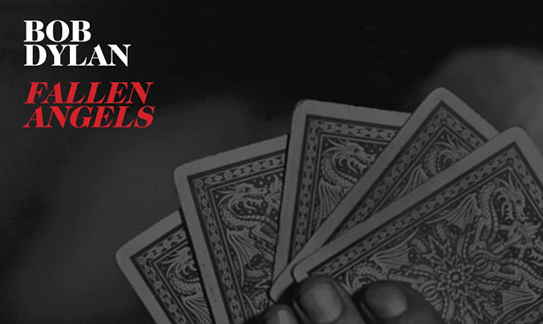
Free: Stream Bob Dylan’s Brand New Album Fallen Angels for a Limited Time

bob dylan fallen angels

Come gath­er ’round peo­ple, wher­ev­er you roam. Bob Dylan is get­ting ready to release his 37th stu­dio album. And before you can buy it on Ama­zon, iTunes, and the oth­er usu­al places, you can stream it free online for a lim­it­ed time, thanks to NPRFall­en Angels–much like Shad­ows in the Night from 2015–features Dylan singing clas­sic Amer­i­can songs, which gen­er­al­ly have one thing in com­mon: They were all (save one, “Sky­lark”) sung by Frank Sina­tra back in the day. And now Dylan takes a turn with them in 2016. Enjoy giv­ing them an ear­ly lis­ten.

If you would like to sup­port the mis­sion of Open Cul­ture, con­sid­er mak­ing a dona­tion to our site. It’s hard to rely 100% on ads, and your con­tri­bu­tions will help us con­tin­ue pro­vid­ing the best free cul­tur­al and edu­ca­tion­al mate­ri­als to learn­ers every­where. You can con­tribute through Pay­Pal, Patre­on, and Ven­mo (@openculture). Thanks!

Relat­ed Con­tent:

Bob Dylan Reads From T.S. Eliot’s Great Mod­ernist PoemThe Waste Land

Hear A Young Bob Dylan Sing 11 Songs and Tell Tall Tales on a 1962 Radio Show

Bob Dylan & The Grate­ful Dead Rehearse Togeth­er in Sum­mer 1987: Hear 74 Tracks

Two Leg­ends Togeth­er: A Young Bob Dylan Talks and Plays on The Studs Terkel Pro­gram, 1963

by | Permalink | Make a Comment ( 3 ) |

« Go BackMore in this category... »
Quantcast