Butterfly Lands on Flutist’s Face During Flute Competition: The Show Must Go On

Last Mon­day, Yukie Ota, a Japan­ese born flutist now liv­ing in Chica­go, was per­form­ing in the first round of the Carl Nielsen Inter­na­tion­al Flute Com­pe­ti­tion in Den­mark, when a but­ter­fly flit­ted across the stage and land­ed, rather incon­ve­nient­ly, on the bridge of her nose. Not miss­ing a beat — er, a note — Ota took a quick glance at the crit­ter, and played on, unfazed. On the mer­its of her per­for­mance, Ota made it to the final round of the com­pe­ti­tion held on Sat­ur­day. She even­tu­al­ly lost out to Sébas­t­ian Jacot, who appar­ent­ly played the entire com­pe­ti­tion with a dam­aged flute. In oth­er news, you can check out Vladimir Nabokov’s delight­ful but­ter­fly draw­ings here.

via NPR H/T Mike S.

Sign up for our dai­ly email and, once a day, we’ll bun­dle all of our dai­ly posts and drop them in your inbox, in an easy-to-read for­mat. You don’t have to come to us; we’ll come to you!

by | Permalink | Make a Comment ( 2 ) |

Novelist Michael Chabon Sang in a Punk Band During the ’80s: Newly Released Audio Gives Proof

the bats chabon

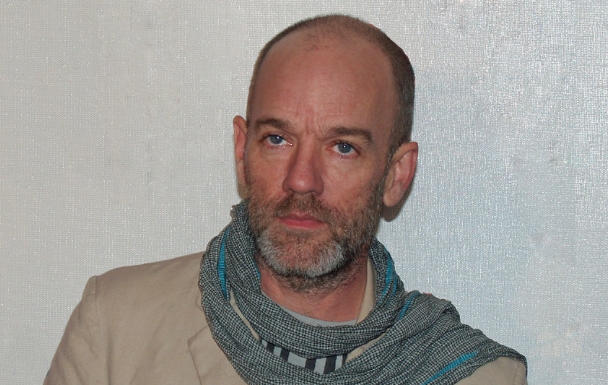
The bio on Michael Chabon’s web­site is one of the most punk rock author bios I’ve ever seen. Clear­ly, the task of writ­ing it was not left to chance or some pub­li­cist.

Where oth­er authors might lim­it them­selves to the strict­ly pro­fes­sion­al, Chabon spices things up with details on his bar mitz­vah, his failed first mar­riage, and the births of his chil­dren.

Where oth­ers’ time­lines grow weighty with evi­dence of increas­ing fame, his reads more like a diary, writ­ten in the third per­son.

Break­ing of Hank Aaron’s pure record of 755 home runs amid the now-com­mon­place Amer­i­can con­geries of hypocrisy, excess, bad faith, racism and lies final­ly proves too much, and the wrong kind, of base­ball sad­ness; turns his back on the game (8/07)

Pen­e­trates to the secret night­time heart of Dis­ney­land (9/11)

Giv­en his zest for per­son­al mile­stones, it’s sur­pris­ing he didn’t see fit to share that he was once the lead singer in a Pitts­burgh punk band. It would have fit nice­ly between the pho­to in which he and nov­el­ist Jon Arm­strong are garbed as strolling Renais­sance Fes­ti­val play­ers and the moment he enters an Oak­land crawl­space to begin work on The Mys­ter­ies of Pitts­burgh.

He might rethink this omis­sion, now that Mind­cure Records has released the four-track demo that is his band, the Bats’ only stu­dio record­ing. Also pre­served on vinyl is the author’s sole live out­ing with the band, a 21st birth­day gig at the Elec­tric Banana, short­ly before he grad­u­at­ed from the Uni­ver­si­ty of Pitts­burgh and dis­ap­peared into that crawl­space. The label describes his vocals as “snot­ty.” It’s a com­pli­ment in con­text.

Mean­while in the Pitts­burgh Post Gazette, Chabon recalled the Bats as “a fine lit­tle band, a unique assem­blage of diverse strengths and quirks, anchored by one of the most rock-sol­id drum­mers ever to grace the Pitts­burgh scene, and ham­pered only by the weak­ness of their goof­ball front­man.”

Thanks to Mind­cure Records, Open Cul­ture read­ers can sam­ple the self-effac­ing Pulitzer Prize winner’s vin­tage vocal stylings, above. In the clip away, we have him singing “Jet Away.” Chabon may think he sounds “awful,” but I don’t hear any cause for shame.  You can pick up your own copy of The Bats’ album, ‘Demo 5:26:84,′ with Chabon on vocals, here.


Relat­ed Con­tent:

Pat­ti Smith’s Cov­er of Nirvana’s “Smells Like Teen Spir­it” Strips the Song Down to its Heart

Allen Gins­berg & The Clash Per­form the Punk Poem “Cap­i­tal Air,” Live Onstage in Times Square (1981)

The Ramones, a New Punk Band, Play One of Their Very First Shows at CBGB (1974)

Nev­er Mind the Bol­locks, Here’s … John Lydon in a But­ter Com­mer­cial?


Ayun Hal­l­i­day’s bio is also a bit out­side the mold. Fol­low her @AyunHalliday

Listen to the Long-Lost Freddie Mercury & Michael Jackson Duet

Some 33 years ago, Queen start­ed work on a track called “There Must Be More to Life Than This,” which fea­tured vocals by Fred­die Mer­cury and Michael Jack­son. Writ­ten dur­ing the Hot Space ses­sions (cir­ca 1981), the song was even­tu­al­ly aban­doned and put on a shelf until Fred­die Mer­cury released his own ver­sion on a 1985 solo album. Now, with the upcom­ing release of a Queen com­pi­la­tion called Queen For­ev­er, you can hear the orig­i­nal. No longer do you have to won­der what a Mer­cury-Jack­son duet might sound like. In fact, you only have to click play above and the sus­pense will be over.

I should note that the Hot Space ses­sions also pro­duced per­haps our favorite rock duet ever — Fred­die Mer­cury and David Bowie singing “Under Pres­sure.” Don’t miss hear­ing their vocals on this amaz­ing iso­lat­ed track.

How about sign­ing up for our dai­ly email? Once a day, we bun­dle all of our dai­ly posts and drop them in your inbox, in an easy-to-read for­mat. You don’t have to come to us; we’ll come to you!

via Rolling Stone

Relat­ed Con­tent:

Lis­ten to Fred­die Mer­cury and David Bowie on the Iso­lat­ed Vocal Track for the Queen Hit ‘Under Pres­sure,’ 1981

Bri­an May’s Home­made Gui­tar, Made From Old Tables, Bike and Motor­cy­cle Parts & More

Gui­tarist Bri­an May Explains the Mak­ing of Queen’s Clas­sic Song, ‘Bohemi­an Rhap­sody’

by | Permalink | Make a Comment ( 15 ) |

Pakistani Orchestra Plays Enchanting Rendition of The Beatles’ “Eleanor Rigby”

Last year, we brought you an incred­i­ble cov­er of Dave Brubeck’s clas­sic “Take Five” per­formed by the Pak­istan-based group, the Sachal Stu­dios Orches­tra (also known as the Sachal Jazz Ensem­ble). You can find that song, along with two takes on “The Girl From Ipane­ma,” on their 2011 album Sachal Jazz. You won’t find the Sachal Orchestra’s ver­sion of “Eleanor Rig­by” (above) on that album. This comes to us from Sachal’s 2013 Jazz and All That, a record Guardian crit­ic John Ford­ham calls “smooth-jazz­i­er” than its pre­de­ces­sor and “more impro­vi­sa­tion­al­ly inhib­it­ed.” I must say, if that’s the case, I’ll take my jazz smooth just this once.

“Eleanor Rig­by,” of course, has always been played by an orches­tra, and its mix­ture of modes makes it a par­tic­u­lar­ly good choice for the sitar soloist, who could have sat in com­fort­ably in stu­dio ses­sions for near­ly every song on the East­ern-inflect­ed Revolver. He shares the spot­light with a dyna­mite tablas play­er (watch for his solo at 1:27). It’s no won­der the Sachal play­ers have made such an impres­sion with their unique inter­pre­ta­tions of stan­dards and clas­sics. Drawn from “vir­tu­osos who cut their teeth in Pakistan’s once-flour­ish­ing Lol­ly­wood film indus­try,” their web­site informs us, “the Sachal Jazz Ensem­ble brings togeth­er some of the most accom­plished clas­si­cal musi­cians of the sub­con­ti­nent.” Lol­ly­wood, Lahore’s once-thriv­ing film indus­try, has still bare­ly recov­ered from the repres­sive regime of Gen­er­al Zia-ul-Haq.

The musi­cians of Sachal are refugees of a sort; res­cued from pover­ty, these “vet­er­an ses­sion play­ers [had been] retired since the 1980s due to var­i­ous anti-music zealotries.” Dur­ing those times, writes Yaqoob Khan Ban­gash, tele­vi­sion dra­ma pro­vid­ed “great suc­cor to a fatigued and demor­al­ized soci­ety.” Musi­cals, how­ev­er, were very much frowned on by the regime, which banned most West­ern-influ­enced pro­duc­tions and shut­tered most of the Lahore stu­dios. We should be glad the Sachal Stu­dios Orches­tra can now per­form and tour. They recent­ly appeared with Wyn­ton Marsalis at Lin­coln Cen­ter in an event, Ford­ham writes, sug­gest­ing that “the most cre­ative phase of Sachal Stu­dios’ heart­en­ing sto­ry of renew­al might just be begin­ning.”

For more on Sachal Stu­dios, watch the intro­duc­to­ry video, “Who We Are…,” above—shot at, where else, the stu­dios at Abbey Road.

Relat­ed Con­tent:

Pak­istani Musi­cians Play Amaz­ing Ver­sion of Dave Brubeck’s Jazz Clas­sic, “Take Five”

Watch Jimi Hendrix’s ‘Voodoo Chile’ Per­formed on a Gayageum, a Tra­di­tion­al Kore­an Instru­ment

A Mid­dle-East­ern Ver­sion of Radiohead’s 1997 Hit “Kar­ma Police”

Josh Jones is a writer and musi­cian based in Durham, NC. Fol­low him at @jdmagness.


Leonard Cohen’s New Album, Popular Problems, Is Now Streaming Free for a Limited Time

popular problems

Just thought you’d like to know: NPR’s First Lis­ten site is now stream­ing Leonard Cohen’s new album Pop­u­lar Prob­lems. But it will only be avail­able for a lim­it­ed time. So don’t waste time get­ting your lis­ten­ing par­ty start­ed.

In its review of the album, The Guardian notes that “finan­cial wor­ries may be dri­ving his come­back, but Leonard Cohen’s songs of despair have nev­er sound­ed so full of life.” Lis­ten to the free stream at NPR and see what they mean. (Also find a free stream at The Guardian.) Or pre-order your own copy on Ama­zon or iTunes.

Relat­ed Con­tent:

Ladies and Gen­tle­men… Mr. Leonard Cohen: The Poet-Musi­cian Fea­tured in a 1965 Doc­u­men­tary

Leonard Cohen Plays a Spell­bind­ing Set at the 1970 Isle of Wight Fes­ti­val

Street Artist Plays Leonard Cohen’s “Hal­lelu­jah” With Crys­tal Glass­es

Leonard Cohen Recounts “How I Got My Song,” or When His Love Affair with Music Began

Watch Frank Zappa Play Michael Nesmith on The Monkees (1967)


In Decem­ber 1967, The Mon­kees blew their audi­ence’s minds by host­ing Frank Zap­pa, “par­tic­i­pant in and per­haps even leader of” the Moth­ers Of Inven­tion.

Or did they?

The tidal wave of affec­tion that com­pris­es twen­ty-first cen­tu­ry Mon­kees mania makes us for­get that chil­dren were the pri­ma­ry audi­ence for The Mon­kees’ tit­u­lar sit­com. (One might also say that The Mon­kees were the sitcom’s tit­u­lar band.)

But even if the kids at home weren’t suf­fi­cient­ly con­ver­sant in the musi­cal under­ground to iden­ti­fy the spe­cial guest star of the episode, “The Mon­kees Blow Their Minds,” we are.

It’s a joy to see Zap­pa and The Mon­kees’ supreme­ly laid back Michael Nesmith (he audi­tioned for the show with his laun­dry bag in tow) imper­son­at­ing each oth­er.

Zappa’s idea, appar­ent­ly. He’s in com­plete con­trol of the gim­mick from the get go, where­as Nesmith strug­gles to keep their names straight and his pros­thet­ic nose in place before get­ting up to speed.

It’s impor­tant to remem­ber that it’s not Frank, but Nesmith play­ing Frank who accus­es The Mon­kees’ music of being banal and insipid.

Zap­pa him­self was a great sup­port­er of The Mon­kees. “When peo­ple hat­ed us more than any­thing, he said kind things about us,” Nesmith recalled in Bar­ry Miles’ Zap­pa biog­ra­phy. Zap­pa attempt­ed to teach Nesmith how to play lead gui­tar, and offered drum­mer Micky Dolenz a post-Mon­kees gig with The Moth­ers of Inven­tion.

Their mutu­al warmth makes lines like “You’re the pop­u­lar musi­cian! I’m dirty gross and ugly” palat­able. It put me in mind of come­di­an Zach Gal­i­fi­anakis’ Between Two Ferns, and count­less oth­er loose­ly rehearsed web series.

After a cou­ple of min­utes, Nesmith gets his hat back to con­duct as Zap­pa smash­es up a car to the tune of the Moth­er’s Of Inven­tion’s “Moth­er Peo­ple.”

Watch the full episode here, or if pressed for time, per­haps just Zappa’s cameo in the Mon­kees’ movie Head, as a stu­dio lot bull wran­gler who coun­sels lead singer Davy Jones on his career.

Relat­ed Con­tent:

A Young Frank Zap­pa Turns the Bicy­cle into a Musi­cal Instru­ment on The Steve Allen Show (1963)

In One of his Final Inter­views, Frank Zap­pa Pro­nounces Him­self “Total­ly Unre­pen­tant”

Ayun Hal­l­i­day is an author, home­school­er, and Chief Pri­ma­tol­o­gist of the East Vil­lage Inky zine. Fol­low her @AyunHalliday


Hear Bob Dylan’s Unedited & Bewildering Interview With Nat Hentoff for Playboy Magazine (1965)

In the fall of 1965, six months after Bob Dylan freaked out the folkies at New­port, he sat down with Vil­lage Voice music crit­ic and colum­nist Nat Hentoff for an inter­view for Play­boy. Like Dylan him­self, the result­ing con­ver­sa­tion, as pub­lished in Feb­ru­ary, 1966, is by turns illu­mi­nat­ing and com­plete­ly con­found­ing. Top­ics shift abrupt­ly, words take on unfa­mil­iar mean­ings, and for all of the many strong opin­ions Dylan seems to express, it’s remark­able how lit­tle he actu­al­ly seems to say, since he takes back almost every­thing as soon as he says it.

The ver­bal tan­gles of his answers take many philo­soph­i­cal turns. Dylan defines the con­tem­po­rary art scene, say­ing “Art, if there is such a thing, is in the bath­rooms; every­body knows that. […] I spend a lot of time in the bath­room. I think muse­ums are vul­gar. They’re all against sex.” Asked “why rock ‘n’ roll has become such an inter­na­tion­al phe­nom­e­non,” Dylan wax­es onto­log­i­cal: “I can’t real­ly think that there is any rock ’n’ roll. Actu­al­ly, when you think about it, any­thing that has no real exis­tence is bound to become an inter­na­tion­al phe­nom­e­non.”

The bizarre nature of the pub­lished exchange is clas­sic, com­i­cal­ly aloof, mid-six­ties Dylan—so much in char­ac­ter we can imag­ine Cate Blanchett’s ser­pen­tine Dylan in I’m Not There say­ing the lines. But the print ver­sion of the con­ver­sa­tion is stream­lined and lucid com­pared to the unedit­ed, taped con­ver­sa­tion Dylan and Hentoff had the year pri­or before an edi­tor pared it down. As music site All Dylan has it, “to call them ver­sions ignores the fact that they are total­ly dif­fer­ent inter­views.”

The orig­i­nal take, which you can hear above in two parts, was much messier, and stranger.  Dylan often sounds like he’s not answer­ing ques­tions so much as putting words togeth­er in sen­tence-like forms. His speech takes on the qual­i­ties of abstract expressionism—recursive, and point­ed­ly vague. We might assume he’s real­ly stoned, except for a long-wind­ed speech about how passé it is to smoke pot.

Well, I nev­er felt as if there’s an answer through pot. I don’t want to make this, kind of, a drug inter­view or any­thing, like. LSD like… once you take LSD a few times… I mean, LSD is a med­i­cine. You know, you take it and you know… you don’t real­ly have to keep tak­ing it all the time. It’s noth­ing like that. It’s not that kind of thing, you know, where­as pot, you know, nobody’s got any answers through pot. Pot’s, you know, not that kind of thing. I’m sure that the peo­ple that say that the peo­ple who fig­ure they got their answers through pot, first of all, those peo­ple who say that, they’re just invent­ing some­thing. And the peo­ple that real­ly actu­al­ly think that they got their answers through pot, prob­a­bly nev­er even smoked pot, you know. I mean, it’s like… pot is, you know…who smokes pot any more, you know, any­way? 

Ever non­com­mit­tal, Dylan deflects a ques­tion about his rela­tion­ship with John­ny Cash, say­ing “I can’t real­ly talk about it too much,” but assur­ing Hentoff that he likes Cash “a lot. I like every­thing he does real­ly.” If Dylan gives as much as he takes away in the pub­lished inter­view, he does so dou­bly in this unedit­ed ver­sion, and it’s odd­ly fas­ci­nat­ing, even—and especially—when he decides to stop mak­ing words make sense. The taped inter­view was, in fact, the sec­ond inter­view Hentoff con­duct­ed with Dylan. After see­ing an edit­ed tran­script of the first attempt, Dylan insist­ed that Hentoff inter­view him again over the phone. Hentoff turned on his tape recorder and imme­di­ate­ly “real­ized I was going to be the straight guy,” he tells John White­head, “Dylan was impro­vis­ing sur­re­al­is­ti­cal­ly and very fun­ny.”

Vul­ture ranks the Play­boy inter­view at num­ber one in their list of “The 10 Most Incom­pre­hen­si­ble Bob Dylan Inter­views of All Time.” It must have been a tough call. At num­ber 10, they have the Time mag­a­zine inter­view from that same year, which you can see in the clip above from 1967’s Don’t Look Back. Dylan is con­fronta­tion­al, almost the­atri­cal­ly angry, but he is most­ly clear on the details. He ends the inter­view with a cryp­tic joke, com­par­ing him­self to opera singer Enri­co Caru­so: “I hap­pen to be just as good as him—a good singer. You have to lis­ten close­ly, but I hit all those notes.”

via All Dylan

Relat­ed Con­tent:

Bob Dylan Reads From T.S. Eliot’s Great Mod­ernist Poem The Waste Land

Two Leg­ends Togeth­er: A Young Bob Dylan Talks and Plays on The Studs Terkel Pro­gram, 1963

Bob Dylan Final­ly Makes a Video for His 1965 Hit, “Like a Rolling Stone”

Josh Jones is a writer and musi­cian based in Durham, NC. Fol­low him at @jdmagness.

The Avant-Garde Project: An Archive of Music by 200 Cutting-Edge Composers, Including Stravinsky, Schoenberg, Cage & More

avant gardeEvery sphere of record­ed music, from late-1960s folk to Philadel­phia hip-hop to Japan­ese jazz (a per­son­al pur­suit of mine), has its crate-dig­gers, those hap­py to flip through hun­dreds — nay, hun­dreds of thou­sands — of obscure, for­got­ten vinyl albums in search of their sub­gen­re’s even obscur­er, more for­got­ten gems. This holds espe­cial­ly true, if not in num­ber than in avid­i­ty, for enthu­si­asts of the 20th-cen­tu­ry clas­si­cal-exper­i­men­tal-elec­troa­coustic tra­di­tion that The Avant-Garde Project takes as its preser­va­tion man­date. The site offers mate­r­i­al “dig­i­tized from LPs whose music has in most cas­es nev­er been released on CD, and so is effec­tive­ly inac­ces­si­ble to the vast major­i­ty of music lis­ten­ers today.” To the best of the Archive’s knowl­edge, the LPs are all cur­rent­ly out of print, and all the music is extract­ed with an ana­log rig that ranks as “near state-of-the-art, pro­duc­ing almost none of the track­ing dis­tor­tion or sur­face noise nor­mal­ly asso­ci­at­ed with LPs.”

The Avant-Garde Pro­jec­t’s efforts, the archive of which you can browse here (or alpha­bet­i­cal­ly by com­pos­er, or through choice sam­plers, or through the “AGP top twen­ty,” or through the founder’s per­son­al favorites), has borne a great deal of fruit so far, espe­cial­ly from such music-his­to­ry class favorites as Arnold Schoen­berg, whose String Trio per­formed by the Los Ange­les String Trio you can hear above, and Igor Stravin­sky, whose Sym­pho­ny of Psalms you’ll find below. Every­thing in the Avant-Garde Pro­jec­t’s archive comes down­load­able as tor­rents of Free Loss­less Audio Codec (FLAC) files. This audio­phile’s com­pres­sion for­mat of choice requires a bit of spe­cial but eas­i­ly obtained soft­ware to play or burn to CDs, all of which you can get explained here (with even more infor­ma­tion here). Those who’d like to keep it sim­ple (if not quite as aural­ly pris­tine) can lis­ten through a small­er ver­sion of the archive at Ubuweb. Either way, you’ll enjoy all the artis­tic rich­ness of rare 20th-cen­tu­ry clas­si­cal-exper­i­men­tal-elec­troa­coustic music with none of the dig­ging.

Relat­ed Con­tent:

Exten­sive Archive of Avant-Garde & Mod­ernist Mag­a­zines (1890–1939) Now Avail­able Online

Vi Hart Uses Her Video Mag­ic to Demys­ti­fy Stravin­sky and Schoenberg’s 12-Tone Com­po­si­tions

Stravinsky’s The Rite of Spring, Visu­al­ized in a Com­put­er Ani­ma­tion for Its 100th Anniver­sary

Inter­views with Schoen­berg and Bartók

Hear Theodor Adorno’s Avant-Garde Musi­cal Com­po­si­tions

Col­in Mar­shall hosts and pro­duces Note­book on Cities and Cul­ture and writes essays on cities, lan­guage, Asia, and men’s style. He’s at work on a book about Los Ange­les, A Los Ange­les Primer. Fol­low him on Twit­ter at @colinmarshall or on Face­book.

« Go BackMore in this category... »
Quantcast