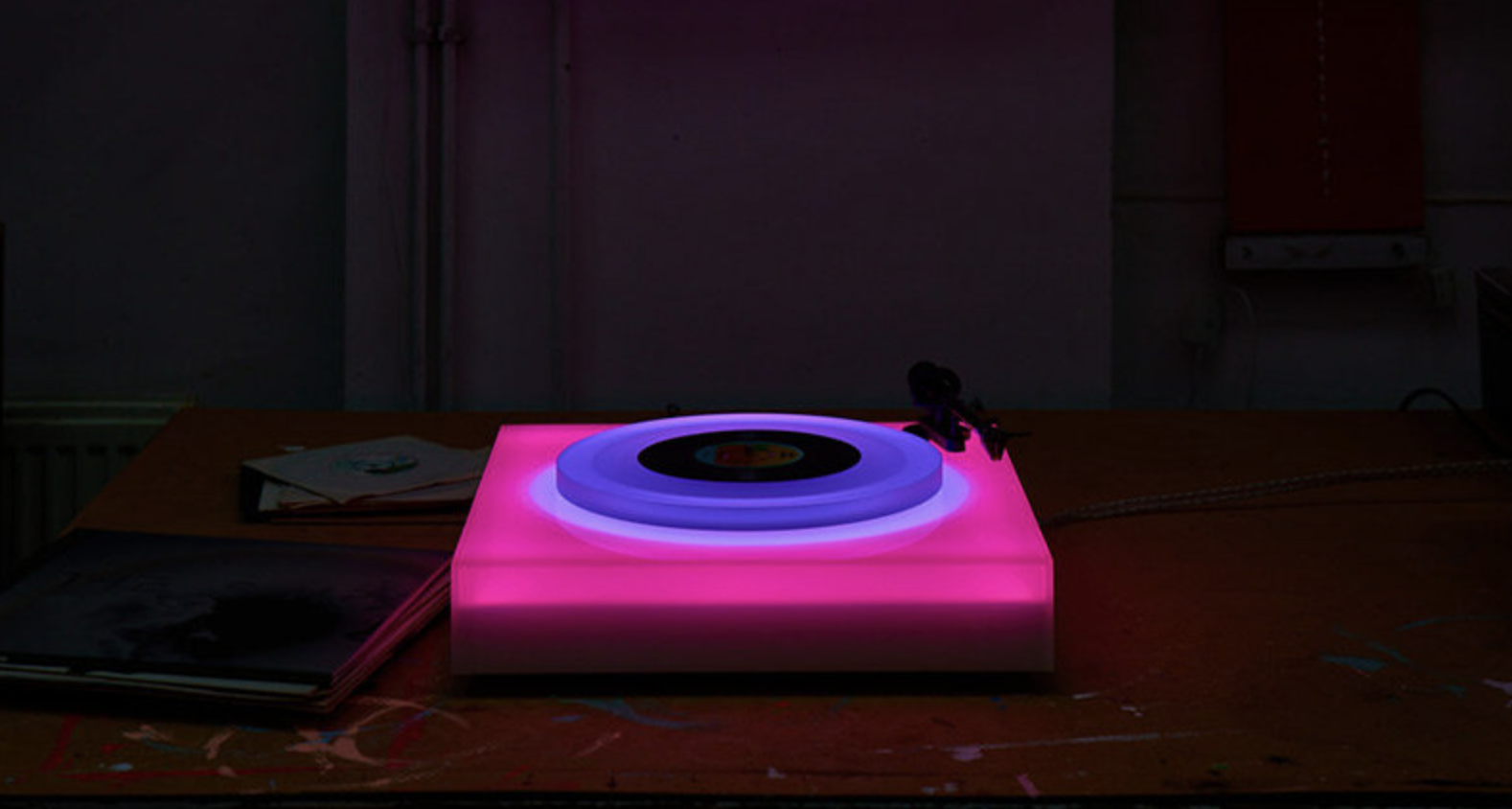
Sinéad O’Connor’s Raw Isolated Vocals for “Nothing Compares 2 U”

Prince first record­ed a demo of “Noth­ing Com­pares 2 U” in 1984. Then Sinéad O’Con­nor made the song her own … and made it famous. Chris Bir­kett, who co-pro­duced and engi­neered the 1990 track, remem­bers the cir­cum­stances behind the record­ing: Speak­ing to Sound on Sound, he recalls: “I think the inten­si­ty of Sinéad’s per­for­mance came from the breakup of her lat­est rela­tion­ship.” “She had been dat­ing her man­ag­er, Facht­na O’Ceal­laigh, who’s a real­ly good guy and had been instru­men­tal in get­ting her deal with Ensign Records. How­ev­er, their rela­tion­ship had gone pear-shaped and they were in the process of break­ing up when we record­ed ‘Noth­ing Com­pares 2 U’, so that’s prob­a­bly why she did such a good vocal. She came into the stu­dio, did it in one take, dou­ble-tracked it straight away and it was per­fect because she was total­ly into the song. It mir­rored her sit­u­a­tion.” In the iso­lat­ed track above, you can hear all of the raw­ness of the moment, cap­tured just as Bir­kett heard it that day.

Relat­ed Con­tent 

Sinéad O’Connor Makes Her First US Tele­vi­sion Appear­ance: Watch Her Sing “Mandin­ka” on Late Night with David Let­ter­man (1988)

Pat­ti Smith’s Cov­er of Nirvana’s “Smells Like Teen Spir­it” Strips the Song Down to its Heart

Hear a 19-Year-Old Prince Crush­ing It on Every Instru­ment in an Ear­ly Jam Ses­sion (1977)


Sinéad O’Connor Makes Her First US Television Appearance: Watch Her Sing “Mandinka” on Late Night with David Letterman (1988)

On Sep­tem­ber 7, 1988, a skin­ny, near bald, 21-year-old moth­er took the mic mid­way through Late Night with David Let­ter­man and blew the socks off both the live stu­dio audi­ence and the folks view­ing at home.

She also appeared as an unwill­ing par­tic­i­pant in a cheesy green­room sketch with fel­low guests come­di­an Robert Klein, croon­er Jer­ry Vale, and a female day play­er cos­tumed as a sexy cig­a­rette girl from anoth­er era.

It’s a stu­pid, ret­ro­grade bit that’s become even worse with age, but young Sinead O’Connor’s refusal to play along with the prob­lem­at­ic premise was as true to form as her howl­ing per­for­mance of Mandin­ka off her first album, The Lion and the Cobra.

Per­form­ing in a stud­ded jean jack­et and Claddagh ring, she made her live US tele­vi­sion debut with eyes most­ly closed.

Let­ter­man intro­duced her as a “remark­able, young singer and writer from Ire­land.”

It’s fun to see the truth of that canned line hit­ting the house band as the song pro­gress­es. Band­leader Paul Shaf­fer looks espe­cial­ly tick­led by the feroc­i­ty of O’Connor’s per­for­mance and her con­fi­dent musi­cian­ship.

In her mem­oir Remem­ber­ings, O’Connor explains that the song was inspired by the 1977 tele­vi­sion adap­ta­tion of Alex Haley’s semi-auto­bi­o­graph­i­cal his­tor­i­cal nov­el Roots:

I was a young girl when I saw it, and it moved some­thing so deeply in me, I had a vis­cer­al response. I came to emo­tion­al­ly iden­ti­fy with the civ­il rights move­ment and slav­ery, espe­cial­ly giv­en the theoc­ra­cy I lived in and the oppres­sion in my own home.

She reprised Mandin­ka sev­er­al months lat­er at the Gram­my Awards. She may have lost Best Female Rock Vocal Per­for­mance to estab­lished leg­end Tina Turn­er, but the LA Times wag­gish­ly declared her “black hal­ter top, bare midriff, torn, fad­ed blue jeans and large black work shoes” the “out­fit of the evening”:

The lat­est addi­tion to her shaved-head look is a tat­too of mil­i­tant rap group Pub­lic Ene­my’s insignia–a view through a tele­scop­ic gun sight–over her left ear. None of which detract­ed from her elec­tri­fy­ing per­for­mance of her song “Mandin­ka.”

“I thought it was a lit­tle odd that they asked me to per­form, because of the way I look,” a ner­vous-look­ing O’Connor told the press back­stage. “But I find it encour­ag­ing that they asked, because it’s an acknowl­edg­ment that they are pre­pared not to be so safe about the music and push for­ward with peo­ple slight­ly off the wall.”

Two years lat­er, her cov­er of Prince’s Noth­ing Com­pares 2 U, abet­ted by her defi­ant appear­ance, made her a house­hold name. Nom­i­nat­ed for four Gram­mys, she declined an invi­ta­tion to per­form at the cer­e­mo­ny. She also declined her award for Best Alter­na­tive Music Per­for­mance.

In a let­ter to the spon­sor­ing orga­ni­za­tion, the Record­ing Acad­e­my of the Unit­ed States, she argued against the music industry’s pri­or­i­ties, its overt ten­den­cy to rank artists based on their com­mer­cial suc­cess:

As artists I believe our func­tion is to express the feel­ings of the human race–to always speak the truth and nev­er keep it hid­den even though we are oper­at­ing in a world which does not like the sound of the truth. I believe that our pur­pose is to inspire and, in some way, guide and heal the human race, of which we are all equal mem­bers.

Those look­ing for ear­ly-90s exam­ples of man-splain­ing might appre­ci­ate Record­ing Acad­e­my Pres­i­dent Michael Greene’s response, in which he over­looked the Let­ter­man appear­ance, claim­ing the Gram­mys pro­vid­ed O’Con­nor with her first nation­al­ly tele­vised expo­sure in the States:

We applaud that Sinead feels so strong­ly about these issues and believe that her con­vic­tions only add to the seri­ous­ness of her work. But she may be mis­guid­ed. We respect her immense­ly as an artist… But I’m afraid that Sinead may not be prop­er­ly informed about the dif­fer­ence between the overt­ly com­mer­cial aspects of pop­u­lar­i­ty con­tests as opposed to the Gram­mys, which are vot­ed on by the cre­ative com­mu­ni­ty.

O’Connor dou­bled down, attempt­ing to ral­ly her fel­low musi­cians to shine a light on society’s ills, telling the LA Times that “It’s not enough any more to just sit in your chair and say, ‘Yeah, it’s ter­ri­ble.’:”

Musi­cians are in a posi­tion to help heal this sick­ness, but I’d say 90% of the artists in the music busi­ness fail in that respon­si­bil­i­ty. You must acknowl­edge if you are an artist that you are a role mod­el for young peo­ple, whether you like it or not. If you don’t want to accept that respon­si­bil­i­ty, you shouldn’t be an artist. With pow­er comes respon­si­bil­i­ty.

The indus­try, includ­ing awards shows, sends out the mes­sage that sell­ing more records is good rather than telling the truth.

Hon­or­ing com­mer­cial suc­cess is the obvi­ous pur­pose of the Amer­i­can Music Awards tele­cast, but it’s also the intent of the Gram­mys as well.

I think if artists were to be award­ed for what they had achieved in so far as telling the truth … as far as heal­ing the human race, then I’d say Van Mor­ri­son or Ice Cube, peo­ple like that should be hon­ored.

That state­ment lends an extra poignan­cy to our view­ing of O’Connor and Morrison’s 1995 Let­ter­man appear­ance, when, backed by the Chief­tans, they duet­ted on Have I Told You Late­ly?

In the wake of O’Connor’s death at 56 last week, the media remind­ed us of the time she ripped up a pic­ture of Pope John Paul II on Sat­ur­day Night Live as a way of draw­ing atten­tion to the Catholic church’s coverup of sex­u­al abuse by the cler­gy.

They remind­ed us of the time Frank Sina­tra claimed he’d like to “kick her ass” when she wouldn’t sub­mit to singing the Nation­al Anthem before a con­cert.

They remind­ed us of her cor­re­spon­dence with Miley Cyrus, where­in she warned the younger singer not to “obscure (her) tal­ent by allow­ing (her)self to be pimped” either con­scious­ly or uncon­scious­ly.

Mean­while, Let­ter­man bassist Will Lee react­ed to the news by revis­it­ing that 1987 appear­ance on his Insta­gram:

Sinead O’Connor RIP — I always felt her pain, but now I don’t have to. She is free. Her death comes as a shock to the sys­tem because I always hoped she would find resolve, but she went too soon….

– Ayun Hal­l­i­day is the Chief Pri­ma­tol­o­gist of the East Vil­lage Inky zine and author, most recent­ly, of Cre­ative, Not Famous: The Small Pota­to Man­i­festo and Cre­ative, Not Famous Activ­i­ty Book. Fol­low her @AyunHalliday.

Home Taping Is Killing Music: When the Music Industry Waged War on the Cassette Tape During the 1980s, and Punk Bands Fought Back

The first time I saw the infa­mous Skull­cas­sette-and-Bones logo was on hol­i­day in the UK and pur­chased the very un-punky Char­i­ots of Fire sound­track. It was on the inner sleeve. “Home Tap­ing Is Killing Music” it pro­claimed. It was? I asked myself. “And it’s ille­gal” a sub­head added. It is? I also asked myself. (Iron­i­cal­ly, this was a few months before I came into pos­ses­sion of my first com­bi­na­tion turntable-cas­sette deck.)

Ten years and racks and racks of home­made cas­sette dubs on my shelves lat­er, music seemed to be doing very well. (Lat­er, by going dig­i­tal, the music indus­try killed itself, and I had absolute­ly noth­ing to do with it.)

British record col­lec­tors will no doubt remem­ber this cam­paign that start­ed in 1981, anoth­er busi­ness-backed “moral” pan­ic. And fun­ni­ly enough it had noth­ing to do with dub­bing vinyl.

Instead, the British Phono­graph­ic Indus­try (BPI) were tak­ing aim at peo­ple who were record­ing songs off the radio instead of pur­chas­ing records. With the rise of the cas­sette tape in pop­u­lar­i­ty, the BPI saw pounds and pence leav­ing their pock­ets.

Now, fig­ur­ing out lost prof­its from home tap­ing could be a fools’ errand, but let’s focus on the “ille­gal” part. Tech­ni­cal­ly, this is true. Radio sta­tions pay licens­ing fees to play music, so a con­sumer tap­ing that song off the radio is infring­ing on the song’s copy­right. Britain has very dif­fer­ent “fair use” laws than Amer­i­ca. In addi­tion, dig­i­tal radio and clear­er sig­nals have com­pli­cat­ed mat­ters over the years.

In prac­tice, how­ev­er, the whole thing was bunkum. Radio record­ings are his­toric. Mix­tapes are cul­ture. I have my tapes of John Peel’s BBC shows, which I record­ed for the music. Now, I lis­ten to them for Peel’s intros and out­ros.

Seri­ous­ly, the Napalm Death Peel Ses­sions *only* make sense with his com­men­tary. Who­ev­er taped this is an unknown leg­end:

The post-punk crowd knew the cam­paign was bunkum too. Mal­colm McLaren, always the provo­ca­teur, released Bow Wow Wow’s cas­sette-only-sin­gle C‑30 C‑60 C‑90 Go with a blank B‑side that urged con­sumers to record their own music. EMI quick­ly dropped the band.

The Dead Kennedys also repeat­ed the black b‑side gim­mick with In God We Trust, Inc. (I would be inter­est­ed in any­body who picks up a copy used of either to see what *is* on the b‑side).

And then there were the par­o­dies. The met­al group Ven­om used “Home Tap­ing Is Killing Music; So Are Ven­om” on an album; Peter Prin­ci­ple offered “Home Tap­ing Is Mak­ing Music”: Bil­ly Bragg kept it Marx­ist: “Cap­i­tal­ism is killing music — pay no more than £4.99 for this record”. For the indus­try, music was the prod­uct; for the reg­u­lar folks, music was com­mu­ni­ca­tion, it was art, it was a lan­guage.

The cam­paign nev­er did much dam­age. Attempts to levy a tax on blank cas­settes didn’t get trac­tion in the UK. And BPI’s direc­tor gen­er­al John Dea­con was frus­trat­ed that record com­pa­nies didn’t want to splash the Jol­ly Roger on inner sleeves. The logo lives on, how­ev­er, as part of tor­rent site Pirate Bay’s sails:

Just after the hys­te­ria died down, com­pact discs began their rise, plant­i­ng the seeds for the dig­i­tal rev­o­lu­tion, the mp3, file shar­ing, and now stream­ing.

(Wait, is it pos­si­ble to record inter­net streams? Why, yes.)

If you have any sto­ries about how you helped “kill music” by record­ing your favorite DJs, con­fess your crimes in the com­ments.

Note: An ear­li­er ver­sion of this post appeared on our site in 2019.

If you would like to sign up for Open Culture’s free email newslet­ter, please find it here. It’s a great way to see our new posts, all bun­dled in one email, each day.

If you would like to sup­port the mis­sion of Open Cul­ture, con­sid­er mak­ing a dona­tion to our site. It’s hard to rely 100% on ads, and your con­tri­bu­tions will help us con­tin­ue pro­vid­ing the best free cul­tur­al and edu­ca­tion­al mate­ri­als to learn­ers every­where. You can con­tribute through Pay­Pal, Patre­on, and Ven­mo (@openculture). Thanks!

Relat­ed Con­tent:

Frank Zap­pa Debates Whether the Gov­ern­ment Should Cen­sor Music in a Heat­ed Episode of Cross­fire: Why Are Peo­ple Afraid of Words? (1986)

The Dev­il­ish His­to­ry of the 1980s Parental Advi­so­ry Stick­er: When Heavy Met­al & Satan­ic Lyrics Col­lid­ed with the Reli­gious Right

75 Post-Punk and Hard­core Con­certs from the 1980s Have Been Dig­i­tized & Put Online: Fugazi, GWAR, Lemon­heads, Dain Bra­m­age (with Dave Grohl) & More

Ted Mills is a free­lance writer on the arts who cur­rent­ly hosts the artist inter­view-based FunkZone Pod­cast and is the pro­duc­er of KCR­W’s Curi­ous Coast. You can also fol­low him on Twit­ter at @tedmills, read his oth­er arts writ­ing at tedmills.com and/or watch his films here.

by | Permalink | Make a Comment ( 41 ) |

Steely Dan’s Lost Jingle for a Schlitz Beer Commercial (Circa 1973)

Some­where between the record­ing of their first and sec­ond albums (1972–1973), Steely Dan wrote a jin­gle to pro­mote Schlitz, “the beer that made Mil­wau­kee famous.” Accord­ing to Amer­i­can Song­writer, the jin­gle “fea­tures Steely Dan jazz fusion along with Fagen singing Once around life / Once around livin’ / Once around beer / And you’ll keep around Schlitz.”

Schlitz nev­er ulti­mate­ly used the track. The song includ­ed lyrics that Fagen trans­lat­ed from Span­ish to Eng­lish: When I get home from a hard day’s work / He says he likes to grab for all the gus­to he can get / ‘Cause you only go around one time.” Appar­ent­ly the word “grab” came from the Span­ish word “coger,” which is also a Span­ish slang word for sex­u­al inter­course. Schlitz seem­ing­ly cold feet, and the jin­gle nev­er reached the pub­lic. Until now.

via Amer­i­can Song­writer

If you would like to sign up for Open Culture’s free email newslet­ter, please find it here. It’s a great way to see our new posts, all bun­dled in one email, each day.

If you would like to sup­port the mis­sion of Open Cul­ture, con­sid­er mak­ing a dona­tion to our site. It’s hard to rely 100% on ads, and your con­tri­bu­tions will help us con­tin­ue pro­vid­ing the best free cul­tur­al and edu­ca­tion­al mate­ri­als to learn­ers every­where. You can con­tribute through Pay­Pal, Patre­on, and Ven­mo (@openculture). Thanks!

Relat­ed Con­tent 

Decon­struct­ing Steely Dan: The Band That Was More Than Just a Band

How Steely Dan Wrote “Dea­con Blues,” the Song Audio­philes Use to Test High-End Stere­os

How Steely Dan Went Through Sev­en Gui­tarists and Dozens of Hours of Tape to Get the Per­fect Gui­tar Solo on “Peg”

by | Permalink | Make a Comment ( 5 ) |

GWAR Performs a Tiny Desk Concert: When Heavy Metal Meets NPR

In Feb­ru­ary 2020, a par­o­dy news site post­ed the head­line: “GWAR asks NPR’s Tiny Desk Staff if They’re Ready to Get Their A******* Ripped Open.” In July 2023, NPR made good on the joke, invit­ing the heavy met­al band to per­form their own tiny desk con­cert. NPR writes: “As the band of inter­galac­tic mon­sters strapped gui­tars to their bat­tle-worn bod­ies, thun­der and rain pound­ed the NPR build­ing out­side. As if the late Oderus Urun­gus was piss­ing his bless­ing from Val­hal­la, the prophe­cy had final­ly been ful­filled: GWAR came to destroy the Tiny Desk once and for all.” Enjoy.

Relat­ed Con­tent 

Watch 450 NPR Tiny Desk Con­certs: Inti­mate Per­for­mances from The Pix­ies, Adele, Wilco, Yo-Yo Ma & Many More

75 Post-Punk and Hard­core Con­certs from the 1980s Have Been Dig­i­tized & Put Online: Fugazi, GWAR, Lemon­heads, Dain Bra­m­age (with Dave Grohl) & More

16-Year-Old Dave Grohl Demon­strates His Emerg­ing Drum­ming Tal­ent, Play­ing in His Punk Band “Mis­sion Impos­si­ble” (1985)

by | Permalink | Make a Comment ( 1 ) |

Hear the Beatles’ ‘Blackbird’ Sung in the Indigenous Mi’kmaq Language

To raise aware­ness of her native lan­guage, 16-year-old Emma Stevens sang a ver­sion of The Bea­t­les’ 1968 clas­sic “Black­bird” in the Mi’k­maq lan­guage, an East­ern Algo­nquian lan­guage spo­ken by near­ly 11,000 in Cana­da and the Unit­ed States. A mem­ber of the Eska­soni First Nation, the Nova Sco­tia stu­dent sang lyrics that were painstak­ing­ly trans­lat­ed by Katani Julian, a teacher who works in lan­guage revi­tal­iza­tion. Julian told WBUR. “My lan­guage is very dif­fer­ent from oth­er ones.” “There’s a lot of syl­la­bles in ours. And there’s a lot of long words that trans­late into some­thing real­ly easy in Eng­lish.”

You can find the lyrics below and the song above.

Pu’tliskiej wap­in­in­toq
Kina’masi telayja’timk
tel pitawsin
eskimatimu’sipnek nike’ mnja’sin

Pu’tliskiej wap­in­in­toq
Ewlapin nike’ nmiteke
tel pkitawsin
eskimatimu’sipnek nike’ seya’sin

Pu’tliskiej…layja’si
ta’n wasatek poqnitpa’qiktuk

Pu’tliskiej…layja’si
ta’n wasatek poqnitpa’qiktuk

Pu’tliskiej wap­in­in­toq
Kina’masi telayja’timk
tel pitawsin

eskimatimu’sipnek nike’ mnja’sin

——————————————————–

Boo-dull-ees-kee-edge wob­bin-in-toq
Kee-na-ma-see dell-I-jaw-dimk
dell-bit-ow-sin
ess-gum-mud-dum-oo-sup-neg nike’ mn-jaw-sin

Boo-dull-ees-kee-edge wob­bin-in-toq
ew-la-bin nike’ num-mid-deh-geh
dell-bit-ow-sin
ess-gum-mud-dum-oo-sup-neg say-ya-sin

Boo-dull-ees-kee-edge, lie-jaw-see
don was­sa-deg poq-nit-ba’q‑ik-tuk

Boo-dull-ees-kee-edge, lie-jaw-see
don was­sa-deg poq-nit-ba’q‑ik-tuk

Boo-dull-ees-kee-edge wob­bin-in-toq
Kee-na-ma-see dell-I-jaw-dimk
dell-bit-ow-sin

ess-gum-mud-dum-oo-sup-neg nike’ mn-jaw-sin

If you would like to sign up for Open Culture’s free email newslet­ter, please find it here. It’s a great way to see our new posts, all bun­dled in one email, each day.

If you would like to sup­port the mis­sion of Open Cul­ture, con­sid­er mak­ing a dona­tion to our site. It’s hard to rely 100% on ads, and your con­tri­bu­tions will help us con­tin­ue pro­vid­ing the best free cul­tur­al and edu­ca­tion­al mate­ri­als to learn­ers every­where. You can con­tribute through Pay­Pal, Patre­on, and Ven­mo (@openculture). Thanks!

Relat­ed Con­tent 

Watch Pre­cious­ly Rare Footage of Paul McCart­ney Record­ing “Black­bird” at Abbey Road Stu­dios (1968)

Paul McCart­ney Explains How Bach Influ­enced “Black­bird”

How The Bea­t­les Reviewed Songs Top­ping the Charts Dur­ing the 1960s: Hear Their Takes on the Beach Boys, Ray Charles, the Byrds, Joan Baez & More

Hear the Brazil­ian Met­al Band Singing in–and Try­ing to Save–Their Native Lan­guage of Tupi-Guarani

by | Permalink | Make a Comment ( 7 ) |

An Animated Introduction to the Avant-Garde Music of John Cage

We all know music when we hear it — or at least we think we do — but how, exact­ly, do we define it? “Imag­ine you’re in a jazz club, lis­ten­ing to the rhyth­mic honk­ing of horns,” says the nar­ra­tor of the ani­mat­ed TED-Ed video above. “Most peo­ple would agree that this is music. But if you were on the high­way, hear­ing the same thing, many would call it noise.” Yet the clos­er we get to the bound­ary between music and noise, the less clear it gets. The com­pos­er John Cage, to whose work this video pro­vides an intro­duc­tion, spent his long career in those very bor­der­lands: he “glee­ful­ly dared lis­ten­ers to ques­tion the bound­aries between music and noise, as well as sound and silence.”

The best-known exam­ple of this larg­er endeav­or is “4’33”,” Cage’s 1952 “solo piano piece con­sist­ing of noth­ing but musi­cal rests for four min­utes and thir­ty-three sec­onds.” Though known as a “silent” com­po­si­tion, it actu­al­ly makes its lis­ten­ers focus on all the inci­den­tal sounds around them: “Could the open­ing and clos­ing of a piano lid be music? What about the click of a stop­watch? The rustling, and per­haps even the com­plain­ing, of a crowd?”

A few years lat­er, he implic­it­ly asked sim­i­lar ques­tions about what does and does not count as music to tele­vi­sion view­ers across Amer­i­ca by per­form­ing “Water Walk” —  whose instru­ments includ­ed “a bath­tub, ice cubes, a toy fish, a pres­sure cook­er, a rub­ber duck, and sev­er­al radios” — on CBS’ I’ve Got a Secret.

Many who watched that broad­cast in 1960 would have asked the same ques­tion: “Is this even music?” This may have well have been the out­come for which Cage him­self hoped. “Like the white can­vas­es of his paint­ing peers” in that same era, his work “asked the audi­ence to ques­tion their expec­ta­tions about what music was.” As he explored more and more deeply into the ter­ri­to­ry of uncon­ven­tion­al meth­ods of instru­men­ta­tion, nota­tion, and per­for­mance, he drift­ed far­ther and far­ther from the com­poser’s tra­di­tion­al task: “to orga­nize sound in time for a spe­cif­ic inten­tion­al pur­pose.” Sev­en decades after “4’33”,” some still insist that John Cage’s work isn’t music — but then, some say the same about Ken­ny G.

Relat­ed con­tent:

Stream a Free 65-Hour Playlist of John Cage Music and Dis­cov­er the Full Scope of His Avant-Garde Com­po­si­tions

Watch John Cage Play His “Silent” 4’33” in Har­vard Square, Pre­sent­ed by Nam June Paik (1973)

The Music of Avant-Garde Com­pos­er John Cage Now Avail­able in a Free Online Archive

John Cage Per­forms “Water Walk” on US Game Show I’ve Got a Secret (1960)

An Impres­sive Audio Archive of John Cage Lec­tures & Inter­views: Hear Record­ings from 1963–1991

How to Get Start­ed: John Cage’s Approach to Start­ing the Dif­fi­cult Cre­ative Process

Based in Seoul, Col­in Marshall writes and broad­casts on cities, lan­guage, and cul­ture. His projects include the Sub­stack newslet­ter Books on Cities, the book The State­less City: a Walk through 21st-Cen­tu­ry Los Ange­les and the video series The City in Cin­e­ma. Fol­low him on Twit­ter at @colinmarshall or on Face­book.

Hear a Recently-Discovered 12,000-Year-Old Flute That Musically Mimics the Sound of Raptor Calls

Here on Open Cul­ture, we’ve fea­tured ancient wind instru­ments going back 9,000, 18,000, even 43,000 years. Just this month, archae­o­log­i­cal research has just added a new item to this ven­er­a­ble line­up: a set of 12,000-year-old flutes made from the bones of birds. “The instru­ments are among the old­est in the world and, accord­ing to the researchers, rep­re­sent the first to be found in the Lev­ant, the region that fos­tered the first stages of the Neolith­ic Rev­o­lu­tion approx­i­mate­ly 12,000 years ago,” writes Dis­cov­er’s Sam Wal­ters. They’re cre­ations of the Natu­fi­an civ­i­liza­tion, which “bridged the dif­fer­ence between the for­ag­ing of the Pale­olith­ic peri­od and the agri­cul­ture of the Neolith­ic,” and which was “the first to adopt a seden­tary lifestyle in the Lev­ant.”

The bones were unearthed in Eynan-Mal­la­ha, which is part of mod­ern-day north­ern Israel’s Hula Val­ley. It was “dur­ing a recent exam­i­na­tion of the arti­facts,” writes Smithsonian.com’s Tere­sa Nowakows­ki, that “sci­en­tists noticed that sev­en had strange fea­tures — like fin­ger holes and mouth­pieces — that would have allowed them to func­tion as musi­cal instru­ments.”

You can read in detail about the dis­cov­ery and study of these ancient instru­ments in the arti­cle pub­lished ear­li­er this month in Sci­en­tif­ic Reports. Nowakows­ki quotes its co-author Tal Sim­mons as say­ing that “the sound they pro­duce is very sim­i­lar to that of two spe­cif­ic birds of prey that were hunt­ed by the peo­ple liv­ing at the site where they were dis­cov­ered, name­ly the kestrel and the spar­rowhawk.”

Only the most bird-ori­ent­ed among us could eas­i­ly imag­ine what that sounds like. But they’d sure­ly also be inter­est­ed to hear the Natu­fi­an flute itself, and how close­ly it, in fact, mim­ics those calls. The video above offers about a minute of the sound of a repli­ca, the cre­ation of which would have involved a con­sid­er­able amount of small-detail work, giv­en the tiny size of the bird bones from which the orig­i­nals were craft­ed. “Though there were plen­ty of big­ger bird bones pre­served at the site, which would have been bet­ter for turn­ing into instru­ments as well as for play­ing, the Natu­fi­ans specif­i­cal­ly select­ed small­er bones that pro­duced a screechy sound sim­i­lar to a bird of prey,” writes Wal­ters. They thus cre­at­ed a use­ful hunt­ing tool — but they also opened to their civ­i­liza­tion a whole new dimen­sion of music.

Relat­ed con­tent:

Hear a 9,000 Year Old Flute — the World’s Old­est Playable Instru­ment — Get Played Again

Cor­nell Launch­es Archive of 150,000 Bird Calls and Ani­mal Sounds, with Record­ings Going Back to 1929

Hear the Sound Of Endan­gered Birds Get Turned Into Elec­tron­ic Music

Hear a Pre­his­toric Conch Shell Musi­cal Instru­ment Played for the First Time in 18,000 Years

Google Uses Arti­fi­cial Intel­li­gence to Map Thou­sands of Bird Sounds Into an Inter­ac­tive Visu­al­iza­tion

Hear the World’s Old­est Instru­ment, the “Nean­derthal Flute,” Dat­ing Back Over 43,000 Years

Based in Seoul, Col­in Marshall writes and broad­casts on cities, lan­guage, and cul­ture. His projects include the Sub­stack newslet­ter Books on Cities, the book The State­less City: a Walk through 21st-Cen­tu­ry Los Ange­les and the video series The City in Cin­e­ma. Fol­low him on Twit­ter at @colinmarshall or on Face­book.

« Go BackMore in this category... »
Quantcast