Whole Lotta Led Zeppelin: Live at the Royal Albert Hall and The Song Remains the Same–the Full Shows

Here’s a Fri­day night dou­ble fea­ture for the die-hard rock and roll fan: two full-length Led Zep­pelin movies.

Both films grew out of band man­ag­er Peter Grant’s dream of bring­ing the expe­ri­ence of a Led Zep­pelin con­cert to the big screen. And although both were essen­tial­ly attempts at the same thing, the two films were shot more than three years apart, so they show the band in two dis­tinct peri­ods of its career.

Led Zep­pelin Live at the Roy­al Albert Hall:

On Jan­u­ary 9, 1970, less than three months after the release of Led Zep­pelin II, the band played the his­toric Roy­al Albert Hall on the third night of an eight-show UK tour. By all accounts it was a high-ener­gy show. When the con­cert was over, Nick Logan of the New Music Express wrote:

I spoke to Jim­my Page after the show and he con­fessed that the whole band had suf­fered extreme nerves before­hand, main­ly because peo­ple like John Lennon, Eric Clap­ton and Jeff Beck had request­ed tick­ets. “But it was just like it was at the Albert Hall in the sum­mer,” said Jim­my, “with every­one danc­ing around the stage. It was a great feel­ing. What could be bet­ter than hav­ing every­one clap­ping and shout­ing along? It’s inde­scrib­able; but it just makes you feel that every­thing is worth­while.

You can read Logan’s review of the show, along with oth­er press reports, at LedZeppelin.com. The con­cert was filmed by Peter White­head and Stan­ley Dorf­man. But the band was unhap­py with the qual­i­ty of the footage, and it was put away until the release of the two-disc Led Zep­pelin DVD in 2003. The film (above) cap­tures the pow­er­ful ear­ly phase of the band’s career. Here’s the set list:

  1. We’re Gonna Groove
  2. I Can’t Quit You Baby
  3. Dazed and Con­fused
  4. White Sum­mer
  5. What Is and What Should Nev­er Be
  6. How Many More Times
  7. Moby Dick
  8. Whole Lot­ta Love
  9. Com­mu­ni­ca­tion Break­down
  10. C’mon Every­body
  11. Some­thin’ Else
  12. Bring It On Home

The Song Remains the Same:

Unhap­py with the Roy­al Albert Hall film, Grant wait­ed sev­er­al years before try­ing to pro­duce anoth­er con­cert film. With lit­tle more than a week left in the band’s 1973 North Amer­i­can tour, he hired film­mak­er Joe Mas­sot to doc­u­ment the final three shows at New York’s Madi­son Square Gar­den. Mas­sot scram­bled to assem­ble a film crew before the con­certs, which took place July 27–29. Not sur­pris­ing­ly, the pro­duc­tion was a dis­or­ga­nized mess. Again the band was unhap­py with the con­cert footage. Even­tu­al­ly Mas­sot was fired from the project and Peter Clifton was hired to com­plete the film. In 1974 the band rent­ed space at Shep­per­ton Stu­dios in Eng­land to film sup­ple­men­tary con­cert footage.

The movie was final­ly released in Octo­ber of 1976. Fans loved it but crit­ics found the film ama­teur­ish and self-indul­gent. The con­cert footage was inter­spersed with “fan­ta­sy sequences” filmed by Mas­sot of Grant and the band mem­bers play­ing dif­fer­ent roles. “The Song Remains the Same is not a great film,” Page said lat­er, “but there’s no point in mak­ing excus­es. It’s just a rea­son­ably hon­est state­ment of where we were at that par­tic­u­lar time.” The con­cert cap­tures the band at the height of their fame. Here are the songs played in the con­cert scenes:

  1. Bron-Yr-Aur
  2. Rock and Roll
  3. Black Dog
  4. Since I’ve Been Lov­ing You
  5. No Quar­ter
  6. The Song Remains the Same
  7. The Rain Song
  8. Dazed and Con­fused
  9. Stair­way to Heav­en
  10. Moby Dick
  11. Heart­break­er
  12. Whole Lot­ta Love


Inside the 1969 Bob Dylan-Johnny Cash Sessions

Bob Dylan and John­ny Cash had formed a mutu­al admi­ra­tion soci­ety even before they met in the ear­ly 1960s.

“Of course, I knew of him before he ever heard of me,” Dylan wrote short­ly after Cash’s death in 2003. “In ’55 or ’56, ‘I Walk the Line’ played all sum­mer on the radio, and it was dif­fer­ent than any­thing else you had ever heard. The record sound­ed like a voice from the mid­dle of the Earth. It was so pow­er­ful and mov­ing.”

When the young Dylan arrived on the scene in 1962, Cash was impressed.

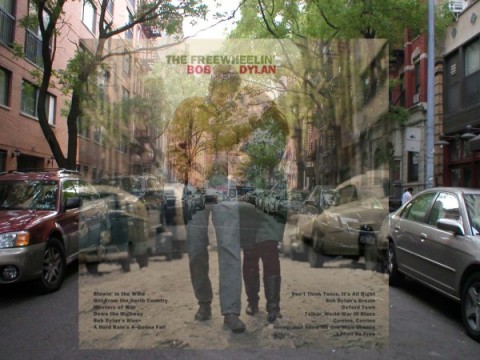
“I was deeply into folk music in the ear­ly 1960s,” he wrote in Cash: The Auto­bi­og­ra­phy, “both the authen­tic songs from var­i­ous peri­ods and areas of Amer­i­can life and the new ‘folk revival’ songs of the time, so I took note of Bob Dylan as soon as the Bob Dylan album came out in ear­ly ’62 and lis­tened almost con­stant­ly to The Free­wheel­in’ Bob Dylan in ’63. I had a portable record play­er I’d take along on the road, and I’d put on Free­wheel­in’ back­stage, then go out and do my show, then lis­ten again as soon as I came off.”

Cash wrote the young Dylan a fan let­ter, and they began cor­re­spond­ing. When they met at the 1964 New­port Folk Fes­ti­val, Cash gave Dylan his gui­tar as a ges­ture of respect and admi­ra­tion. Five years lat­er, when Dylan was in Nashville record­ing his ninth stu­dio album, Cash was record­ing in the stu­dio next door. He decid­ed to drop in. On Feb­ru­ary 17 and 18, 1969, Cash and Dylan record­ed more than a dozen duets. Only one of them, a ver­sion of Dylan’s “Girl From the North Coun­try,” made it onto the album, Nashville Sky­line. The oth­ers were nev­er offi­cial­ly released, but have long been cir­cu­lat­ing as bootlegs. In the video above, Dylan and Cash work on one of two ver­sions they made of “One Too Many Morn­ings,” a song orig­i­nal­ly record­ed by Dylan in 1964 for The Times They Are a‑Changin’.  The out­takes Dylan and Cash record­ed togeth­er are all scat­tered around Youtube. One Youtu­ber post­ed a com­pi­la­tion back in 2013.

A few weeks after the release of Nashville Sky­line, Dylan and Cash per­formed “Girl From the North Coun­try” on The John­ny Cash Show. It was taped on May 1, 1969 at the Ryman Audi­to­ri­um in down­town Nashville. A rough video clip (around the 30 minute mark) cap­tures the moment. Despite Dylan’s report­ed ner­vous­ness, the per­for­mance was well-received. “I did­n’t feel any­thing about it,” Cash said lat­er. “But every­body said it was the most mag­net­ic, pow­er­ful thing they ever heard in their life. They were just rav­ing about elec­tric­i­ty and mag­net­ism. And all I did was just sit there hit­ting G chords.”

If you would like to sign up for Open Culture’s free email newslet­ter, please find it here. It’s a great way to see our new posts, all bun­dled in one email, each day.

If you would like to sup­port the mis­sion of Open Cul­ture, con­sid­er mak­ing a dona­tion to our site. It’s hard to rely 100% on ads, and your con­tri­bu­tions will help us con­tin­ue pro­vid­ing the best free cul­tur­al and edu­ca­tion­al mate­ri­als to learn­ers every­where. You can con­tribute through Pay­Pal, Patre­on, and Ven­mo (@openculture). Thanks!

A Stringed Salute to AC/DC and Guns N’ Roses

Rus­sell Fall­stad and Adam DeGraff come from Lewis­burg, West Vir­ginia. The two fiddlers/violinists have been close friends for 20+ years. They trained togeth­er at the same music schools, steep­ing them­selves in clas­si­cal music. Then, they decid­ed to move in a new direc­tion and explore the brave new world of “vio­lin rock,” where “clas­si­cal train­ing com­bines with siz­zling ener­gy and a raw impro­vi­sa­tion­al cre­ativ­i­ty.” Above you can watch the Duel­ing Fid­dlers pre­pare for their debut con­cert, per­form­ing an AC/DC mashup of “Back in Back” and “Thun­der­struck.” Maybe one day you’ll find them on tour with 2Cellos, who per­form G ‘n R’s “Wel­come to the Jun­gle” below.

Fol­low us on Face­book, Twit­ter, Google Plus and LinkedIn and  share intel­li­gent media with your friends. Or bet­ter yet, sign up for our dai­ly email and get a dai­ly dose of Open Cul­ture in your inbox.

by | Permalink | Make a Comment ( 2 ) |

The Art of Making the Hofner Beatles Bass Guitar


Karl Höfn­er began mak­ing stringed instru­ments in 1887, in the lit­tle town of Schön­bach. His com­pa­ny flour­ished into the 20th cen­tu­ry and real­ly took off one for­tu­itous day in 1961, when Paul McCart­ney ambled into a Stein­way shop in Ham­burg, Ger­many and saw a Hofn­er bass, oth­er­wise known as the “vio­lin bass.”  McCart­ney lat­er recalled:

Fend­ers even then seemed to be around £100. All I could afford real­ly was about £30. Always tee­ter­ing on the edge of not hav­ing much — so I did­n’t real­ly want to spend that much. So… I found this Hofn­er vio­lin bass. And to me it seemed like, because I was left-hand­ed, it looked less daft because it was sym­met­ri­cal. So I got into that. That became my main bass.

As The Bea­t­les Online notes, “The Hofn­er 500/1 bass became McCart­ney’s sig­na­ture instru­ment,” and was even­tu­al­ly rechris­tened “the Hofn­er Bea­t­le Bass.” 50 years lat­er, they’re still mak­ing the icon­ic gui­tar, and you can watch the whole process unfold in just 16 min­utes. It’s not a very styled video, a far cry from oth­er gui­tar-mak­ing videos we’ve fea­tured here before, but it’s worth the watch.

The Art of Mak­ing a Fla­men­co Gui­tar: 299 Hours of Blood, Sweat & Tears Expe­ri­enced in 3 Min­utes

Mak­ing Fend­er Gui­tars, Then (1959) and Now (2012)

by | Permalink | Make a Comment ( 1 ) |

Jean-Luc Godard Shoots Marianne Faithfull Singing “As Tears Go By” (1966)

When you want to learn a thing or two about Jean-Luc Godard, you turn to New York­er film crit­ic Richard Brody. I do, any­way, since the man wrote the book on Godard: name­ly, Every­thing is Cin­e­ma: The Work­ing Life of Jean-Luc Godard. He fol­lowed up our post on Godard­’s film of Jef­fer­son Air­plane’s 1968 rooftop con­cert with a tweet link­ing us to a clip from Godard­’s fea­ture Made in U.S.A

That film came out in 1966, two years before the immor­tal Air­plane show but well into Godard­’s first major burst of dar­ing cre­ativ­i­ty, which began with 1959’s Breath­less and last­ed at least until Sym­pa­thy for the Dev­il, his 1968 doc­u­men­tary on — or, any­way, includ­ing — the Rolling Stones. Brody point­ed specif­i­cal­ly to the clip above, a brief scene where Mar­i­anne Faith­full sings “As Tears Go By,” a hit, in sep­a­rate record­ings, for both Faith­full and the Stones.

Brody notes how these two min­utes of a cap­pel­la per­for­mance from the 19-year-old Faith­full depict the “styles of the day.” For a long time since that day, alas, we Amer­i­can film­go­ers had­n’t had a chance to ful­ly expe­ri­ence Made in U.S.A. Godard based its script on Don­ald E. West­lake’s nov­el The Jug­ger but nev­er both­ered to secure adap­ta­tion rights, and the film drift­ed in legal lim­bo until 2009. But today, with that red tape cut, crisp new prints cir­cu­late freely around the Unit­ed States. Keep an eye on your local revival house­’s list­ings so you won’t miss your chance to wit­ness Faith­ful­l’s café per­for­mance, and oth­er such Godar­d­ian moments, in their the­atri­cal glo­ry. The cinephili­cal­ly intre­pid Brody, of course, found a way to see it, after a fash­ion, near­ly thir­ty years before its legit­i­mate Amer­i­can release: “The Mudd Club (the White Street night spot and music venue) got hold of a 16-mm. print and showed it — with the pro­jec­tor in the room — to a crowd of heavy smok­ers. It was like watch­ing a movie out­doors in Lon­don by night, or as if through the shroud­ing mists of time.”

If you would like to sign up for Open Culture’s free email newslet­ter, please find it here. It’s a great way to see our new posts, all bun­dled in one email, each day.

If you would like to sup­port the mis­sion of Open Cul­ture, con­sid­er mak­ing a dona­tion to our site. It’s hard to rely 100% on ads, and your con­tri­bu­tions will help us con­tin­ue pro­vid­ing the best free cul­tur­al and edu­ca­tion­al mate­ri­als to learn­ers every­where. You can con­tribute through Pay­Pal, Patre­on, and Ven­mo (@openculture). Thanks!

Relat­ed Con­tent:

Jean-Luc Godard Films The Rolling Stones Record­ing “Sym­pa­thy for the Dev­il” (1968)

Jean-Luc Godard’s After-Shave Com­mer­cial

Jean-Luc Godard Meets Woody Allen

Col­in Mar­shall hosts and pro­duces Note­book on Cities and Cul­ture. Fol­low him on Twit­ter at @colinmarshall.

Watch Hendrix, The Who, and Others Play 1967’s Monterey Pop, the “First Real Rock Festival”

Even a mild inter­est in the cul­ture of twen­ti­eth-cen­tu­ry Amer­i­can rock will lead you to learn about the Wood­stock Music & Art Fair, those oft-com­mem­o­rat­ed “three days of peace and music” in August 1969. But roll the clock back two years, turn from the east coast to the west, and you’ll find the tem­plate for that icon­ic “Aquar­i­an Expo­si­tion”: the Mon­terey Inter­na­tion­al Pop Music Fes­ti­val. Held from June 16 to June 18, 1967 in Cal­i­for­ni­a’s Mon­terey Coun­ty Fair­grounds, Mon­terey Pop fea­tured a who’s-who of the com­ing momen­t’s musi­cal pan­theon: Jef­fer­son Air­plane, Janis Joplin, Simon and Gar­funkel, Ravi Shankar (play­ing for an entire after­noon), and the Grate­ful Dead. In the intense­ly era-dis­till­ing clip above, watch a cer­tain Jimi Hen­drix fire off his inim­itable ver­sion of Bob Dylan’s “Like a Rolling Stone.” Not bad at all for what Rusty DeS­o­to called “the first real rock fes­ti­val.”

Mon­terey Pop, orig­i­nal­ly con­ceived as a rock-legit­imiz­ing com­pan­ion to the exist­ing Mon­terey Jazz and Folk Fes­ti­vals, brought many of its host­ed artists a kind of pop­u­lar­i­ty they’d nev­er had before. Otis Red­ding, just six months before his untime­ly death, enjoyed his first pre­dom­i­nant­ly non-black live audi­ence in Mon­terey — and they, by all accounts, enjoyed him. Colum­bia Records gave Joplin and her band, Big Broth­er and the Hold­ing Com­pa­ny, a con­tract on the strength of their Mon­terey show (right above). A great deal of high-qual­i­ty film and audio tape of these per­for­mances sur­vives, thanks in large part to doc­u­men­tar­i­an D.A. Pen­nebak­er, whose film Mon­terey Pop remains the defin­i­tive record of the fes­ti­val. Watch any of the footage, such as the clip below of a ram­bunc­tious out­fit by the name of The Who, and you’ll under­stand just how force­ful­ly Mon­terey Pop launched these artists into the zeit­geist.

Relat­ed con­tent:

Jef­fer­son Air­plane Wakes Up New York; Jean-Luc Godard Cap­tures It (1968)

Wood­stock Revis­it­ed in Three Min­utes

Col­in Mar­shall hosts and pro­duces Note­book on Cities and Cul­ture. Fol­low him on Twit­ter at @colinmarshall.

Neil Young’s New Album, Americana, Electrifies the Folklore You Know and Love

Neil Young’s new album, his first with Crazy Horse in nine years, is a raw, heav­i­ly ampli­fied inter­pre­ta­tion of clas­sic Amer­i­can folk songs of the kind many of us learned in ele­men­tary school, like “She’ll Be Com­ing ‘Round the Moun­tain” and “Oh My Dar­ling, Clemen­tine.”

But while the gui­tar chords may be dis­tort­ed, the lyrics are not. As Young told Ter­ry Gross this week on NPR’s “Fresh Air,” he wants lis­ten­ers to hear the words as they were orig­i­nal­ly writ­ten. So, for exam­ple, he has restored the scathing protest-song ele­ments of Woody Guthrie’s “This Land is Your Land.” And in “Clemen­tine” he sings a verse teach­ers did­n’t want inno­cent lit­tle chil­dren to hear: “How I missed her, how I missed her, how I missed my Clemen­tine. So I kissed her lit­tle sis­ter, and for­got my Clemen­tine.”

One of the best tracks on the new album is a rol­lick­ing ver­sion of “She’ll Be Com­ing ‘Round the Moun­tain.” (See the video above.) In the “Fresh Air” inter­view, Young explains the ori­gin of his arrange­ment:

I heard that song back in 1964, and I was real­ly into the groove and the melody and the fact that it was an old song with a new melody and old lyrics. And then, when I did it in 2012, I start­ed relat­ing more to the lyrics and start­ed doing more research on the lyrics. I actu­al­ly got into what the lyrics were real­ly about more than I was in 1964. I chose a few vers­es that empha­sized a cer­tain dark­ness, but they were all the orig­i­nal vers­es.

Young was first exposed to a few of the songs on Amer­i­cana when he heard Tim Rose and The Thorns play in Cana­da in 1964. He was deeply impressed by Rose’s rock­ing arrange­ment of “Oh, Susan­na” (anoth­er song on the new album). “I saw what he did to ‘Oh, Susan­na,’ and thought, wow, I could do that to a lot of these songs,” Young told Gross. “And that’s a real­ly cool thing to do to them, because it gives them a new life. Plus I have drums in my band, and the Thorns did­n’t have drums, so I knew we could real­ly rock these things.”

You can lis­ten to Young’s inter­view with Ter­ry Gross, which includes more songs from the new album, at the NPR Web site. And you can get your copy of Amer­i­cana right here.

Patti Smith Reads Her Final Words to Her Dear Friend Robert Mapplethorpe

Per­haps you’ve lis­tened to Pat­ti Smith’s albums. Per­haps you’ve also seen Robert Map­plethor­pe’s pho­tog­ra­phy. If you keep up with mem­oirs, you’ll sure­ly know that Smith’s Just Kids, a remem­brance of her time with Map­plethor­pe in the late six­ties, won all man­ner of acclaim, includ­ing the Nation­al Book Award, when it came out in 2010. But you might still have no idea of the close­ness and impor­tance of each artist to the oth­er, as many of their fans did­n’t before read­ing Smith’s book. While those 278 pages will tell you every­thing you need to know about it, the 178 words of Smith’s let­ter to the dying Map­plethor­pe fea­tured last week on Let­ters of Note say near­ly as much.

But don’t take it from me; in the video above, you can hear the let­ter as read by Smith her­self. She brought it out, appro­pri­ate­ly enough, at the open­ing of her exhi­bi­tion, Cam­era Solo, at Hartford’s Wadsworth Atheneum Muse­um of Art, the first show of her own ven­tures into Mapplethorpe’s craft. Alas, Map­plethor­pe did­n’t live long enough to get around to try­ing his hand at rock music — he did­n’t even live long enough to actu­al­ly read this let­ter — but his artis­tic sen­si­bil­i­ty per­sists in Smith’s own work. “I learned to see through you,” she reads, “and nev­er com­pose a line or draw a curve that does not come from the knowl­edge I derived in our pre­cious time togeth­er.”

Relat­ed con­tent:

Pat­ti Smith Remem­bers Robert Map­plethor­pe

Col­in Mar­shall hosts and pro­duces Note­book on Cities and Cul­ture. Fol­low him on Twit­ter at @colinmarshall.

« Go BackMore in this category... »
Quantcast