Jimi Hendrix Revisits His Searing Performance of “The Star-Spangled Banner”: The Dick Cavett Show (September 9, 1969)

On the final August morn­ing of Wood­stock, after a pre­vi­ous day’s down­pour had turned most of the field near the stage into mud, after an evening of blues and rock and the come­down of what­ev­er drugs had peaked every­body ear­li­er, as the sun­light crept over what was left of the 500,000 music lovers, now less than half in num­ber, wrapped in blan­kets and still vib­ing, Jimi Hen­drix took the stage. Now, the Star-Span­gled Ban­ner wasn’t his final song, but it was a finale of sorts, a coda for a three-day event where love tri­umphed for just a lit­tle while over war, that war rag­ing across the ocean in the sim­i­lar mud of Viet­nam. Hen­drix ripped the Nation­al Anthem, with its famous lyrics about bombs and its hid­den stan­zas about slaves, a new one. He turned that gui­tar into its own kind of weapon, sound­ing like those jet bombers rain­ing fire and napalm down, inter­rupt­ing Fran­cis Scott Key’s melody like a pro­tes­tor beg­ging to dif­fer at the Chica­go con­ven­tion. Hen­drix was going to send his audi­ence out into Amer­i­ca, back into soci­ety, with some­thing to chew on.

“All I did was play it. I’m Amer­i­can, so I played it,” Hen­drix tells Dick Cavett in the above clip from Sep­tem­ber 9, 1969, less than a month after the con­cert. “They made me sing it in school, so it was a flash­back, you know?”

But there was more to it than that. Hen­drix him­self was a vet­er­an. He joined the 101st Air­borne Divi­sion in 1961 under duress—it was either that or jail. He last­ed a year, dis­charged for “behav­ior prob­lems,” “lit­tle regard for reg­u­la­tions,” and “mas­tur­bat­ing in pla­toon area while sup­posed to be on detail.” Even while there, he had time to play gui­tar. Did this give him a “buffer” to lam­baste the war? Not real­ly. Right wing Amer­i­cans tend to be very touchy about the anthem, and any­thing that strays from the usu­al army band arrange­ment brings dis­trust and nasty let­ters, as Cavett notes in the video. (And being a per­son of col­or sure­ly had some­thing to do with it too.) To wit: folk singer José Feli­ciano per­formed a soul­ful ver­sion of the anthem before Game Five of the 1968 World Series in Detroit, where the Tigers played the Car­di­nals. Nowhere near the cor­us­cat­ing ver­sion of Hen­drix, but still the audi­ence, even the play­ers them­selves, were divid­ed.

Hen­drix raised the game and the ire. It was all jour­nal­ists want­ed to ask Hen­drix, hop­ing to goad him into a state­ment about the war. Hen­drix didn’t take the bait. “We’re all Amer­i­cans,” he answered at a press con­fer­ence after the con­cert. “…it was like ‘Go, Amer­i­ca!’”

But then the more telling line fol­lowed. “We play it the way the air is in Amer­i­ca today. The air is slight­ly sta­t­ic, see.”

Cavett is kinder, allow­ing Hen­drix to cor­rect him when he calls the ver­sion unortho­dox.

“No, no. I thought it was beau­ti­ful,” the mod­est musi­cian says. “But there you go, you know?”

Relat­ed Con­tent:

Jimi Hendrix’s Home Audio Sys­tem & Record Col­lec­tion Gets Recre­at­ed in His Lon­don Flat

How Sci­ence Fic­tion Formed Jimi Hen­drix

Watch Rare Footage of Jimi Hen­drix Per­form­ing “Voodoo Child” in Maui, Plus a Trail­er for a New Doc­u­men­tary on Jimi Hendrix’s Leg­endary Maui Per­for­mances (1970)

Ted Mills is a free­lance writer on the arts who cur­rent­ly hosts the Notes from the Shed pod­cast and is the pro­duc­er of KCR­W’s Curi­ous Coast. You can also fol­low him on Twit­ter at @tedmills, and/or watch his films here.

When the Grateful Dead Performed on Hugh Hefner’s Playboy After Dark & Secretly Dosed Everyone With LSD (1969)

At one time, what­ev­er else peo­ple did with it, they real­ly did read Play­boy for the arti­cles. And what­ev­er oth­er vic­ar­i­ous thrills they might obtain from Hugh Hefner’s Playboy’s Pent­house vari­ety show or its fol­low-up, Play­boy After Dark, they def­i­nite­ly tuned in for the music. Guests includ­ed Ike & Tina Turn­er, The Byrds, Bud­dy Rich, Cher, Deep Pur­ple, Fleet­wood Mac, Step­pen­wolf, James Brown, and many more. On Jan­u­ary 18, 1969, the Grate­ful Dead per­formed, and it went exact­ly as one might expect, mean­ing “things got total­ly out-of-hand,” Dave Melamed writes at Live for Live Music, “but every­thing wound up work­ing out just fine.

Things worked out more than fine, despite, or because of, the fact that the band’s leg­endary sound-man Owsley “Bear” Stan­ley (at that time the largest sup­pli­er of LSD in the coun­try) dosed the cof­fee pot on set. Dead drum­mer Bill Kreutz­mann tells the sto­ry in the Conan clip below. It all start­ed, he says, dur­ing sound­check, when he noticed that the crew was act­ing “kin­da loose.” Know­ing Stan­ley as he did, he imme­di­ate­ly sus­pect­ed the cause: “the whole crew, all of you” he says point­ing toward the Conan cam­era oper­a­tors, “was high on acid.”

There’s not much evi­dence of it in the footage. There don’t seem to be any tech­ni­cal prob­lems in the clip at the top. In their brief, jovial inter­view, Hefn­er and Gar­cia seem plen­ty relaxed. Jer­ry tells the Play­boy founder why the band has two drum­mers. (They “chase each oth­er around, sort of like the ser­pent that eats its own tail” and “make a fig­ure in your mind” if you stand between them.) Then he takes the stage and the band plays “Moun­tains of the Moon” and “St. Stephen.”

Hefn­er was so appre­cia­tive of what­ev­er hap­pened on set that he sent a per­son­al let­ter of thanks the fol­low­ing month (below), addressed to each mem­ber of the band. “Your par­tic­i­pa­tion played an impor­tant part in the suc­cess of this par­tic­u­lar show.” He enclosed a film of the per­for­mances and expressed his grat­i­tude “for hav­ing made the tap­ing ses­sion as enjoy­able to do as I think it will be to watch.”

Kreutz­mann relates some oth­er anec­dotes in his 2015 Conan inter­view, includ­ing a fun­ny bit about how the band got its name. But the best part of the appear­ance is watch­ing him imi­tate Hefn­er, who was appar­ent­ly plas­tered to the wall by the end of the set, the cof­fee real­ly start­ing to kick in.

This strange chap­ter of Grate­ful Dead his­to­ry is one of many memo­ri­al­ized in the new graph­ic nov­el, Grate­ful Dead Ori­gins.

via Laugh­ing Squid

Relat­ed Con­tent: 

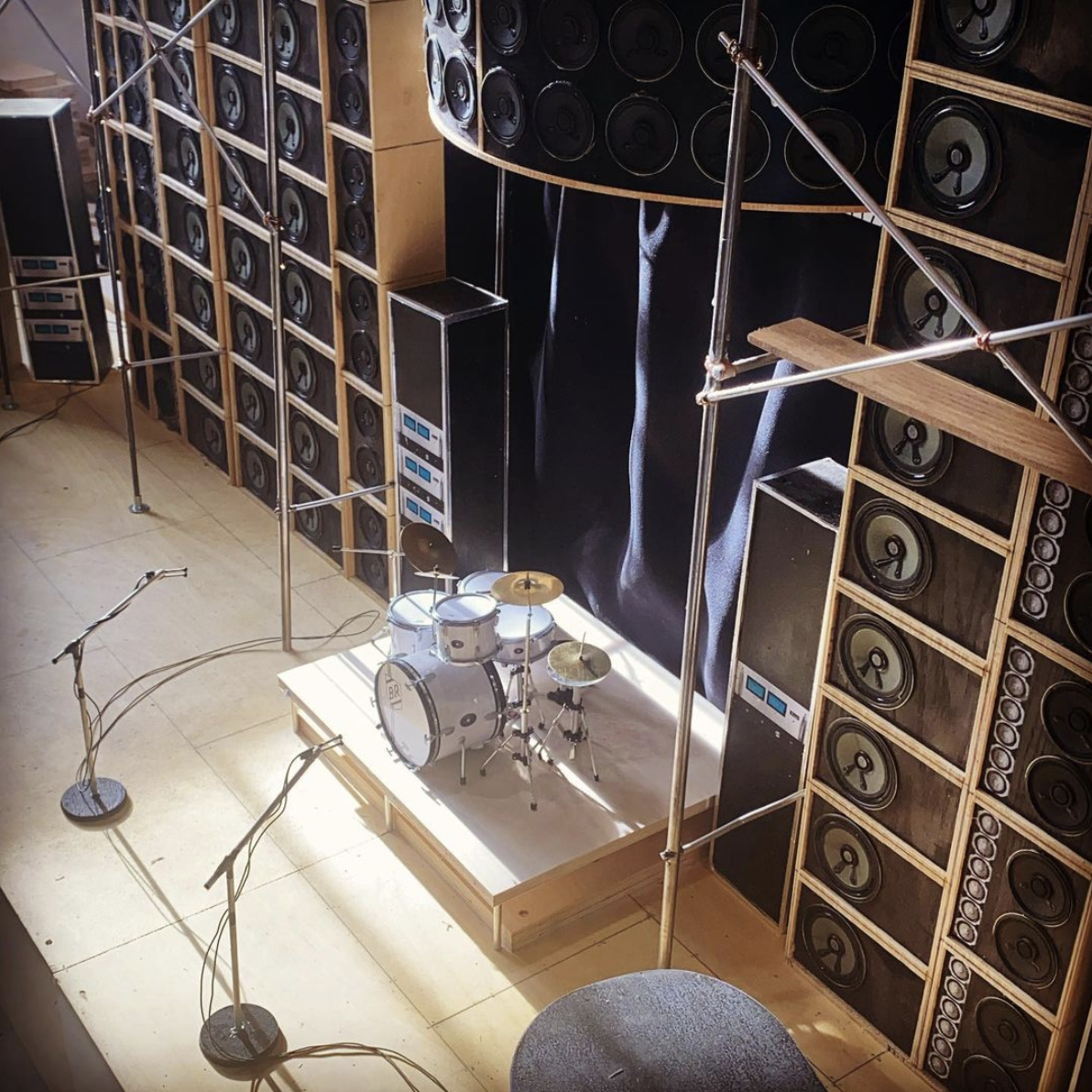
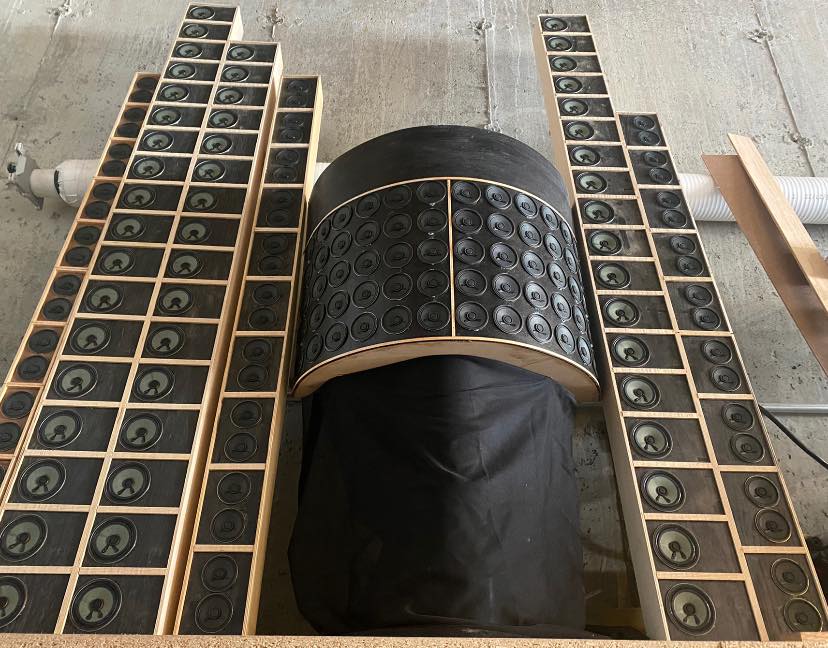
How the Grate­ful Dead’s “Wall of Sound”–a Mon­ster, 600-Speak­er Sound System–Changed Rock Con­certs & Live Music For­ev­er

Watch the Grate­ful Dead Slip Past Secu­ri­ty & Play a Gig at Colum­bia University’s Anti-Viet­nam Protest (1968)

Take a Long, Strange Trip and Stream a 346-Hour Chrono­log­i­cal Playlist of Live Grate­ful Dead Per­for­mances (1966–1995)

Josh Jones is a writer and musi­cian based in Durham, NC. Fol­low him at @jdmagness

Prince’s First Television Interview (1985)

By 1985, Prince had made appear­ances on Amer­i­can Band­stand and Sat­ur­day Night Live, toured the world sev­er­al times, and released sev­en stu­dio albums, includ­ing the ground­break­ing Pur­ple Rain and less-than-ground­break­ing accom­pa­ny­ing film, for which he won an Oscar. He had inad­ver­tent­ly helped launch Tip­per Gore’s Par­ents Music Resource Coun­cil after she caught her daugh­ter lis­ten­ing to “Dar­ling Nik­ki.” He was a bona fide glob­al super­star and one of the biggest-sell­ing artists of the decade. And he had yet to give a sin­gle inter­view.

Well, this isn’t entire­ly true. Dur­ing his Amer­i­can Band­stand appear­ance in 1979, the 19-year-old funk wun­derkind respond­ed to ques­tions from Dick Clark with a few guard­ed, one-word answers. He also gave an inter­view to his high school news­pa­per, telling them “I think it is very hard for a band to make it in [Min­neapo­lis], even if they’re good. Main­ly because there aren’t any big record com­pa­nies or stu­dios in this state. I real­ly feel that if we would have lived in Los Ange­les or New York or some oth­er big city, we would have got­ten over by now.”

Prince got over soon enough, but he didn’t seem at all eager to talk about him­self, one of the pri­ma­ry respon­si­bil­i­ties of a pop star. It was as though he knew he was so good he didn’t have to adver­tise. Soon after the release of his sev­enth album, Around the World in a Day—the source of such hits as “Rasp­ber­ry Beret” and “Pais­ley Park”—he gave an inter­view to Rolling Stone (who described the “Kung Fu Grasshop­per voice with which Prince whis­pers when meet­ing strangers or accept­ing Acad­e­my Awards.”)

He also agreed to appear on a new cable tele­vi­sion sta­tion called MTV. The inter­view, above, begins with the expect­ed ques­tion, “Why were you so secre­tive pri­or to this?” Prince, sur­round­ed by a cohort of young audi­ence mem­bers, says he was “home­sick” and pouts. Then we imme­di­ate­ly get a bet­ter answer to the ques­tion when the inter­view­er asks whether Prince’s need for con­trol came from a trou­bled child­hood. He sneers, calls the ques­tion “hor­ri­ble,” and answers a bet­ter one about how he found his musi­cal direc­tion and han­dled dis­agree­ments with his band­mates.

The tone remains strange­ly com­bat­ive and Prince remains eeri­ly calm, but his expres­sive face reg­is­ters irri­ta­tion and amuse­ment. “I strive for orig­i­nal­i­ty in my music,” he says. He also “remem­bers how he was influ­enced by James Brown after danc­ing on stage with him at just 10 years old, touch­es on com­par­isons to musi­cians like Jimi Hen­drix and answers provoca­tive ques­tions about ‘sell­ing out to white audi­ences’ with Pur­ple Rain,” writes the Vinyl Fac­to­ry. Watch the full inter­view above and see if you can bet­ter under­stand why Prince avoid­ed inter­views, or why inter­view­ers tried so hard to box him into stereo­typ­i­cal roles.

via Messy Nessy

Relat­ed Con­tent: 

Read Prince’s First Inter­view, Print­ed in His High School News­pa­per (1976)

Aca­d­e­m­ic Jour­nal Devotes an Entire Issue to Prince’s Life & Music: Read and Down­load It for Free

Four Clas­sic Prince Songs Re-Imag­ined as Pulp Fic­tion Cov­ers: When Doves Cry, Lit­tle Red Corvette & More

The Prince Online Muse­um Archives 16 of Prince’s Offi­cial Web Sites, Span­ning 20 Years

Josh Jones is a writer and musi­cian based in Durham, NC. Fol­low him at @jdmagness

New Documentary Sisters with Transistors Tells the Story of Electronic Music’s Female Pioneers

“Tech­nol­o­gy is a tremen­dous lib­er­a­tor,” says Lau­rie Ander­son in her voiceover nar­ra­tion for the new doc­u­men­tary Sis­ters with Tran­sis­tors, a look at the women who have pio­neered elec­tron­ic music since its begin­nings and been inte­gral to invent­ing new sounds and ways of mak­ing them. “Women were nat­u­ral­ly drawn to elec­tron­ic music. You didn’t have to be accept­ed by any of the male-dom­i­nat­ed resources. You could make some­thing with elec­tron­ics, and you could present music direct­ly to an audi­ence.”

Tech­nol­o­gy as lib­er­a­tor may sound utopi­an to our jad­ed 21st cen­tu­ry ears, accus­tomed as we are to focus­ing on tech’s mis­us­es and abus­es. But machines have very often been a means of social progress, just as when “bicy­cles promised free­dom to women long accus­tomed to rely­ing on men for trans­porta­tion.” The cre­ation and inno­va­tion of record­ing and broad­cast­ing equip­ment deserves its own place in women’s his­to­ry.

Radio in par­tic­u­lar gave women the oppor­tu­ni­ty to exper­i­ment with sound and reach mil­lions who might not oth­er­wise give them a hear­ing. The influ­ence of BBC radio com­posers like Delia Der­byshire and Daphne Oram, for exam­ple, remains per­va­sive, and the elec­tron­ic sound­scapes they cre­at­ed for radio and tele­vi­sion helped define the son­ic world we now inhab­it. It is a world, direc­tor Lisa Rovn­er tells AFI’s Malin Kan below, per­me­at­ed by elec­tron­ic music.

“I can’t actu­al­ly remem­ber,” says Rovn­er, “a time when I wasn’t aware of elec­tron­ic music. Elec­tron­ic music pen­e­trates pret­ty much every sin­gle aspect of my life since I was a kid, whether that’s stuff that’s on tele­vi­sion or the video games that I played with my broth­er.” Her inter­est in the music’s “tran­scen­dent” qual­i­ties was first piqued, she says, at a rave. The film project hap­pened to “check all the box­es” for her, with its focus not only on the elec­tron­ic music women have made for over a cen­tu­ry, but also on “the wider social, polit­i­cal and cul­tur­al con­text of the 20th cen­tu­ry,” as the film’s site notes.

Sis­ters with Tran­sis­tors cov­ers a range of com­posers, sev­er­al of whom we’ve pre­vi­ous­ly fea­tured on Open Cul­ture, includ­ing Der­byshire, Oram, Clara Rock­more, Bebe Bar­ron, Maryanne Amach­er, Eliane Radigue, Suzanne Ciani, Lau­rie Spiegel, and Pauline Oliv­eros. “The his­to­ry of women has been a his­to­ry of silence,” Rovn­er writes. “Music is no excep­tion.” Or as Oliv­eros put it in a 1970 New York Times Op-Ed:

Why have there been no “great” women com­posers? The ques­tion is often asked. The answer is no mys­tery. In the past, tal­ent, edu­ca­tion, abil­i­ty, inter­ests, moti­va­tion were irrel­e­vant because being female was a unique qual­i­fi­ca­tion for domes­tic work and for con­tin­u­al obe­di­ence to and depen­dence upon men.

As Sis­ters with Tran­sis­tors shows, new tech­nolo­gies broke that depen­dence for many women, includ­ing Oliv­eros, who pro­vid­ed us with a dif­fer­ent answer to ques­tions about the pauci­ty of women com­posers. Why are there no “great” women in elec­tron­ic music? Because you haven’t heard them yet. Learn their names and sto­ries in the new doc­u­men­tary.

via Hyper­al­ler­gic

Relat­ed Con­tent:

Meet Clara Rock­more, the Pio­neer­ing Elec­tron­ic Musi­cian Who First Rocked the Theremin in the Ear­ly 1920s

The Deeply Med­i­ta­tive Elec­tron­ic Music of Avant-Garde Com­pos­er Eliane Radigue

Two Doc­u­men­taries Intro­duce Delia Der­byshire, the Pio­neer in Elec­tron­ic Music

Daphne Oram Cre­at­ed the BBC’s First-Ever Piece of Elec­tron­ic Music (1957)

Hear Sev­en Hours of Women Mak­ing Elec­tron­ic Music (1938–2014)

Meet Four Women Who Pio­neered Elec­tron­ic Music: Daphne Oram, Lau­rie Spiegel, Éliane Radigue & Pauline Oliv­eros

Josh Jones is a writer and musi­cian based in Durham, NC. Fol­low him at @jdmagness

See Devo Perform Live for the Very First Time (Kent State University, 1973)

Kent State Uni­ver­si­ty is known as the site of two impor­tant events in Amer­i­can cul­ture: the mas­sacre of May 4, 1970, and the for­ma­tion of Devo. When the Nation­al Guard shot thir­teen stu­dents at a Viet­nam War protest, it sig­naled to many the end of the youth-dri­ven opti­mism of the late 1960s. It also moti­vat­ed a group of musi­cal­ly inclined under­grad­u­ates to con­sol­i­date the band/conceptual art project they’d premised on the idea of “de-evo­lu­tion.” Around that time, the group’s founders, art stu­dents Ger­ald Casale and Bob Lewis, met a key­boardist named Mark Moth­ers­baugh, who con­tributed some of the sig­na­ture musi­cal and comedic sen­si­bil­i­ties of what would become Devo.

“The band, or at least a band known as Sex­tet Devo, first per­formed at a 1973 arts fes­ti­val in Kent,” writes Calvin C. Ryd­bom in The Akron Sound: The Hey­day of the Mid­west­’s Punk Cap­i­tal. Fill­ing out that sex­tet were Casale’s broth­er Bob, drum­mer Rod Reis­man, and vocal­ist Fred Weber. A hand­out for the show promis­es a series of “polyrhyth­mic exer­cis­es in de-evo­lu­tion,” includ­ing a num­ber called “Pri­vate Sec­re­tary,” footage of which appears above.

“The group were all dressed odd­ly, Bob in scrubs, Jer­ry in a butcher’s coat, Bob Lewis behind the key­boards in a mon­key mask, and Mark in a doc­tor’s robe,” writes George Gimarc in Punk Diary: The Ulti­mate Trainspot­ter’s Guide to Under­ground Rock, 1970–1982. “The audi­ence was, at times, con­fused, amused, and some even danced.”

Sex­tet Devo “would have been off the charts in most envi­ron­ments,” says Myopia, a ret­ro­spec­tive vol­ume on Moth­ers­baugh­’s work. At the Kent Cre­ative Arts Fes­ti­val “the band actu­al­ly fit with­in the spec­trum of nor­mal behav­ior, albeit at the far end of the scale.” But even their most appre­cia­tive view­ers could­n’t have known how far the con­cept of de-evo­lu­tion had to go, to say noth­ing of the pop-cul­tur­al heights to which the odd­balls onstage would car­ry it. Just five years lat­er, Devo would make their nation­al-tele­vi­sion debut as a quin­tet on Sat­ur­day Night Live, “de-evolv­ing” the Rolling Stones’ “Sat­is­fac­tion.” But they did­n’t for­get where they’d come from: near­ly thir­ty years after their first show, they came back around to 1970 for a de-evo­lu­tion of Cros­by, Stills, Nash & Young’s “Ohio.”

Relat­ed Con­tent:

New Wave Music – DEVO, Talk­ing Heads, Blondie, Elvis Costel­lo — Gets Intro­duced to Amer­i­ca by ABC’s TV Show, 20/20 (1979)

Devo De-Evolves the Rolling Stones’ “(I Can’t Get No) Sat­is­fac­tion”: See Their Ground­break­ing Music Video and Sat­ur­day Night Live Per­for­mance (1978)

The Phi­los­o­phy & Music of Devo, the Avant-Garde Art Project Ded­i­cat­ed to Reveal­ing the Truth About De-Evo­lu­tion

The Mas­ter­mind of Devo, Mark Moth­ers­baugh, Presents His Per­son­al Syn­the­siz­er Col­lec­tion

DEVO Is Now Sell­ing COVID-19 Per­son­al Pro­tec­tive Equip­ment: Ener­gy Dome Face Shields

Based in Seoul, Col­in Mar­shall writes and broad­casts on cities, lan­guage, and cul­ture. His projects include the Sub­stack newslet­ter Books on Cities, the book The State­less City: a Walk through 21st-Cen­tu­ry Los Ange­les and the video series The City in Cin­e­ma. Fol­low him on Twit­ter at @colinmarshall, on Face­book, or on Insta­gram.


Thelonious Monk’s List of 25 Tips for Musicians


Let’s pro­vide the con­text, just like host Adam Neely and guest Bri­an Krock do in this video: in 1960 Steve Lacy, a young, white sopra­no sax play­er, briefly joined Thelo­nious Monk’s band. Two years pre­vi­ous, Lacy had  been the first jazz musi­cian to release an album of Monk’s com­po­si­tions oth­er than the man him­self. Even so, Lacy was young, excit­ed, and starstruck at play­ing along­side not just Monk but John Coltrane (who shared the bill on the 16 week tour), just absorb­ing every­thing.

At some point, Monk took Lacy aside and gave his some advice which Lacy wrote down, 25 pieces of advice to be exact.

In the video below, from Neely’s always inter­est­ing chan­nel (we’ve pre­vi­ous­ly writ­ten about him here), he and Krock go through the 25 points and com­ment on each one. For those who love to hear musi­cians (or any artist) talk shop, this is won­der­ful stuff.

Some of the advice is such as befits a live musician—“Pat your foot & sing the melody in your head, when you play”, “Don’t play the piano part, I’m play­ing that”, “When you’re swing­ing, swing some more!,” and “A note can be small as a pin or as big as the world, it depends on your imag­i­na­tion.”

Oth­ers are more cru­cial to the busi­ness, espe­cial­ly “Don’t sound any­body for a gig, just be on the scene.” That is: if you around the scene enough, and show your worth, you will get asked to play. But just cold ask­ing won’t get you any­where. Also, when asked what to wear to a gig, Monk advis­es: “Sharp as pos­si­ble!” which you could indeed say of Monk.

Oth­er advice is more mys­ti­cal: “You’ve got to dig it to dig it, you dig?” “What you don’t play can be more impor­tant than what you do.”

And the one that gets quot­ed the most, “A genius is the one most like him­self.” That’s true when it comes to Monk or any of the giants of jazz. To hear Monk, or Coltrane, or Miles Davis play is to hear the artist, the genius, and the per­son, not just the melody or the instru­ment. It reminds me of the great Har­ry Partch quote: “The cre­ative per­son shows him­self naked. And the more vig­or­ous his cre­ative act, the more naked he appears — some­times total­ly vul­ner­a­ble, yet always invul­ner­a­ble in the sense of his own integri­ty.”

And maybe that’s why we keep com­ing back to them, long after their phys­i­cal bod­ies have left this plane of exis­tence.

The full list is as fol­lows:

  1. Just because you’re not a drum­mer, doesn’t mean you don’t have to keep time.
  2. Pat your foot & sing the melody in your head, when you play.
  3. Stop play­ing all that bull­shit, those weird notes, play the melody!
  4. Make the drum­mer sound good.
  5. Dis­crim­i­na­tion is impor­tant.
  6. You’ve got to dig it to dig it, you dig?
  7. All reet!
  8. Always know… (monk )
  9. It must be always night, oth­er­wise they wouldn’t need the lights.
  10. Let’s lift the band stand!!
  11. I want to avoid the heck­lers.
  12. Don’t play the piano part, I’m play­ing that.
  13.  Don’t lis­ten to me. I’m sup­posed to be accom­pa­ny­ing you!
  14. The inside of the tune (the bridge) is the part that makes the out­side sound good.
  15. Don’t play every­thing (or every time); let some things go by. Some music just imag­ined. What you don’t play can be more impor­tant than what you do.
  16. Always leave them want­i­ng more.
  17. A note can be small as a pin or as big as the world, it depends on your imag­i­na­tion.
  18. Stay in shape! Some­times a musi­cian waits for a gig, & when it comes, he’s out of shape & can’t make it.
  19. When you’re swing­ing, swing some more!
  20. (What should we wear tonight?) Sharp as pos­si­ble!
  21. Don’t sound any­body for a gig, just be on the scene.
  22. These pieces were writ­ten so as to have some­thing to play, & to get cats inter­est­ed enough to come to rehearsal.
  23. You’ve got it! If you don’t want to play, tell a joke or dance, but in any case, you got it! (to a drum­mer who didn’t want to solo).
  24. What­ev­er you think can’t be done, some­body will come along & do it. A genius is the one most like him­self.
  25. They tried to get me to hate white peo­ple, but some­one would always come along & spoil it.

Relat­ed Con­tent:

Thelo­nious Monk Bombs in Paris in 1954, Then Makes a Tri­umphant Return in 1969

Andy Warhol Cre­ates Album Cov­ers for Jazz Leg­ends Thelo­nious Monk, Count Basie & Ken­ny Bur­rell

A Child’s Intro­duc­tion to Jazz by Can­non­ball Adder­ley (with Louis Arm­strong & Thelo­nious Monk)

Ted Mills is a free­lance writer on the arts who cur­rent­ly hosts the Notes from the Shed pod­cast and is the pro­duc­er of KCR­W’s Curi­ous Coast. You can also fol­low him on Twit­ter at @tedmills, and/or watch his films here.

Animation Pioneer Lotte Reiniger Adapts Mozart’s The Magic Flute into an All-Silhouette Short Film (1935)

When Lotte Reiniger began mak­ing ani­ma­tion in the late 1910s, her work looked like noth­ing that had ever been shot on film. In fact, it also resem­bles noth­ing else achieved in the realm of cin­e­ma in the cen­tu­ry since. Even the enor­mous­ly bud­get­ed and staffed pro­duc­tions of major stu­dios have yet to repli­cate the stark, qua­ver­ing charm of her sil­hou­ette ani­ma­tions. Those stu­dios do know full well, how­ev­er, what Reiniger real­ized long before: that no oth­er medi­um can more vivid­ly real­ize the visions of fairy tales. To believe that, one needs only watch her 1922 Cin­derel­la or 1955 Hansel and Gre­tel, pre­vi­ous­ly fea­tured here on Open Cul­ture.

It was between those pro­duc­tions that Reiniger made the work for which she’s now best remem­bered: the 1926 One Thou­sand and One Nights pas­tiche The Adven­tures of Prince Achmed, the very first fea­ture in ani­ma­tion his­to­ry. Nine years lat­er, she turned to source mate­r­i­al clos­er at hand, cul­tur­al­ly speak­ing, and adapt­ed a sec­tion of Wolf­gang Amadeus Mozart’s opera The Mag­ic Flute.

You can watch the result, the ten-minute Papa­geno, at the top of the post. A bird-catch­er, the title char­ac­ter finds one day that all the avians around him have become tiny human females. Though none of them stick around, an ostrich lat­er deliv­ers him a full-size maid­en, only for a giant snake to dri­ve her away. Will Papageno defeat the ser­pent and reclaim his beloved, or sub­mit to despair?

“The mag­ic of the fairy tale has always been her great­est fas­ci­na­tion, yet her own inter­pre­ta­tions attain a unique qual­i­ty,” says the nar­ra­tor of the 1970 doc­u­men­tary short just above, in which Reiniger re-enacts the thor­ough­ly ana­log and high­ly labor-inten­sive mak­ing of Papageno. “The fig­ures she cuts out and con­structs were orig­i­nal­ly inspired by the pup­pets used in tra­di­tion­al East­ern shad­ow the­aters, of which the sil­hou­ette form is the log­i­cal con­clu­sion.” This hybridiza­tion of ven­er­a­ble nar­ra­tive mate­r­i­al from West­ern lands like Ger­many with an even more ven­er­a­ble aes­thet­ic from East­ern lands like Indone­sia has assured only part of her work’s endur­ing appeal. “Ms. Reiniger will con­tin­ue to have a strange affec­tion for each of her fig­ures,” the nar­ra­tor notes. This is “an under­stand­able affec­tion, for in their flex­i­bil­i­ty they have almost human char­ac­ter­is­tics of move­ment.” It’s an affec­tion any­one with an inter­est in ani­ma­tion, fairy tales, or Mozart will share.

Relat­ed Con­tent:

The Ground­break­ing Sil­hou­ette Ani­ma­tions of Lotte Reiniger: Cin­derel­la, Hansel and Gre­tel, and More

The First Ani­mat­ed Fea­ture Film: The Adven­tures of Prince Achmed by Lotte Reiniger (1926)

Mozart’s Diary Where He Com­posed His Final Mas­ter­pieces Is Now Dig­i­tized and Avail­able Online

See Mozart Played on Mozart’s Own Fortepi­ano, the Instru­ment That Most Authen­ti­cal­ly Cap­tures the Sound of His Music

Hear All of Mozart in a Free 127-Hour Playlist

Based in Seoul, Col­in Mar­shall writes and broad­casts on cities, lan­guage, and cul­ture. His projects include the Sub­stack newslet­ter Books on Cities, the book The State­less City: a Walk through 21st-Cen­tu­ry Los Ange­les and the video series The City in Cin­e­ma. Fol­low him on Twit­ter at @colinmarshall, on Face­book, or on Insta­gram.

When Iggy Pop Published an Essay, “Caesar Lives,” in an Academic Journal about His Love for Edward Gibbon’s The Decline and Fall of the Roman Empire (1995)

Pur­vey­ors of the shock­ing, pri­mal idio­cy of pure rock and roll can in many cas­es be some of the most intel­li­gent peo­ple in pop. Or at least that’s the case with the king of shock­ing, pri­mal idio­cy, Iggy Pop. He has inter­pret­ed Whit­man’s “bar­bar­ic yawp” and deliv­ered the John Peel Lec­ture for BBC Music, becom­ing “a vis­it­ing pro­fes­sor from the School of Punk Rock Hard Knocks,” writes Rolling Stone and bring­ing an elder statesman’s per­spec­tive informed not only by his years in the bow­els of the music indus­try but also by his avo­ca­tion as a schol­ar of the Roman Empire….

Yes, that’s right, Iggy Pop is not only an adroit styl­ist of some of the most bril­liant­ly stu­pid garage rock ever made, but he’s also a seri­ous read­er and thinker who once pub­lished a brief reflec­tion on his rela­tion­ship with Edward Gibbon’s The Decline and Fall of the Roman Empire in the aca­d­e­m­ic jour­nal Ire­land Clas­sics.

“Iggy Pop, like Bob Dylan,” writes E.J. Hutchin­son, “has an avid inter­est in Roman antiq­ui­ty and its genet­ic con­nec­tion to con­tem­po­rary life.” He may also be the sharpest, wil­i­est embod­i­ment of post-indus­tri­al Amer­i­can decline—his entire musi­cal per­son­al­i­ty a punch in the col­lec­tive face of the nation’s delu­sions.

In 1982, hor­ri­fied by the mean­ness, tedi­um and deprav­i­ty of my exis­tence as I toured the Amer­i­can South play­ing rock and roll music and going crazy in pub­lic, I pur­chased an abridged copy of The Decline and Fall of the Roman Empire (Dero Saun­ders, Pen­guin). 

The grandeur of the sub­ject appealed to me, as did the cameo illus­tra­tion of Edward Gib­bon, the author, on the front cov­er. He looked like a heavy dude.

Hutchin­son gives us a fine­ly wrought analy­sis of Pop’s “tour de force of clas­si­cal Gib­bon­ian Eng­lish prose, a scrap of Ciceron­ian peri­od­ic­i­ty.” (Gib­bon did, indeed, look like a heavy dude.) Pop’s read­ing of Gib­bon, “with plea­sure around 4 am, with my drugs and whisky in cheap motels,” absorbed him in its “clash of beliefs, per­son­al­i­ties and val­ues,” he writes, “played out on antiquity’s stage by crowds of the vul­gar, led by huge arche­typ­al char­ac­ters.” All of this appealed to him, he writes, giv­en his own role in “a polit­i­cal busi­ness… the music busi­ness, which is not about music at all, but is a kind of reli­gion-rental.”

Gibbon’s mas­sive saga, a mon­u­men­tal exam­ple of sweep­ing Enlight­en­ment his­to­ri­og­ra­phy, so cap­ti­vat­ed Pop that a decade lat­er, it inspired “an extem­po­ra­ne­ous solil­o­quy” he called “Cae­sar,” the clos­ing track on 1993’s “over­looked mas­ter­piece” Amer­i­can Cae­sar. The spo­ken word piece “made me laugh my ass off,” he writes, “because it was so true. Amer­i­ca is Rome. Of course, why shouldn’t it be? All of West­ern life and insti­tu­tions today are trace­able to the Romans and their world. We are all Roman chil­dren for bet­ter or worse.”

But there was much more to Pop’s read­ing of Gibbon—which he even­tu­al­ly enjoyed in a “beau­ti­ful edi­tion in three vol­umes of the mag­nif­i­cent orig­i­nal unabridged”—than a pos­si­bly facile com­par­i­son between one fail­ing empire and anoth­er. Much more, indeed. Read­ing Gib­bon, he writes (sound­ing very much like anoth­er pro­po­nent of the clas­sics, Ita­lo Calvi­no), taught him how to think about the present, and how to think, humbly, about him­self. He ends his essay with a num­bered list of “just some of the ways I ben­e­fit”:

  1. I feel a great com­fort and relief know­ing that there were oth­ers who lived and died and thought and fought so long ago; I feel less tyr­an­nized by the present day.
  2. I learn much about the way our soci­ety real­ly works, because the sys­tem-ori­gins — mil­i­tary, reli­gious, polit­i­cal, colo­nial, agri­cul­tur­al, finan­cial — are all there to be scru­ti­nized in their infan­cy. I have gained per­spec­tive.
  3. The lan­guage in which the book is writ­ten is rich and com­plete, as the lan­guage of today is not.
  4. I find out how lit­tle I know.
  5. I am inspired by the will and eru­di­tion which enabled Gib­bon to com­plete a work of twen­ty-odd years. The guy stuck with things. I urge any­one who wants life on earth to real­ly come alive for them to enjoy the beau­ti­ful ances­tral ancient world.

Read Pop’s full 1995 Ire­land Clas­sics essay on Jstor or Medi­um.

via Han­nah Rose Woods

Relat­ed Con­tent:

Prof. Iggy Pop Deliv­ers the BBC’s 2014 John Peel Lec­ture on “Free Music in a Cap­i­tal­ist Soci­ety”

The Splen­did Book Design of the 1946 Edi­tion of Gibbon’s Decline and Fall of the Roman Empire

Iggy Pop Reads Walt Whit­man in Col­lab­o­ra­tions With Elec­tron­ic Artists Alva Noto and Tar­wa­ter

Iggy Pop Reads Edgar Allan Poe’s Clas­sic Hor­ror Sto­ry, “The Tell-Tale Heart”

Stream Iggy Pop’s Two-Hour Radio Trib­ute to David Bowie

Josh Jones is a writer and musi­cian based in Durham, NC. Fol­low him at @jdmagness

« Go BackMore in this category... »
Quantcast