Alfred Stieglitz: The Eloquent Eye, a Revealing Look at “The Father of Modern Photography”

More than any­one else, Alfred Stieglitz helped raise the sta­tus of pho­tog­ra­phy to the lev­el of art. As a pho­tog­ra­ph­er, pub­lish­er and gallery own­er, Stieglitz was a key fig­ure in the birth of Amer­i­can mod­ernism. His own sta­tus as an arbiter of taste in pho­tog­ra­phy was bol­stered by his uncan­ny knack for quick­ly rec­og­niz­ing the great­ness of artists work­ing in oth­er media. He was the first gallery own­er in Amer­i­ca to exhib­it Picas­so, Matisse, Bran­cusi and oth­er great fig­ures in mod­ern art. As the nar­ra­tor of this fas­ci­nat­ing 1999 doc­u­men­tary puts it, Stieglitz opened the eyes of Amer­i­ca to the 20th cen­tu­ry.

Alfred Stieglitz: The Elo­quent Eye was direct­ed by Per­ry Miller Ada­to for the PBS Amer­i­can Mas­ters series, and builds on his ear­li­er doc­u­men­tary work on Stieglitz’s wid­ow, the painter Geor­gia O’Keefe.

Hav­ing shot many reels of film show­ing O’Keefe talk­ing about Stieglitz, Ada­to was a nat­ur­al choice to direct a full-length doc­u­men­tary on Stieglitz. As he told PBS in an inter­view:

We knew we had an ace up our sleeve–unique, invalu­able, nev­er-seen film footage of Geor­gia O’Ke­effe speak­ing about Alfred Stieglitz. In 1980, at the request of O’Ke­effe her­self, I had flown to New Mex­i­co with a small film crew and inter­viewed the artist at great length about Stieglitz.. On cam­era in her home, her gar­den and her stu­dio, she speaks frankly and inti­mate­ly, her rem­i­nis­cences salt­ed with her dry humor. O’Ke­effe talks about Alfred Stieglitz–the stu­dent, the man, the pho­tog­ra­ph­er, the pio­neer in the intro­duc­tion of avant-garde Euro­pean art to Amer­i­ca, the defend­er of strug­gling young Amer­i­can mod­ern artists; her own views on the artists of the famed “Stieglitz cir­cle” and of their life togeth­er. This film, rare dur­ing her life­time, became unique after her death in 1986. The 1980 project for a film about Stieglitz using this footage was nev­er real­ized. For 19 long years, eight large flat reels of 16mm film (work-print and synced mag track) lay buried in the stor­age room of my house in West­port, CT. Buried, but not entire­ly for­got­ten.

The doc­u­men­tary is round­ed out by inter­views with lead­ing Stieglitz schol­ars and muse­um cura­tors. Ada­to told PBS he was con­fi­dent the film would help reawak­en inter­est in Stieglitz, whose fame in recent decades has been over­shad­owed by that of O’Keefe. “It will help to restore his right­ful place in the his­to­ry of 20th cen­tu­ry art and cul­ture,” he said. “We hope that the pro­gram will also reveal Stieglitz as a charis­mat­ic, com­plex and fas­ci­nat­ing indi­vid­ual ‘whose ide­al­ism wres­tled with his human frail­ties.’ ”

Relat­ed Con­tent:

Geor­gia O’Keeffe at 92

1972 Diane Arbus Documentary Interviews Those Who Knew the American Photographer Best

Pho­tog­ra­ph­er Diane (pro­nounced Dee-Ann) Arbus received much new press a few years ago with the release of the high­ly fic­tion­al­ized and mis­guid­ed biopic Fur, star­ring Nicole Kid­man. The movie did not do well, and its crit­i­cal fail­ure may have eclipsed some re-eval­u­a­tion of her work in favor of pruri­ent spec­u­la­tion about the woman behind it. Anoth­er oppor­tu­ni­ty arrived last year on the 40th anniver­sary of Arbus’s death by sui­cide at age 48, and with the pub­li­ca­tion of William Todd Schultz’s Arbus biog­ra­phy An Emer­gency in Slow Motion. But long before all of this renewed inter­est in Arbus, there was the short doc­u­men­tary Mas­ters of Pho­tog­ra­phy: Diane Arbus (above). Pro­duced in 1972, one year after Arbus’s death, the film is built on inter­views with the peo­ple who knew her best: her daugh­ter Doon, her teacher at the New School, Lisette Mod­el, col­league Mar­vin Israel, and the direc­tor of pho­tog­ra­phy at the time for the Muse­um of Mod­ern Art, John Szarkows­ki. That same year, Arbus became the first Amer­i­can pho­tog­ra­ph­er to be fea­tured, posthu­mous­ly, at the Venice Bien­nale.

Born Diane Nemerov to wealthy par­ents in New York City, Arbus once con­fid­ed to Studs Terkel that she “grew up feel­ing immune and exempt from cir­cum­stance.” “One of the things I suf­fered from,” said Arbus, “was that I nev­er felt adver­si­ty. I was con­firmed in a sense of unre­al­i­ty.” Arbus gained a rep­u­ta­tion for pur­su­ing the seem­ing­ly “unre­al” in the midst of real­i­ty; her pho­to­graph­ic sub­jects were cir­cus “freaks,” social out­siders, eccen­tric per­form­ers, the phys­i­cal­ly dis­abled (whom she called “aris­to­crats”) and just ordi­nary, not very attrac­tive, peo­ple.

Some­times her sub­jects seem unre­al because their warts-and-all ordi­nar­i­ness con­trasts so stark­ly with the glossy denizens of slick, full-col­or magazines–those who can seem more real to us than we do to our­selves. She may have been dri­ven to the mar­gins because of her hatred for the fash­ion pho­tog­ra­phy she and her hus­band, Allan Arbus, did for Vogue, Sev­en­teen, and Glam­our.

Arbus had a unique abil­i­ty to coax pow­er­ful por­traits from her sub­jects, most of whom stare direct­ly at her cam­era, and the view­er, and do not shrink from con­fronta­tion. As with most artists who com­mit sui­cide, a “cult of Arbus” has sprung up to defend her from crit­i­cal scruti­ny, but there are legit­i­mate ques­tions about whether her por­trai­ture human­izes or exploits her sub­jects. Susan Son­tag believed the lat­ter and described her work as “based on dis­tance, on priv­i­lege.” React­ing to her por­trait of him, Nor­man Mail­er found her work dan­ger­ous enough to quip, “Giv­ing a cam­era to Diane Arbus is like giv­ing a hand grenade to a baby.” But Arbus was not naïve: she describes her­self in an audio inter­view above as “kind of two-faced, very ingra­ti­at­ing,” and “a lit­tle too nice” to her sub­jects while she cap­tures their flaws. I’ll admit, it’s a lit­tle hard to make up one’s mind about her moti­va­tions, but the pho­tographs are always deeply com­pelling.

Josh Jones is a doc­tor­al can­di­date in Eng­lish at Ford­ham Uni­ver­si­ty and a co-founder and for­mer man­ag­ing edi­tor of Guer­ni­ca / A Mag­a­zine of Arts and Pol­i­tics.

Reef View: Google Gives Us Stunning Underwater Shots of Great Coral Reefs

Most of us have looked up our own address­es using Google Street View. But have you ever wished you could vir­tu­al­ly dive right into the ocean, lake or riv­er near your home?

It may not be long until you can. Google has tak­en its Street View mod­el, com­plete with direc­tion­al arrows and swipe-con­trolled scal­ing, and plunged into the watery uni­verse.

In a col­lab­o­ra­tion with a major sci­en­tif­ic study of the ocean, Street View now includes panoram­ic views of six of the world’s liv­ing coral reefs. These images, shot using a spe­cial cam­era, allow us to zoom in and see schools of fish and sea tur­tles make their way over the sea floor off the coast of Australia’s Heron Island. Check out the shape and tex­ture of this ancient vol­canic rock near Apo Island in the Philip­pines.

Above the Moloki­ni Crater near Maui you might be sur­prised to stum­ble upon some oth­er snorklers.

Scoot­ing along is amaz­ing­ly fun and the pho­to­graph­ic clar­i­ty is incred­i­ble. Take a cool swim with a man­ta ray and an under­wa­ter pho­tog­ra­ph­er off the Great Bar­ri­er Reef. It real­ly does feel like you’re there—only you’re not (and the Google water­marks bring you back to real­i­ty ).


View Larg­er Map

Pho­tos come cour­tesy of the Catlin Seav­iew Sur­vey, an inter­na­tion­al study of the oceans. Researchers use a con­tin­u­al 360 degree panoram­ic cam­era to cap­ture under­wa­ter images. In deep­er trench­es, they send the cam­era down on robots.

Sci­en­tists with the study say that some 95 per­cent of the ocean still hasn’t been seen by the human eye. Short of trav­el­ing to all these spots our­selves, this may be our best chance to bring that num­ber down.

Relat­ed Con­tent:

Per­pet­u­al Ocean: A Van Gogh-Like Visu­al­iza­tion of our Ocean Cur­rents

Google Street View Opens Up a Look at Shackleton’s Antarc­tic

Tour the Ama­zon with Google Street View; No Pass­port Need­ed

Google Art Project Expands, Bring­ing 30,000 Works of Art from 151 Muse­ums to the Web

Kate Rix is an Oak­land-based free­lance writer. See more of her work at .

The Big Ernest Hemingway Photo Gallery: The Novelist in Cuba, Spain, Africa and Beyond

We asso­ciate Ernest Hem­ing­way with for­eign locales: Spain, Italy, Paris, Africa and Cuba. He may be the defin­i­tive peri­patet­ic writer, famous­ly haul­ing his man­u­scripts-in-progress around the world while soak­ing in enough mate­r­i­al for the next book.

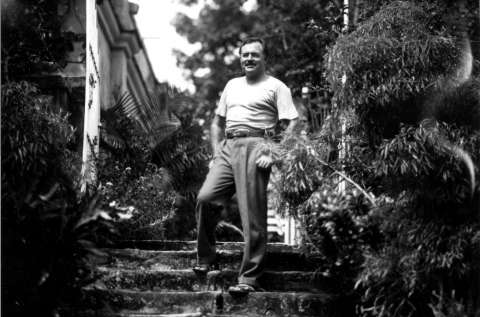
Lucky for us Hem­ing­way may also be one of the most pho­tographed writ­ers of his gen­er­a­tion. The pho­tographs in the Ernest Hem­ing­way Col­lec­tion take us into a mid-cen­tu­ry world where writ­ers, actors, polit­i­cal lead­ers and beau­ti­ful jet-set­ters min­gled on patios and yachts at ease before the cam­era. These were the days before paparazzi start­ed hid­ing in bush­es.

The col­lec­tion is avail­able to us with a typ­i­cal Her­ming­way-esque sto­ry attached. When he died in 1961 in Ida­ho, most of his per­son­al effects were still in Cuba. Hem­inway lived for 20 years in the Fin­ca Vigia, a home he bought with the roy­al­ties from For Whom the Bell Tolls. It was at Fin­ca Vigia that he wrote The Old Man and the Sea. Rather than writ­ing in the work­shop that his wife Mary had built for him there, he used the bed­room, leav­ing the new room for his numer­ous pet cats to use.

At the time of his death, Amer­i­can trav­el into Cuba was banned. How­ev­er Pres­i­dent Kennedy made spe­cial arrange­ments for Hemingway’s wid­ow Mary to return to Fin­ca Vigia and retrieve his per­son­al belong­ings. Years lat­er, the John F. Kennedy Pres­i­den­tial Library and Muse­um received the mate­ri­als, includ­ing more than 10,000 pho­tographs, books from Hemingway’s pri­vate library (includ­ing A Draft of XVI Can­tos signed by Ezra Pound) and the hand-writ­ten sail­ing log Hem­ing­way kept of his trav­els aboard Pilar. The pho­tographs are now orga­nized chrono­log­i­cal­ly and geo­graph­i­cal­ly: Ear­ly Years 1899–21; Paris Years 1922–1930; Wars 1917–1945; Key West Years 1928–1939; Ida­ho Years 1939–1960; Africa 1933–1934 and Africa 1953–1954; Europe 1948–1959; Cuba Years 1939–1960; and Spain 1953–1960.

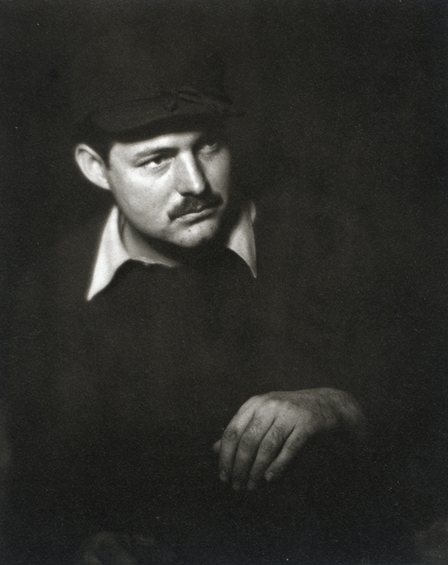
Hem­ing­way was in Paris when he sat for this por­trait in March, 1928. The pho­tog­ra­ph­er, Helen Pierce Break­er, was a friend and had been a brides­maid in Hemingway’s wed­ding to his first wife, Hadley.


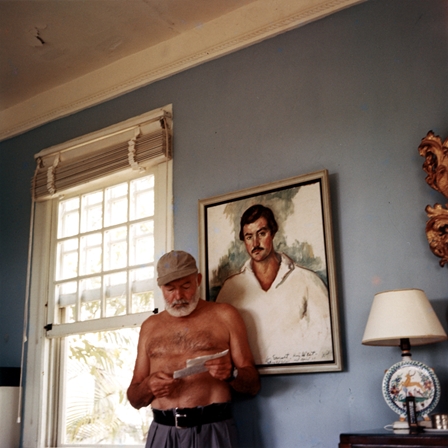
By the ear­ly 1950s, Hem­ing­way was liv­ing in Cuba. The paint­ing behind him here at Fin­ca Vigia is a por­trait of him­self by Wal­do Peirce titled Kid Balzac.

Kate Rix is an Oak­land-based free­lance writer. Find more of her work at .

The Oldest Color Movies Bring Sunflowers, Exotic Birds and Goldfish Back to Life (1902)

Long before Tech­ni­col­or came along, the British pho­tog­ra­ph­er and inven­tor Edward Turn­er devel­oped a three-col­or motion pic­ture sys­tem in 1899. It was based on the mid-19th cen­tu­ry dis­cov­ery that all col­ors could be pro­duced through com­bi­na­tions of the three pri­ma­ry col­ors — red, green and blue. And Turn­er’s genius was find­ing a way to bring this notion to mov­ing pic­tures. Work­ing with the financier Fred­er­ick Mar­shall Lee, Turn­er man­aged to shoot col­or films of chil­dren play­ing with sun­flow­ers (above), a macaw perched in a cage, and gold­fish swim­ming in a bowl. But then his films and pro­jec­tors were lost … for a good cen­tu­ry … and only recent­ly did the Nation­al Media Muse­um in the UK recov­er the footage and then build a spe­cial pro­jec­tor capa­ble of bring­ing the films back to the screen. To learn how they pulled it off, watch the video below. It’s pret­ty inter­est­ing:

by | Permalink | Make a Comment ( 4 ) |

The Second Known Photo of Emily Dickinson Emerges

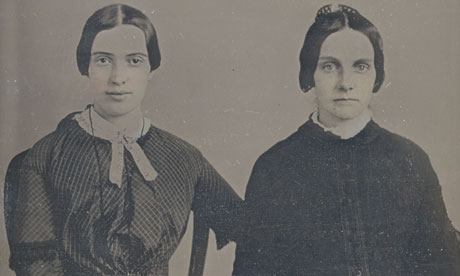
Until now, we’ve only had one authen­ti­cat­ed pho­to of the nine­teenth cen­tu­ry poet, Emi­ly Dick­in­son (1830–1886). The pho­to (above), tak­en when she was only 16 years old, shows Dick­in­son as a young­ster in high school cir­ca 1847, well before her lit­er­ary career came into full bloom. That has been the only visu­al trace of her to date.

But now, as The Guardian reports, Amherst Col­lege thinks it has dis­cov­ered an 1859 daguerreo­type show­ing the poet with her friend Kate Scott Turn­er. When this new­ly-dis­cov­ered image was tak­en, Emi­ly (on the left below) was 28 years old and like­ly writ­ing her mys­te­ri­ous mas­ter let­ters, as one Metafil­ter read­er points out.

Poems by Emi­ly Dick­in­son can be found in our col­lec­tion of Free eBooks and Free Audio Books, along with lots of oth­er great works.

by | Permalink | Make a Comment ( 10 ) |

Steven Pinker Presents His Big Gallery of Cape Cod Photography

Har­vard pro­fes­sor of psy­chol­o­gy Steven Pinker gar­nered a sig­nif­i­cant amount of atten­tion in the past year for his mas­sive, 800-page book Bet­ter Angels of Our Nature, which argues the con­tro­ver­sial the­sis that, despite the atroc­i­ties of the 20th and 21st cen­turies, vio­lence has declined world­wide and we live in the most peace­ful era in human his­to­ry. (A much short­er ver­sion of his the­sis is an essay enti­tled A His­to­ry of Vio­lence). You might expect some­one steeped in research on bru­tal inhu­man­i­ty and war to be a lit­tle on edge, but Pinker has a side­line as a pho­tog­ra­ph­er of the tran­quil and serene.

His most recent series of pic­tures builds on a fif­teen-year his­to­ry of pho­tograph­ing scenes of Cape Cod. In a tweet announc­ing the most recent col­lec­tion, Pinker claims his inspi­ra­tion for this series is the pho­tog­ra­ph­er Joel Meyerowitz, whose book Cape Light ren­ders the Mass­a­chu­setts Cape in the soft sub­tle tones of Renoir’s land­scapes. Pinker’s lens takes in a deep­er, rich­er light, and col­or pops from his images in unex­pect­ed ways—more Manet than Mon­et. His pho­tog­ra­phy, I would imag­ine, pro­vides a much-need­ed diver­sion from the heady inten­si­ty of his aca­d­e­m­ic work, and the images are strik­ing and beau­ti­ful. Look through Pinker’s lat­est Cape Cod series here.

For more of Pinker’s pho­tog­ra­phy see the full archive at his web­site.

And vis­it this link for an exten­sive archive of video and audio inter­views and talks from Pinker.

Josh Jones is a doc­tor­al can­di­date in Eng­lish at Ford­ham Uni­ver­si­ty and a co-founder and for­mer man­ag­ing edi­tor of Guer­ni­ca / A Mag­a­zine of Arts and Pol­i­tics.

One Trillion Frames Per Second: The Science of Capturing Light in Motion

Ramesh Raskar joined the MIT Media Lab in 2008, where he heads up the Lab’s Cam­era Cul­ture research group. For some time, the researcher has drawn inspi­ra­tion from anoth­er MIT pro­fes­sor, Harold Edger­ton, a pio­neer of stop-action pho­tog­ra­phy, who famous­ly pho­tographed a bul­let mov­ing through an apple in 1964. Decades lat­er, Raskar and his MIT crew have tak­en pho­tog­ra­phy to a new lev­el, cre­at­ing imag­ing hard­ware and soft­ware that can cap­ture light as it moves. They can visu­al­ize pic­tures as if they were record­ed at a rate of one tril­lion frames per sec­ond. His cut­ting edge work in fem­to-pho­tog­ra­phy is all on dis­play above.

If you want to get deep­er into Raskar’s world, you can check out his free MIT course, Com­pu­ta­tion­al Cam­era and Pho­tog­ra­phy, which is locat­ed in the Com­put­er Science/Artificial Intel­li­gence sec­tion of our col­lec­tion of Free Online Cours­es.

via Roger Ebert

by | Permalink | Make a Comment ( 3 ) |

« Go BackMore in this category... »
Quantcast