The New York Public Library Creates a List of 125 Books That They Love

The New York Pub­lic Library sure knows how to cel­e­brate a quasqui­cen­ten­ni­al. In hon­or of its own 125th anniver­sary, it’s rolling out a num­ber of treats for patrons, vis­i­tors, and those who must admire it from afar.

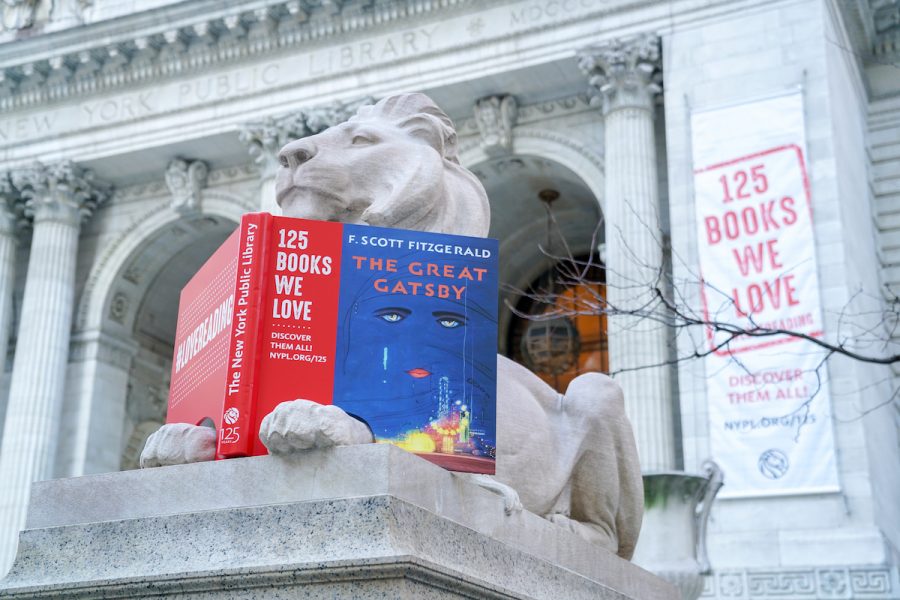
In addi­tion to the expect­ed author talks and live events, Patience and For­ti­tude, the icon­ic stone lions who flank the main branch’s front steps, are dis­play­ing some read­ing mate­r­i­al of their own—Toni Morrison’s 1987 nov­el Beloved and F. Scott Fitzgerald’s Jazz Age clas­sic The Great Gats­by, from 1925.

Donors who kick in $12.50 or more to help the library con­tin­ue pro­vid­ing such pub­lic ser­vices as ear­ly lit­er­a­cy class­es, free legal aid, and job train­ing cours­es will be reward­ed with a cheer­ful red stick­er bear­ing the easy to love slo­gan “♥ read­ing.”

The cov­er image of Ezra Jack Keats’ 1962 Calde­cott Award-win­ning pic­ture book The Snowy Day, which at 485,583 check­outs holds the title for most pop­u­lar book in the cir­cu­lat­ing col­lec­tion, graces spe­cial edi­tion Library and Metro­Cards.

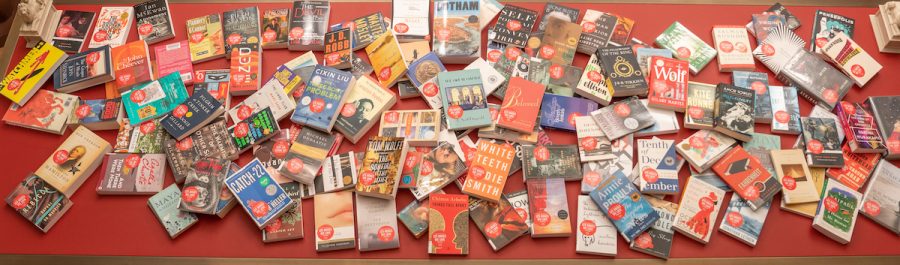
And a team of librar­i­ans drew up a list of 125 books from the last 125 years that inspire a life­long love of read­ing.

The list is delib­er­ate­ly inclu­sive with regard to authors’ gen­der, race, and sex­u­al ori­en­ta­tion as well as lit­er­ary genre. In addi­tion to nov­els and non-fic­tion, you’ll find mem­oir, poet­ry, fan­ta­sy, graph­ic nov­els, sci­ence fic­tion, mys­tery, short sto­ries, humor, and one children’s book, Har­ry Pot­ter and the Sorcerer’s Stone, which the judges decid­ed “tran­scends age cat­e­gories.” (A sim­i­lar list geared toward younger read­ers will be released lat­er this year.)

The list was drawn from a pool con­tain­ing any­thing pub­lished after May 23rd, 1895, the day attor­ney John Bigelow’s plan to com­bine the resources of the Astor and Lenox libraries and the Tilden Trustin into The New York Pub­lic Library was offi­cial­ly incor­po­rat­ed.

The selec­tion cri­te­ria can be viewed here.

Obvi­ous­ly, the list—and any per­ceived omissions—will gen­er­ate pas­sion­ate debate amongst book lovers, a prospect the library rel­ish­es, though it’s enlist­ed one of its most ardent sup­port­ers, author Neil Gaiman, whose Amer­i­can Gods made the final cut, to remind any dis­grun­tled read­ers of the spir­it in which the picks were made:

The New York Pub­lic Library has put togeth­er a list of 125 books that they love—the librar­i­ans and the peo­ple in the library. That’s the cri­te­ria. You may not love them, but they do. And that’s excit­ing. The thing that gets peo­ple read­ing is love. The thing that makes peo­ple pick up books they might not oth­er­wise try, is love. It’s per­son­al rec­om­men­da­tions, the kind that are tru­ly meant. So here are 125 books that they love. And some­where on this list you will find books you’ve nev­er read, but have always meant to, or have nev­er even heard of. There are 125 chances here to change your own life, or to change some­one else’s, curat­ed by the peo­ple from one of the finest libraries in the world. Read with joy. Read with love. Read!

To real­ly get the most out of the list, tune in to the NYPL’s The Librar­i­an Is In pod­cast, which will be devot­ing an episode to one of the fea­tured titles each month.

The cur­rent episode kicks things off with co-hosts Frank Col­lerius and Rhon­da Evans’ favorites from the list:

Maus by Art Spiegel­man

Beloved by Toni Mor­ri­son

Invis­i­ble Man by Ralph Elli­son

The Haunt­ing of Hill House by Shirley Jack­son

The House of Mirth by Edith Whar­ton

Har­ry Pot­ter and the Sor­cer­er’s Stone by J.K. Rowl­ing

In Cold Blood by Tru­man Capote

Their Eyes Were Watch­ing God by Zora Neale Hurston

Read­ers, have a look at the com­plete list of the New York Pub­lic Library’s 125 Books for Adult Read­ers, and leave us a com­ment to let us know what titles you wish had been includ­ed. Or bet­ter yet, tell us which as-yet unread title you’re plan­ning to read in hon­or of the New York Pub­lic Library’s 125th year:

George Orwell, 1984

Saul Bel­low, The Adven­tures of Augie March

W.H. Auden, The Age of Anx­i­ety

Ron Cher­now, Alexan­der Hamil­ton

Erich Maria Remar­que, All Qui­et on the West­ern Front

James Pat­ter­son, Along Came a Spi­der

Michael Chabon, The Amaz­ing Adven­tures of Kava­lier & Clay

Neil Gaiman, Amer­i­can Gods

Mary Oliv­er, Amer­i­can Prim­i­tive

Agatha Christie, And Then There Were None

Mag­gie Nel­son, The Arg­onauts

Sylvia Plath, Ariel

Ian McE­wan, Atone­ment

Anne Car­son, Auto­bi­og­ra­phy of Red

Toni Mor­ri­son, Beloved

Ray­mond Chan­dler, The Big Sleep

Tom Wolfe, The Bon­fire of the Van­i­ties

Eve­lyn Waugh, Brideshead Revis­it­ed

Colm Tóibín, Brook­lyn

Joseph Heller, Catch-22

J.D. Salinger, The Catch­er in the Rye

Clau­dia Rank­ine, Cit­i­zen

Sta­cy Schiff, Cleopa­tra

David Mitchell, Cloud Atlas

Langston Hugh­es, The Col­lect­ed Poems of Langston Hugh­es

Ter­ry Pratch­ett, The Col­or of Mag­ic

Alice Walk­er, The Col­or Pur­ple

Wal­ter Mosley, Dev­il in a Blue Dress

Erik Lar­son, The Dev­il in the White City

Frank Her­bert, Dune

Michael Ondaat­je, The Eng­lish Patient

Alyssa Cole, An Extra­or­di­nary Union

Ray Brad­bury, Fahren­heit 451

J.R. R. Tolkien, The Fel­low­ship of the Ring

N.K. Jemisin, The Fifth Sea­son

Ali­son Bechdel, Fun Home

George R. R. Mar­tin, A Game of Thrones

James Bald­win, Giovanni’s Room

Arund­hati Roy, The God of Small Things

Flan­nery O’Connor, A Good Man is Hard to Find

Edwin G. Bur­rows and Mike Wal­lace, Gotham

John Stein­beck, The Grapes of Wrath

F. Scott Fitzger­ald, The Great Gats­by

Mar­garet Atwood, The Handmaid’s Tale

J.K. Rowl­ing, Har­ry Pot­ter and the Sorcerer’s Stone

Shirley Jack­son, The Haunt­ing of Hill House

Car­son McCullers, The Heart Is a Lone­ly Hunter

Dave Eggers, A Heart­break­ing Work of Stag­ger­ing Genius

Dou­glas Adams, The Hitchhiker’s Guide to the Galaxy

Arthur Conan Doyle, The Hound of the Baskervilles

V.S. Naipaul, A House for Mr. Biswas

Edith Whar­ton, The House of Mirth

Mar­i­lynne Robin­son, House­keep­ing

Allen Gins­berg, Howl

Maya Angelou, I Know Why the Caged Bird Sings

Tru­man Capote, In Cold Blood

Bev­er­ly Jenk­ins, Indi­go

Jhumpa Lahiri, Inter­preter of Mal­adies

Jon Krakauer, Into Thin Air

Ralph Elli­son, Invis­i­ble Man

Gore Vidal, Julian

Khaled Hos­sei­ni, The Kite Run­ner

Ursu­la K. Le Guin, The Left Hand of Dark­ness

Mary Karr, The Liars’ Club

Kate Atkin­son, Life After Life

Tra­cy K. Smith, Life on Mars

Vladimir Nabokov, Loli­ta

Art Spiegel­man, Maus

David Sedaris, Me Talk Pret­ty One Day

John Berendt, Mid­night in the Gar­den of Good and Evil

Salman Rushdie, Midnight’s Chil­dren

Mar­tin Amis: Mon­ey

Michael Lewis: Mon­ey­ball

Jonathan Lethem, Moth­er­less Brook­lyn

Vir­ginia Woolf, Mrs. Dal­loway

Ele­na Fer­rante, My Bril­liant Friend

J.D. Robb, Naked in Death

Richard Wright, Native Son

Eliz­a­beth Strout, Olive Kit­teridge

Jack Ker­ouac, On the Road

Gabriel Gar­cía Márquez, One Hun­dred Years of Soli­tude

Jeanette Win­ter­son, Oranges Are Not the Only Fruit

Adam John­son, The Orphan Master’s Son

Per Pet­ter­son, Out Steal­ing Hors­es

Octavia E. But­ler, Para­ble of the Sow­er

Mar­jane Satrapi, Perse­po­lis

Annie Dil­lard, Pil­grim at Tin­ker Creek

Philip Roth, Portnoy’s Com­plaint

Gra­ham Greene, The Qui­et Amer­i­can

Daphne du Mau­ri­er, Rebec­ca

Kazuo Ishig­uro, The Remains of the Day

Louise Erdrich, The Round House

Amor Towles, Rules of Civil­i­ty

Alice Munro, Run­away

John Ash­bery, Self-Por­trar­it in a Con­vex Mir­ror

Stephen King, The Shin­ing

Annie Proulx, The Ship­ping News

Rachel Car­son, Silent Spring

Nali­ni Singh, Slave to Sen­sa­tion

Joan Did­ion, Slouch­ing Towards Beth­le­hem

Leslie Fein­berg, Stone Butch Blues

John Cheev­er, The Sto­ries of John Cheev­er

Albert Camus, The Stranger

Ernest Hem­ing­way, The Sun Also Ris­es

Patri­cia High­smith, The Tal­ent­ed Mr. Rip­ley

George Saun­ders, Tenth of Decem­ber

Zora Neale Hurston, Their Eyes Were Watch­ing God

Chin­ua Achebe, Things Fall Apart

Cix­in Liu, The Three-Body Prob­lem

Harp­er Lee, To Kill a Mock­ing­bird

Denis John­son, Train Dreams

Hen­ry James, The Turn of the Screw

Milan Kun­dera, The Unbear­able Light­ness of Being

Col­son White­head, The Under­ground Rail­road

Joseph Mitchell, Up in the Old Hotel

Jef­frey Eugenides, The Vir­gin Sui­cides

Jen­nifer Egan, A Vis­it from the Goon Squad

Isabel Wilk­er­son, The Warmth of Oth­er Suns

Alan Moore and Dave Gib­bons, Watch­men

Ray­mond Carv­er, What We Talk About When We Talk About Love

Don DeLil­lo, White Noise

Zadie Smith, White Teeth

Haru­ki Muraka­mi, The Wind-Up Bird Chron­i­cle

Hilary Man­tel, Wolf Hall

Max­ine Hong Kingston, The Woman War­rior

Via Lit Hub

Relat­ed Con­tent:

The New York Pub­lic Library Announces the Top 10 Checked-Out Books of All Time

The New York Pub­lic Library Lets You Down­load 180,000 Images in High Res­o­lu­tion: His­toric Pho­tographs, Maps, Let­ters & More

New York Pub­lic Library Card Now Gives You Free Access to 33 NYC Muse­ums

Ayun Hal­l­i­day is an author, illus­tra­tor, the­ater mak­er and Chief Pri­ma­tol­o­gist of the East Vil­lage Inky zine.  Join Ayun’s com­pa­ny The­ater of the Apes in New York City this March for her book-based vari­ety series, Necro­mancers of the Pub­lic Domain, and the world pre­miere of Greg Kotis’ new musi­cal, I AM NOBODY. Fol­low her @AyunHalliday.

Robin Williams’ Celebrity Struggles: A Discussion with Dave Itzkoff by Pretty Much Pop: A Culture Podcast (ep. 31)

New York Times cul­ture reporter Dave Itzkoff joins your hosts Mark Lin­sen­may­er, Eri­ca Spyres, and Bri­an Hirt to con­sid­er issues raised by Dav­e’s 2018 biog­ra­phy Robin: How do we make sense of our strange rela­tion to celebri­ties, and what are strate­gies that celebri­ties use to deal with their asym­met­ric rela­tion­ship to the world? While Robin Williams tried, in grat­i­tude, to share him­self with his fans, and was very anx­ious about let­ting us all down when some of his lat­er work did­n’t gar­ner the wide­spread praise he was used to, some­one like Joaquin Phoenix takes a much more seem­ing­ly detached atti­tude, keen­ly aware of the absur­di­ty of the celebri­ty-audi­ence rela­tion.

We also talk to Dave about inter­view tech­nique and the dif­fer­ent atti­tudes that his sub­jects take toward him. Can an inter­view be some­thing that has intrin­sic val­ue and not just par­a­sitic on pop­u­lar media?

For more about Robin, Dave par­tic­i­pat­ed in a recent pod­cast called Know­ing: Robin Williams, which was cre­at­ed in part to sup­port Dav­e’s book (which some of us read for this episode; it’s real­ly good). HBO also recent­ly released the doc­u­men­tary Come Inside My Mind that relates much of the same sto­ry.

For more on Joaquin Phoenix, read Dav­e’s inter­view, this 2017 Times arti­cle by Bret Eas­t­on Ellis, or this Guardian arti­cle on I’m Still Here.

Read Dav­e’s inter­views at nytimes.com/by/dave-itzkoff or fol­low him @ditzkoff.

This episode includes bonus dis­cus­sion that you can only hear by sup­port­ing the pod­cast at patreon.com/prettymuchpop. This pod­cast is part of the Par­tial­ly Exam­ined Life pod­cast net­work.

Pret­ty Much Pop: A Cul­ture Pod­cast is the first pod­cast curat­ed by Open Cul­ture. Browse all Pret­ty Much Pop posts or start with the first episode.

Why Every Nominated Film Will Win the 2020 Oscar: A Pretty Much Pop Podcast Debate (ep. 30)

The 2020 Acad­e­my Awards are near­ly upon us! Real­is­ti­cal­ly, most of you will find this episode well after the win­ners have already been announced, but seri­ous­ly, that should not affect your enjoy­ment of this dis­cus­sion. Your intre­pid non-film-crit­ic Pret­ty Much Pop: A Cul­ture Pod­cast hosts have each been ran­dom­ly assigned three of the best pic­ture nom­i­nees to argue for either for why it should with the Oscar, or if we real­ly don’t like it, why we think it will win any­way. The assign­ments were as fol­lows:

  • Mark Lin­sen­may­er: 1917, Lit­tle Women, Jok­er
  • Eri­ca Spyres: Jojo Rab­bit, Par­a­site, Once Upon a Time…in Hol­ly­wood*
  • Bri­an Hirt: Ford v Fer­rari,  Mar­riage Sto­ry, The Irish­man**

*Cov­ered in our ep. 12.
**Cov­ered in our
ep. 29.

As we hash out the rel­a­tive mer­its of these films, we reflect on what it is to be an Oscar-win­ning type-of-film as opposed to one peo­ple might actu­al­ly enjoy watch­ing, pat­terns of what kinds of films win in which cat­e­gories, and the effect of view­ing con­di­tions, pri­or knowl­edge, and pre­con­cep­tions on our enjoy­ment.

In prepa­ra­tion, we all watched all nine films and looked at some of the pos­i­tive and neg­a­tive reviews about them. Here are a few more arti­cles cov­er­ing the Oscars more gen­er­al­ly that we also used to make our­selves more sus­cep­ti­ble to OSCAR FEVER.

The par­tic­u­lar neg­a­tive 1917 review Mark talks about was by Richard Brody. Here’s an arti­cle about Joaquin Phoenix impro­vis­ing his stunt work as Eri­ca men­tions. Speak­ing of Jok­er, have you heard the (sub)Text pod­cast pre­sen­ta­tion by Mark’s Par­tial­ly Exam­ined Life co-host Wes Alwan on the psy­cho­an­a­lyt­ic dimen­sions of that film?

This episode includes bonus dis­cus­sion mus­ing about past win­ners and 2020 act­ing cat­e­gories that you can only hear by sup­port­ing the pod­cast at patreon.com/prettymuchpop. This pod­cast is part of the Par­tial­ly Exam­ined Life pod­cast net­work.

Pret­ty Much Pop: A Cul­ture Pod­cast is the first pod­cast curat­ed by Open Cul­ture. Browse all Pret­ty Much Pop posts or start with the first episode.

Radical Women: Stream the Getty’s Podcast That Features Six Major 20th-Century Artists, All Female


Only recent­ly has “actor” become an accept­able gen­der-neu­tral term for per­form­ers of stage and screen.

Pri­or to that, we had “actor” and “actress,” and while there may have been some prob­lem­at­ic assump­tions con­cern­ing the type of woman who might be drawn to the pro­fes­sion, there was arguably lin­guis­tic par­i­ty between the two words.

Not so for artists.

In the not-so-dis­tant past, female artists invari­ably found them­selves referred to as “female artists.”

Not great, when male artists were referred to as (say it with me) “artists.”

The new sea­son of the Getty’s pod­cast Record­ing Artists pays trib­ute to six sig­nif­i­cant post-war artists—two Abstract Expres­sion­ists, a por­traitist, a per­for­mance artist and exper­i­men­tal musi­cian, and a print­mak­er who pro­gressed to assem­blage and col­lage works with an overt­ly social mes­sage.

Hope­ful­ly you won’t need to reach for your smelling salts upon dis­cov­er­ing that all six artists are female:

Alice Neel

Lee Kras­ner

Betye Saar

Helen Franken­thaler

Yoko Ono

and Eva Hesse

Host Helen Molesworth is also female, and up until recent­ly, served as the much admired Chief Cura­tor of LA’s Muse­um of Con­tem­po­rary Art. (Accord­ing to artist Lor­na Simp­son’s take on Molesworth’s abrupt dis­missal: “Women who have a point of view and stand by it are often pun­ished. Just because you get rid of Helen Molesworth doesn’t mean you have solved ‘the prob­lem.’)

Molesworth, who is joined by two art world guests per episode—some of them (gasp!) non-female—is the per­fect choice to con­sid­er the impact of the Rad­i­cal Women who give this sea­son its sub­ti­tle.

We also hear from the artists them­selves, in excepts from taped ’60s and ’70s-era inter­views with his­to­ri­ans Cindy Nemser and Bar­bara Rose.

Their can­did remarks give Molesworth and her guests a lot to con­sid­er, from the dif­fi­cul­ties of main­tain­ing a con­sis­tent artis­tic prac­tice after one becomes a moth­er to racial dis­crim­i­na­tion. A lot of atten­tion is paid to his­tor­i­cal con­text, even when it’s warts and all.

The late Alice Neel, a white artist best remem­bered for her por­traits of her black and brown East Harlem neigh­bors and friends, cracks wise about butch les­bians in Green­wich Vil­lage, prompt­ing Molesworth to remark that she thinks she—or any artist of her acquaintance—could have “eas­i­ly” swayed Neel to can the homo­pho­bic remarks.

It’s also pos­si­ble that Neel, who died in 1984, would have kept step with the times and made the nec­es­sary cor­rec­tion unprompt­ed, were she still with us today.


A cou­ple of the sub­jects, Yoko Ono and Betye Saar, are alive …and active­ly cre­at­ing art, though it’s their past work that seems to be the source of great­est fas­ci­na­tion.

When New York City’s Muse­um of Mod­ern Art reopened its doors fol­low­ing a major phys­i­cal and philo­soph­i­cal reboot, vis­i­tors were treat­ed to The Leg­ends of Black Girl’s Win­dow, an exhi­bi­tion of the 94-year-old Saar’s work from the ‘60s and ‘70s. New York­er crit­ic Doreen St. Félix bemoaned the “absence of explic­it­ly black-fem­i­nist works,” par­tic­u­lar­ly The Lib­er­a­tion of Aunt Jemi­ma, a mixed media assem­blage, Molesworth dis­cuss­es at length in the pod­cast episode ded­i­cat­ed to Saar.

MoMA also played host to a mas­sive exhi­bi­tion of Ono’s ear­ly work in 2015, prompt­ing the New York Times crit­ic Hol­land Cot­ter to pro­nounce her “imag­i­na­tive, tough-mind­ed and still under­es­ti­mat­ed.”

This is a far cry bet­ter than New York Times crit­ic Hilton Kramer’s dis­missal of Neel’s 1974 ret­ro­spec­tive at the Whit­ney, when the artist was 74 years old:

… the Whit­ney, which can usu­al­ly be count­ed on to do the wrong thing, devot­ed a solo exhi­bi­tion to Alice Neel, whose paint­ings (we can be rea­son­ably cer­tain) would nev­er have been accord­ed that hon­or had they been pro­duced by a man. The pol­i­tics of the sit­u­a­tion required that a woman be giv­en an exhi­bi­tion, and Alice Neel’s paint­ing was no doubt judged to be suf­fi­cient­ly bizarre, not to say inept, to qual­i­fy as some­thing ‘far out.’”

Twen­ty six years lat­er, his opin­ion of Neel’s tal­ent had not mel­lowed, though he had the polit­i­cal sense to dial down the misog­y­ny in his scathing Observ­er review of Neel’s third show at the Whit­ney…or did he? In cit­ing cura­tor Ann Temkin’s obser­va­tion that Neel paint­ed “with the eye of a car­i­ca­tur­ist” he makes sure to note that Neel’s sub­ject Annie Sprin­kle, “the porn star who became a per­for­mance artist, is her­self a car­i­ca­ture, no mock­ery was need­ed.”

One has to won­der if he would have described the artist’s nude self-por­trait at the age of 80 as that of “a geri­atric ruin” had the artist been a man.

Lis­ten to all six episodes of Record­ing Artists: Rad­i­cal Women and see exam­ples of each subject’s work here.

And while nei­ther Saar nor Ono added any cur­rent com­men­tary to the pod­cast, we encour­age you to check out the inter­views below in which they dis­cuss their recent work in addi­tion to reflect­ing on their long artis­tic careers:

“‘It’s About Time!’ Betye Saar’s Long Climb to the Sum­mit” (The New York Times, 2019)

“The Big Read – Yoko Ono: Imag­ine The Future” (NME, 2018)

via Hyper­al­ler­gic

Relat­ed Con­tent:

A Space of Their Own, a New Online Data­base, Will Fea­ture Works by 600+ Over­looked Female Artists from the 15th-19th Cen­turies

Women Who Draw: Explore an Open Direc­to­ry That Show­cas­es the Work of 5,000+ Female Illus­tra­tors

A New Archive Tran­scribes and Puts Online the Diaries & Note­books of Women Artists, Art His­to­ri­ans, Crit­ics and Deal­ers

Ayun Hal­l­i­day is an author, illus­tra­tor, the­ater mak­er and Chief Pri­ma­tol­o­gist of the East Vil­lage Inky zine.  Join her in NYC on Mon­day, Feb­ru­ary 3 when her month­ly book-based vari­ety show, Necro­mancers of the Pub­lic Domain cel­e­brates New York: The Nation’s Metrop­o­lis (1921). Fol­low her @AyunHalliday.

Scorsese’s The Irishman in the Context of his Oeuvre–Pretty Much Pop: A Culture Podcast #29 Featuring Colin Marshall

What dis­tin­guish­es the high­ly laud­ed 2019 film The Irish­man with­in direc­tor Mar­tin Scors­ese’s body of work? Fre­quent Open Cul­ture con­trib­u­tor Col­in Mar­shall joins Mark Lin­sen­may­er, Eri­ca Spyres, and Bri­an Hirt to talk about what we do and don’t con­nect with in Scors­ese’s work and how these films qual­i­fy as “art films” despite their watch­a­bil­i­ty, not to men­tion the big bud­gets and stars.

We cov­er CGI age alter­ation, the con­nec­tion to The Jok­er, his com­ments about the Mar­vel fran­chise vs. him being a fran­chise unto him­self, his use of music, and mak­ing films as an old guy. We hit par­tic­u­lar­ly on Rag­ing Bull, Taxi Dri­ver, Bring­ing out the Dead, The King of Com­e­dy, Good­fel­las, Gangs of New York,  The Depart­ed, Casi­no, Silence, and Cape Fear. (There are no sig­nif­i­cant spoil­ers about any of these oth­er films, just The Irish­man.)

Beyond just watch­ing or re-watch­ing a lot of films, here are some arti­cles we used to prep:

Col­in rec­om­mends the books Easy Rid­ers, Rag­ing Bulls, Scors­ese on Scors­ese, and Gang­ster Priest: The Ital­ian Amer­i­can Cin­e­ma of Mar­tin Scors­ese. Read Col­in’s Open Cul­ture arti­cles on Scors­ese. Also, Col­in reviews The Par­tial­ly Exam­ined Life in 2012.

Here’s that clip from Sin­gles about “the next Mar­tin Scorseeze.” Here’s Peter Boyle in Taxi Dri­ver giv­ing “Wiz­ard” advice. Watch Abed in Com­mu­ni­ty con­sid­er whether Nico­las Cage is good or bad.

This episode includes bonus dis­cus­sion that you can only hear by sup­port­ing the pod­cast at patreon.com/prettymuchpop. This pod­cast is part of the Par­tial­ly Exam­ined Life pod­cast net­work.

Pret­ty Much Pop: A Cul­ture Pod­cast is the first pod­cast curat­ed by Open Cul­ture. Browse all Pret­ty Much Pop posts or start with the first episode.

Actor Margaret Colin (VEEP, Independence Day) Joins Pretty Much Pop #28 to Take On the Trope of the Alpha Female

What’s the deal with images of pow­er­ful women in media? The trope of the tough-as-nails boss-lady who may or may not have a heart of gold has evolved a lot over the years, but it’s dif­fi­cult to por­tray such a char­ac­ter unob­jec­tion­ably, prob­a­bly due to those all-too-famil­iar dou­ble stan­dards about want­i­ng women in author­i­ty (or, say, run­ning for office) to be assertive but not astrin­gent.

Mar­garet was the female lead in major films includ­ing Inde­pen­dence Day and The Dev­il’s Own, is a main­stay on Broad­way, and has appeared on TV in many roles includ­ing the moth­er of the Gos­sip Girl and as an unscrupu­lous news­cast­er on the final sea­sons of VEEP. Her height and voice have made her a good fit for dom­i­nant-lady roles, and she leads Mark, Eri­ca, and Bri­an through a quick, instruc­tive tour through her work with male direc­tors (e.g. in a pre-Mur­phy-Brown Dianne Eng­lish sit-com), play­ing the lead in three Life­time Net­work movies, on Broad­way as Jack­ie, and oppo­site Har­ri­son Ford, Al Paci­no, Melanie Grif­fith, Michael Shan­non, Wal­lace Shawn, and oth­ers.

Giv­en the lim­i­ta­tions of short-form sto­ry­telling in film, maybe some use of stereo­types is just nec­es­sary to get the gist of a char­ac­ter out quick­ly, but actors can load their per­for­mances with unseen back­sto­ry. We hear about the actor’s role in estab­lish­ing a char­ac­ter vs. the vision of the film­mak­ers or show-run­ners. Also, the rel­a­tive con­ser­vatism of film vs. stage vs. TV in grant­i­ng women cre­ative con­trol, the “fem­i­nine voice,” why women always appar­ent­ly have to trip in movies when chased, and more.

A few resources to get you think­ing about this top­ic:

Some­one’s post­ed a tape of Carousel fea­tur­ing Eri­ca and Mar­garet.

This episode includes bonus dis­cus­sion that you can only hear by sup­port­ing the pod­cast at patreon.com/prettymuchpop. This pod­cast is part of the Par­tial­ly Exam­ined Life pod­cast net­work.

Pret­ty Much Pop: A Cul­ture Pod­cast is the first pod­cast curat­ed by Open Cul­ture. Browse all Pret­ty Much Pop posts or start with the first episode.

Pretty Much Pop: A Culture Podcast #26 Discusses Alan Moore’s Watchmen Comic and the HBO Show with Cornell Psychology Professor David Pizarro

Per­haps the most laud­ed graph­ic nov­el has been sequelized for HBO, and amaz­ing­ly, it turned out pret­ty darn well (with a 96% Rot­ten Toma­toes rat­ing!).

Your hosts Mark Lin­sen­may­er, Eri­ca Spyres, and Bri­an Hirt are joined by the Cor­nel­l’s David Pizarro, host of the pop­u­lar Very Bad Wiz­ards pod­cast. We con­sid­er Alan Moore’s 1986 graph­ic nov­el, the 2009 Zack Sny­der film, and of course most­ly the recent­ly com­plet­ed (we hope) show by Damon Lin­de­lof, the cre­ator of Lost and The Left­overs.

How does Moore’s idio­syn­crat­ic writ­ing style trans­late to the screen? Did the show make best use of its nine hours? Are there oth­er sto­ries in this alter­nate his­to­ry that should still be told, per­haps to reflect on oth­er recur­rent social ills or crises of what­ev­er moment might be depict­ed? Was Lin­de­lof real­ly the guy to tell this sto­ry about race, and does mak­ing the show about racism (which is bad!) under­mine Moore’s rejec­tion of (moral­ly) black-and-white heroes and vil­lains?

Some of the arti­cles we used to warm up for this dis­cus­sion includ­ed:

You might want to also check out HBO’s Watch­men page, which includes extra essays and the offi­cial pod­cast with Damon Lin­de­lof com­ment­ing on the episodes.

Fol­low Dave @peezHear him on The Par­tial­ly Exam­ined Life, undoubt­ed­ly the apex of his pro­fes­sion­al career.

This episode includes bonus dis­cus­sion that you can only hear by sup­port­ing the pod­cast at patreon.com/prettymuchpop. This pod­cast is part of the Par­tial­ly Exam­ined Life pod­cast net­work.

Pret­ty Much Pop: A Cul­ture Pod­cast is the first pod­cast curat­ed by Open Cul­ture. Browse all Pret­ty Much Pop posts or start with the first episode.

Sportscaster Dave Revsine (Big 10 Network) Joins Pretty Much Pop: A Culture Podcast to Discuss the Role of Sports in Pop Culture

How is spec­ta­tor sports dif­fer­ent from oth­er types of enter­tain­ment? Dave Rev­sine (lead stu­dio host for the Big Ten Net­work and for­mer ESPN anchor) joins your hosts Mark Lin­sen­may­er, Eri­ca Spyres, and Bri­an Hirt to dis­cuss the var­i­ous sources of appeal, team iden­ti­fi­ca­tion, exist­ing in a sports-filled world as a non-fan, watch­ing vs. play­ing, human inter­est sto­ries, sports films, and more.

Some of the arti­cles we looked at to pre­pare includ­ed:

The first two links above were part of a series of 2016 edi­to­ri­als in the Wash­ing­ton Post coin­cid­ing with March Mad­ness. As the whole series is def­i­nite­ly worth a look, just fol­low the links at the bot­tom of those arti­cles.

Dave wrote a book you might want to look at called The Open­ing Kick­off: The Tumul­tuous Birth of a Foot­ball Nation. Fol­low him on Twit­ter @BTNDaveRevsine.

This episode includes bonus dis­cus­sion that you can only hear by sup­port­ing the pod­cast at patreon.com/prettymuchpop. This pod­cast is part of the Par­tial­ly Exam­ined Life pod­cast net­work.

Pret­ty Much Pop: A Cul­ture Pod­cast is the first pod­cast curat­ed by Open Cul­ture. Browse all Pret­ty Much Pop posts or start with the first episode.

« Go BackMore in this category... »
Quantcast