Short Film Jamel Rockt Shows How German Musicians Respond to Neo-Nazi Occupation of Small Town

Amid the many dis­turb­ing reports of ris­ing fas­cist groups in Europe comes one par­tic­u­lar­ly egre­gious sto­ry of the small town of Jamel in the east Ger­man region of Meck­len­berg. Accord­ing to The Inde­pen­dent, in the tiny vil­lage of some 40 peo­ple, sev­en of the ten hous­es are owned by mem­bers of Germany’s far right Nation­al Demo­c­ra­t­ic Par­ty (NPD), mak­ing the vil­lage “almost a pure neo-Nazi strong­hold,” where oth­er res­i­dents and neigh­bors of the town are fright­ened into silence. Der Spiegel writes that the NPD, “which glo­ri­fies the Third Reich,”

has been in the state par­lia­ment since 2006 and neo-Nazi crimes are part of dai­ly life. In recent months, a series of attacks against politi­cians from all the demo­c­ra­t­ic par­ties has shak­en the state. Some­times hard­ly a week goes by with­out an attack on anoth­er elec­toral dis­trict office, with paint bombs, right-wing graf­fi­ti and bro­ken win­dows.

Despite their dom­i­nance in minis­cule Jamel, how­ev­er, the NPD does not go unop­posed. Two res­i­dents, Horst and Bir­git Lohmey­er, have decid­ed to fight back with the most potent weapon they could find: music. The Lohmey­ers, who migrat­ed to Jamel from Ham­burg, seek­ing a rur­al retreat, have instead found them­selves orga­niz­ing a music fes­ti­val in their back­yard to counter the neo-Nazi pres­ence. The short film above, Jamel Rockt, doc­u­ments how the Lohmey­ers were gal­va­nized into action after their town was occu­pied by NPD. The film is full of cap­ti­vat­ing per­for­mances and inter­views.

The Lohmeyer’s mode of protest resem­bles any oth­er small-town out­door rock fes­ti­val, but its sig­nif­i­cance is thrown into high relief by the threat posed by their fas­cist neigh­bors. Kay Sond­gen, of the band Youth Red Cross, sums up the feel­ings of the par­tic­i­pants quite well, say­ing, “if you don’t fly the flag and just look away, then fear gains the upper hand. And lat­er peo­ple will say, ‘It wasn’t my fault. Noth­ing to do with me.’ You have to fly the flag! If every­one does that then extrem­ism, in what­ev­er form, sim­ply can’t gain the upper hand.” Sondgen’s phrase “fly­ing the flag” could mean any num­ber of things. For the rock­ers and fans of the Jamel fes­ti­val, it means coun­ter­ing extrem­ism with art, and refus­ing to be intim­i­dat­ed in a place “where right-wing extrem­ists can do vir­tu­al­ly what­ev­er they want.”

Josh Jones is a doc­tor­al can­di­date in Eng­lish at Ford­ham Uni­ver­si­ty and a co-founder and for­mer man­ag­ing edi­tor of Guer­ni­ca / A Mag­a­zine of Arts and Pol­i­tics.

How Political Commitment Led Lucy Lawless (AKA Xena, the Warrior Princess) to Study Philosophy

It’s cer­tain­ly not uncom­mon for celebri­ties to take up polit­i­cal caus­es, though this does not usu­al­ly lead to them get­ting arrest­ed for hol­ing up in a high tow­er oil-drilling ship for four days. What’s less com­mon is for this inter­est to bur­geon into a full-on obses­sion with all things philo­soph­i­cal, but that’s exact­ly what hap­pened to Lucy Law­less (best known as Xena, the War­rior Princess).

“I went to the UN sum­mit on sus­tain­able devel­op­ment after get­ting involved in the whole… big oil protest… and I saw all of these peo­ple work­ing very hard but seem­ing­ly at cross-pur­pos­es about how do we cre­ate a just soci­ety.” On a full two-hour episode of The Par­tial­ly Exam­ined Life Phi­los­o­phy Pod­cast (which she claims was large­ly respon­si­ble for turn­ing her on to phi­los­o­phy), she describes how this polit­i­cal inter­est drove her to look at the foun­da­tions and his­to­ries of the­o­ries of jus­tice, and even­tu­al­ly decide to go back to school to study phi­los­o­phy, which she’s now doing in New Zealand between flights to the states to film TV spots such as her recent appear­ance on NBC’s Parks and Recre­ation.

The Par­tial­ly Exam­ined Life inter­view with Law­less is a five-per­son, round­table dis­cus­sion of Tom Payne’s 2010 book, Fame: What the Clas­sics Tell Us About Our Cult of Celebri­ty. You can lis­ten here:

The the­sis of the book is that celebri­ties serve as an out­let for soci­ety’s aggres­sive instincts. Draw­ing on canon­i­cal texts about reli­gious anthro­pol­o­gy like James Fraz­er’s The Gold­en Bough, the author com­pares the treat­ment of mod­ern celebri­ties to ancient rites where young maid­ens were lav­ish­ly bestowed with finer­ies and then sac­ri­fied. Lucy thinks this well match­es her own expe­ri­ences, and talks about the exis­ten­tial weird­ness involved with being and deal­ing with the famous.

The Par­tial­ly Exam­ined Life has also cov­ered relat­ed top­ics of Freud’s Civ­i­liza­tion and its Dis­con­tents and Niet­zsche’s Geneal­o­gy of Morals. You can sub­scribe to the pod­cast on iTunes.

Mark Lin­sen­may­er runs the Par­tial­ly Exam­ined Life phi­los­o­phy pod­cast and blog

Steve Martin, “Home Crafts Expert,” Explains the Art of Paper Wadding, Endorses Bob Kerrey

Fed up with polit­i­cal ads? Had enough? Nev­er want to see anoth­er one as long as you live? Con­sid­er watch­ing just one more. Because this one is fun. No, real­ly! Steve Mar­tin, who made prop com­e­dy respectable, endors­es his friend Bob Ker­rey for Nebras­ka Sen­a­tor by pos­ing as a “Home Crafts Expert.” This is the most unob­tru­sive, watch­able piece of polit­i­cal adver­tis­ing I’ve seen, one that trades on what every­one knows to be true—political ads are annoy­ing and dull and politi­cians are not often the most like­able peo­ple. Martin’s ad avoids these pit­falls, and it also makes a very sub­tle point, per­haps with­out even intend­ing to: pol­i­tics is the busi­ness of the every­day (or should be any­way), as essen­tial to us as the com­mon house­hold items we rely on all the time but take for grant­ed.

Now it’s true, of course, not every can­di­date has, or needs, celebri­ty friends. But no mat­ter your pol­i­tics, Martin’s endorse­ment of Ker­rey works as an exam­ple of how polit­i­cal adver­tis­ing could be done dif­fer­ent­ly.

After you’ve watched the ad, you might want to wan­der over to NPR and lis­ten to Mar­tin dis­cuss his 18 years as a stand-up com­ic and his move into act­ing and writ­ing, expe­ri­ences he details in his mem­oir, Born Stand­ing Up.

Josh Jones is a doc­tor­al can­di­date in Eng­lish at Ford­ham Uni­ver­si­ty and a co-founder and for­mer man­ag­ing edi­tor of Guer­ni­ca / A Mag­a­zine of Arts and Pol­i­tics.

Dizzy Gillespie Runs for US President, 1964. Promises to Make Miles Davis Head of the CIA

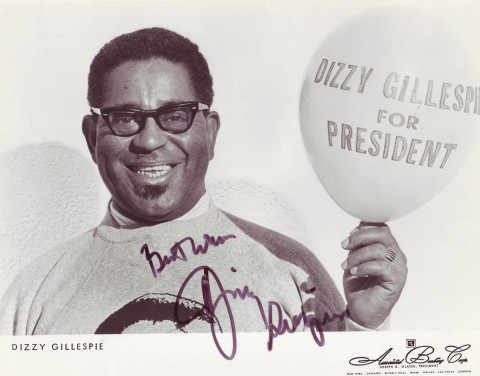
There comes a point in every nation­al elec­tion year when I reach total sat­u­ra­tion and have to tune it all out to stay sane—the non­stop streams of vit­ri­ol, the spec­ta­cles of elec­toral dys­func­tion, the ads, the ads, the ads. I’m sure I’m not alone in this. But imag­ine how dif­fer­ent­ly we could feel about pres­i­den­tial elec­tions if peo­ple like, I don’t know, Dizzy Gille­spie could get on a major tick­et? That’s what might have hap­pened in 1964 if “a lit­tle-known pres­i­den­tial cam­paign… had been able to vault the mil­lion­aires-only hur­dle.” What began as one of Dizzy’s famous prac­ti­cal jokes, and a way to raise mon­ey for CORE (Con­gress for Racial Equal­i­ty) and oth­er civ­il rights orga­ni­za­tions became some­thing more, a way for Dizzy’s fans to imag­ine an alter­na­tive to the “millionaire’s‑only” club rep­re­sent­ed by Lyn­don John­son and Bar­ry Gold­wa­ter.

dizzy for president

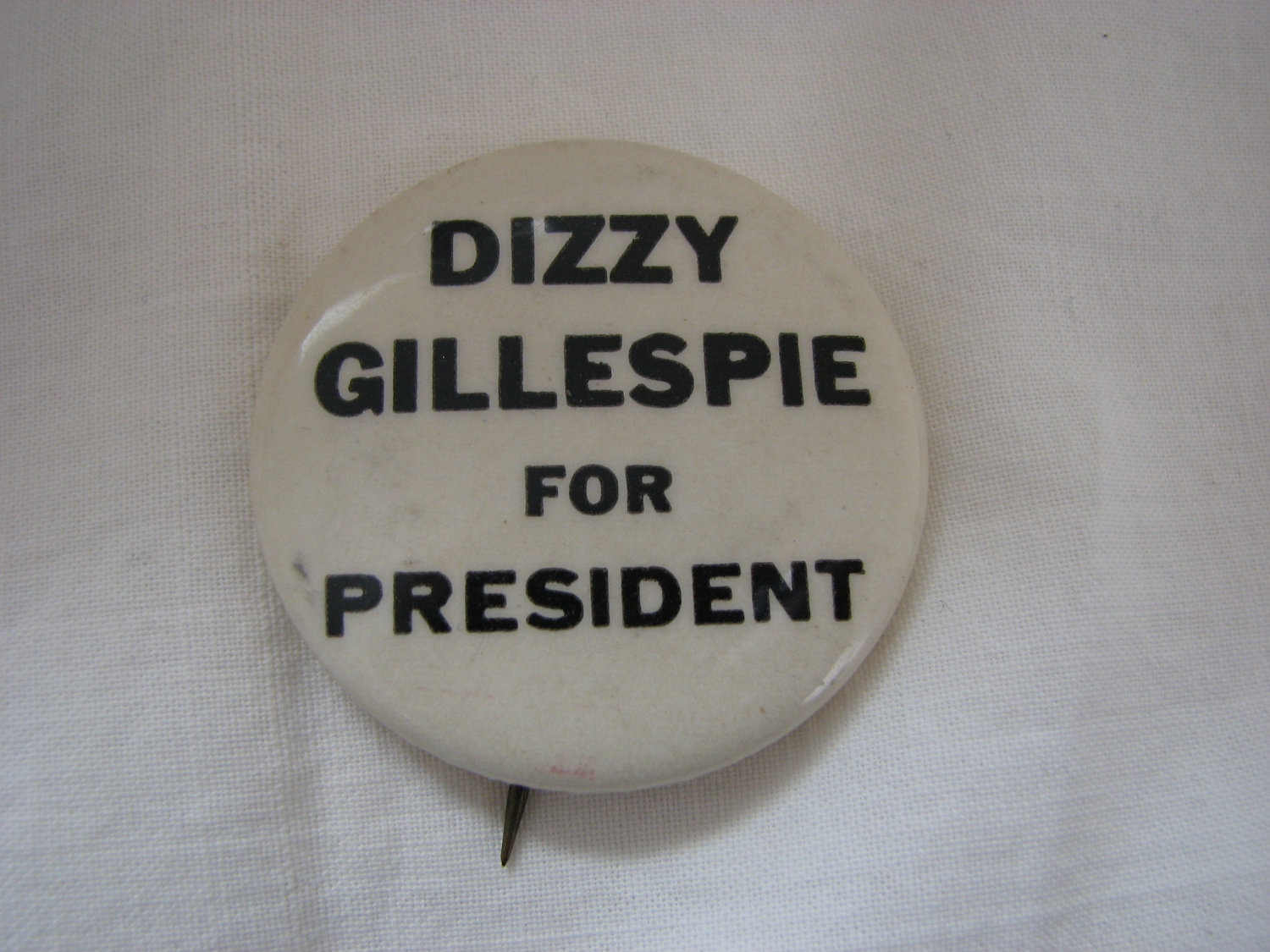
Gillespie’s cam­paign had “Dizzy Gille­spie for Pres­i­dent” but­tons, now collector’s items, and “Dizzy for Pres­i­dent” became the title of an album record­ed live at the Mon­terey Jazz Fes­ti­val in 1963.

A take on his trade­mark tune “Salt Peanuts,” “Vote Dizzy” was Gillespie’s offi­cial cam­paign song and includes lyrics like:

Your pol­i­tics ought to be a groovi­er thing
Vote Dizzy! Vote Dizzy!
So get a good pres­i­dent who’s will­ing to swing
Vote Dizzy! Vote Dizzy!

It’s def­i­nite­ly groovi­er than either one of our cur­rent cam­paigns. Dizzy “believed in civ­il rights, with­draw­ing from Viet­nam and rec­og­niz­ing com­mu­nist Chi­na,” and he want­ed to make Miles Davis head of the CIA, a role I think would have suit­ed Miles per­fect­ly. Although Dizzy’s cam­paign was some­thing of a pub­lic­i­ty stunt for his pol­i­tics and his per­sona, it’s not unheard of for pop­u­lar musi­cians to run for pres­i­dent in earnest. In 1979, rev­o­lu­tion­ary Niger­ian Afrobeat star Fela Kuti put him­self for­ward as a can­di­date in his coun­try, but was reject­ed. More recent­ly, Hait­ian musi­cian and for­mer Fugee Wyclef Jean attempt­ed a sin­cere run at the Hait­ian pres­i­den­cy, but was dis­qual­i­fied for rea­sons of res­i­den­cy. It’s a lit­tle hard to imag­ine a pop­u­lar musi­cian mount­ing a seri­ous pres­i­den­tial cam­paign in the U.S., but then again, the 80s were dom­i­nat­ed by the strange real­i­ty of a for­mer actor in the White House, so why not? In any case, revis­it­ing Dizzy Gille­spie’s mid-cen­tu­ry polit­i­cal the­ater may pro­vide a need­ed respite from the onslaught of the cur­rent U.S. cam­paign sea­son.

Josh Jones is a doc­tor­al can­di­date in Eng­lish at Ford­ham Uni­ver­si­ty and a co-founder and for­mer man­ag­ing edi­tor of Guer­ni­ca / A Mag­a­zine of Arts and Pol­i­tics.

Election 2012: Your Free Ticket to a Popular Stanford Course

Last Tues­day night, Stan­ford Uni­ver­si­ty kicked off a big course on the 2012 Elec­tion. 600 stu­dents packed into a crowd­ed audi­to­ri­um, fill­ing every seat, wait­ing for the course to begin. Led by David Kennedy (Pulitzer Prize-win­ning his­to­ri­an), Rob Reich (Polit­i­cal Sci­ence, Stan­ford), and James Stey­er (CEO, Com­mon Sense Media), the course brings togeth­er “experts from Stanford’s fac­ul­ty, along with dis­tin­guished par­tic­i­pants in and ana­lysts of Amer­i­can pol­i­tics.” And, togeth­er, they’re exam­in­ing major issues at stake in the elec­tion — for­eign pol­i­cy, the econ­o­my, the Supreme Court, cam­paign financ­ing, cam­paign strat­e­gy, etc.

The first week fea­tured con­ver­sa­tions with two sea­soned cam­paign strate­gists — Mark McK­in­non and Chris Lehane — who put away their dag­gers and had an unusu­al­ly civ­il con­ver­sa­tion about the Oba­ma-Rom­ney con­test, and the state of Amer­i­can pol­i­tics more gen­er­al­ly. Also join­ing the con­ver­sa­tion was Gary Segu­ra, a Stan­ford expert in polling, who offered up some firm pre­dic­tions about the elec­tion.

Although the course is filled to capac­i­ty, you can attend the course vir­tu­al­ly on iTunes and YouTube for free. (It will be added to our col­lec­tion of 500 Free Cours­es Online.) A com­plete list of upcom­ing speak­ers can be found here.

Full dis­clo­sure: This course was part­ly orga­nized by Stan­ford Con­tin­u­ing Stud­ies where I hap­pi­ly spend my work­ing days. If you live in the San Fran­cis­co Bay Area, you should check out our amaz­ing pro­gram.


by | Permalink | Make a Comment ( 3 ) |

Eisenhower Answers America: The First Political Advertisements on American TV (1952)

Going into the 1952 pres­i­den­tial elec­tion, the Democ­rats had held the White House for near­ly twen­ty years. FDR took office in 1933, begin­ning the first of twelve years in office. Then Har­ry S. Tru­man led the nation for near­ly anoth­er eight years. Dur­ing that time, Amer­i­ca endured a lot. War, eco­nom­ic depres­sion, and more war — some hot, some cold. By the time the 1950s rolled around, Amer­i­cans were tired and ready for a change.

In the 1952 elec­tion, we find Adlai Steven­son, the reluc­tant Demo­c­ra­t­ic can­di­date, squar­ing off against Dwight D. Eisen­how­er, the war hero who had led Amer­i­can troops to vic­to­ry in Europe, instant­ly becom­ing the “most admired liv­ing Amer­i­can” (accord­ing to opin­ion polls). Eisen­how­er, it turns out, knew how to win elec­tions as well as wars. In ’52, Ike aired the first ad cam­paigns on tele­vi­sion. Called Eisen­how­er Answers Amer­i­ca, the ads fea­tured “every­day” Amer­i­cans ask­ing ques­tions about the issues of the day — the war in Korea, infla­tion, high tax­es, etc. PBS has a well-researched intro­duc­tion to this inno­va­tion in Amer­i­can pol­i­tics, while the nice­ly-curat­ed web site, The Liv­ing Room Can­di­date, offers a rich col­lec­tion of cam­paign com­mer­cials aired between 1952 and 2008.

You can watch a playlist of ads from the Eisen­how­er Answers Amer­i­ca cam­paign below.

by | Permalink | Make a Comment ( 2 ) |

Samuel L. Jackson Stars in “Wake the F**ck Up for Obama,” a NSFW Political Children’s Tale

Last sum­mer, Samuel L. Jack­son delight­ed lis­ten­ers when he nar­rat­ed the audio ver­sion of Adam Mans­bach’s twist­ed lit­tle chil­dren’s bed­time sto­ry, Go the F**k to Sleep. Now, Jack­son returns with Wake the F**ck Up for Oba­maAccord­ing to the New York Post (if they say it, it must be true!), Mans­bach wrote the Dr. Seuss­ian script for the polit­i­cal ad. And it was appar­ent­ly fund­ed by the Jew­ish Coun­cil for Research and Edu­ca­tion, a lib­er­al super PAC fund­ed by George Soros’ 25-year-old son. Until today, I thought that Cit­i­zens Unit­ed, the SCOTUS deci­sion that unleashed a tor­rent of Super PAC ads on our air­waves, did more to under­mine Amer­i­can democ­ra­cy than any for­eign threat. But when the video hit the 2:44 mark, you start to have your doubts.

via Gal­ley Cat

by | Permalink | Make a Comment ( 1 ) |

Christopher Hitchens Remembers Ayatollah Khomeini’s Fatwa Against His Friend Salman Rushdie, 2010

When his tele­phone rang on Feb­ru­ary 14, 1989, Christo­pher Hitchens was thun­der­struck. A news­pa­per reporter was on the line, ask­ing for his reac­tion to a radio speech from Tehran ear­li­er that day in which the theo­crat­ic ruler of Iran, Aya­tol­lah Ruhol­lah Khome­i­ni, called on Mus­lims around the world to mur­der his friend the nov­el­ist Salman Rushdie because of some­thing Rushdie had writ­ten in his book The Satan­ic Vers­es. As Hitchens lat­er wrote in his mem­oir, Hitch-22:

I felt at once that here was some­thing that com­plete­ly com­mit­ted me. It was, if I can phrase it like this, a mat­ter of every­thing I hat­ed ver­sus every­thing I loved. In the hate col­umn: dic­ta­tor­ship, reli­gion, stu­pid­i­ty, dem­a­gogy, cen­sor­ship, bul­ly­ing, and intim­i­da­tion. In the love col­umn: lit­er­a­ture, irony, humor, the indi­vid­ual, and the defense of free expres­sion. Plus, of course, friendship–though I like to think that my reac­tion would have been the same if I had­n’t known Salman at all. To re-state the premise of the argu­ment again: the theo­crat­ic head of a for­eign despo­tism offers mon­ey in his own name in order to sub­orn the mur­der of a civil­ian cit­i­zen of anoth­er coun­try, for the offense of writ­ing a work of fic­tion. No more root-and-branch chal­lenge to the val­ues of the Enlight­en­ment (on the bicen­ten­ni­al of the fall of the Bastille) or to the First Amend­ment to the Con­sti­tu­tion, could be imag­ined.

Rushdie went into hid­ing, but his Japan­ese trans­la­tor, Hitoshi Igarashi, was mur­dered, and attempts were made against the lives of sev­er­al oth­er trans­la­tors and a pub­lish­er. Book­stores in Eng­land and Cal­i­for­nia were fire­bombed, and many more received threats of vio­lence. The pub­lic reac­tion to all of this was a bit­ter dis­ap­point­ment to Hitchens. In his book, God is Not Great: How Reli­gion Poi­sons Every­thing, he wrote:

One might have thought that such arro­gant state-spon­sored homi­cide, direct­ed at a lone­ly and peace­ful indi­vid­ual who pur­sued a life devot­ed to lan­guage, would have called forth a gen­er­al con­dem­na­tion. But such was not the case. In con­sid­ered state­ments, the Vat­i­can, the arch­bish­op of Can­ter­bury, the chief sephardic rab­bi of Israel all took a stand in sym­pa­thy with–the aya­tol­lah. So did the car­di­nal arch­bish­op of New York and many oth­er less­er reli­gious fig­ures. While they usu­al­ly man­aged a few words in which to deplore the resort to vio­lence, all these men stat­ed that the main prob­lem raised by the pub­li­ca­tion of The Satan­ic Vers­es was not mur­der by mer­ce­nar­ies, but blas­phe­my. Some pub­lic fig­ures not in holy orders, such as the Marx­ist writer John Berg­er, the Tory his­to­ri­an Hugh Trevor-Rop­er, and the doyen of espi­onage authors John Le Car­ré, also pro­nounced that Rushdie was the author of his own trou­bles, and had brought them on him­self by “offend­ing” a great monothe­is­tic reli­gion. There seemed noth­ing fan­tas­tic, to these peo­ple, in the British police hav­ing to defend an Indi­an-born ex-Mus­lim cit­i­zen from a con­cert­ed cam­paign to take his life in the name of god.

This month Rushdie pub­lished Joseph Anton: A Mem­oir, describ­ing his nine-years of life in hid­ing under the Ayotol­lah’s death order. The new book’s rel­e­vance could not be more obvi­ous, giv­en the Anti-Amer­i­can riot­ing that broke out in much of the Mus­lim world this month in reac­tion to a YouTube video called Inno­cence of Mus­lims. Hitchens died last Decem­ber, and his voice in the mat­ter is sore­ly missed. But it isn’t hard to imag­ine what he might have said. In a 2009 Van­i­ty Fair essay, “Assas­sins of the Mind,” Hitchens wrote: “For our time and gen­er­a­tion, the great con­flict between the iron­ic mind and the lit­er­al mind, the exper­i­men­tal and the dog­mat­ic, the tol­er­ant and the fanat­i­cal, is the argu­ment that was kin­dled by The Satan­ic Vers­es.”

For a recent dis­cus­sion with Rushdie, lis­ten to his Sep­tem­ber 21 inter­view with Studio360:

« Go BackMore in this category... »
Quantcast