Hear A Young Bob Dylan Sing 11 Songs and Tell Tall Tales on a 1962 Radio Show

In Feb­ru­ary of 1962, less than a month before the release of his debut album, an obscure young folk singer named Bob Dylan record­ed some songs and an inter­view for a local New York City radio show called Folksinger’s Choice.

The show was broad­cast on WBAI and host­ed by Cyn­thia Good­ing, an estab­lished folk singer 17 years old­er than Dylan. As it hap­pened, both Good­ing and Dylan were native Min­nesotans. Good­ing had first met Dylan in Min­neapo­lis in late 1959, not long after he grad­u­at­ed from high school.

As the inter­view gets rolling, the 20-year-old Dylan wastes lit­tle time before launch­ing into some tall tales about his past. He says he moved to Min­neapo­lis from South Dako­ta, because Min­neapo­lis was “about the only place you did­n’t have to go too far to find the Mis­sis­sip­pi Riv­er.” Before that, he says, he trav­eled with a car­ni­val, “off and on for about six years.” When Good­ing asks whether that might have inter­fered with his school­ing, Dylan does­n’t miss a beat. “Well,” he says, “I skipped a bunch of things, and I did­n’t go to school a bunch of years and I skipped this and that.” He says he wrote a song for the “ele­phant lady” in the car­ni­val and called it “Won’t You Buy A Post­card?” But he quick­ly adds that he for­got how it went.

To fol­low along with the inter­view, click here to open the full tran­script in a new win­dow. And while you won’t hear Dylan’s ode to the ele­phant lady, if you lis­ten to the com­plete one-hour pro­gram you will be treat­ed to 11 songs from his ear­ly reper­toire.  They include sev­er­al that Dylan wrote, along with some old folk and blues songs:
  1. “(I Heard That) Lone­some Whis­tle” (Hank Williams/Jimmie Davis)
  2. “Fix­in’ to Die” (Buk­ka White)
  3. “Smoke­stack Ligh­n­ing” (Howl­in’ Wolf)
  4. “Hard Trav­elin’ ” (Woody Guthrie)
  5. “The Death of Emmett Till”  (Bob Dylan)
  6. “Stand­ing on the High­way” (Bob Dylan)
  7. “Roll on John” (Rufus Crisp)
  8. “Stealin’ ” (tra­di­tion­al)
  9. “It Makes a Long Time Man Feel Bad” (tra­di­tion­al)
  10. “Baby, Please Don’t Go” (Big Joe Williams)
  11. “Hard Times in New York Town” (Bob Dylan)

Relat­ed con­tent:

The Times They Are a‑Changin’: 1964 Gives a Rare Glimpse of the Ear­ly Bob Dylan

Two Leg­ends Togeth­er: A Young Bob Dylan Talks and Plays on the Studs Terkel Pro­gram, 1963

Making Radiolab: A Soup-to-Nuts Recipe for a Great Radio Show/Podcast

Now that vir­tu­al­ly every­one in the West­ern Hemi­sphere has the means to make and dis­sem­i­nate a pod­cast, are there any tips to guar­an­tee suc­cess?

Jad Abum­rad, a host of the enor­mous­ly pop­u­lar, curios­i­ty-based pod­cast, Radi­o­lab, strives for every show to sound like “two guys talk­ing in a sur­re­al­is­tic mul­ti-dimen­sion­al space.” His degree in music com­po­si­tion at Ober­lin Col­lege is an asset in achiev­ing this goal, as is his easy rap­port with cohost Robert Krul­wich.

Radi­o­lab’s appeal is such that direc­tor David Fine sin­gled it out for his Amer­i­can Hip­ster project, a year long inves­ti­ga­tion into the tastes of a cer­tain seg­ment of the pop­u­lace. The result­ing video above sketch­es out the cre­ation process, from the first impulse to inter­view an inter­est­ing per­son to the fin­ished episode.

It’s not sur­pris­ing that Radi­o­lab’s brass has seized on Fine’s effort as a fundrais­ing tool. His depic­tion of their behind-the-scenes labors is insis­tent­ly upbeat, com­plete with a mon­tage of laugh­ing pro­duc­ers, writ­ers and stars. As hard to as it is to believe this tells the whole sto­ry of what it’s like to bar­rel toward a col­lec­tive cre­ative dead­line, it’s also hard to begrudge them their sun­ny depic­tion when Abum­rad him­self vol­un­teers that the cre­ation of a nat­ur­al-sound­ing pod­cast  is a far-from-nat­ur­al thing.

Per­haps the biggest take­away for aspir­ing pod­cast mavens is that qual­i­ty wins out. Radi­o­lab is right­ly renowned for its excel­lent pro­duc­tion val­ues, a lev­el of pro­fes­sion­al­ism that has paved the way for a live show fea­tur­ing such lumi­nar­ies as come­di­an Demetri Mar­tin and Pilobo­lus Dance The­ater. If you’re not famil­iar Radi­o­lab, then we sug­gest you catch an episode, “Mem­o­ry and For­get­ting,” below. More episodes can be found on Sound­Cloud.

Relat­ed Con­tent:

The New Yorker’s Fic­tion Pod­cast: Where Great Writ­ers Read Sto­ries by Great Writ­ers

Neil deGrasse Tyson’s StarTalk Radio Show Pod­cast Tack­les the His­to­ry of Video Games

The Pod­cast His­to­ry of Our World Will Take You From Cre­ation Myths to (Even­tu­al­ly) the Present Day

Ayun Hal­l­i­day owes Radi­o­lab a depth of grat­i­tude for the cheer with which her hus­band does the dish­es.

via Coudal

Atheist Ira Glass Believes Christians Get the Short End of the Media Stick

So, an athe­ist and a devout Chris­t­ian walk into a Taco­ma hotel restau­rant-bar…

Wait, though, it’s not what you think! The athe­ist in ques­tion is pub­lic radio star Ira Glass, ami­ably sit­ting for an inter­view with ama­teur spir­i­tu­al anthro­pol­o­gist and for­mer This Amer­i­can Life guest Jim Hen­der­son. The mutu­al respect is refresh­ing. Hen­der­son makes it his mis­sion to seek out influ­en­tial peo­ple who are “unusu­al­ly inter­est­ed in oth­ers,” and will­ing to “stay in the room with dif­fer­ence.” Glass’ relaxed and chat­ty demeanor trans­lates to mis­sion accom­plished.

The non-believ­ing child of sec­u­lar Jews does his tribe proud by vol­un­teer­ing the opin­ion that Chris­tians get a bum rap in the nation­al media. The por­tray­al of Chris­tians as “doc­tri­naire crazy hot­head peo­ple” does­n’t square with fond rec­ol­lec­tions of for­mer pub­lic radio col­leagues who kept Bibles on their desks and invit­ed him to screen­ings of Rap­ture movies (At WBEZ? Real­ly?).

The civil­i­ty of the dis­course could renew your faith in mankind, what­ev­er your beliefs.

You can watch oth­er parts of the longer inter­view on YouTube here.

Relat­ed Con­tent:

Ira Glass on the Art and Craft of Telling Great Radio Sto­ries

The Unbe­liev­ers, A New Film Star­ring Richard Dawkins, Lawrence Krauss, Wern­er Her­zog, Woody Allen, & Cor­mac McCarthy

Does God Exist? Christo­pher Hitchens Debates Chris­t­ian Philoso­pher William Lane Craig

Alain de Bot­ton Wants a Reli­gion for Athe­ists: Intro­duc­ing Athe­ism 2.0

Ayun Hal­l­i­day is in Ira’s camp. Fol­low her @AyunHalliday

James Brown, the Godfather of Soul, Extols Some Odd Virtues of Ronald Reagan in New Animated Video

“Sir,” says James Brown to a reporter who had just made the mis­take of call­ing him James, “I’m going to call you by your last name as long as you call me by mine. One thing I fought for was respect, Okay? I did­n’t have that all the time.”

So begins the lat­est ani­mat­ed fea­ture from Blank on Blank, a non­prof­it project that brings for­got­ten inter­views back to life. In this episode, ABC radio jour­nal­ist Roc­ci Fisch takes us back to a lit­tle inter­view he and a few oth­er reporters had with Brown before a con­cert in 1984. The loca­tion was Wash­ing­ton D.C., so per­haps it should come as no sur­prise when the brief inter­view veers into pol­i­tics. At one point Fisch asks Brown what he thinks of the man who was pres­i­dent then, Ronald Rea­gan.

“I think he’s the most intelligent…I think he’s the most well-coor­di­nat­ed pres­i­dent we’ve ever had in his­to­ry,” says Brown.

“You think he’s going to win again?” says Fisch.

“I’m not here to endorse. I just know he’s the most well-orga­nized pres­i­dent we’ve ever had in his­to­ry. His act­ing abil­i­ty taught him the whole struc­ture of the coun­try.”

“Com­mu­ni­ca­tion, you mean?”

“Huh?”

“Com­mu­ni­ca­tion?”

“He knows what every­body wants. You see, every Amer­i­can, every Amer­i­can man is still a cow­boy. See you’ve got to remem­ber that.”

Relat­ed con­tent:

James Brown Brings Down the House at the Paris Olympia, 1971

Ani­ma­tions Revive Lost Inter­views with David Fos­ter Wal­lace, Jim Mor­ri­son & Dave Brubeck

Listen to The John Bonham Story, a Radio Show Hosted by Dave Grohl

Rock and roll bands do have a ten­den­cy to burn through drum­mers. The phe­nom­e­non has been so notice­able over the years that Spinal Tap did a mem­o­rable par­o­dy of it. But when Led Zep­pelin’s pow­er­house of a drum­mer John Bon­ham died unex­pect­ed­ly at the age of 32 on Sep­tem­ber 25, 1980, there would be no replac­ing him. Bon­ham’s dis­tinc­tive play­ing was such an inte­gral part of the Led Zep­pelin sound that it was hard to imag­ine any­one else fill­ing his shoes. A few months after his death, the drum­mer’s grief-strick­en band­mates issued a state­ment announc­ing the break-up of the group. With­out Bon­ham, they said, “we could not con­tin­ue as we were.”

The John Bon­ham Sto­ry, first broad­cast on BBC radio in 2010, is an engag­ing one-hour pro­gram host­ed by Foo Fight­ers front­man Dave Grohl, for­mer drum­mer of Nir­vana and a life­long fan of Bon­ham. The show (above, in its entire­ty) includes musi­cal per­for­mances, many of them rare, along with inter­views of the sur­viv­ing mem­bers of Led Zeppelin–Jimmy Page, Robert Plant and John Paul Jones–and oth­ers who knew Bon­ham well, like Vanil­la Fudge drum­mer Carmine Appice, Bad Com­pa­ny singer Paul Rodgers, Bon­ham’s younger sis­ter Deb­o­rah and his son Jason. The John Bon­ham Sto­ry is a nice­ly pro­duced pro­gram, a fas­ci­nat­ing look at the life and music of the man who is wide­ly thought of as the quin­tes­sen­tial rock and roll drum­mer.

Relat­ed con­tent:

John Bon­ham’s Iso­lat­ed Drum Track For Led Zep­pelin’s ‘Fool in the Rain’

‘Stair­way to Heav­en’: Watch a Mov­ing Trib­ute to Led Zep­pelin at The Kennedy Cen­ter

Jim­my Page Tells the Sto­ry of “Kash­mir”

‘Beastie Boys on Being Stupid’: An Animated Interview From 1985

Blank on Blank, the non­prof­it group that uses the mag­ic of ani­ma­tion to bring for­got­ten inter­views back to life, has come out with a new episode fea­tur­ing the Beast­ie Boys in their ear­ly days. “Beast­ie Boys on Being Stu­pid” (above) is built on excerpts from a 1985 inter­view with Roc­ci Fisch for ABC Radio. The three mem­bers of the group–Mike Dia­mond, Adam Horowitz and Adam Yauch–were between 19- and 21-years old at the time and had not yet released their first full-length album, Licensed to Ill. They were tour­ing with Madon­na, and just begin­ning to get a taste of the nation­al spot­light. The inter­view is infused with the Boys’ self-dep­re­cat­ing wit.

Roc­ci Fisch: “How did you get your group name, Beast­ie Boys?”

Adam “MCA” Yauch: “It’s from the good old days. We were a hard­core band.”

Mike “Mike D” Dia­mond: “Yeah, we were like–I was like what, 14?”

Adam “MCA” Yauch: “Yeah.”

Mike “Mike D” Dia­mond: “I was like, 14, 15? That’s when we made our first record. We were all going to high school at the time and that’s how we met.”

Adam “MCA” Yauch: “At the time it was the stu­pid­est name that I could pos­si­bly think of. And if you could think of a stu­pid­er name I’d prob­a­bly be pret­ty impressed now. So lay it on me: Can you think of a stu­pid­er name name than the Beast­ie Boys?”

Roc­ci Fisch: “Not real­ly.”

Adam “MCA” Yauch: “So then that answers your ques­tion right there.”

For a full tran­script, go to the Blank on Blank Web site. And for more about Blank on Blank, includ­ing three ear­li­er videos, see our April 19 post, “Ani­ma­tions Revive Lost Inter­views with David Fos­ter Wal­lace, Jim Mor­ri­son & Dave Brubeck.”

Relat­ed Con­tent:

Fight For Your Right Revis­it­ed: Adam Yauch’s 2011 Film Com­mem­o­rates the Beast­ie Boys’ Leg­endary Music Video

Cold­play Cov­ers Fight For Your Right to Par­ty at the Hol­ly­wood Bowl: A Trib­ute to MCA

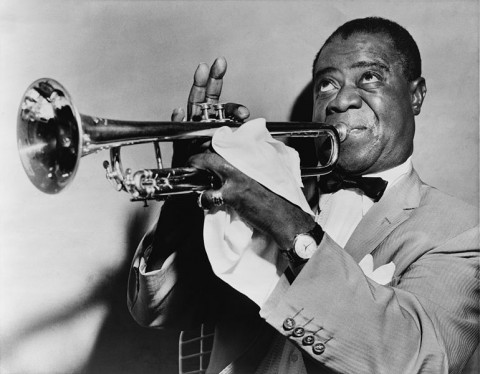
New Jazz Archive Features Rare Audio of Louis Armstrong & Other Legends Playing in San Francisco

satchmo club hangover

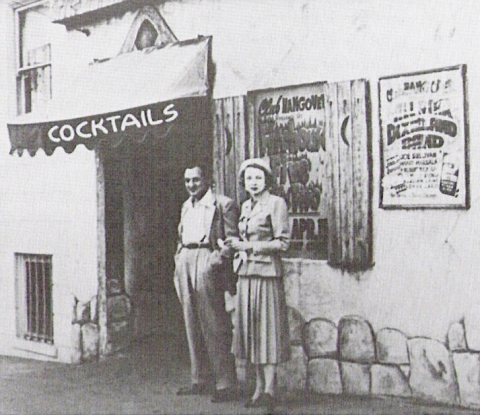
Any inves­ti­ga­tion into San Francisco’s jazz hey­day of the 1950s requires a stop at the Club Hang­over. Oper­at­ed by band­leader Doc Dougher­ty on Bush Street through­out the decade, the club became a Dix­ieland jazz head­quar­ters.

Now home to an adult movie the­ater, the club is long closed. The music lives on how­ev­er in record­ings made at the time, which are now avail­able online, much of it for the first time ever, in com­plete, unedit­ed record­ings.

Using tapes pre­served by radio sta­tion KCBS, jazz broad­cast­er Dave Rad­lauer has archived KCBS broad­casts of Hang­over ses­sions from 1954–58. On-air host Bob Goern­er inter­viewed musi­cians from the KCBS sta­tion using a ded­i­cat­ed phone line that deliv­ered a sig­nal from the club on Nob Hill. Goern­er pre­served the show tapes, which are now housed in the Stan­ford Uni­ver­si­ty Braun Music archive.

Rad­lauer makes the archive avail­able as .mp3 files, includ­ing one par­tic­u­lar­ly his­toric jam ses­sion star­ring Louis Arm­strong. The sto­ry goes that in Jan­u­ary, 1951 Arm­strong was in San Fran­cis­co to vis­it his friend clar­inetist Pee Wee Rus­sell in the hos­pi­tal and decid­ed to throw Rus­sell a fundrais­er. He brought togeth­er a mas­ter­ful group includ­ing pianist Earl “Fatha” Hines, cred­it­ed with help­ing tran­si­tion jazz piano from stride to swing. The place was packed and $1,500 went into the kit­ty for Russell’s med­ical bills. You can lis­ten to Arm­strong’s rehearsal and per­for­mance below.

Rehearsal:

Per­for­mance:

“Fatha” Hines was quite a per­former him­self. A pop­u­lar head­lin­er, his music ranged from Dix­ieland to bop. Anoth­er favorite at the Hang­over was Mug­gsy Spanier, a cor­netist known for his emo­tion­al solos and mas­ter­ful use of the plunger mute.

These guys lived in the Bay Area: Hines was a res­i­dent of Oak­land, Spanier lived in Sausal­i­to and trom­bon­ist Kid Ory raised chick­ens for a time in Petaluma.

club hangover

via Metafil­ter

Kate Rix writes about edu­ca­tion and dig­i­tal media. Vis­it her web­site: .

Relat­ed Con­tent:

The Nazis’ 10 Con­trol-Freak Rules for Jazz Per­form­ers: A Strange List from World War II

10 Great Per­for­mances From 10 Leg­endary Jazz Artists: Djan­go, Miles, Monk, Coltrane & More

A Child’s Intro­duc­tion to Jazz by Can­non­ball Adder­ley (with Louis Arm­strong & Thelo­nious Monk)

Ira Glass on the Art and Craft of Telling Great Radio Stories

As tele­vi­sion news con­tin­ues its pathet­ic slide into the abyss of celebri­ty wor­ship, polit­i­cal par­ti­san­ship and 24-hour pun­dit­ry, its encour­ag­ing to note that in one area of tra­di­tion­al broad­cast­ing there is actu­al­ly some­thing of a renais­sance going on. Pub­lic radio is buck­ing the trend with pro­grams like Radi­o­lab and This Amer­i­can life, shows that do noth­ing to con­firm our bias­es, but instead engage our curios­i­ty and teach us some­thing new.

In this fun­ny and thought-pro­vok­ing talk from the 2007 Gel Con­fer­ence, Ira Glass, host of This Amer­i­can Life, explains a lit­tle of what goes into a good radio sto­ry.  “Nar­ra­tive,” he says, “is basi­cal­ly a machine that’s rais­ing ques­tions and answer­ing them.” Glass’s talk is very much like his radio show. In exchange for a lit­tle patience, you will be reward­ed with a good sto­ry and per­haps an insight or two.

Relat­ed Con­tent:

Ken Burns on the Art of Sto­ry­telling: “It’s Lying Twen­ty-Four Times a Sec­ond”

The Moth Now Streams its Bril­liant & Qui­et­ly Addic­tive Sto­ries on the Web

Ira Glass on Why Cre­ative Excel­lence Takes Time

« Go BackMore in this category... »
Quantcast