Free: Listen to 298 Episodes of the Vintage Crime Radio Series, Dragnet

dragnet radio

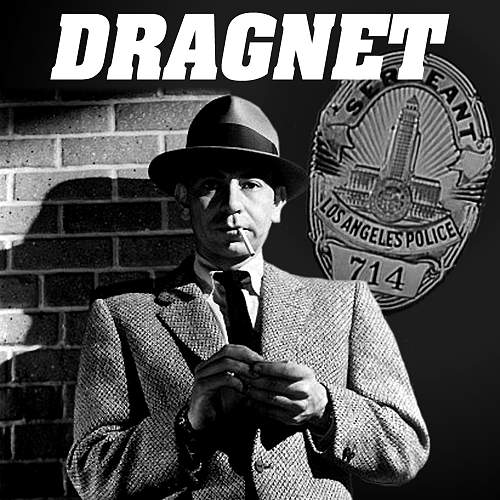
Before it was a film, and before it became a clas­sic tele­vi­sion series, Drag­net start­ed out as a long-run­ning radio show, air­ing from June 3, 1949, to Feb­ru­ary 26, 1957. One of the most influ­en­tial crime dra­ma shows from the 50s, Drag­net was the brain­child of Jack Webb, the actor, direc­tor and screen­writer who played the lead role of Sergeant Joe Fri­day. We best remem­ber Joe Fri­day implor­ing female infor­mants to pro­vide “Just the facts, ma’am.” But, in actu­al fact, he nev­er uttered pre­cise­ly those words. “All we want are the facts” is what he real­ly said. But I digress. Thanks to Archive.org you can now trav­el back to the 50s and lis­ten to 298 episodes of the show, which was known for its real­is­tic depic­tion of police work — the bore­dom, the drudgery, the dan­ger, the occa­sion­al acts of hero­ism, and every­thing in between.

Note: There were 314 episodes in total. And Archive.org does not house the very first episode called “Rob­bery,” which first aired on June 3, 1949. That’s avail­able here.

If you would like to sign up for Open Culture’s free email newslet­ter, please find it here. It’s a great way to see our new posts, all bun­dled in one email, each day.

If you would like to sup­port the mis­sion of Open Cul­ture, con­sid­er mak­ing a dona­tion to our site. It’s hard to rely 100% on ads, and your con­tri­bu­tions will help us con­tin­ue pro­vid­ing the best free cul­tur­al and edu­ca­tion­al mate­ri­als to learn­ers every­where. You can con­tribute through Pay­Pal, Patre­on, and Ven­mo (@openculture). Thanks!

Relat­ed Con­tent:

The War of the Worlds: Orson Welles’ 1938 Radio Dra­ma That Pet­ri­fied a Nation

Ray­mond Chan­dler & Ian Flem­ing in Con­ver­sa­tion (1958)

1,000 Free Audio Books: Down­load Great Books for Free

Free Noir Films

Free Alfred Hitch­cock Films

by | Permalink | Make a Comment ( 6 ) |

Pink Floyd’s The Dark Side of the Moon Turned Into a Radio Play

We told you all about it last Fri­day. The BBC planned to air a radio play writ­ten by Sir Tom Stop­pard based on The Dark Side of the Moon, Pink Floy­d’s clas­sic album released 40 years ago. The play aired Mon­day night, and if you missed it, you have a few scant days to stream the pro­duc­tion for free online. Don’t dil­ly-dal­ly. You can start lis­ten­ing to Dark­side now and be sure not to miss the trip­py ani­mat­ed visu­als that accom­pa­ny the audio. It’s also avail­able on Spo­ti­fy for free.

Relat­ed Con­tent:

Down­load Brave New World for Free: Dra­ma­tized Ver­sion Read by Aldous Hux­ley

Isaac Asimov’s Sci­ence Fic­tion Clas­sic, The Foun­da­tion Tril­o­gy, Dra­ma­tized for Radio (1973)

A Radio Play Based on Pink Floyd’s The Dark Side of the Moon. Com­ing Mon­day. Watch the Trail­er

New Archive Makes Available 800,000 Pages Documenting the History of Film, Television & Radio

photoplay52chic_0107

Click images for larg­er ver­sions

Film buffs and schol­ars have a new cache at their fin­ger­tips. The Media His­to­ry Dig­i­tal Library has made hun­dreds of thou­sands of pages of film and broad­cast­ing his­to­ry avail­able in a search­able dig­i­tal archive they’ve called Lantern, an open access, inter­ac­tive library.

With help from the Uni­ver­si­ty of Wis­con­sin, Madi­son Depart­ment of Com­mu­ni­ca­tion Arts, MHDL made their entire col­lec­tion of Busi­ness Screen, The Hol­ly­wood Reporter, Pho­to­play and Vari­ety—among oth­er magazines—available for text search­es for the first time.

In 2011 a group of film schol­ars devel­oped MHDL, an updat­ed resource for his­to­ri­ans used to read­ing through micro­film archives of cin­e­ma and broad­cast jour­nals. At the time, their archive was a gold­mine, pulling togeth­er the boun­ty of print­ed mate­r­i­al chron­i­cling the film indus­try. Now they’ve made it bet­ter, with more refined search, fil­ter­ing and sort­ing tools. Plus you can down­load images and texts.

It may have been a rite of pas­sage for film stu­dents to sequester them­selves in a dark library car­rel and scroll through micro­fiche reels of Mov­ing Pic­ture World, an influ­en­tial trade jour­nal until 1927, but Lantern brings ven­er­a­ble movie mag­a­zines dat­ing up to the ear­ly ’70s into the light of day where any­one can access the images and arti­cles of major trade and fan mag­a­zines, free of charge.

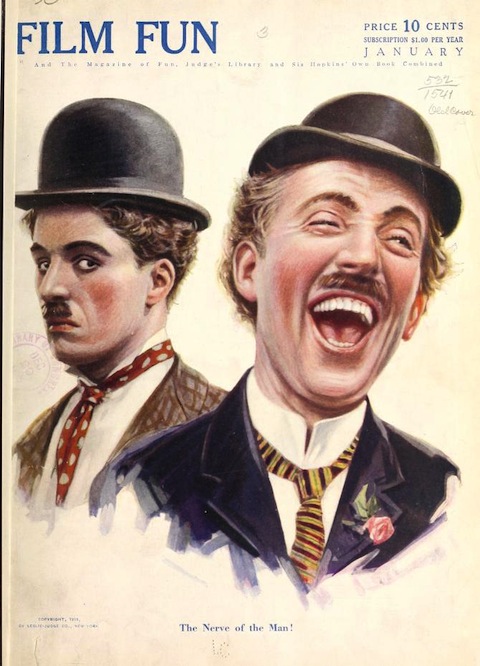
An ear­ly on-set chat rag, Film Fun, a mag­a­zine about “the hap­py side of the movies,” brought read­ers “inti­mate gos­sip of the pro­fes­sion told by the actors and actress­es ‘between the reels.’” The images are gor­geous.

filmfun322333lesl_0009

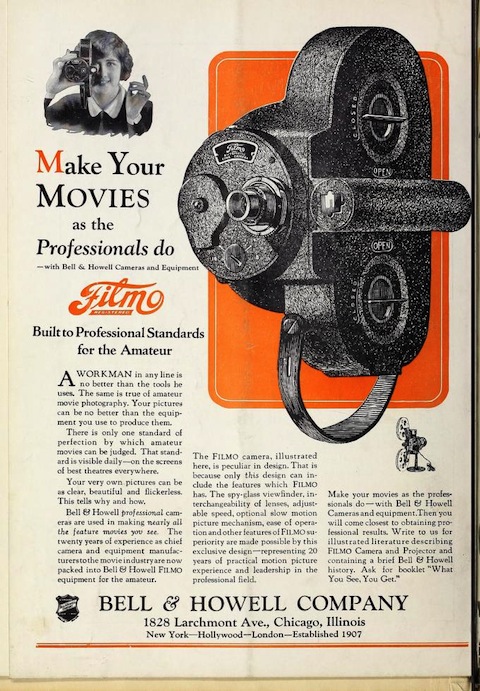
In the twen­ties a new ama­teur movie mak­ing indus­try thrived, with equip­ment and even tour pack­ages avail­able for buffs who want­ed to tour exot­ic locales like Cuba with cam­eras and learn to shoot and pre­serve 16 mm motion pic­tures. A boom in DIY film mag­a­zines like Ama­teur Movie Mak­ers tar­get­ed the ear­ly adopters.

amateurmoviemake12amat_0048

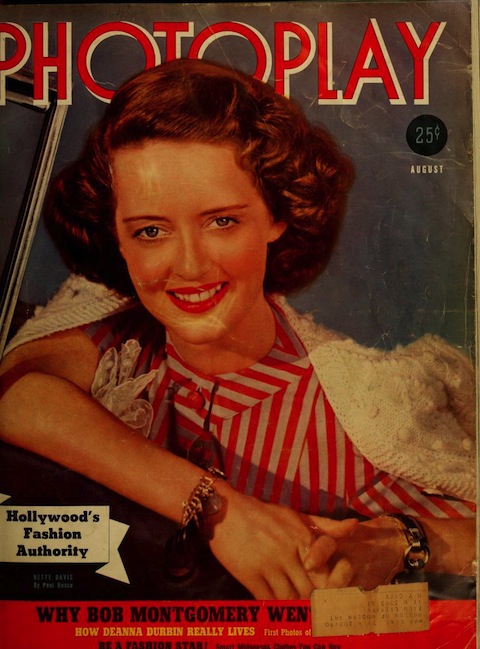
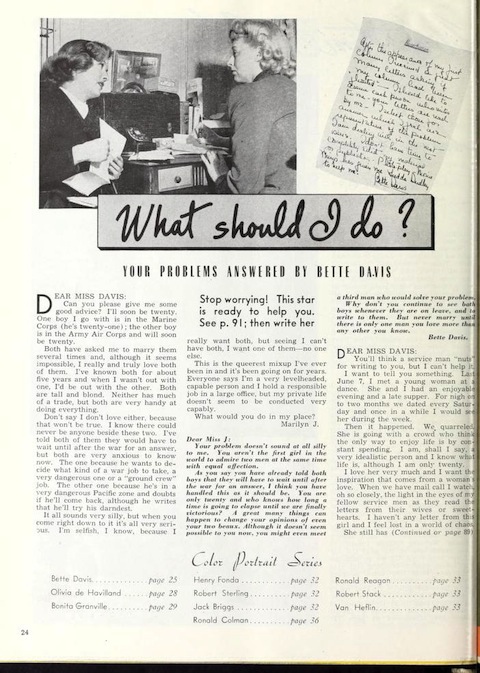
And lest we think that pulp celebri­ty mags like Peo­ple and Us are low­er brow than those of yes­ter­year, we should think again. I’m not sure about you, but I’m not sure four-times-mar­ried Bette Davis makes the best love advice colum­nist. But appar­ent­ly Pho­to­play mag­a­zine did.

photoplay122phot_0588

Relat­ed Con­tent:

Three Great Films Star­ring Char­lie Chap­lin, the True Icon of Silent Com­e­dy

How Brew­ster Kahle and the Inter­net Archive Will Pre­serve the Infi­nite Infor­ma­tion on the Web

Kate Rix writes about edu­ca­tion and dig­i­tal media. Vis­it her web­site and fol­low her on Twit­ter.

A Radio Play Based on Pink Floyd’s The Dark Side of the Moon. Coming Monday. Watch the Trailer.

This year, Pink Floy­d’s mas­ter­ful prog rock album The Dark Side of the Moon turns 40. Yes, 40. Explor­ing themes rang­ing from con­flict and greed, to men­tal ill­ness and the pass­ing of time, The Dark Side of the Moon has “every­thing you’d ever want … : Grand, trans­port­ing melodies, synapse-rip­ping synth exper­i­ments and sound col­lages, intri­cate musi­cian­ship, state-of-the-art stu­dio sound and John Lennon-meets-Thom Yorke lyrics like ‘The lunatic is on the grass/Remembering games and daisy chains and laughs/Got to keep the loonies on the path.’ ” Or, so that’s how Rolling Stone mag­a­zine sums up the album that it now ranks 43rd on its list of “The 500 Great­est Albums of All Time.”

Next Mon­day, BBC Radio 2 will hon­or Pink Floy­d’s mag­num opus with a new radio dra­ma from leg­endary play­wright Sir Tom Stop­pard. Appar­ent­ly Stop­pard (who co-wrote the screen­plays for Brazil and Shake­speare in Love) first con­sid­ered writ­ing a play based on the album back in 1973. Now, some 40 years lat­er, he has “trans­formed the Pink Floyd clas­sic into a psy­che­del­ic mash-up of Kant­ian phi­los­o­phy, epic rock and John Prescott sound­bites,” writes The Inde­pen­dent. To get you ready for Dark­side, as the play will be called, Aard­man Ani­ma­tions has cre­at­ed a three-minute trail­er that evokes themes from the album and play. Says the direc­tor Dar­ren Dubic­ki:

I spent time absorb­ing the rich detail from the Pink Floyd album, their art and the dra­ma script. What was fun­da­men­tal­ly impor­tant to us was that we retained a con­sis­tent visu­al tone that echoed the imagery cre­at­ed over the years for the band. The insane­ly sur­re­al and pow­er­ful art­work cre­at­ed by Storm Thorg­er­son and Hipg­no­sis has always had a strong dis­tor­tion on real­i­ty. Their sense of space and twist­ed con­text make for some uncom­fort­ably beau­ti­ful art. This tone has been con­sis­tent for decades and we want­ed to hon­our this with our con­tem­po­rary dig­i­tal, and ana­logue, slant on the style.

You can watch the trail­er above, and find some won­der­ful Pink Floyd mate­r­i­al in the sec­tion below.

Relat­ed Con­tent:

Pink Floyd’s David Gilmour Sings Shakespeare’s Son­net 18

Watch Pink Floyd Plays Live in the Ruins of Pom­peii (1972)

Pink Floyd’s Roger Waters Per­forms The Wall at the Berlin Wall (1990)

by | Permalink | Make a Comment ( 2 ) |

The Relativity Series Features 24 Free Plays About Great Scientists and Scientific Endeavors

RelativitySeries

I grew up lis­ten­ing to radio plays, keep­ing in high rota­tion vin­tage broad­casts of shows like Sus­pense, Amos ‘n Andy, and Drag­net. These stoked in me a fas­ci­na­tion with the medi­um of radio, and they also taught me a thing or two about life in ear­ly 20th-cen­tu­ry Amer­i­ca — most­ly lessons, by way of the com­mer­cials, about its var­i­ous con­sumer prod­ucts (usu­al­ly soaps). With the mod­ern inter­net, kids today can not only lis­ten to their fill of old-time radio pro­grams essen­tial­ly with­out effort — no boot­leg cas­sette tapes for them, like I had to use — but eas­i­ly find new­er, more inno­v­a­tive, and I dare­say more inter­est­ing audio pro­duc­tions as well. Case in point: the Los Ange­les The­atre Works’ Rel­a­tiv­i­ty Series, offer­ing sci­ence-themed plays you can lis­ten to free online, fea­tur­ing per­for­mances by well-known actors like Alfred Moli­na, Jason Rit­ter, and Ed Asner.

But don’t mis­take any of the Rel­a­tiv­i­ty Series’ 24 cur­rent­ly avail­able pro­duc­tions as straight­for­ward­ly “edu­ca­tion­al.” Know­ing that no lis­ten­er, man, woman, or child, wants a sim­ple physics or biol­o­gy les­son tart­ed up with a thin scrim of dra­ma, the pro­duc­ers have instead record­ed new ver­sions of full-fledged works for the stage that hap­pen to have sci­en­tif­ic themes or involve events and play­ers from the his­to­ry of sci­ence. How it delight­ed me to find, for instance, Tom Stop­pard’s Arca­dia in the Rel­a­tiv­i­ty Series. Stop­pard, per­haps the most intel­lec­tu­al­ly omniv­o­rous writer alive, became a fas­ci­na­tion of mine around the same time I delved into old-time radio, and Arca­dia remains the finest play deal­ing with chaos the­o­ry to take place on an Eng­lish coun­try estate in two cen­turies at once. Oth­er pro­duc­tions deal with the lives of sci­en­tists like Alan Tur­ing and Richard Feyn­man as well as events like the Scopes Mon­key Tri­al and the devel­op­ment of the atom­ic bomb. Above, you can lis­ten to a unique per­for­mance where mem­bers of the Star Trek cast recre­ate Orson Welles’ dra­mat­ic 1938 “War of the Worlds” broad­cast.

You can access all 24 plays in the Rel­a­tiv­i­ty Series here.

via Metafliter

Relat­ed Con­tent:

Orson Welles Vin­tage Radio: The War of the Worlds That Pet­ri­fied a Nation

Wern­er Her­zog and Cor­mac McCarthy Talk Sci­ence and Cul­ture

Ira Glass on the Art and Craft of Telling Great Radio Sto­ries

Neil deGrasse Tyson’s StarTalk Radio Show Pod­cast Tack­les the His­to­ry of Video Games

Col­in Mar­shall hosts and pro­duces Note­book on Cities and Cul­ture and writes essays on lit­er­a­ture, film, cities, Asia, and aes­thet­ics. He’s at work on a book about Los Ange­lesA Los Ange­les Primer. Fol­low him on Twit­ter at @colinmarshall.

Louis Armstrong’s 1964 Interview with a Pair of Intrepid Kid Reporters

In the sum­mer of 1964, two young boys from the North Shore sub­urbs of Chica­go took a tape recorder and set out to inter­view jazz leg­end Louis Arm­strong for their high school radio sta­tion. Arm­strong was play­ing a con­cert at the Ravinia Fes­ti­val in High­land Park, not far from the boys’ school in Win­net­ka. He agreed to an inter­view, and as a group of pro­fes­sion­al reporters from the city’s major news out­lets wait­ed impa­tient­ly out­side his dress­ing room door, Arm­strong spent 20 min­utes answer­ing ques­tions for a lit­tle 10-watt FM radio sta­tion.

The sto­ry is told above, in the lat­est install­ment of PBS’s ongo­ing ani­ma­tion project with Blank on Blank, a group that brings unheard inter­views back to life. Michael Ais­ner, who was 15 when he met Arm­strong, and his friend James R. Stein, who was 14, recount their adven­ture and play a few high­lights from the inter­view. Arm­strong explains how he got the nick­name “Satch­mo” and talks a lit­tle about his Dick­en­sian child­hood and how he learned to play the coro­net in the Home for Col­ored Waifs in New Orleans. He talks about the need for prac­tic­ing hard every day, and about the tal­ent that was his tick­et out of the slums. “You’ve got to be good,” Arm­strong says, “or bad as the dev­il.”

Relat­ed con­tent:

Louis Arm­strong and His All Stars Live in Bel­gium, 1959

Watch the Ear­li­est Known Footage of Louis Arm­strong Per­form­ing Live in Con­cert (Copen­hagen, 1933)

Muham­mad Ali Plans to Fight on Mars in Lost 1966 Inter­view with Child Reporter

Mick Jagger Tells the Story Behind ‘Gimme Shelter’ and Merry Clayton’s Haunting Background Vocals

In the fall of 1969 the Rolling Stones were in a Los Ange­les record­ing stu­dio, putting the final touch­es on their album Let it Bleed. It was a tumul­tuous time for the Stones. They had been strug­gling with the album for the bet­ter part of a year as they dealt with the per­son­al dis­in­te­gra­tion of their founder and mul­ti-instru­men­tal­ist Bri­an Jones, whose drug addic­tion and per­son­al­i­ty prob­lems had reached a crit­i­cal stage. Jones was fired from the band in June of that year. He died less than a month lat­er. And although the Stones could­n’t have known it at the time, the year would end on anoth­er cat­a­stroph­ic note, as vio­lence broke out at the noto­ri­ous Alta­mont Free Con­cert just a day after Let it Bleed was released.

It was also a grim time around the world. The assas­si­na­tions of Mar­tin Luther King and Robert F. Kennedy, the Tet Offen­sive, the bru­tal sup­pres­sion of the Prague Spring–all of these were recent mem­o­ries. Not sur­pris­ing­ly, Let it Bleed was not the most cheer­ful of albums. As Stephen Davis writes in his book Old Gods Almost Dead: The 40-Year Odyssey of the Rolling Stones, “No rock record, before or since, has ever so com­plete­ly cap­tured the sense of pal­pa­ble dread that hung over its era.”

And no song on Let it Bleed artic­u­lates this dread with greater force than the apoc­a­lyp­tic “Gimme Shel­ter,” in which Mick Jag­ger sings of a fire “sweepin’ our very street today,” like a “Mad bull lost his way.”

Rape, mur­der!
It’s just a shot away

In an inter­view last Novem­ber with Melis­sa Block for the NPR pro­gram All Things Con­sid­ered, Jag­ger talked about those lyrics, and the mak­ing of the song:

One of the most strik­ing moments in the inter­view is when Jag­ger describes the cir­cum­stances sur­round­ing soul singer Mer­ry Clay­ton’s pow­er­ful back­ground vocals. “When we got to Los Ange­les and we were mix­ing it, we thought, ‘Well, it’d be great to have a woman come and do the rape/murder verse,’ or cho­rus or what­ev­er you want to call it,” said Jag­ger. “We ran­dom­ly phoned up this poor lady in the mid­dle of the night, and she arrived in her curlers and pro­ceed­ed to do that in one or two takes, which is pret­ty amaz­ing. She came in and knocked off this rather odd lyric. It’s not the sort of lyric you give anyone–‘Rape, murder/It’s just a shot away’–but she real­ly got into it, as you can hear on the record.”

The daugh­ter of a Bap­tist min­is­ter, Mer­ry Clay­ton grew up singing in her father’s church in New Orleans. She made her pro­fes­sion­al debut at age 14, record­ing a duet with Bob­by Darin. She went on to work with The Supremes, Elvis Pres­ley and many oth­ers, and was a mem­ber of Ray Charles’s group of back­ing singers, The Raelettes. She is one of the singers fea­tured in the new doc­u­men­tary film, 20 Feet From Star­dom. In an inter­view last week with Ter­ry Gross on NPR’s Fresh Air, Clay­ton talked about the night she was asked to sing on “Gimme Shel­ter”:

Well, I’m at home at about 12–I’d say about 11:30, almost 12 o’clock at night. And I’m hun­kered down in my bed with my hus­band, very preg­nant, and we got a call from a dear friend of mine and pro­duc­er named Jack Nitzsche. Jack Nitzsche called and said you know, Mer­ry, are you busy? I said No, I’m in bed. he says, well, you know, There are some guys in town from Eng­land. And they need some­one to come and sing a duet with them, but I can’t get any­body to do it. Could you come? He said I real­ly think this would be some­thing good for you.

At that point, Clay­ton recalled, her hus­band took the phone out of her hand and said, “Man, what is going on? This time of night you’re call­ing Mer­ry to do a ses­sion? You know she’s preg­nant.” Nitzsche explained the sit­u­a­tion, and just as Clay­ton was drift­ing back to sleep her hus­band nudged her and said, “Hon­ey, you know, you real­ly should go and do this date.” Clay­ton had no idea who the Rolling Stones were. When she arrived at the stu­dio, Kei­th Richards was there and explained what he want­ed her to do.

I said, Well, play the track. It’s late. I’d love to get back home. So they play the track and tell me that I’m going to sing–this is what you’re going to sing: Oh, chil­dren, it’s just a shot away. It had the lyrics for me. I said, Well, that’s cool. So  I did the first part, and we got down to the rape, mur­der part. And I said, Why am I singing rape, mur­der? …So they told me the gist of what the lyrics were, and I said Oh, okay, that’s cool. So then I had to sit on a stool because I was a lit­tle heavy in my bel­ly. I mean, it was a sight to behold. And we got through it. And then we went in the booth to lis­ten, and I saw them hoot­ing and hol­ler­ing while I was singing, but I did­n’t know what they were hoot­ing and hol­ler­ing about. And when I got back in the booth and lis­tened, I said, Ooh, that’s real­ly nice. They said, well, You want to do anoth­er?  I said, well, I’ll do one more, I said and then I’m going to have to say thank you and good night. I did one more, and then I did one more. So it was three times I did it, and then I was gone. The next thing I know, that’s his­to­ry.

Clay­ton sang with such emo­tion­al force that her voice cracked. (“I was just grate­ful that the crack was in tune,” she told Gross.) In the iso­lat­ed vocal track above, you can hear the oth­ers in the stu­dio shout­ing in amaze­ment. Despite giv­ing what would become the most famous per­for­mance of her career, it turned out to be a trag­ic night for Clay­ton. Short­ly after leav­ing the stu­dio, she lost her baby in a mis­car­riage. It has gen­er­al­ly been assumed that the stress from the emo­tion­al inten­si­ty of her per­for­mance and the late­ness of the hour caused the mis­car­riage. For many years Clay­ton found the song too painful to hear, let alone sing. “That was a dark, dark peri­od for me,” she told the Los Ange­les Times in 1986, “but God gave me the strength to over­come it. I turned it around. I took it as life, love and ener­gy and direct­ed it in anoth­er direc­tion, so it does­n’t real­ly both­er me to sing ‘Gimme Shel­ter’ now. Life is short as it is and I can’t live on yes­ter­day.”

Relat­ed Con­tent:

Kurt Cobain’s Iso­lat­ed Vocal Track From ‘Smells Like Teen Spir­it,’ 1991

Lis­ten to Fred­die Mer­cury and David Bowie on the Iso­lat­ed Vocal Track for the Queen Hit ‘Under Pres­sure,’ 1981

The Rolling Stones Live in Hyde Park, 1969: The Com­plete Film

Bertrand Russell: The First Media Academic?: A Retrospective of His Influential Radio Appearances

Bertrand Rus­sell was one of the most impor­tant logi­cians and math­e­mat­i­cal philoso­phers of the ear­ly 20th cen­tu­ry. He was also a tire­less cam­paign­er for peace and social progress. Born into an aris­to­crat­ic British fam­i­ly, Rus­sell believed that the social and polit­i­cal ills of the world could be less­ened if peo­ple of all social class­es had a bet­ter grasp of knowl­edge and crit­i­cal rea­son­ing. To this end, he devot­ed a great deal of his time to writ­ing pop­u­lar books on moral and intel­lec­tu­al mat­ters. He was also a reg­u­lar pres­ence on BBC radio dur­ing the 1930s, 40s and 50s.

Most of Rus­sel­l’s sur­viv­ing radio pro­grams have been locked away in the archives for all these years. But in Jan­u­ary of 2012, pro­duc­ers at BBC Radio 4 assem­bled some inter­est­ing excerpts from the philoso­pher’s many radio appear­ances for a ret­ro­spec­tive. Bertrand Rus­sell: The First Media Aca­d­e­m­ic? (above, in its entire­ty) is a fas­ci­nat­ing overview of Rus­sel­l’s life as a pub­lic intel­lec­tu­al. Host­ed by come­di­an and writer Robin Ince, the pro­gram includes com­men­tary from two of Britain’s cur­rent crop of media aca­d­e­mics: physi­cist and for­mer pop musi­cian Bri­an Cox and math­e­mati­cian Mar­cus du Sautoy, who cur­rent­ly holds Richard Dawkin­s’s old seat as the Simonyi Pro­fes­sor for the Pub­lic Under­stand­ing of Sci­ence at the Uni­ver­si­ty of Oxford. There are excerpts from vin­tage inter­views with peo­ple who knew Rus­sell, includ­ing his son Con­rad and his sec­ond wife, Dora Black Rus­sell. But the best con­tri­bu­tions are from the philoso­pher him­self. Even the most devot­ed fan of Rus­sell will find some­thing new and inter­est­ing to lis­ten to in this excel­lent assem­blage of rare audio clips.

Note: You can down­load a fine­ly-pol­ished record­ing of Bertrand Rus­sell: The First Media Aca­d­e­m­ic? from Audible.com. And you could always get it for free by tak­ing advan­tage of Audi­ble’s 30-day Free Tri­al. Find details on that here. When­ev­er a read­er signs up for a free tri­al with Audi­ble, it helps sup­port Open Cul­ture.

Relat­ed Con­tent:

Bertrand Rus­sell in Bol­ly­wood: The Old Philosopher’s Improb­a­ble Appear­ance in a Hin­di Film, 1967

Lis­ten to ‘Why I Am Not a Chris­t­ian,’ Bertrand Russell’s Pow­er­ful Cri­tique of Reli­gion (1927)

Bertrand Russell’s Ten Com­mand­ments for Liv­ing in a Healthy Democ­ra­cy

Bertrand Rus­sell on His Stu­dent Lud­wig Wittgen­stein: Man of Genius or Mere­ly an Eccen­tric?

« Go BackMore in this category... »
Quantcast