Franz Kafka’s It’s a Wonderful Life: The Oscar-Winning Film About Kafka Writing The Metamorphosis

Peter Capal­di is best known in the States for being the most recent actor to play Doc­tor Who. But did you know that he is also an Oscar-win­ning film­mak­er? His bril­liant short film Franz Kafka’s It’s a Won­der­ful Life took the prize for Best Short Film in 1995.

The movie shows Kaf­ka, on Christ­mas Eve, strug­gling to come up with the open­ing line for his most famous work, The Meta­mor­pho­sis.

As Gre­gor Sam­sa awoke one morn­ing from uneasy dreams he found him­self trans­formed in his bed into a gigan­tic insect.

Capal­di wrings a lot of laughs out of Kafka’s inabil­i­ty to fig­ure out what Sam­sa should turn into. A giant banana? A kan­ga­roo? Even when the answer is lit­er­al­ly star­ing at him in the face, Kaf­ka is hilar­i­ous­ly obtuse.

Richard E. Grant stars as the tor­tured, tight­ly-wound writer who is dri­ven into fits as his cre­ative process is inter­rupt­ed for increas­ing­ly absurd rea­sons. The noisy par­ty down­stairs, it turns out, is pop­u­lat­ed by a dozen beau­ti­ful maid­ens in white. A lost deliv­ery woman offers Kaf­ka a bal­loon ani­mal. A local lunatic search­es for his com­pan­ion named Jiminy Cock­roach.

You can see the film above, help­ful­ly sub­ti­tled in Ger­man. Also find it in our col­lec­tion 4,000+ Free Movies Online: Great Clas­sics, Indies, Noir, West­erns, Doc­u­men­taries & More, plus our list of 33 Free Oscar Win­ning Films Avail­able on the Web.

Relat­ed Con­tent:

Find Works by Kaf­ka in our lists of Free Audio Books and Free eBooks

Watch Franz Kaf­ka, the Won­der­ful Ani­mat­ed Film by Piotr Dumala

The Art of Franz Kaf­ka: Draw­ings from 1907–1917

Jonathan Crow is a Los Ange­les-based writer and film­mak­er whose work has appeared in Yahoo!, The Hol­ly­wood Reporter, and oth­er pub­li­ca­tions. You can fol­low him at @jonccrow.

Kafka’s Famous Character Gregor Samsa Meets Dr. Seuss in a Great Radio Play

If you don’t have enough exis­ten­tial angst in your life — and if you’re oper­at­ing on the the­o­ry that there’s no such thing as too much Kaf­ka (see our post from ear­li­er today) — then check out this radio play called Sam­sa & Seuss, which aired orig­i­nal­ly on the CBC show Wire­tap before appear­ing on This Amer­i­can Life. The piece is based on an epis­to­lary short sto­ry by the late, great David Rakoff and is per­formed by Rakoff along with Jonathan Gold­stein.

The sto­ry begins with a des­per­ate Gre­gor Sam­sa reach­ing out to Dr. Seuss look­ing for some way to cure him of his mal­a­dy — i.e. being a bug. Seuss’s reply is writ­ten entire­ly in verse — “Rest assured, I’ll endeav­or to glean and deduce. You’ll be bet­ter than ever or my name isn’t Seuss” – which con­fus­es Sam­sa to no end. At one point, Sam­sa asks, “Is met­ri­cal rhyme an Amer­i­can mode of cor­re­spon­dence?”

Yet what could be a one-joke nov­el­ty grows sur­pris­ing­ly poignant in Rakoff’s deft hands. When it becomes clear that the doctor’s eccen­tric health regime – “mag­no­lia cus­tard and rose­hip souf­flé and some dew drops with mus­tard” – has failed to fix the ail­ment of the increas­ing­ly depressed Sam­sa, Seuss’s cheery can-do atti­tude turns reflec­tive:

I’m aston­ished at times when I think of the past, of my thou­sands of rhymes, of how life is so vast. I’m left, then, to won­der how any­one gleans a pur­pose or sense of what any­thing means. It’s not ours for the know­ing. It’s mean­ing abstruse. We both best be going. Your lov­ing friend, Seuss.

And you thought The Lorax felt a lit­tle bleak.

Jonathan Crow is a Los Ange­les-based writer and film­mak­er whose work has appeared in Yahoo!, The Hol­ly­wood Reporter, and oth­er pub­li­ca­tions. You can fol­low him at @jonccrow.

Relat­ed Con­tent:

BBC Radio Play Based on Pink Floyd’s The Dark Side of the Moon Stream­ing Free Online

Down­load Brave New World for Free: Dra­ma­tized Ver­sion Read by Aldous Hux­ley

Isaac Asimov’s Sci­ence Fic­tion Clas­sic, The Foun­da­tion Tril­o­gy, Dra­ma­tized for Radio (1973)


Ira Glass’ Advice on Achieving Creative Excellence Presented in Two Artful, Typographic Videos

”All of us who do cre­ative work,” says Ira Glass, cre­ator This Amer­i­can Life, quite pos­si­bly the most respect­ed pro­gram on pub­lic radio, “we get into it because we have good taste.” Yet despite this dis­cern­ment, or indeed because of it, “there’s a gap: for the first cou­ple years that you’re mak­ing stuff, what you’re mak­ing isn’t so good. [ … ] Your taste is good enough that you can tell that what you’re mak­ing is kind of a dis­ap­point­ment to you.” For this rea­son, Glass argues, the taste­ful often fail at their cre­ative endeav­ors entire­ly. “Most every­body I know who does inter­est­ing cre­ative work,” he con­tin­ues, “they went through a phase of years where they had real­ly good taste, and they could tell what they were mak­ing was­n’t as good as they want­ed it to be.” This astute diag­no­sis of a “total­ly nor­mal” syn­drome comes extract­ed from Glass’ talk on the craft of sto­ry­telling, pre­vi­ous­ly fea­tured here on Open Cul­ture.

For­tu­nate­ly for those of us strug­gling with the very taste-abil­i­ty mis­match Glass describes, a solu­tion exists. If you want a quick fix, though, pre­pare for dis­ap­point­ment. “Do a lot of work,” he flat­ly advis­es. “Do a huge vol­ume of work. Put your­self on a dead­line so that every week or every month you know you’re going to fin­ish one sto­ry. Because it’s only by actu­al­ly going through a vol­ume of work that you’re actu­al­ly going to catch up and close that gap.” These words have proven inspir­ing enough that they’ve sure­ly spurred lis­ten­ers on to plow paths of sheer pro­duc­tion through their cho­sen rocky yet fer­tile cre­ative fields. Two lis­ten­ers in par­tic­u­lar, David Shiyang Liu and Frohlocke, appar­ent­ly found them­selves imme­di­ate­ly gal­va­nized to work with the words them­selves, result­ing in the typo­graph­i­cal­ly focused video inter­pre­ta­tions above. Only one ques­tion remains: how large a vol­ume of typo­graph­i­cal­ly focused video inter­pre­ta­tions of Ira Glass’ words did they have to cre­ate before they could make ones this impres­sive?

via Vimeo Staff Picks

Relat­ed Con­tent:

Ira Glass, the Host of This Amer­i­can Life, Breaks Down the Fine Art of Sto­ry­telling

Ira Glass on the Art and Craft of Telling Great Radio Sto­ries

Hen­ry Rollins Tells Young Peo­ple to Avoid Resent­ment and to Pur­sue Suc­cess with a “Monas­tic Obses­sion”

Col­in Mar­shall hosts and pro­duces Note­book on Cities and Cul­ture and writes essays on cities, Asia, film, lit­er­a­ture, and aes­thet­ics. He’s at work on a book about Los Ange­les, A Los Ange­les Primer. Fol­low him on Twit­ter at @colinmarshall or on his brand new Face­book page.

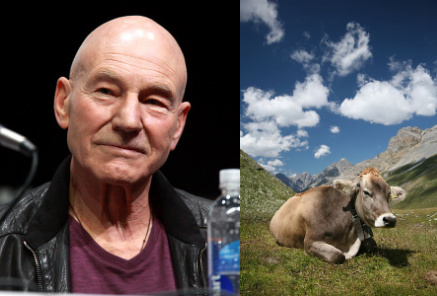
Sir Patrick Stewart Demonstrates How Cows Moo in Different English Accents

cow stewart

Hav­ing spent the fall loung­ing in the bath dressed as a lob­ster, and gam­bol­ing around New York City with Wait­ing for Godot cast mate Ian McK­ellen, the irre­press­ible Patrick Stew­art brought 2013 to a close by indulging a curi­ous fan of NPR’s How To Do Every­thing pod­cast.

Her ques­tion? What do Eng­lish cows sound like when they moo.

The knight­ed star does not skimp on his answer, even if, as he repeat­ed­ly sug­gests, one can­not do the sub­ject jus­tice in less than an entire after­noon. The dialects of British cows, like those of their human coun­ter­parts, under­score that theirs is a soci­ety “dom­i­nat­ed by class, social sta­tus and loca­tion.”

The moo of a cow from West Oxford­shire, home to Prime Min­is­ter David Cameron, is quite con­ser­v­a­tive com­pared to the lusty bel­low of a spec­i­men from West York­shire, where Stew­art grew up. (The lat­ter is so aston­ish­ing, he imme­di­ate­ly offers to pro­duce it twice.)

Cock­ney cows, a breed whose ranks have thinned con­sid­er­ably since Shake­speare’s day, sound like sheep.

May­fair cows sound like for­mer Prime Min­is­ter Sir Alec Dou­glas-Home.

As an extra treat, Stew­art gen­er­ous­ly agrees to the host’s request for an Amer­i­can cow, imper­son­at­ing a Neva­da-dweller, a geo­graph­ic homage to the orig­i­nal ques­tion­er as well as his bride, jazz singer Sun­ny Ozell.

Is there any­thing this man can’t — or won’t — do?

via Laugh­ing Squid

Ayun Hal­l­i­day wish­es her favorite play­wright a very hap­py birth­day. Fol­low her @AyunHalliday

Relat­ed Con­tent:

Peter Sell­ers Gives a Quick Demon­stra­tion of British Accents

Peter Sell­ers Reads The Bea­t­les’ “She Loves You” in Four Dif­fer­ent Accents

Patrick Stew­art Talks Can­did­ly About Domes­tic Vio­lence in a Poignant Q&A Ses­sion at Comic­palooza

Acclaimed BBC Pro­duc­tion of Ham­let, Star­ring David Ten­nant (Doc­tor Who) and Patrick Stew­art (Star Trek)

Studs Terkel Interviews Bob Dylan, Shel Silverstein, Maya Angelou & More in New Audio Trove

The recent­ly-launched dig­i­ti­za­tion project Pop­Up Archive hosts a great selec­tion of Studs Terkel audio. The site’s archive of inter­views comes from Terkel’s 1952–1997 radio show, “The Studs Terkel Pro­gram,” on the Chica­go sta­tion WFMT.

While Terkel is famous for inter­view­ing every­day peo­ple for his oral his­to­ries of the Depres­sion, work, and World War II, and his radio show fea­tured its fair share of stu­dents, domes­tic work­ers, and vet­er­ans, this par­tic­u­lar archive is full of big names: Actress and come­di­an Lily Tom­lin. Lit­er­ary the­o­rist Edward Said. Actor and activist Sid­ney Poiti­er.

A short trip into the inter­views reveals Shel Sil­ver­stein telling Terkel the sto­ry of his as-yet-unpub­lished book Laf­ca­dio, The Lion Who Shot Back, in a rapid-fire Chica­go accent. Terkel inter­views the pho­tog­ra­ph­er Diane Arbus about the Depres­sion, try­ing in vain to elic­it any mem­o­ries at all per­tain­ing to finan­cial stress. (Even Terkel couldn’t win them all.) And an inter­view with James Bald­win is punc­tu­at­ed by the unmis­tak­able sound of a Zip­po lighter in use.

Cur­rent­ly, there are about twen­ty audio files avail­able, and the archive promis­es more to come, pend­ing dig­i­ti­za­tion and the clear­ing of rights. (Let’s hope they hur­ry up! Some of the place­hold­er entries for not-yet-avail­able interviews—Buckminster Fuller, Mar­garet Mead, Arthur C. Clarke—are most tan­ta­liz­ing.)

The one down­side to this archive is that you can’t down­load the interviews—a poten­tial draw­back for addict­ed pod­cast fans. How­ev­er, if you have a smart­phone and a good data con­nec­tion, it’s sim­ple enough to lis­ten to the files straight from your phone’s Chrome brows­er.

Above you can lis­ten to Terkel inter­view a young Bob Dylan in 1963. The remain­ing parts of the inter­view can be found here. Note: The Dylan inter­view isn’t actu­al­ly in the Pop Up archive. But it is anoth­er one of Terkel’s leg­endary inter­views. So we want­ed to add it to the mix.

Rebec­ca Onion is a writer and aca­d­e­m­ic liv­ing in Philadel­phia. She runs Slate.com’s his­to­ry blog, The Vault. Fol­low her on Twit­ter: @rebeccaonion.

Relat­ed Con­tent:

Studs Terkel Reads Poem “Blessed Be The Nation”

Voic­es from the Depres­sion: Studs Terkel Inter­views

Two Leg­ends Togeth­er: A Young Bob Dylan Talks and Plays on the Studs Terkel Pro­gram, 1963

Hear King Edward VIII Explain Why He Abdicated The Crown For Love, 77 Years Ago Today

Sev­en­ty-sev­en years ago, in a move unprece­dent­ed since the Glo­ri­ous Rev­o­lu­tion of 1688, King-Emper­or Edward VIII abdi­cat­ed the throne. Today’s audi­ences will rec­og­nize the episode from The King’s Speech: less than a year after hav­ing ascend­ed to the British king­ship in Jan­u­ary of 1936, Edward became roman­ti­cal­ly entan­gled with a yet-to-be-divorced Amer­i­can socialite named Wal­lis Simp­son. As long as the King’s liaisons remained dis­creet, the cou­ple was afford­ed a respectable amount of pri­va­cy by the roy­al fam­i­ly and the British media. Things grew more com­pli­cat­ed, how­ev­er, when Simp­son divorced her sec­ond hus­band in Octo­ber of 1936, and the pair decid­ed to mar­ry, come hell or high water.

A King of the Unit­ed King­dom of Great Britain and North­ern Ire­land being wed­ded to a twice-divorced Amer­i­can socialite would have caused a furor. As the head of the Church of Eng­land, Edward could not mar­ry a divorced woman whose for­mer hus­band (let alone hus­bands) remained alive. Simpson’s first divorce proved even more problematic—it was grant­ed based on “emo­tion­al incom­pat­i­bil­i­ty,” and may not have been rec­og­nized under both Church and Eng­lish law. The King’s mar­riage to Simp­son also raised the pos­si­bil­i­ty of an Amer­i­can Queen, a sac­ri­le­gious idea in the eyes of his sub­jects.

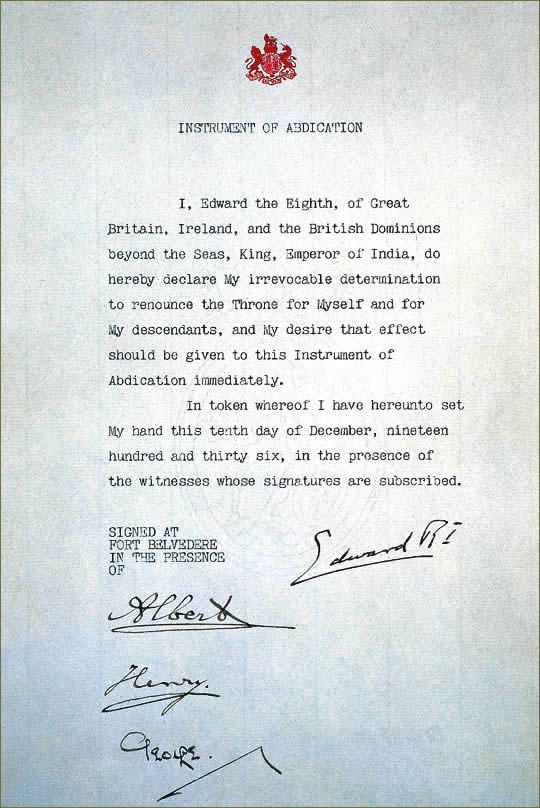
Faced with a choice between the crown and his love, Edward VIII chose to step down. On Decem­ber 10, 1936, the King signed the fol­low­ing dec­la­ra­tion of abdi­ca­tion:

Edward_abdication

In the audio clip at the top of the post, Edward VIII takes to the radio waves to declare his abdi­ca­tion on Decem­ber 11. Brim­ming with hard­ly-con­tained emo­tion, Edward attempts to explain his rea­sons to the British peo­ple (read the full tran­script here):

“You all know the rea­sons which have impelled me to renounce the Throne. But I want you to under­stand that in mak­ing up my mind I did not for­get the coun­try or the Empire which as Prince of Wales, and late­ly as King, I have for twen­ty-five years tried to serve. But you must believe me when I tell you that I have found it impos­si­ble to car­ry the heavy bur­den of respon­si­bil­i­ty and to dis­charge my duties as King as I would wish to do with­out the help and sup­port of the woman I love.”

For those who had doubts about Simpson’s true feel­ings for the King (some sus­pect­ed her of car­ing only about the king’s mon­ey), the next 35 years would pro­vide suf­fi­cient proof. The pair remained mar­ried until Edward’s death in 1972.

Ilia Blin­d­er­man is a Mon­tre­al-based cul­ture and sci­ence writer. Fol­low him at @iliablinderman.

Hear Vintage Episodes of Buck Rogers, the Sci-Fi Radio Show That First Aired in 1932

buck_rogers

(echo) Buck… Rogers… in… the… 25th… Cen­tu­ry!

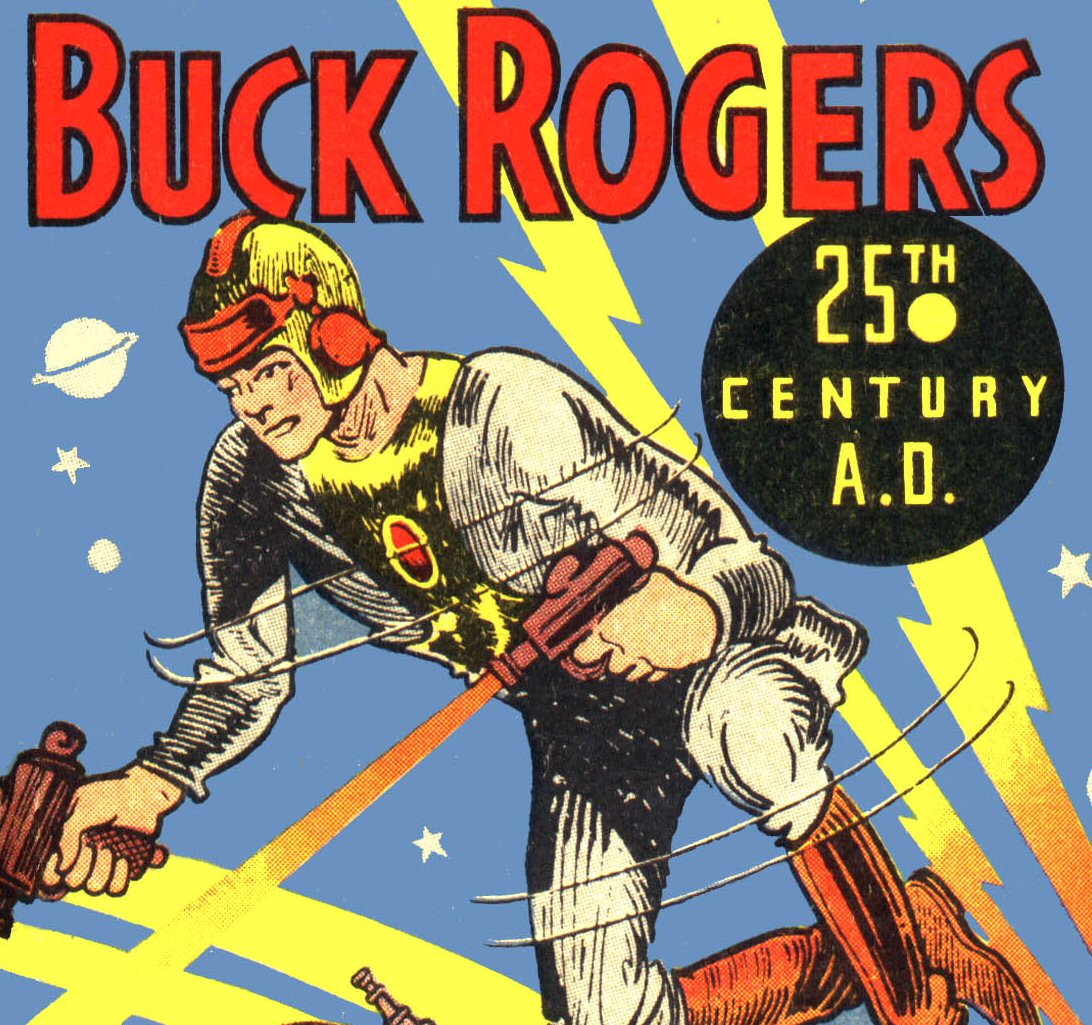
On this day in 1932, the Buck Rogers in the 25th Cen­tu­ry radio pro­gram hit the air­waves. Fol­low­ing the suc­cess of the char­ac­ter in the com­ic strip for­mat, it was nat­ur­al to adapt Rogers for the nation’s lat­est craze: radio.

Few fic­tion­al char­ac­ters have had such a pro­found and pro­longed impact on Amer­i­can cul­ture as Buck Rogers. He first appeared in Amaz­ing Sto­ries mag­a­zine as Antho­ny Rogers, and then in Philip Fran­cis Nowlan’s novel­la Armaged­don 2419 A. D. and its sequel The Air­lords of Han. The sto­ry caught the atten­tion of Nation­al News­pa­per Syndicate’s John F. Dille, who con­tract­ed Nowl­an to adapt the char­ac­ter into a com­ic strip, chang­ing “Antho­ny” to “Buck.”

In 1932, the radio pro­gram pre­miered, mak­ing it the first sci­ence fic­tion pro­gram on radio. Ini­tial­ly broad­cast­ed as a fif­teen-minute show on CBS on a Mon­day through Thurs­day sched­ule, the show stayed on the air for the next fif­teen years with vary­ing sched­ules.

Now, thanks to Archive.org, you can trav­el back to 1932 and fol­low the adven­tures of “Buck and Wilma and all their fas­ci­nat­ing friends and mys­te­ri­ous ene­mies in the super-sci­en­tif­ic 25th cen­tu­ry” (as stat­ed in the show’s intro­duc­tion).

Buck Rogers is large­ly cred­it­ed with bring­ing into pop­u­lar cul­ture the con­cept of space explo­ration, not to men­tion ray guns and robots. Ray Brad­bury may have stat­ed it best in his intro­duc­tion to The Col­lect­ed Works of Buck Rogers in the 25th Cen­tu­ry, when dis­cussing its com­ic strip form:

There you are, wait­ing, trem­bling, in fevers; so full of life that if you were a vol­cano you’d come up in someone’s corn­field and bury the silo. There you are, as after­noon slides toward warm dusk, eyes shut, lis­ten­ing…

And there’s the sound, whistling through the air, crash­ing along the shin­gles, slid­ing down the roof, falling to the porch. You fling the door wide. You bend to touch that incred­i­ble news­pa­per with a hot hand. Buck Rogers had just been born. And you a sin­gle wise small boy, are there alone to wel­come him to a world he will help change for­ev­er.

Relat­ed Con­tent:

Revis­it Futuria Fan­ta­sia: The Sci­ence Fic­tion Fanzine Ray Brad­bury Pub­lished as a Teenag­er

Isaac Asimov’s Sci­ence Fic­tion Clas­sic, The Foun­da­tion Tril­o­gy, Dra­ma­tized for Radio (1973)

Free: Lis­ten to 298 Episodes of the Vin­tage Crime Radio Series, Drag­net

Revis­it Orson Welles’ Icon­ic ‘War of the Worlds’ Broad­cast That Aired 75 Years Ago Today

Hear Orson Welles’ Iconic War of the Worlds Broadcast (1938)

orson welles broadcast

Image by Carl Van Vecht­en, via Wiki­me­dia Com­mons

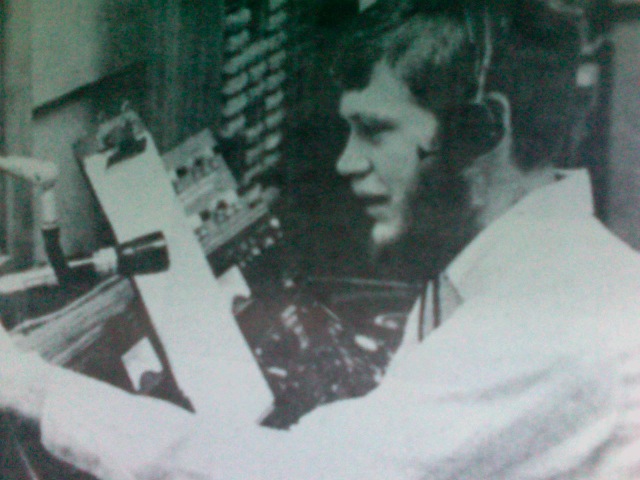
One night in Octo­ber of 1938, lis­ten­ers tuned into CBS radio to hear a piece of radio the­ater (lis­ten below) so fright­en­ing and, for its time, real­is­tic, that peo­ple across New Eng­land and east­ern Cana­da fled their homes to escape dan­ger. Or so the leg­end goes. With Orson Welles read­ing the part of an astro­naut and pro­fes­sor, the Mer­cury The­atre on the Air’s broad­cast of War of the Worlds hit a frayed nerve in the Amer­i­can pub­lic.

The show aired dur­ing the tense years lead­ing up to World War II, when fas­cism was on the rise in Europe. Many took the “news” of an alien inva­sion for truth.  It would have been easy to be fooled: the sto­ry, adapt­ed from H.G. Wells’ ear­ly sci-fi nov­el, was writ­ten as a sim­u­lat­ed news broad­cast. It opened with an intro­duc­tion from the nov­el and a note that the adap­ta­tion was set a year ahead (1939). For those who missed that dis­claimer, the remain­der of the show was unset­tling to say the least.

A reporter read a weath­er report. Then came dance music played by a fic­ti­tious band (“Ramon Raque­l­lo and his Orches­tra”) that was inter­rupt­ed by news of bizarre explo­sions on the sur­face of Mars. Soon Orson Welles made his appear­ance, inter­viewed as an expert who denied the pos­si­bil­i­ty of any life on the red plan­et. But then came the news of a cylin­dri­cal mete­orite land­ing in north­ern New Jer­sey. A crowd gath­ered and a “reporter” came on the scene to watch the cylin­der unscrew itself and reveal a rock­et­ship inside.

Chaos ensued, fol­lowed by a Mar­t­ian inva­sion of New York City, where peo­ple ran into the East Riv­er “like rats.”

Welles offered anoth­er dis­claimer at the end of the sto­ry (when the aliens suc­cumbed to Earth’s pathogens) to remind lis­ten­ers that the broad­cast was fic­tion.

Too lit­tle, too late? Or just great the­ater?

The next day, Welles held a bril­liant news con­fer­ence where he apol­o­gized for putting a fright into lis­ten­ers. (It’s anoth­er great piece of the­ater.) Mean­while the broad­cast estab­lished the Mer­cury The­atre on the Air—already an acclaimed stage pro­duc­tion company—as one of Amer­i­ca’s top-rat­ed radio pro­grams. Until then the show had lan­guished in rel­a­tive obscu­ri­ty. After send­ing thou­sands of peo­ple into a pan­ic, the show earned adver­tis­ing spon­sor­ship from Campbell’s Soup.

Kate Rix writes about dig­i­tal media and edu­ca­tion. Fol­low her on Twit­ter.

Relat­ed Con­tent:

Orson Welles Meets H.G. Wells in 1940: The Leg­ends Dis­cuss War of the Worlds, Cit­i­zen Kane, and WWII

Aldous Hux­ley Reads Dra­ma­tized Ver­sion of Brave New World

Free: Isaac Asimov’s Epic Foun­da­tion Tril­o­gy Dra­ma­tized in Clas­sic Audio

« Go BackMore in this category... »
Quantcast