Hear Inventive Stories from Ursula LeGuin & J.G. Ballard Turned Into CBC Radio Dramas

If you read the nov­els and sto­ries of Ursu­la K. LeGuin and J.G. Bal­lard, you drop your­self into invent­ed real­i­ties both over­whelm­ing­ly alien and unset­tling­ly famil­iar. And if you heard them on the radio — That Most Inti­mate of All Media, so they say — would­n’t those qual­i­ties take on a new inten­si­ty? Thanks to CBC Radio’s Van­ish­ing Point, a sci­ence-fic­tion anthol­o­gy series which ran from the mid-1980s to the ear­ly 90s, you can do just that and find out for your­self what it feels like to have them piped more or less direct­ly into your mind’s eye. Fans of both LeGuin and Bal­lard may take excep­tion to the straight label­ing of them as “sci­ence fic­tion” authors, and right­ly so. The for­mer’s work belongs as much to the tra­di­tion of fan­ta­sy as to that of sci-fi, and in both modes does a lot of detailed soci­o­log­i­cal world-build­ing; the lat­ter’s dark psy­cho­log­i­cal dimen­sion and near-non­fic­tion­al use of the mod­ern world always pre­vent­ed easy cat­e­go­riza­tion. Still, I sus­pect that the mak­ers of Van­ish­ing Point not just knew all this, but under­stood its appeal.

They must also have real­ized that nei­ther LeGuin nor Bal­lard had grown famous for their adapt­abil­i­ty. LeGuin’s The Lathe of Heav­en got made twice for tele­vi­sion, to vary­ing opin­ions; opin­ions var­ied even more when her Earth­sea books more recent­ly became a Sci Fi Chan­nel minis­eries and a film from Hayao Miyaza­k­i’s ani­ma­tion stu­dio. Bal­lard’s nov­el of auto-wreck-eroti­cism Crash became a cult favorite in the hands of David Cro­nen­berg, but usu­al­ly his work cross­es into oth­er media in a more bizarre fash­ion (such as the tele­vi­sion short of Crash we fea­tured last year). But radio can han­dle pret­ty much any­thing such imag­i­na­tive writ­ers can throw at it, as you’ll hear in Van­ish­ing Point’s six-part adap­ta­tion of LeGuin’s The Dis­pos­sessed at the top of the post, or in the Inter­net Archive playlist of its six adapt­ed Bal­lard sto­ries just above. His­to­ry, alas, has­n’t record­ed the reac­tion that LeGuin, always out­spo­ken about oth­ers’ treat­ments of her worlds, had to these CBC dra­mas. When Rick McGrath of jgballard.ca sent Bal­lard him­self CDs of all the pro­duc­tions in 2004, he received “a great note from him explain­ing he’d love to lis­ten to them, but he has yet to buy a CD play­er.” And if I had to make a guess, I’d say that vision­ary of our alien­at­ed, frag­ment­ed tech­no­log­i­cal future nev­er got around to pick­ing one up.

Find more sci-fi radio drama­ti­za­tions in the relat­eds below.

Relat­ed Con­tent:

X Minus One: More Clas­sic 1950s Sci-Fi Radio from Asi­mov, Hein­lein, Brad­bury & Dick

Dimen­sion X: The 1950s Sci­Fi Radio Show That Dra­ma­tized Sto­ries by Asi­mov, Brad­bury, Von­negut & More

Aldous Hux­ley Reads Dra­ma­tized Ver­sion of Brave New World

Free: Isaac Asimov’s Epic Foun­da­tion Tril­o­gy Dra­ma­tized in Clas­sic Audio

The Very First Film of J.G. Ballard’s Crash, Star­ring Bal­lard Him­self (1971)

J.G. Bal­lard on Sen­sa­tion

1,000 Free Audio Books: Down­load Great Books for Free

Col­in Mar­shall hosts and pro­duces Note­book on Cities and Cul­ture and writes essays on cities, lan­guage, Asia, and men’s style. He’s at work on a book about Los Ange­les, A Los Ange­les Primer. Fol­low him on Twit­ter at @colinmarshall or on Face­book.

Stephen Fry Reads the Legendary British Shipping Forecast

If you live in Eng­land, you’re prob­a­bly famil­iar with the Ship­ping Fore­cast, a night­ly BBC radio broad­cast that details the weath­er con­di­tions for the seas sur­round­ing Britain. The broad­cast has been on the air­waves since 1911. And many Brits will tell you that the fore­cast, always read in a soporif­ic voice, can lull you to sleep quick­er than a dose of Ambi­en. The broad­cast has a strict for­mat. It can’t exceed 350 words, and it always begins: “And now the Ship­ping Fore­cast, issued by the Met Office on behalf of the Mar­itime and Coast­guard Agency at [fill in the time] today.” Below y0u can lis­ten to a record­ing of actu­al fore­casts. (Or catch the one from 6/29/2014 here.) Don’t lis­ten to it while dri­ving, or oper­at­ing heavy machin­ery. A primer that decodes the unfa­mil­iar ter­mi­nol­o­gy in the radio trans­mis­sion can be found here.

All of this gives you just enough con­text to appre­ci­ate Stephen Fry’s par­o­dy read­ing of the Ship­ping Fore­cast. It was record­ed in 1988, for the first episode of his radio show Sat­ur­day Night Fry. (Full episode here.) You can read along with the tran­script, while lis­ten­ing to the clip up top:

And now, before the news and weath­er, here is the Ship­ping Fore­cast issued by the Mete­o­ro­log­i­cal Office at 1400 hours Green­wich Mean Time.
Fin­is­terre, Dog­ger, Rock­all, Bai­ley: no.
Wednes­day, vari­able, immi­nent, super.
South Utsire, North Utsire, Sheer­ness, Foul­ness, Eliot Ness:
If you will, often, emi­nent, 447, 22 yards, touch­down, stu­pid­ly.
Malin, Hebrides, Shet­land, Jer­sey, Fair Isle, Tur­tle-Neck, Tank Top, Courtelle:
Blowy, quite misty, sea sick­ness. Not many fish around, come home, veer­ing sug­ges­tive­ly.
That was the Ship­ping Fore­cast for 1700 hours, Wednes­day 18 August.

Relat­ed Con­tent:

Stephen Fry Reads Oscar Wilde’s Children’s Sto­ry “The Hap­py Prince”

Shakespeare’s Satir­i­cal Son­net 130, As Read By Stephen Fry

Stephen Fry Pro­files Six Russ­ian Writ­ers in the New Doc­u­men­tary Russia’s Open Book

by | Permalink | Make a Comment ( 1 ) |

X Minus One: Hear Classic Sci-Fi Radio Stories from Asimov, Heinlein, Bradbury & Dick

xminusone

Though I sel­dom long for my native cul­ture when abroad, when the need for a hit of Amer­i­cana does arise (and I say this cur­rent­ly writ­ing from Seoul, South Korea), I fill my iPod with old time radio. Many shows from Amer­i­ca’s “Gold­en Age” of wire­less broad­cast­ing can fill this need, but one could do much worse than Dimen­sion X, the ear­ly-1950s sci­ence-fic­tion pro­gram we fea­tured ear­li­er this month, or its late-1950s suc­ces­sor X Minus One, whose episodes you can also find at the Inter­net Archive. Both show­case Amer­i­can cul­ture at its mid-20th-cen­tu­ry finest: for­ward-look­ing, tem­pera­men­tal­ly bold, tech­no­log­i­cal­ly adept, and sat­u­rat­ed with earnest­ness but for the occa­sion­al sur­pris­ing­ly know­ing irony or bleak edge of dark­ness. That last comes cour­tesy of these shows’ writ­ing tal­ent, a group which includes such canon­i­cal names as Philip K. Dick, Ray Brad­bury, Isaac Asi­mov, and Robert Hein­lein.

X Minus One’s run, which last­ed from April 1955 to Jan­u­ary 1958, includ­ed a heap­ing help­ing of the evi­dent­ly high­ly radio-adapt­able Ray Brad­bury: his sto­ries “And The Moon Be Still As Bright,” “Mars is Heav­en,” “The Veldt,” “Dwellers in Silence,” “Zero Hour,” “To the Future,” and “Mar­i­onettes, Inc.,” all appeared as episodes. From Robert A. Hein­lein’s hard­er-bit­ten body of work the show pro­duced “Uni­verse,” “Requiem,” and “The Roads Must Roll.” Isaac Asi­mov, one of the most sci­en­tif­ic of that era’s sci­ence-fic­tion writ­ers, wrote the source mate­r­i­al for “Night­fall,” “C‑Chute,” and “Host­ess.” The pen of Philip K. Dick, sure­ly the most pure­ly imag­i­na­tive of the bunch, for its part pro­duced “The Defend­ers” and “Colony.” Amer­i­ca let fly all sorts of visions of the future back then, from the opti­mistic to the pes­simistic, the utopi­an to the dystopi­an, the pro­gres­sive to the regres­sive. The afore­men­tioned writ­ers did it best by mix­ing all those sen­si­bil­i­ties into each of their visions, which you can hear, along with those of many oth­ers, in X Minus One’s robust archive. You can stream sev­er­al of the episodes below.

“The Defend­ers” (Philip K. Dick)

“Night­fall” (Isaac Asi­mov)

“Zero Hour” (Ray Brad­bury)

Relat­ed Con­tent:

Dimen­sion X: The 1950s Sci­Fi Radio Show That Dra­ma­tized Sto­ries by Asi­mov, Brad­bury, Von­negut & More

Orson Welles Vin­tage Radio: The War of the Worlds That Pet­ri­fied a Nation

The Rel­a­tiv­i­ty Series Fea­tures 24 Free Plays About Great Sci­en­tists and Sci­en­tif­ic Endeav­ors

Isaac Asimov’s Sci­ence Fic­tion Clas­sic, The Foun­da­tion Tril­o­gy, Dra­ma­tized for Radio (1973)

Col­in Mar­shall hosts and pro­duces Note­book on Cities and Cul­ture and writes essays on cities, lan­guage, Asia, and men’s style. He’s at work on a book about Los Ange­les, A Los Ange­les Primer. Fol­low him on Twit­ter at @colinmarshall or on Face­book.

Dimension X: The 1950s SciFi Radio Show That Dramatized Stories by Asimov, Bradbury, Vonnegut & More

dimension x

Enthu­si­asts of Amer­i­can radio dra­ma usu­al­ly place the for­m’s “Gold­en Age” as begin­ning in the 1920s and end­ing, almost at the stroke of tele­vi­sion’s mass adop­tion, in the 1950s. NBC’s Dimen­sion X, which ran in 1950 and 1951, came some­what late to the game, but it did more than its part to give “old time radio” a strong last decade — indeed, per­haps its strongest. Oth­er famous “seri­ous” sci­ence-fic­tion pro­grams had aired in the 20s, 30s, and 40s, but Dimen­sion X made its mark by adapt­ing short sto­ries by acknowl­edged mas­ters of the craft: Isaac Asi­mov, Ray Brad­bury, Robert Hein­lein, and even a non-genre-bound lit­er­ary mind like Kurt Von­negut. All of these world-cre­ators knew well the val­ue of imag­i­na­tion, and radio, in its way, stood then and remains today the most evoca­tive, imag­i­na­tion-dri­ven medi­um of them all. At the Inter­net Archive (cer­tain­ly a more con­ve­nient old time radio source than the boot­leg cas­sette tapes I used to have to buy) you can down­load all of Dimen­son X’s “adven­tures in time and space, tran­scribed in future tense.”

If you don’t know where in this spec­u­la­tive field of time and space to begin, we’ve high­light­ed a few Dimen­sion X episodes drawn from works of the most notable authors. June 10, 1950’s “The Green Hills of Earth”, based upon the Robert Hein­lein sto­ry of the same name, relates the life of “Noisy” Rhys­ling, a blind space-age trou­ba­dour who real­izes he must pay trib­ute to the plan­et he long ago left behind. The very next week’s “There Will Come Soft Rains”, one of Ray Brad­bury’s many works adapt­ed for the show, describes the apoc­a­lypse through the process­es of the self-main­tain­ing high-tech mir­a­cle house. June 17, 1951’s “Peb­ble in the Sky” takes its theme from the epony­mous Isaac Asi­mov nov­el that thrusts a 20th-cen­tu­ry every­man into a com­plex future of a galac­tic empire, a radioac­tive Earth, and manda­to­ry euthana­sia at age six­ty. And in Feb­ru­ary 11, 1950’s “Report on the Barn­house Effect”, only the show’s third broad­cast, we hear the tes­ti­mo­ny of a tele­ki­net­ic — one who, giv­en that Kurt Von­negut wrote the orig­i­nal sto­ry, it won’t sur­prise you to hear the gov­ern­ment imme­di­ate­ly (and hap­less­ly) tries to weaponize.

“The Green Hills of Earth” (Robert Hein­lein)

“There Will Come Soft Rains” (Ray Brad­bury)

“Peb­ble in the Sky” (Isaac Asi­mov)

“Report on the Barn­house Effect” (Kurt Von­negut)

Relat­ed con­tent:

Orson Welles Vin­tage Radio: The War of the Worlds That Pet­ri­fied a Nation

The Rel­a­tiv­i­ty Series Fea­tures 24 Free Plays About Great Sci­en­tists and Sci­en­tif­ic Endeav­ors

Isaac Asimov’s Sci­ence Fic­tion Clas­sic, The Foun­da­tion Tril­o­gy, Dra­ma­tized for Radio (1973)

Col­in Mar­shall hosts and pro­duces Note­book on Cities and Cul­ture and writes essays on cities, lan­guage, Asia, and men’s style. He’s at work on a book about Los Ange­les, A Los Ange­les Primer. Fol­low him on Twit­ter at @colinmarshall or on Face­book.

The Only Known Recordings of C.S. Lewis (1944–1948)

When we come to know the work of nov­el­ist and schol­ar C.S. Lewis, we usu­al­ly do it through a tex­tu­al medi­um — specif­i­cal­ly in child­hood, through that thrilling writ­ten arti­fact known as The Lion, the Witch, and the Wardrobe. Often this leads us into the rest of his sev­en-vol­ume Chron­i­cles of Nar­nia series (find a free audio ver­sion here), and those most deeply intrigued by the world­view that shaped that high-fan­ta­sy world may find them­selves even­tu­al­ly read­ing even Lewis’ Chris­t­ian apolo­get­ics, of which 1952’s well-known Mere Chris­tian­i­ty came as only the first. That book drew its con­tent from a series of the­o­log­i­cal lec­tures Lewis gave on BBC radio between 1942 and 1944, dur­ing the Sec­ond World War. Lit­tle mate­r­i­al from these talks sur­vives — in fact, we have pre­cious few min­utes of his voice on tape in any con­text, and noth­ings at all of him on film — but you can hear about fif­teen min­utes of it in the clips above and below.

These excerpts come from “The New Men”, the last episode of Lewis’series Beyond Per­son­al­i­ty orig­i­nal­ly broad­cast on March 21, 1944, and an intro­duc­tion to The Great Divorce, his the­o­log­i­cal nov­el writ­ten in response to William Blake’s The Mar­riage of Heav­en and Hell. “If I’ve writ­ten of their divorce,” Lewis says, “this is not because I think myself a fit antag­o­nist for so great a genius, nor even because I feel at all sure that I knew what he meant.” The state­ment exem­pli­fies the clar­i­ty and humil­i­ty with which he always wrote, even when essen­tial­ly trum­pet­ing the ben­e­fits of his own faith. Giv­en the off-putting­ly com­bat­ive tenor of most high-pro­file reli­gious argu­ments made today, both for and against, the remains of Lewis’ broad­casts remind us how much we could use more thinkers like him today — in any form of media.

Relat­ed con­tent:

C.S. Lewis’ Pre­scient 1937 Review of The Hob­bit by J.R.R. Tolkien: It “May Well Prove a Clas­sic”

Watch Hand-Drawn Ani­ma­tions of 7 Sto­ries & Essays by C.S. Lewis

Free Audio: Down­load the Com­plete Chron­i­cles of Nar­nia by C.S. Lewis

Col­in Mar­shall hosts and pro­duces Note­book on Cities and Cul­ture and writes essays on cities, lan­guage, Asia, and men’s style. He’s at work on a book about Los Ange­les, A Los Ange­les Primer. Fol­low him on Twit­ter at @colinmarshall or on Face­book.

Global Breakfast Radio Lets You Listen to Radio Broadcasts From Wherever the Sun is Rising

global breakfast radio

“The sun is always ris­ing some­where; break­fast is always just about to hap­pen. Din­ner time in Dakar is break­fast time in Bris­bane.” Enter Glob­al Break­fast Radio, a web site that aggre­gates and streams radio sta­tions from around the world (over 250 sta­tions from more than 120 coun­tries), air­ing broad­casts from wher­ev­er it’s break­fast time right now. “As the sun ris­es on the Green­wich Mean Line, you’ll hear break­fast pro­grammes from around the UK, Ice­land and West Africa; the broad­cast then moves west­wards, fol­low­ing the sun­rise across the Atlantic islands, sweep­ing over Amer­i­ca and then into the Pacific.” That’s how Daniel Jones, one of the co-founders of Glob­al Break­fast Radio, explains the project to Wired.

Right now, in Cal­i­for­nia, it’s near­ly 11:30 pm. But, with a click of the mouse, I can lis­ten to pro­grams kick­ing off the day in Assisi, Italy.  You can start lis­ten­ing right here on your com­put­er. The streamed broad­cast should work in any mod­ern web brows­er. It should also run just fine on your iPhone, iPad and oth­er mobile devices. Enjoy.

via Mefi

Listen to “Brian Eno Day,” a 12-Hour Radio Show Spent With Eno & His Music (Recorded in 1988)

brian-eno-recording-studio

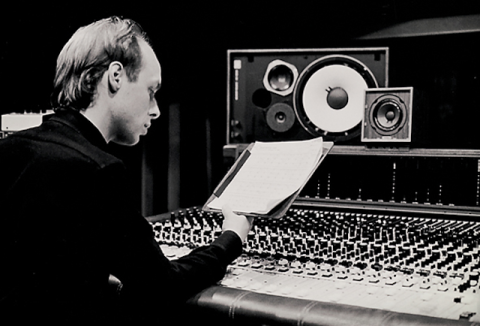
In ear­ly 1988, visu­al artist, rock pro­duc­er, and “non-musi­cian” musi­cian Bri­an Eno came to San Fran­cis­co. He’d made the trip to put togeth­er “Lat­est Flames,” a “sound and light instal­la­tion” using his own music and “tele­vi­sion as a radi­ant light source” to “cre­ate a con­tem­pla­tive envi­ron­ment.”  He cre­at­ed this con­tem­pla­tive envi­ron­ment at the Explorato­ri­um, a one-of‑a kind muse­um of “sci­ence, art, and human per­cep­tion” I remem­ber fond­ly from my own child­hood in the Bay Area (though alas, I did­n’t start going until just after “Lat­est Flames” closed). Dur­ing that vis­it, he spoke on Berke­ley’s KPFA-FM about his great admi­ra­tion for the very exis­tence of the Explorato­ri­um, which he thinks could nev­er have hap­pened in his native Eng­land, “too fussy” a coun­try to accept such an exper­i­men­tal insti­tu­tion. He also empha­sizes how much grat­i­tude he thinks Amer­i­cans should show for their pub­lic radio sta­tions like KPFA, which, in con­trast to the admit­ted­ly “great radio”-producing broad­cast­ers of the U.K., work more loose­ly, with greater cre­ative free­dom not sched­uled on “five-year plans.” It sure­ly did­n’t damp­en Eno’s appre­ci­a­tion for KPFA that he appeared dur­ing the sta­tion’s “Bri­an Eno Day,” a twelve-hour marathon of mate­r­i­al relat­ed to his work: music, music analy­sis, inter­views new and old, and even lis­ten­er calls.

This hap­pened dur­ing KPFA’s reg­u­lar pledge dri­ve, and as every Amer­i­can pub­lic radio lis­ten­er knows, pledge dri­ves hold out the promise of desir­able thank-you gifts to donat­ing callers. In this case, these entice­ments includ­ed items signed right there in the stu­dio, between turns at the micro­phone answer­ing ques­tions and chat­ting with com­pos­er-host Charles Amirkhan­ian, by Eno him­self. The auto­graphed Oblique Strate­gies decks run out first, and even after that peo­ple still call in with ques­tions about their ori­gin, their best use, and their future avail­abil­i­ty. They also (and Amirkhan­ian, and ambi­ent music expert Stephen Hill) have much else to ask besides, fill­ing the hours — those not occu­pied by pledge pitch­es, records Eno pro­duced, or the full length of his own Thurs­day After­noon album — with talk of the mean­ing of his inscrutable lyrics, the record­ing stu­dio as musi­cal instru­ment, the mak­ing of “Lat­est Flames,” his impa­tience with com­put­ers and syn­the­siz­ers, his rec­om­mend­ed Eng­lish art schools, and how ambi­ent music dif­fers from new age “muzak.” A fan could ask for no rich­er a lis­ten­ing expe­ri­ence, even 26 years after it first aired — and few more enter­tain­ing lis­ten­ing expe­ri­ences than, toward the end of this long Bri­an Eno day, the man of the hour’s (or rather, of the twelve hours’) deci­sion to delib­er­ate­ly answer each and every remain­ing lis­ten­er ques­tion with a lie. You can stream all of KPFA’s 1988 Bri­an Eno Day above. It’s also bro­ken into nine the­mat­ic seg­ments at the Inter­net Archive.

Relat­ed Con­tent:

The Genius of Bri­an Eno On Dis­play in 80 Minute Q&A: Talks Art, iPad Apps, ABBA, & More

Bri­an Eno Once Com­posed Music for Win­dows 95; Now He Lets You Cre­ate Music with an iPad App

Bri­an Eno on Cre­at­ing Music and Art As Imag­i­nary Land­scapes (1989)

Watch Bri­an Eno’s “Video Paint­ings,” Where 1980s TV Tech­nol­o­gy Meets Visu­al Art

Jump Start Your Cre­ative Process with Bri­an Eno’s “Oblique Strate­gies”

Col­in Mar­shall hosts and pro­duces Note­book on Cities and Cul­ture and writes essays on cities, lan­guage, Asia, and men’s style. He’s at work on a book about Los Ange­les, A Los Ange­les Primer. Fol­low him on Twit­ter at @colinmarshall or on Face­book.

Listen to 21-Year-Old David Letterman’s College Radio Show (1969)

letterman in college

Over thir­ty years at the desk of his very own late-night talk show, mul­ti­ple gen­er­a­tions of fans, the respect of come­di­ans the world over: David Let­ter­man has had, by any mea­sure, an awful­ly good run. Though they had to know it could come soon­er or lat­er, thou­sands of view­ers, since Let­ter­man announced last Thurs­day that he plans to retire in 2015, face the immi­nent prospect of a world with­out the Late Show as they know it. For the young and young-ish among them, many of whom didn’t come into the world them­selves until after Letterman’s 1982 nation­al debut (see video at bot­tom), this con­sti­tutes an entire­ly new and trou­bling­ly less absurd tele­vi­su­al real­i­ty. But the mas­ter com­e­dy host didn’t sim­ply emerge on to the scene, ful­ly formed, those 32 years ago. Any­one who’s watched long enough to notice the fre­quen­cy of Letterman’s ref­er­ences to Indi­anapo­lis, his home­town and the media mar­ket that grant­ed him his first “big” chance as a weath­er­man, knows that he nev­er for­got his roots.

As with many illus­tri­ous careers, Letterman’s hum­ble ear­ly shot fol­lowed even hum­bler, ear­li­er shots. Just above, you can hear the 21-year-old “Dave Letterman”’s broad­cast from April Fool’s Day 1969 on WAGO-AM, the closed-cir­cuit radio sta­tion he helped to found at his future alma mater, Ball State Uni­ver­si­ty. Though only a five-minute clip, this record­ing show­cas­es not just Letterman’s preter­nat­u­al micro­phone pres­ence, but his way with the near-psy­che­del­ic walls of sound effects, seem­ing­ly free-asso­cia­tive speech, and pure wack­i­ness that so came into its own in the late six­ties and ear­ly sev­en­ties. (The Fire­sign The­ater would soon per­fect it.) Let­ter­man fol­low­ers who must know every­thing — and they cer­tain­ly exist — should note that, when he calls a deliri­ous-sound­ing woman in this seg­ment, he calls none oth­er than Michelle Cook, the very first Mrs. Let­ter­man. Though we have yet to learn the iden­ti­ty of Letterman’s Late Show replace­ment, I feel cer­tain, after this lis­ten­ing expe­ri­ence, that the Let­ter­man of twen­ty years from now will rise from the ranks of pod­cast­ing. Lis­ten out for him; he may not drop col­or­ful phras­es just like “horse den­tures falling into a rust­ed how­itzer artillery shell,” but you’ll know him when you hear him. Or her.

Below you can watch Bill Mur­ray’s appear­ance on Let­ter­man’s first 1982 show.

via WFMU’s Beware of the Blog

Relat­ed con­tent:

Tom Waits and David Let­ter­man: An Amer­i­can Tele­vi­sion Tra­di­tion

R.E.M Plays “Radio Free Europe” on Their Nation­al Tele­vi­sion Debut on The David Let­ter­man Show (1983)

Col­in Mar­shall hosts and pro­duces Note­book on Cities and Cul­ture and writes essays on cities, lan­guage, Asia, and men’s style. He’s at work on a book about Los Ange­les, A Los Ange­les Primer. Fol­low him on Twit­ter at @colinmarshall or on Face­book.

« Go BackMore in this category... »
Quantcast