BBC Radio Adaptation of Neil Gaiman’s Neverwhere Begins Saturday: A Preview

Amer­i­can radio dra­mas, once the pride of the medi­um, died out soon after the rise of tele­vi­sion. But U.S. lis­ten­ers in search of con­tin­ued dra­mat­ic inno­va­tion over the air­waves need only turn their ears toward the oth­er side of the Atlantic, where the BBC has kept the craft in stur­dy work­ing order. This Sat­ur­day, March 16, brings the debut of a much-antic­i­pat­ed BBC Radio 4 series adapt­ed from the work of a British sto­ry­teller with inter-gen­er­a­tional, inter­na­tion­al appeal, and a hybrid fan­tas­ti­cal-real­ist sen­si­bil­i­ty all his own. The writer? Neil Gaiman. The dra­ma? Nev­er­where. Astute fans will know that Gaiman craft­ed this “urban fan­ta­sy” series first as a tele­vi­sion series, and then as a nov­el. It went on to become a com­ic book, then a stage pro­duc­tion and now, adapt­ed by Dirk Mag­gs, a radio play. Has the man’s work tran­scend­ed all lim­its of form?

When Nev­er­where begins, non‑U.K. res­i­dents can lis­ten on the BBC’s site here. At the moment, it offers a slew of pre­view clips to give you a fla­vor of just how Gaiman’s mate­r­i­al sounds as inter­pret­ed by cast includ­ing James McAvoy, Natal­ie Dormer, Bene­dict Cum­ber­batch, and Christo­pher Lee. With just music, sound effects, and the voic­es of these for­mi­da­ble thes­pi­ans, the BBC’s experts will tell Gaiman’s sto­ry of two Lon­dons: “Lon­don Above,” the one we all know and some of us love, and “Lon­don Below,” the city’s under­ground par­al­lel inhab­it­ed by the grotesque, the flam­boy­ant, the anachro­nis­tic, or—depending on your feel­ings about Lon­don Above—the more grotesque, the more flam­boy­ant, and the more anachro­nis­tic. Hear what hap­pens between these two visions of Lon­don with Nev­er­where’s first, hour-long episode on Sat­ur­day and its sub­se­quent five half-hour episodes from Mon­day, March 18 onward. All episodes will stay avail­able on demand until March 29. You can read more details on the BBC Radio 4 Nev­er­where about page.

Relat­ed Con­tent:

Neil Gaiman’s Free Short Sto­ries

Neil Gaiman Launch­es New Crowd­sourced Sto­ry­telling Project (Spon­sored by the New Black­Ber­ry)

The BBC Presents a New Drama­ti­za­tion of Orwell’s 1984, with Christo­pher Eccle­ston as Win­ston Smith

Col­in Mar­shall hosts and pro­duces Note­book on Cities and Cul­ture and writes essays on lit­er­a­ture, film, cities, Asia, and aes­thet­ics. He’s at work on a book about Los Ange­les, A Los Ange­les Primer. Fol­low him on Twit­ter at @colinmarshall.

The BBC Presents a New Dramatization of Orwell’s 1984, with Christopher Eccleston as Winston Smith


Like the idea of total­i­tar­i­an­ism, per­haps best artic­u­lat­ed by Han­nah Arendt in her post-war Ori­gins of Total­i­tar­i­an­ism, George Orwell’s post-war scruti­ny of repres­sive gov­ern­ments has become a sta­ple, catch-all ref­er­ence for pun­dits on either side of the polit­i­cal spec­trum, par­tic­u­lar­ly the con­cepts of dou­ble­s­peak, dou­ble­think, his­tor­i­cal revi­sion­ism, and the hyper-intru­sive Big Broth­er, all from the 1949 nov­el 1984. In fact, few adjec­tives seem to get deployed with more fre­quen­cy in urgent polit­i­cal dis­course of all kinds than “Orwellian.” But the name George Orwell, pen name of jour­nal­ist Eric Blair, hides an enig­ma: Orwell iden­ti­fied him­self explic­it­ly as a Demo­c­ra­t­ic Social­ist of a par­tic­u­lar­ly Eng­lish bent (most notably in his essay “The Lion and the Uni­corn”), but his scathing cri­tiques of near­ly every exist­ing insti­tu­tion some­times make it hard to pin him down as a par­ti­san of any­thing but the kind of free­dom and open­ness that every­one vague­ly wants to advo­cate. That ambi­gu­i­ty is a strength; despite his stead­fast left­ist roots, Orwell would not be a par­ti­san hack—where he saw stu­pid­i­ty, avarice, and bru­tal inhu­man­i­ty, he called it out, no mat­ter the source.

The seem­ing con­tra­dic­tions and ironies that per­me­ate Orwell’s thought and fic­tion are also what keep his work peren­ni­al­ly inter­est­ing and worth reread­ing and revis­it­ing. He was a prob­ing and unsen­ti­men­tal crit­ic of the motives of pro­pa­gan­dists of all stripes, both left and right. Begin­ning in late Jan­u­ary, BBC Radio 4 launched a month-long series on Orwell, with the avowed­ly iron­ic name, “The Real George Orwell.” Part of the irony comes from the fact that Orwell (or Blair) once worked as a pro­pa­gan­dist for the BBC dur­ing WWII, and lat­er based the tor­ture area in 1984, Room 101, on a meet­ing room he recalled from his time there. His expe­ri­ences with the state broad­cast­ing net­work were not pleas­ant in his mem­o­ry. Nonethe­less, his for­mer employ­er hon­ors him this month with an exten­sive ret­ro­spec­tive, includ­ing read­ings and drama­ti­za­tions of his essays and jour­nal­ism, his semi-auto­bi­o­graph­i­cal accounts Down and Out in Paris and Lon­don and Homage to Cat­alo­nia, and his nov­els Ani­mal Farm and 1984.

In this lat­est drama­ti­za­tion of Orwell’s most famous nov­el, pro­tag­o­nist Win­ston Smith is voiced by actor Christo­pher Eccle­ston, who has inhab­it­ed anoth­er key post-war char­ac­ter in Eng­lish fic­tion, Dr. Who (Pip­pa Nixon voic­es Julia). In a brief dis­cus­sion of what he takes away from the nov­el, Eccle­ston (above) draws out some of the rea­sons that 1984 appeals to so many peo­ple who might agree on almost noth­ing else. At the heart of the nov­el is the kind of human­ist indi­vid­u­al­ism that Orwell nev­er aban­doned and that he cham­pi­oned against Sovi­et-style state com­mu­nism and hard-right impe­ri­al­ist author­i­tar­i­an­ism both. Win­ston Smith is an embod­i­ment of human dig­ni­ty, cel­e­brat­ed for his strug­gle to “love, remem­ber, and enjoy life,” as Eccle­ston says. “It’s the human sto­ry that means that we keep com­ing back to it and that keeps it rel­e­vant.” Lis­ten to a brief clip of the 1984 drama­ti­za­tion at the top of this post, and vis­it BBC Radio 4’s site to hear parts one and two of the full broad­cast, which is avail­able online for the next year. When Europe and Amer­i­ca both seem rent in two by com­pet­ing and incom­pat­i­ble social and polit­i­cal visions, it’s at least some com­fort to know that no one wants to live in the world Orwell fore­saw. Despite his novel’s deeply pes­simistic end­ing, Orwell’s own career of fierce resis­tance to oppres­sive regimes offers a mod­el for action against the dystopi­an future he imag­ined.

For oth­er free, online read­ings of Orwell’s work, you can vis­it our archives of Free Audio Books, where you’ll find

Relat­ed Con­tent:

Aldous Hux­ley Reads Dra­ma­tized Ver­sion of Brave New World

Free: Isaac Asimov’s Epic Foun­da­tion Tril­o­gy Dra­ma­tized in Clas­sic Audio

Also find major works by Orwell in our col­lec­tion of Free eBooks

Josh Jones is a writer, edi­tor, and musi­cian based in Wash­ing­ton, DC. Fol­low him @jdmagness

When Orson Welles Met H.G. Wells in 1940: Hear the Legends Discuss War of the Worlds, Citizen Kane, and WWII

What con­nects Orson Welles, that quin­tes­sen­tial Amer­i­can auteur of radio and film, to H.G. Wells, the far-see­ing Eng­lish pro­to-sci­ence fic­tion nov­el­ist? You’ve got the near-iden­ti­cal sur­names, for one, but even more obvi­ous­ly, Welles adapt­ed The War of the Worlds, Wells’ sem­i­nal tale of alien inva­sion, into a famous­ly coun­try-spook­ing 1938 radio pro­duc­tion of the same name. You can hear it below. Thanks to KTSA in San Anto­nio, these two lumi­nar­ies were able to make a direct con­nec­tion on the radio two years after that broad­cast, and you can hear a clip of this Wells/Welles con­ver­sa­tion with the video above. On the coun­try-wide freak­out Welles caused with Wells’ source mate­r­i­al, the writer has this to say: “We [in Eng­land] had arti­cles about it, and peo­ple said, ‘Have you nev­er heard of Hal­loween in Amer­i­ca, when every­body pre­tends to see ghosts?’ ”

Though this record­ing runs for only sev­en and a half min­utes, it makes clear that Wells has plen­ty to say to the man he calls “my lit­tle name­sake, Orson.” The enthu­si­asm goes both ways; they trade remarks on Welles’ broad­casts, Wells’ ideas, Hitler, and the war in Europe. Wells won­ders aloud if Amer­i­cans can only still enjoy a thrill at War of the Worlds-style ter­ror because — the year was 1940 — “You haven’t got the war right under your chins.” When he asks after Welles’ next project, the direc­tor describes it as “a new sort of motion pic­ture, with a new method of pre­sen­ta­tion, and a few new tech­ni­cal exper­i­ments.” He refers, of course, to a cer­tain upcom­ing enter­tain­ment by the name of Cit­i­zen Kane. This lit­tle dia­logue reveals one skill Orson Welles and H.G. Wells, for all the dif­fer­ences between their areas of mas­tery, have in com­mon: under­state­ment.

Relat­ed con­tent: 

The War of the Worlds on Pod­cast: How H.G. Wells and Orson Welles Riv­et­ed A Nation

Orson Welles Explains Why Igno­rance Was the Genius Behind Cit­i­zen Kane

The Dead Authors Pod­cast: H.G. Wells Com­i­cal­ly Revives Lit­er­ary Greats with His Time Machine

Ray­mond Chan­dler & Ian Flem­ing in Con­ver­sa­tion (1958)

Col­in Mar­shall hosts and pro­duces Note­book on Cities and Cul­ture and writes essays on lit­er­a­ture, film, cities, Asia, and aes­thet­ics. He’s at work on a book about Los Ange­les, A Los Ange­les Primer. Fol­low him on Twit­ter at @colinmarshall.

Alistair Cooke’s Historic Letter From America (1946 – 2004) Now Online, Thanks to the BBC

Think of Mas­ter­piece The­ater and you might think of Down­ton Abbey, Agatha Christie’s Miss Marple, or even the Cook­ie Mon­ster. But the man who real­ly made the series famous was broad­cast­er Alis­tair Cooke, the series’ crisp, avun­cu­lar host. Seat­ed in a leather chair, sur­round­ed by bound vol­umes, Cooke intro­duced all of the great British pro­gram­ming brought to the States by WGBH—I, Claudius and Upstairs, Down­stairs and The Six Wives of Hen­ry VIIIand brought a cozy grav­i­tas to Amer­i­can tele­vi­sion.

Cooke died in 2004 and left a lega­cy as a broad­cast essay­ist: Let­ter from Amer­i­ca, a series of 15-minute radio pieces now col­lect­ed into an exten­sive dig­i­tal archive by BBC Radio 4. The essays aired week­ly through­out the world for 58 years, begin­ning in 1946, send­ing Cooke’s slight­ly amused voice over the air­waves. He gave us his ex-pat take on every­thing from Amer­i­can hol­i­days (includ­ing his per­son­al involve­ment in mak­ing George Washington’s birth­day a nation­al hol­i­day), to the ways Amer­i­can Eng­lish varies from British Eng­lish, to major events in Amer­i­can his­to­ry.

Cooke cap­tured America’s grief after John F. Kennedy was assas­si­nat­ed, but his eye­wit­ness account of Bob­by Kennedy’s death would become one of his most pow­er­ful reports. Cooke was in the lob­by of the Ambas­sador Hotel when Kennedy was shot and used scratch paper to scrib­ble down his impres­sions of the chaos.

He was bril­liant at craft­ing char­ac­ter-dri­ven sto­ries about issues. His piece about John Lennon’s death (above) segued neat­ly into an explo­ration of gun vio­lence in Amer­i­ca. He report­ed on the sui­cide of actress Jean Seberg and used the obit­u­ary as an oppor­tu­ni­ty to dis­cuss the excess­es of FBI sur­veil­lance and witch-hunt­ing.

Cooke wasn’t as good a writer as he was a reporter (view his orig­i­nal scripts in the Boston Uni­ver­si­ty archive) and he audi­bly sighs dur­ing some broad­casts, as if he is either tired or bored. But his point of view is price­less: an obser­vant, charm­ing out­sider who fell in love with his adopt­ed coun­try, warts and all.

Relat­ed Con­tent

Mon­ster­piece The­ater Presents Wait­ing for Elmo, Calls BS on Samuel Beck­ett

Watch John Lennon and Yoko Ono’s Two Appear­ances on The Dick Cavett Show in 1971 and 72

Kate Rix writes about dig­i­tal media and edu­ca­tion. Read more of her work at .

“Joe Strummer’s London Calling”: All 8 Episodes of Strummer’s UK Radio Show Free Online

Icon­ic Clash front­man Joe Strum­mer passed away a lit­tle over ten years ago on Decem­ber 22nd, 2002. He was 50 years old, and died too soon, leav­ing his fam­i­ly, friends, and fans reel­ing with shock and sad­ness. Strum­mer was the kind of rock star who could renounce fame and mean it, who escaped the Lon­don punk scene with integri­ty and health intact, and who was a larg­er-than-life human­i­tar­i­an, yet also an approach­able every­man.  It’s all these qual­i­ties and, of course, the song­writ­ing, the dis­tinc­tive mum­ble and growl, the indeli­ble image, and the writ­ing and act­ing cred that have endeared him to a few gen­er­a­tions of loy­al admir­ers. In addi­tion to all of the above, Joe Strum­mer was also a free-form radio DJ, play­ing an eclec­tic mix of clas­sic punk, reg­gae, folk, jazz, afrobeat, and about a dozen oth­er gen­res, all sequenced per­fect­ly and intro­duced in his dis­tinc­tive, asphalt bari­tone.

Strum­mer host­ed his UK radio show, “Joe Strummer’s Lon­don Call­ing,” through 1998, then again in 2000–2001 (excerpt above). He played his share of Clash songs, as well as—in the lat­er episodes—the occa­sion­al track from his last project, Joe Strum­mer & The Mescaleros.

But aside from the expect­ed punk and reg­gae, there was no telling what he might cue up next; from the Balkan Folk of Emir Kus­turi­ca and The No Smok­ing Orches­tra to the new wave rhum­ba of Zaire’s Thu-Zahi­na, Strum­mer had one hell of an eclec­tic col­lec­tion, which should sur­prise no one who knows his work, but it’s still a joy to hear him spin his roller­coast­er playlists.

And now, you can lis­ten to him spin for eight hours straight if you like. All eight, one hour episodes of Strummer’s radio show are stream­ing free from PRX online radio. You can also down­load all eight episodes as pod­casts, in two-parters, free on iTunes. And if it weren’t already your lucky day: a help­ful gent named Zed has done the inter­net a favor and com­piled playlists for each show, com­plete with links for every artist, from the most notable to most obscure. I would per­son­al­ly rec­om­mend tak­ing a full day off and lis­ten­ing to every show straight through to the end. It may be the per­fect way to hon­or the man who did his lev­el best to bridge music and peo­ple from around the world with his work­ing-class hero per­sona.

If you would like to sign up for Open Culture’s free email newslet­ter, please find it here. It’s a great way to see our new posts, all bun­dled in one email, each day.

If you would like to sup­port the mis­sion of Open Cul­ture, con­sid­er mak­ing a dona­tion to our site. It’s hard to rely 100% on ads, and your con­tri­bu­tions will help us con­tin­ue pro­vid­ing the best free cul­tur­al and edu­ca­tion­al mate­ri­als to learn­ers every­where. You can con­tribute through Pay­Pal, Patre­on, and Ven­mo (@openculture). Thanks!

Relat­ed Con­tent:

Remem­ber­ing The Clash’s Front­man Joe Strum­mer on His 60th Birth­day

The Clash Live in Tokyo, 1982: Watch the Com­plete Con­cert

Mick Jones Plays Three Favorite Songs by The Clash at the Library

Josh Jones is a writer and musi­cian. He recent­ly fin­ished a dis­ser­ta­tion on land, lit­er­a­ture, and labor.

Maurice Sendak’s Emotional Last Interview with NPR’s Terry Gross, Animated by Christoph Niemann

In late Sep­tem­ber of 2011, Mau­rice Sendak spoke one last time with Ter­ry Gross for the NPR pro­gram Fresh Air. Osten­si­bly the inter­view was to pro­mote Sendak’s final book, Bum­ble-Ardy, but as the con­ver­sa­tion pro­gressed it was clear they just want­ed to talk.

The beloved chil­dren’s writer and illus­tra­tor was 83 years old and in declin­ing health. He was feel­ing the loss of peo­ple close to him who had died in recent years. Inevitably, the dis­cus­sion turned to issues of mor­tal­i­ty. As the con­ver­sa­tion built to an emo­tion­al crescen­do, Sendak laid bare the qual­i­ties that made him such a great author: sin­cer­i­ty, depth of feel­ing, and an insu­per­a­ble need to con­nect with peo­ple in some ele­men­tal way.

By the time it was over there were teary-eyed peo­ple in cars all across North Amer­i­ca. One lis­ten­er, Brent Eades, left a mes­sage on the NPR Web site: “I hap­pened to be lis­ten­ing to this extra­or­di­nary inter­view while on the ear­ly-morn­ing com­mute from my small Ontario town to Ottawa. I was entire­ly absorbed in it; and the final cou­ple of min­utes left me with tears stream­ing down my face, which I’m sure non­plussed my fel­low com­muters.”

The Ger­man-born illus­tra­tor Christoph Nie­mann had a sim­i­lar expe­ri­ence. On Sun­day The New York Times Mag­a­zine post­ed this touch­ing ani­ma­tion by Nie­mann, which tells the sto­ry of how the inter­view affect­ed him. In the film, var­i­ous crea­tures from Sendak’s fer­tile imag­i­na­tion revis­it Nie­mann as he lis­tens in his car, trans­port­ing him again to some­place spe­cial.

Sendak died on May 8, 2012, less than eight months after his con­ver­sa­tion with Gross. Nie­man­n’s film encom­pass­es the last five min­utes of the talk. You can lis­ten to the entire con­ver­sa­tion at the NPR Web site.

Relat­ed con­tent:

The Mind and Art of Mau­rice Sendak: A Video Sketch

An Ani­mat­ed Christ­mas Fable by Mau­rice Sendak (1977)

Mau­rice Sendak’s Sur­re­al and Con­tro­ver­sial Sto­ry, In the Night Kitchen

The Top 10 New Year’s Resolutions Read by Bob Dylan

From 2006 to 2009, Bob Dylan host­ed the Theme Time Radio Hour on Sir­ius Satel­lite Radio. Each show fea­tured “an eclec­tic mix of songs, from a wide vari­ety of musi­cal gen­res, … along with Dylan’s on-air thoughts and com­men­tary inter­spersed with phone calls, email read­ings, con­tri­bu­tions from spe­cial guests and an array of clas­sic radio IDs, jin­gles and pro­mos from the past.” That eclec­tic mix also gave us this: Dylan read­ing, in his dis­tinc­tive, quirky way, a list of the most oft-cit­ed New Year’s Res­o­lu­tions, ones that we annu­al­ly make and some­times break.

Hap­py New Year to all! And best of luck with the res­o­lu­tions. If you need some help, check out this post: The Sci­ence of Willpow­er: 15 Tips for Mak­ing Your New Year’s Res­o­lu­tions Last from Dr. Kel­ly McGo­ni­gal.

Fol­low us on Face­book, Twit­ter and Google Plus and share intel­li­gent media with your friends. Or bet­ter yet, sign up for our dai­ly email and get a dai­ly dose of Open Cul­ture in your inbox.

by | Permalink | Make a Comment ( 11 ) |

A Christmas Carol, A Vintage Radio Broadcast by Orson Welles (1939)

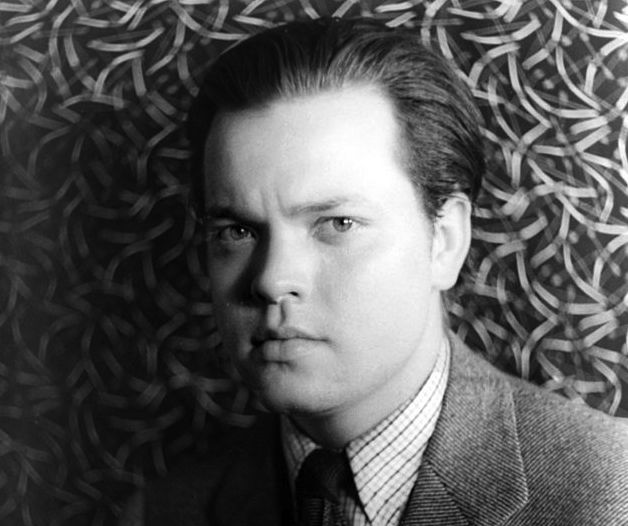
Orson_Welles_1937

Image by Carl Van Vecht­en, via Wiki­me­dia Com­mons

I wager that we could all recount the plot points of A Christ­mas Car­ol by heart. Fur­ther­more, I wager that most of us inad­ver­tent­ly com­mit­ted these to mem­o­ry not by read­ing and re-read­ing Charles Dick­ens’ 1843 novel­la (avail­able in our Free eBooks and Free Audio Books col­lec­tions), but by hav­ing seen or heard a dif­fer­ent adap­ta­tion of it each Christ­mas. The work has pro­duced an almost con­fus­ing abun­dance of pro­duc­tions on film, tele­vi­sion, and the stage, from Thomas Edis­on’s 1910 silent short to a Doc­tor Who Christ­mas spe­cial two years ago. Beyond that, we have count­less reimag­in­ings, like the ani­mat­ed Mick­ey’s Christ­mas Car­ol fea­tur­ing Scrooge McDuck as Ebenez­er Scrooge, and loose­ly Christ­mas Car­ol-inspired projects, like Scrooged with Bill Mur­ray. The sto­ry has also made its way to the radio many times, most notably in the 1930s, when Camp­bel­l’s Soup would spon­sor its year­ly appear­ance. In 1939, the “Camp­bell Play­house” brought in two espe­cial­ly for­mi­da­ble thes­pi­ans, Orson Welles and Lionel Bar­ry­more, and you can lis­ten to the result at archive.org, or right below.

Welles, of course, came in as no stranger to adapt­ing lit­er­a­ture for radio; he’d pulled off his infa­mous­ly real­is­tic Hal­loween drama­ti­za­tion of H.G. Wells’ The War of the Worlds just the year before. My per­son­al favorite of his adap­ta­tions remains the haunt­ing­ly askew Orson Welles Show ver­sion of Carl Ewald’s My Lit­tle Boy, but I can’t deny that he brings an entire­ly suit­able tone of mild grandeur, ini­tial­ly stern but ulti­mate­ly pleased, to A Christ­mas Car­ol. Bar­ry­more, an actor of both the nine­teenth and twen­ti­eth cen­turies who man­aged to suc­ceed on stage, in silent films, and then in sound films, plays the now-arche­typ­al miser­ly cur­mud­geon Ebenez­er Scrooge with a style that, for my mon­ey, falls sec­ond only to Scrooge McDuck­’s. But then, we can’t go com­par­ing car­toon char­ac­ters to flesh-and-blood per­form­ers, and Dis­ney’s Scrooge sure­ly drew his own sig­na­ture miser­li­ness and cur­mud­geon­hood (not to men­tion his name) from Dick­ens’, a fig­ure already firm­ly lodged in our col­lec­tive hol­i­day con­scious­ness, thanks espe­cial­ly to per­for­mances like Bar­ry­more’s.

Relat­ed con­tent:

A Christ­mas Car­ol by Charles Dick­ens

Orson Welles Vin­tage Radio: The War of the Worlds That Pet­ri­fied a Nation

Cel­e­brate the 200th Birth­day of Charles Dick­ens with Free Movies, eBooks and Audio Books

Col­in Mar­shall hosts and pro­duces Note­book on Cities and Cul­ture and writes essays on lit­er­a­ture, film, cities, Asia, and aes­thet­ics. Fol­low him on Twit­ter at @colinmarshall.

« Go BackMore in this category... »
Quantcast