Library of Congress Releases Audio Archive of Interviews with Rock ‘n’ Roll Icons

Back in the mid-to-late 1980s, some of the fig­ures we con­sid­er Rock and Roll icons were near or at the nadir of their pop­u­lar­i­ty. With Duran Duran, The Police and Michael Jack­son at the top of the charts, artists like George Har­ri­son, Bob Dylan and even David Bowie had put out their last great records and were wait­ing for the nos­tal­gia wheel to turn.

Enter Joe Smith, record­ing indus­try exec­u­tive and for­mer disc jock­ey. Over two years in the late 80s, while pres­i­dent of Capi­tol Records/EMI, Smith record­ed near­ly 240 hours of inter­views with a cat­a­log of major musi­cal artists from Mick Jag­ger, Bowie and Paul McCart­ney to Yoko Ono, George Har­ri­son and Lin­da Ron­stadt.

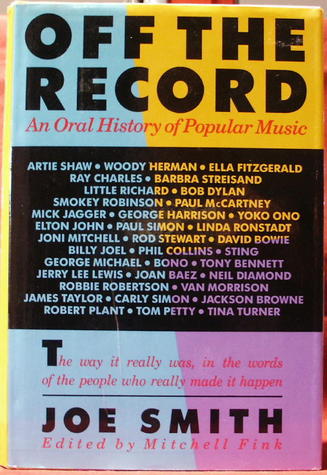
Smith used excerpts of the inter­views for the book Off the Record, pub­lished in 1988. Now retired, he has donat­ed the archive of unedit­ed audio inter­views to the Library of Con­gress. The Joe Smith Col­lec­tion will fea­ture talks with more than 200 artists. As an indus­try insid­er Smith had extra­or­di­nary access. It’s not that these artists aren’t already heav­i­ly inter­viewed and doc­u­ment­ed. It’s the inti­mate tone of the con­ver­sa­tions that pleas­es and sur­pris­es.

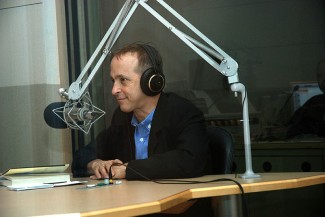
In a leisure­ly con­ver­sa­tion with Smith, David Bowie (above) talks about tak­ing class­es from Peter Framp­ton’s father in art school. Yoko Ono, inter­viewed in late 1987, comes across as still liv­ing in the shad­ow of her late hus­band. By now, Ono has a big­ger rep­u­ta­tion as an artist in her own right. Lin­da Ron­stadt, who Smith signed to a record­ing con­tract, reflects on her years per­form­ing at L.A.’s Trou­ba­dour night­club dur­ing the rise of coun­try rock.

By now each of these super­stars has writ­ten his or her mem­oir and the gold­en era of major labels has been dis­sect­ed by musi­cal dig­gers. So lis­ten­ing to these inter­views from the 1980s takes on a nos­tal­gic feel of its own. Smith’s ques­tions sound naive now. Isn’t it amaz­ing, he remarks to the leg­endary pro­duc­er George Mar­tin, that the Bea­t­les were so heav­i­ly influ­enced by African-Amer­i­can blues?! It’s sweet to hear leg­endary artists and an indus­try insid­er stum­ble upon obser­va­tions like that one, which have now been so thor­ough­ly digest­ed.

Smith tran­si­tioned from broad­cast radio to record pro­mo­tions, even­tu­al­ly ris­ing to exec­u­tive ranks as pres­i­dent of Warn­er Broth­ers, Elektra/Asylum and Capi­tol Records/EMI. He signed the Grate­ful Dead, Jimi Hen­drix and Van Mor­ri­son, so it’s no sur­prise that Mick­ey Hart is inter­viewed, shar­ing an inti­mate sto­ry about his father.

So far, audio for only 25 inter­views is avail­able on the library’s site. More inter­views will be uploaded over time, includ­ing one with Smith him­self in which he talks dirt about his rela­tion­ship with for­mer busi­ness part­ner Frank Sina­tra.

Kate Rix writes about dig­i­tal media and edu­ca­tion. Read more of her work at and thenifty.blogspot.com.
The Rolling Stones at 50: Mick, Keith, Charlie & Ronnie Revisit Their Favorite Songs


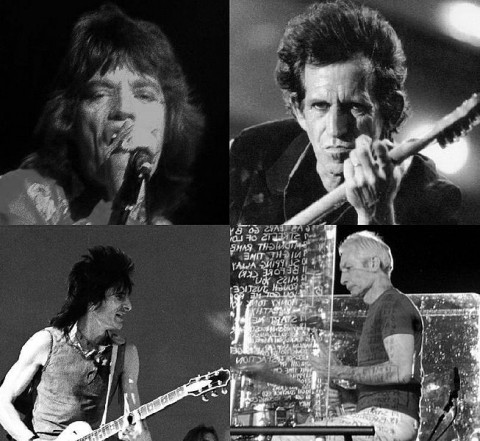
The Rolling Stones are cel­e­brat­ing their 50th anniver­sary this year, and like every­thing with the Stones, they’re doing it big. The band has sched­uled a series of five spe­cial con­certs on both sides of the Atlantic, begin­ning next Sun­day in Lon­don and con­tin­u­ing in Newark, New Jer­sey, and Brook­lyn, New York, in Decem­ber.

And like every­thing with the Stones, it’s expen­sive. Tick­ets for the Lon­don shows, for exam­ple, range in price from about $150 to $1,500, which has prompt­ed more than a few com­plaints. The band has defend­ed the prices, say­ing that they’re doing a large-scale show with only five audi­ences to cov­er the pro­duc­tion costs. “We’ve already spent a mil­lion on rehears­ing in Paris,” gui­tarist Ron­nie Wood told The Tele­graph recent­ly. “And the stage is going to be anoth­er few mil­lion. And the lights. We feel no bad thing about tick­et prices. We’ve got to make some­thing.”

The rock ’n’ roll busi­ness­men also expect to make some­thing from a pay-per-view broad­cast of the sold-out Decem­ber 15 show in Newark, along with sales of a new illus­trat­ed auto­bi­og­ra­phy called The Rolling Stones: 50 and a ret­ro­spec­tive album called GRRR!, which comes in sev­er­al edi­tions rang­ing from the three-disc basic CD ver­sion to a five-disc vinyl boxed set. While pro­mot­ing the album, all four mem­bers of the Stones agreed to be inter­viewed by Melis­sa Block of the NPR pro­gram All Things Con­sid­ered. Block asked each of the Stones to pick one song from their exten­sive cat­a­log to dis­cuss. It’s an inter­est­ing series of con­ver­sa­tions, and you can hear each one by fol­low­ing these links:

Along with the expect­ed clas­sics, GRRR! includes two new songs, includ­ing the first sin­gle released by the Stones in six years, “Doom and Gloom.” (See the video below.) It’s a blus­tery tune, lack­ing the rhyth­mic sophis­ti­ca­tion and inven­tive­ness of the band’s ear­li­er work, but it amply demon­strates that even after 50 years, the Stones still know how to rock.

Relat­ed con­tent:

The Rolling Stones Jam With Their Idol, Mud­dy Waters, 1981

The Rolling Stones Sing Jin­gle for Rice Krispies Com­mer­cial, 1964

The Rolling Stones Sing the Bea­t­les’ ‘Eight Days a Week’ in a Hotel Room, 1965

David Sedaris Reads You a Story By Miranda July

Thanks to his fre­quent appear­ances on radio’s This Amer­i­can Life, David Sedaris pos­sess­es one of the most rec­og­niz­able author voic­es in the world. Simul­ta­ne­ous­ly light and insin­u­at­ing, it has come to seem as much a part of his oeu­vre as the San­ta­land Diaries and his anec­dotes about his par­ents, sib­lings and boyfriend. His arch spin on var­i­ous region­al and gen­er­a­tional phras­es is noth­ing if not instant­ly rec­og­niz­able.

What a plea­sure, then, to hear the sin­cer­i­ty with which he deploys this instru­ment in ser­vice of a fel­low author’s work. Invit­ed to choose a sto­ry to read aloud for the New York­er’s fic­tion pod­cast, Sedaris went with “Roy Spivey” by Miran­da July, anoth­er writer who could nev­er be accused of hid­ing behind her work. One sus­pects there are ele­ments of auto­bi­og­ra­phy with­in this tale, though don’t dri­ve your­self nuts try­ing to fig­ure out the iden­ti­ty of the male movie star seat­ed next to the main char­ac­ter. Just enjoy the non-wink­ing gen­eros­i­ty with which Sedaris embod­ies July’s female nar­ra­tor, even when called upon to get her through a bath­room scene that — in spir­it, any­way — recalls one of his most cel­e­brat­ed, non­fic­tion­al fol­lies.

(Speak­ing of which, stay tuned for the post-sto­ry inter­view for the sort of admis­sion Sedaris fans have come to crave.)

For more lit­er­ary read­ings, see our pre­vi­ous post: The New Yorker’s Fic­tion Pod­cast: Where Great Writ­ers Read Sto­ries by Great Writ­ers.

- Ayun Hal­l­i­day’s region­al accent does noth­ing for her book sales.

Two Legends Together: A Young Bob Dylan Talks and Plays on The Studs Terkel Program, 1963

In the spring of 1963 Studs Terkel intro­duced Chica­go radio lis­ten­ers to an up-and-com­ing musi­cian, not yet 22 years old, “a young folk poet who you might say looks like Huck­le­ber­ry Finn, if he lived in the 20th cen­tu­ry. His name is Bob Dylan.” (Lis­ten to the inter­view below.)

Dylan had just fin­ished record­ing the songs for his sec­ond album, The Free­wheel­in’ Bob Dylan, when he trav­eled from New York to Chica­go to play a gig at a lit­tle place part­ly owned by his man­ag­er, Albert Gross­man, called The Bear Club. The next day he went to the WFMT stu­dios for the hour-long appear­ance on The Studs Terkel Pro­gram. Most sources give the date of the inter­view as April 26, 1963, though Dylan schol­ar Michael Krogs­gaard has giv­en it as May 3.

Things were mov­ing fast in Dylan’s life at that time. He was just emerg­ing as a major song­writer. His debut album from the year before, Bob Dylan, was made up most­ly of oth­er peo­ple’s songs. The Free­wheel­in’ Bob Dylan, which was fin­ished but had­n’t yet been released, con­tained almost all orig­i­nal mate­r­i­al, includ­ing sev­er­al songs that would become clas­sics, like “Blowin’ in the Wind,” “Don’t Think Twice, It’s All Right” and “A Hard Rain’s a Gonna Fall.” With­in a few months Dylan would make his debut at the New­port Folk Fes­ti­val and per­form at the his­toric March on Wash­ing­ton. But when Dylan vis­it­ed WFMT, it’s like­ly that many of Terkel’s lis­ten­ers had nev­er heard of him. In the record­ed broad­cast he plays the fol­low­ing songs:

  1. Farewell
  2. A Hard Rain’s a‑Gonna Fall
  3. Bob Dylan’s Dream
  4. Boots of Span­ish Leather
  5. John Brown
  6. Who Killed Dav­ey Moore?
  7. Blowin’ In The Wind

Dylan tells Terkel that “A Hard Rain’s a Gonna Fall” is not about atom­ic fall­out, even though he wrote the song in a state of anx­i­ety dur­ing the Cuban mis­sile cri­sis. “No, it’s not atom­ic rain,” Dylan says, “it’s just a hard rain. It isn’t the fall­out rain. I mean some sort of end that’s just got­ta hap­pen.… In the last verse, when I say, ‘the pel­lets of poi­son are flood­ing their waters,’ that means all the lies that peo­ple get told on their radios and in their news­pa­pers.”

But as the con­ver­sa­tion pro­gress­es it becomes clear that the moti­va­tion behind Dylan’s com­ments isn’t to dis­pel myths or to clear up any of the “lies that peo­ple get told on their radios.” Rather, he’s dri­ven by his life-long dread of being pigeon­holed by oth­ers. Dylan is hap­py to spread his own myths. At one point he tells Terkel a “stretch­er” that would have made Huck­le­ber­ry Finn proud: He claims that when he was about ten years old he saw Woody Guthrie per­form in Bur­bank, Cal­i­for­nia. Regard­less of its fac­tu­al­i­ty, the Dylan-Terkel inter­view is an enter­tain­ing hour, a fas­ci­nat­ing win­dow on the young artist as he was enter­ing his prime. You can stream it here.

If you would like to sign up for Open Culture’s free email newslet­ter, please find it here. It’s a great way to see our new posts, all bun­dled in one email, each day.

If you would like to sup­port the mis­sion of Open Cul­ture, con­sid­er mak­ing a dona­tion to our site. It’s hard to rely 100% on ads, and your con­tri­bu­tions will help us con­tin­ue pro­vid­ing the best free cul­tur­al and edu­ca­tion­al mate­ri­als to learn­ers every­where. You can con­tribute through Pay­Pal, Patre­on, and Ven­mo (@openculture). Thanks!

Revisit the Radio Sessions and Record Collection of Groundbreaking BBC DJ John Peel

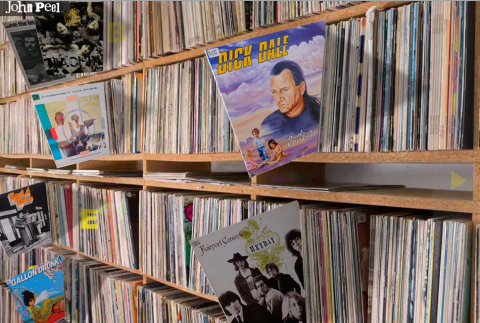
Will any radio DJ ever draw more respect than John Peel has? It seems unlike­ly, espe­cial­ly since so many fas­ci­nat­ing arti­facts of his life and career have become avail­able on the inter­net since his death in 2004. You can now explore, thanks to the John Peel Archive, Peel’s dig­i­tized office, a repos­i­to­ry of videos, sound record­ings, pho­tos and broad­casts. But for its obvi­ous pièce de résis­tance, look no fur­ther than Peel’s record col­lec­tion, made vir­tu­al for your brows­ing enjoy­ment. There you’ll find stream­able albums, pop-cul­tur­al arti­facts, and tes­ti­mo­ny from many a famous musi­cian about the vital impor­tance of John Peel to their careers. Those too young or too non-Eng­lish to have tuned in to BBC Radio 1 dur­ing Peel’s hey­day may not real­ize that this is no ordi­nary record col­lec­tion. This is a trea­sure trove of 25,000 LPs and 40,000 sin­gles assem­bled by a man who brought to the rock-enthu­si­ast pub­lic the likes of Bil­ly Bragg, Orches­tral Manoeu­vres in the Dark, The Fall, Pave­ment Buz­zcocks, Elvis Costel­lo, David Bowie… the list goes on.

Peel show­cased such artists on his famous Peel Ses­sions, which would bring these per­form­ers into the BBC’s stu­dios to lay down four or five songs. Quick­ly mixed and read­ied for broad­cast, these songs would retain a rougher, loos­er, often more impro­vi­sa­tion­al feel than the records that made these play­ers famous. Tapes of a band’s Peel Ses­sion thus imme­di­ate­ly became a hot­ly trad­ed com­mod­i­ty among that band’s fans. Today, Peel’s own fans have help­ful­ly uploaded a selec­tion of his broad­casts, offi­cial Peel Ses­sions and oth­er­wise, to the audio-shar­ing site Sound­cloud. Per­haps you’d like to hear a snap­shot of Peel’s view or the rock world on Christ­mas Eve 1979. Or how about Octo­ber 13, 2004? Maybe April 4, 1988? Then, when you’re ready — and if you use Spo­ti­fy — make a return to the John Peel Archive and pull up his Ses­sions with a favorite band, be it The Cure, Smash­ing Pump­kins, PJ Har­vey, Cin­era­ma, or whomev­er. You’ll hear why, 45 years on from his broad­cast­ing debut and eight from his pass­ing, John Peel remains the locus clas­si­cus of knowl­edge­able, dis­cern­ing rock-radio cool.

Col­in Mar­shall hosts and pro­duces Note­book on Cities and Cul­ture. Fol­low him on Twit­ter at @colinmarshall.

What Happens When a Terry Gross/Fresh Air Interview Ends: A Comic Look

If you’re a reg­u­lar read­er of Open Cul­ture, and if you live in the Unit­ed States, then chances are you lis­ten to Ter­ry Gross’ Fresh Air inter­views on NPR, at least occa­sion­al­ly. There’s also a good chance that you’ve won­dered, at some point dur­ing the past 30 years, what the host looks like and what goes on behind the scenes. Now you can find out … sort of.

Above, we’re fea­tur­ing a new video by come­di­an Mike Bir­biglia, which gives you a fun­ny and entire­ly fic­tion­al look at what hap­pens when a Fresh Air inter­view draws to a close. The video was orig­i­nal­ly pro­duced for the “This Amer­i­can Life” live show, which was broad­cast to 500 movie the­aters on Thurs­day night. If you’re a casu­al or ded­i­cat­ed lis­ten­er to Fresh Air, it’s good for a laugh. And if you’ve nev­er lis­tened to the show before, you can get acquaint­ed by lis­ten­ing to Ter­ry’s actu­al inter­view of Bir­biglia in Octo­ber 2010. Catch it right here, or lis­ten below.

via AllTh­ingsD

Relat­ed Con­tent:

Ira Glass on the Art of Sto­ry­telling

by | Permalink | Make a Comment ( 1 ) |

Werner Herzog Reads From Cormac McCarthy’s All the Pretty Horses

Rough­ly since the 2005 release of his wide­ly seen doc­u­men­tary Griz­zly Man, Wern­er Her­zog has come into great demand. He does so not just as a film­mak­er (though he has dozens and dozens of movies of many kinds to his name), or as a writer (though sev­er­al vol­umes of his diaries and one long-form inter­view have appeared as books). Many of Her­zog’s newest fans, lured into the fold by the dis­tinc­tive voiceover nar­ra­tion he records for his doc­u­men­taries, sim­ply want to hear him talk. Hav­ing grown up in Bavaria, honed his craft in Ger­man-lan­guage projects through the sev­en­ties, and more recent­ly put down roots in Los Ange­les, Her­zog com­mu­ni­cates in a man­ner some­how more basic and more intel­lec­tu­al, more and less artic­u­late, than any oth­er pub­lic per­son­al­i­ty alive. In one char­ac­ter­is­tic line from Griz­zly Man, he com­pares his view of nature to his hap­less sub­ject, the late bear enthu­si­ast Tim­o­thy Tread­well: “What haunts me is that, in all the faces of all the bears that Tread­well ever filmed, I dis­cov­er no kin­ship, no under­stand­ing, no mer­cy. I see only the over­whelm­ing indif­fer­ence of nature. To me, there is no such thing as a secret world of the bears. And this blank stare speaks only of a half-bored inter­est in food.”

If you’ve nev­er seen the movie, imag­ine those sen­tences spo­ken with a Teu­ton­i­cal­ly inflect­ed delib­er­ate­ness and the non-native Eng­lish speak­er’s slight hes­i­tan­cy about word choice. Then imag­ine it ulti­mate­ly arriv­ing at the kind of grasp of and rev­er­ence for the mean­ing of those words you tend to have to spend a lot of time star­ing into the abyss to achieve. Giv­en his inter­est in the affect­less sav­agery of the world around us, it comes as no sur­prise that Her­zog counts him­self as a fan of the nov­el­ist Cor­mac McCarthy. Pulled from an episode of NPR’s Sci­ence Fri­day, the above clip fea­tures Her­zog read­ing, and thrilling to, a pas­sage from McCarthy’s 1992 nov­el, All the Pret­ty Hors­es. “It can­not get any bet­ter,” he adds, “and for decades we have not had this lan­guage in Amer­i­can lit­er­a­ture.” Crim­i­nal­ly, he did­n’t direct the adap­ta­tion of All the Pret­ty Hors­es, nor has he direct­ed any oth­er. But until the inevitable day that he does, per­haps he could just record McCarthy’s audio­books?

Relat­ed con­tent:

Wern­er Her­zog Reads “Go the F**k to Sleep” in NYC (NSFW)

An Evening With Wern­er Her­zog

Con­tem­po­rary Amer­i­can Lit­er­a­ture: An Open Yale Course

Col­in Mar­shall hosts and pro­duces Note­book on Cities and Cul­ture. Fol­low him on Twit­ter at @colinmarshall.

McLuhan Said “The Medium Is The Message”; Two Pieces Of Media Decode the Famous Phrase

For my mon­ey, “I don’t nec­es­sar­i­ly agree with every­thing I say” tops the list of Mar­shall McLuhan-isms, fol­lowed close­ly and at times sur­passed by “You don’t like those ideas? I got oth­ers.” Many pre­fer the immor­tal “You know noth­ing of my work!”, the line McLuhan deliv­ers dur­ing his brief appear­ance in Woody Allen’s Annie Hall. In 1977, the same year Allen’s pro­tag­o­nist would sum­mon him to defeat that pon­tif­i­cat­ing aca­d­e­m­ic, McLuhan flew to Syd­ney to deliv­er a lec­ture. Then, for the Aus­tralian Broad­cast­ing Cor­po­ra­tion’s Radio Nation­al, he record­ed a pro­gram answer­ing ques­tions from stu­dents, nuns, and oth­ers about his views on media. (Find Part 1 above, and Parts 2 and 3 here and here.) McLuhan hap­pened to view media in a way nobody else did at the time, and the fields of media stud­ies and media the­o­ry would go on to devel­op in large part from his work. This Joyce-lov­ing, God-fear­ing, six­teenth-cen­tu­ry-pam­phlet-study­ing pro­fes­sor of Eng­lish lit­er­a­ture nev­er­the­less deployed mod­ern sound bites with as much indus­try as he scru­ti­nized them. Hence the endurance, over thir­ty years after his death and over forty years past the peak of his pop­u­lar­i­ty, of “The medi­um is the mes­sage,” a phrase that, seem­ing­ly since the moment McLuhan first uttered it, has stood as a light­ning rod to his detrac­tors.

Very often, some­one will insist that, no, the con­tent of a mes­sage mat­ters too, mak­ing the pro­nounce­ment with the atti­tude of hav­ing seen through the emper­or’s clothes. A dis­em­bod­ied voice makes a sim­i­lar crit­i­cism of McLuhan’s crit­ics in The Medi­um is the Mas­sage, the 1968 album that mir­rors both the con­tent and the dense, exper­i­men­tal visu­al col­lage form of McLuhan and graph­ic design­er Quentin Fiore’s epony­mous book. Lis­ten to the album (side A, side B) at UBUwe­b’s Mar­shall McLuhan sound archive and get an aur­al glimpse into the mind that, upon receiv­ing a proof of his book back from the print­er’s with the title mis­spelled, sud­den­ly real­ized that only the word Mas­sage, with con­no­ta­tions of the mass media in whose age he lived, expressed the full extent of his mean­ing. But he did believe that the very exis­tence of the tele­phone or tele­vi­sion, and the effects of their exis­tence on human­i­ty as a whole, made for an infi­nite­ly rich­er object of study than what­ev­er con­tent humans hap­pened to send across them. Through the pieces of media in this post, you can see and hear McLuhan expand upon this idea in his delib­er­ate, ora­tor­i­cal­ly metaphor­i­cal, some­times mad­den­ing­ly oblique man­ner. He works through the impli­ca­tions of, exten­sions of, and pos­si­ble con­tra­dic­tions to this odd­ly robust notion, which some, in our hyper­com­mu­nica­tive, end­less­ly medi­at­ed inter­net age, would in hind­sight call prophe­cy.

Relat­ed con­tent:

Mar­shall McLuhan on the Stu­pid­est Debate in the His­to­ry of Debat­ing

Mar­shall McLuhan: The World is a Glob­al Vil­lage

Nor­man Mail­er & Mar­shall McLuhan Debate the Elec­tron­ic Age

Col­in Mar­shall hosts and pro­duces Note­book on Cities and Cul­ture. Fol­low him on Twit­ter at @colinmarshall.

« Go BackMore in this category... »
Quantcast