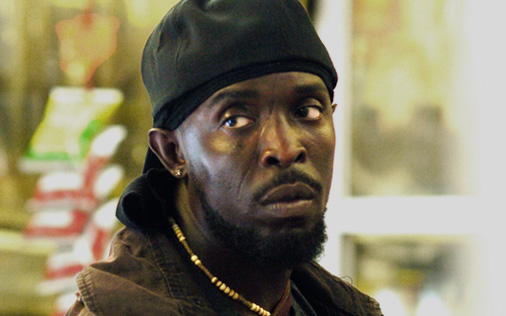
Francis Bacon on the South Bank Show: A Singular Profile of the Singular Painter

When did you first feel the rush of stealth­ily man­nered grotes­querie that is Fran­cis Bacon’s Study after Velázquez’s Por­trait of Pope Inno­cent X? If you’ve seen the paint­ing in detail, even in repro­duc­tion, you’ll always remem­ber that moment. By the same token, if you watch this Emmy Award-win­ning pro­file of Fran­cis Bacon (above), you’ll always remem­ber these 51 min­utes. A pro­duc­tion of Lon­don Week­end Tele­vi­sion (now ITV Lon­don), The South Bank Show offered doc­u­men­tary por­traits of well-known artists and per­form­ers from Dou­glas Adams to Steve Reich to Ter­ry Gilliam to the Pet Shop Boys. Only nat­ur­al, then, that it would turn its lens toward Bacon in 1985, when his can­vass­es of human fig­ures, often in trip­tych, just abstract­ed enough to cause sub­con­scious trou­ble, reached a peak on the art mar­ket. Rov­ing from gallery to stu­dio to café to bar, the pro­gram reveals an artist, one then held, in the words of host Melvyn Bragg, to be the great­est liv­ing painter in the world.

This episode end­ed up win­ning an Inter­na­tion­al Emmy, and beyond the dose of vig­or for the craft it can still shoot into the veins of doc­u­men­tar­i­ans both fresh-faced and world-weary, it attests to the sharp­ness of the minds Lon­don Week­end Tele­vi­sion employed back then. Dis­play­ing a com­bi­na­tion of casu­al­ness, spon­tane­ity, rig­or, and cin­e­mat­ic pre­sen­ta­tion rare even in the­atri­cal films, the broad­cast fol­lows Bragg (now best known as the pre­sen­ter of BBC Radio 4’s In Our Time) and Bacon in a sin­gle long-form con­ver­sa­tion. It begins, sober­ly enough, in the blue glow of a slide pro­jec­tor and ends, drunk­en­ly enough, in the rud­di­ness of the painter’s favorite “drink­ing club,” carv­ing out spaces in between for Bacon’s imagery as well as its visu­al inspi­ra­tions and ref­er­ents.

The pro­gram finds Bacon ready to dis­cuss his life and work with utter frank­ness: his gam­bling; his homo­sex­u­al­i­ty; his dis­taste for the acad­e­my; his famous paint­ings he’d rather see burned; his habit of not only paint­ing with­out a sketch, but doing so on the “wrong” side of the can­vas. And how often do you see an inter­view over a bot­tle of wine whose par­tic­i­pants have actu­al­ly been drink­ing? “Do you think any­thing exists apart from the moment?” Bragg asks Bacon before the lat­ter stag­gers up to pour anoth­er round. “Are you real?” inter­vie­wee lat­er demands of inter­view­er.

Col­in Mar­shall hosts and pro­duces Note­book on Cities and Cul­ture. Fol­low him on Twit­ter at @colinmarshall.

Alfred Hitchcock: A Rare Look Into the Filmmaker’s Creative Mind

Note: Appar­ent­ly this video is geo-restrict­ed by YouTube, and we had no way of know­ing this before pub­li­ca­tion. Our apolo­gies. To make it up to you, we have pulled togeth­er 21 Hitch­cock films that are freely avail­able online.

Alfred Hitch­cock takes us inside his cre­ative process in this fas­ci­nat­ing 1964 pro­gram from the Cana­di­an Broad­cast­ing Cor­po­ra­tion. “A Talk with Alfred Hitch­cock” is part inter­view, part mas­ter class in the craft of telling sto­ries on film.

The pro­gram was pro­duced in two seg­ments for the doc­u­men­tary series Tele­scope. It fea­tures scenes from Hitch­cock­’s movies, inter­views with his long-time col­lab­o­ra­tors, and glimpses of Hitch­cock at work on the set of his 1964 film Marnie. The inter­view, con­duct­ed by Fletch­er Markle, cov­ers a lot of ground. In episode one (above), Hitch­cock talks about the nature of art and the meth­ods he uses as a film­mak­er to manip­u­late the audi­ence’s emo­tions. The dis­cus­sion con­tin­ues in episode two (below) with more on Hitch­cock­’s career, along with insights into his rela­tion­ship with the pub­lic and his out­look on life. “A Talk with Alfred Hitch­cock” is a must-see for cin­e­ma lovers.

Relat­ed con­tent:

Alfred Hitch­cock: The Secret Sauce for Cre­at­ing Sus­pense

Alfred Hitch­cock Recalls Work­ing with Sal­vador Dali on Spell­bound

François Truf­faut’s Big Inter­view with Alfred Hitch­cock (Free Audio)

David Lynch Falls in Love: A Classic Scene From Twin Peaks

They say a man falls in love through his eyes, a woman through her ears. In this scene from Twin Peaks, David Lynch pours on the ear-shat­ter­ing charm. The scene is from episode 25 of the sec­ond and final sea­son (1991). Lynch makes a cameo appear­ance as Gor­don Cole, the hard-of-hear­ing region­al bureau chief of the FBI, who has arrived in town to help agent Dale Coop­er (Kyle MacLach­lan) with an inves­ti­ga­tion. When the two men stop by at the Dou­ble R Din­er for a bite to eat, Cole is instant­ly smit­ten by the pret­ty wait­ress, Shelly John­son (Mäd­chen Amick). “Excuse me, Coop,” he says suave­ly, “while I try my hand in a lit­tle counter Esperan­to.” What hap­pens next is a miracle–or maybe just a phe­nom­e­non.

Relat­ed con­tent:

David Lynch’s Sur­re­al Com­mer­cials

David Lynch’s Eraser­head Remade in Clay

David Lynch Talks Med­i­ta­tion with Paul McCart­ney

William S. Burroughs on Saturday Night Live, 1981

Let’s rewind the video­tape to Novem­ber 7, 1981. That’s when Beat writer William S. Bur­roughs made his first appear­ance on Amer­i­can nation­al tele­vi­sion. Appro­pri­ate­ly, it was on the irrev­er­ent, late-night com­e­dy show, Sat­ur­day Night Live. Actress Lau­ren Hut­ton makes the intro­duc­tion, set­ting up Bur­roughs to read from Naked Lunch (1959) and Nova Express (1964). You can watch the action above, which hap­pens to be the open­ing scene of Bur­roughs, a 1983 doc­u­men­tary by Howard Brookn­er. The com­plete film is list­ed in our col­lec­tion of 450 Free Movies Online (look under Doc­u­men­taries), along with a 1997 BBC doc­u­men­tary on the author. For more good video ded­i­cat­ed to Bur­roughs, don’t miss the fol­low­ing:

William S. Bur­roughs Reads His First Nov­el, Junky (find it also in our col­lec­tion of Free Audio Books)

“The Thanks­giv­ing Prayer,” Read by William S. Bur­roughs and Shot by Gus Van Sant

Gus Van Sant Adapts William S. Bur­roughs’ The Dis­ci­pline of D.E.: An Ear­ly 16mm Short

William S. Bur­roughs on the Art of Cut-up Writ­ing

via @BrainPicker

by | Permalink | Make a Comment ( 2 ) |

Tom Waits Fishing with John Lurie: ‘Like Waiting for Godot on Water’

John Lurie is a musi­cian, actor and artist. He’s also a hor­ri­ble fish­er­man.

As sax­o­phon­ist and leader of the punk-jazz group the Lounge Lizards, Lurie emerged as a cult fig­ure in New York’s down­town arts scene in the 1980s, and the deal was cement­ed with his surly, straight-faced per­for­mances in Jim Jar­musch’s Stranger Than Par­adise and Down by Law. As writer Tad Friend put it in a 2010 New York­er arti­cle, “Between Four­teenth Street and Canal–the known uni­verse, basically–he was the man.”

In 1991 Lurie ven­tured out­side that uni­verse, into the mid­dle-Amer­i­can realm of the TV fish­ing show. With back­ing from Japan­ese investors, he assem­bled a film crew and invit­ed some famous friends–Jarmusch, Tom Waits, Willem Dafoe, Den­nis Hop­per and Matt Dillon–on a series of improb­a­ble fish­ing trips. Fish­ing with John, as the series is called, builds on the dead­pan, jour­ney-to-nowhere sen­si­bil­i­ty of Stranger than Par­adise: noth­ing much hap­pens.

But that’s the point. As a review­er for the Los Ange­les Times saidFish­ing with John is “like Wait­ing for Godot on water.” The plea­sure is in observ­ing peo­ple so utter­ly out of their ele­ment. It’s like watch­ing Mar­lin Perkins or Curt Gowdy wan­der into a SoHo per­for­mance art hap­pen­ing.

In the episode above, Tom Waits does­n’t believe his ears when a Jamaican fish­ing guide tells him what time to get up in the morn­ing: “Five o’clock?” Waits report­ed­ly did­n’t speak to Lurie for two years after­ward. “I dun­no why I ever let you talk me into this,” he grum­bles. “It’s the most absurd thing I’ve ever done in my life.”

In addi­tion to the Waits episode, you can watch the Jim Jar­musch seg­ment online or own the entire series (six episodes, 147 min­utes) on the Cri­te­ri­on Col­lec­tion DVD, which includes com­men­tary by Lurie. And to learn about what Lurie has been up to since the series was made–his strug­gle with the neu­ro­log­i­cal effects of Lyme dis­ease, his hid­ing out from an alleged stalk­er, his new focus on painting–be sure to read Lar­son Sut­ton’s 2011 inter­view with Lurie at Jambands.com. H/T Bib­liok­lept


Relat­ed Con­tent:

Jim Jar­musch: The Art of the Music in His Films

Tom Waits Reads Charles Bukows­ki

Tom Waits Makes Com­ic Appear­ance on Fer­n­wood Tonight (1977)

A Roundup of David Lynch’s Surreal Commercials: Sony PlayStation, Calvin Klein, Georgia Coffee & More

The films of David Lynch seem any­thing but “com­mer­cial.” Dis­turb­ing, incom­pre­hen­si­ble, they shine a flash­light into the dark­est regions of the sub­con­scious mind. When you walk out of a the­ater after watch­ing a David Lynch film you feel like you just woke up from a vivid and unset­tling dream.

But Lynch has been lead­ing a dou­ble life. While mak­ing uncom­pro­mis­ing­ly artis­tic works for the movie the­aters, he has been direct­ing com­mer­cials for tele­vi­sion and oth­er media on the side. Why does he do it? “Well,” Lynch told Chris Rod­ley in Lynch on Lynch, “they’re lit­tle bit­ty films, and I always learn some­thing by doing them.”

Lynch began receiv­ing offers to make com­mer­cials after the crit­i­cal suc­cess of Blue Vel­vet in 1986. His first project was a series of four 30-sec­ond spots for Calvin Klein’s Obses­sion fra­grance in 1988, each with a pas­sage writ­ten by a famous nov­el­ist. The ad above quotes Ernest Hem­ing­way’s The Sun Also Ris­es. You can also watch com­mer­cials fea­tur­ing F. Scott Fitzger­ald and D.H. Lawrence, but the fourth one, fea­tur­ing Gus­tave Flaubert, is cur­rent­ly unavail­able.

Lynch has com­plet­ed many adver­tis­ing assign­ments over the years, always man­ag­ing to retain some­thing of his unique vision in the process. We’ve select­ed some of the most strik­ing­ly “Lynchi­an” of the com­mer­cials. Scroll down and enjoy.

When Lynch was asked a few years ago how he felt about prod­uct place­ment in movies, his video­taped answer went viral on YouTube: “Bull­shit. That’s how I feel. Total fuck­ing bull­shit.” So it’s strange to think that Lynch once agreed to place the entire fic­tion­al world of one of his most famous cre­ations, Twin Peaks, at the ser­vice of a Japan­ese cof­fee com­pa­ny. But that’s what he did in 1991, for Geor­gia Cof­fee. In Lynch on Lynch, the film­mak­er was asked whether he was con­cerned about what the com­mer­cials might do to the Twin Peaks image. “Yes,” he replied. “I’m real­ly against it in prin­ci­ple, but they were so much fun to do, and they were only run­ning in Japan and so it just felt OK.”

The four com­mer­cials, each only 30 sec­onds long, fol­low FBI Spe­cial Agent Dale Coop­er (Kyle McLach­lan) as he solves the mys­tery of a miss­ing Japan­ese woman in the town of Twin Peaks, all the while man­ag­ing to enjoy plen­ty of “damn fine” Geor­gia Cof­fee. Alas, the Japan­ese com­mer­cials were not as suc­cess­ful as the Amer­i­can TV series. “We were sup­posed to do a sec­ond year, and do four more 30-sec­ond spots,” Lynch said, “but they did­n’t want to do them.”

You can watch the first episode, “Lost,” above, and fol­low the rest of the sto­ry through these links: Episode Two: “Cher­ry Pie,” Episode Three: “The Mys­tery of ‘G’ ” and Episode Four: “The Res­cue.”


In 1991 Lynch made one of the creepi­est pub­lic ser­vice mes­sages ever (above) con­cern­ing New York City’s rat prob­lem. The cin­e­matog­ra­phy is by Lynch’s long­time col­lab­o­ra­tor Fred­er­ick Elmes.

“Who is Gio” (above) was shot for Geor­gio Armani in Los Ange­les in ear­ly 1992, right when sev­er­al Los Ange­les police offi­cers were acquit­ted in the video­taped beat­ing of black motorist Rod­ney King–a ver­dict that sparked may­hem in the streets. “We were shoot­ing the big scene with the musi­cians and the club the night the riots broke out in LA,” Lynch told Chris Rod­ley. “Inside the club we were all races and reli­gions, get­ting along so fan­tas­ti­cal­ly, and out­side the club the world was com­ing apart.”

Of all his ear­ly adver­tis­ing clients, Lynch said, Armani gave him the most free­dom. The two-and-a-half-minute ver­sion above is an exten­sion of the orig­i­nal­ly broad­cast 60-sec­ond com­mer­cial.

One of the most bizarre of Lynch’s com­mer­cials is his 1998 con­tri­bu­tion (above) to the “Parisi­enne Peo­ple” cam­paign. The Swiss cig­a­rette mak­er Parisi­enne invit­ed famous direc­tors to make short com­mer­cials for screen­ing in movie the­aters across Switzer­land. To see how oth­ers han­dled the same assign­ment, fol­low these links: Roman Polan­s­kiRobert Alt­man, Jean-Luc Godard (with wife Anne-Marie Miéville), Giuseppe Tor­na­tore, and Ethan and Joel Coen.

Lynch’s sur­re­al 2000 com­mer­cial for Sony Playsta­tion (above), called “The Third Place,” is wide open for inter­pre­ta­tion. Writer Greg Olson takes a hero­ic stab at it in his book, David Lynch: Beau­ti­ful Dark:

For six­ty sec­onds we pro­ceed through a labyrinth of Lynchi­an themes and motifs visu­al­ized in black and white, thus sig­ni­fy­ing the bifur­ca­tion of the world into two polar­i­ties. A man in a black suit and a white shirt encoun­ters eerie pas­sage­ways, sud­den flames, bar­ren trees, fac­to­ry smoke, a woman who won’t speak her secrets, a wound­ed fig­ure wrapped in ban­dages. The man meets his own dou­ble, and a man with a duck­’s head. A source­less voice asks, “Where are we?” The dual­is­tic duck-man, who syn­the­sizes ani­mal instinct and human learn­ing, knows: “Wel­come to the third place.”

Yes. The duck-man knows.

Relat­ed Con­tent:

David Lynch Debuts Lady Blue Shang­hai

David Lynch’s Organ­ic Cof­fee (Bar­bie Head Not Includ­ed)

Robert DeNiro, Woody Allen and Others in the Post 9/11 “New York Miracle” TV Commercials

In the imme­di­ate after­math of the Sep­tem­ber 11, 2001 ter­ror­ist attacks, when New York and much of the world were still in a state of shock, a group of top-flight actors, direc­tors and oth­er cre­ative work­ers donat­ed their time and tal­ents for a spe­cial project to lure tourists back to the Big Apple. The “New York Mir­a­cle” ads were unveiled only two months after the tragedy, and fea­tured stars like Robert DeNiro, Woody Allen, Ben Stiller and Bil­ly Crys­tal. The com­mer­cials were as much a boost to the city’s morale as they were an invi­ta­tion to tourists. At the end of each seg­ment, May­or Rudy Giu­liani intones: “The New York Mir­a­cle. Be a part of it.”

The video above offers a look back at all nine ads. They appear in the fol­low­ing order:

  1. “Deli,” star­ring Ben Stiller and Kevin Bacon.
  2. “Turkey,” star­ring Robert DeNiro and Bil­ly Crys­tal; direct­ed by Bar­ry Levin­son.
  3. “The­atre,” star­ring Bar­bara Wal­ters; direct­ed by Bryan Buck­ley.
  4. “Skat­ing,” star­ring Woody Allen; direct­ed by Joe Pyt­ka.
  5. “Yan­kee Sta­di­um,” star­ring Hen­ry Kissinger; direct­ed by Joe Pyt­ka.
  6. “Phil­har­mon­ic,” star­ring Yogi Berra; direct­ed by Joe Pyt­ka.
  7. “New York Giants Kick­er,” star­ring Vanes­sa Williams.
  8. “Marathon,” star­ring Al Roker.
  9. “San­ta,” star­ring Christo­pher Walken.

via @webacion

Fellini’s Fantastic TV Commercials

Last month we brought you some lit­tle-known soap com­mer­cials by Ing­mar Bergman. Today we present a series of lyri­cal tele­vi­sion adver­tise­ments made by the great Ital­ian film­mak­er Fed­eri­co Felli­ni dur­ing the final decade of his life.

In 1984, when he was 64 years old, Felli­ni agreed to make a minia­ture film fea­tur­ing Cam­pari, the famous Ital­ian apéri­tif. The result, Oh, che bel pae­sag­gio! (“Oh, what a beau­ti­ful land­scape!”), shown above, fea­tures a man and a woman seat­ed across from one anoth­er on a long-dis­tance train.

The man (played by Vic­tor Polet­ti) smiles, but the woman (Sil­via Dion­i­sio) averts her eyes, star­ing sul­len­ly out the win­dow and pick­ing up a remote con­trol to switch the scenery. She grows increas­ing­ly exas­per­at­ed as a sequence of desert and medieval land­scapes pass by. Still smil­ing, the man takes the remote con­trol, clicks it, and the beau­ti­ful Cam­po di Mira­coli (“Field of Mir­a­cles”) of Pisa appears in the win­dow, embell­ished by a tow­er­ing bot­tle of Cam­pari.

“In just one minute,” writes Tul­lio Kezich in Fed­eri­co Felli­ni: His Life and Work, “Felli­ni gives us a chap­ter of the sto­ry of the bat­tle between men and women, and makes ref­er­ence to the neu­ro­sis of TV, insin­u­ates that we’re dis­parag­ing the mirac­u­lous gifts of nature and his­to­ry, and offers the hope that there might be a screen that will bring the joy back. The lit­tle tale is as quick as a train and has a remark­ably light touch.”

Also in 1984, Felli­ni made a com­mer­cial titled Alta Soci­eta (“High Soci­ety”) for Bar­il­la riga­toni pas­ta (above). As with the Cam­pari com­mer­cial, Felli­ni wrote the script him­self and col­lab­o­rat­ed with cin­e­matog­ra­ph­er Ennio Guarnieri and musi­cal direc­tor Nico­la Pio­vani. The cou­ple in the restau­rant were played by Gre­ta Vaian and Mau­r­izio Mau­ri. The Bar­il­la spot is per­haps the least inspired of Fellini’s com­mer­cials. Bet­ter things were yet to come.

In 1991 Felli­ni made a series of three com­mer­cials for the Bank of Rome called Che Brutte Not­ti or “The Bad Nights.” “These com­mer­cials, aired the fol­low­ing year,” writes Peter Bon­danel­la in The Films of Fed­eri­co Felli­ni, “are par­tic­u­lar­ly inter­est­ing, since they find their inspi­ra­tion in var­i­ous dreams Felli­ni had sketched out in his dream note­books dur­ing his career.”

In the episode above, titled “The Pic­nic Lunch Dream,” the clas­sic damsel-in-dis­tress sce­nario is turned upside down when a man (played by Pao­lo Vil­lag­gio) finds him­self trapped on the rail­road tracks with a train bear­ing down on him while the beau­ti­ful woman he was din­ing with (Anna Falchi) climbs out of reach and taunts him. But it’s all a dream, which the man tells to his psy­cho­an­a­lyst (Fer­nan­do Rey). The ana­lyst inter­prets the dream and assures the man that his nights will be rest­ful if he puts his mon­ey in the Ban­co di Roma.

The oth­er com­mer­cials, which are cur­rent­ly not avail­able online, are called “The Tun­nel Dream” and “The Dream of the Lion in the Cel­lar.” (You can watch Rober­to Di Vito’s short, untrans­lat­ed film of Felli­ni and his crew work­ing on the project here.)

The bank com­mer­cials were the last films Felli­ni ever made. He died a year after they aired, at age 73. In Kezich’s view, the deeply per­son­al and imag­i­na­tive ads amount to Fellini’s last tes­ta­ment, a brief but won­drous return to form. “In Fed­eri­co’s life,” he writes, “these three com­mer­cial spots are a kind of Indi­an sum­mer, the gold­en autumn of a patri­arch of cin­e­ma who, for a moment, holds again the reins of cre­ation.”

Fol­low Open Cul­ture on Face­book and Twit­ter and share intel­li­gent media with your friends. Or bet­ter yet, sign up for our dai­ly email and get a dai­ly dose of Open Cul­ture in your inbox. And if you want to make sure that our posts def­i­nite­ly appear in your Face­book news­feed, just fol­low these sim­ple steps.

« Go BackMore in this category... »
Quantcast